Every Telugu household has one. A tin — sometimes decorated, sometimes just a battered old container that has outlasted three generations of the family that owns it — that comes out for guests, for festivals, for the afternoons when someone important visits and the kitchen needs to produce something worthy of the occasion without warning.
Inside that tin, dry fruits. Jeedipappu arranged in one corner. Badam in another. A handful of Kismis scattered across the bottom. A few Pista for colour.
That tin is a vocabulary lesson and a cultural document simultaneously.
Dry fruits occupy a specific and significant place in Telugu household culture that is different from their role in the cuisines of other regions. In Andhra Pradesh and Telangana, dry fruits appear in the most celebratory cooking — in the Payasam that marks a special occasion, in the Laddu prepared for a family event, in the Pulihora garnished for a festival meal.
They are also the snack that signals genuine hospitality — the thing a Telugu host reaches for when they want to communicate that a guest is valued and the visit is significant.
Learning their names in Telugu is learning the vocabulary of Telugu generosity.
Why This Vocabulary Is Closer Than It Looks
Dry fruit names in Telugu are not obscure or specialised vocabulary. They are words that appear in everyday conversation, in market transactions, in cooking instructions, and in the kind of casual food discussion that happens in Telugu households constantly and naturally. A grandmother describing what goes into her Payasam. A mother listing what to buy at the kirana shop. A vendor at Hyderabad’s Begum Bazar calling out the prices of the day’s fresh stock. All of it requires dry fruit vocabulary and all of it happens in Telugu.
For children, dry fruits offer an unusually direct vocabulary learning opportunity because the objects themselves are immediately present and immediately edible. A child learning that the cashew they are eating is Jeedipappu (జీడిపప్పు) in Telugu learns the word at the exact moment of maximum sensory engagement — the taste, the texture, the pleasure of eating something they enjoy — and that combination of sensory experience and language input creates a memory connection that is extraordinarily durable. The word does not need to be revised because the experience of eating the cashew has already done the revision work permanently.
- It builds vocabulary anchored in the most celebratory and hospitable corners of Telugu culinary culture
- It gives children an immediate, sensory, edible vocabulary lesson that requires no abstraction whatsoever
- It supports confident navigation of Telugu dry fruit markets — particularly the famous wholesale markets of Hyderabad
- It connects language learning to the Telugu tradition of festive cooking where dry fruit vocabulary appears constantly
- It enables genuine participation in the cooking conversations of Telugu households at their most celebratory
- It reflects the cultural values of Telugu hospitality in a vocabulary set that is both practically useful and personally meaningful
Explore Dry Fruits Names In Telugu

Almond
బాదం
Syllable: బా-దం
Pronunciation: Badam
- Almond is healthy – బాదం ఆరోగ్యకరమైనది
- Almond gives energy – బాదం శక్తిని ఇస్తుంది
- Almond contains nutrients – బాదంలో పోషకాలు ఉంటాయి

Cashew
జీడిపప్పు
Syllable: జీ-డి-ప-ప్పు
Pronunciation: Jeedipappu
- Cashew tastes delicious – జీడిపప్పు రుచిగా ఉంటుంది
- Cashew is used in sweets – జీడిపప్పు మిఠాయిలలో వాడతారు
- Cashew is nutritious – జీడిపప్పు పోషకమైనది

Pistachio
పిస్తా
Syllable: పి-స్తా
Pronunciation: Pista
- Pistachio is crunchy – పిస్తా కరకరలాడుతుంది
- Pistachio is tasty – పిస్తా రుచికరమైనది
- Pistachio is used in desserts – పిస్తాను మిఠాయిలలో వాడతారు

Walnut
అక్రోటు
Syllable: అ-క్రో-టు
Pronunciation: Akrotu
- Walnut is good for brain – అక్రోటు మెదడుకు మంచిది
- Walnut has healthy fats – అక్రోటులో ఆరోగ్యకరమైన కొవ్వులు ఉంటాయి
- Walnut is nutritious – అక్రోటు పోషకమైనది

Raisin
కిస్మిస్
Syllable: కిస్-మిస్
Pronunciation: Kismis
- Raisin is sweet – కిస్మిస్ తియ్యగా ఉంటుంది
- Raisin is dried grape – కిస్మిస్ ఎండిన ద్రాక్ష
- Raisin is used in sweets – కిస్మిస్ మిఠాయిలలో వాడతారు
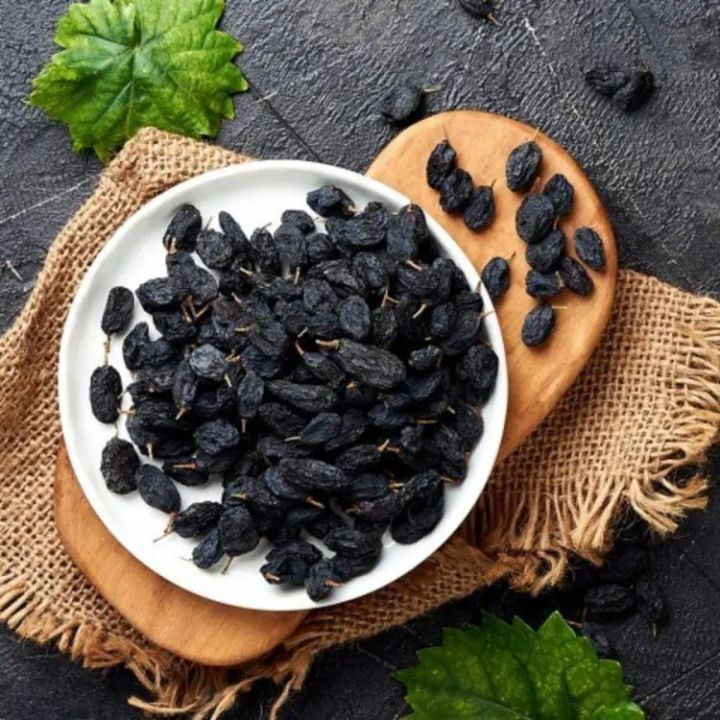
Dry Grapes
ఎండు ద్రాక్ష
Syllable: ఎం-డు-ద్రా-క్ష
Pronunciation: Endu Draksha
- Dry grapes are healthy – ఎండు ద్రాక్ష ఆరోగ్యకరమైనది
- Dry grapes are sweet – ఎండు ద్రాక్ష తియ్యగా ఉంటుంది
- Dry grapes give energy – ఎండు ద్రాక్ష శక్తిని ఇస్తుంది

Dates
ఖర్జూరం
Syllable: ఖర్-జూ-రం
Pronunciation: Kharjooram
- Dates are sweet – ఖర్జూరం తియ్యగా ఉంటుంది
- Dates give energy – ఖర్జూరం శక్తిని ఇస్తుంది
- Dates are nutritious – ఖర్జూరం పోషకమైనది
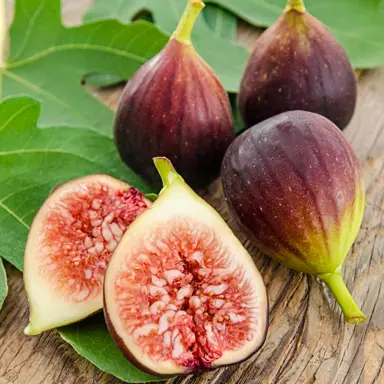
Fig
అంజీర్
Syllable: అం-జీర్
Pronunciation: Anjeer
- Fig is healthy – అంజీర్ ఆరోగ్యకరమైనది
- Fig contains fiber – అంజీర్లో పీచు ఉంటుంది
- Fig is nutritious – అంజీర్ పోషకమైనది

Dried Apricot
ఎండు జర్దాలు
Syllable: ఎం-డు-జర్-దా-లు
Pronunciation: Endu Jardalu
- Dried apricot is sweet – ఎండు జర్దాలు తియ్యగా ఉంటాయి
- Dried apricot is healthy – ఎండు జర్దాలు ఆరోగ్యకరమైనవి
- Dried apricot contains vitamins – ఎండు జర్దాలలో విటమిన్లు ఉంటాయి

Peanut
వేరుశెనగ
Syllable: వే-రు-శె-న-గ
Pronunciation: Verusenaga
- Peanut is crunchy – వేరుశెనగ కరకరలాడుతుంది
- Peanut gives energy – వేరుశెనగ శక్తిని ఇస్తుంది
- Peanut is nutritious – వేరుశెనగ పోషకమైనది
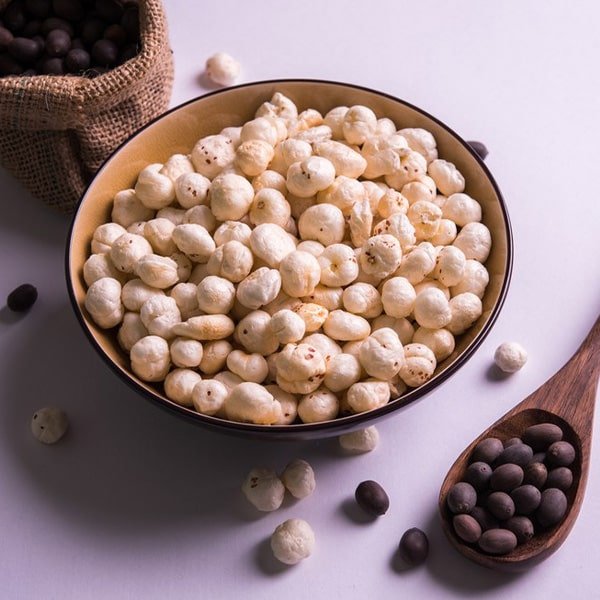
Fox Nut
మఖానా
Syllable: మ-ఖా-నా
Pronunciation: Makhana
- Makhana is healthy – మఖానా ఆరోగ్యకరమైనది
- Makhana is light food – మఖానా తేలికైన ఆహారం
- Makhana is crunchy – మఖానా కరకరలాడుతుంది

Pine Nut
చిల్గోజా
Syllable: చిల్-గో-జా
Pronunciation: Chilgoza
- Pine nut is nutritious – చిల్గోజా పోషకమైనది
- Pine nut contains protein – చిల్గోజాలో ప్రోటీన్ ఉంటుంది
- Pine nut is healthy – చిల్గోజా ఆరోగ్యకరమైనది

Brazil Nut
బ్రెజిల్ నట్స్
Syllable: బ్రె-జిల్-నట్స్
Pronunciation: Brazil Nuts
- Brazil nut is healthy – బ్రెజిల్ నట్స్ ఆరోగ్యకరమైనవి
- Brazil nut is nutritious – బ్రెజిల్ నట్స్ పోషకమైనవి
- Brazil nut contains minerals – బ్రెజిల్ నట్స్లో ఖనిజాలు ఉంటాయి

Hazelnut
హేజల్నట్
Syllable: హే-జల్-నట్
Pronunciation: Hazelnut
- Hazelnut is tasty – హేజల్నట్ రుచిగా ఉంటుంది
- Hazelnut is used in chocolate – హేజల్నట్ చాక్లెట్లో వాడతారు
- Hazelnut is nutritious – హేజల్నట్ పోషకమైనది

Macadamia Nut
మకాడామియా నట్స్
Syllable: మ-కా-డా-మి-యా-నట్స్
Pronunciation: Macadamia Nut
- Macadamia nut is rich – మకాడామియా నట్స్ విలువైనవి
- Macadamia nut is healthy – మకాడామియా నట్స్ ఆరోగ్యకరమైనవి
- Macadamia nut tastes good – మకాడామియా నట్స్ రుచిగా ఉంటాయి

Chestnut
చెస్ట్నట్
Syllable: చెస్ట్-నట్
Pronunciation: Chestnut
- Chestnut is edible – చెస్ట్నట్ తినదగినది
- Chestnut is nutritious – చెస్ట్నట్ పోషకమైనది
- Chestnut is healthy – చెస్ట్నట్ ఆరోగ్యకరమైనది

Dry Coconut
ఎండు కొబ్బరి
Syllable: ఎం-డు-కొ-బ్బ-రి
Pronunciation: Endu Kobbari
- Dry coconut is tasty – ఎండు కొబ్బరి రుచిగా ఉంటుంది
- Dry coconut is used in cooking – ఎండు కొబ్బరి వంటల్లో వాడతారు
- Dry coconut is nutritious – ఎండు కొబ్బరి పోషకమైనది

Areca Nut
పొగాకు గింజ
Syllable: పొ-గా-కు-గిం-జ
Pronunciation: Pogaku Ginja
- Areca nut is hard – పొగాకు గింజ గట్టిగా ఉంటుంది
- Areca nut is commonly used – పొగాకు గింజ సాధారణంగా వాడతారు
- Areca nut is a seed – పొగాకు గింజ ఒక విత్తనం

Lotus Seeds
తామర గింజలు
Syllable: తా-మ-ర-గిం-జ-లు
Pronunciation: Tamara Ginjalu
- Lotus seeds are healthy – తామర గింజలు ఆరోగ్యకరమైనవి
- Lotus seeds are nutritious – తామర గింజలు పోషకమైనవి
- Lotus seeds are light food – తామర గింజలు తేలికైన ఆహారం

Pumpkin Seeds
గుమ్మడి గింజలు
Syllable: గుమ్-మ-డి-గిం-జ-లు
Pronunciation: Gummadi Ginjalu
- Pumpkin seeds are healthy – గుమ్మడి గింజలు ఆరోగ్యకరమైనవి
- Pumpkin seeds contain minerals – గుమ్మడి గింజల్లో ఖనిజాలు ఉంటాయి
- Pumpkin seeds are nutritious – గుమ్మడి గింజలు పోషకమైనవి

Sunflower Seeds
పొద్దుతిరుగుడు గింజలు
Syllable: పొ-ద్దు-తి-రు-గు-డు-గిం-జ-లు
Pronunciation: Poddutirugudu Ginjalu
- Sunflower seeds are healthy – పొద్దుతిరుగుడు గింజలు ఆరోగ్యకరమైనవి
- Sunflower seeds are crunchy – పొద్దుతిరుగుడు గింజలు కరకరలాడుతాయి
- Sunflower seeds are nutritious – పొద్దుతిరుగుడు గింజలు పోషకమైనవి

Flax Seeds
అవిసె గింజలు
Syllable: అ-వి-సె-గిం-జ-లు
Pronunciation: Avise Ginjalu
- Flax seeds are healthy – అవిసె గింజలు ఆరోగ్యకరమైనవి
- Flax seeds contain fiber – అవిసె గింజల్లో పీచు ఉంటుంది
- Flax seeds are nutritious – అవిసె గింజలు పోషకమైనవి

Chia Seeds
చియా గింజలు
Syllable: చి-యా-గిం-జ-లు
Pronunciation: Chia Ginjalu
- Chia seeds are healthy – చియా గింజలు ఆరోగ్యకరమైనవి
- Chia seeds absorb water – చియా గింజలు నీటిని పీలుస్తాయి
- Chia seeds are nutritious – చియా గింజలు పోషకమైనవి

Sesame Seeds
నువ్వులు
Syllable: ను-వ్వు-లు
Pronunciation: Nuvvulu
- Sesame seeds are nutritious – నువ్వులు పోషకమైనవి
- Sesame seeds are used in sweets – నువ్వులు మిఠాయిలలో వాడతారు
- Sesame seeds are healthy – నువ్వులు ఆరోగ్యకరమైనవి

Watermelon Seeds
పుచ్చకాయ గింజలు
Syllable: పుచ్-చ-కా-య-గిం-జ-లు
Pronunciation: Puchchakaya Ginjalu
- Watermelon seeds are edible – పుచ్చకాయ గింజలు తినదగినవి
- Watermelon seeds are healthy – పుచ్చకాయ గింజలు ఆరోగ్యకరమైనవి
- Watermelon seeds contain protein – పుచ్చకాయ గింజల్లో ప్రోటీన్ ఉంటుంది

Melon Seeds
ఖర్బూజ గింజలు
Syllable: ఖర్-బూ-జ-గిం-జ-లు
Pronunciation: Kharbuja Ginjalu
- Melon seeds are nutritious – ఖర్బూజ గింజలు పోషకమైనవి
- Melon seeds are healthy – ఖర్బూజ గింజలు ఆరోగ్యకరమైనవి
- Melon seeds are edible – ఖర్బూజ గింజలు తినదగినవి

Poppy Seeds
గసగసాలు
Syllable: గ-స-గ-సా-లు
Pronunciation: Gasagasalu
- Poppy seeds are small – గసగసాలు చిన్నగా ఉంటాయి
- Poppy seeds are used in cooking – గసగసాలు వంటల్లో వాడతారు
- Poppy seeds are nutritious – గసగసాలు పోషకమైనవి
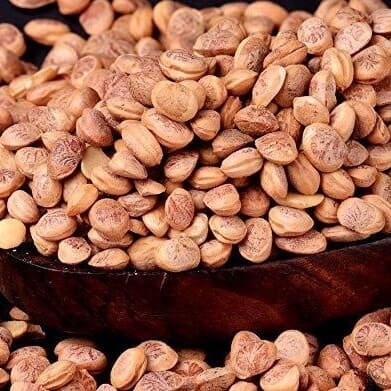
Charoli
చిరోంజీ
Syllable: చి-రోం-జీ
Pronunciation: Chironji
- Charoli is used in sweets – చిరోంజీ మిఠాయిలలో వాడతారు
- Charoli is nutritious – చిరోంజీ పోషకమైనది
- Charoli tastes good – చిరోంజీ రుచిగా ఉంటుంది

Mixed Nuts
మిశ్రమ నట్స్
Syllable: మి-శ్ర-మ-నట్స్
Pronunciation: Mishrama Nuts
- Mixed nuts are healthy – మిశ్రమ నట్స్ ఆరోగ్యకరమైనవి
- Mixed nuts contain nutrients – మిశ్రమ నట్స్లో పోషకాలు ఉంటాయి
- Mixed nuts give energy – మిశ్రమ నట్స్ శక్తిని ఇస్తాయి
Dry Fruits Names in Telugu At a Glance
| # | English Name | Telugu Name | Pronunciation |
|---|---|---|---|
| 1 | Almond | బాదం | Badam |
| 2 | Cashew | జీడిపప్పు | Jeedipappu |
| 3 | Pistachio | పిస్తా | Pista |
| 4 | Walnut | అక్రోటు | Akrotu |
| 5 | Raisin | కిస్మిస్ | Kismis |
| 6 | Dry Grapes | ఎండు ద్రాక్ష | Endu Draksha |
| 7 | Dates | ఖర్జూరం | Kharjooram |
| 8 | Fig | అంజీర్ | Anjeer |
| 9 | Dried Apricot | ఎండు జర్దాలు | Endu Jardalu |
| 10 | Peanut | వేరుశెనగ | Verusenaga |
| 11 | Fox Nut | మఖానా | Makhana |
| 12 | Pine Nut | చిల్గోజా | Chilgoza |
| 13 | Brazil Nut | బ్రెజిల్ నట్స్ | Brazil Nuts |
| 14 | Hazelnut | హేజల్నట్ | Hazelnut |
| 15 | Macadamia Nut | మకాడామియా నట్స్ | Macadamia Nut |
| 16 | Chestnut | చెస్ట్నట్ | Chestnut |
| 17 | Dry Coconut | ఎండు కొబ్బరి | Endu Kobbari |
| 18 | Areca Nut | పొగాకు గింజ | Pogaku Ginja |
| 19 | Lotus Seeds | తామర గింజలు | Tamara Ginjalu |
| 20 | Pumpkin Seeds | గుమ్మడి గింజలు | Gummadi Ginjalu |
| 21 | Sunflower Seeds | పొద్దుతిరుగుడు గింజలు | Poddutirugudu Ginjalu |
| 22 | Flax Seeds | అవిసె గింజలు | Avise Ginjalu |
| 23 | Chia Seeds | చియా గింజలు | Chia Ginjalu |
| 24 | Sesame Seeds | నువ్వులు | Nuvvulu |
| 25 | Watermelon Seeds | పుచ్చకాయ గింజలు | Puchchakaya Ginjalu |
| 26 | Melon Seeds | ఖర్బూజ గింజలు | Kharbuja Ginjalu |
| 27 | Poppy Seeds | గసగసాలు | Gasagasalu |
| 28 | Charoli | చిరోంజీ | Chironji |
| 29 | Mixed Nuts | మిశ్రమ నట్స్ | Mishrama Nuts |
Telugu Dry Fruits Quiz
The Markets Where These Words Live
Hyderabad’s Begum Bazar is one of the most extraordinary wholesale dry fruit markets in all of South India and one of the most linguistically rich environments available to anyone wanting to hear Telugu dry fruit vocabulary used at its most rapid, precise, and commercially serious.
The market has operated for centuries as a centre of wholesale trade in dry fruits, spices, and provisions, and the Telugu spoken there — interwoven with Urdu, Hindi, and the specific commercial vocabulary of wholesale trade — is a living demonstration of how languages absorb the vocabulary of the commercial contexts they operate in.
Walking through Begum Bazar during the weeks before a major festive season is a complete sensory and linguistic immersion experience. The smell of roasting cashews, the visual abundance of sacks of almonds and pistachios and raisins arranged in careful displays, and the sound of vendors calling prices and buyers negotiating quantities — all of it conducted in a Telugu that is specific, rapid, and assumes complete familiarity with the vocabulary of dry fruits and their commercial grades.
A learner who has done even basic preparation with Telugu dry fruit vocabulary can begin to participate in that environment in ways that feel genuinely rewarding rather than merely observational.
The retail dry fruit shops that operate across both states — in every market town, in every city neighbourhood, in the kirana shops that stock dry fruits for festival season — are similarly rich environments for vocabulary practice. The transaction of buying dry fruits in Telugu, asking about varieties and prices and freshness, is one of the most naturally occurring and most practically valuable language exercises available to any Telugu learner at any level of proficiency.
Making These Words Permanent
- Eat the fruit and say the name — Jeedipappu while eating a cashew. Badam while eating an almond. Kismis while eating a raisin. The sensory experience of taste combined with the Telugu word creates a memory that is essentially self-maintaining — the next time you eat that fruit the word will already be there.
- Cook one Telugu sweet this month — Find a simple Payasam or Laddu recipe and follow it using the Telugu names for every dry fruit ingredient you add. The cooking experience consolidates vocabulary through the most genuinely pleasurable and practically motivated language exercise imaginable.
- Visit Begum Bazar or any dry fruit market — Even a single visit with vocabulary awareness transforms the market from a shopping destination into a language immersion experience. Listen for the Telugu names being used around you. Try using them yourself. One successful transaction in Telugu is worth a week of list study.
- Label the dry fruit containers at home — Write Telugu names on small labels and attach them to whatever dry fruit containers you keep at home. The daily visual exposure during cooking and snacking builds vocabulary without any deliberate study time.
- Learn the festive context for each fruit — Jeedipappu in Pulihora. Badam in Payasam. Kismis in Laddu. Pista as garnish on sweets. Knowing which dry fruit appears in which preparation gives the vocabulary a culinary context that makes it far more memorable than isolated word study.
- Worksheet practice — Match dry fruit images to Telugu names, write names from memory, complete simple sentences about dry fruits and their uses in Telugu cooking. Brief and regular. Once a week is genuinely enough.
Open the Tin!
The next time someone important visits a Telugu household and the tin comes out — the Jeedipappu arranged in one corner, the Badam in another, the Kismis scattered across the bottom, the Pista for colour — every dry fruit in that tin has a Telugu name that the language has been using for as long as Telugu households have been welcoming guests with the best of what they have. Learning those names is not vocabulary practice. It is learning the language of Telugu hospitality from the inside — and once you know it, every tin that comes out for guests means something more than it did before.
Which Telugu dry fruit name felt most surprising or most connected to a specific food memory — or which dry fruit do you reach for most often without ever having known its Telugu name? Tell us in the comments. We would genuinely love to hear from your kitchen.