Before the City Woke Up, the Animals Were Already There.
Rural Andhra Pradesh and Telangana have a rhythm that cities have mostly forgotten. Before sunrise, before the first chai is made, the animals are already part of the morning — a cow being led to graze along a canal path in Krishna district, goats picking their way across the black soil fields of Warangal, a buffalo standing knee-deep in a village pond while egrets sit on its back without a care in the world.
Domestic animals in Telugu-speaking communities are not background characters. They are central to the agricultural economy, to the food culture, and to the everyday social life of millions of families across both states. A farming family in Nalgonda and a coastal household in East Godavari may live very differently — but both will have a relationship with domestic animals that shapes their daily routine, their vocabulary, and their understanding of the world around them.
These Telugu animal names are not learned from textbooks in most cases. They are picked up in fields and farmyards, at livestock markets, in the conversations of grandparents and farmers who have spent their lives alongside these creatures. That is exactly what makes them worth knowing.
The Real Reason This Vocabulary Sticks
Animal names are among the earliest words any child learns in any language — and there is a good reason for that. Animals are present, visible, audible, and emotionally engaging in a way that abstract vocabulary simply cannot compete with. A Telugu child who grows up near a farm does not need to study the word Avu for cow — they hear it dozens of times a day in a dozen different contexts until it becomes as natural as breathing.
For learners who did not grow up in that environment, the goal is to recreate some of that contextual richness — to learn these words alongside their sounds, their smells, their stories, and the cultural moments that make them meaningful rather than merely memorable. A vocabulary word attached to a vivid context is a vocabulary word that stays.
Beyond the personal, there is a practical dimension here that matters enormously. Telugu-speaking rural communities — which represent a very significant portion of the population of both Andhra Pradesh and Telangana — conduct a huge amount of their daily economic and social life around domestic animals.
Livestock markets, veterinary conversations, agricultural planning discussions, community festivals celebrating working animals — all of these require a confident working knowledge of Telugu domestic animal vocabulary that goes beyond simple identification.
- It gives learners direct access to the vocabulary of rural and agricultural Telugu life — the largest and most linguistically rich context in both states
- It helps children connect the language to living creatures they encounter in villages, farms, and family settings
- It supports Telugu medium school students with vocabulary that spans science, social studies, and general language
- It builds genuine communicative competence for anyone spending time in Telugu-speaking rural communities
- It connects language learning to the agricultural and pastoral traditions that have shaped both states for centuries
- It keeps alive a vocabulary that risks being replaced by English terms as urbanisation accelerates across the region
Explore Domestic Animal Names In Telugu

Cow
ఆవు
Syllable: ఆ-వు
Pronunciation: Aavu
- Cow gives milk – ఆవు పాలు ఇస్తుంది
- Cow eats grass – ఆవు గడ్డి తింటుంది
- Cow lives on farm – ఆవు పొలంలో ఉంటుంది

Buffalo
గేదె
Syllable: గే-దె
Pronunciation: Gede
- Buffalo gives milk – గేదె పాలు ఇస్తుంది
- Buffalo likes water – గేదె నీటిని ఇష్టపడుతుంది
- Buffalo eats fodder – గేదె మేత తింటుంది

Ox
ఎద్దు
Syllable: ఎ-ద్దు
Pronunciation: Eddu
- Ox pulls cart – ఎద్దు బండి లాగుతుంది
- Ox works in field – ఎద్దు పొలంలో పని చేస్తుంది
- Ox is strong – ఎద్దు బలంగా ఉంటుంది
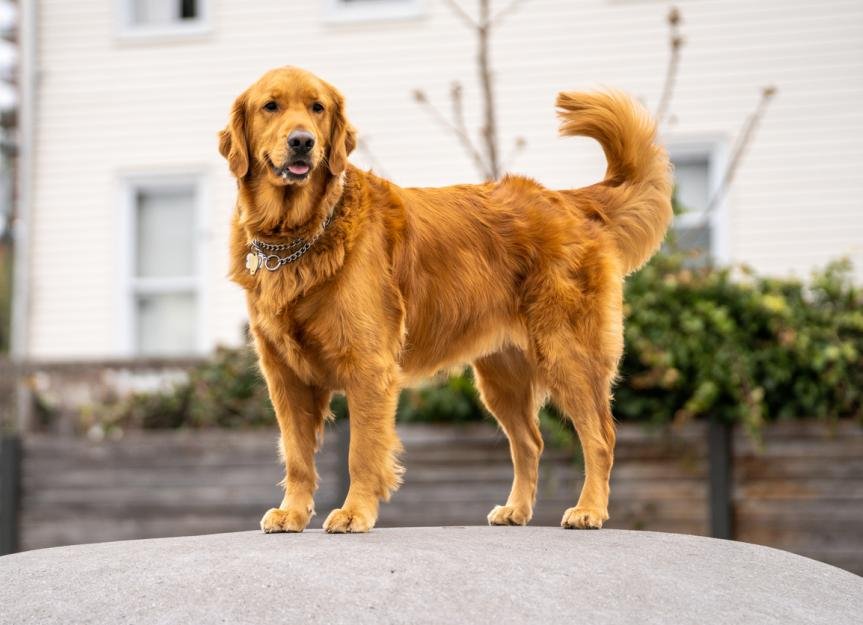
Dog
కుక్క
Syllable: కు-క్క
Pronunciation: Kukka
- Dog barks – కుక్క మొరుగుతుంది
- Dog guards house – కుక్క ఇంటిని కాపాడుతుంది
- Dog runs fast – కుక్క వేగంగా పరుగెడుతుంది

Cat
పిల్లి
Syllable: పి-ల్లి
Pronunciation: Pilli
- Cat drinks milk – పిల్లి పాలు తాగుతుంది
- Cat catches rats – పిల్లి ఎలుకలను పట్టుతుంది
- Cat sleeps often – పిల్లి తరచూ నిద్రపోతుంది

Goat
మేక
Syllable: మే-క
Pronunciation: Meka
- Goat eats leaves – మేక ఆకులు తింటుంది
- Goat gives milk – మేక పాలు ఇస్తుంది
- Goat climbs hills – మేక కొండలు ఎక్కుతుంది

Sheep
గొర్రె
Syllable: గొ-ర్రె
Pronunciation: Gorre
- Sheep gives wool – గొర్రె ఉన్ని ఇస్తుంది
- Sheep eats grass – గొర్రె గడ్డి తింటుంది
- Sheep lives in flock – గొర్రె మందలో ఉంటుంది

Horse
గుర్రం
Syllable: గు-ర్రం
Pronunciation: Gurram
- Horse runs fast – గుర్రం వేగంగా పరుగెడుతుంది
- Horse carries rider – గుర్రం స్వారీని మోస్తుంది
- Horse lives on farm – గుర్రం వ్యవసాయ క్షేత్రంలో ఉంటుంది

Donkey
గాడిద
Syllable: గా-డి-ద
Pronunciation: Gadida
- Donkey carries loads – గాడిద బరువులు మోస్తుంది
- Donkey works hard – గాడిద కష్టపడి పని చేస్తుంది
- Donkey brays loudly – గాడిద గట్టిగా అరుస్తుంది

Camel
ఒంటె
Syllable: ఒం-టె
Pronunciation: Onte
- Camel lives in desert – ఒంటె ఎడారిలో ఉంటుంది
- Camel carries goods – ఒంటె సరుకులు మోస్తుంది
- Camel stores water – ఒంటె నీటిని నిల్వ చేస్తుంది

Pig
పంది
Syllable: పం-ది
Pronunciation: Pandi
- Pig likes mud – పంది బురదను ఇష్టపడుతుంది
- Pig eats food scraps – పంది మిగిలిన ఆహారం తింటుంది
- Pig lives on farm – పంది పొలంలో ఉంటుంది

Rabbit
కుందేలు
Syllable: కుం-దే-లు
Pronunciation: Kundelu
- Rabbit eats carrots – కుందేలు క్యారెట్ తింటుంది
- Rabbit runs quickly – కుందేలు వేగంగా పరుగెడుతుంది
- Rabbit has long ears – కుందేలుకు పొడవైన చెవులు ఉంటాయి

Hen
కోడి
Syllable: కో-డి
Pronunciation: Kodi
- Hen lays eggs – కోడి గుడ్లు పెడుతుంది
- Hen eats grains – కోడి గింజలు తింటుంది
- Hen walks around yard – కోడి ఆవరణలో తిరుగుతుంది

Rooster
పుంజు
Syllable: పుం-జు
Pronunciation: Punju
- Rooster crows early – పుంజు ఉదయం కూస్తుంది
- Rooster protects hens – పుంజు కోళ్లను కాపాడుతుంది
- Rooster walks proudly – పుంజు గర్వంగా నడుస్తుంది

Duck
బాతు
Syllable: బా-తు
Pronunciation: Bathu
- Duck swims in water – బాతు నీటిలో ఈదుతుంది
- Duck quacks loudly – బాతు గట్టిగా శబ్దం చేస్తుంది
- Duck lays eggs – బాతు గుడ్లు పెడుతుంది

Goose
బాతు పక్షి
Syllable: బా-తు ప-క్షి
Pronunciation: Bathu Pakshi
- Goose swims well – బాతు పక్షి బాగా ఈదుతుంది
- Goose guards farm – బాతు పక్షి పొలాన్ని కాపాడుతుంది
- Goose eats grass – బాతు పక్షి గడ్డి తింటుంది

Turkey
టర్కీ
Syllable: టర్-కీ
Pronunciation: Turkey
- Turkey has large feathers – టర్కీకి పెద్ద ఈకలు ఉంటాయి
- Turkey walks slowly – టర్కీ నెమ్మదిగా నడుస్తుంది
- Turkey lives on farms – టర్కీ వ్యవసాయ క్షేత్రాలలో ఉంటుంది

Pigeon
పావురం
Syllable: పా-వు-రం
Pronunciation: Pavuram
- Pigeon flies high – పావురం ఎత్తుగా ఎగురుతుంది
- Pigeon lives near homes – పావురం ఇళ్ల దగ్గర ఉంటుంది
- Pigeon eats grains – పావురం గింజలు తింటుంది

Parrot
చిలుక
Syllable: చి-లు-క
Pronunciation: Chiluka
- Parrot talks – చిలుక మాట్లాడుతుంది
- Parrot eats fruits – చిలుక పండ్లు తింటుంది
- Parrot sits on branch – చిలుక కొమ్మపై కూర్చుంటుంది
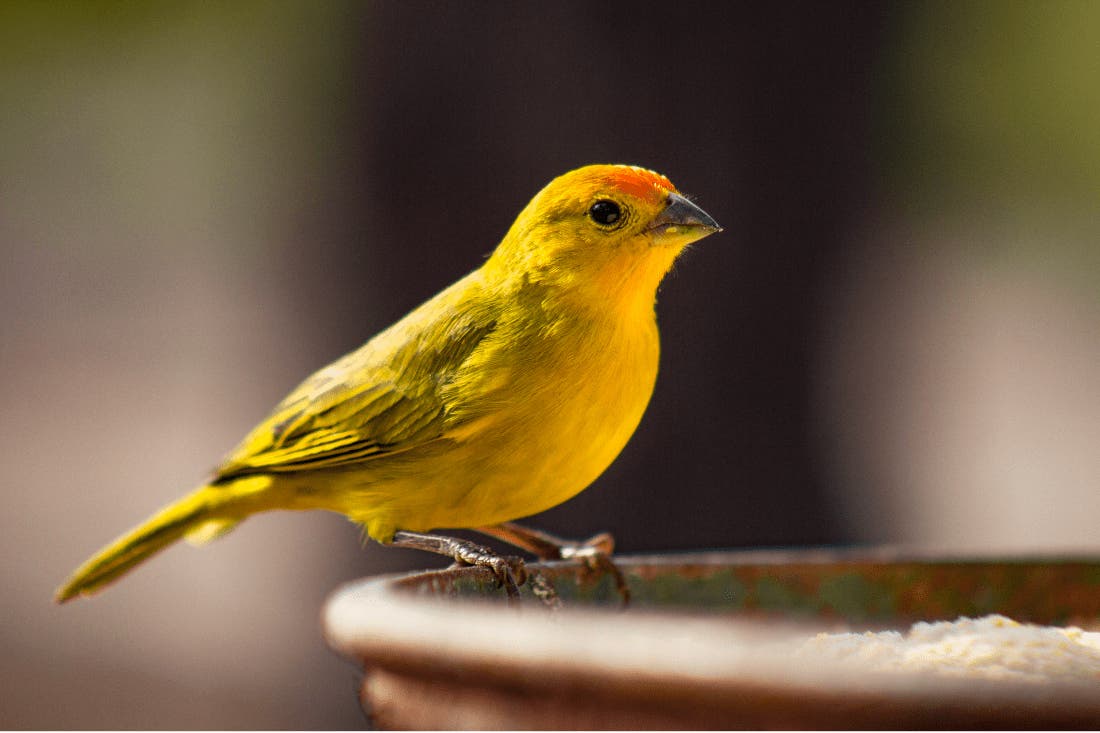
Canary
కెనరీ
Syllable: కె-న-రీ
Pronunciation: Canary
- Canary sings sweetly – కెనరీ మధురంగా పాడుతుంది
- Canary lives in cage – కెనరీ పంజరంలో ఉంటుంది
- Canary has yellow feathers – కెనరీకి పసుపు ఈకలు ఉంటాయి

Lovebird
లవ్బర్డ్
Syllable: లవ్-బర్డ్
Pronunciation: Lovebird
- Lovebird lives in pairs – లవ్బర్డ్ జంటగా ఉంటుంది
- Lovebird is colorful – లవ్బర్డ్ రంగురంగులుగా ఉంటుంది
- Lovebird chirps softly – లవ్బర్డ్ మృదువుగా కూత పెడుతుంది

Mule
కంచరగాడిద
Syllable: కం-చ-ర-గా-డి-ద
Pronunciation: Kancharagadida
- Mule carries loads – కంచరగాడిద బరువులు మోస్తుంది
- Mule works on farms – కంచరగాడిద పొలాల్లో పని చేస్తుంది
- Mule is strong – కంచరగాడిద బలంగా ఉంటుంది

Yak
యాక్
Syllable: యాక్
Pronunciation: Yak
- Yak lives in mountains – యాక్ పర్వతాలలో ఉంటుంది
- Yak gives milk – యాక్ పాలు ఇస్తుంది
- Yak has thick fur – యాక్కు మందమైన బొచ్చు ఉంటుంది

Llama
లామా
Syllable: లా-మా
Pronunciation: Llama
- Llama carries loads – లామా బరువులు మోస్తుంది
- Llama lives in mountains – లామా పర్వతాలలో ఉంటుంది
- Llama has soft wool – లామాకు మృదువైన ఉన్ని ఉంటుంది

Alpaca
అల్పాకా
Syllable: అల్-పా-కా
Pronunciation: Alpaca
- Alpaca gives wool – అల్పాకా ఉన్ని ఇస్తుంది
- Alpaca lives in herds – అల్పాకా గుంపులుగా ఉంటుంది
- Alpaca has soft fur – అల్పాకాకు మృదువైన బొచ్చు ఉంటుంది

Guinea Pig
గినియా పంది
Syllable: గి-ని-యా పం-ది
Pronunciation: Guinea Pig
- Guinea pig eats vegetables – గినియా పంది కూరగాయలు తింటుంది
- Guinea pig is a pet – గినియా పంది పెంపుడు జంతువు
- Guinea pig is small – గినియా పంది చిన్నగా ఉంటుంది

Hamster
హ్యాంస్టర్
Syllable: హ్యాం-స్టర్
Pronunciation: Hamster
- Hamster runs on wheel – హ్యాంస్టర్ చక్రంపై పరుగెడుతుంది
- Hamster stores food – హ్యాంస్టర్ ఆహారం నిల్వ చేస్తుంది
- Hamster is tiny – హ్యాంస్టర్ చిన్నగా ఉంటుంది

Ferret
ఫెరెట్
Syllable: ఫె-రెట్
Pronunciation: Ferret
- Ferret plays actively – ఫెరెట్ చురుకుగా ఆడుతుంది
- Ferret explores holes – ఫెరెట్ రంధ్రాలు వెతుకుతుంది
- Ferret is a pet – ఫెరెట్ పెంపుడు జంతువు

Pony
పోనీ
Syllable: పో-నీ
Pronunciation: Pony
- Pony carries children – పోనీ పిల్లలను మోస్తుంది
- Pony runs fast – పోనీ వేగంగా పరుగెడుతుంది
- Pony is smaller than horse – పోనీ గుర్రం కంటే చిన్నది

Reindeer
రెయిన్డీర్
Syllable: రెయిన్-డీర్
Pronunciation: Reindeer
- Reindeer pulls sled – రెయిన్డీర్ స్లెడ్జ్ లాగుతుంది
- Reindeer lives in cold places – రెయిన్డీర్ చల్లని ప్రాంతాల్లో ఉంటుంది
- Reindeer has antlers – రెయిన్డీర్కు కొమ్ములు ఉంటాయి
Domestic Animal Names in Telugu At a Glance
| # | English Name | Telugu Name | Pronunciation |
|---|---|---|---|
| 1 | Cow | ఆవు | Aavu |
| 2 | Buffalo | గేదె | Gede |
| 3 | Ox | ఎద్దు | Eddu |
| 4 | Dog | కుక్క | Kukka |
| 5 | Cat | పిల్లి | Pilli |
| 6 | Goat | మేక | Meka |
| 7 | Sheep | గొర్రె | Gorre |
| 8 | Horse | గుర్రం | Gurram |
| 9 | Donkey | గాడిద | Gadida |
| 10 | Camel | ఒంటె | Onte |
| 11 | Pig | పంది | Pandi |
| 12 | Rabbit | కుందేలు | Kundelu |
| 13 | Hen | కోడి | Kodi |
| 14 | Rooster | పుంజు | Punju |
| 15 | Duck | బాతు | Bathu |
| 16 | Goose | బాతు పక్షి | Bathu Pakshi |
| 17 | Turkey | టర్కీ | Turkey |
| 18 | Pigeon | పావురం | Pavuram |
| 19 | Parrot | చిలుక | Chiluka |
| 20 | Canary | కెనరీ | Canary |
| 21 | Lovebird | లవ్బర్డ్ | Lovebird |
| 22 | Mule | కంచరగాడిద | Kancharagadida |
| 23 | Yak | యాక్ | Yak |
| 24 | Llama | లామా | Llama |
| 25 | Alpaca | అల్పాకా | Alpaca |
| 26 | Guinea Pig | గినియా పంది | Guinea Pig |
| 27 | Hamster | హ్యాంస్టర్ | Hamster |
| 28 | Ferret | ఫెరెట్ | Ferret |
| 29 | Pony | పోనీ | Pony |
| 30 | Reindeer | రెయిన్డీర్ | Reindeer |
Telugu Domestic Animals Quiz
Animals And The Rhythm Of Telugu Rural Life
There is a particular quality to the relationship between Telugu farming communities and their domestic animals that goes beyond utility. These are not simply working creatures or economic assets — they are presences that shape the daily rhythm, the seasonal calendar, and the social identity of the communities that keep them.
The Avu and Geddhe — cow and buffalo — define the morning routine of millions of Telugu farming households. Before anything else happens in the day, the animals are attended to — fed, watered, cleaned, and prepared for whatever work or grazing the day requires.
This daily ritual of animal care is the foundation on which the rest of the agricultural day is built, and it creates a relationship of attentiveness and responsibility between farmer and animal that has shaped Telugu rural culture in ways that are difficult to overstate.
Livestock markets — Pashuvu Santha in Telugu — are among the most socially and economically significant community gatherings in rural Andhra Pradesh and Telangana. Held at regular intervals in market towns across both states, these fairs bring together farmers, traders, herders, and buyers from wide surrounding areas for the purchase and sale of cattle, buffalo, goats, and sheep.
The vocabulary of the Pashuvu Santha is specific, rapid, and deeply practical — a fluent Telugu speaker who knows their domestic animal vocabulary can navigate these markets with the confidence of genuine cultural participation rather than the awkwardness of an outsider.
The Kodi — the hen and rooster — holds a particularly vivid place in Telugu village life that extends far beyond its agricultural role. The rooster’s crow is the village alarm clock — the sound that begins the Telugu rural day before any other human activity has started.
In Telugu folk expression, the rooster’s crow is a marker of time, of beginnings, and of the irreversible arrival of a new day. The word Kodi carries all of that cultural resonance alongside its straightforward agricultural meaning, making it one of the most culturally layered animal names in the entire Telugu domestic vocabulary.
Six Ways To Learn These Words And Actually Keep Them
- Connect to the agricultural calendar — Meka and Gorre are most visible during the grazing season. Avu and Geddhe define the dairy rhythm of the farming year. Connecting each animal to its season and its role in the agricultural cycle gives the vocabulary a temporal dimension that makes it far easier to organise and retain.
- Visit a rural livestock market — A single visit to a Pashuvu Santha in any market town of Andhra Pradesh or Telangana exposes you to domestic animal vocabulary used at speed, in genuine economic context, by people for whom these words are the language of their livelihood. No classroom can replicate that.
- Use Telugu animal names when talking to children — If children in your family or community are around animals, use the Telugu names consistently and naturally. Avu, Geddhe, Meka, Kukka — said casually in context, these words enter a child’s active vocabulary faster than any formal teaching method.
- Watch Telugu agricultural content — Telugu YouTube channels and documentary content about farming, animal husbandry, and rural life use domestic animal vocabulary naturally and in rich contextual detail. Watching even occasionally builds authentic vocabulary exposure that reading alone cannot provide.
- Learn the proverbs — Telugu has dozens of proverbs built around domestic animal names. Learning a proverb gives you the animal name plus a complete cultural context — a story, a meaning, a social situation — that makes the word genuinely impossible to forget.
- Worksheet practice — Match animal images to Telugu names, write names from memory, complete simple Telugu sentences about animals and their roles. Once a week, consistently. That is enough to build and maintain a solid working vocabulary over time.
The Animals Were Always Part of the Story
Telugu has been spoken alongside these animals for as long as the language has existed. The Avu in the field, the Geddhe in the pond, the Meka on the hillside, the Kukka at the door — they have always been part of the Telugu world, named and known and written about and sung about by communities whose lives were built around them. Learning these names is not an academic exercise. It is a way of stepping into that world and finding that the language has been waiting there all along.
Which domestic animal name in Telugu felt most surprising or most vivid to you — or which animal from your own experience in Andhra or Telangana do you now know by its proper Telugu name? Leave it in the comments. We would love to hear your story.