Gardens, parks, balconies, and roadside landscapes across Gujarat are often brightened by a variety of colorful flowers. From roses grown in home gardens to marigolds commonly seen in local flower markets, flowers add beauty to everyday surroundings. Their vibrant colors and distinctive shapes make them easy for learners to recognize and remember.
Many children become familiar with flowers through nature lessons, drawing activities, and visits to gardens. Because flowers are visible throughout the year, they provide a practical and enjoyable way to learn new vocabulary. Learners can easily connect a flower they have seen with its Gujarati name.
This Flower Names in Gujarati Worksheet is designed for students, parents, teachers, and language learners who want to build useful Gujarati vocabulary through familiar plants. Learning flower names can help improve word recognition while making language practice more engaging.
Why Learning Flower Names in Gujarati Matters
Flower names are commonly used in conversations about nature, gardening, art, photography, and seasonal changes. Learning these names in Gujarati helps learners describe their surroundings more accurately and expand their everyday vocabulary.
For young learners, flowers offer a simple introduction to nature-related words. Since most children can identify common flowers such as roses, sunflowers, and lotuses, they can focus on learning the Gujarati names without needing to understand entirely new concepts.
Flower vocabulary is also useful when reading educational materials, participating in school activities, or discussing plants and gardens. These words frequently appear in nature-themed lessons and worksheets, making them valuable additions to a learner’s vocabulary.
Benefits of Learning Gujarati Flower Names
- Builds useful nature-related vocabulary.
- Helps learners identify common flowers in Gujarati.
- Supports reading and speaking activities.
- Improves word recognition and pronunciation.
- Makes nature-related conversations easier.
- Helps children learn through familiar objects.
- Supports classroom lessons and worksheets.
- Expands descriptive vocabulary.
- Encourages observation of plants and gardens.
- Creates opportunities for practical language use.
- Makes learning more visual and engaging.
- Strengthens memory through image association.
Another advantage is that flowers are easy to observe. A walk through a garden or a visit to a flower market can provide many opportunities to practice and review vocabulary.
Beautiful Flowers and Their Gujarati Names
From colorful garden blooms to flowers commonly found in parks and landscapes, many varieties are familiar to people of all ages.
The list below includes some of the most commonly recognized flowers along with their Gujarati names, helping learners connect nature with useful Gujarati vocabulary.

Rose
ગુલાબ
Syllable: ગુ-લાબ
Pronunciation: Gulab
- Rose is a beautiful flower. – ગુલાબ એક સુંદર ફૂલ છે.
- The rose smells sweet. – ગુલાબની સુગંધ મીઠી હોય છે.
- I gave her a rose. – મેં તેને એક ગુલાબ આપ્યું.

Lotus
કમળ
Syllable: ક-મળ
Pronunciation: Kamal
- Lotus grows in water. – કમળ પાણીમાં ઉગે છે.
- The lotus is India’s national flower. – કમળ ભારતનું રાષ્ટ્રીય ફૂલ છે.
- The lotus looks beautiful. – કમળ સુંદર દેખાય છે.

Jasmine
ચમેલી
Syllable: ચ-મે-લી
Pronunciation: Chameli
- Jasmine has a sweet fragrance. – ચમેલીની સુગંધ મીઠી હોય છે.
- Jasmine flowers are white. – ચમેલીના ફૂલ સફેદ હોય છે.
- I like jasmine flowers. – મને ચમેલીના ફૂલ ગમે છે.

Arabian Jasmine
મોગરો
Syllable: મો-ગ-રો
Pronunciation: Mogaro
- Mogra flowers smell wonderful. – મોગરાની સુગંધ અદ્ભુત હોય છે.
- Mogra is used in garlands. – મોગરો હારમાં વપરાય છે.
- The mogra blooms at night. – મોગરો રાત્રે ખીલે છે.

Marigold
ગાલગોટો
Syllable: ગા-લ-ગો-ટો
Pronunciation: Galgoto
- Marigolds are bright flowers. – ગાલગોટાના ફૂલ તેજસ્વી હોય છે.
- Marigolds are used in festivals. – ગાલગોટા તહેવારોમાં વપરાય છે.
- The garden has marigolds. – બગીચામાં ગાલગોટા છે.

Sunflower
સૂર્યમુખી
Syllable: સૂર્ય-મુ-ખી
Pronunciation: Sooryamukhi
- Sunflowers face the sun. – સૂર્યમુખી સૂર્ય તરફ રહે છે.
- Sunflowers are tall plants. – સૂર્યમુખી ઊંચા છોડ છે.
- The sunflower is yellow. – સૂર્યમુખી પીળા રંગનું છે.

Hibiscus
જાસૂદ
Syllable: જા-સૂદ
Pronunciation: Jasud
- Hibiscus flowers are colorful. – જાસૂદના ફૂલ રંગીન હોય છે.
- Hibiscus is used in पूजा. – જાસૂદ પૂજામાં વપરાય છે.
- The hibiscus blooms daily. – જાસૂદ રોજ ખીલે છે.

Lily
લિલી
Syllable: લિ-લી
Pronunciation: Lily
- Lilies are elegant flowers. – લિલી સુંદર ફૂલ છે.
- The lily is white. – લિલી સફેદ રંગની છે.
- I planted a lily. – મેં લિલી વાવી.

Tuberose
રજનીગંધા
Syllable: રજ-ની-ગં-ધા
Pronunciation: Rajnigandha
- Tuberose has a strong fragrance. – રજનીગંધાની સુગંધ તીવ્ર હોય છે.
- The flower blooms at night. – આ ફૂલ રાત્રે ખીલે છે.
- Rajnigandha is used in bouquets. – રજનીગંધા ગુલદસ્તામાં વપરાય છે.

Chrysanthemum
ગુલદાઉદી
Syllable: ગુલ-દા-ઉ-દી
Pronunciation: Guldaudi
- Chrysanthemums bloom in winter. – ગુલદાઉદી શિયાળામાં ખીલે છે.
- The flower is colorful. – આ ફૂલ રંગબેરંગી છે.
- I like chrysanthemums. – મને ગુલદાઉદી ગમે છે.

Periwinkle
સદાબહાર
Syllable: સ-દા-બ-હાર
Pronunciation: Sadabahar
- Periwinkle blooms all year. – સદાબહાર આખું વર્ષ ખીલે છે.
- The flowers are small. – તેના ફૂલ નાના હોય છે.
- Sadabahar is easy to grow. – સદાબહાર ઉગાડવું સરળ છે.

Oleander
કનેર
Syllable: ક-નેર
Pronunciation: Kaner
- Oleander has colorful flowers. – કનેરના ફૂલ રંગીન હોય છે.
- Kaner grows in gardens. – કનેર બગીચામાં ઉગે છે.
- The plant is ornamental. – આ એક શોભાનું છોડ છે.

Crossandra
અબોલી
Syllable: અ-બો-લી
Pronunciation: Aboli
- Crossandra flowers are orange. – અબોલીના ફૂલ નારંગી રંગના હોય છે.
- The flowers are beautiful. – ફૂલો સુંદર હોય છે.
- Aboli is used for decoration. – અબોલી શણગારમાં વપરાય છે.

Champak
ચંપો
Syllable: ચં-પો
Pronunciation: Champo
- Champak has a sweet fragrance. – ચંપાની સુગંધ મીઠી હોય છે.
- The flower is yellow. – ફૂલ પીળું હોય છે.
- Champak is used in worship. – ચંપો પૂજામાં વપરાય છે.

Orchid
ઓર્કિડ
Syllable: ઓર્-કિડ
Pronunciation: Orchid
- Orchids are exotic flowers. – ઓર્કિડ અનોખાં ફૂલ છે.
- Orchids come in many colors. – ઓર્કિડ ઘણા રંગોમાં મળે છે.
- I grow orchids at home. – હું ઘરે ઓર્કિડ ઉગાડું છું.

Daisy
ડેઝી
Syllable: ડે-ઝી
Pronunciation: Daisy
- Daisies are cheerful flowers. – ડેઝી આનંદદાયક ફૂલ છે.
- The daisy is white and yellow. – ડેઝી સફેદ અને પીળી હોય છે.
- I picked a daisy. – મેં ડેઝી તોડી.

Tulip
ટ્યુલિપ
Syllable: ટ્યુ-લિપ
Pronunciation: Tulip
- Tulips bloom in spring. – ટ્યુલિપ વસંત ઋતુમાં ખીલે છે.
- Tulips are colorful. – ટ્યુલિપ રંગીન હોય છે.
- I saw tulips in the garden. – મેં બગીચામાં ટ્યુલિપ જોયા.

Daffodil
ડેફોડિલ
Syllable: ડે-ફો-ડિલ
Pronunciation: Daffodil
- Daffodils bloom in spring. – ડેફોડિલ વસંતમાં ખીલે છે.
- The flower is yellow. – ફૂલ પીળું છે.
- Daffodils are beautiful. – ડેફોડિલ સુંદર છે.
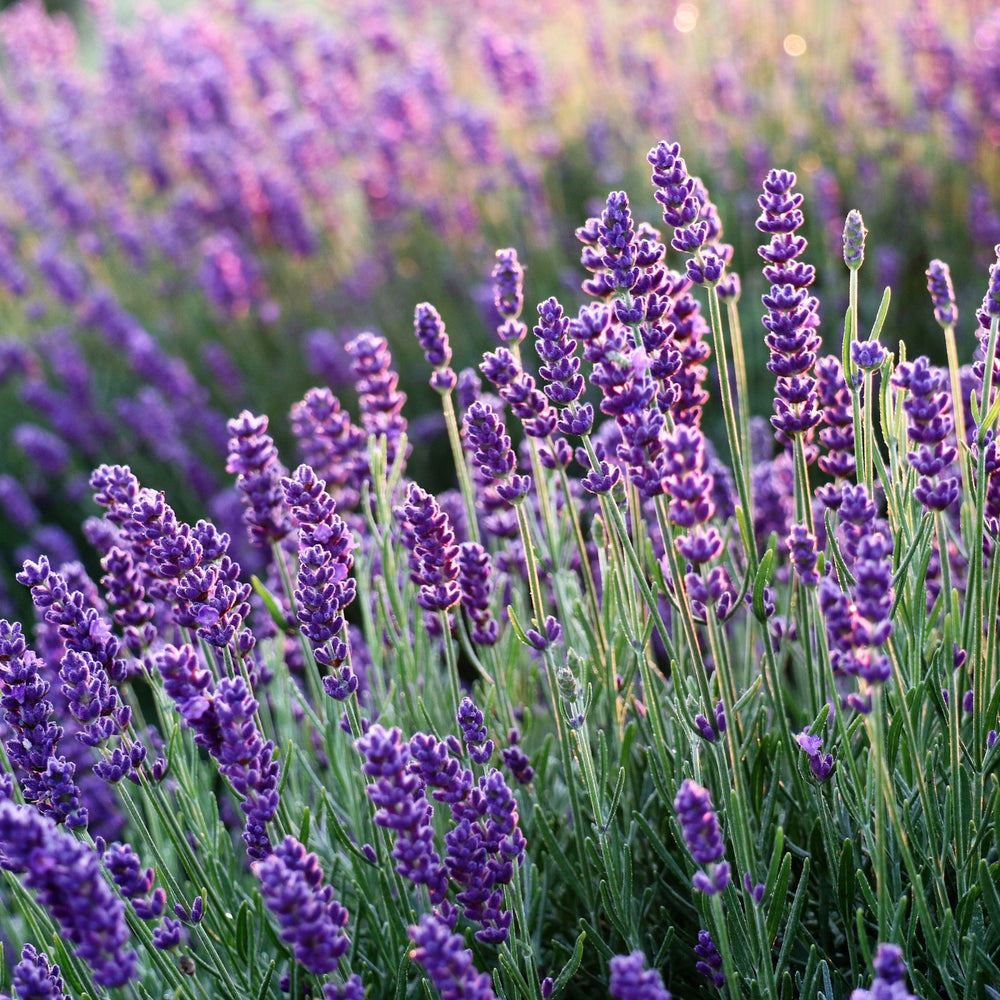
Lavender
લેવેન્ડર
Syllable: લે-વેન્-ડર
Pronunciation: Lavender
- Lavender smells pleasant. – લેવેન્ડરની સુગંધ મનમોહક હોય છે.
- Lavender flowers are purple. – લેવેન્ડરના ફૂલ જાંબલી હોય છે.
- I use lavender oil. – હું લેવેન્ડર તેલ વાપરું છું.

Magnolia
મેગ્નોલિયા
Syllable: મેગ્-નો-લિ-યા
Pronunciation: Magnolia
- Magnolia flowers are large. – મેગ્નોલિયાના ફૂલ મોટા હોય છે.
- The flower is fragrant. – ફૂલ સુગંધિત છે.
- Magnolia trees are beautiful. – મેગ્નોલિયાના ઝાડ સુંદર હોય છે.
Carnation
કાર્નેશન
Syllable: કાર્-ને-શન
Pronunciation: Carnation
- Carnations come in many colors. – કાર્નેશન ઘણા રંગોમાં મળે છે.
- Carnations are popular flowers. – કાર્નેશન લોકપ્રિય ફૂલ છે.
- I received a carnation bouquet. – મને કાર્નેશનનો ગુલદસ્તો મળ્યો.

Dahlia
ડાહલિયા
Syllable: ડા-હ-લિ-યા
Pronunciation: Dahlia
- Dahlias have large flowers. – ડાહલિયાના ફૂલ મોટા હોય છે.
- Dahlias bloom beautifully. – ડાહલિયા સુંદર રીતે ખીલે છે.
- I planted dahlias in my garden. – મેં મારા બગીચામાં ડાહલિયા વાવ્યા.

Pansy
પેન્સી
Syllable: પેન્-સી
Pronunciation: Pansy
- Pansies are colorful flowers. – પેન્સી રંગબેરંગી ફૂલ છે.
- Pansies bloom in cool weather. – પેન્સી ઠંડા વાતાવરણમાં ખીલે છે.
- I like pansy flowers. – મને પેન્સીના ફૂલ ગમે છે.

Petunia
પેટુનિયા
Syllable: પે-ટુ-નિ-યા
Pronunciation: Petunia
- Petunias are garden flowers. – પેટુનિયા બગીચાના ફૂલ છે.
- Petunias come in many colors. – પેટુનિયા ઘણા રંગોમાં મળે છે.
- The petunias look beautiful. – પેટુનિયા સુંદર દેખાય છે.

Zinnia
ઝીનિયા
Syllable: ઝી-નિ-યા
Pronunciation: Zinnia
- Zinnias attract butterflies. – ઝીનિયા પતંગિયાઓને આકર્ષે છે.
- Zinnias are bright flowers. – ઝીનિયા તેજસ્વી ફૂલ છે.
- I grow zinnias in my garden. – હું મારા બગીચામાં ઝીનિયા ઉગાડું છું.

Cosmos
કોસ્મોસ
Syllable: કોસ્-મોસ
Pronunciation: Cosmos
- Cosmos flowers are delicate. – કોસ્મોસના ફૂલ નાજુક હોય છે.
- Cosmos blooms in gardens. – કોસ્મોસ બગીચામાં ખીલે છે.
- The cosmos flowers sway in the wind. – કોસ્મોસના ફૂલ પવનમાં લહેરાય છે.

Iris
આઇરિસ
Syllable: આઇ-રિસ
Pronunciation: Iris
- Iris flowers are elegant. – આઇરિસના ફૂલ સુંદર હોય છે.
- The iris has unique petals. – આઇરિસની પાંખડીઓ અનોખી હોય છે.
- I saw an iris flower. – મેં આઇરિસનું ફૂલ જોયું.

Bluebell
બ્લૂબેલ
Syllable: બ્લૂ-બેલ
Pronunciation: Bluebell
- Bluebells are blue flowers. – બ્લૂબેલ વાદળી રંગના ફૂલ છે.
- Bluebells bloom in spring. – બ્લૂબેલ વસંતમાં ખીલે છે.
- The bluebells look lovely. – બ્લૂબેલ સુંદર લાગે છે.

Begonia
બેગોનિયા
Syllable: બે-ગો-નિ-યા
Pronunciation: Begonia
- Begonias are ornamental flowers. – બેગોનિયા શોભાના ફૂલ છે.
- Begonias grow well in pots. – બેગોનિયા કુંડામાં સારી રીતે ઉગે છે.
- The begonia flowers are colorful. – બેગોનિયાનાં ફૂલ રંગીન હોય છે.

Camellia
કેમેલિયા
Syllable: કે-મે-લિ-યા
Pronunciation: Camellia
- Camellias are beautiful flowers. – કેમેલિયા સુંદર ફૂલ છે.
- Camellias bloom in winter. – કેમેલિયા શિયાળામાં ખીલે છે.
- The camellia has soft petals. – કેમેલિયાની પાંખડીઓ નરમ હોય છે.

Gardenia
ગાર્ડેનિયા
Syllable: ગાર્-ડે-નિ-યા
Pronunciation: Gardenia
- Gardenias have a sweet fragrance. – ગાર્ડેનિયાની સુગંધ મીઠી હોય છે.
- The gardenia flower is white. – ગાર્ડેનિયાનું ફૂલ સફેદ હોય છે.
- I like gardenia flowers. – મને ગાર્ડેનિયાના ફૂલ ગમે છે.

Geranium
જરેનિયમ
Syllable: જ-રે-નિ-યમ
Pronunciation: Geranium
- Geraniums are colorful plants. – જરેનિયમ રંગીન છોડ છે.
- Geraniums grow in gardens. – જરેનિયમ બગીચામાં ઉગે છે.
- The geranium flowers are bright. – જરેનિયમના ફૂલ તેજસ્વી હોય છે.

Hydrangea
હાઇડ્રેન્જિયા
Syllable: હા-ઇ-ડ્રેન્-જી-યા
Pronunciation: Hydrangea
- Hydrangeas have large flower clusters. – હાઇડ્રેન્જિયાના ફૂલના મોટા સમૂહ હોય છે.
- The flowers are colorful. – આ ફૂલ રંગબેરંગી છે.
- Hydrangeas grow well in gardens. – હાઇડ્રેન્જિયા બગીચામાં સારી રીતે ઉગે છે.

Peony
પિયોની
Syllable: પિ-યો-ની
Pronunciation: Peony
- Peonies have large blooms. – પિયોનીના ફૂલ મોટા હોય છે.
- Peonies are fragrant. – પિયોની સુગંધિત હોય છે.
- I love peony flowers. – મને પિયોનીના ફૂલ ગમે છે.
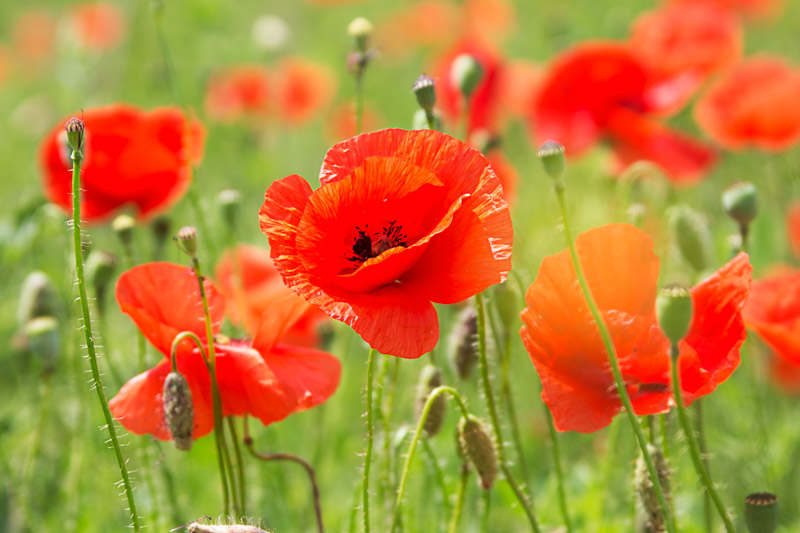
Poppy
ખસખસનું ફૂલ
Syllable: ખસ-ખસ-નું ફૂલ
Pronunciation: Khaskhas Nu Phool
- Poppies are bright flowers. – ખસખસના ફૂલ તેજસ્વી હોય છે.
- Poppies bloom in fields. – ખસખસના ફૂલ ખેતરોમાં ખીલે છે.
- The poppy is red. – ખસખસનું ફૂલ લાલ છે.

Rhododendron
રોડોડેન્ડ્રોન
Syllable: રો-ડો-ડેન્ડ્રોન
Pronunciation: Rhododendron
- Rhododendrons grow in mountains. – રોડોડેન્ડ્રોન પહાડી વિસ્તારોમાં ઉગે છે.
- The flowers are colorful. – તેના ફૂલ રંગીન હોય છે.
- Rhododendrons bloom beautifully. – રોડોડેન્ડ્રોન સુંદર રીતે ખીલે છે.

Snapdragon
સ્નેપડ્રેગન
Syllable: સ્નેપ-ડ્રે-ગન
Pronunciation: Snapdragon
- Snapdragons have unique flowers. – સ્નેપડ્રેગનના ફૂલ અનોખા હોય છે.
- The flowers are colorful. – ફૂલ રંગબેરંગી હોય છે.
- I planted snapdragons. – મેં સ્નેપડ્રેગન વાવ્યા.

Sweet Pea
સ્વીટ પી
Syllable: સ્વીટ પી
Pronunciation: Sweet Pea
- Sweet pea flowers are fragrant. – સ્વીટ પી ફૂલ સુગંધિત હોય છે.
- The flowers are delicate. – ફૂલ નાજુક હોય છે.
- I like sweet pea flowers. – મને સ્વીટ પી ફૂલ ગમે છે.

Verbena
વર્બીના
Syllable: વર્-બી-ના
Pronunciation: Verbena
- Verbena flowers attract butterflies. – વર્બીના ફૂલ પતંગિયાઓને આકર્ષે છે.
- Verbena blooms for a long time. – વર્બીના લાંબા સમય સુધી ખીલે છે.
- The verbena flowers are colorful. – વર્બીનાના ફૂલ રંગીન હોય છે.

Water Lily
જળકમળ
Syllable: જળ-ક-મળ
Pronunciation: Jalkamal
- Water lilies grow in ponds. – જળકમળ તળાવમાં ઉગે છે.
- The water lily floats on water. – જળકમળ પાણી પર તરતું હોય છે.
- The flower looks beautiful. – આ ફૂલ સુંદર લાગે છે.
Flower Names in Gujarati At a Glance
| # | English Name | Gujarati Name | Pronunciation |
|---|---|---|---|
| 1 | Rose | ગુલાબ | Gulab |
| 2 | Lotus | કમળ | Kamal |
| 3 | Jasmine | ચમેલી | Chameli |
| 4 | Arabian Jasmine | મોગરો | Mogaro |
| 5 | Marigold | ગાલગોટો | Galgoto |
| 6 | Sunflower | સૂર્યમુખી | Sooryamukhi |
| 7 | Hibiscus | જાસૂદ | Jasud |
| 8 | Lily | લિલી | Lily |
| 9 | Tuberose | રજનીગંધા | Rajnigandha |
| 10 | Chrysanthemum | ગુલદાઉદી | Guldaudi |
| 11 | Periwinkle | સદાબહાર | Sadabahar |
| 12 | Oleander | કનેર | Kaner |
| 13 | Crossandra | અબોલી | Aboli |
| 14 | Champak | ચંપો | Champo |
| 15 | Orchid | ઓર્કિડ | Orchid |
| 16 | Daisy | ડેઝી | Daisy |
| 17 | Tulip | ટ્યુલિપ | Tulip |
| 18 | Daffodil | ડેફોડિલ | Daffodil |
| 19 | Lavender | લેવેન્ડર | Lavender |
| 20 | Magnolia | મેગ્નોલિયા | Magnolia |
| 21 | Carnation | કાર્નેશન | Carnation |
| 22 | Dahlia | ડાહલિયા | Dahlia |
| 23 | Pansy | પેન્સી | Pansy |
| 24 | Petunia | પેટુનિયા | Petunia |
| 25 | Zinnia | ઝીનિયા | Zinnia |
| 26 | Cosmos | કોસ્મોસ | Cosmos |
| 27 | Iris | આઇરિસ | Iris |
| 28 | Bluebell | બ્લૂબેલ | Bluebell |
| 29 | Begonia | બેગોનિયા | Begonia |
| 30 | Camellia | કેમેલિયા | Camellia |
| 31 | Gardenia | ગાર્ડેનિયા | Gardenia |
| 32 | Geranium | જરેનિયમ | Geranium |
| 33 | Hydrangea | હાઇડ્રેન્જિયા | Hydrangea |
| 34 | Peony | પિયોની | Peony |
| 35 | Poppy | ખસખસનું ફૂલ | Khaskhas Nu Phool |
| 36 | Rhododendron | રોડોડેન્ડ્રોન | Rhododendron |
| 37 | Snapdragon | સ્નેપડ્રેગન | Snapdragon |
| 38 | Sweet Pea | સ્વીટ પી | Sweet Pea |
| 39 | Verbena | વર્બીના | Verbena |
| 40 | Water Lily | જળકમળ | Jalkamal |
Gujarati Flowers Quiz
Easy Ways to Remember Gujarati Flower Names
Flowers are naturally suited to visual learning because each one has its own color, shape, and appearance. Associating the Gujarati name with a flower’s visual features can make learning easier and more enjoyable.
One effective approach is to learn flowers in small groups. For example, learners can start with flowers commonly found in gardens before moving on to less familiar varieties. This gradual approach often helps improve retention.
Pictures, posters, and flashcards can also support learning. Seeing the flower alongside its Gujarati name creates a stronger connection between the word and the object.
Simple Practice Ideas
- Use flower flashcards with Gujarati names.
- Learn a few flower names each week.
- Visit a garden and identify flowers in Gujarati.
- Draw flowers and label them with their names.
- Watch Gujarati educational videos about plants.
- Create a nature vocabulary notebook.
- Match flower pictures with their Gujarati names.
- Practice pronunciation aloud.
- Use flower names in simple sentences.
- Review previously learned words regularly.
- Take photos of flowers and label them.
- Ask family members to test your vocabulary.
Learning a small number of words consistently often leads to better results than trying to memorize a large list at once.
Bringing Nature Into Your Gujarati Vocabulary
Flower names are a pleasant and practical way to expand language skills. Because flowers are found in so many places, learners have regular opportunities to see, identify, and remember them. This repeated exposure can make vocabulary learning feel more natural and less like a formal study session.
As you continue learning Gujarati, nature-related topics can introduce many useful words connected to plants, seasons, and the environment. Which flower do you notice most often in your area? Do you have a favorite flower because of its color or appearance? Share your thoughts in the comments and let us know which Gujarati flower name was the easiest for you to remember.
Beautiful Flowers and Their Gujarati Names
From colorful garden blooms to flowers commonly found in parks and landscapes, many varieties are familiar to people of all ages. The list below includes some of the most commonly recognized flowers along with their Gujarati names, helping learners connect nature with useful Gujarati vocabulary.