Rural and urban areas across Gujarat are home to a variety of domestic animals. Cows, buffaloes, goats, dogs, and other animals can often be seen on farms, near homes, and in local communities. Because these animals have lived alongside humans for generations, their names are among the most familiar words children learn while growing up.
Many school lessons and children’s books introduce domestic animals at an early age. Learners can easily recognize animals they see regularly, which makes this topic a natural starting point for building vocabulary. Familiarity often helps learners remember words more quickly and confidently.
This Domestic Animal Names in Gujarati Worksheet is designed for students, parents, teachers, and language learners who want to strengthen their Gujarati vocabulary through everyday animals. Since these animals are widely recognized, learning their Gujarati names can be both practical and enjoyable.
Why Learning Domestic Animal Names in Gujarati Matters
Domestic animal names are commonly used in conversations, educational materials, storybooks, and classroom activities. Learning these names in Gujarati helps learners understand everyday language while expanding their animal-related vocabulary.
For children, domestic animals provide an easy connection between words and real-life experiences. A learner who has seen a cow in a field, a dog in the neighborhood, or a goat at a farm can quickly associate the Gujarati word with the animal. This direct connection often improves retention and makes learning more engaging.
Domestic animal vocabulary is also useful when discussing farming, pets, food production, and rural life. Since these animals play an important role in many communities, their names remain relevant in a variety of situations.
Benefits of Learning Gujarati Domestic Animal Names
- Builds useful animal-related vocabulary.
- Helps learners identify common domestic animals in Gujarati.
- Supports reading and speaking activities.
- Improves word recognition and pronunciation.
- Makes classroom lessons easier to understand.
- Helps children learn through familiar subjects.
- Supports worksheets and educational projects.
- Expands everyday vocabulary.
- Encourages observation of animals in daily life.
- Creates opportunities for practical language use.
- Makes learning more interactive and relatable.
- Strengthens memory through visual association.
Another advantage is that learners can encounter these animals regularly, making it easier to review and reinforce vocabulary outside of study sessions.
Common Domestic Animals and Their Gujarati Names
From animals raised on farms to companions kept at home, domestic animals are found in many environments. The list below includes some of the most commonly known domestic animals along with their Gujarati names, helping learners connect familiar animals with useful Gujarati vocabulary.

Cow
ગાય
Syllable: ગા-ય
Pronunciation: Gaay
- The cow gives milk. – ગાય દૂધ આપે છે.
- The cow eats grass. – ગાય ઘાસ ખાય છે.
- I saw a cow in the field. – મેં ખેતરમાં ગાય જોઈ.

Buffalo
ભેંસ
Syllable: ભેં-સ
Pronunciation: Bhens
- The buffalo gives milk. – ભેંસ દૂધ આપે છે.
- The buffalo likes water. – ભેંસને પાણી ગમે છે.
- The buffalo is strong. – ભેંસ શક્તિશાળી છે.

Ox
બળદ
Syllable: બ-ળદ
Pronunciation: Balad
- The ox helps farmers. – બળદ ખેડૂતોને મદદ કરે છે.
- The ox pulls carts. – બળદ ગાડા ખેંચે છે.
- The ox is strong. – બળદ શક્તિશાળી છે.
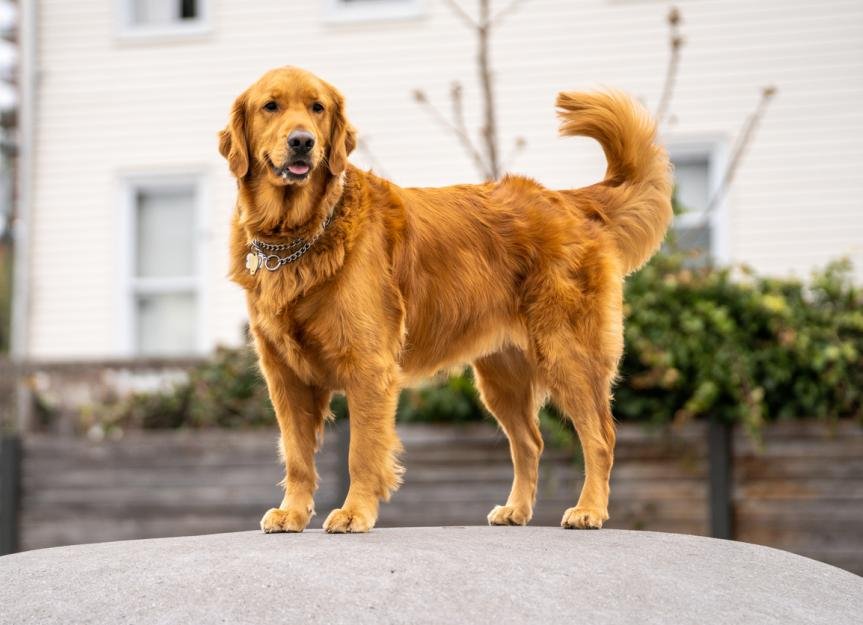
Dog
કૂતરો
Syllable: કૂ-ત-રો
Pronunciation: Kutaro
- The dog is loyal. – કૂતરો વફાદાર છે.
- The dog barks loudly. – કૂતરો જોરથી ભસે છે.
- I have a pet dog. – મારી પાસે પાળેલો કૂતરો છે.

Cat
બિલાડી
Syllable: બિ-લા-ડી
Pronunciation: Biladi
- The cat drinks milk. – બિલાડી દૂધ પીવે છે.
- The cat catches mice. – બિલાડી ઉંદર પકડે છે.
- I like cats. – મને બિલાડીઓ ગમે છે.

Goat
બકરી
Syllable: બ-ક-રી
Pronunciation: Bakri
- The goat eats leaves. – બકરી પાંદડા ખાય છે.
- Goats live on farms. – બકરીઓ ખેતરોમાં રહે છે.
- The goat gives milk. – બકરી દૂધ આપે છે.

Sheep
ઘેટું
Syllable: ઘે-ટું
Pronunciation: Ghetu
- Sheep give wool. – ઘેટાં ઊન આપે છે.
- The sheep grazes in the field. – ઘેટું ખેતરમાં ચરે છે.
- The sheep has soft wool. – ઘેટાંનું ઊન નરમ હોય છે.

Horse
ઘોડો
Syllable: ઘો-ડો
Pronunciation: Ghodo
- The horse runs fast. – ઘોડો ઝડપથી દોડે છે.
- The horse is strong. – ઘોડો શક્તિશાળી છે.
- I rode a horse. – મેં ઘોડા પર સવારી કરી.

Donkey
ગધેડો
Syllable: ગ-ધે-ડો
Pronunciation: Gadhedo
- The donkey carries loads. – ગધેડો ભાર વહન કરે છે.
- The donkey is hardworking. – ગધેડો મહેનતુ છે.
- I saw a donkey on the road. – મેં રસ્તા પર ગધેડો જોયો.

Camel
ઊંટ
Syllable: ઊં-ટ
Pronunciation: Unt
- The camel lives in deserts. – ઊંટ રણમાં રહે છે.
- Camels can travel long distances. – ઊંટ લાંબા અંતર સુધી મુસાફરી કરી શકે છે.
- The camel stores fat in its hump. – ઊંટ તેની કૂબડમાં ચરબી સંગ્રહ કરે છે.
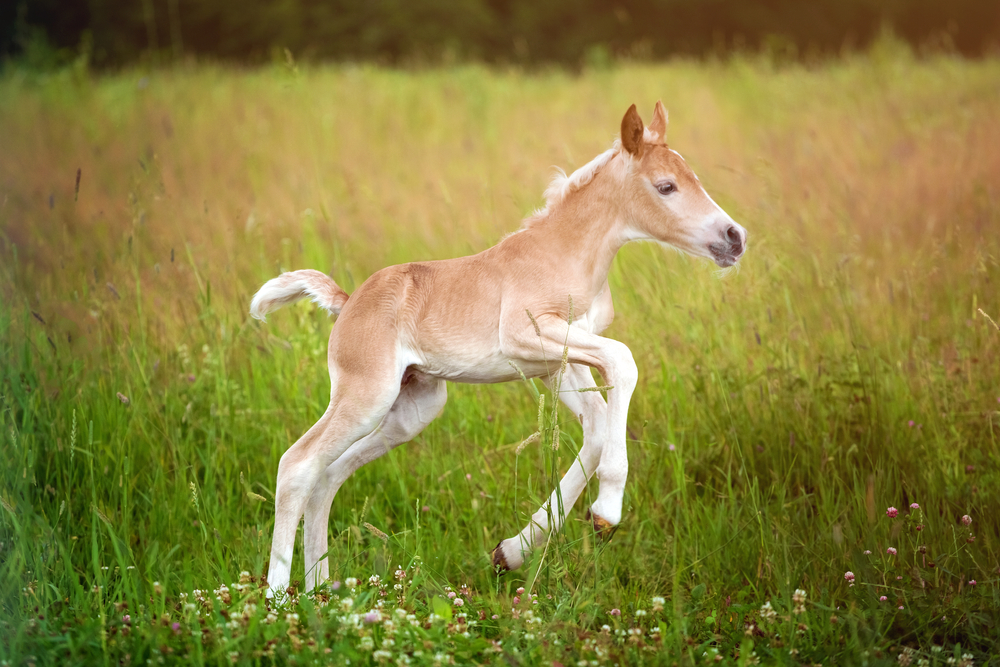
Foal
ઘોડાનું બચ્ચું
Syllable: ઘો-ડા-નું બ-ચ્ચું
Pronunciation: Ghodanu Bachchu
- A foal is a young horse. – ઘોડાનું બચ્ચું નાનું ઘોડું છે.
- The foal runs with its mother. – ઘોડાનું બચ્ચું તેની માતા સાથે દોડે છે.
- The foal is playful. – ઘોડાનું બચ્ચું રમતું હોય છે.

Rabbit
સસલું
Syllable: સ-સ-લું
Pronunciation: Saslu
- The rabbit has long ears. – સસલાને લાંબા કાન હોય છે.
- The rabbit eats carrots. – સસલું ગાજર ખાય છે.
- The rabbit runs quickly. – સસલું ઝડપથી દોડે છે.

Hen
મરઘી
Syllable: મર-ઘી
Pronunciation: Marghi
- The hen lays eggs. – મરઘી ઈંડા મૂકે છે.
- The hen lives on a farm. – મરઘી ખેતરમાં રહે છે.
- I fed the hen. – મેં મરઘીને ખવડાવી.

Rooster
કૂકડો
Syllable: કૂ-ક-ડો
Pronunciation: Kukado
- The rooster crows in the morning. – કૂકડો સવારે બાંગ આપે છે.
- The rooster has colorful feathers. – કૂકડાના પીંછા રંગીન હોય છે.
- The rooster guards the hens. – કૂકડો મરઘીઓની રક્ષા કરે છે.

Duck
બતક
Syllable: બ-તક
Pronunciation: Batak
- The duck swims in water. – બતક પાણીમાં તરે છે.
- The duck has webbed feet. – બતકના પગ જાળાવાળા હોય છે.
- I saw a duck in the pond. – મેં તળાવમાં બતક જોઈ.

Goose
હંસલી
Syllable: હં-સ-લી
Pronunciation: Hansali
- The goose is a water bird. – હંસલી જળપક્ષી છે.
- The goose swims gracefully. – હંસલી સુંદર રીતે તરે છે.
- I saw a goose near the lake. – મેં તળાવ પાસે હંસલી જોઈ.

Turkey
ટર્કી
Syllable: ટર્-કી
Pronunciation: Turkey
- The turkey is a large bird. – ટર્કી મોટું પક્ષી છે.
- Turkeys live on farms. – ટર્કી ખેતરોમાં રહે છે.
- I saw a turkey today. – મેં આજે ટર્કી જોયું.

Pigeon
કબૂતર
Syllable: ક-બૂ-તર
Pronunciation: Kabutar
- Pigeons fly in flocks. – કબૂતરો ટોળામાં ઉડે છે.
- The pigeon eats grains. – કબૂતર દાણા ખાય છે.
- I fed the pigeons. – મેં કબૂતરોને દાણા ખવડાવ્યા.

Parrot
પોપટ
Syllable: પો-પટ
Pronunciation: Popat
- The parrot is green. – પોપટ લીલો હોય છે.
- The parrot can talk. – પોપટ બોલી શકે છે.
- I like parrots. – મને પોપટ ગમે છે.
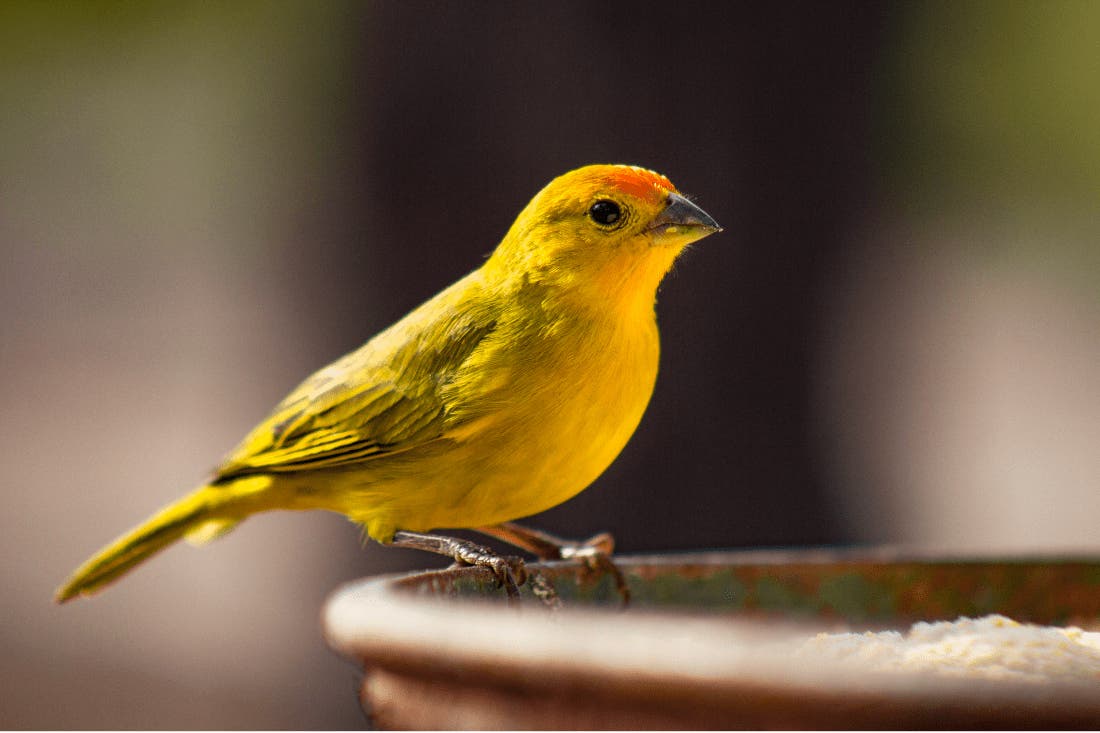
Canary
કેનેરી
Syllable: કે-ને-રી
Pronunciation: Canary
- The canary sings sweetly. – કેનેરી મીઠું ગાય છે.
- The canary is colorful. – કેનેરી રંગીન પક્ષી છે.
- I saw a yellow canary. – મેં પીળી કેનેરી જોઈ.
/https://tf-cmsv2-smithsonianmag-media.s3.amazonaws.com/filer_public/2a/95/2a951379-be49-435b-b0a9-eddb9e834884/5210582753_c660d548d8_o.jpg)
Lovebird
લવબર્ડ
Syllable: લવ-બર્ડ
Pronunciation: Lovebird
- Lovebirds live in pairs. – લવબર્ડ જોડીમાં રહે છે.
- Lovebirds are colorful birds. – લવબર્ડ રંગીન પક્ષીઓ છે.
- I like lovebirds. – મને લવબર્ડ ગમે છે.

Mule
ખચ્ચર
Syllable: ખચ્-ચર
Pronunciation: Khacchar
- A mule is a strong animal. – ખચ્ચર મજબૂત પ્રાણી છે.
- Mules carry heavy loads. – ખચ્ચર ભારે ભાર વહન કરે છે.
- The mule works on farms. – ખચ્ચર ખેતરોમાં કામ કરે છે.

Yak
યાક
Syllable: યા-ક
Pronunciation: Yak
- Yaks live in cold mountains. – યાક ઠંડા પર્વતોમાં રહે છે.
- Yaks have thick fur. – યાકના વાળ ઘના હોય છે.
- The yak is a strong animal. – યાક મજબૂત પ્રાણી છે.

Llama
લામા
Syllable: લા-મા
Pronunciation: Llama
- Llamas are friendly animals. – લામા મૈત્રીપૂર્ણ પ્રાણી છે.
- Llamas carry loads. – લામા ભાર વહન કરે છે.
- I saw a llama in a zoo. – મેં પ્રાણી સંગ્રહાલયમાં લામા જોયો.

Alpaca
અલ્પાકા
Syllable: અલ્-પા-કા
Pronunciation: Alpaca
- Alpacas have soft wool. – અલ્પાકાનું ઊન નરમ હોય છે.
- Alpacas live in herds. – અલ્પાકા ટોળામાં રહે છે.
- I like alpacas. – મને અલ્પાકા ગમે છે.

Guinea Pig
ગિની પિગ
Syllable: ગિ-ની પિગ
Pronunciation: Guinea Pig
- Guinea pigs are small pets. – ગિની પિગ નાના પાળતુ પ્રાણી છે.
- They like vegetables. – તેમને શાકભાજી ગમે છે.
- My friend has a guinea pig. – મારા મિત્ર પાસે ગિની પિગ છે.

Hamster
હેમ્સ્ટર
Syllable: હેમ્-સ્ટર
Pronunciation: Hamster
- A hamster is a small pet. – હેમ્સ્ટર નાનું પાળતુ પ્રાણી છે.
- Hamsters store food in their cheeks. – હેમ્સ્ટર પોતાના ગાલમાં ખોરાક સંગ્રહ કરે છે.
- The hamster is active at night. – હેમ્સ્ટર રાત્રે સક્રિય હોય છે.

Ferret
ફેરેટ
Syllable: ફે-રેટ
Pronunciation: Ferret
- Ferrets are playful animals. – ફેરેટ રમૂજી પ્રાણી છે.
- Ferrets are curious. – ફેરેટ ખૂબ જિજ્ઞાસુ હોય છે.
- I saw a ferret in a pet shop. – મેં પાળતુ પ્રાણીઓની દુકાનમાં ફેરેટ જોયો.

Pony
ટટ્ટુ
Syllable: ટટ્-ટુ
Pronunciation: Tattu
- A pony is a small horse. – ટટ્ટુ નાનો ઘોડો છે.
- Ponies are strong animals. – ટટ્ટુ મજબૂત પ્રાણી છે.
- The child rode a pony. – બાળકે ટટ્ટુ પર સવારી કરી.

Reindeer
રેન્ડિયર
Syllable: રેન્-ડી-યર
Pronunciation: Reindeer
- Reindeer live in cold regions. – રેન્ડિયર ઠંડા પ્રદેશોમાં રહે છે.
- Reindeer have antlers. – રેન્ડિયરને શિંગડા હોય છે.
- I saw a reindeer in a picture. – મેં ચિત્રમાં રેન્ડિયર જોયો.

Dove
ફાખતા
Syllable: ફા-ખ-તા
Pronunciation: Fakhta
- The dove is a symbol of peace. – ફાખતા શાંતિનું પ્રતીક છે.
- Doves are gentle birds. – ફાખતા શાંત પક્ષીઓ છે.
- I saw a white dove. – મેં સફેદ ફાખતા જોઈ.

Budgerigar
બજરીગર
Syllable: બજ-રી-ગર
Pronunciation: Budgerigar
- Budgerigars are colorful birds. – બજરીગર રંગીન પક્ષીઓ છે.
- They are popular pets. – તે લોકપ્રિય પાળતુ પક્ષીઓ છે.
- I have a budgerigar. – મારી પાસે બજરીગર છે.

Zebra Finch
ઝેબ્રા ફિન્ચ
Syllable: ઝેબ્રા ફિન્ચ
Pronunciation: Zebra Finch
- Zebra finches are small birds. – ઝેબ્રા ફિન્ચ નાના પક્ષીઓ છે.
- They sing sweet songs. – તે મધુર ગીત ગાય છે.
- I saw zebra finches in a cage. – મેં પાંજરામાં ઝેબ્રા ફિન્ચ જોયા.

Cockatiel
કોકાટીલ
Syllable: કો-કા-ટીલ
Pronunciation: Cockatiel
- Cockatiels are friendly birds. – કોકાટીલ મૈત્રીપૂર્ણ પક્ષીઓ છે.
- They can whistle well. – તે સારી રીતે સીટી વગાડી શકે છે.
- I like cockatiels. – મને કોકાટીલ ગમે છે.
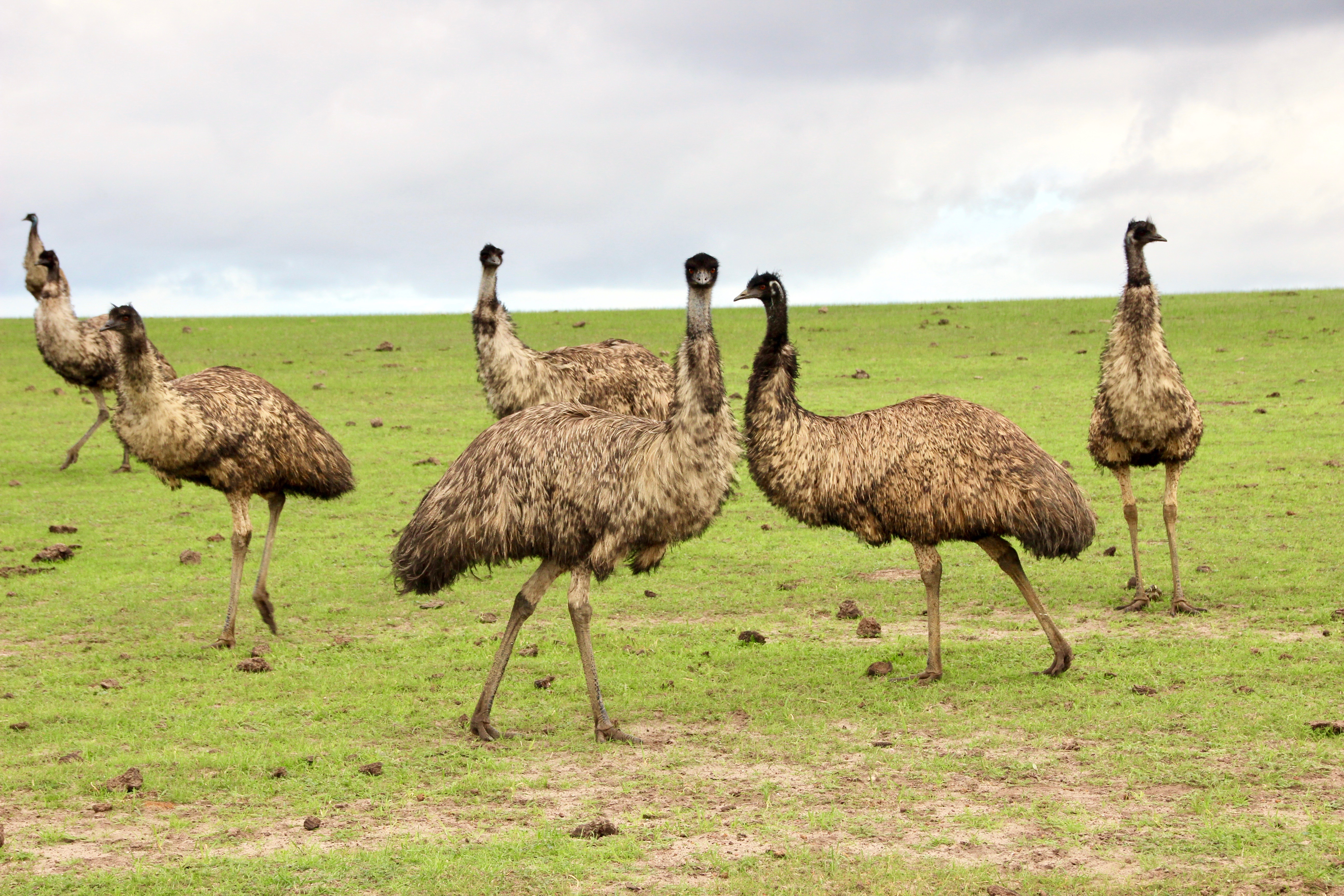
Emu
ઇમૂ
Syllable: ઇ-મૂ
Pronunciation: Emu
- The emu is a large bird. – ઇમૂ મોટું પક્ષી છે.
- Emus cannot fly. – ઇમૂ ઉડી શકતા નથી.
- I saw an emu at the zoo. – મેં પ્રાણી સંગ્રહાલયમાં ઇમૂ જોયો.
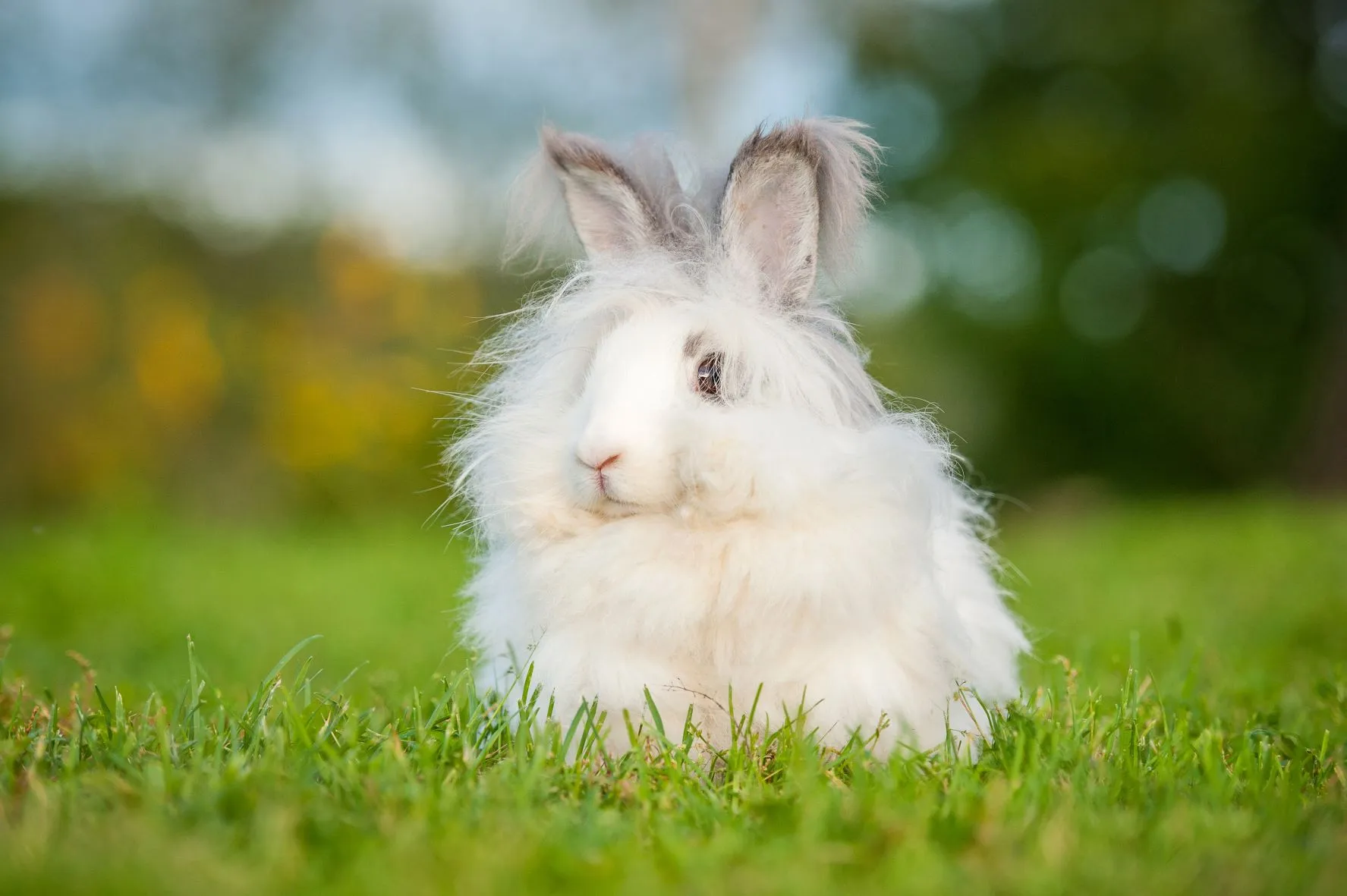
Angora Rabbit
એન્ગોરા સસલું
Syllable: એન્-ગો-રા સ-સ-લું
Pronunciation: Angora Rabbit
- Angora rabbits have soft fur. – એન્ગોરા સસલાના વાળ નરમ હોય છે.
- They are popular pets. – તે લોકપ્રિય પાળતુ પ્રાણી છે.
- I like Angora rabbits. – મને એન્ગોરા સસલાં ગમે છે.

Persian Cat
પર્શિયન બિલાડી
Syllable: પર્-શિ-યન બિ-લા-ડી
Pronunciation: Persian Cat
- Persian cats have long fur. – પર્શિયન બિલાડીના વાળ લાંબા હોય છે.
- They are beautiful pets. – તે સુંદર પાળતુ પ્રાણી છે.
- I saw a Persian cat. – મેં પર્શિયન બિલાડી જોઈ.

Aseel Chicken
અસીલ કૂકડો
Syllable: અ-સીલ કૂ-ક-ડો
Pronunciation: Aseel Chicken
- Aseel chickens are strong birds. – અસીલ કૂકડા મજબૂત પક્ષી છે.
- They are known for their strength. – તે પોતાની શક્તિ માટે જાણીતા છે.
- I saw an Aseel chicken on a farm. – મેં ખેતરમાં અસીલ કૂકડો જોયો.
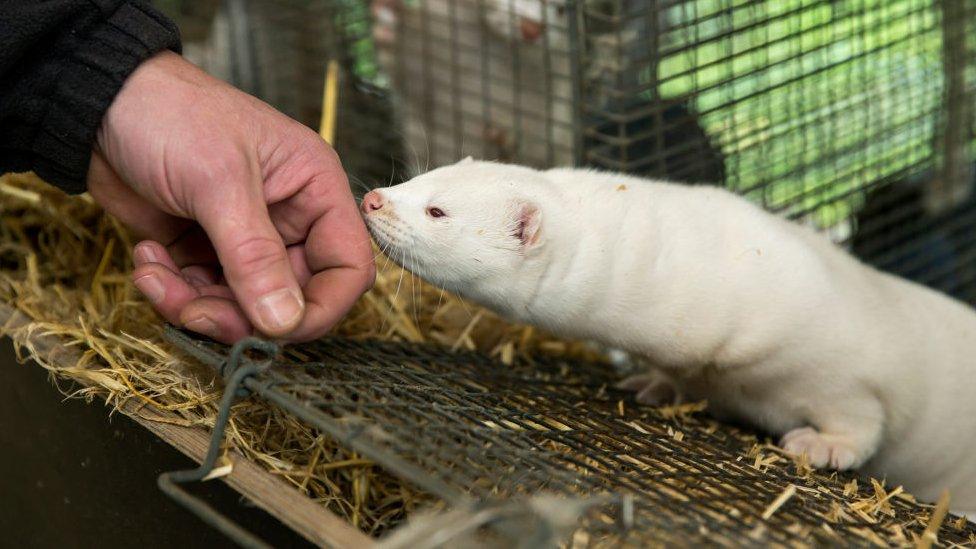
Mink
મિંક
Syllable: મિં-ક
Pronunciation: Mink
- Minks have soft fur. – મિંકના વાળ નરમ હોય છે.
- Minks are small mammals. – મિંક નાના સસ્તન પ્રાણી છે.
- I saw a mink in a wildlife program. – મેં વન્યજીવન કાર્યક્રમમાં મિંક જોયો.
Easy Ways to Remember Gujarati Domestic Animal Names
Domestic animal names are often easier to remember because learners already know what the animals look like and where they are commonly found. Associating each Gujarati name with the animal’s appearance, sound, or role can help create stronger memory connections.
Visual learning methods work particularly well for this topic. Looking at pictures, charts, or flashcards while reading the Gujarati names can improve recall. Learners may also find it useful to group animals into categories such as farm animals, working animals, and household pets.
Using the words during everyday conversations can provide additional practice. Talking about animals seen in the neighborhood or during travel can help reinforce vocabulary naturally.
Simple Practice Ideas
- Use flashcards with animal pictures and Gujarati names.
- Learn a few new names every week.
- Visit a farm and identify animals in Gujarati.
- Draw animals and label them with their names.
- Watch Gujarati educational videos about animals.
- Create an animal vocabulary notebook.
- Match animal pictures with their Gujarati names.
- Practice pronunciation aloud.
- Use animal names in simple sentences.
- Review older vocabulary regularly.
- Ask family members to test your knowledge.
- Observe domestic animals and recall their Gujarati names.
Consistent practice over time can help learners become more confident in recognizing and using animal-related vocabulary.
Domestic Animal Names in Gujarati At a Glance
| # | English Name | Gujarati Name | Pronunciation |
|---|---|---|---|
| 1 | Cow | ગાય | Gaay |
| 2 | Buffalo | ભેંસ | Bhens |
| 3 | Ox | બળદ | Balad |
| 4 | Dog | કૂતરો | Kutaro |
| 5 | Cat | બિલાડી | Biladi |
| 6 | Goat | બકરી | Bakri |
| 7 | Sheep | ઘેટું | Ghetu |
| 8 | Horse | ઘોડો | Ghodo |
| 9 | Donkey | ગધેડો | Gadhedo |
| 10 | Camel | ઊંટ | Unt |
| 11 | Foal | ઘોડાનું બચ્ચું | Ghodanu Bachchu |
| 12 | Rabbit | સસલું | Saslu |
| 13 | Hen | મરઘી | Marghi |
| 14 | Rooster | કૂકડો | Kukado |
| 15 | Duck | બતક | Batak |
| 16 | Goose | હંસલી | Hansali |
| 17 | Turkey | ટર્કી | Turkey |
| 18 | Pigeon | કબૂતર | Kabutar |
| 19 | Parrot | પોપટ | Popat |
| 20 | Canary | કેનેરી | Canary |
| 21 | Lovebird | લવબર્ડ | Lovebird |
| 22 | Mule | ખચ્ચર | Khacchar |
| 23 | Yak | યાક | Yak |
| 24 | Llama | લામા | Llama |
| 25 | Alpaca | અલ્પાકા | Alpaca |
| 26 | Guinea Pig | ગિની પિગ | Guinea Pig |
| 27 | Hamster | હેમ્સ્ટર | Hamster |
| 28 | Ferret | ફેરેટ | Ferret |
| 29 | Pony | ટટ્ટુ | Tattu |
| 30 | Reindeer | રેન્ડિયર | Reindeer |
| 31 | Dove | ફાખતા | Fakhta |
| 32 | Budgerigar | બજરીગર | Budgerigar |
| 33 | Zebra Finch | ઝેબ્રા ફિન્ચ | Zebra Finch |
| 34 | Cockatiel | કોકાટીલ | Cockatiel |
| 35 | Emu | ઇમૂ | Emu |
| 36 | Angora Rabbit | એન્ગોરા સસલું | Angora Rabbit |
| 37 | Persian Cat | પર્શિયન બિલાડી | Persian Cat |
| 38 | Aseel Chicken | અસીલ કૂકડો | Aseel Chicken |
| 39 | Mink | મિંક | Mink |
Gujarati Domestic Animals Quiz
Building Gujarati Vocabulary Through Familiar Animals
Domestic animals are a useful topic for language learners because they are easy to recognize and closely connected to everyday life. Their frequent appearance in conversations, educational materials, and local environments provides many opportunities for learners to practice and reinforce new words.
As you continue expanding your Gujarati vocabulary, animal-related topics can help you learn more about nature, farming, and daily life.
Which domestic animal do you see most often? Have you ever cared for a pet or visited a farm? Share your thoughts in the comments and let us know which Gujarati animal name was the easiest for you to remember.