Body part names are some of the first words children learn while growing up. Parents, teachers, and caregivers often teach these words through songs, games, picture books, and everyday conversations. Since learners can easily identify their own eyes, ears, hands, and feet, body part vocabulary becomes a natural starting point for language learning.
In Gujarati-speaking homes and schools, body parts are commonly taught as part of early education. These words help children describe themselves, follow instructions, and communicate more effectively. Because they are used so frequently, learners encounter them in many different situations.
This Body Parts Names in Gujarati Worksheet is designed for students, parents, teachers, and beginners who want to build a strong foundation in Gujarati vocabulary. Learning these names can support communication skills and make everyday conversations easier to understand.
Why Learning Body Parts Names in Gujarati Matters
Body part names are practical words that people use throughout their lives. They appear in classroom instructions, health-related discussions, sports activities, daily conversations, and educational materials. Learning these terms in Gujarati helps learners develop vocabulary that can be used in many real-life situations.
For children, body part vocabulary is especially useful because it connects directly to their everyday experiences. A learner can point to a hand, nose, or shoulder while saying the Gujarati word, creating a direct link between the object and its name. This makes learning more interactive and memorable.
These words are also important for understanding instructions and descriptions. Whether someone is reading a textbook, listening to a teacher, or participating in an activity, body part names often play a role in communication.
Benefits of Learning Gujarati Body Parts Names
- Builds a strong foundation of everyday vocabulary.
- Helps learners understand simple instructions.
- Supports reading and speaking activities.
- Improves pronunciation and word recognition.
- Makes classroom learning easier.
- Helps children connect words with real objects.
- Expands personal and health-related vocabulary.
- Supports worksheets and educational exercises.
- Encourages active participation in learning activities.
- Creates opportunities for daily language practice.
- Makes communication more effective.
- Strengthens memory through direct association.
Another advantage is that body parts can be identified anytime and anywhere, making practice simple and convenient.
Getting Familiar with the Human Body in Gujarati
From the head and face to the arms and feet, every body part has a name that is used in daily communication. The list below includes commonly known body parts along with their Gujarati names, helping learners build practical vocabulary step by step.
:watermark(/images/watermark_5000_10percent.png,0,0,0):watermark(/images/logo_url.png,-10,-10,0):format(jpeg)/images/overview_image/2965/RGS4A0cAP5dMqqvXFQoJVg_regions-of-the-head-and-face_en.jpg)
Head
માથું
Syllable: મા-થું
Pronunciation: Mathu
- The head protects the brain. – માથું મગજનું રક્ષણ કરે છે.
- He nodded his head. – તેણે માથું હલાવ્યું.
- My head hurts. – મારું માથું દુખે છે.

Hair
વાળ
Syllable: વા-ળ
Pronunciation: Vaal
- Her hair is long. – તેના વાળ લાંબા છે.
- I comb my hair daily. – હું દરરોજ વાળ ઓળીશ.
- Black hair looks beautiful. – કાળા વાળ સુંદર લાગે છે.

Forehead
કપાળ
Syllable: ક-પા-ળ
Pronunciation: Kapaal
- He touched his forehead. – તેણે પોતાનું કપાળ સ્પર્શ્યું.
- The forehead was sweaty. – કપાળ પર પરસેવો હતો.
- She has a broad forehead. – તેનું કપાળ પહોળું છે.

Eye
આંખ
Syllable: આં-ખ
Pronunciation: Aankh
- The eye helps us see. – આંખ આપણને જોવા મદદ કરે છે.
- My eye is red. – મારી આંખ લાલ છે.
- She closed her eyes. – તેણે પોતાની આંખો બંધ કરી.

Eyebrow
ભ્રૂ
Syllable: ભ્રૂ
Pronunciation: Bhru
- Her eyebrows are thick. – તેની ભ્રૂ ઘની છે.
- He raised his eyebrow. – તેણે ભ્રૂ ઊંચી કરી.
- Eyebrows protect the eyes. – ભ્રૂ આંખોનું રક્ષણ કરે છે.

Eyelashes
પાંપણ
Syllable: પાં-પણ
Pronunciation: Panpan
- Eyelashes protect the eyes. – પાંપણ આંખોનું રક્ષણ કરે છે.
- She has long eyelashes. – તેની પાંપણ લાંબી છે.
- My eyelashes are wet. – મારી પાંપણ ભીની છે.
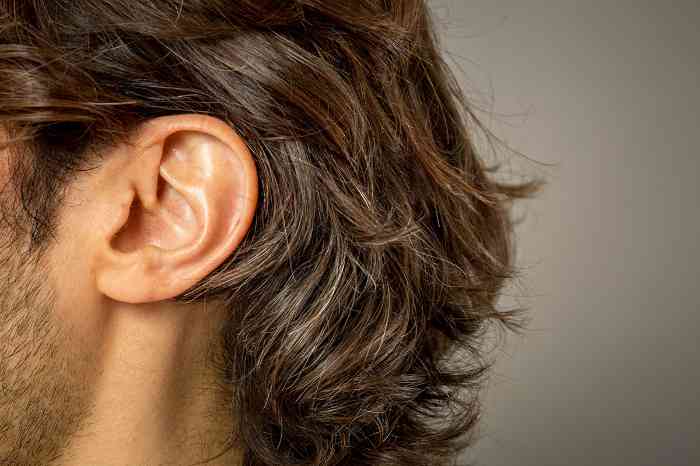
Ear
કાન
Syllable: કા-ન
Pronunciation: Kaan
- I hear with my ears. – હું મારા કાનથી સાંભળું છું.
- My ear hurts. – મારું કાન દુખે છે.
- She cleaned her ears. – તેણે પોતાના કાન સાફ કર્યા.
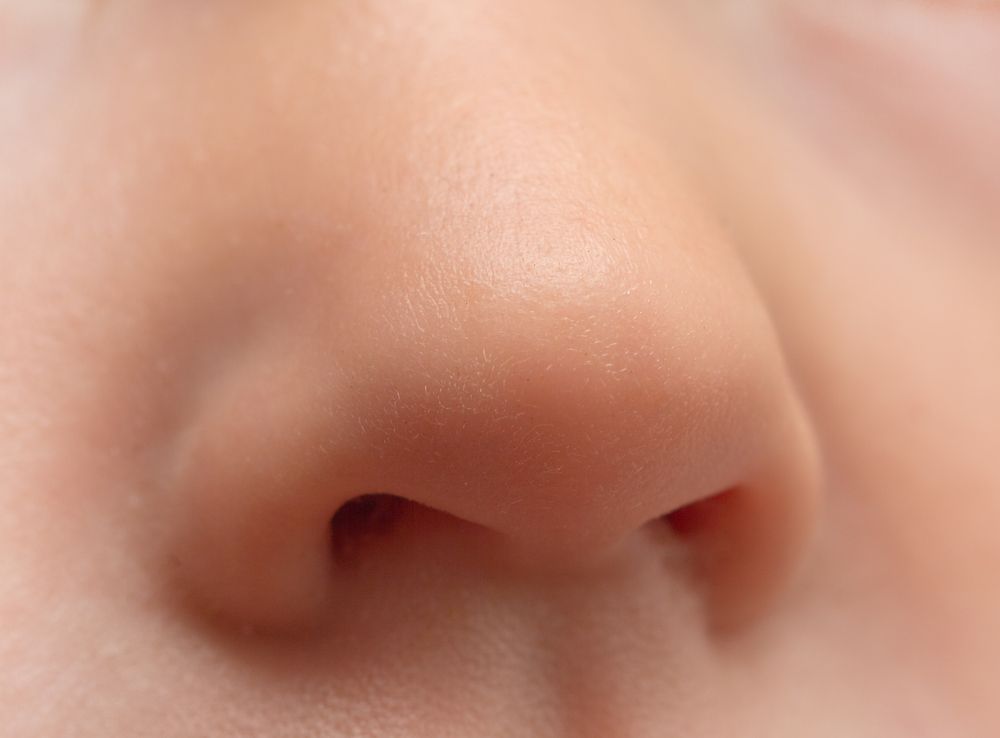
Nose
નાક
Syllable: ના-ક
Pronunciation: Naak
- The nose helps us smell. – નાક આપણને સુગંધ ઓળખવામાં મદદ કરે છે.
- My nose is blocked. – મારું નાક બંધ છે.
- He touched his nose. – તેણે પોતાનું નાક સ્પર્શ્યું.
Nostril
નાસિકાછિદ્ર
Syllable: ના-સિ-કા-છિ-દ્ર
Pronunciation: Naasikachhidra
- Air enters through the nostrils. – હવા નાસિકાછિદ્રથી અંદર જાય છે.
- My nostril is blocked. – મારું નાસિકાછિદ્ર બંધ છે.
- The doctor checked my nostrils. – ડૉક્ટરે મારા નાસિકાછિદ્ર તપાસ્યા.
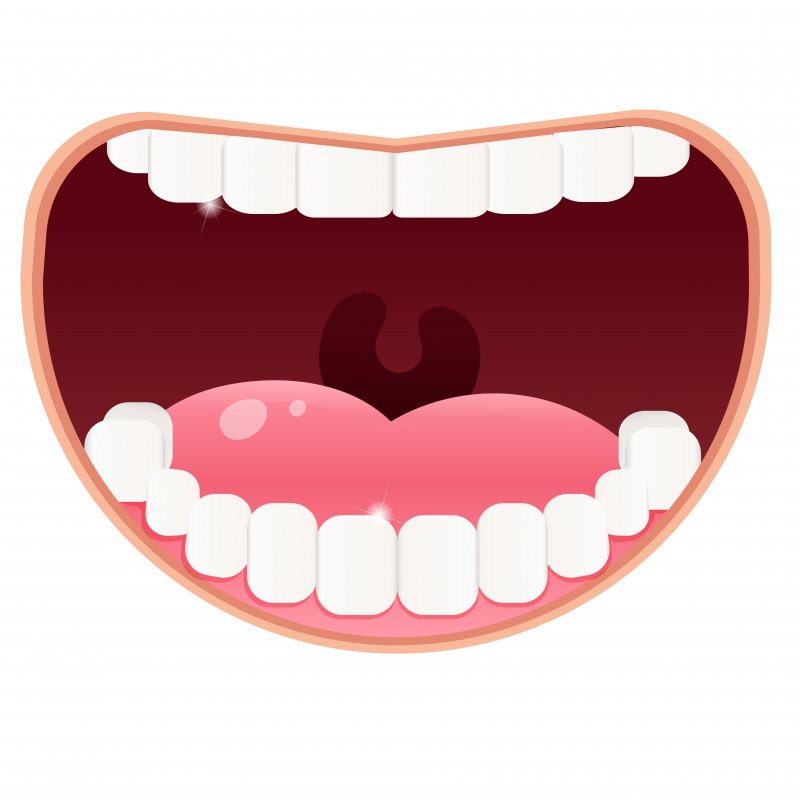
Mouth
મોં
Syllable: મોં
Pronunciation: Mon
- The mouth helps us eat. – મોં આપણને ખાવામાં મદદ કરે છે.
- Open your mouth. – તમારું મોં ખોલો.
- The baby smiled with its mouth open. – બાળક ખુલ્લા મોંએ હસ્યું.

Lips
હોઠ
Syllable: હો-ઠ
Pronunciation: Hoth
- Her lips are dry. – તેના હોઠ સુકા છે.
- He smiled with his lips closed. – તેણે હોઠ બંધ રાખીને સ્મિત કર્યું.
- Apply balm on your lips. – હોઠ પર બામ લગાવો.

Teeth
દાંત
Syllable: દા-ંત
Pronunciation: Daant
- Teeth help us chew food. – દાંત ખોરાક ચાવવામાં મદદ કરે છે.
- Brush your teeth daily. – દરરોજ દાંત સાફ કરો.
- My teeth are strong. – મારા દાંત મજબૂત છે.

Tongue
જીભ
Syllable: જી-ભ
Pronunciation: Jibh
- The tongue helps us taste. – જીભ સ્વાદ ઓળખવામાં મદદ કરે છે.
- Stick out your tongue. – તમારી જીભ બહાર કાઢો.
- My tongue is sore. – મારી જીભ દુખે છે.
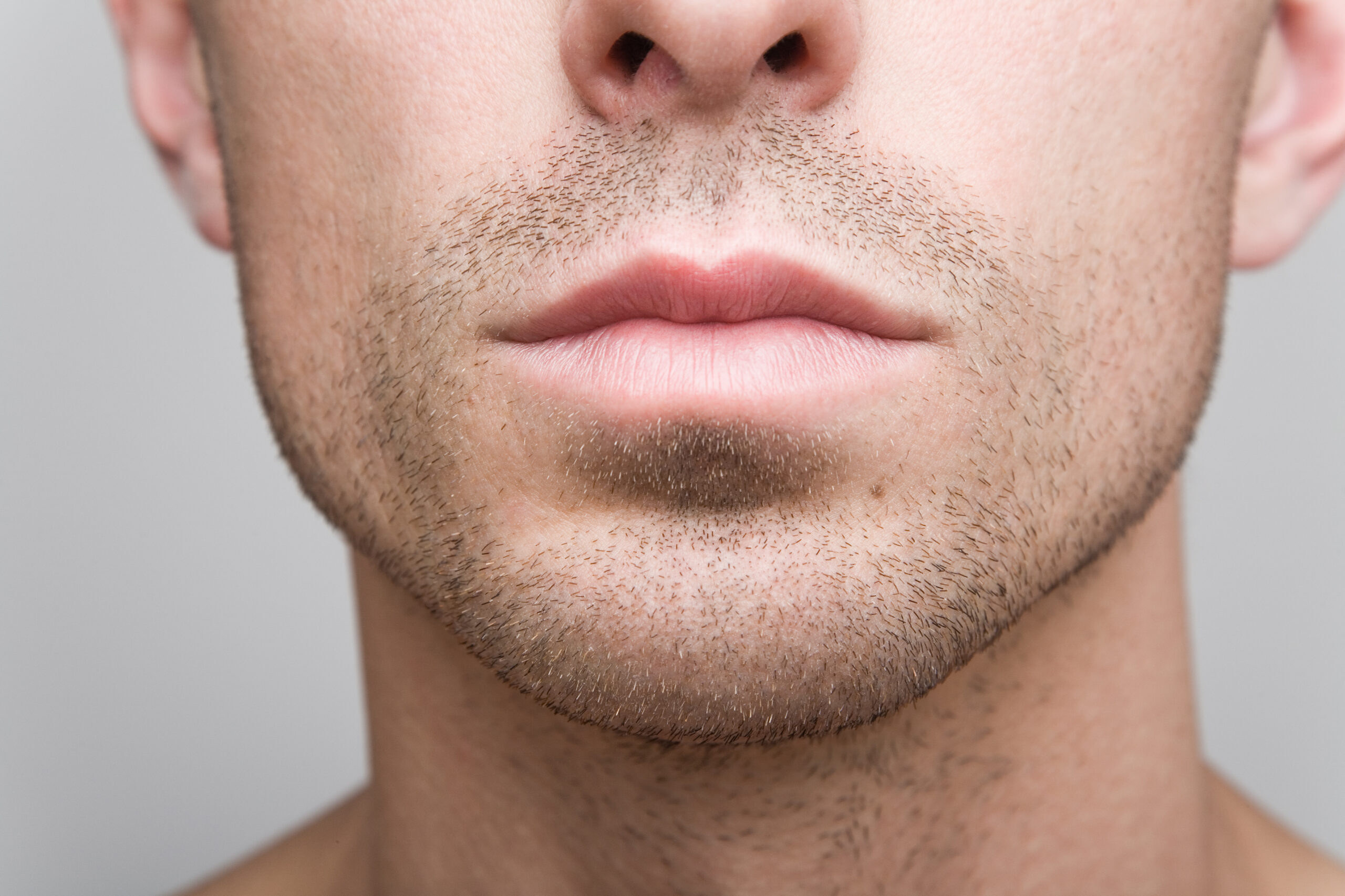
Cheek
ગાલ
Syllable: ગા-લ
Pronunciation: Gaal
- Her cheeks are rosy. – તેના ગાલ ગુલાબી છે.
- He touched my cheek. – તેણે મારા ગાલને સ્પર્શ કર્યો.
- The baby has soft cheeks. – બાળકના ગાલ નરમ છે.

Neck
ગરદન
Syllable: ગર-દન
Pronunciation: Gardan
- The neck supports the head. – ગરદન માથાને ટેકો આપે છે.
- My neck hurts. – મારી ગરદન દુખે છે.
- She wore a necklace around her neck. – તેણે ગરદનમાં હાર પહેર્યો.
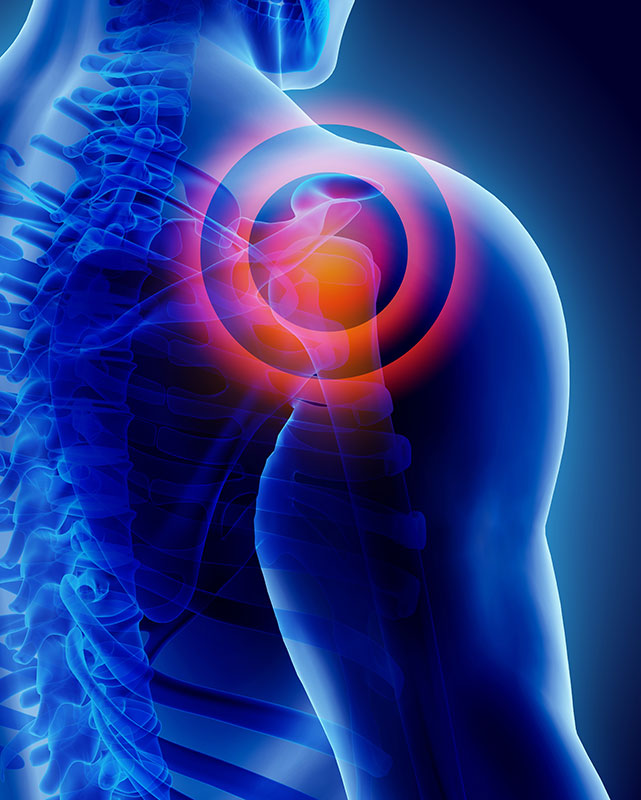
Shoulder
ખભો
Syllable: ખ-ભો
Pronunciation: Khabho
- The bag is on my shoulder. – થેલો મારા ખભા પર છે.
- My shoulder hurts. – મારો ખભો દુખે છે.
- He touched my shoulder. – તેણે મારા ખભાને સ્પર્શ કર્યો.

Arm
બાહુ
Syllable: બા-હુ
Pronunciation: Baahu
- The arm helps us lift things. – બાહુ વસ્તુઓ ઉઠાવવામાં મદદ કરે છે.
- He injured his arm. – તેની બાહુને ઈજા થઈ.
- Raise your arm. – તમારી બાહુ ઊંચી કરો.
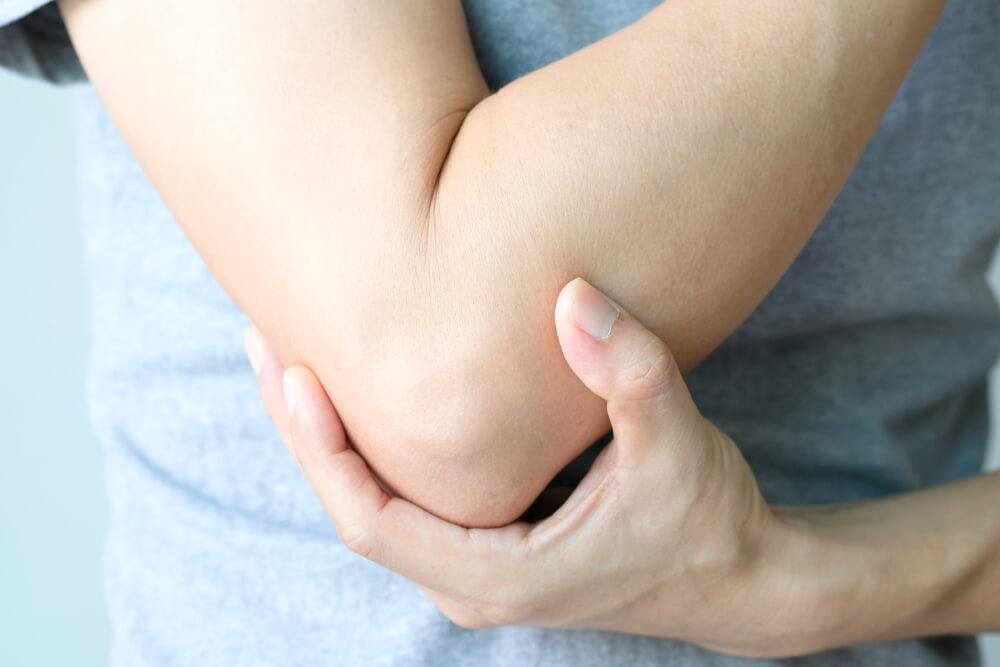
Elbow
કોણી
Syllable: કો-ણી
Pronunciation: Koni
- My elbow hurts. – મારી કોણી દુખે છે.
- He bent his elbow. – તેણે પોતાની કોણી વાળી.
- The elbow connects the arm. – કોણી બાહુને જોડે છે.
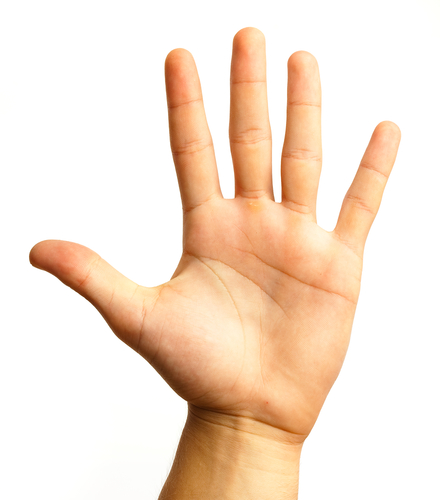
Hand
હાથ
Syllable: હા-થ
Pronunciation: Haath
- I wash my hands. – હું મારા હાથ ધોઉં છું.
- Raise your hand. – તમારો હાથ ઊંચો કરો.
- My hand is clean. – મારો હાથ સ્વચ્છ છે.

Finger
આંગળી
Syllable: આં-ગ-ળી
Pronunciation: Aangli
- Point with your finger. – તમારી આંગળીથી બતાવો.
- I hurt my finger. – મારી આંગળી દુખે છે.
- She wears a ring on her finger. – તે આંગળીમાં વીંટી પહેરે છે.

Thumb
અંગૂઠો
Syllable: અં-ગુ-ઠો
Pronunciation: Angutho
- The thumb helps us grip things. – અંગૂઠો વસ્તુઓ પકડવામાં મદદ કરે છે.
- Show me your thumb. – મને તમારો અંગૂઠો બતાવો.
- My thumb is injured. – મારો અંગૂઠો ઘાયલ છે.

Chest
છાતી
Syllable: છા-તી
Pronunciation: Chhati
- The chest protects vital organs. – છાતી મહત્વના અંગોનું રક્ષણ કરે છે.
- My chest hurts. – મારી છાતી દુખે છે.
- He has a broad chest. – તેની છાતી પહોળી છે.

Heart
હૃદય
Syllable: હૃ-દ-ય
Pronunciation: Hriday
- The heart pumps blood. – હૃદય લોહી પંપ કરે છે.
- A healthy heart is important. – સ્વસ્થ હૃદય મહત્વનું છે.
- My heart beats fast. – મારું હૃદય ઝડપથી ધબકે છે.

Stomach
પેટ
Syllable: પે-ટ
Pronunciation: Pet
- The stomach digests food. – પેટ ખોરાક પચાવે છે.
- My stomach is full. – મારું પેટ ભરેલું છે.
- He has a stomach ache. – તેને પેટમાં દુખાવો છે.
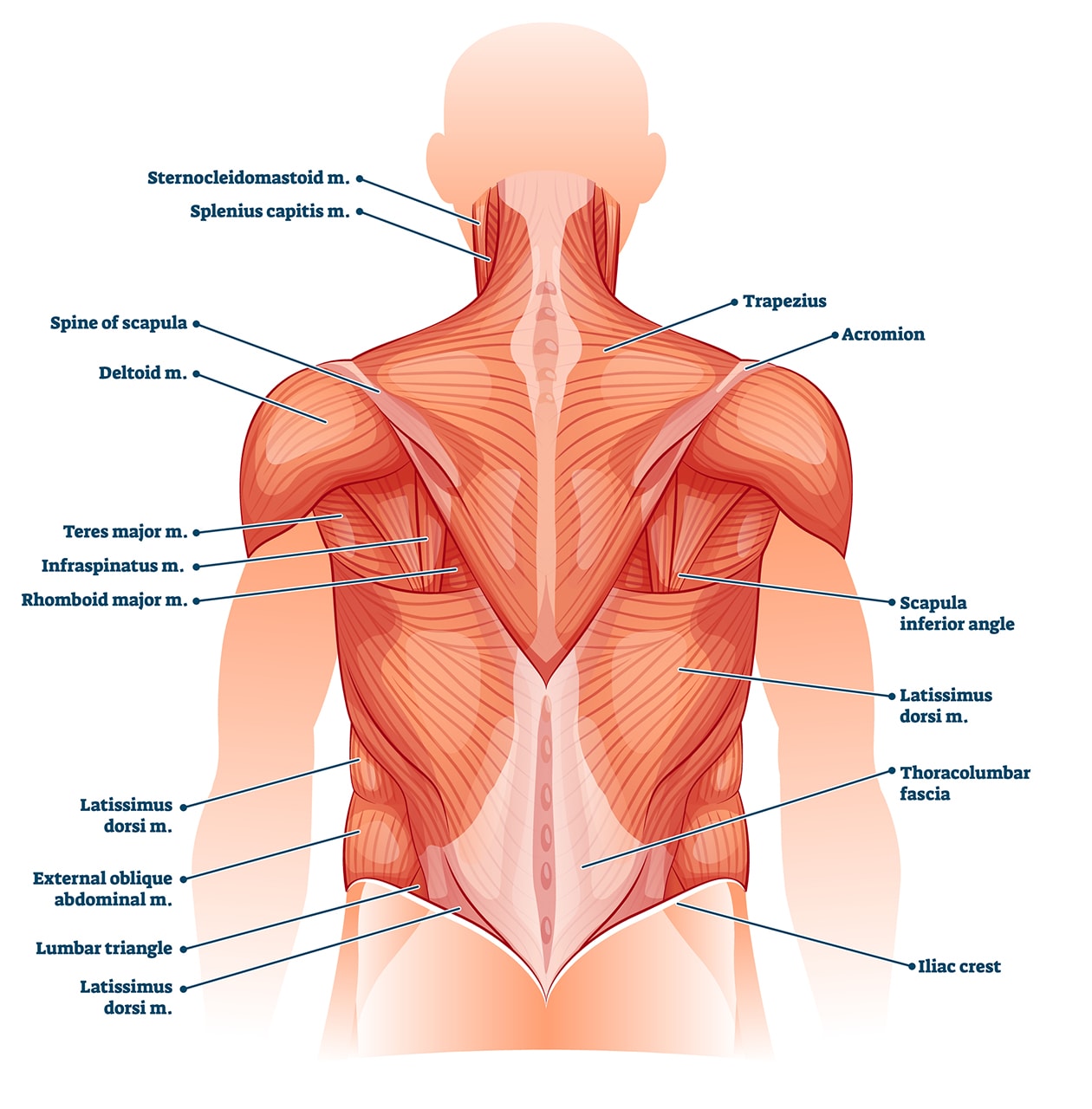
Back
પીઠ
Syllable: પી-ઠ
Pronunciation: Peeth
- My back hurts. – મારી પીઠ દુખે છે.
- He carried the bag on his back. – તેણે પીઠ પર થેલો ઉઠાવ્યો.
- Keep your back straight. – તમારી પીઠ સીધી રાખો.

Waist
કમર
Syllable: ક-મર
Pronunciation: Kamar
- She tied a belt around her waist. – તેણે કમર પર પટ્ટો બાંધ્યો.
- My waist hurts. – મારી કમર દુખે છે.
- Exercise keeps the waist strong. – વ્યાયામ કમરને મજબૂત રાખે છે.
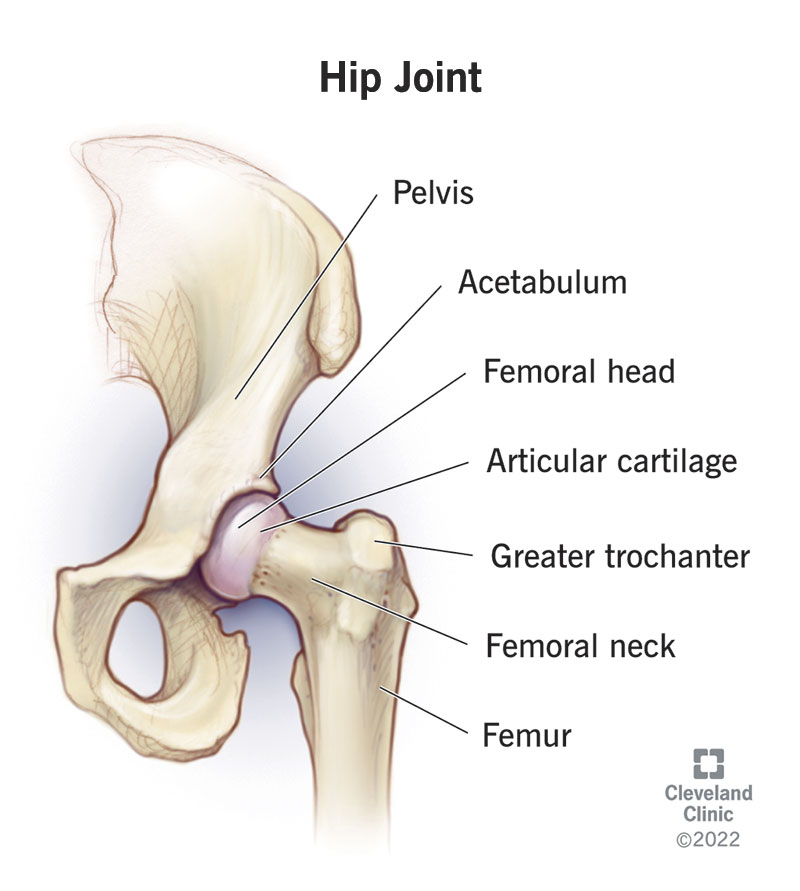
Hip
નિતંબ
Syllable: નિ-તં-બ
Pronunciation: Nitamb
- The hip supports body movement. – નિતંબ શરીરની હિલચાલમાં મદદ કરે છે.
- My hip hurts after walking. – ચાલ્યા પછી મારું નિતંબ દુખે છે.
- The doctor checked my hip. – ડૉક્ટરે મારું નિતંબ તપાસ્યું.
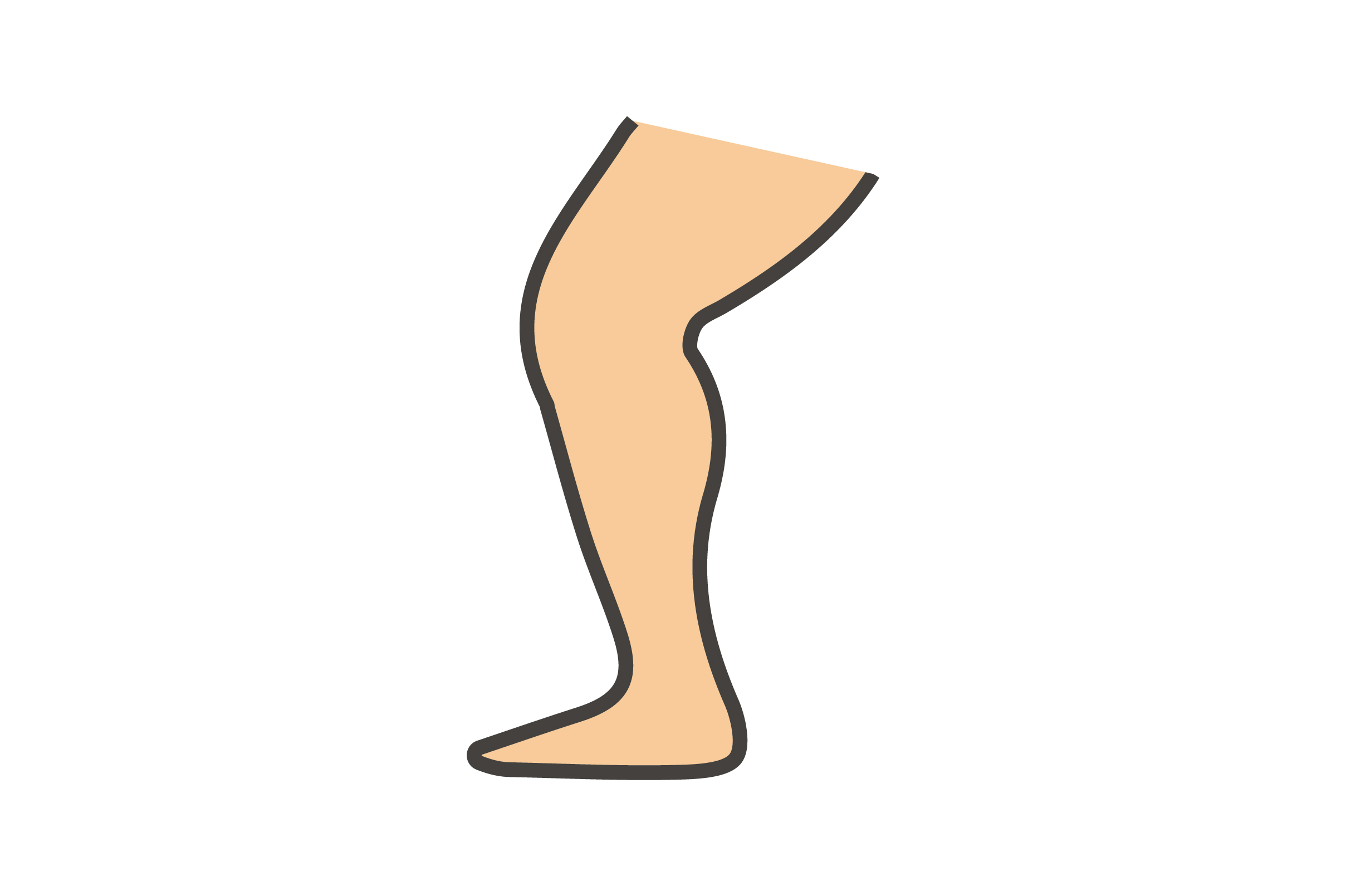
Leg
પગ
Syllable: પ-ગ
Pronunciation: Pag
- My legs are strong. – મારા પગ મજબૂત છે.
- He injured his leg. – તેના પગને ઈજા થઈ.
- I run with my legs. – હું મારા પગથી દોડું છું.

Knee
ઘૂંટણ
Syllable: ઘૂં-ટ-ણ
Pronunciation: Ghuntan
- My knee hurts. – મારું ઘૂંટણ દુખે છે.
- He bent his knee. – તેણે પોતાનું ઘૂંટણ વાળ્યું.
- The knee helps us walk. – ઘૂંટણ ચાલવામાં મદદ કરે છે.

Foot
પગનું તળિયું
Syllable: પગ-નું ત-ળી-યું
Pronunciation: Pagnu Taliyu
- My foot is clean. – મારું પગનું તળિયું સ્વચ્છ છે.
- He hurt his foot. – તેના પગના તળિયાને ઈજા થઈ.
- I walk on my feet. – હું મારા પગના તળિયાથી ચાલું છું.

Toes
પગની આંગળીઓ
Syllable: પગ-ની આં-ગ-ળી-ઓ
Pronunciation: Pagni Aanglio
- My toes are cold. – મારી પગની આંગળીઓ ઠંડી છે.
- He moved his toes. – તેણે પોતાની પગની આંગળીઓ હલાવી.
- Count your toes. – તમારી પગની આંગળીઓ ગણો.

Nails
નખ
Syllable: ન-ખ
Pronunciation: Nakh
- Cut your nails regularly. – તમારા નખ નિયમિત કાપો.
- My nails are clean. – મારા નખ સ્વચ્છ છે.
- She painted her nails. – તેણે પોતાના નખ રંગ્યા.

Brain
મગજ
Syllable: મ-ગજ
Pronunciation: Magaj
- The brain controls the body. – મગજ શરીરને નિયંત્રિત કરે છે.
- The brain helps us think. – મગજ આપણને વિચારવામાં મદદ કરે છે.
- A healthy brain is important. – સ્વસ્થ મગજ મહત્વનું છે.

Lungs
ફેફસા
Syllable: ફે-ફ-સા
Pronunciation: Phefsa
- The lungs help us breathe. – ફેફસા શ્વાસ લેવામાં મદદ કરે છે.
- Healthy lungs are important. – સ્વસ્થ ફેફસા મહત્વના છે.
- The doctor checked my lungs. – ડૉક્ટરે મારા ફેફસા તપાસ્યા.
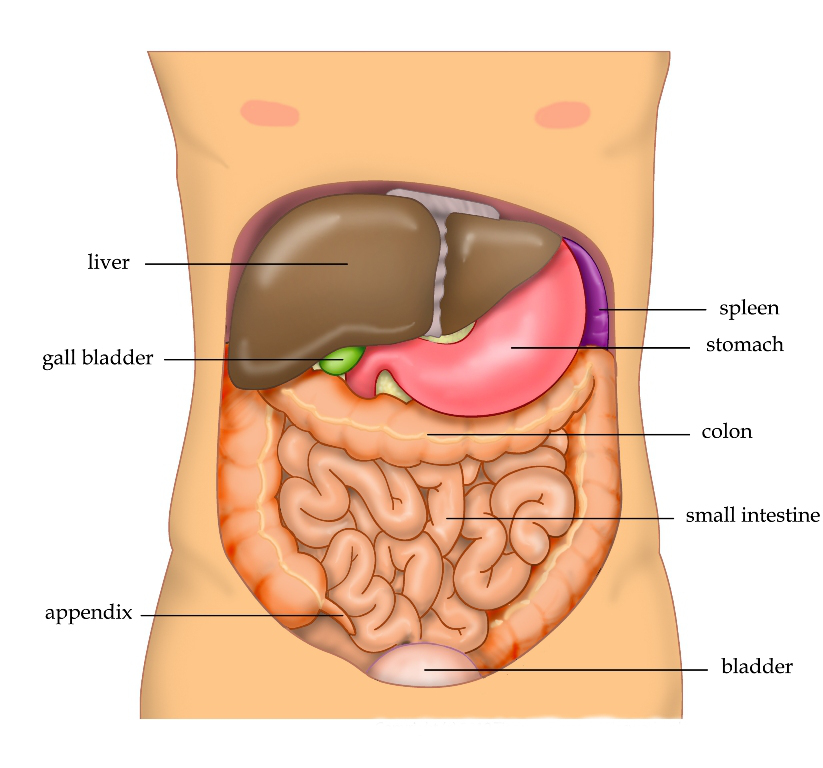
Abdomen
ઉદર
Syllable: ઉ-દર
Pronunciation: Udar
- The abdomen contains many organs. – ઉદરમાં ઘણા અંગો હોય છે.
- He felt pain in his abdomen. – તેને ઉદરમાં દુખાવો થયો.
- The doctor examined the abdomen. – ડૉક્ટરે ઉદરની તપાસ કરી.
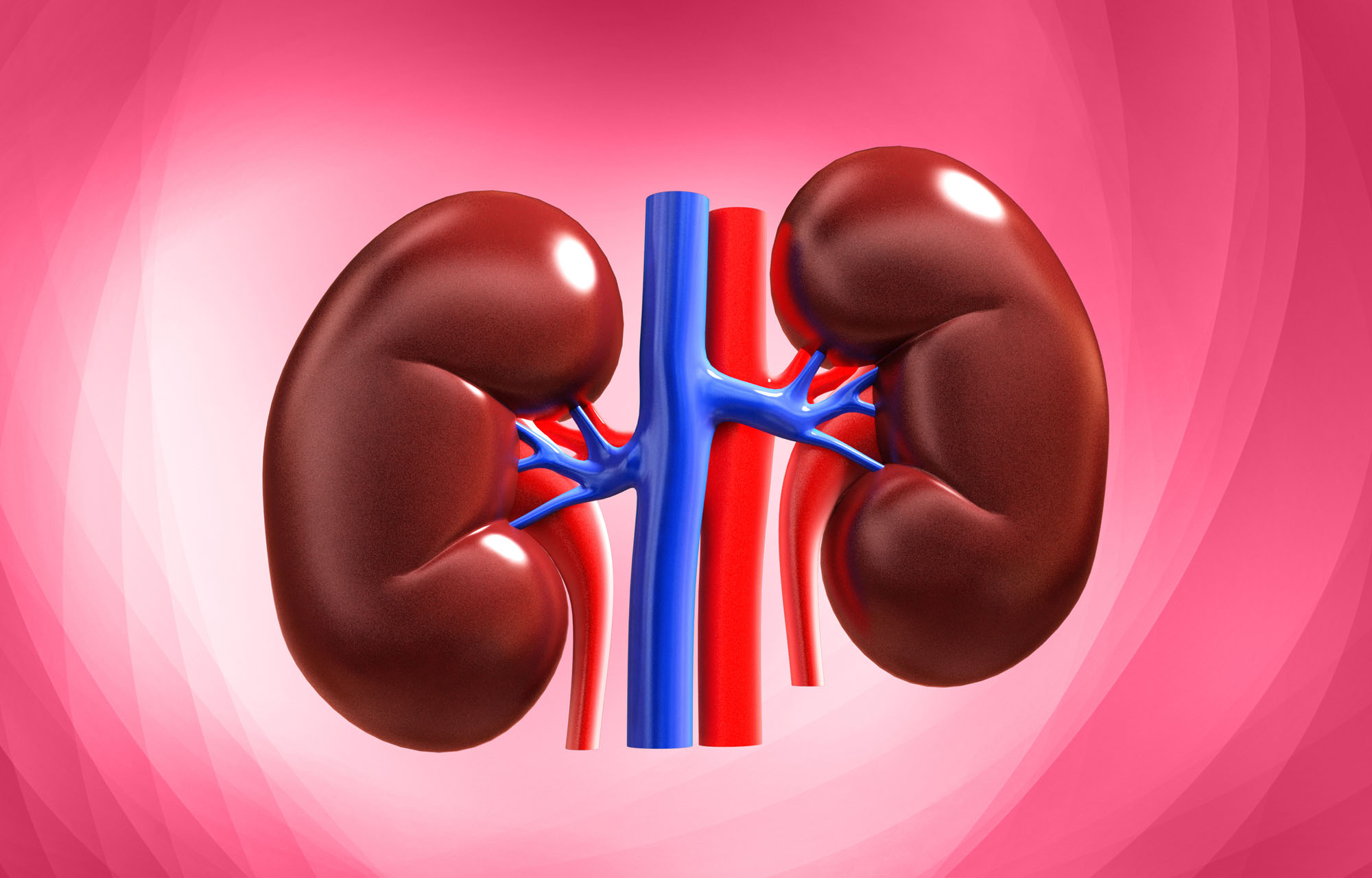
Kidney
મૂત્રપિંડ
Syllable: મૂ-ત્ર-પિં-ડ
Pronunciation: Mutrapind
- The kidneys filter blood. – મૂત્રપિંડ લોહી શુદ્ધ કરે છે.
- Healthy kidneys are essential. – સ્વસ્થ મૂત્રપિંડ જરૂરી છે.
- The doctor checked my kidneys. – ડૉક્ટરે મારા મૂત્રપિંડ તપાસ્યા.

Skin
ચામડી
Syllable: ચા-મ-ડી
Pronunciation: Chamdi
- Skin covers the body. – ચામડી શરીરને ઢાંકે છે.
- My skin is soft. – મારી ચામડી નરમ છે.
- Protect your skin from the sun. – તમારી ચામડીને સૂર્યથી બચાવો.
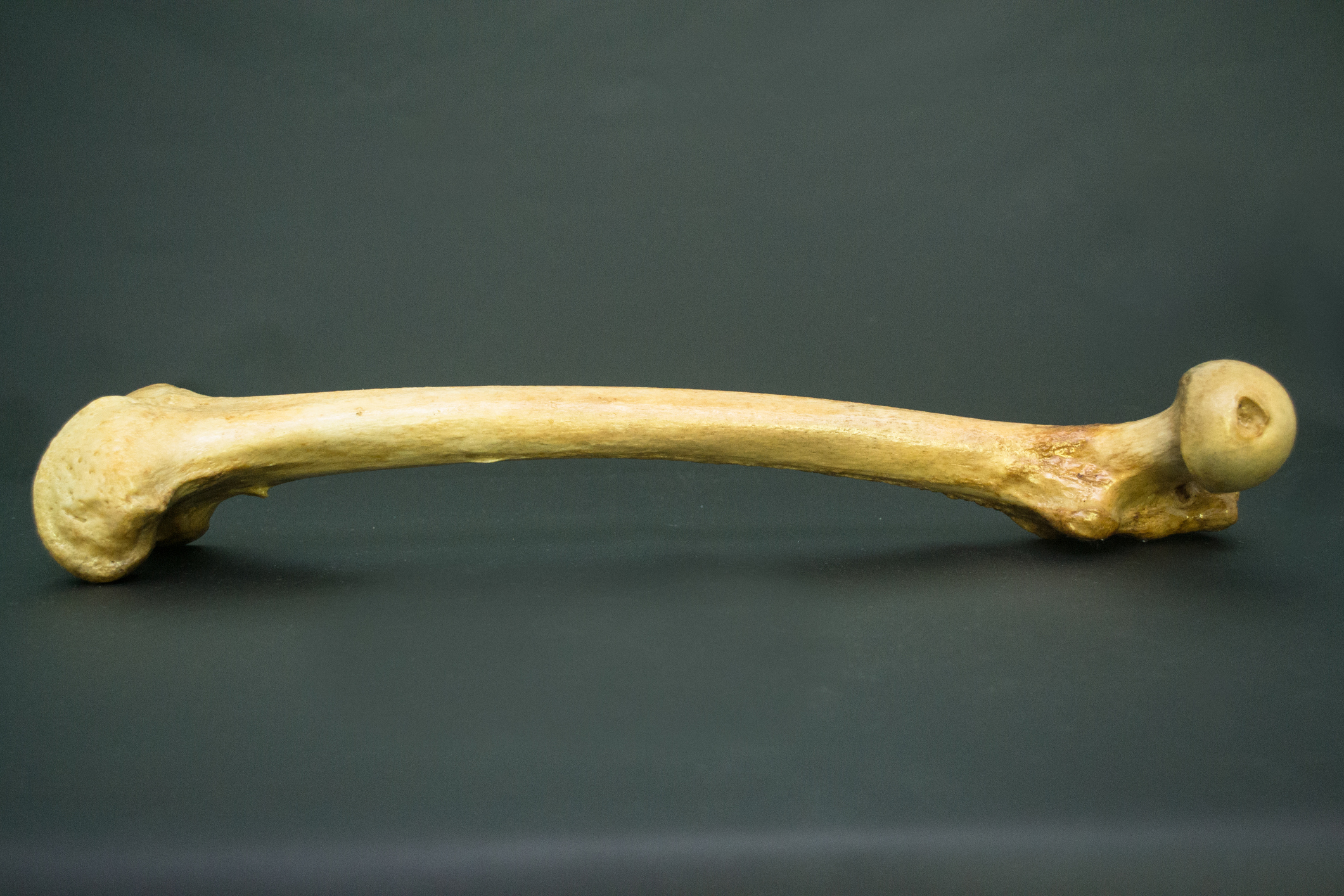
Bone
હાડકું
Syllable: હા-ડ-કું
Pronunciation: Hadku
- Bones make the body strong. – હાડકાં શરીરને મજબૂત બનાવે છે.
- He broke a bone. – તેનું હાડકું તૂટી ગયું.
- Bones support the body. – હાડકાં શરીરને ટેકો આપે છે.

Skeleton
હાડપિંજર
Syllable: હા-ડ-પિં-જર
Pronunciation: Hadpinjar
- The skeleton supports the body. – હાડપિંજર શરીરને ટેકો આપે છે.
- The skeleton is made of bones. – હાડપિંજર હાડકાંથી બનેલું છે.
- We studied the skeleton in class. – અમે વર્ગમાં હાડપિંજરનો અભ્યાસ કર્યો.
Easy Ways to Remember Gujarati Body Parts Names
One of the easiest ways to learn body part names is through action-based learning. Pointing to a body part while saying its Gujarati name helps learners create a strong memory connection. This method works particularly well for younger children.
Visual aids can also be helpful. Charts, diagrams, and labeled illustrations allow learners to see the body part and its Gujarati name together. Repeated exposure to these visuals often improves recall and pronunciation.
Learners can also practice by describing themselves or identifying body parts during games and activities. This turns vocabulary learning into a more interactive experience.
Simple Practice Ideas
- Use body part charts with Gujarati labels.
- Point to body parts while saying their names.
- Learn a few new words each week.
- Practice pronunciation aloud.
- Draw a human figure and label each body part.
- Watch Gujarati educational videos for children.
- Create flashcards with pictures and vocabulary.
- Use body part names in simple sentences.
- Review previously learned words regularly.
- Play identification games with friends or family.
- Keep a notebook for basic vocabulary.
- Test yourself using worksheets and quizzes.
Short and regular practice sessions can help learners remember vocabulary more effectively than occasional long study sessions.
Body Parts Names in Gujarati At a Glance
| # | English Name | Gujarati Name | Pronunciation |
|---|---|---|---|
| 1 | Head | માથું | Mathu |
| 2 | Hair | વાળ | Vaal |
| 3 | Forehead | કપાળ | Kapaal |
| 4 | Eye | આંખ | Aankh |
| 5 | Eyebrow | ભ્રૂ | Bhru |
| 6 | Eyelashes | પાંપણ | Panpan |
| 7 | Ear | કાન | Kaan |
| 8 | Nose | નાક | Naak |
| 9 | Nostril | નાસિકાછિદ્ર | Naasikachhidra |
| 10 | Mouth | મોં | Mon |
| 11 | Lips | હોઠ | Hoth |
| 12 | Teeth | દાંત | Daant |
| 13 | Tongue | જીભ | Jibh |
| 14 | Cheek | ગાલ | Gaal |
| 15 | Neck | ગરદન | Gardan |
| 16 | Shoulder | ખભો | Khabho |
| 17 | Arm | બાહુ | Baahu |
| 18 | Elbow | કોણી | Koni |
| 19 | Hand | હાથ | Haath |
| 20 | Finger | આંગળી | Aangli |
| 21 | Thumb | અંગૂઠો | Angutho |
| 22 | Chest | છાતી | Chhati |
| 23 | Heart | હૃદય | Hriday |
| 24 | Stomach | પેટ | Pet |
| 25 | Back | પીઠ | Peeth |
| 26 | Waist | કમર | Kamar |
| 27 | Hip | નિતંબ | Nitamb |
| 28 | Leg | પગ | Pag |
| 29 | Knee | ઘૂંટણ | Ghuntan |
| 30 | Foot | પગનું તળિયું | Pagnu Taliyu |
| 31 | Toes | પગની આંગળીઓ | Pagni Aanglio |
| 32 | Nails | નખ | Nakh |
| 33 | Brain | મગજ | Magaj |
| 34 | Lungs | ફેફસા | Phefsa |
| 35 | Abdomen | ઉદર | Udar |
| 36 | Kidney | મૂત્રપિંડ | Mutrapind |
| 37 | Skin | ચામડી | Chamdi |
| 38 | Bone | હાડકું | Hadku |
| 39 | Skeleton | હાડપિંજર | Hadpinjar |
Gujarati Body Parts Quiz
Practice Gujarati body parts vocabulary with this interactive multiple-choice quiz.
Building Everyday Gujarati Vocabulary from Head to Toe
Body part names are among the most useful words learners can acquire because they are relevant to everyday communication. Their frequent use in conversations, education, and daily activities makes them valuable vocabulary for both children and adults.
As you continue learning Gujarati, body part vocabulary can serve as a foundation for related topics such as health, fitness, appearance, and movement.
Which body part name was the easiest for you to remember? Are there any Gujarati words you already knew before starting this worksheet? Share your thoughts in the comments and join other learners in discussing their favorite new vocabulary.