Body part names are among the first words children learn in any language. Parents, teachers, and caregivers often introduce words such as eyes, ears, hands, and legs during everyday conversations, making them a natural part of early vocabulary development. Since these words are used frequently, learners get plenty of opportunities to hear and practice them.
In Tamil-speaking households and schools, body part vocabulary is commonly taught through songs, activities, picture books, and classroom exercises. Because learners can easily point to and identify these body parts, the connection between the word and its meaning becomes much clearer.
This Body Parts Names in Tamil Worksheet is designed for students, parents, teachers, and beginners who want to build a strong foundation in Tamil vocabulary. Learning these words can support communication skills and make it easier to understand basic conversations and educational content.
Why Learning Body Parts Names in Tamil Matters
Body part names are some of the most practical words in everyday language. They are used when giving instructions, describing appearance, talking about health, participating in classroom activities, and having simple conversations. Learning these terms in Tamil helps learners develop vocabulary that can be used regularly.
For young children, body part names often serve as an introduction to language learning because they are easy to identify and remember. A child can quickly connect the Tamil word for a body part with the actual part of their body, making learning more interactive and meaningful.
These words are also useful beyond beginner lessons. They appear in school textbooks, educational worksheets, health-related discussions, and daily communication. Having a good understanding of body part vocabulary can improve both speaking and comprehension skills.
Benefits of Learning Tamil Body Parts Names
- Builds a strong foundation of everyday vocabulary.
- Helps learners understand basic instructions.
- Supports reading and speaking activities.
- Improves word recognition and pronunciation.
- Makes classroom lessons easier to follow.
- Helps children learn through observation and interaction.
- Expands health and personal care vocabulary.
- Supports worksheets and educational exercises.
- Encourages active participation in language learning.
- Creates opportunities for daily practice.
- Makes conversations more practical and meaningful.
- Strengthens memory through direct association.
Another advantage is that learners can practice these words anytime without needing additional materials. Simply identifying body parts while studying or playing can reinforce vocabulary naturally.
Learn the Human Body Vocabulary in Tamil
From the head and face to the hands and feet, every part of the body has a name that appears in everyday conversations and learning activities.
The list below includes commonly used body parts along with their Tamil names, helping learners build practical vocabulary step by step.
:watermark(/images/watermark_5000_10percent.png,0,0,0):watermark(/images/logo_url.png,-10,-10,0):format(jpeg)/images/overview_image/2965/RGS4A0cAP5dMqqvXFQoJVg_regions-of-the-head-and-face_en.jpg)
Head
தலை
Syllable: த-லை
Pronunciation: Thalai
- Head protects brain – தலை மூளையை பாதுகாக்கிறது
- Head has hair – தலையில் முடி உள்ளது
- Head is important – தலை முக்கியமானது

Hair
முடி
Syllable: மு-டி
Pronunciation: Mudi
- Hair grows on head – முடி தலையில் வளரும்
- Hair can be combed – முடியை சீவலாம்
- Hair looks beautiful – முடி அழகாக இருக்கும்

Forehead
நெற்றி
Syllable: நெ-ற்றி
Pronunciation: Netri
- Forehead is above eyes – நெற்றி கண்களுக்கு மேல் உள்ளது
- Forehead shows expressions – நெற்றி உணர்வுகளை காட்டுகிறது
- Forehead can sweat – நெற்றி வியர்க்கும்

Eye
கண்
Syllable: கண்
Pronunciation: Kan
- Eye helps us see – கண் பார்க்க உதவுகிறது
- Eye is sensitive – கண் உணர்திறன் கொண்டது
- Eye blinks often – கண் அடிக்கடி இமைக்கும்

Eyebrow
புருவம்
Syllable: பு-ரு-வம்
Pronunciation: Puruvam
- Eyebrow protects eyes – புருவம் கண்களை பாதுகாக்கிறது
- Eyebrow shapes face – புருவம் முகத்திற்கு அழகு தருகிறது
- Eyebrow grows hair – புருவத்தில் முடி வளரும்

Eyelashes
கண் இமை முடி
Syllable: கண்-இ-மை-மு-டி
Pronunciation: KanImaiMudi
- Eyelashes protect eyes – கண் இமை முடி கண்களை பாதுகாக்கிறது
- Eyelashes stop dust – கண் இமை முடி தூசியை தடுக்கிறது
- Eyelashes are delicate – கண் இமை முடி மென்மையானது
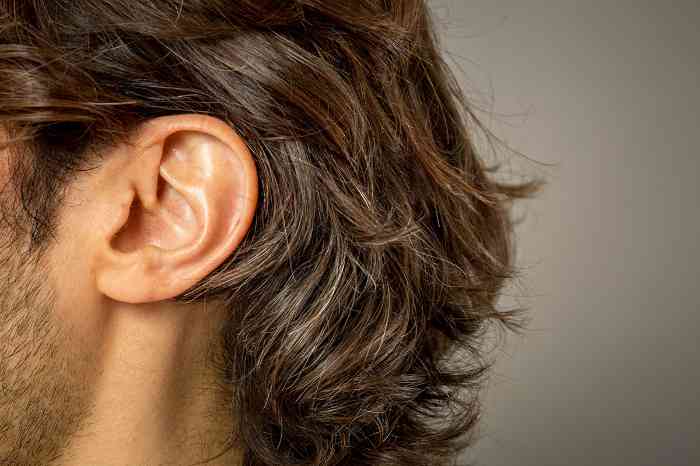
Ear
காது
Syllable: கா-து
Pronunciation: Kaadhu
- Ear helps us hear – காது கேட்க உதவுகிறது
- Ear detects sound – காது ஒலியை உணர்கிறது
- Ear is important – காது முக்கியமானது
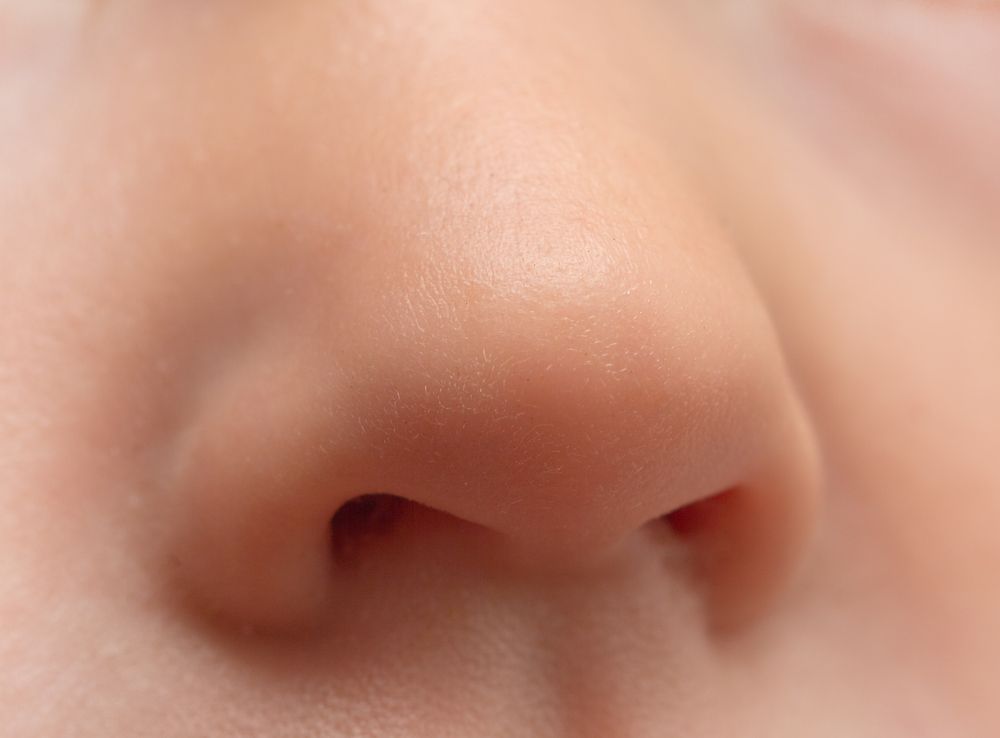
Nose
மூக்கு
Syllable: மூக்-கு
Pronunciation: Mookku
- Nose helps us smell – மூக்கு மணத்தை உணர உதவுகிறது
- Nose helps breathing – மூக்கு சுவாசிக்க உதவுகிறது
- Nose is on the face – மூக்கு முகத்தில் உள்ளது
Nostril
மூக்குத்துளை
Syllable: மூக்-கு-த்து-ளை
Pronunciation: Mookkuthulai
- Air enters nostril – காற்று மூக்குத்துளை வழியாக செல்கிறது
- Nostril helps breathing – மூக்குத்துளை சுவாசிக்க உதவுகிறது
- Nostril filters dust – மூக்குத்துளை தூசியை வடிகட்டுகிறது
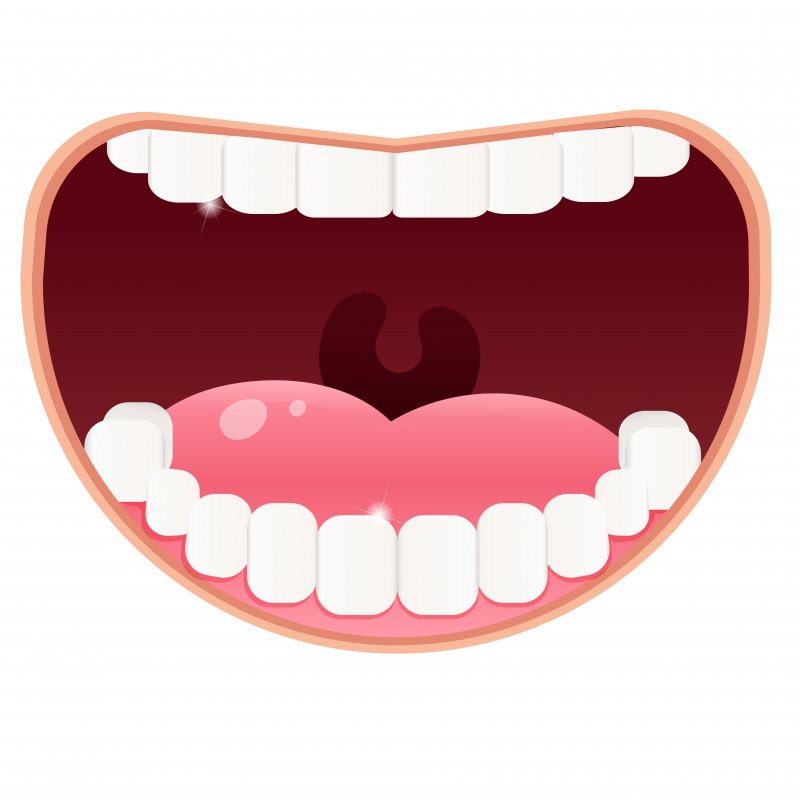
Mouth
வாய்
Syllable: வா-ய்
Pronunciation: Vaai
- Mouth helps speaking – வாய் பேச உதவுகிறது
- Mouth helps eating – வாய் சாப்பிட உதவுகிறது
- Mouth contains teeth – வாயில் பற்கள் உள்ளன

Lips
உதடு
Syllable: உ-த-டு
Pronunciation: Uthadu
- Lips help speaking – உதடு பேச உதவுகிறது
- Lips are soft – உதடு மென்மையானது
- Lips cover teeth – உதடு பற்களை மூடுகிறது

Teeth
பற்கள்
Syllable: பற்-கள்
Pronunciation: Parkal
- Teeth help chewing – பற்கள் மென்று சாப்பிட உதவுகின்றன
- Teeth are strong – பற்கள் வலிமையானவை
- Teeth need cleaning – பற்களை சுத்தம் செய்ய வேண்டும்

Tongue
நாக்கு
Syllable: நாக்-கு
Pronunciation: Naakku
- Tongue helps tasting – நாக்கு சுவையை உணர உதவுகிறது
- Tongue helps speaking – நாக்கு பேச உதவுகிறது
- Tongue is flexible – நாக்கு நெகிழ்வானது

Cheek
கன்னம்
Syllable: கன்-னம்
Pronunciation: Kannam
- Cheek is soft – கன்னம் மென்மையானது
- Cheek forms face – கன்னம் முகத்தை அமைக்கிறது
- Cheek can blush – கன்னம் சிவக்கும்

Neck
கழுத்து
Syllable: க-ழுத்-து
Pronunciation: Kazhuthu
- Neck supports head – கழுத்து தலையை தாங்குகிறது
- Neck connects body – கழுத்து உடலை இணைக்கிறது
- Neck can bend – கழுத்து வளையும்
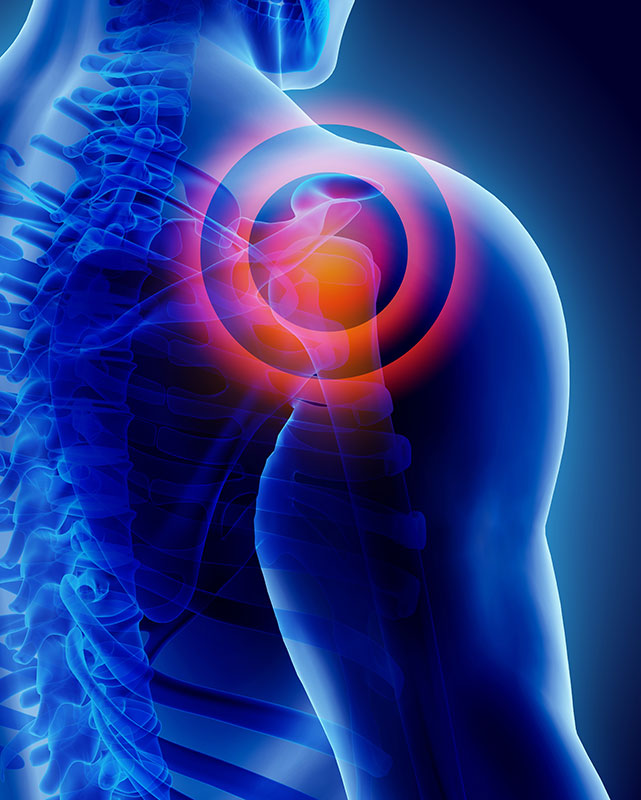
Shoulder
தோள்
Syllable: தோள்
Pronunciation: Thol
- Shoulder supports arm – தோள் கையை தாங்குகிறது
- Shoulder helps lifting – தோள் தூக்க உதவுகிறது
- Shoulder is strong – தோள் வலிமையானது

Arm
கை
Syllable: கை
Pronunciation: Kai
- Arm helps lifting – கை தூக்க உதவுகிறது
- Arm helps carrying – கை சுமக்க உதவுகிறது
- Arm is useful – கை பயனுள்ளது
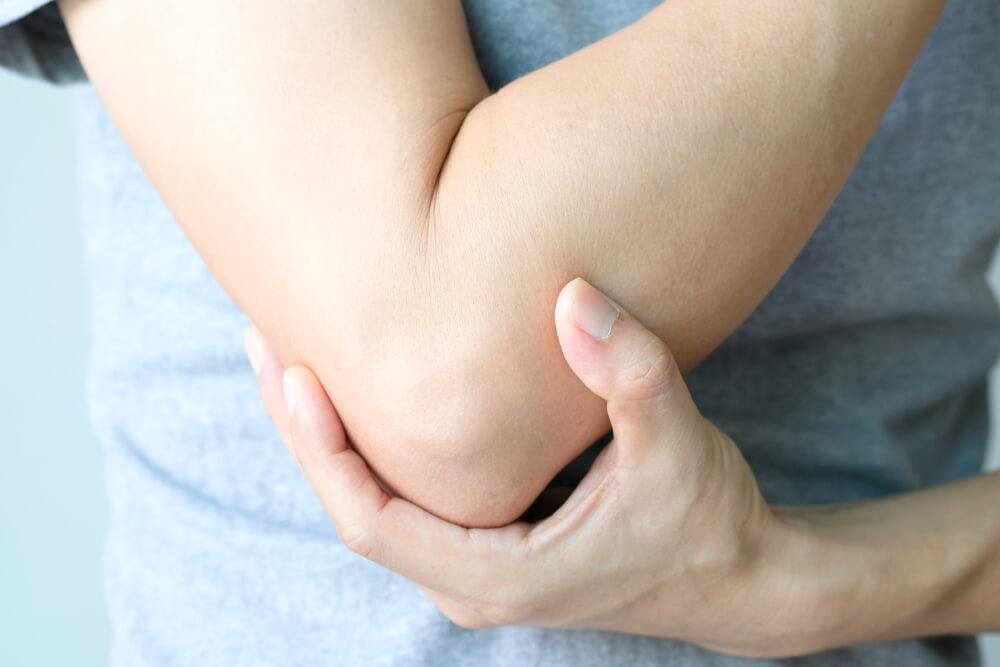
Elbow
முழங்கை
Syllable: மு-ழங்-கை
Pronunciation: Muzhangai
- Elbow bends arm – முழங்கை கையை மடக்க உதவுகிறது
- Elbow is a joint – முழங்கை ஒரு மூட்டு
- Elbow moves freely – முழங்கை சுதந்திரமாக அசைகிறது
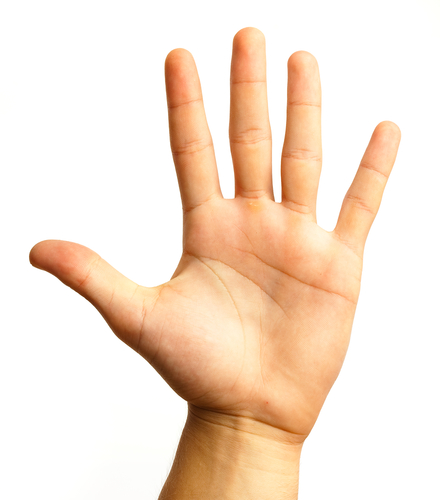
Hand
உள்ளங்கை
Syllable: உள்-ளங்-கை
Pronunciation: Ullangkai
- Hand holds objects – உள்ளங்கை பொருட்களை பிடிக்கிறது
- Hand helps writing – உள்ளங்கை எழுத உதவுகிறது
- Hand is useful – உள்ளங்கை பயனுள்ளது

Finger
விரல்
Syllable: வி-ரல்
Pronunciation: Viral
- Finger points things – விரல் பொருட்களை காட்டுகிறது
- Finger helps writing – விரல் எழுத உதவுகிறது
- Finger is flexible – விரல் நெகிழ்வானது

Thumb
கட்டை விரல்
Syllable: கட்-டை-வி-ரல்
Pronunciation: KattaiViral
- Thumb helps gripping – கட்டை விரல் பிடிக்க உதவுகிறது
- Thumb is strong – கட்டை விரல் வலிமையானது
- Thumb works with fingers – கட்டை விரல் மற்ற விரல்களுடன் செயல்படுகிறது

Chest
மார்பு
Syllable: மார்-பு
Pronunciation: Marbu
- Chest protects organs – மார்பு உறுப்புகளை பாதுகாக்கிறது
- Chest expands while breathing – சுவாசிக்கும் போது மார்பு விரிகிறது
- Chest is important – மார்பு முக்கியமானது

Heart
இதயம்
Syllable: இ-த-யம்
Pronunciation: Idhayam
- Heart pumps blood – இதயம் இரத்தத்தை செலுத்துகிறது
- Heart beats continuously – இதயம் தொடர்ந்து துடிக்கிறது
- Heart is vital – இதயம் உயிருக்கு அவசியமானது

Stomach
வயிறு
Syllable: வ-யி-று
Pronunciation: Vayiru
- Stomach digests food – வயிறு உணவை செரிக்கிறது
- Stomach stores food – வயிறு உணவை சேமிக்கிறது
- Stomach is important – வயிறு முக்கியமானது
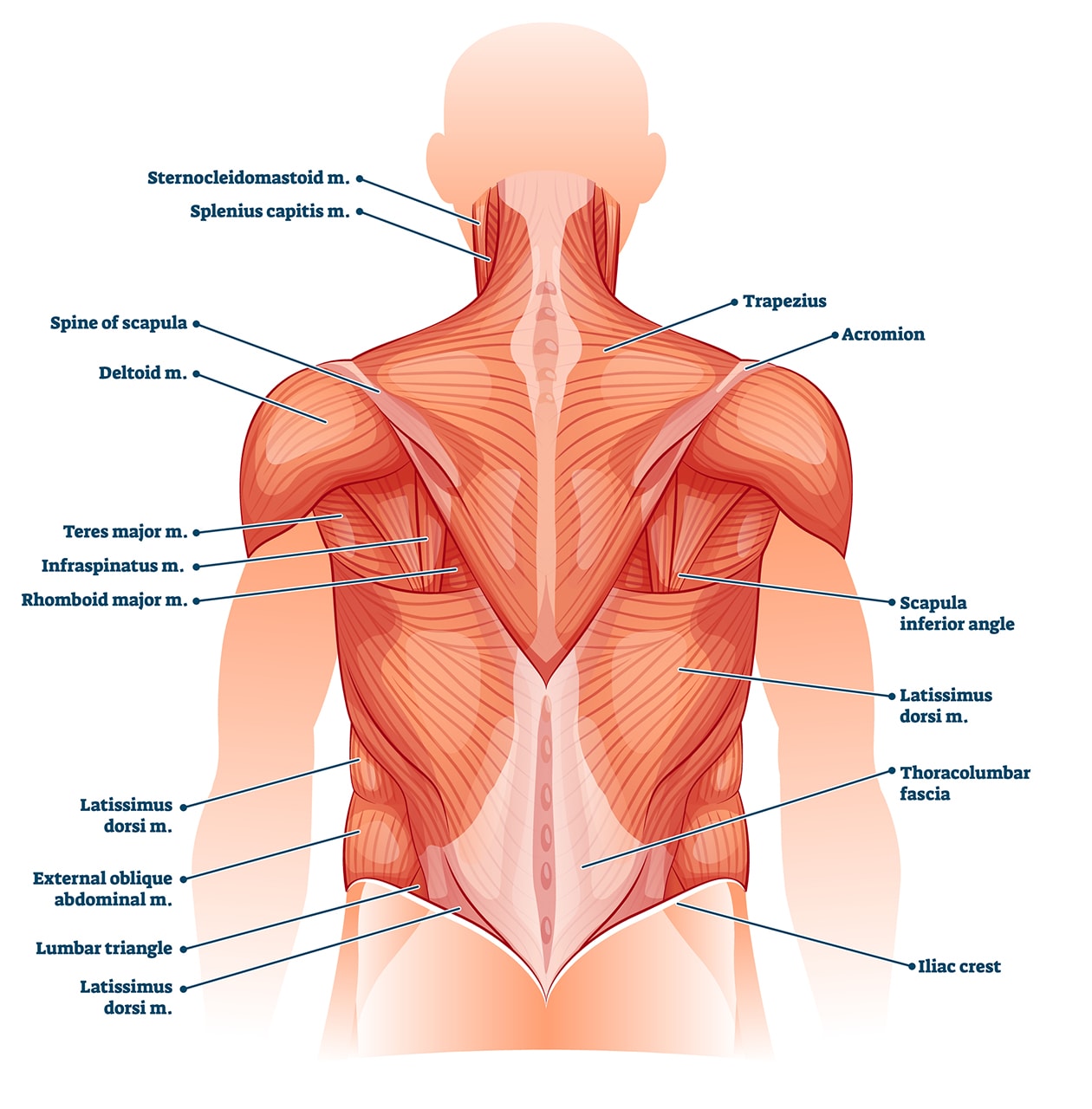
Back
முதுகு
Syllable: மு-து-கு
Pronunciation: Muthugu
- Back supports body – முதுகு உடலை தாங்குகிறது
- Back helps posture – முதுகு உடல் நிலையை பராமரிக்கிறது
- Back can bend – முதுகு வளையும்

Waist
இடுப்பு
Syllable: இ-டுப்-பு
Pronunciation: Iduppu
- Waist connects body parts – இடுப்பு உடல் பாகங்களை இணைக்கிறது
- Waist helps movement – இடுப்பு அசைவிற்கு உதவுகிறது
- Waist bends easily – இடுப்பு எளிதில் வளையும்
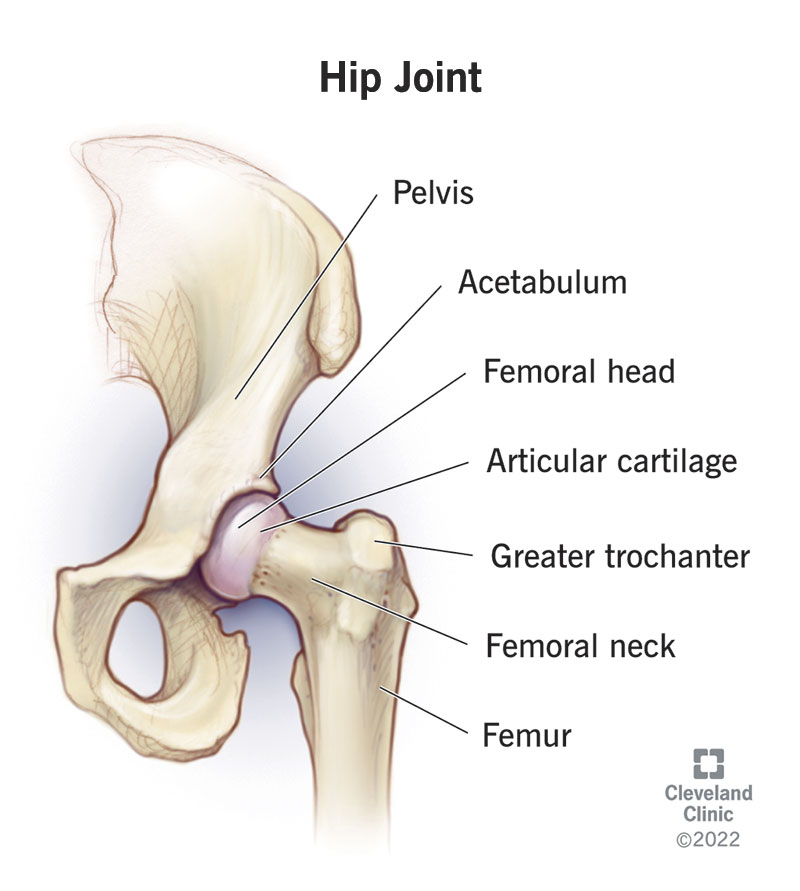
Hip
இடுப்பு மூட்டு
Syllable: இ-டுப்-பு-மூட்-டு
Pronunciation: IduppuMoottu
- Hip supports body weight – இடுப்பு மூட்டு உடல் எடையை தாங்குகிறது
- Hip helps walking – இடுப்பு மூட்டு நடக்க உதவுகிறது
- Hip is strong – இடுப்பு மூட்டு வலிமையானது
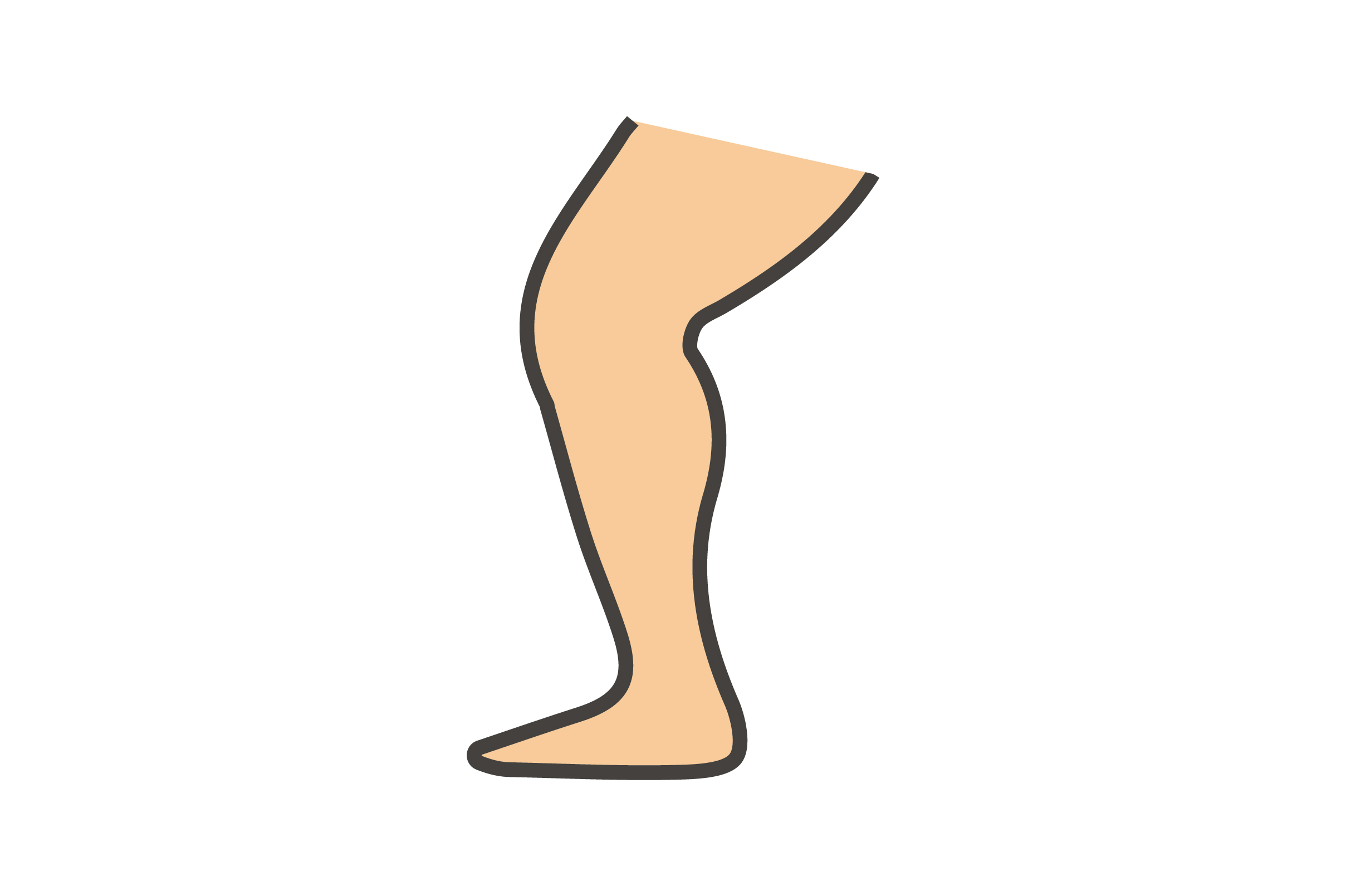
Leg
கால்
Syllable: கால்
Pronunciation: Kaal
- Leg helps walking – கால் நடக்க உதவுகிறது
- Leg helps running – கால் ஓட உதவுகிறது
- Leg supports body – கால் உடலை தாங்குகிறது

Knee
முழங்கால்
Syllable: மு-ழங்-கால்
Pronunciation: Muzhangkaal
- Knee bends leg – முழங்கால் காலை மடக்குகிறது
- Knee helps walking – முழங்கால் நடக்க உதவுகிறது
- Knee is a joint – முழங்கால் ஒரு மூட்டு

Foot
பாதம்
Syllable: பா-தம்
Pronunciation: Paatham
- Foot helps walking – பாதம் நடக்க உதவுகிறது
- Foot supports body – பாதம் உடலை தாங்குகிறது
- Foot touches ground – பாதம் தரையை தொடுகிறது

Toes
கால் விரல்கள்
Syllable: கால்-வி-ரல்-கள்
Pronunciation: KaalViralkal
- Toes help balance – கால் விரல்கள் சமநிலைக்கு உதவுகின்றன
- Toes support walking – கால் விரல்கள் நடக்க உதவுகின்றன
- Toes are flexible – கால் விரல்கள் நெகிழ்வானவை

Nails
நகம்
Syllable: ந-கம்
Pronunciation: Nagam
- Nails protect fingers – நகம் விரல்களை பாதுகாக்கிறது
- Nails grow continuously – நகம் தொடர்ந்து வளரும்
- Nails need trimming – நகங்களை வெட்ட வேண்டும்

Brain
மூளை
Syllable: மூ-ளை
Pronunciation: Moolai
- Brain controls body – மூளை உடலை கட்டுப்படுத்துகிறது
- Brain helps thinking – மூளை சிந்திக்க உதவுகிறது
- Brain stores memory – மூளை நினைவுகளை சேமிக்கிறது

Lungs
நுரையீரல்
Syllable: நு-ரை-ஈ-ரல்
Pronunciation: NuraiEeral
- Lungs help breathing – நுரையீரல் சுவாசிக்க உதவுகிறது
- Lungs take oxygen – நுரையீரல் ஆக்சிஜனை எடுத்துக்கொள்கிறது
- Lungs are vital – நுரையீரல் உயிருக்கு அவசியமானது
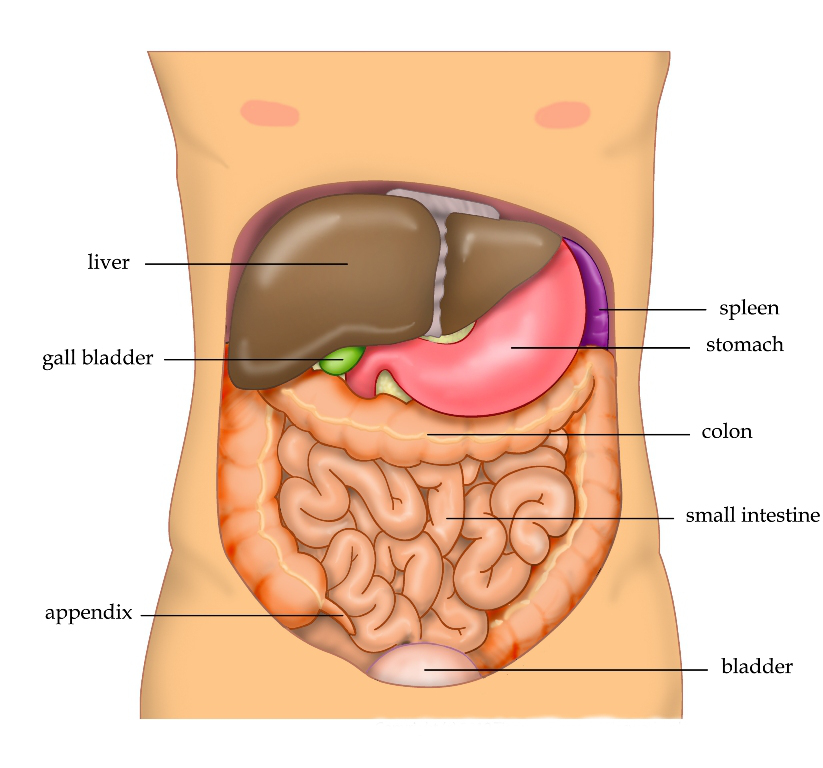
Abdomen
அடிவயிறு
Syllable: அ-டி-வ-யி-று
Pronunciation: Adivayiru
- Abdomen contains organs – அடிவயிற்றில் உறுப்புகள் உள்ளன
- Abdomen protects organs – அடிவயிறு உறுப்புகளை பாதுகாக்கிறது
- Abdomen is important – அடிவயிறு முக்கியமானது
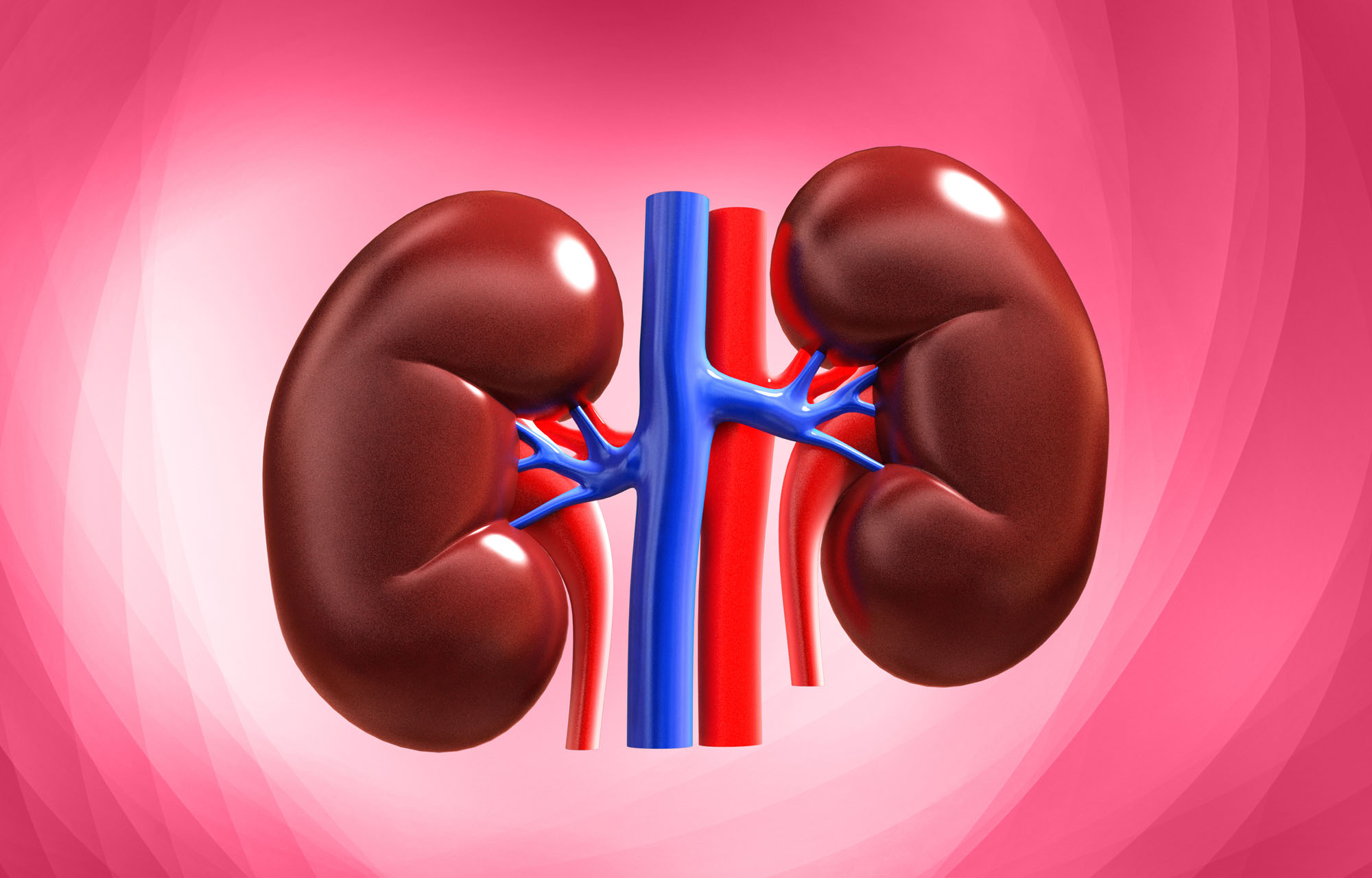
Kidney
சிறுநீரகம்
Syllable: சி-று-நீ-ர-கம்
Pronunciation: Siruneeragam
- Kidney filters blood – சிறுநீரகம் இரத்தத்தை வடிகட்டுகிறது
- Kidney removes waste – சிறுநீரகம் கழிவுகளை நீக்குகிறது
- Kidney is essential – சிறுநீரகம் அவசியமானது

Skin
தோல்
Syllable: தோல்
Pronunciation: Thol
- Skin covers body – தோல் உடலை மூடுகிறது
- Skin protects organs – தோல் உறுப்புகளை பாதுகாக்கிறது
- Skin senses touch – தோல் தொடுதலை உணர்கிறது
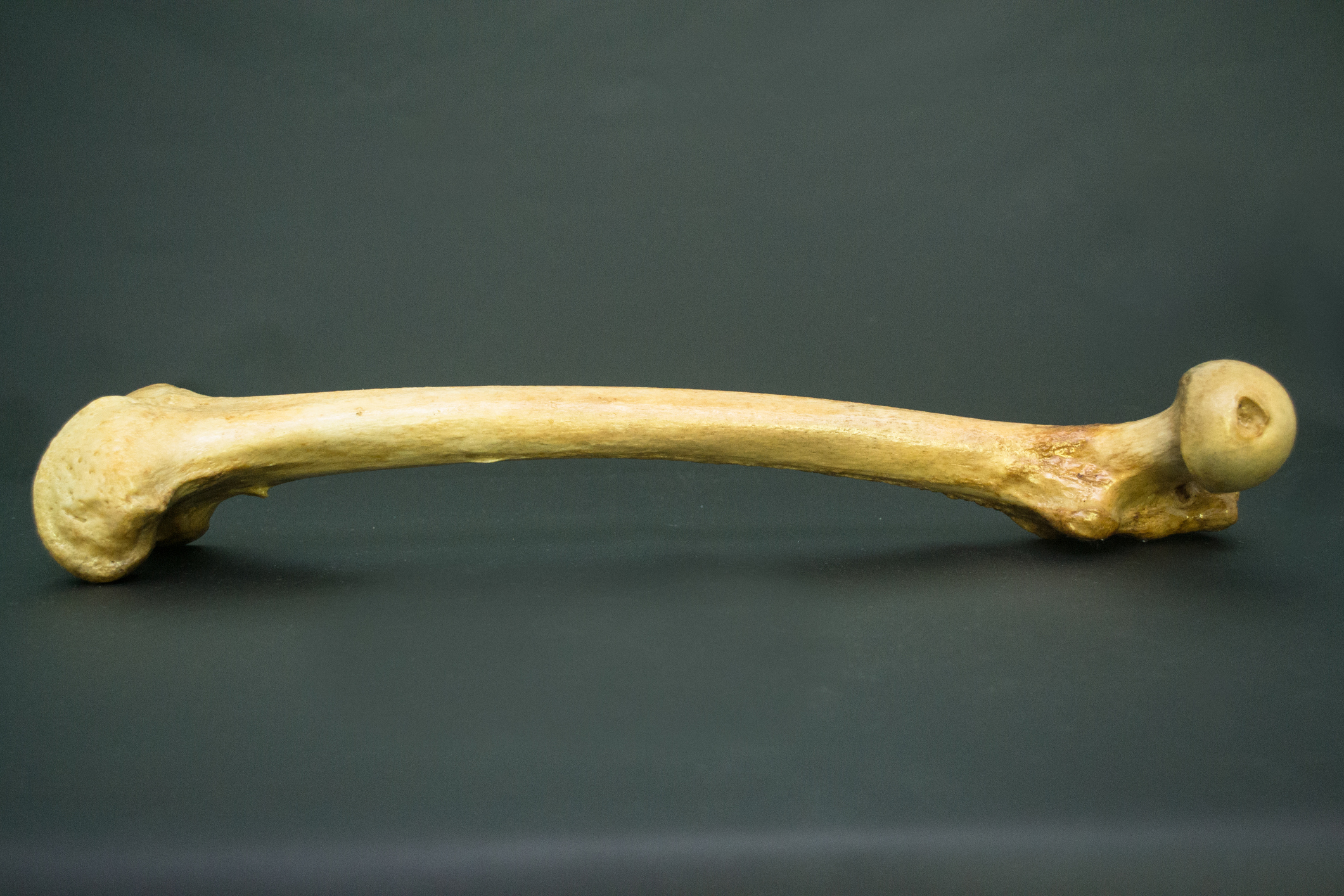
Bone
எலும்பு
Syllable: எ-லும்-பு
Pronunciation: Elumbu
- Bone supports body – எலும்பு உடலை தாங்குகிறது
- Bone is strong – எலும்பு வலிமையானது
- Bone protects organs – எலும்பு உறுப்புகளை பாதுகாக்கிறது

Skeleton
எலும்புக்கூடு
Syllable: எ-லும்-பு-கூ-டு
Pronunciation: Elumbukoodu
- Skeleton supports body – எலும்புக்கூடு உடலை தாங்குகிறது
- Skeleton gives shape – எலும்புக்கூடு உடலுக்கு வடிவம் தருகிறது
- Skeleton protects organs – எலும்புக்கூடு உறுப்புகளை பாதுகாக்கிறது
Easy Ways to Remember Tamil Body Parts Names
One reason body part vocabulary is often taught early is because learners can immediately connect words with something they already know. Pointing to a hand, nose, or shoulder while saying the Tamil name helps create a strong memory link.
Visual learning techniques can be particularly effective. Charts, illustrations, and labeled diagrams allow learners to see the body part and the Tamil word together. Repeating the names aloud while looking at the picture can improve both pronunciation and recall.
Movement-based activities can also help. For example, learners can point to different body parts as they say the Tamil words. This combination of action and language often makes vocabulary easier to remember.
Simple Practice Ideas
- Use body part charts with Tamil labels.
- Learn a few new words each week.
- Point to body parts while saying their Tamil names.
- Practice pronunciation aloud every day.
- Draw a human figure and label the body parts.
- Watch Tamil educational videos for children.
- Create flashcards with pictures and vocabulary.
- Use body part names in simple sentences.
- Review previously learned words regularly.
- Play identification games with friends or family.
- Keep a notebook for basic Tamil vocabulary.
- Test yourself using worksheets and quizzes.
Regular revision helps learners become more comfortable using these words in everyday situations.
Body Parts Names in Tamil At a Glance
| # | English Name | Tamil Name | Pronunciation |
|---|---|---|---|
| 1 | Head | தலை | Thalai |
| 2 | Hair | முடி | Mudi |
| 3 | Forehead | நெற்றி | Netri |
| 4 | Eye | கண் | Kan |
| 5 | Eyebrow | புருவம் | Puruvam |
| 6 | Eyelashes | கண் இமை முடி | KanImaiMudi |
| 7 | Ear | காது | Kaadhu |
| 8 | Nose | மூக்கு | Mookku |
| 9 | Nostril | மூக்குத்துளை | Mookkuthulai |
| 10 | Mouth | வாய் | Vaai |
| 11 | Lips | உதடு | Uthadu |
| 12 | Teeth | பற்கள் | Parkal |
| 13 | Tongue | நாக்கு | Naakku |
| 14 | Cheek | கன்னம் | Kannam |
| 15 | Neck | கழுத்து | Kazhuthu |
| 16 | Shoulder | தோள் | Thol |
| 17 | Arm | கை | Kai |
| 18 | Elbow | முழங்கை | Muzhangai |
| 19 | Hand | உள்ளங்கை | Ullangkai |
| 20 | Finger | விரல் | Viral |
| 21 | Thumb | கட்டை விரல் | KattaiViral |
| 22 | Chest | மார்பு | Marbu |
| 23 | Heart | இதயம் | Idhayam |
| 24 | Stomach | வயிறு | Vayiru |
| 25 | Back | முதுகு | Muthugu |
| 26 | Waist | இடுப்பு | Iduppu |
| 27 | Hip | இடுப்பு மூட்டு | IduppuMoottu |
| 28 | Leg | கால் | Kaal |
| 29 | Knee | முழங்கால் | Muzhangkaal |
| 30 | Foot | பாதம் | Paatham |
| 31 | Toes | கால் விரல்கள் | KaalViralkal |
| 32 | Nails | நகம் | Nagam |
| 33 | Brain | மூளை | Moolai |
| 34 | Lungs | நுரையீரல் | NuraiEeral |
| 35 | Abdomen | அடிவயிறு | Adivayiru |
| 36 | Kidney | சிறுநீரகம் | Siruneeragam |
| 37 | Skin | தோல் | Thol |
| 38 | Bone | எலும்பு | Elumbu |
| 39 | Skeleton | எலும்புக்கூடு | Elumbukoodu |
Tamil Body Parts Quiz
Building Everyday Tamil Vocabulary from Head to Toe
Body part names form an essential part of basic communication and are useful for learners of all ages. Because these words are used so frequently, they provide a strong starting point for building confidence in Tamil. Their connection to everyday life makes them easier to understand and remember than many other vocabulary categories.
As you continue learning Tamil, body part names can serve as a foundation for related topics such as health, appearance, movement, and daily activities.
Which body part name did you find easiest to remember? Are there any Tamil words you already knew before starting this worksheet? Share your thoughts in the comments and join the conversation with other learners.