Domestic animals have shared space with humans for thousands of years. From cows that provide milk to dogs that guard homes, these animals play an important role in daily life. Many children become familiar with domestic animals at a young age through storybooks, school lessons, farms, and household pets.
Unlike wild animals that are usually seen in zoos or nature documentaries, domestic animals are part of everyday surroundings. A cat resting on a porch, a goat grazing in a field, or a horse pulling a cart are sights that many people recognize instantly. This familiarity makes domestic animal names an excellent topic for language learning.
This Domestic Animal Names in Tamil Worksheet is designed for students, parents, teachers, and beginners who want to improve their Tamil vocabulary. Since these animals are easy to identify, learners can quickly connect Tamil words with animals they already know.
Why Learning Domestic Animal Names in Tamil Matters
Learning the names of domestic animals in Tamil helps build a strong foundation of everyday vocabulary. These words appear frequently in children’s books, classroom lessons, conversations, and educational activities. Because the animals are familiar, learners often find it easier to remember their names compared to less common vocabulary.
For young learners, domestic animals are often among the first categories introduced in language lessons. Teachers and parents use them to teach naming skills, sentence formation, and observation. A child who already knows what a cow, dog, or sheep looks like can focus more on learning the Tamil word associated with it.
Domestic animal vocabulary is also useful outside the classroom. People may come across these words while visiting farms, discussing pets, reading stories, or talking about rural life. Understanding these names can make conversations and reading materials easier to follow.
Benefits of Learning Tamil Domestic Animal Names
- Builds practical and beginner-friendly vocabulary.
- Helps learners identify common animals in Tamil.
- Supports reading, writing, and speaking activities.
- Makes classroom lessons easier to understand.
- Encourages learning through familiar objects and animals.
- Improves word recognition and pronunciation.
- Helps children connect language with real-life experiences.
- Supports worksheets and educational games.
- Expands animal-related vocabulary.
- Creates opportunities for daily language practice.
- Makes learning more interactive and enjoyable.
- Strengthens memory through visual association.
Another advantage is that domestic animals are often discussed in stories, poems, and cultural traditions. Learning their Tamil names allows learners to understand these references more easily.
Lets Explore the Domestic Animal Names
Now that you’ve learned why domestic animal names are useful in Tamil vocabulary, it’s time to look at the actual list.

Cow
பசு
Syllable: ப-சு
Pronunciation: Pasu
- Cow gives milk – பசு பால் தருகிறது
- Cow eats grass – பசு புல் தின்னும்
- Cow lives on farm – பசு பண்ணையில் வாழ்கிறது

Buffalo
எருமை
Syllable: எ-ரு-மை
Pronunciation: Erumai
- Buffalo gives milk – எருமை பால் தருகிறது
- Buffalo likes water – எருமை தண்ணீரை விரும்புகிறது
- Buffalo pulls cart – எருமை வண்டி இழுக்கிறது

Ox
காளைமாடு
Syllable: கா-ளை-மா-டு
Pronunciation: Kaalaimaadu
- Ox pulls plough – காளைமாடு கலப்பை இழுக்கிறது
- Ox works in field – காளைமாடு வயலில் வேலை செய்கிறது
- Ox is strong – காளைமாடு வலிமையானது
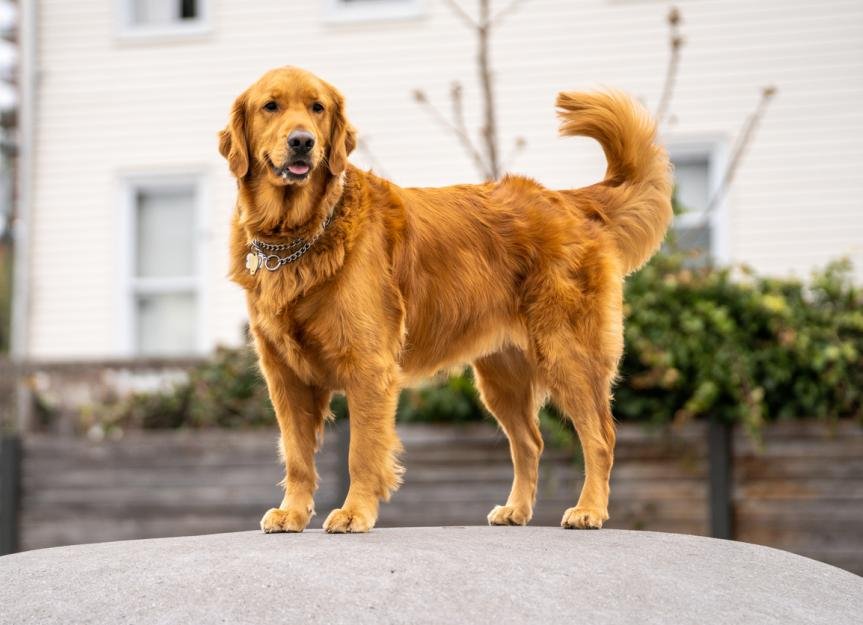
Dog
நாய்
Syllable: நா-ய்
Pronunciation: Naai
- Dog guards house – நாய் வீட்டைக் காக்கிறது
- Dog eats food – நாய் உணவு சாப்பிடுகிறது
- Dog runs fast – நாய் வேகமாக ஓடுகிறது

Cat
பூனை
Syllable: பூ-னை
Pronunciation: Poonai
- Cat drinks milk – பூனை பால் குடிக்கிறது
- Cat catches mice – பூனை எலிகளை பிடிக்கிறது
- Cat sleeps quietly – பூனை அமைதியாக தூங்குகிறது

Goat
ஆடு
Syllable: ஆ-டு
Pronunciation: Aadu
- Goat eats leaves – ஆடு இலைகளை தின்னும்
- Goat gives milk – ஆடு பால் தருகிறது
- Goat climbs hills – ஆடு மலை ஏறுகிறது

Sheep
செம்மறியாடு
Syllable: செம்-ம-றி-யா-டு
Pronunciation: Semmariyaadu
- Sheep gives wool – செம்மறியாடு கம்பளி தருகிறது
- Sheep eats grass – செம்மறியாடு புல் தின்னும்
- Sheep lives in flock – செம்மறியாடு கூட்டமாக வாழ்கிறது

Horse
குதிரை
Syllable: கு-தி-ரை
Pronunciation: Kuthirai
- Horse runs fast – குதிரை வேகமாக ஓடுகிறது
- Horse carries people – குதிரை மக்களை சுமக்கிறது
- Horse is strong – குதிரை வலிமையானது

Donkey
கழுதை
Syllable: க-ழு-தை
Pronunciation: Kazhuthai
- Donkey carries loads – கழுதை சுமைகளை சுமக்கிறது
- Donkey walks slowly – கழுதை மெதுவாக நடக்கிறது
- Donkey works hard – கழுதை கடினமாக உழைக்கிறது

Camel
ஒட்டகம்
Syllable: ஒட்-ட-கம்
Pronunciation: Ottagam
- Camel lives in desert – ஒட்டகம் பாலைவனத்தில் வாழ்கிறது
- Camel carries loads – ஒட்டகம் சுமைகளை சுமக்கிறது
- Camel walks long distance – ஒட்டகம் நீண்ட தூரம் நடக்கிறது
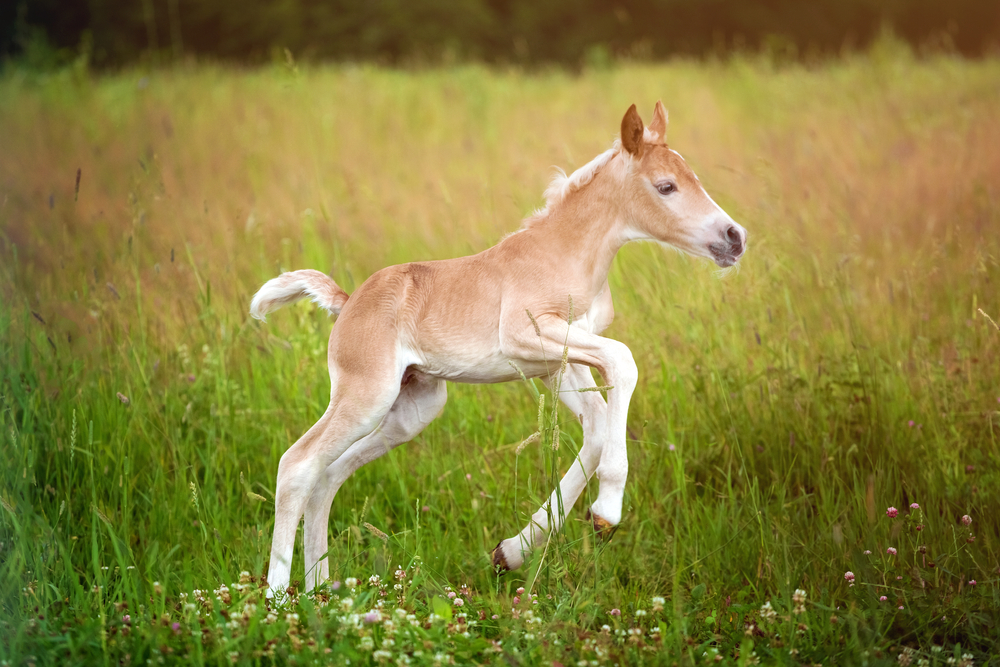
Foal
குதிரைக்குட்டி
Syllable: கு-தி-ரை-க்-கு-ட்-டி
Pronunciation: Kuthiraikutti
- Foal lives on farm – குதிரைக்குட்டி பண்ணையில் வாழ்கிறது
- Foal eats food – குதிரைக்குட்டி உணவு சாப்பிடுகிறது
- Foal runs quickly – குதிரைக்குட்டி வேகமாக ஓடுகிறது

Rabbit
முயல்
Syllable: மு-யல்
Pronunciation: Muyal
- Rabbit eats carrots – முயல் காரட் தின்னும்
- Rabbit runs fast – முயல் வேகமாக ஓடுகிறது
- Rabbit has long ears – முயலுக்கு நீண்ட காதுகள் உள்ளன

Hen
கோழி
Syllable: கோ-ழி
Pronunciation: Kozhi
- Hen lays eggs – கோழி முட்டை இடுகிறது
- Hen eats grains – கோழி தானியங்களை தின்னும்
- Hen lives in coop – கோழி கூண்டில் வாழ்கிறது

Rooster
சேவல்
Syllable: சே-வல்
Pronunciation: Seval
- Rooster crows loudly – சேவல் சத்தமாக கூவுகிறது
- Rooster wakes people – சேவல் மக்களை எழுப்புகிறது
- Rooster protects hens – சேவல் கோழிகளை பாதுகாக்கிறது

Duck
வாத்து
Syllable: வா-த்து
Pronunciation: Vaathu
- Duck swims in water – வாத்து தண்ணீரில் நீந்துகிறது
- Duck eats plants – வாத்து தாவரங்களை தின்னும்
- Duck walks slowly – வாத்து மெதுவாக நடக்கிறது

Goose
வாத்துப்பறவை
Syllable: வாத்-து-ப்ப-ற-வை
Pronunciation: Vaathuparavai
- Goose swims well – வாத்துப்பறவை நன்றாக நீந்துகிறது
- Goose eats grass – வாத்துப்பறவை புல் தின்னும்
- Goose lives near ponds – வாத்துப்பறவை குளம் அருகே வாழ்கிறது

Turkey
வான்கோழி
Syllable: வான்-கோ-ழி
Pronunciation: Vankozhi
- Turkey has feathers – வான்கோழிக்கு இறகுகள் உள்ளன
- Turkey walks slowly – வான்கோழி மெதுவாக நடக்கிறது
- Turkey eats grains – வான்கோழி தானியங்களை தின்னும்

Pigeon
புறா
Syllable: பு-றா
Pronunciation: Puraa
- Pigeon flies high – புறா உயரமாக பறக்கிறது
- Pigeon eats seeds – புறா விதைகளை தின்னும்
- Pigeon builds nest – புறா கூடு கட்டுகிறது

Parrot
கிளி
Syllable: கி-ளி
Pronunciation: Kili
- Parrot talks well – கிளி நன்றாக பேசும்
- Parrot eats fruits – கிளி பழங்களை தின்னும்
- Parrot is green – கிளி பச்சை நிறத்தில் உள்ளது
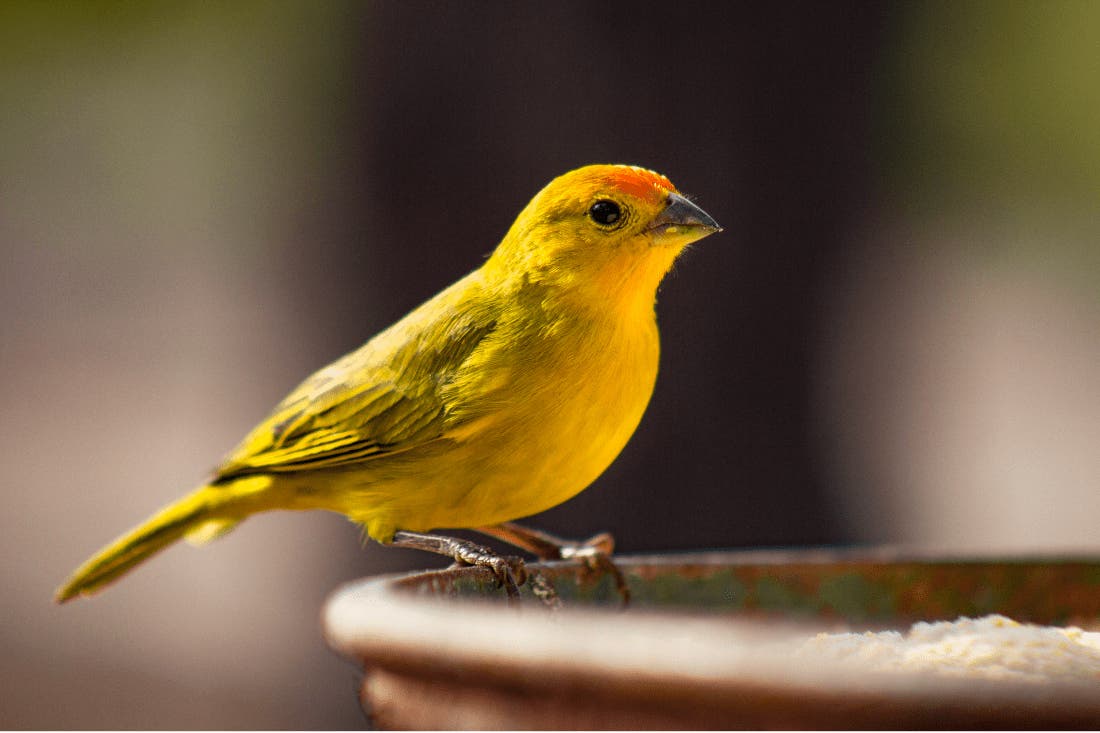
Canary
கேனரி
Syllable: கே-ன-ரி
Pronunciation: Canary
- Canary sings sweetly – கேனரி இனிமையாக பாடுகிறது
- Canary is yellow – கேனரி மஞ்சள் நிறத்தில் உள்ளது
- Canary lives in cage – கேனரி கூண்டில் வாழ்கிறது

Lovebird
காதல் கிளி
Syllable: கா-தல்-கி-ளி
Pronunciation: KaadhalKili
- Lovebird lives in pairs – காதல் கிளி ஜோடியாக வாழ்கிறது
- Lovebird is colorful – காதல் கிளி வண்ணமயமாக உள்ளது
- Lovebird eats seeds – காதல் கிளி விதைகளை தின்னும்

Mule
கோவேறு கழுதை
Syllable: கோ-வே-று-க-ழு-தை
Pronunciation: KoveruKazhuthai
- Mule carries loads – கோவேறு கழுதை சுமைகளை சுமக்கிறது
- Mule works hard – கோவேறு கழுதை கடினமாக உழைக்கிறது
- Mule walks long distance – கோவேறு கழுதை நீண்ட தூரம் நடக்கிறது

Yak
யாக்
Syllable: யாக்
Pronunciation: Yak
- Yak lives in mountains – யாக் மலைப்பகுதியில் வாழ்கிறது
- Yak gives milk – யாக் பால் தருகிறது
- Yak has thick fur – யாக்கிற்கு அடர்த்தியான முடி உள்ளது

Llama
லாமா
Syllable: லா-மா
Pronunciation: Llama
- Llama carries loads – லாமா சுமைகளை சுமக்கிறது
- Llama lives in hills – லாமா மலைப்பகுதியில் வாழ்கிறது
- Llama eats grass – லாமா புல் தின்னும்

Alpaca
அல்பாக்கா
Syllable: அல்-பா-க்கா
Pronunciation: Alpaca
- Alpaca gives wool – அல்பாக்கா கம்பளி தருகிறது
- Alpaca is gentle – அல்பாக்கா அமைதியானது
- Alpaca eats grass – அல்பாக்கா புல் தின்னும்

Guinea Pig
கினி பன்றி
Syllable: கி-னி-பன்-றி
Pronunciation: GuineaPig
- Guinea pig is small – கினி பன்றி சிறியது
- Guinea pig eats vegetables – கினி பன்றி காய்கறி தின்னும்
- Guinea pig is friendly – கினி பன்றி நட்பானது

Hamster
வெள்ளெலி
Syllable: வெள்-ளெ-லி
Pronunciation: Velleli
- Hamster runs on wheel – வெள்ளெலி சக்கரத்தில் ஓடுகிறது
- Hamster stores food – வெள்ளெலி உணவை சேமிக்கிறது
- Hamster is small – வெள்ளெலி சிறியது

Ferret
பெரெட்
Syllable: பெ-ரெட்
Pronunciation: Ferret
- Ferret is playful – பெரெட் விளையாட்டுத்தனமாக உள்ளது
- Ferret runs quickly – பெரெட் வேகமாக ஓடுகிறது
- Ferret lives as pet – பெரெட் செல்லப்பிராணியாக வாழ்கிறது

Pony
சிறுகுதிரை
Syllable: சி-று-கு-தி-ரை
Pronunciation: SiruKuthirai
- Pony runs fast – சிறுகுதிரை வேகமாக ஓடுகிறது
- Pony carries children – சிறுகுதிரை குழந்தைகளை சுமக்கிறது
- Pony eats grass – சிறுகுதிரை புல் தின்னும்

Reindeer
கலைமான்
Syllable: க-லை-மான்
Pronunciation: Kalaimaan
- Reindeer lives in cold regions – கலைமான் குளிர் பகுதிகளில் வாழ்கிறது
- Reindeer has antlers – கலைமானுக்கு கொம்புகள் உள்ளன
- Reindeer runs fast – கலைமான் வேகமாக ஓடுகிறது

Dove
வெண்புறா
Syllable: வெண்-பு-றா
Pronunciation: Venpuraa
- Dove flies peacefully – வெண்புறா அமைதியாக பறக்கிறது
- Dove builds nest – வெண்புறா கூடு கட்டுகிறது
- Dove eats seeds – வெண்புறா விதைகளை தின்னும்

Budgerigar
பட்ஜெரிகார்
Syllable: பட்-ஜெ-ரி-கார்
Pronunciation: Budgerigar
- Budgerigar is colorful – பட்ஜெரிகார் வண்ணமயமாக உள்ளது
- Budgerigar talks well – பட்ஜெரிகார் நன்றாக பேசும்
- Budgerigar lives in cage – பட்ஜெரிகார் கூண்டில் வாழ்கிறது

Zebra Finch
ஜீப்ரா பிஞ்ச்
Syllable: ஜீ-ப்ரா-பிஞ்ச்
Pronunciation: ZebraFinch
- Zebra finch sings softly – ஜீப்ரா பிஞ்ச் மென்மையாக பாடுகிறது
- Zebra finch is small – ஜீப்ரா பிஞ்ச் சிறியது
- Zebra finch eats seeds – ஜீப்ரா பிஞ்ச் விதைகளை தின்னும்

Cockatiel
காக்டியல்
Syllable: காக்-டி-யல்
Pronunciation: Cockatiel
- Cockatiel whistles well – காக்டியல் நன்றாக விசில் அடிக்கும்
- Cockatiel is friendly – காக்டியல் நட்பானது
- Cockatiel eats seeds – காக்டியல் விதைகளை தின்னும்
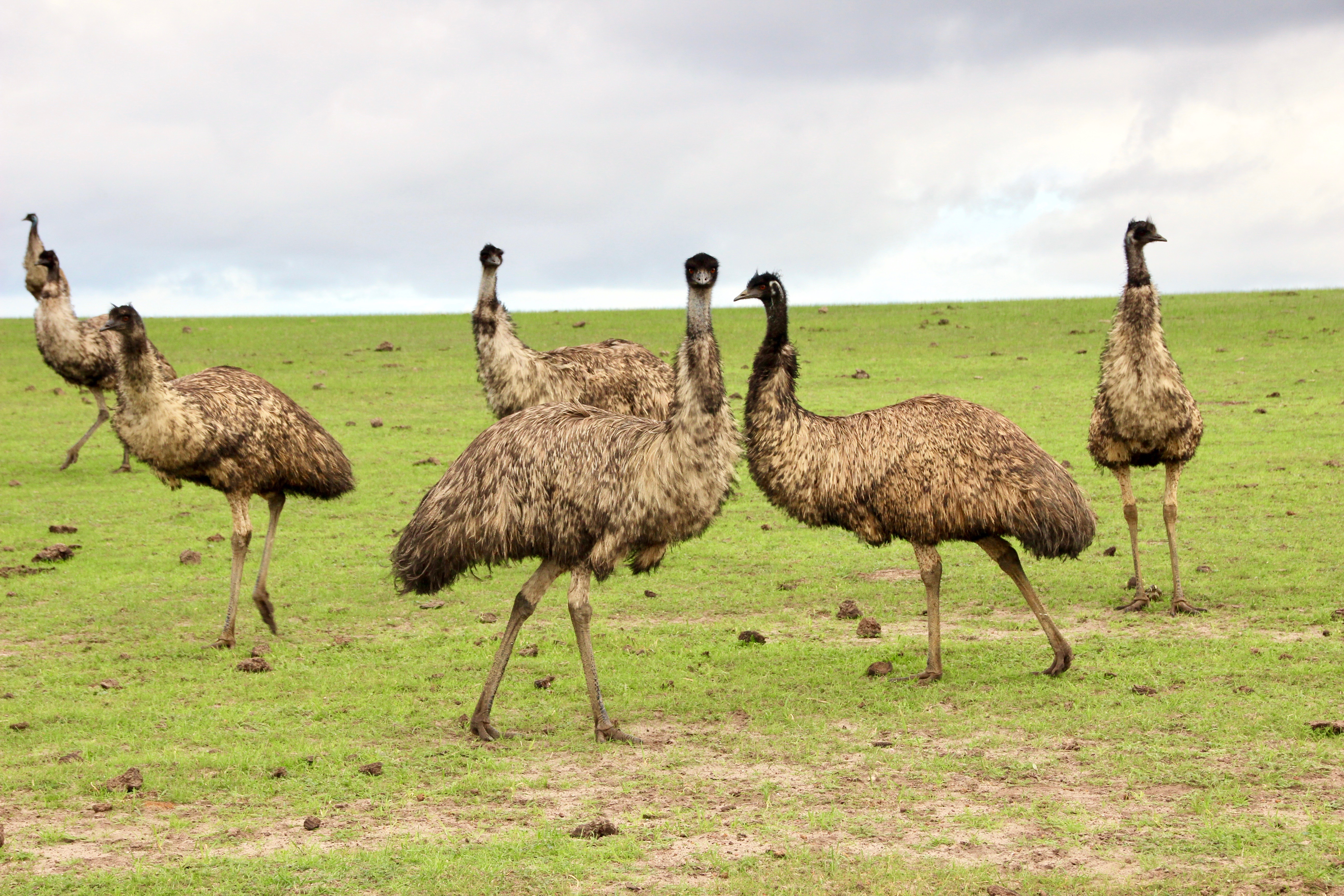
Emu
எமு
Syllable: எ-மு
Pronunciation: Emu
- Emu is a large bird – எமு ஒரு பெரிய பறவை
- Emu runs fast – எமு வேகமாக ஓடுகிறது
- Emu lives in Australia – எமு ஆஸ்திரேலியாவில் வாழ்கிறது
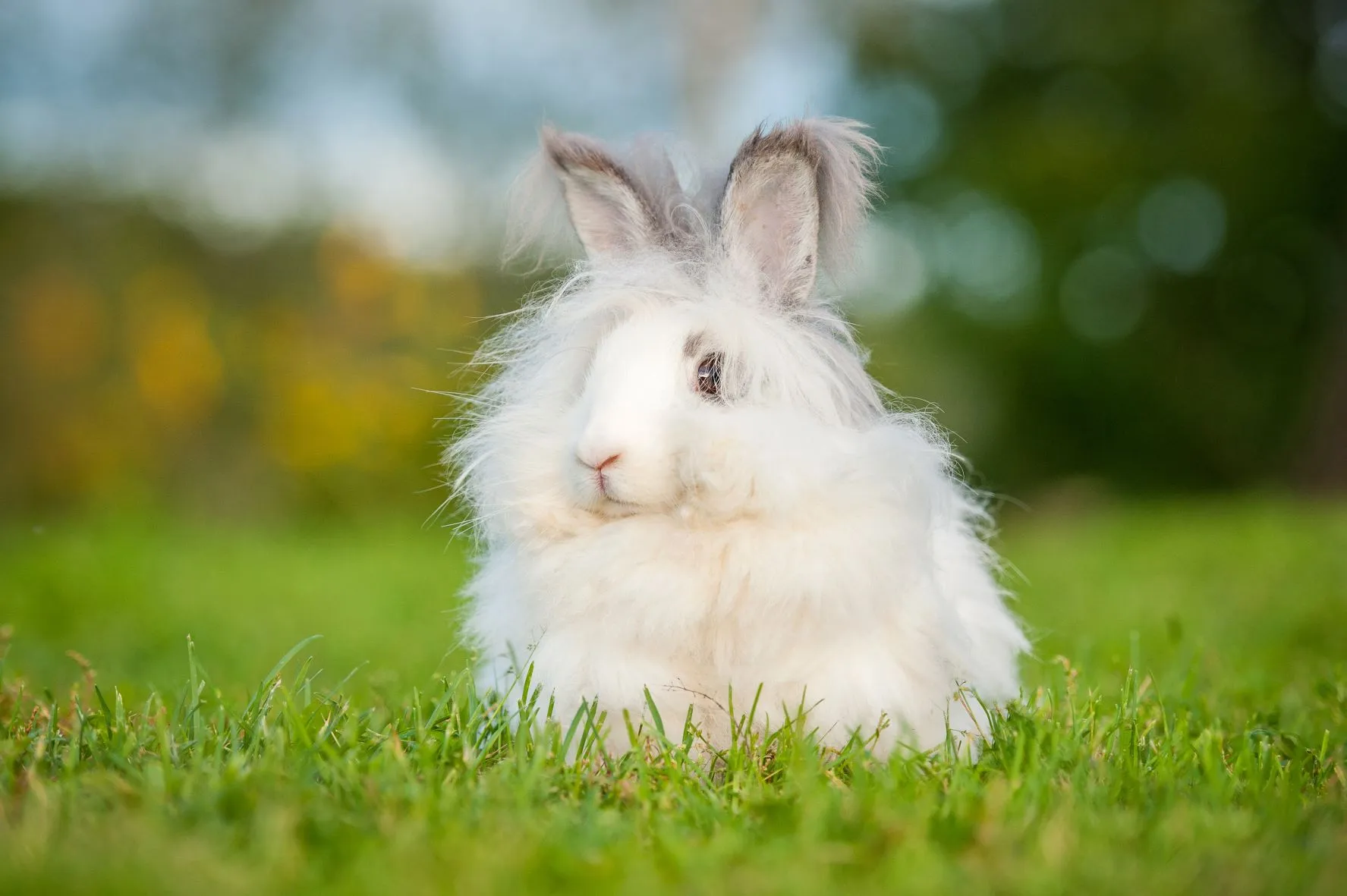
Angora Rabbit
அங்கோரா முயல்
Syllable: அங்-கோ-ரா-மு-யல்
Pronunciation: AngoraMuyal
- Angora rabbit has soft fur – அங்கோரா முயலுக்கு மென்மையான முடி உள்ளது
- Angora rabbit eats vegetables – அங்கோரா முயல் காய்கறி தின்னும்
- Angora rabbit runs fast – அங்கோரா முயல் வேகமாக ஓடுகிறது

Persian Cat
பெர்ஷியன் பூனை
Syllable: பெர்-ஷி-யன்-பூ-னை
Pronunciation: PersianPoonai
- Persian cat has long fur – பெர்ஷியன் பூனைக்கு நீண்ட முடி உள்ளது
- Persian cat sleeps often – பெர்ஷியன் பூனை அடிக்கடி தூங்கும்
- Persian cat is beautiful – பெர்ஷியன் பூனை அழகானது

Aseel Chicken
அசீல் கோழி
Syllable: அ-சீல்-கோ-ழி
Pronunciation: AseelKozhi
- Aseel chicken is strong – அசீல் கோழி வலிமையானது
- Aseel chicken is a fighting breed – அசீல் கோழி ஒரு போர்க் கோழி இனமாகும்
- Aseel chicken runs fast – அசீல் கோழி வேகமாக ஓடுகிறது
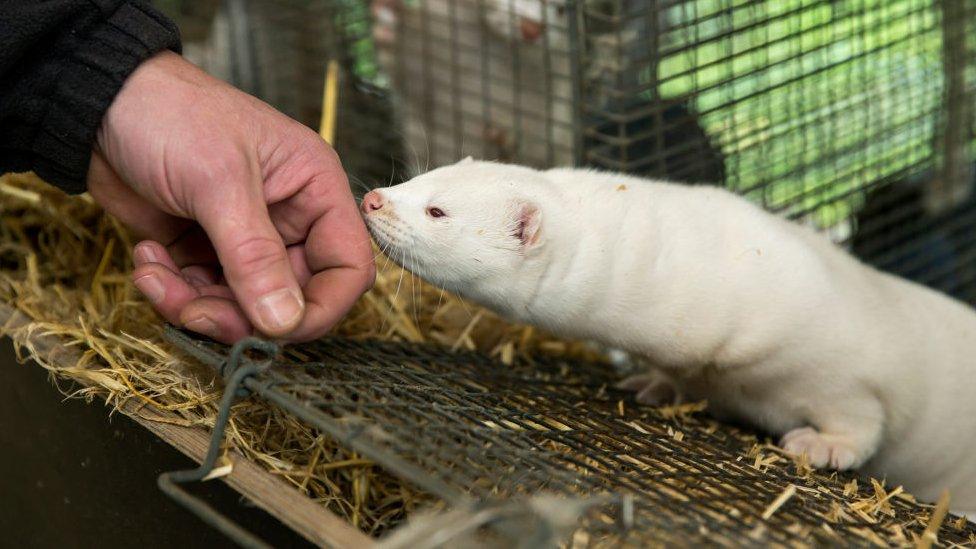
Mink (farmed)
மிங்க்
Syllable: மிங்-க்
Pronunciation: Mink
- Mink is farmed for fur – மிங்க் ரோமத்திற்காக வளர்க்கப்படுகிறது
- Mink lives near water – மிங்க் நீருக்கு அருகில் வாழ்கிறது
- Mink eats fish and meat – மிங்க் மீனும் இறைச்சியும் சாப்பிடுகிறது