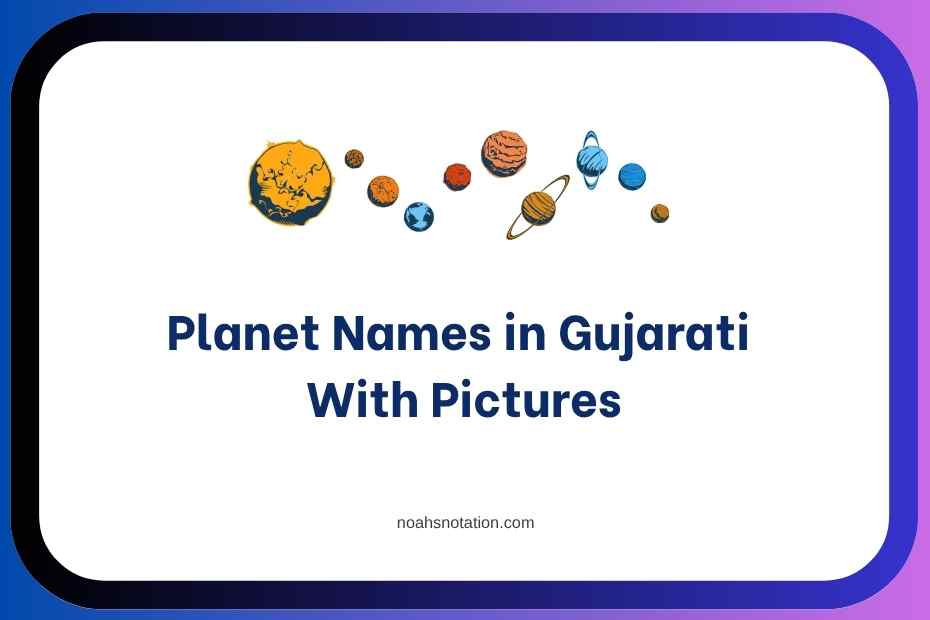
The night sky has fascinated people for generations, and Gujarat’s open landscapes and coastal regions often provide excellent opportunities to observe stars and planets. Today, students learn about the solar system through science classes, educational books, and interactive learning activities, making space one of the most exciting subjects for young learners.
From Mercury, the closest planet to the Sun, to Neptune, the farthest major planet in our solar system, each planet has unique characteristics that spark curiosity. Their differences in size, appearance, and environment make them memorable and interesting to study.
This Planet Names in Gujarati Worksheet is designed for students, parents, teachers, and language learners who want to combine science education with vocabulary building. Learning planet names in Gujarati helps learners expand both their language skills and their understanding of astronomy.
Why Learning Planet Names in Gujarati Matters
Planet names are commonly used in science lessons, educational videos, quizzes, and general knowledge activities. Learning these names in Gujarati helps students understand astronomy-related content while building subject-specific vocabulary.
For children, planets are often introduced through colorful charts, models, and classroom projects. Since each planet has its own distinct identity, learners can easily associate the Gujarati name with the planet being discussed. This visual connection helps improve memory and understanding.
Planet vocabulary also serves as a foundation for learning broader space-related topics such as stars, moons, galaxies, satellites, and space exploration. Understanding these names can make future science lessons easier to follow.
Benefits of Learning Gujarati Planet Names
- Builds useful science-related vocabulary.
- Helps learners understand astronomy lessons.
- Supports reading and speaking activities.
- Improves word recognition and pronunciation.
- Makes school projects easier to complete.
- Encourages curiosity about space and science.
- Helps children learn through visual concepts.
- Supports worksheets and educational activities.
- Expands academic vocabulary.
- Creates opportunities for practical language learning.
- Makes science topics more accessible.
- Strengthens memory through visual association.
Another advantage is that planets are usually learned in a sequence, making it easier for learners to organize and remember the vocabulary.
A Tour of the Solar System in Gujarati
Each planet in our solar system has its own unique characteristics, from rocky surfaces and giant storms to rings and icy atmospheres.
The list below includes the planets along with their Gujarati names, helping learners connect familiar astronomy concepts with useful Gujarati vocabulary.

Mercury
બુધ
Syllable: બુ-ધ
Pronunciation: Budh
- Mercury is the closest planet to the Sun. – બુધ સૂર્યનો સૌથી નજીકનો ગ્રહ છે.
- Mercury has no moons. – બુધનો કોઈ ઉપગ્રહ નથી.
- Mercury moves quickly around the Sun. – બુધ સૂર્યની આસપાસ ઝડપથી ફરે છે.

Venus
શુક્ર
Syllable: શુ-ક્ર
Pronunciation: Shukra
- Venus is very bright in the sky. – શુક્ર આકાશમાં ખૂબ તેજસ્વી દેખાય છે.
- Venus is called Earth’s twin. – શુક્રને પૃથ્વીનો જોડીદાર ગ્રહ કહેવાય છે.
- Venus is the hottest planet. – શુક્ર સૌથી ગરમ ગ્રહ છે.

Earth
પૃથ્વી
Syllable: પૃ-થ્વી
Pronunciation: Pruthvi
- Earth is our home planet. – પૃથ્વી આપણો ઘર ગ્રહ છે.
- Earth supports life. – પૃથ્વી પર જીવન શક્ય છે.
- Earth has one moon. – પૃથ્વીનો એક ચંદ્ર છે.

Mars
મંગળ
Syllable: મં-ગળ
Pronunciation: Mangal
- Mars is known as the Red Planet. – મંગળને લાલ ગ્રહ કહેવામાં આવે છે.
- Mars has two moons. – મંગળના બે ઉપગ્રહ છે.
- Scientists study Mars closely. – વૈજ્ઞાનિકો મંગળનો અભ્યાસ કરે છે.

Jupiter
ગુરુ
Syllable: ગુ-રુ
Pronunciation: Guru
- Jupiter is the largest planet. – ગુરુ સૌથી મોટો ગ્રહ છે.
- Jupiter has many moons. – ગુરુના ઘણા ઉપગ્રહો છે.
- The Great Red Spot is on Jupiter. – ગુરુ પર ગ્રેટ રેડ સ્પોટ છે.

Saturn
શનિ
Syllable: શ-નિ
Pronunciation: Shani
- Saturn is famous for its rings. – શનિ તેની વલયો માટે પ્રસિદ્ધ છે.
- Saturn is a gas giant. – શનિ વાયુમય વિશાળ ગ્રહ છે.
- Many moons orbit Saturn. – શનિની આસપાસ ઘણા ઉપગ્રહો ફરે છે.

Uranus
અરુણ
Syllable: અ-રુણ
Pronunciation: Arun
- Uranus rotates on its side. – અરુણ પોતાની બાજુ પર ફરે છે.
- Uranus is an ice giant. – અરુણ હિમમય વિશાળ ગ્રહ છે.
- It appears blue-green. – તે વાદળી-લીલો દેખાય છે.

Neptune
વરુણ
Syllable: વ-રુણ
Pronunciation: Varun
- Neptune is the farthest planet. – વરુણ સૌથી દૂરનો ગ્રહ છે.
- Neptune has strong winds. – વરુણ પર ખૂબ જોરદાર પવનો ફૂંકાય છે.
- Neptune looks deep blue. – વરુણ ઘાટો વાદળી દેખાય છે.

Pluto
પ્લૂટો
Syllable: પ્લૂ-ટો
Pronunciation: Pluto
- Pluto is a dwarf planet. – પ્લૂટો એક બૌનો ગ્રહ છે.
- Pluto was once considered a planet. – પ્લૂટોને પહેલા ગ્રહ માનવામાં આવતો હતો.
- Pluto is very far away. – પ્લૂટો ખૂબ દૂર આવેલો છે.

Sun
સૂર્ય
Syllable: સૂ-ર્ય
Pronunciation: Surya
- The Sun gives us light. – સૂર્ય આપણને પ્રકાશ આપે છે.
- The Sun is a star. – સૂર્ય એક તારો છે.
- All planets orbit the Sun. – બધા ગ્રહો સૂર્યની આસપાસ ફરે છે.

Moon
ચંદ્ર
Syllable: ચં-દ્ર
Pronunciation: Chandra
- The Moon orbits Earth. – ચંદ્ર પૃથ્વીની આસપાસ ફરે છે.
- The Moon shines at night. – ચંદ્ર રાત્રે ચમકે છે.
- The Moon affects tides. – ચંદ્ર જ્વારભાટા પર અસર કરે છે.

Solar System
સૌરમંડળ
Syllable: સૌ-ર-મં-ડળ
Pronunciation: Saurmandal
- The Solar System contains planets. – સૌરમંડળમાં ગ્રહો છે.
- The Sun is at the center of the Solar System. – સૂર્ય સૌરમંડળના કેન્દ્રમાં છે.
- We live in the Solar System. – અમે સૌરમંડળમાં રહીએ છીએ.

Galaxy
આકાશગંગા
Syllable: આ-કા-શ-ગં-ગા
Pronunciation: Akashganga
- The Milky Way is a galaxy. – આકાશગંગા એક ગેલેક્સી છે.
- Galaxies contain billions of stars. – ગેલેક્સીમાં અબજો તારાઓ હોય છે.
- Our Solar System is in a galaxy. – આપણું સૌરમંડળ એક ગેલેક્સીમાં છે.
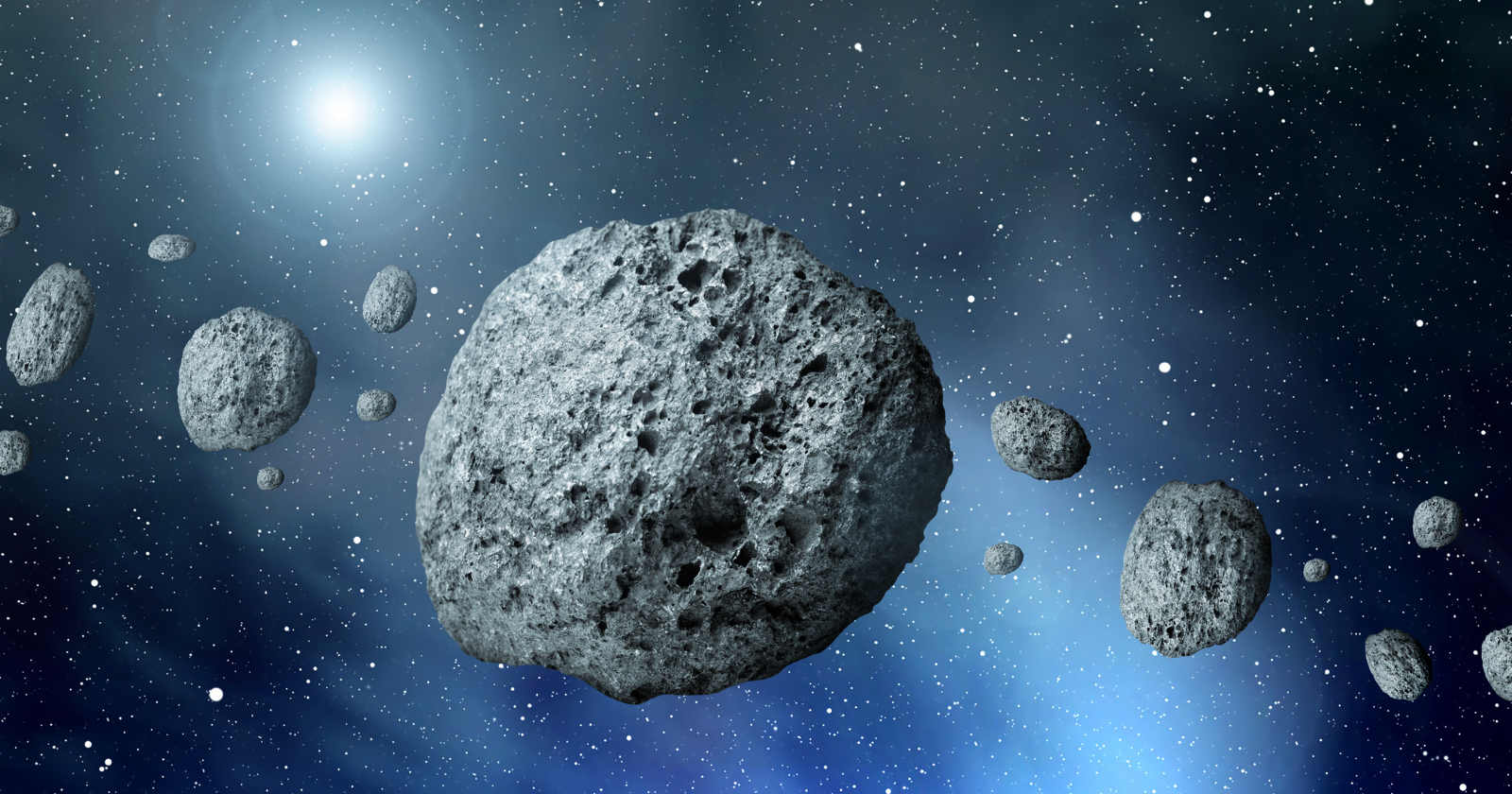
Asteroid
ક્ષુદ્રગ્રહ
Syllable: ક્ષુ-દ્ર-ગ્રહ
Pronunciation: Kshudragrah
- Asteroids orbit the Sun. – ક્ષુદ્રગ્રહ સૂર્યની આસપાસ ફરે છે.
- Many asteroids are found in space. – અવકાશમાં ઘણા ક્ષુદ્રગ્રહો મળે છે.
- Some asteroids are rocky. – કેટલાક ક્ષુદ્રગ્રહો ખડક જેવા હોય છે.

Comet
ધૂમકેતુ
Syllable: ધૂમ-કે-તુ
Pronunciation: Dhumketu
- A comet has a bright tail. – ધૂમકેતુની તેજસ્વી પૂંછડી હોય છે.
- Comets travel through space. – ધૂમકેતુ અવકાશમાં મુસાફરી કરે છે.
- Halley’s Comet is famous. – હેલીનો ધૂમકેતુ પ્રસિદ્ધ છે.

Meteor
ઉલ્કા
Syllable: ઉલ્-કા
Pronunciation: Ulka
- A meteor streaks across the sky. – ઉલ્કા આકાશમાં ઝડપથી પસાર થાય છે.
- People call meteors shooting stars. – લોકો ઉલ્કાને તૂટતા તારા કહે છે.
- Meteors burn in the atmosphere. – ઉલ્કા વાયુમંડળમાં બળી જાય છે.

Meteorite
ઉલ્કાપિંડ
Syllable: ઉલ્-કા-પિં-ડ
Pronunciation: Ulkapind
- A meteorite reaches the ground. – ઉલ્કાપિંડ જમીન પર પહોંચે છે.
- Meteorites come from space. – ઉલ્કાપિંડ અવકાશમાંથી આવે છે.
- Scientists study meteorites. – વૈજ્ઞાનિકો ઉલ્કાપિંડનો અભ્યાસ કરે છે.

Black Hole
કાળો છિદ્ર
Syllable: કા-ળો છિ-દ્ર
Pronunciation: Kalo Chhidra
- A black hole has strong gravity. – કાળા છિદ્રનું ગુરુત્વાકર્ષણ ખૂબ શક્તિશાળી હોય છે.
- Light cannot escape a black hole. – પ્રકાશ પણ કાળા છિદ્રમાંથી બહાર આવી શકતો નથી.
- Black holes exist in space. – કાળા છિદ્ર અવકાશમાં હોય છે.

Star
તારો
Syllable: તા-રો
Pronunciation: Taro
- The Sun is a star. – સૂર્ય એક તારો છે.
- Stars shine in the night sky. – તારાઓ રાત્રે ચમકે છે.
- Some stars are larger than the Sun. – કેટલાક તારાઓ સૂર્ય કરતાં મોટા હોય છે.

Constellation
નક્ષત્રસમૂહ
Syllable: ન-ક્ષ-ત્ર-સ-મૂહ
Pronunciation: Nakshatrasamuh
- A constellation is a group of stars. – નક્ષત્રસમૂહ તારાઓનો સમૂહ છે.
- People identify constellations in the sky. – લોકો આકાશમાં નક્ષત્રસમૂહ ઓળખે છે.
- Constellations help in navigation. – નક્ષત્રસમૂહ દિશા શોધવામાં મદદ કરે છે.
Easy Ways to Remember Gujarati Planet Names
Many learners remember planet names more easily when they associate each planet with a unique feature. For example, Saturn is known for its rings, Jupiter for its massive size, and Mars for its reddish appearance. These characteristics can help create strong memory connections.
Visual learning tools are particularly effective for astronomy vocabulary. Solar system charts, educational videos, and illustrated worksheets allow learners to see the planets while learning their Gujarati names. This combination of images and words improves recall.
Another useful strategy is learning the planets in order from the Sun. Memorizing them as a sequence often helps learners remember both their names and positions within the solar system.
Simple Practice Ideas
- Use solar system charts with Gujarati labels.
- Learn the planets in order from the Sun.
- Watch Gujarati educational videos about space.
- Draw the solar system and label each planet.
- Create flashcards with planet pictures and names.
- Practice pronunciation aloud.
- Keep a notebook for science-related vocabulary.
- Match planet images with their Gujarati names.
- Use planet names in simple sentences.
- Review previously learned names regularly.
- Ask friends or family members to quiz you.
- Participate in astronomy-themed learning activities.
A little practice each day can help learners become more comfortable with both the vocabulary and the science behind the planets.
Planet Names in Gujarati At a Glance
| # | English Name | Gujarati Name | Pronunciation |
|---|---|---|---|
| 1 | Mercury | બુધ | Budh |
| 2 | Venus | શુક્ર | Shukra |
| 3 | Earth | પૃથ્વી | Pruthvi |
| 4 | Mars | મંગળ | Mangal |
| 5 | Jupiter | ગુરુ | Guru |
| 6 | Saturn | શનિ | Shani |
| 7 | Uranus | અરુણ | Arun |
| 8 | Neptune | વરુણ | Varun |
| 9 | Pluto | પ્લૂટો | Pluto |
| 10 | Sun | સૂર્ય | Surya |
| 11 | Moon | ચંદ્ર | Chandra |
| 12 | Solar System | સૌરમંડળ | Saurmandal |
| 13 | Galaxy | આકાશગંગા | Akashganga |
| 14 | Asteroid | ક્ષુદ્રગ્રહ | Kshudragrah |
| 15 | Comet | ધૂમકેતુ | Dhumketu |
| 16 | Meteor | ઉલ્કા | Ulka |
| 17 | Meteorite | ઉલ્કાપિંડ | Ulkapind |
| 18 | Black Hole | કાળો છિદ્ર | Kalo Chhidra |
| 19 | Star | તારો | Taro |
| 20 | Constellation | નક્ષત્રસમૂહ | Nakshatrasamuh |
Gujarati Planet Quiz
Practice Gujarati planet vocabulary with this interactive multiple-choice quiz.
Exploring Space Through Gujarati Vocabulary
Planet names provide an exciting opportunity to connect language learning with science. Because planets are often discussed in educational settings, the vocabulary is useful for students while also encouraging curiosity about the universe. Learning these names can make astronomy lessons more engaging and accessible.
As you continue building your Gujarati vocabulary, science-related topics can introduce many new and interesting words.
Which planet interests you the most? Is there a planet whose features you find especially fascinating? Share your thoughts in the comments and let us know which Gujarati planet name was the easiest for you to remember.