Kerala is home to dense forests, wildlife sanctuaries, and national parks where many fascinating animals live in their natural habitats. From elephants roaming through forest regions to deer moving quietly across grasslands, wildlife forms an important part of the state’s natural heritage. These animals often spark curiosity among children and adults alike.
Many learners first discover wild animals through storybooks, nature documentaries, zoo visits, or school lessons. Because wild animals often have unique appearances and behaviors, their names are usually easier to remember than many other vocabulary topics.
This worksheet introduces commonly known wild animal names in Malayalam, helping learners build vocabulary through some of the most interesting creatures found around the world.
Why Learning Wild Animal Names in Malayalam Matters
Wild animal vocabulary is frequently used in science lessons, wildlife documentaries, environmental studies, and children’s literature. Learning these names in Malayalam helps learners understand nature-related topics while improving their language skills.
For many students, animals are one of the most enjoyable subjects to learn about. A tiger’s stripes, a giraffe’s long neck, or an elephant’s trunk makes each animal easy to recognize. When learners connect these visual features with Malayalam names, vocabulary retention often becomes much easier.
Wild animal names can also support broader learning about ecosystems, habitats, and biodiversity. As learners become familiar with these words, they gain a stronger foundation for exploring nature-related subjects in Malayalam.
Benefits of Learning Malayalam Wild Animal Names
- Builds useful wildlife-related vocabulary.
- Helps learners identify common wild animals in Malayalam.
- Supports reading and speaking activities.
- Improves pronunciation and word recognition.
- Makes nature and wildlife discussions easier.
- Encourages curiosity about animals and habitats.
- Helps children learn through visual examples.
- Supports classroom lessons and projects.
- Expands environmental vocabulary.
- Creates opportunities for practical language use.
- Makes learning more engaging and memorable.
- Strengthens memory through observation and imagery.
Because wild animals often appear in books, films, and educational content, learners have many chances to encounter and reinforce these words.
Meet the Creatures of Forests, Grasslands, and Jungles
Wild animals live independently in natural environments rather than alongside humans. Some are powerful predators, while others survive by grazing, climbing, or adapting to different habitats. The list below features popular wild animals and their Malayalam names to help learners expand their vocabulary in an engaging way.

Lion
സിംഹം
Syllable: സി-ം-ഹം
Pronunciation: Simham
- The lion is the king of the jungle. – സിംഹം കാട്ടിലെ രാജാവാണ്.
- The lion has a loud roar. – സിംഹത്തിന് ഉച്ചത്തിലുള്ള ഗർജ്ജനമുണ്ട്.
- I saw a lion at the zoo. – ഞാൻ മൃഗശാലയിൽ ഒരു സിംഹത്തെ കണ്ടു.

Tiger
കടുവ
Syllable: ക-ടു-വ
Pronunciation: Kaduva
- The tiger is a powerful animal. – കടുവ ശക്തിയുള്ള മൃഗമാണ്.
- The tiger walks silently. – കടുവ നിശബ്ദമായി നടക്കുന്നു.
- The tiger has beautiful stripes. – കടുവയ്ക്ക് മനോഹരമായ വരകളുണ്ട്.

Leopard
പുലി
Syllable: പു-ലി
Pronunciation: Puli
- The leopard climbs trees well. – പുലി മരങ്ങളിൽ നന്നായി കയറും.
- The leopard is a fast hunter. – പുലി വേഗത്തിലുള്ള വേട്ടക്കാരനാണ്.
- I saw a leopard in a wildlife program. – ഞാൻ ഒരു വന്യജീവി പരിപാടിയിൽ പുലിയെ കണ്ടു.

Cheetah
ചീറ്റ
Syllable: ചീ-റ്റ
Pronunciation: Cheeta
- The cheetah is the fastest land animal. – ചീറ്റ ഭൂമിയിലെ ഏറ്റവും വേഗമുള്ള മൃഗമാണ്.
- The cheetah runs very fast. – ചീറ്റ വളരെ വേഗത്തിൽ ഓടുന്നു.
- The cheetah hunts during the day. – ചീറ്റ പകൽ വേട്ടയാടുന്നു.

Elephant
ആന
Syllable: ആ-ന
Pronunciation: Aana
- The elephant is very large. – ആന വളരെ വലുതാണ്.
- The elephant has a long trunk. – ആനയ്ക്ക് നീളമുള്ള തുമ്പിക്കൈയുണ്ട്.
- We saw an elephant in the forest. – ഞങ്ങൾ കാട്ടിൽ ഒരു ആനയെ കണ്ടു.

Rhinoceros
കാണ്ടാമൃഗം
Syllable: കാ-ണ്ടാ-മൃ-ഗം
Pronunciation: Kaandamrugam
- The rhinoceros has a strong horn. – കാണ്ടാമൃഗത്തിന് ശക്തമായ കൊമ്പുണ്ട്.
- The rhinoceros lives in grasslands. – കാണ്ടാമൃഗം പുല്മേടുകളിൽ ജീവിക്കുന്നു.
- I learned about rhinoceroses in school. – ഞാൻ സ്കൂളിൽ കാണ്ടാമൃഗങ്ങളെക്കുറിച്ച് പഠിച്ചു.

Hippopotamus
നീര്യാന
Syllable: നീർ-യാ-ന
Pronunciation: Neeryaana
- The hippopotamus spends time in water. – നീര്യാന വെള്ളത്തിൽ സമയം ചെലവഴിക്കുന്നു.
- The hippopotamus is very heavy. – നീര്യാന വളരെ ഭാരമുള്ളതാണ്.
- I saw a hippopotamus at the zoo. – ഞാൻ മൃഗശാലയിൽ ഒരു നീര്യാനയെ കണ്ടു.

Bear
കരടി
Syllable: ക-ര-ടി
Pronunciation: Karadi
- The bear lives in forests. – കരടി കാടുകളിൽ ജീവിക്കുന്നു.
- The bear likes honey. – കരടിക്ക് തേൻ ഇഷ്ടമാണ്.
- The bear climbed the hill. – കരടി മല കയറി.

Wolf
ചെന്നായ്
Syllable: ചെൻ-നായ്
Pronunciation: Chennaay
- The wolf hunts in packs. – ചെന്നായ് കൂട്ടമായി വേട്ടയാടുന്നു.
- The wolf howled at night. – ചെന്നായ് രാത്രിയിൽ ഓരിയിട്ടു.
- The wolf is a wild animal. – ചെന്നായ് ഒരു വന്യമൃഗമാണ്.

Fox
കുറുക്കൻ
Syllable: കു-റു-ക്കൻ
Pronunciation: Kurukkan
- The fox is clever. – കുറുക്കൻ ബുദ്ധിമാനാണ്.
- The fox ran through the field. – കുറുക്കൻ വയലിലൂടെ ഓടി.
- The fox has a bushy tail. – കുറുക്കന് കട്ടിയുള്ള വാലുണ്ട്.

Hyena
കഴുതപ്പുലി
Syllable: ക-ഴു-ത-പ്പു-ലി
Pronunciation: Kazhuthappuli
- The hyena has strong jaws. – കഴുതപ്പുലിക്ക് ശക്തമായ താടിയുണ്ട്.
- The hyena laughs loudly. – കഴുതപ്പുലി ഉറക്കെ ചിരിക്കുന്നതുപോലുള്ള ശബ്ദം ഉണ്ടാക്കുന്നു.
- The hyena is a scavenger. – കഴുതപ്പുലി ശവഭോജിയാണ്.

Jackal
കുറുനരി
Syllable: കു-റു-ന-രി
Pronunciation: Kurunari
- The jackal lives in the wild. – കുറുനരി വനപ്രദേശങ്ങളിൽ ജീവിക്കുന്നു.
- The jackal searches for food at night. – കുറുനരി രാത്രിയിൽ ഭക്ഷണം തേടുന്നു.
- I heard a jackal cry. – ഞാൻ കുറുനരിയുടെ കരച്ചിൽ കേട്ടു.

Deer
മാൻ
Syllable: മാൻ
Pronunciation: Maan
- The deer runs gracefully. – മാൻ ഭംഗിയായി ഓടുന്നു.
- The deer eats grass. – മാൻ പുല്ല് തിന്നുന്നു.
- We saw deer near the forest. – ഞങ്ങൾ കാടിനടുത്ത് മാനുകളെ കണ്ടു.

Blackbuck
കൃഷ്ണമൃഗം
Syllable: കൃ-ഷ്ണ-മൃ-ഗം
Pronunciation: Krishnamrugam
- The blackbuck has twisted horns. – കൃഷ്ണമൃഗത്തിന് വളഞ്ഞ കൊമ്പുകളുണ്ട്.
- The blackbuck runs fast. – കൃഷ്ണമൃഗം വേഗത്തിൽ ഓടുന്നു.
- The blackbuck lives in open grasslands. – കൃഷ്ണമൃഗം തുറന്ന പുല്മേടുകളിൽ ജീവിക്കുന്നു.
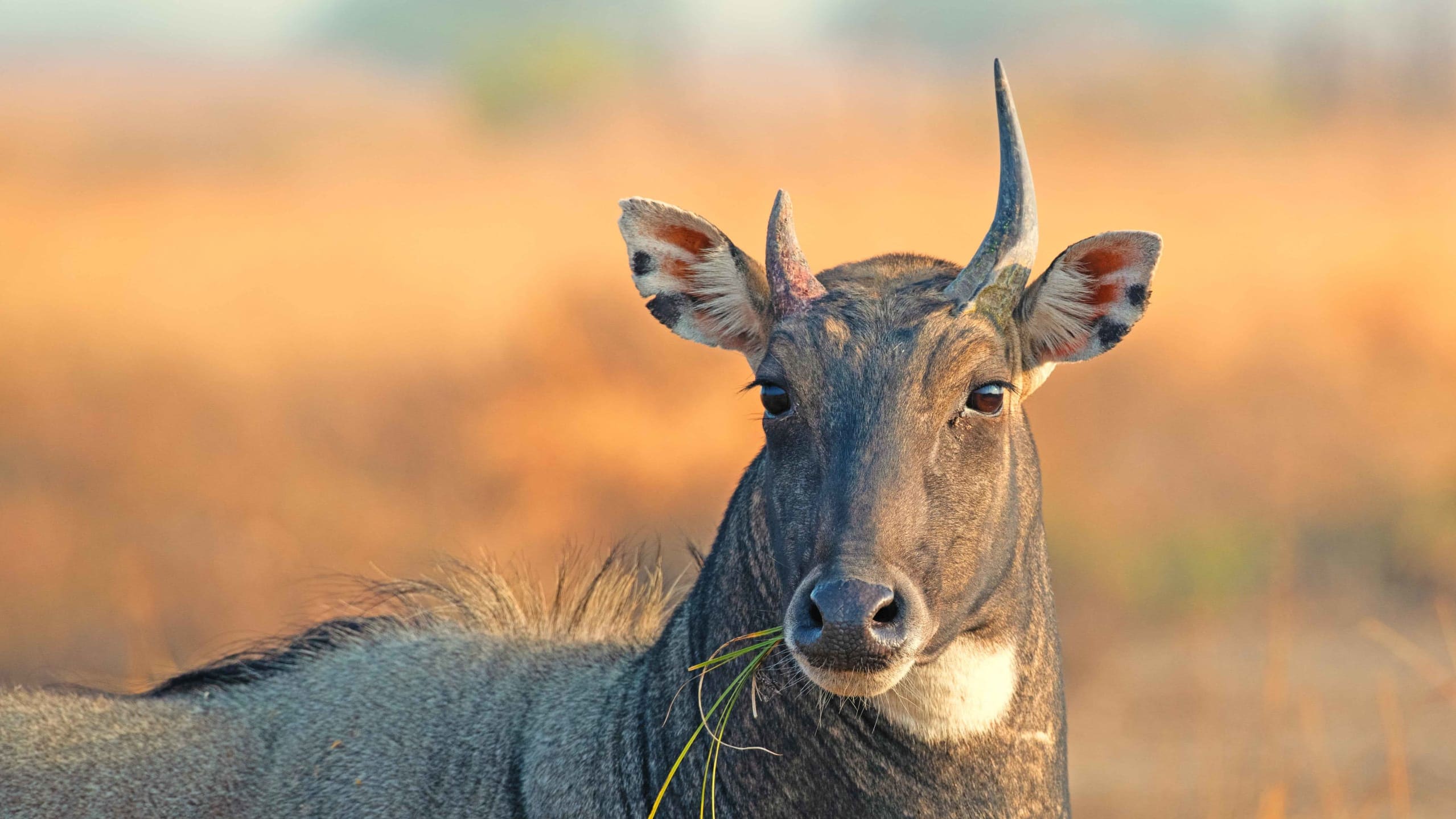
Nilgai
നീലഗായ്
Syllable: നീ-ല-ഗായ്
Pronunciation: Neelagai
- The nilgai is a large antelope. – നീലഗായ് ഒരു വലിയ മാൻവർഗ്ഗ മൃഗമാണ്.
- The nilgai grazes in fields. – നീലഗായ് വയലുകളിൽ മേയുന്നു.
- I saw a nilgai in a nature documentary. – ഞാൻ ഒരു പ്രകൃതി ഡോക്യുമെന്ററിയിൽ നീലഗായിയെ കണ്ടു.

Alligator
അലിഗേറ്റർ
Syllable: അ-ലി-ഗേ-റ്റർ
Pronunciation: Aligator
- The alligator lives near water. – അലിഗേറ്റർ വെള്ളത്തിനരികെ ജീവിക്കുന്നു.
- The alligator has strong teeth. – അലിഗേറ്ററിന് ശക്തമായ പല്ലുകളുണ്ട്.
- The alligator moved slowly. – അലിഗേറ്റർ പതുക്കെ നീങ്ങി.

Monkey
കുരങ്ങ്
Syllable: കു-ര-ങ്ങ്
Pronunciation: Kurang
- The monkey climbed a tree. – കുരങ്ങ് ഒരു മരത്തിൽ കയറി.
- The monkey likes bananas. – കുരങ്ങിന് വാഴപ്പഴം ഇഷ്ടമാണ്.
- The monkey jumped quickly. – കുരങ്ങ് വേഗത്തിൽ ചാടി.

Langur
ലംഗൂർ
Syllable: ലം-ഗൂർ
Pronunciation: Langur
- The langur sits on branches. – ലംഗൂർ കൊമ്പുകളിൽ ഇരിക്കുന്നു.
- The langur has a long tail. – ലംഗൂരിന് നീളമുള്ള വാലുണ്ട്.
- I saw a langur in the hills. – ഞാൻ മലനിരകളിൽ ഒരു ലംഗൂറിനെ കണ്ടു.

Gorilla
ഗൊറില്ല
Syllable: ഗൊ-റി-ല്ല
Pronunciation: Gorilla
- The gorilla is very strong. – ഗൊറില്ല വളരെ ശക്തമാണ്.
- The gorilla lives in forests. – ഗൊറില്ല കാടുകളിൽ ജീവിക്കുന്നു.
- The gorilla cares for its family. – ഗൊറില്ല തന്റെ കുടുംബത്തെ സംരക്ഷിക്കുന്നു.

Chimpanzee
ചിമ്പാൻസി
Syllable: ചിം-പാൻ-സി
Pronunciation: Chimpansi
- The chimpanzee is intelligent. – ചിമ്പാൻസി ബുദ്ധിശാലിയാണ്.
- The chimpanzee uses tools. – ചിമ്പാൻസി ഉപകരണങ്ങൾ ഉപയോഗിക്കുന്നു.
- I watched a chimpanzee documentary. – ഞാൻ ഒരു ചിമ്പാൻസി ഡോക്യുമെന്ററി കണ്ടു.

Giraffe
ഒട്ടകച്ചിവിങ്ങി
Syllable: ഒ-ട്ട-ക-ച്ചി-വിങ്ങി
Pronunciation: Ottakachivingi
- The giraffe has a long neck. – ഒട്ടകച്ചിവിങ്ങിക്ക് നീളമുള്ള കഴുത്തുണ്ട്.
- The giraffe eats leaves from tall trees. – ഒട്ടകച്ചിവിങ്ങി ഉയരമുള്ള മരങ്ങളിലെ ഇലകൾ തിന്നുന്നു.
- I saw a giraffe at the zoo. – ഞാൻ മൃഗശാലയിൽ ഒരു ഒട്ടകച്ചിവിങ്ങിയെ കണ്ടു.

Zebra
സീബ്ര
Syllable: സീ-ബ്ര
Pronunciation: Zebra
- The zebra has black and white stripes. – സീബ്രയ്ക്ക് കറുപ്പും വെളുപ്പും നിറത്തിലുള്ള വരകളുണ്ട്.
- The zebra runs in herds. – സീബ്ര കൂട്ടമായി ഓടുന്നു.
- The zebra lives in grasslands. – സീബ്ര പുല്മേടുകളിൽ ജീവിക്കുന്നു.
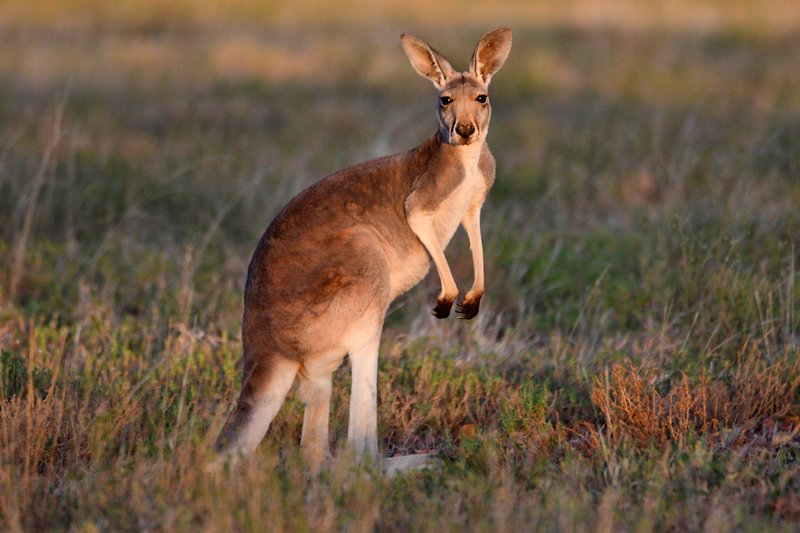
Kangaroo
കംഗാരു
Syllable: കം-ഗാ-രു
Pronunciation: Kangaroo
- The kangaroo jumps high. – കംഗാരു ഉയരത്തിൽ ചാടുന്നു.
- The kangaroo carries its baby in a pouch. – കംഗാരു തന്റെ കുഞ്ഞിനെ സഞ്ചിയിൽ വഹിക്കുന്നു.
- Kangaroos live in Australia. – കംഗാരുക്കൾ ഓസ്ട്രേലിയയിൽ ജീവിക്കുന്നു.

Panda
പാണ്ട
Syllable: പാൻ-ഡ
Pronunciation: Paanda
- The panda eats bamboo. – പാണ്ട മുള തിന്നുന്നു.
- The panda is a gentle animal. – പാണ്ട സൗമ്യമായ മൃഗമാണ്.
- I saw a panda in a wildlife video. – ഞാൻ ഒരു വന്യജീവി വീഡിയോയിൽ പാണ്ടയെ കണ്ടു.

Koala
കോവാല
Syllable: കോ-വാ-ല
Pronunciation: Kovala
- The koala sleeps for many hours. – കോവാല നിരവധി മണിക്കൂറുകൾ ഉറങ്ങുന്നു.
- The koala lives in trees. – കോവാല മരങ്ങളിൽ ജീവിക്കുന്നു.
- The koala eats eucalyptus leaves. – കോവാല യൂക്കാലിപ്റ്റസ് ഇലകൾ തിന്നുന്നു.

Bison
കാട്ടുപോത്ത്
Syllable: കാ-ട്ട്-ടു-പോത്ത്
Pronunciation: Kaattupothu
- The bison is a large animal. – കാട്ടുപോത്ത് ഒരു വലിയ മൃഗമാണ്.
- The bison lives in open plains. – കാട്ടുപോത്ത് വിശാലമായ സമതലങ്ങളിൽ ജീവിക്കുന്നു.
- The bison grazes on grass. – കാട്ടുപോത്ത് പുല്ല് മേയുന്നു.

Wild Water Buffalo
കാട്ടെരുമ
Syllable: കാ-ട്ട്-ടെ-രു-മ
Pronunciation: Kaatteruma
- The wild water buffalo is very strong. – കാട്ടെരുമ വളരെ ശക്തമാണ്.
- The wild water buffalo lives near wetlands. – കാട്ടെരുമ ചതുപ്പുനിലങ്ങൾക്കരികെ ജീവിക്കുന്നു.
- I saw a wild water buffalo in a documentary. – ഞാൻ ഒരു ഡോക്യുമെന്ററിയിൽ കാട്ടെരുമയെ കണ്ടു.

Porcupine
മുള്ളൻപന്നി
Syllable: മു-ള്ളൻ-പൻ-നി
Pronunciation: Mullanpanni
- The porcupine has sharp quills. – മുള്ളൻപന്നിക്ക് മൂർച്ചയുള്ള മുള്ളുകളുണ്ട്.
- The porcupine moves slowly. – മുള്ളൻപന്നി പതുക്കെ നീങ്ങുന്നു.
- The porcupine protects itself with quills. – മുള്ളൻപന്നി മുള്ളുകൾ ഉപയോഗിച്ച് സ്വയം സംരക്ഷിക്കുന്നു.

Hare
മുയൽ
Syllable: മു-യൽ
Pronunciation: Muyal
- The hare runs very fast. – മുയൽ വളരെ വേഗത്തിൽ ഓടുന്നു.
- The hare has long ears. – മുയലിന് നീളമുള്ള ചെവികളുണ്ട്.
- The hare jumped across the field. – മുയൽ വയൽ കടന്ന് ചാടി.

Otter
നീര്നായി
Syllable: നീർ-നാ-യി
Pronunciation: Neernaayi
- The otter swims well. – നീര്നായി നന്നായി നീന്തുന്നു.
- The otter plays in the water. – നീര്നായി വെള്ളത്തിൽ കളിക്കുന്നു.
- I watched an otter near a river. – ഞാൻ ഒരു നദിക്കരയിൽ നീർനായിയെ കണ്ടു.

Mongoose
കീരി
Syllable: കീ-രി
Pronunciation: Keeri
- The mongoose is quick and agile. – കീരി വേഗതയേറിയതും ചടുലവുമാണ്.
- The mongoose can fight snakes. – കീരിക്ക് പാമ്പുകളോട് പോരാടാൻ കഴിയും.
- The mongoose searched for food. – കീരി ഭക്ഷണം തേടി.

Squirrel
അണ്ണാൻ
Syllable: അൺ-ണാൻ
Pronunciation: Annan
- The squirrel climbs trees quickly. – അണ്ണാൻ മരങ്ങളിൽ വേഗത്തിൽ കയറുന്നു.
- The squirrel likes nuts. – അണ്ണാന് കുരുവുകൾ ഇഷ്ടമാണ്.
- I saw a squirrel in the garden. – ഞാൻ തോട്ടത്തിൽ ഒരു അണ്ണാനെ കണ്ടു.
Bat
വവ്വാൽ
Syllable: വവ്-വാൽ
Pronunciation: Vavvaal
- The bat flies at night. – വവ്വാൽ രാത്രിയിൽ പറക്കുന്നു.
- The bat sleeps upside down. – വവ്വാൽ തലകീഴായി ഉറങ്ങുന്നു.
- I saw a bat near a tree. – ഞാൻ ഒരു മരത്തിനരികെ വവ്വാലിനെ കണ്ടു.

Armadillo
ആർമഡില്ലോ
Syllable: ആർ-മ-ഡി-ല്ലോ
Pronunciation: Aarmadillo
- The armadillo has a hard shell. – ആർമഡില്ലോയ്ക്ക് കഠിനമായ കവചമുണ്ട്.
- The armadillo digs in the soil. – ആർമഡില്ലോ മണ്ണിൽ കുഴിയെടുക്കുന്നു.
- I learned about armadillos in a book. – ഞാൻ ഒരു പുസ്തകത്തിൽ ആർമഡില്ലോയെക്കുറിച്ച് പഠിച്ചു.

Meerkat
മീർക്കാറ്റ്
Syllable: മീർ-കാറ്റ്
Pronunciation: Meerkat
- The meerkat stands on its hind legs. – മീർക്കാറ്റ് പിന്നിലെ കാലുകളിൽ നിൽക്കുന്നു.
- The meerkat watches for danger. – മീർക്കാറ്റ് അപകടം നിരീക്ഷിക്കുന്നു.
- Meerkats live in groups. – മീർക്കാറ്റുകൾ കൂട്ടമായി ജീവിക്കുന്നു.

Wolverine
വോൾവറീൻ
Syllable: വോൾ-വ-റീൻ
Pronunciation: Volvareen
- The wolverine is a strong animal. – വോൾവറീൻ ശക്തമായ മൃഗമാണ്.
- The wolverine lives in cold regions. – വോൾവറീൻ തണുത്ത പ്രദേശങ്ങളിൽ ജീവിക്കുന്നു.
- I read about wolverines online. – ഞാൻ വോൾവറീനുകളെക്കുറിച്ച് ഓൺലൈനിൽ വായിച്ചു.
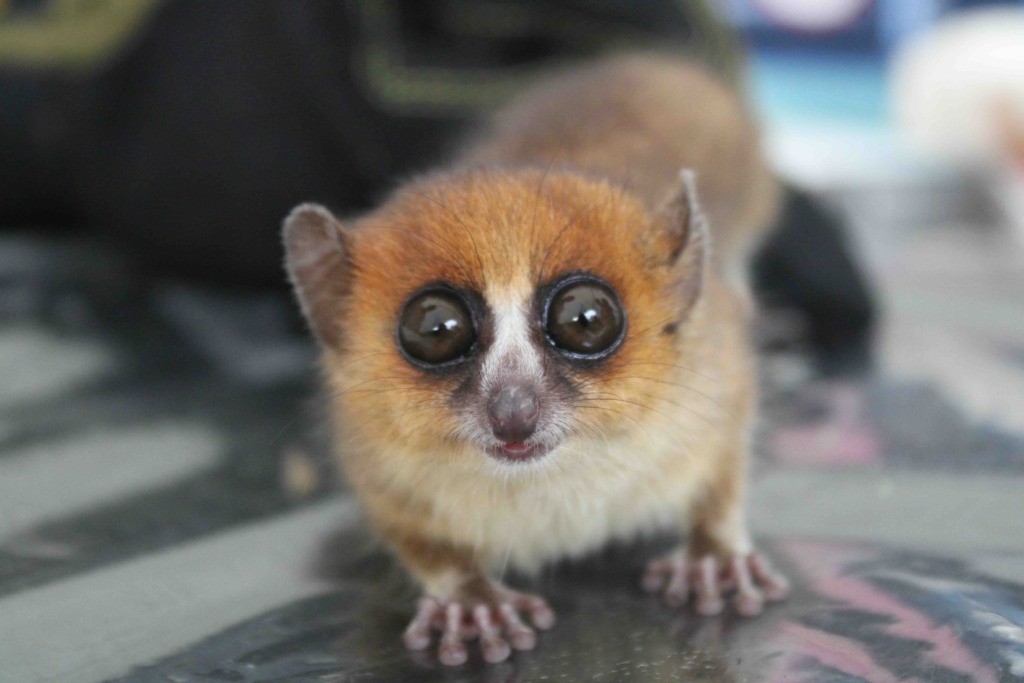
Lemur
ലീമർ
Syllable: ലീ-മർ
Pronunciation: Leemar
- The lemur has large eyes. – ലീമറിന് വലിയ കണ്ണുകളുണ്ട്.
- The lemur lives on islands. – ലീമർ ദ്വീപുകളിൽ ജീവിക്കുന്നു.
- The lemur jumped between branches. – ലീമർ കൊമ്പുകൾക്കിടയിൽ ചാടി.

Tapir
ടാപ്പിർ
Syllable: ടാ-പ്പിർ
Pronunciation: Taappir
- The tapir has a short trunk-like nose. – ടാപ്പിറിന് തുമ്പിക്കൈപോലുള്ള ചെറിയ മൂക്കുണ്ട്.
- The tapir lives in forests. – ടാപ്പിർ കാടുകളിൽ ജീവിക്കുന്നു.
- I saw a tapir in a wildlife documentary. – ഞാൻ ഒരു വന്യജീവി ഡോക്യുമെന്ററിയിൽ ടാപ്പിറിനെ കണ്ടു.
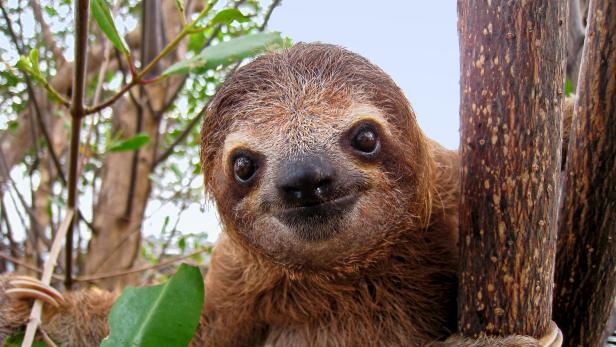
Sloth
സ്ലോത്ത്
Syllable: സ്ലോത്ത്
Pronunciation: Sloth
- The sloth moves very slowly. – സ്ലോത്ത് വളരെ പതുക്കെ നീങ്ങുന്നു.
- The sloth hangs from trees. – സ്ലോത്ത് മരങ്ങളിൽ തൂങ്ങി ജീവിക്കുന്നു.
- The sloth spends most of its time resting. – സ്ലോത്ത് കൂടുതൽ സമയവും വിശ്രമിച്ചാണ് ചെലവഴിക്കുന്നത്.

Jaguar
ജാഗ്വാർ
Syllable: ജാ-ഗ്വാർ
Pronunciation: Jaguar
- The jaguar is a powerful predator. – ജാഗ്വാർ ശക്തമായ വേട്ടക്കാരനാണ്.
- The jaguar can swim well. – ജാഗ്വാർ നന്നായി നീന്തും.
- The jaguar lives in rainforests. – ജാഗ്വാർ മഴക്കാടുകളിൽ ജീവിക്കുന്നു.
Easy Ways to Remember Malayalam Wild Animal Names
One effective approach is to associate each animal with a distinctive feature. For example, learners may remember a zebra through its stripes, a lion through its mane, or a rhinoceros through its horn. These visual cues can make vocabulary easier to recall.
Pictures and wildlife videos can also improve learning. Seeing an animal while hearing or reading its Malayalam name helps create stronger associations. Some learners find it useful to group animals by habitat, such as forest animals, desert animals, or grassland animals.
Creating simple stories involving different animals can also make learning more enjoyable and memorable.
Simple Practice Ideas
- Use animal flashcards with Malayalam names.
- Learn a few wild animal names each week.
- Watch wildlife documentaries and identify animals.
- Draw animals and label them in Malayalam.
- Create a wildlife vocabulary notebook.
- Match animal pictures with their names.
- Practice pronunciation aloud.
- Group animals by habitat or category.
- Use animal names in simple sentences.
- Review previously learned words regularly.
- Visit a zoo and identify animals in Malayalam.
- Ask friends or family members to test your knowledge.
Regular exposure and repetition can help learners remember vocabulary more effectively over time.
Wild Animal Names in Malayalam At a Glance
| # | English Name | Malayalam Name | Pronunciation |
|---|---|---|---|
| 1 | Lion | സിംഹം | Simham |
| 2 | Tiger | കടുവ | Kaduva |
| 3 | Leopard | പുലി | Puli |
| 4 | Cheetah | ചീറ്റ | Cheeta |
| 5 | Elephant | ആന | Aana |
| 6 | Rhinoceros | കാണ്ടാമൃഗം | Kaandamrugam |
| 7 | Hippopotamus | നീര്യാന | Neeryaana |
| 8 | Bear | കരടി | Karadi |
| 9 | Wolf | ചെന്നായ് | Chennaay |
| 10 | Fox | കുറുക്കൻ | Kurukkan |
| 11 | Hyena | കഴുതപ്പുലി | Kazhuthappuli |
| 12 | Jackal | കുറുനരി | Kurunari |
| 13 | Deer | മാൻ | Maan |
| 14 | Blackbuck | കൃഷ്ണമൃഗം | Krishnamrugam |
| 15 | Nilgai | നീലഗായ് | Neelagai |
| 16 | Alligator | അലിഗേറ്റർ | Aligator |
| 17 | Monkey | കുരങ്ങ് | Kurang |
| 18 | Langur | ലംഗൂർ | Langur |
| 19 | Gorilla | ഗൊറില്ല | Gorilla |
| 20 | Chimpanzee | ചിമ്പാൻസി | Chimpansi |
| 21 | Giraffe | ഒട്ടകച്ചിവിങ്ങി | Ottakachivingi |
| 22 | Zebra | സീബ്ര | Zebra |
| 23 | Kangaroo | കംഗാരു | Kangaroo |
| 24 | Panda | പാണ്ട | Paanda |
| 25 | Koala | കോവാല | Kovala |
| 26 | Bison | കാട്ടുപോത്ത് | Kaattupothu |
| 27 | Wild Water Buffalo | കാട്ടെരുമ | Kaatteruma |
| 28 | Porcupine | മുള്ളൻപന്നി | Mullanpanni |
| 29 | Hare | മുയൽ | Muyal |
| 30 | Otter | നീര്നായി | Neernaayi |
| 31 | Mongoose | കീരി | Keeri |
| 32 | Squirrel | അണ്ണാൻ | Annan |
| 33 | Bat | വവ്വാൽ | Vavvaal |
| 34 | Armadillo | ആർമഡില്ലോ | Aarmadillo |
| 35 | Meerkat | മീർക്കാറ്റ് | Meerkat |
| 36 | Wolverine | വോൾവറീൻ | Volvareen |
| 37 | Lemur | ലീമർ | Leemar |
| 38 | Tapir | ടാപ്പിർ | Taappir |
| 39 | Sloth | സ്ലോത്ത് | Sloth |
| 40 | Jaguar | ജാഗ്വാർ | Jaguar |
Malayalam Wild Animal Quiz
A Wildlife Adventure Through Malayalam Vocabulary
Wild animal names bring excitement to language learning because they connect words with creatures that many people find fascinating. Their unique characteristics make them easier to recognize, while their frequent appearance in educational content gives learners many opportunities to revisit the vocabulary.
As you continue expanding your Malayalam vocabulary, animal-related topics can introduce new words connected to nature and the environment.
Which wild animal interests you the most? Have you ever seen any of these animals in a zoo or wildlife park? Share your thoughts in the comments and tell us which Malayalam animal name was the most interesting for you to learn.