In villages, towns, and even city neighborhoods across Kerala, domestic animals are a familiar part of daily life. Cows grazing in fields, goats near homes, dogs guarding properties, and cats resting in courtyards are sights that many people encounter regularly. Because these animals live close to humans, their names are often among the first animal-related words children learn.
Storybooks, school lessons, and everyday conversations frequently include domestic animals. Learners can easily connect these words to real animals they have seen, making the learning process more natural and memorable.
This worksheet introduces common domestic animal names in Malayalam, helping learners build useful vocabulary through animals that play an important role in everyday life.
Why Learning Domestic Animal Names in Malayalam Matters
Domestic animal names appear in children’s books, classroom activities, conversations, and educational materials. Learning these words in Malayalam helps learners communicate more confidently when talking about animals, farms, pets, and daily life.
For beginners, domestic animals provide an excellent starting point because the concepts are already familiar. Most learners can quickly identify a cow, dog, horse, goat, or cat without needing additional explanations. This allows them to focus on learning the Malayalam vocabulary itself.
These words also connect to broader topics such as agriculture, animal care, food production, and rural life. As learners expand their vocabulary, domestic animal names become useful building blocks for understanding related subjects.
Benefits of Learning Malayalam Domestic Animal Names
- Builds useful animal-related vocabulary.
- Helps learners identify common domestic animals in Malayalam.
- Supports reading and speaking activities.
- Improves pronunciation and word recognition.
- Makes classroom learning easier.
- Helps children connect words with familiar animals.
- Supports worksheets and educational exercises.
- Expands knowledge of farm and pet-related terms.
- Creates opportunities for practical language use.
- Encourages observation of everyday surroundings.
- Makes vocabulary learning more engaging.
- Strengthens memory through real-life associations.
Another advantage is that learners can encounter many of these animals regularly, giving them frequent opportunities to practice and review the vocabulary.
Animals That Share Our Daily Lives
Unlike wild animals that live in forests and protected habitats, domestic animals are commonly found on farms, around homes, and in local communities.
The list below includes some of the best-known domestic animals along with their Malayalam names, making it easier to learn vocabulary through familiar examples.

Cow
പശു
Syllable: പ-ശു
Pronunciation: Pashu
- The cow gives us milk. – പശു നമുക്ക് പാൽ നൽകുന്നു.
- The cow is grazing in the field. – പശു വയലിൽ പുല്ല് മേയുന്നു.
- We have a cow at home. – ഞങ്ങളുടെ വീട്ടിൽ ഒരു പശുവുണ്ട്.

Buffalo
എരുമ
Syllable: എ-രു-മ
Pronunciation: Eruma
- The buffalo is a strong animal. – എരുമ ശക്തിയുള്ള മൃഗമാണ്.
- The buffalo likes water. – എരുമയ്ക്ക് വെള്ളം ഇഷ്ടമാണ്.
- I saw a buffalo in the pond. – ഞാൻ കുളത്തിൽ ഒരു എരുമയെ കണ്ടു.

Ox
കാള
Syllable: കാ-ള
Pronunciation: Kaala
- The ox pulls the cart. – കാള വണ്ടി വലിക്കുന്നു.
- The ox is working in the field. – കാള വയലിൽ ജോലി ചെയ്യുന്നു.
- The farmer owns two oxen. – കർഷകനു രണ്ട് കാളകളുണ്ട്.
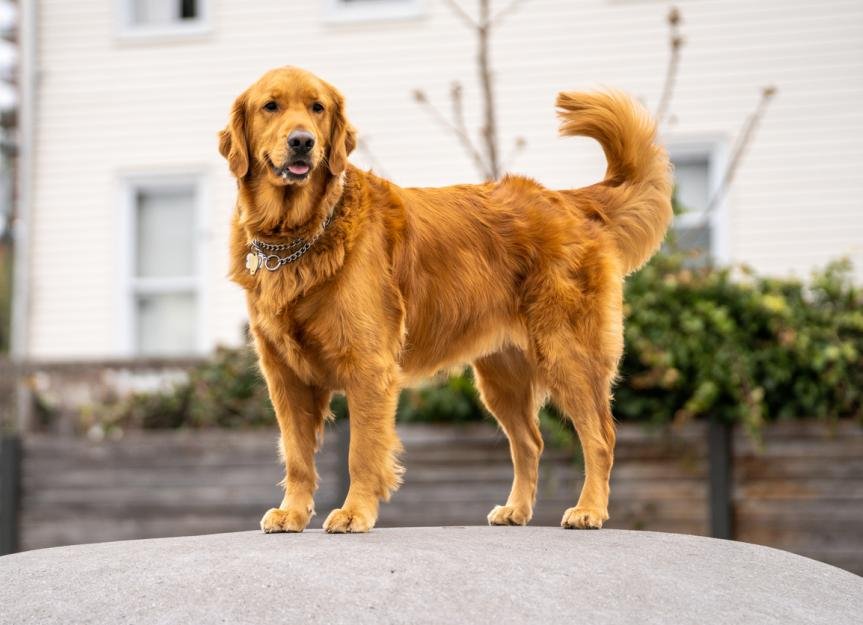
Dog
നായ
Syllable: നാ-യ
Pronunciation: Naya
- The dog is a loyal animal. – നായ വിശ്വസ്തമായ മൃഗമാണ്.
- My dog likes to play. – എന്റെ നായയ്ക്ക് കളിക്കാൻ ഇഷ്ടമാണ്.
- The dog is barking loudly. – നായ ഉച്ചത്തിൽ കുരയ്ക്കുന്നു.

Cat
പൂച്ച
Syllable: പൂ-ച്ച
Pronunciation: Poocha
- The cat is sleeping. – പൂച്ച ഉറങ്ങുകയാണ്.
- My cat drinks milk. – എന്റെ പൂച്ച പാൽ കുടിക്കുന്നു.
- The cat climbed the wall. – പൂച്ച മതിലിൽ കയറി.

Goat
ആട്
Syllable: ആ-ട്
Pronunciation: Aadu
- The goat eats grass. – ആട് പുല്ല് തിന്നുന്നു.
- We have goats on the farm. – ഞങ്ങളുടെ ഫാമിൽ ആടുകളുണ്ട്.
- The goat is standing near the tree. – ആട് മരത്തിനരികിൽ നിൽക്കുന്നു.

Sheep
ചെമ്മരിയാട്
Syllable: ചെം-മ-രി-യാ-ട്
Pronunciation: Chemmariyaadu
- The sheep gives us wool. – ചെമ്മരിയാട് നമുക്ക് കമ്പളി നൽകുന്നു.
- The sheep is white. – ചെമ്മരിയാട് വെള്ള നിറത്തിലാണ്.
- A flock of sheep crossed the road. – ഒരു കൂട്ടം ചെമ്മരിയാടുകൾ റോഡ് കടന്നു.

Horse
കുതിര
Syllable: കു-തി-ര
Pronunciation: Kuthira
- The horse runs fast. – കുതിര വേഗത്തിൽ ഓടുന്നു.
- The horse is brown. – കുതിര തവിട്ടുനിറത്തിലാണ്.
- I rode a horse yesterday. – ഞാൻ ഇന്നലെ ഒരു കുതിര സവാരി ചെയ്തു.

Donkey
കഴുത
Syllable: ക-ഴു-ത
Pronunciation: Kazhutha
- The donkey carries loads. – കഴുത ഭാരം ചുമക്കുന്നു.
- The donkey is standing quietly. – കഴുത ശാന്തമായി നിൽക്കുന്നു.
- I saw a donkey on the road. – ഞാൻ റോഡിൽ ഒരു കഴുതയെ കണ്ടു.

Camel
ഒട്ടകം
Syllable: ഒ-ട്ട-കം
Pronunciation: Ottakam
- The camel lives in deserts. – ഒട്ടകം മരുഭൂമിയിൽ ജീവിക്കുന്നു.
- The camel stores fat in its hump. – ഒട്ടകം തന്റെ കൊമ്പിൽ കൊഴുപ്പ് സംഭരിക്കുന്നു.
- I saw a camel at the zoo. – ഞാൻ മൃഗശാലയിൽ ഒരു ഒട്ടകത്തെ കണ്ടു.
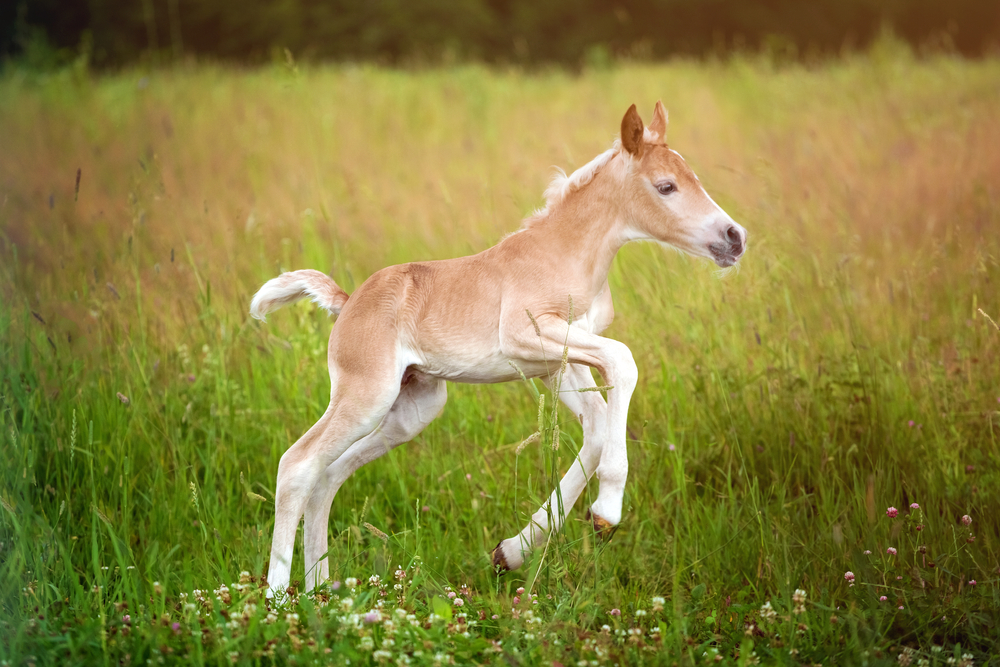
Foal
കുതിരക്കുട്ടി
Syllable: കു-തി-ര-ക്കു-ട്ടി
Pronunciation: Kuthirakkutti
- The foal is playing in the field. – കുതിരക്കുട്ടി വയലിൽ കളിക്കുന്നു.
- The foal follows its mother. – കുതിരക്കുട്ടി തന്റെ അമ്മയെ പിന്തുടരുന്നു.
- The foal is very energetic. – കുതിരക്കുട്ടി വളരെ ഉത്സാഹമുള്ളതാണ്.

Rabbit
മുയൽ
Syllable: മു-യൽ
Pronunciation: Muyal
- The rabbit has long ears. – മുയലിന് നീളമുള്ള ചെവികളുണ്ട്.
- The rabbit is hopping around. – മുയൽ ചാടിക്കളിക്കുന്നു.
- I saw a rabbit in the garden. – ഞാൻ തോട്ടത്തിൽ ഒരു മുയലിനെ കണ്ടു.

Hen
കോഴി
Syllable: കോ-ഴി
Pronunciation: Kozhi
- The hen lays eggs. – കോഴി മുട്ടയിടുന്നു.
- The hen is feeding its chicks. – കോഴി കുഞ്ഞുങ്ങൾക്ക് ഭക്ഷണം നൽകുന്നു.
- We keep hens in our yard. – ഞങ്ങൾ വീട്ടുമുറ്റത്ത് കോഴികളെ വളർത്തുന്നു.

Rooster
പൂവൻകോഴി
Syllable: പൂ-വൻ-കോ-ഴി
Pronunciation: Poovankozhi
- The rooster crows in the morning. – പൂവൻകോഴി രാവിലെ കൂവുന്നു.
- The rooster has colorful feathers. – പൂവൻകോഴിക്ക് നിറമുള്ള തൂവലുകളുണ്ട്.
- I woke up hearing the rooster. – പൂവൻകോഴിയുടെ ശബ്ദം കേട്ട് ഞാൻ ഉണർന്നു.

Duck
താറാവ്
Syllable: താ-റാ-വ്
Pronunciation: Thaaraavu
- The duck swims in the pond. – താറാവ് കുളത്തിൽ നീന്തുന്നു.
- The duck has webbed feet. – താറാവിന് ജാലികയുള്ള കാലുകളുണ്ട്.
- We fed the ducks. – ഞങ്ങൾ താറാവുകൾക്ക് ഭക്ഷണം നൽകി.

Goose
വാത്ത്
Syllable: വാ-ത്ത്
Pronunciation: Vaathu
- The goose likes swimming. – വാത്തിന് നീന്തൽ ഇഷ്ടമാണ്.
- A goose walked near the lake. – ഒരു വാത്ത് തടാകത്തിനരികിൽ നടന്നു.
- The goose made a loud sound. – വാത്ത് ഉച്ചത്തിൽ ശബ്ദമിട്ടു.

Turkey
ടർക്കി
Syllable: ടർ-ക്കി
Pronunciation: Turki
- The turkey is a large bird. – ടർക്കി ഒരു വലിയ പക്ഷിയാണ്.
- The turkey spread its feathers. – ടർക്കി തന്റെ തൂവലുകൾ വിരിച്ചു.
- I saw a turkey on a farm. – ഞാൻ ഫാമിൽ ഒരു ടർക്കിയെ കണ്ടു.

Pigeon
പ്രാവ്
Syllable: പ്രാ-വ്
Pronunciation: Praavu
- The pigeon flew away. – പ്രാവ് പറന്നുപോയി.
- I fed a pigeon in the park. – ഞാൻ പാർക്കിൽ ഒരു പ്രാവിന് ഭക്ഷണം നൽകി.
- The pigeon sat on the roof. – പ്രാവ് മേൽക്കൂരയിൽ ഇരുന്നു.

Parrot
തത്ത
Syllable: ത-ത്ത
Pronunciation: Thatha
- The parrot can mimic words. – തത്തയ്ക്ക് വാക്കുകൾ അനുകരിക്കാൻ കഴിയും.
- The parrot is green. – തത്ത പച്ചനിറത്തിലാണ്.
- My friend has a pet parrot. – എന്റെ സുഹൃത്തിന് ഒരു വളർത്തുതത്തയുണ്ട്.
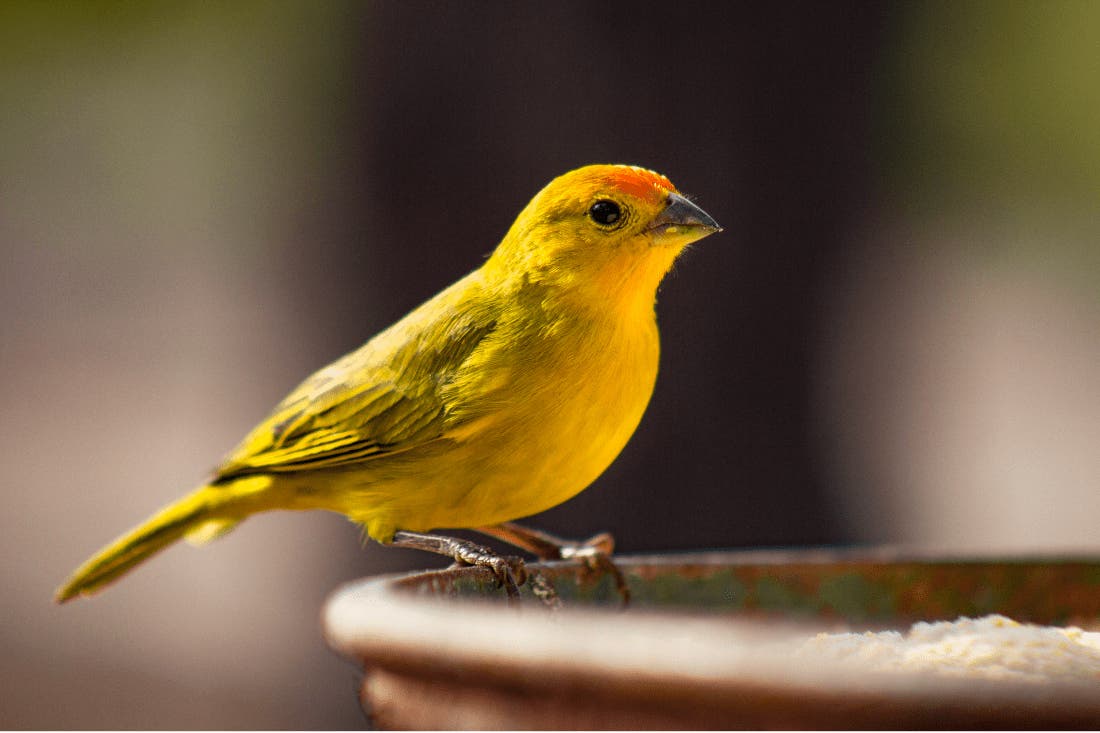
Canary
കാനറി
Syllable: കാ-ന-റി
Pronunciation: Kanari
- The canary sings beautifully. – കാനറി മനോഹരമായി പാടുന്നു.
- The canary is yellow. – കാനറി മഞ്ഞനിറത്തിലാണ്.
- I saw a canary in a cage. – ഞാൻ ഒരു കൂട്ടിലിരിക്കുന്ന കാനറിയെ കണ്ടു.
/https://tf-cmsv2-smithsonianmag-media.s3.amazonaws.com/filer_public/2a/95/2a951379-be49-435b-b0a9-eddb9e834884/5210582753_c660d548d8_o.jpg)
Lovebird
ലവ്ബേർഡ്
Syllable: ലവ്-ബേർഡ്
Pronunciation: Lovebird
- The lovebird is colorful. – ലവ്ബേർഡ് നിറങ്ങളുള്ള പക്ഷിയാണ്.
- Lovebirds live in pairs. – ലവ്ബേർഡുകൾ ജോഡികളായി ജീവിക്കുന്നു.
- I saw a lovebird in a pet shop. – ഞാൻ ഒരു വളർത്തുമൃഗശാലയിൽ ലവ്ബേർഡിനെ കണ്ടു.

Mule
കോവർകഴുത
Syllable: കോ-വർ-ക-ഴു-ത
Pronunciation: Kovarkazhutha
- The mule carries heavy loads. – കോവർകഴുത ഭാരമുള്ള സാധനങ്ങൾ ചുമക്കുന്നു.
- The mule is very strong. – കോവർകഴുത വളരെ ശക്തമാണ്.
- Farmers use mules for transport. – കർഷകർ ഗതാഗതത്തിനായി കോവർകഴുതകളെ ഉപയോഗിക്കുന്നു.

Yak
യാക്
Syllable: യാക്
Pronunciation: Yaak
- The yak lives in cold mountains. – യാക് തണുത്ത മലനിരകളിൽ ജീവിക്കുന്നു.
- The yak has thick fur. – യാക്കിന് കട്ടിയുള്ള രോമമുണ്ട്.
- I saw a yak in a documentary. – ഞാൻ ഒരു ഡോക്യുമെന്ററിയിൽ യാക്കിനെ കണ്ടു.

Llama
ലാമ
Syllable: ലാ-മ
Pronunciation: Laama
- The llama is a gentle animal. – ലാമ സൗമ്യമായ മൃഗമാണ്.
- Llamas are found in South America. – ലാമകൾ ദക്ഷിണ അമേരിക്കയിൽ കാണപ്പെടുന്നു.
- The llama carried supplies. – ലാമ സാധനങ്ങൾ ചുമന്നു.

Alpaca
അൽപാക്ക
Syllable: അൽ-പാ-ക്ക
Pronunciation: Alpaakka
- The alpaca has soft wool. – അൽപാക്കയ്ക്ക് മൃദുവായ രോമമുണ്ട്.
- Alpacas live in herds. – അൽപാക്കകൾ കൂട്ടമായി ജീവിക്കുന്നു.
- I learned about alpacas at school. – ഞാൻ സ്കൂളിൽ അൽപാക്കയെക്കുറിച്ച് പഠിച്ചു.

Guinea Pig
ഗിനിപിഗ്
Syllable: ഗി-നി-പിഗ്
Pronunciation: Ginipig
- The guinea pig is a popular pet. – ഗിനിപിഗ് ഒരു ജനപ്രിയ വളർത്തുമൃഗമാണ്.
- The guinea pig is eating vegetables. – ഗിനിപിഗ് പച്ചക്കറികൾ തിന്നുന്നു.
- My friend has a guinea pig. – എന്റെ സുഹൃത്തിനൊരു ഗിനിപിഗ് ഉണ്ട്.

Hamster
ഹാംസ്റ്റർ
Syllable: ഹാം-സ്റ്റർ
Pronunciation: Haamstar
- The hamster is small and cute. – ഹാംസ്റ്റർ ചെറുതും മനോഹരവുമാണ്.
- The hamster runs on a wheel. – ഹാംസ്റ്റർ ചക്രത്തിൽ ഓടുന്നു.
- I saw a hamster in a cage. – ഞാൻ ഒരു കൂട്ടിലിരിക്കുന്ന ഹാംസ്റ്ററെ കണ്ടു.

Ferret
ഫെററ്റ്
Syllable: ഫെ-ററ്റ്
Pronunciation: Ferret
- The ferret is playful. – ഫെററ്റ് കളിപരമായ മൃഗമാണ്.
- The ferret explored the room. – ഫെററ്റ് മുറി മുഴുവൻ പരിശോധിച്ചു.
- Some people keep ferrets as pets. – ചിലർ ഫെററ്റുകളെ വളർത്തുമൃഗങ്ങളായി വളർത്തുന്നു.

Pony
കുറുക്കുതിര
Syllable: കു-റു-ക്ക്-കു-തി-ര
Pronunciation: Kurukkuthira
- The pony is smaller than a horse. – കുറുക്കുതിര കുതിരയെക്കാൾ ചെറുതാണ്.
- The pony is running in the field. – കുറുക്കുതിര വയലിൽ ഓടുന്നു.
- Children enjoy riding ponies. – കുട്ടികൾക്ക് കുറുക്കുതിര സവാരി ഇഷ്ടമാണ്.

Reindeer
റെയിൻഡിയർ
Syllable: റെയ്ൻ-ഡി-യർ
Pronunciation: Reindeer
- The reindeer lives in cold regions. – റെയിൻഡിയർ തണുത്ത പ്രദേശങ്ങളിൽ ജീവിക്കുന്നു.
- The reindeer has large antlers. – റെയിൻഡിയറിന് വലിയ കൊമ്പുകളുണ്ട്.
- I saw reindeer in a nature show. – ഞാൻ ഒരു പ്രകൃതി പരിപാടിയിൽ റെയിൻഡിയറെ കണ്ടു.

Dove
പ്രാവ്
Syllable: പ്രാ-വ്
Pronunciation: Praavu
- The dove is a symbol of peace. – പ്രാവ് സമാധാനത്തിന്റെ പ്രതീകമാണ്.
- A white dove flew overhead. – ഒരു വെള്ള പ്രാവ് മുകളിലൂടെ പറന്നു.
- The dove sat on a branch. – പ്രാവ് ഒരു കൊമ്പിൽ ഇരുന്നു.

Budgerigar
ബഡ്ജറിഗാർ
Syllable: ബഡ്-ജ-രി-ഗാർ
Pronunciation: Budgerigar
- The budgerigar is a pet bird. – ബഡ്ജറിഗാർ ഒരു വളർത്തുപക്ഷിയാണ്.
- The budgerigar chirps sweetly. – ബഡ്ജറിഗാർ മധുരമായി ചിലയ്ക്കുന്നു.
- My cousin has a budgerigar. – എന്റെ സഹോദരപ്പുത്രന് ഒരു ബഡ്ജറിഗാർ ഉണ്ട്.

Zebra Finch
സീബ്ര ഫിഞ്ച്
Syllable: സീ-ബ്ര ഫിഞ്ച്
Pronunciation: Zebra Finch
- The zebra finch is a tiny bird. – സീബ്ര ഫിഞ്ച് ഒരു ചെറിയ പക്ഷിയാണ്.
- The zebra finch sings softly. – സീബ്ര ഫിഞ്ച് മൃദുവായി പാടുന്നു.
- I saw zebra finches at the aviary. – ഞാൻ പക്ഷിശാലയിൽ സീബ്ര ഫിഞ്ചുകളെ കണ്ടു.

Cockatiel
കോക്കറ്റീൽ
Syllable: കോ-ക്ക-റ്റീൽ
Pronunciation: Kokkateel
- The cockatiel is friendly. – കോക്കറ്റീൽ സൗഹൃദപരമായ പക്ഷിയാണ്.
- The cockatiel has a crest. – കോക്കറ്റീലിന് തലയിൽ ഒരു തൂവൽക്കിരീടമുണ്ട്.
- My neighbor keeps a cockatiel. – എന്റെ അയൽവാസി ഒരു കോക്കറ്റീൽ വളർത്തുന്നു.
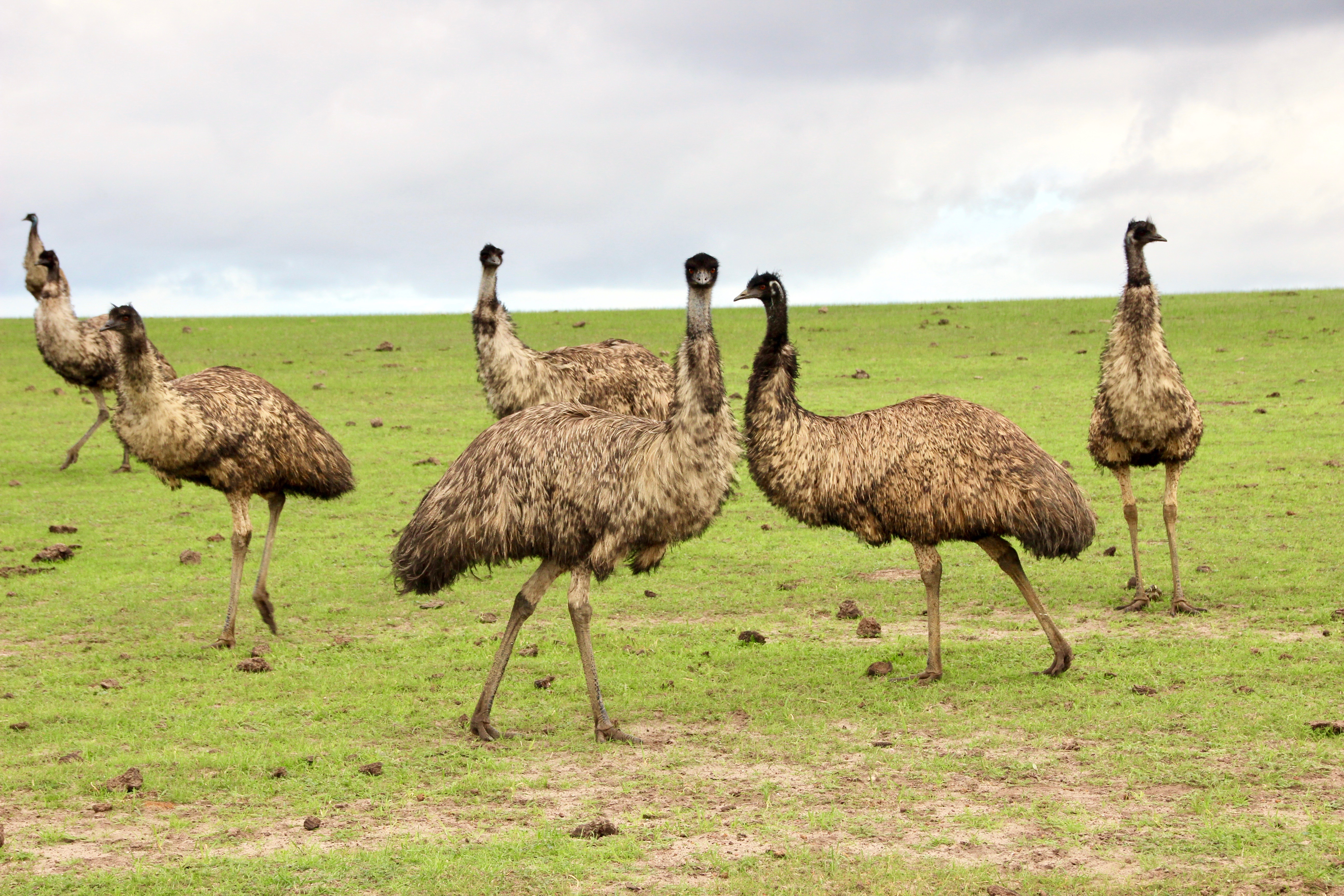
Emu
ഈമു
Syllable: ഈ-മു
Pronunciation: Eemu
- The emu is a large bird. – ഈമു ഒരു വലിയ പക്ഷിയാണ്.
- The emu cannot fly. – ഈമുവിന് പറക്കാൻ കഴിയില്ല.
- I learned about emus in class. – ഞാൻ ക്ലാസിൽ ഈമുവിനെക്കുറിച്ച് പഠിച്ചു.
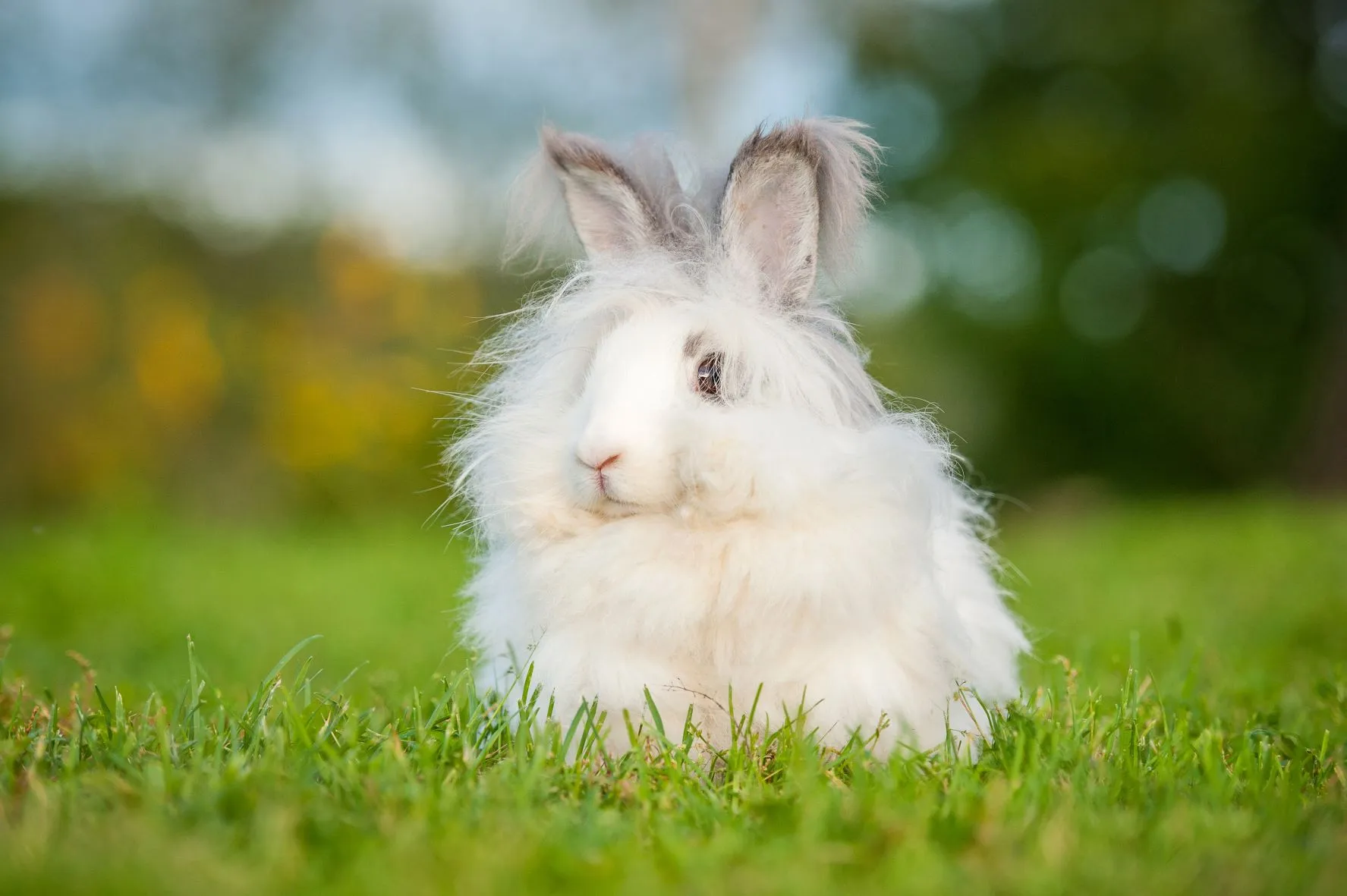
Angora Rabbit
അങ്കോറ മുയൽ
Syllable: അൻ-കോ-റ മു-യൽ
Pronunciation: Angora Muyal
- The Angora rabbit has long fur. – അങ്കോറ മുയലിന് നീളമുള്ള രോമമുണ്ട്.
- The Angora rabbit looks fluffy. – അങ്കോറ മുയൽ മൃദുവായതായി തോന്നുന്നു.
- I saw an Angora rabbit at a farm. – ഞാൻ ഫാമിൽ ഒരു അങ്കോറ മുയലിനെ കണ്ടു.

Persian Cat
പേർഷ്യൻ പൂച്ച
Syllable: പേർ-ഷ്യൻ പൂ-ച്ച
Pronunciation: Pershyan Poocha
- The Persian cat has long hair. – പേർഷ്യൻ പൂച്ചയ്ക്ക് നീളമുള്ള രോമമുണ്ട്.
- The Persian cat is very calm. – പേർഷ്യൻ പൂച്ച വളരെ ശാന്തമാണ്.
- My friend owns a Persian cat. – എന്റെ സുഹൃത്തിന് ഒരു പേർഷ്യൻ പൂച്ചയുണ്ട്.

Aseel Chicken
അസീൽ കോഴി
Syllable: അ-സീൽ കോ-ഴി
Pronunciation: Aseel Kozhi
- The Aseel chicken is strong. – അസീൽ കോഴി ശക്തമാണ്.
- The Aseel chicken has a proud stance. – അസീൽ കോഴിക്ക് ഗംഭീരമായ ഭാവമുണ്ട്.
- Farmers raise Aseel chickens. – കർഷകർ അസീൽ കോഴികളെ വളർത്തുന്നു.
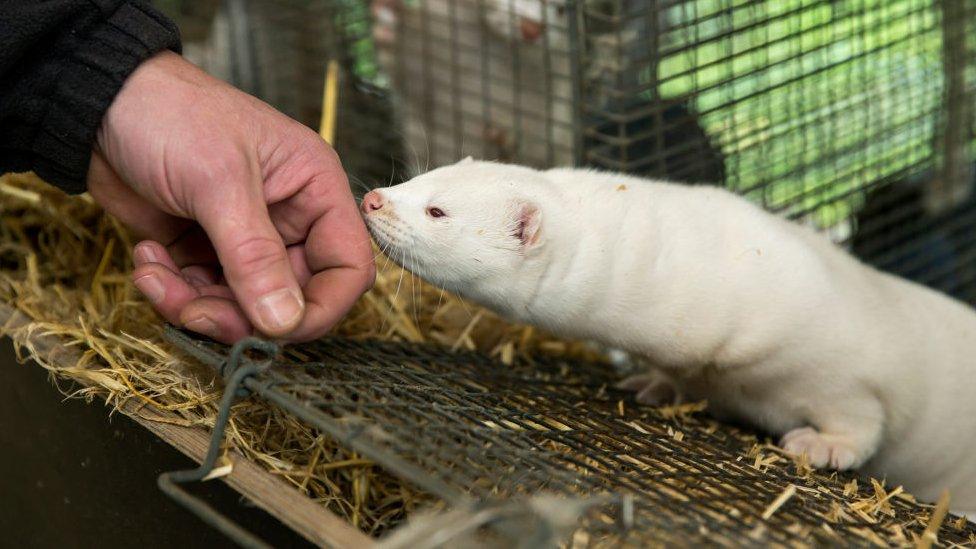
Mink
മിങ്ക്
Syllable: മിങ്ക്
Pronunciation: Mink
- The mink has soft fur. – മിങ്കിന് മൃദുവായ രോമമുണ്ട്.
- The mink is a clever animal. – മിങ്ക് ബുദ്ധിയുള്ള മൃഗമാണ്.
- I read about minks in a book. – ഞാൻ ഒരു പുസ്തകത്തിൽ മിങ്കിനെക്കുറിച്ച് വായിച്ചു.
Easy Ways to Remember Malayalam Domestic Animal Names
One simple method is to connect each animal with its appearance, sound, or role. A cow in a field, a barking dog, or a horse pulling a cart can create strong mental images that make vocabulary easier to remember.
Visual learning tools can also be very effective. Animal charts, flashcards, and illustrated books allow learners to see the animal while reading its Malayalam name. This helps strengthen the connection between image and vocabulary.
Learners may also find it useful to group animals into categories such as pets, farm animals, and working animals. Organizing words in this way can make them easier to recall later.
Simple Practice Ideas
- Use animal flashcards with Malayalam names.
- Learn a few new animal names every week.
- Draw domestic animals and label them.
- Visit a farm and identify animals in Malayalam.
- Watch Malayalam educational videos about animals.
- Create a notebook for animal vocabulary.
- Match animal pictures with their names.
- Practice pronunciation aloud.
- Use animal names in short sentences.
- Review older vocabulary regularly.
- Observe animals in your surroundings.
- Ask family members to quiz you.
A little practice each day can help learners remember animal names more confidently and accurately.
Domestic Animal Names in Malayalam At a Glance
| # | English Name | Malayalam Name | Pronunciation |
|---|---|---|---|
| 1 | Cow | പശു | Pashu |
| 2 | Buffalo | എരുമ | Eruma |
| 3 | Ox | കാള | Kaala |
| 4 | Dog | നായ | Naya |
| 5 | Cat | പൂച്ച | Poocha |
| 6 | Goat | ആട് | Aadu |
| 7 | Sheep | ചെമ്മരിയാട് | Chemmariyaadu |
| 8 | Horse | കുതിര | Kuthira |
| 9 | Donkey | കഴുത | Kazhutha |
| 10 | Camel | ഒട്ടകം | Ottakam |
| 11 | Foal | കുതിരക്കുട്ടി | Kuthirakkutti |
| 12 | Rabbit | മുയൽ | Muyal |
| 13 | Hen | കോഴി | Kozhi |
| 14 | Rooster | പൂവൻകോഴി | Poovankozhi |
| 15 | Duck | താറാവ് | Thaaraavu |
| 16 | Goose | വാത്ത് | Vaathu |
| 17 | Turkey | ടർക്കി | Turki |
| 18 | Pigeon | പ്രാവ് | Praavu |
| 19 | Parrot | തത്ത | Thatha |
| 20 | Canary | കാനറി | Kanari |
| 21 | Lovebird | ലവ്ബേർഡ് | Lovebird |
| 22 | Mule | കോവർകഴുത | Kovarkazhutha |
| 23 | Yak | യാക് | Yaak |
| 24 | Llama | ലാമ | Laama |
| 25 | Alpaca | അൽപാക്ക | Alpaakka |
| 26 | Guinea Pig | ഗിനിപിഗ് | Ginipig |
| 27 | Hamster | ഹാംസ്റ്റർ | Haamstar |
| 28 | Ferret | ഫെററ്റ് | Ferret |
| 29 | Pony | കുറുക്കുതിര | Kurukkuthira |
| 30 | Reindeer | റെയിൻഡിയർ | Reindeer |
| 31 | Dove | പ്രാവ് | Praavu |
| 32 | Budgerigar | ബഡ്ജറിഗാർ | Budgerigar |
| 33 | Zebra Finch | സീബ്ര ഫിഞ്ച് | Zebra Finch |
| 34 | Cockatiel | കോക്കറ്റീൽ | Kokkateel |
| 35 | Emu | ഈമു | Eemu |
| 36 | Angora Rabbit | അങ്കോറ മുയൽ | Angora Muyal |
| 37 | Persian Cat | പേർഷ്യൻ പൂച്ച | Pershyan Poocha |
| 38 | Aseel Chicken | അസീൽ കോഴി | Aseel Kozhi |
| 39 | Mink | മിങ്ക് | Mink |
Malayalam Domestic Animal Quiz
Building Malayalam Vocabulary Through Familiar Animals
Domestic animals offer a practical way to learn Malayalam because they are already part of many learners’ daily experiences. Their names are useful in conversations, educational materials, and everyday observations, making them valuable vocabulary words to know.
As you continue exploring Malayalam, animal-related topics can introduce many interesting words connected to nature and daily life.
Which domestic animal do you see most often where you live? Have you ever cared for a pet or visited a farm? Share your experiences in the comments and let other learners know which Malayalam animal name was the easiest for you to remember.