On any clear night across Maharashtra’s vast Deccan plateau, far from the glow of Pune or Mumbai, the planets are visible to the naked eye with a clarity that reminds you how long human beings have been watching them. Saturn’s steady golden light, Jupiter’s brilliant white presence dominating the southern sky, Mars burning red on the horizon — these are the same planetary lights that Marathi astronomers and scholars were naming, tracking, and writing about centuries before modern telescopes existed.
India’s astronomical tradition is among the oldest and most mathematically sophisticated in the world, and Maharashtra has been a significant centre of that tradition for well over a thousand years. The great astronomer-mathematician Brahmagupta, whose work on planetary motion influenced both Indian and Islamic astronomy, belongs to a tradition that shaped the Marathi language’s own rich vocabulary for celestial objects. Planet names in Marathi are not translations from English — they are original Sanskrit-rooted words that describe each planet’s character, colour, and movement with remarkable precision.
Learning planet names in Marathi connects you to this extraordinary intellectual heritage while also building vocabulary that is genuinely useful in modern contexts — in science classrooms, in Marathi textbooks, in the traditional Panchang almanac, and in the conversations of a language community that has always looked at the night sky with curiosity, wonder, and a deep desire to understand what it sees.
Why Learning Planet Names In Marathi Is Important
Planet names in Marathi sit at a fascinating intersection of ancient astronomical tradition and modern scientific education. Unlike many vocabulary categories that belong exclusively to either traditional or modern contexts, planet names in Marathi function fluently in both — they appear in the classical astronomical literature of Maharashtra’s scholarly tradition and in the science textbooks of Marathi medium schools across the state today. A learner who knows these names has vocabulary that works across the full range of Marathi intellectual life from the ancient to the contemporary.
For students in Marathi medium schools, planet names in Marathi are directly relevant to their science curriculum. Maharashtra’s Marathi medium school system serves millions of students across rural and semi-urban areas, and science education delivered in Marathi requires a precise and consistent planetary vocabulary.
A student who knows that Jupiter is called Guru (गुरू) in Marathi and that Saturn is Shani (शनी) is not just learning vocabulary — they are building the conceptual framework in their mother tongue that allows them to engage with astronomical science at every level of their education without the additional cognitive burden of processing scientific concepts in a second language.
- It builds scientifically relevant Marathi vocabulary used directly in Marathi medium school science education
- It connects language learning to India’s extraordinary ancient astronomical tradition and its Marathi expression
- It helps students engage with astronomy and space science through the confidence of their mother tongue
- It links Marathi vocabulary to the traditional Panchang system where planetary names appear constantly
- It builds appreciation for the depth and precision of the Sanskrit-rooted astronomical vocabulary that Marathi inherited
- It makes Marathi feel intellectually rich, scientifically relevant, and connected to both ancient heritage and modern knowledge
Explore Planet Names In Marathi

Mercury
బుధుడు
Syllable: బు-ధు-డు
Pronunciation: Mercury
- Mercury is the closest planet to the Sun – బుధుడు సూర్యునికి అత్యంత దగ్గర గ్రహం
- Mercury is very hot – బుధుడు చాలా వేడిగా ఉంటుంది
- Mercury moves quickly around the Sun – బుధుడు సూర్యుని చుట్టూ వేగంగా తిరుగుతుంది

Venus
శుక్రుడు
Syllable: శు-క్రు-డు
Pronunciation: Venus
- Venus is bright in the sky – శుక్రుడు ఆకాశంలో ప్రకాశంగా కనిపిస్తుంది
- Venus is called the morning star – శుక్రుడిని ఉదయ తార అని అంటారు
- Venus is similar in size to Earth – శుక్రుడు పరిమాణంలో భూమికి దగ్గరగా ఉంటుంది

Earth
భూమి
Syllable: భూ-మి
Pronunciation: Earth
- Earth is our home planet – భూమి మన నివాస గ్రహం
- Earth supports life – భూమిపై జీవం ఉంది
- We live on Earth – మనం భూమిపై జీవిస్తున్నాం

Mars
అంగారకుడు
Syllable: అం-గా-ర-కు-డు
Pronunciation: Mars
- Mars is called the Red Planet – అంగారకుడిని ఎర్ర గ్రహం అంటారు
- Mars has mountains – అంగారకుడిపై పర్వతాలు ఉన్నాయి
- Scientists study Mars – శాస్త్రవేత్తలు అంగారకుడిని అధ్యయనం చేస్తున్నారు

Jupiter
గురు
Syllable: గు-రు
Pronunciation: Jupiter
- Jupiter is the largest planet – గురు అతిపెద్ద గ్రహం
- Jupiter has many moons – గురుకు అనేక ఉపగ్రహాలు ఉన్నాయి
- Jupiter is a gas giant – గురు వాయు గ్రహం

Saturn
శని
Syllable: శ-ని
Pronunciation: Saturn
- Saturn has beautiful rings – శనికి అందమైన వలయాలు ఉన్నాయి
- Saturn is a giant planet – శని ఒక భారీ గ్రహం
- The rings of Saturn are famous – శని వలయాలు ప్రసిద్ధి చెందాయి

Uranus
అరుణుడు
Syllable: అ-రు-ణు-డు
Pronunciation: Uranus
- Uranus is very cold – అరుణుడు చాలా చల్లగా ఉంటుంది
- Uranus rotates differently – అరుణుడు భిన్నంగా తిరుగుతుంది
- Uranus is a distant planet – అరుణుడు దూరమైన గ్రహం

Neptune
వరుణుడు
Syllable: వ-రు-ణు-డు
Pronunciation: Neptune
- Neptune is the farthest planet – వరుణుడు అత్యంత దూర గ్రహం
- Neptune has strong winds – వరుణుడిపై బలమైన గాలులు వీస్తాయి
- Neptune appears blue – వరుణుడు నీలం రంగులో కనిపిస్తుంది

Pluto
యముడు
Syllable: య-ము-డు
Pronunciation: Pluto
- Pluto is a dwarf planet – యముడు ఒక కురచ గ్రహం
- Pluto is very far away – యముడు చాలా దూరంలో ఉంది
- Scientists study Pluto – శాస్త్రవేత్తలు యముడిని అధ్యయనం చేస్తారు

Sun
సూర్యుడు
Syllable: సూ-ర్యు-డు
Pronunciation: Sun
- The Sun gives us light – సూర్యుడు మనకు వెలుతురు ఇస్తాడు
- The Sun rises in the east – సూర్యుడు తూర్పున ఉదయిస్తాడు
- The Sun is a star – సూర్యుడు ఒక నక్షత్రం

Moon
చంద్రుడు
Syllable: చం-ద్రు-డు
Pronunciation: Moon
- The Moon shines at night – చంద్రుడు రాత్రి ప్రకాశిస్తాడు
- The Moon orbits Earth – చంద్రుడు భూమి చుట్టూ తిరుగుతాడు
- We can see the Moon clearly – మనం చంద్రుణ్ని స్పష్టంగా చూడగలం

Solar System
సౌర వ్యవస్థ
Syllable: సౌ-ర వ్-య-వ-స్థ
Pronunciation: Solar System
- The Solar System has eight planets – సౌర వ్యవస్థలో ఎనిమిది గ్రహాలు ఉన్నాయి
- We live in the Solar System – మనం సౌర వ్యవస్థలో నివసిస్తున్నాం
- The Sun is at the center of the Solar System – సౌర వ్యవస్థ మధ్యలో సూర్యుడు ఉన్నాడు

Galaxy
ఆకాశగంగ
Syllable: ఆ-కా-శ-గం-గ
Pronunciation: Galaxy
- The Milky Way is a galaxy – పాలపుంత ఒక ఆకాశగంగ
- Our Solar System is in a galaxy – మన సౌర వ్యవస్థ ఒక ఆకాశగంగలో ఉంది
- Galaxies contain billions of stars – ఆకాశగంగల్లో కోట్లాది నక్షత్రాలు ఉంటాయి
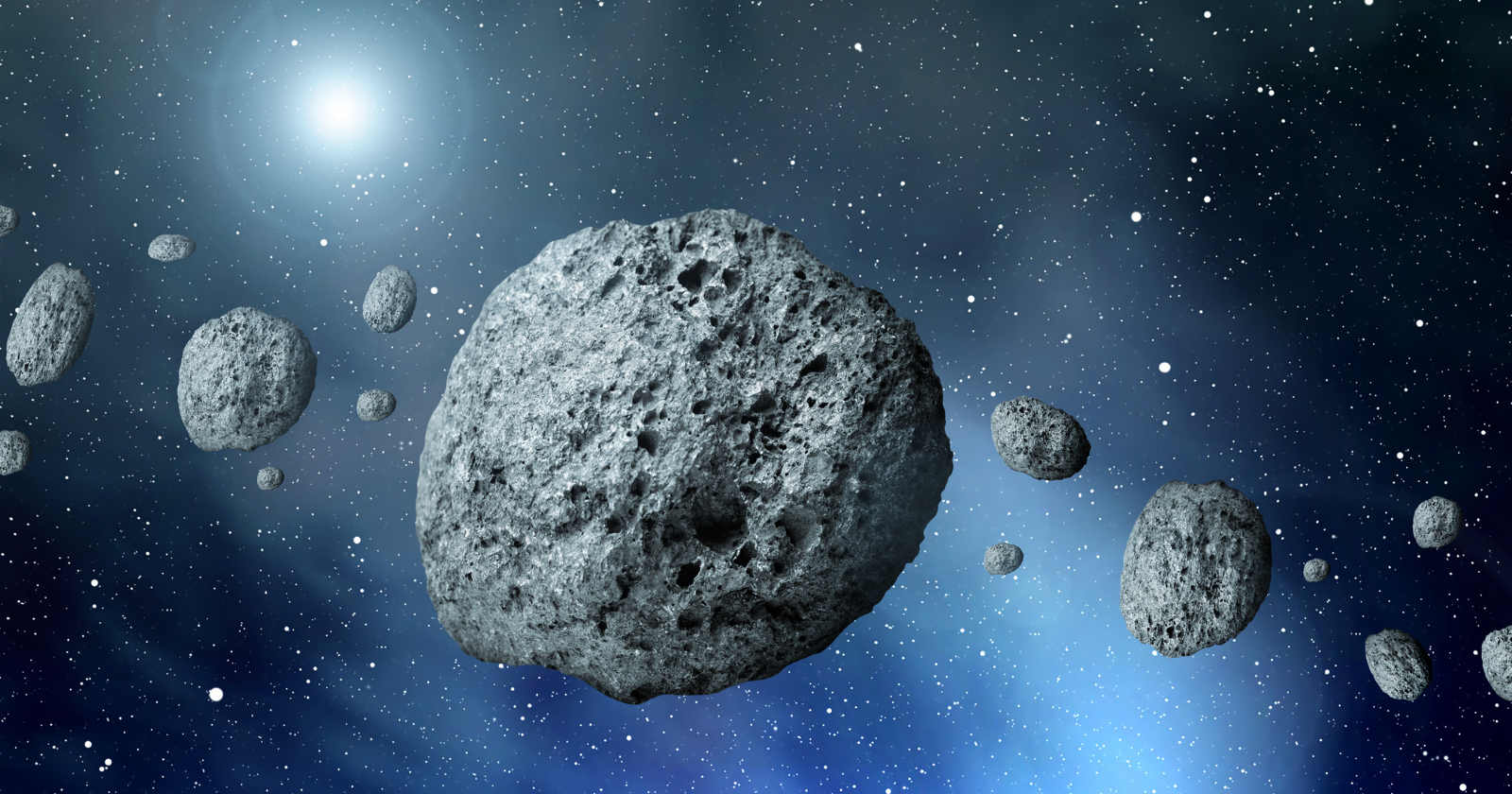
Asteroid
గ్రహశకలం
Syllable: గ్ర-హ-శ-క-లం
Pronunciation: Asteroid
- An asteroid travels through space – గ్రహశకలం అంతరిక్షంలో ప్రయాణిస్తుంది
- Some asteroids are very large – కొన్ని గ్రహశకలాలు చాలా పెద్దవి
- Scientists track asteroids – శాస్త్రవేత్తలు గ్రహశకలాలను గమనిస్తారు

Comet
తోకచుక్క
Syllable: తో-క-చుక్-క
Pronunciation: Comet
- A comet has a bright tail – తోకచుక్కకు ప్రకాశవంతమైన తోక ఉంటుంది
- Comets travel around the Sun – తోకచుక్కలు సూర్యుని చుట్టూ తిరుగుతాయి
- A comet can be seen in the sky – తోకచుక్క ఆకాశంలో కనిపిస్తుంది

Meteor
ఉల్క
Syllable: ఉల్-క
Pronunciation: Meteor
- A meteor streaks across the sky – ఉల్క ఆకాశంలో వేగంగా దూసుకుపోతుంది
- People call it a shooting star – దీనిని పడే నక్షత్రం అంటారు
- A meteor burns in the atmosphere – ఉల్క వాతావరణంలో కాలిపోతుంది

Meteorite
ఉల్కాఖండం
Syllable: ఉల్-కా-ఖం-డం
Pronunciation: Meteorite
- A meteorite falls to Earth – ఉల్కాఖండం భూమిపై పడుతుంది
- Scientists study meteorites – శాస్త్రవేత్తలు ఉల్కాఖండాలను అధ్యయనం చేస్తారు
- The meteorite is made of rock and metal – ఉల్కాఖండం రాళ్లు మరియు లోహాలతో తయారవుతుంది

Black Hole
కృష్ణబిలం
Syllable: కృ-ష్ణ-బి-లం
Pronunciation: Black Hole
- A black hole has strong gravity – కృష్ణబిలానికి బలమైన గురుత్వాకర్షణ ఉంటుంది
- Light cannot escape a black hole – కృష్ణబిలం నుంచి కాంతి బయటకు రాదు
- Scientists research black holes – శాస్త్రవేత్తలు కృష్ణబిలాలను పరిశోధిస్తారు

Star
నక్షత్రం
Syllable: న-క్ష-త్రం
Pronunciation: Star
- A star shines in the sky – నక్షత్రం ఆకాశంలో ప్రకాశిస్తుంది
- The Sun is a star – సూర్యుడు ఒక నక్షత్రం
- Many stars are visible at night – రాత్రి అనేక నక్షత్రాలు కనిపిస్తాయి

Constellation
నక్షత్ర మండలం
Syllable: న-క్ష-త్ర మం-డ-లం
Pronunciation: Constellation
- Orion is a constellation – ఒరియన్ ఒక నక్షత్ర మండలం
- A constellation is a group of stars – నక్షత్ర మండలం అనేది నక్షత్రాల సమూహం
- People identify constellations in the sky – ప్రజలు ఆకాశంలో నక్షత్ర మండలాలను గుర్తిస్తారు
Planet Names In Marathi Science Education And Modern Life
The teaching and learning of planet names in Marathi has taken on new significance in recent decades as Maharashtra’s investment in Marathi medium science education has grown alongside the state’s broader engagement with space science, astronomical research, and the inspiring achievements of India’s space programme that have captured the imagination of Marathi-speaking communities across the state.
Maharashtra’s Marathi medium schools teach astronomy as part of the science curriculum across multiple grade levels, and the Marathi vocabulary for planets, stars, and celestial phenomena is therefore a genuinely practical educational necessity for millions of students.
When a science teacher can explain that Guru — Jupiter — is so massive that it could contain all the other planets of the solar system within its volume, or that Shani — Saturn — has rings made of ice and rock that stretch for hundreds of thousands of kilometres, the scientific concept lands with far greater clarity and retention in a student’s mind when it is delivered in their mother tongue through vocabulary they already find familiar and meaningful.
The success of India’s space programme — and particularly the achievements of ISRO that have generated enormous national pride across Maharashtra — has created a new generation of Marathi-speaking students and adults who are deeply interested in space science and who want to engage with that interest in their own language.
Marathi science communicators, YouTube educators, and science writers have responded to this enthusiasm by producing an expanding body of Marathi content about planets, space exploration, and astronomical discoveries — content that uses the classical Marathi planet vocabulary alongside modern scientific terminology in a way that makes both traditions feel alive, relevant, and mutually enriching.
The traditional Panchang system — which remains in active use across Maharashtra’s communities for agricultural scheduling and community planning — uses planetary names constantly throughout its pages.
Shani, Guru, Mangal, Shukra, and Budha appear in the Panchang as markers of the weekly calendar — Shanivaar for Saturday, Guruvaar for Thursday, Mangalvaar for Tuesday, Shukravaar for Friday, and Budhvaar for Wednesday — creating a direct and daily connection between the Marathi names of five planets and the seven-day week that every Marathi speaker navigates without ever stopping to think about its astronomical origins.
Planet Names At a Glance
| # | English Name | Marathi Name | Pronunciation |
|---|---|---|---|
| 1 | Mercury | बुध | Budh |
| 2 | Venus | शुक्र | Shukra |
| 3 | Earth | पृथ्वी | Pruthvi |
| 4 | Mars | मंगळ | Mangal |
| 5 | Jupiter | गुरू | Guru |
| 6 | Saturn | शनि | Shani |
| 7 | Uranus | अरुण | Arun |
| 8 | Neptune | वरुण | Varun |
| 9 | Pluto | यम | Yam |
| 10 | Sun | सूर्य | Surya |
| 11 | Moon | चंद्र | Chandra |
| 12 | Solar System | सौरमाला | Sauramala |
| 13 | Galaxy | आकाशगंगा | Akashganga |
| 14 | Asteroid | लघुग्रह | Laghugrah |
| 15 | Comet | धूमकेतू | Dhoomketu |
| 16 | Meteor | उल्का | Ulka |
| 17 | Meteorite | उलकापिंड | Ulkapind |
| 18 | Black Hole | कृष्णविवर | Krushnavivar |
| 19 | Star | तारा | Tara |
| 20 | Constellation | तारकासमूह | Tarakasamuha |
Marathi Planet Quiz
Practice Marathi planet vocabulary with this interactive multiple-choice quiz.
Easy Tips To Remember Marathi Planet Names
- Connect planet names to the days of the week — Five of the seven days of the Marathi week are named directly after planets — Shanivaar, Guruvaar, Mangalvaar, Shukravaar, and Budhavaar. Every time you say a day of the week in Marathi you are already using a planet name without realising it. Making this connection conscious turns everyday calendar vocabulary into instant planet vocabulary revision.
- Learn the meaning inside each name — Surya means the Sun’s brilliance, Chandra means the shining one, Shukra means bright white, Guru means the heavy one or great teacher, Mangal means auspicious. Understanding the descriptive logic inside each name makes it dramatically easier to remember than treating it as an arbitrary label to memorise by repetition.
- Watch Marathi science videos about space — Maharashtra has a growing community of Marathi science communicators on YouTube who discuss planets, space missions, and astronomical discoveries in fluent, natural Marathi. Watching these videos builds planet vocabulary through genuine interest and real contextual use rather than through formal study.
- Spot planets in the night sky using Marathi names — Jupiter — Guru — is one of the brightest objects in the night sky and easily visible to the naked eye. Saturn — Shani — is clearly visible on most clear nights. Mars — Mangal — burns distinctively red on the horizon. Going outside on a clear night and identifying planets by their Marathi names turns vocabulary learning into a genuine astronomical experience.
- Practice with a worksheet — Matching planet images to their Marathi names, writing names from memory, connecting planets to their Sanskrit meanings, or completing simple Marathi sentences about the solar system all build active recall far more effectively than passive reading or list memorisation alone.
Maharashtra Has Always Reached For The Stars In Its Own Language
The planets that cross Maharashtra’s night sky have Marathi names that are older than the telescopes that later confirmed what ancient astronomers already suspected — that these wandering lights follow precise and predictable paths through the cosmos.
Learning these names is not just vocabulary practice; it is a way of connecting to a tradition of intellectual curiosity, careful observation, and the deep human desire to understand the universe that Maharashtra’s scholarly communities have pursued in their own language for more than a thousand years.
Which Marathi planet name surprised you most with its meaning and logic — or did you already know that the days of the Marathi week are named after planets without ever realising it? Share it in the comments below, we would love to hear your thoughts!