Step into any Maharashtrian flower market before sunrise and the world transforms into something extraordinary. Buckets of fresh marigolds glowing orange in the early light, bundles of jasmine releasing their fragrance into the cool morning air, roses stacked in careful rows of red and pink and white — the flower market is one of the most alive and sensory places Maharashtra has to offer, and it opens every single day without exception.
Maharashtra is one of India’s most significant flower-growing states. The valleys around Nashik, the hillside farms of the Sahyadri range, and the coastal gardens of the Konkan supply an enormous and continuous harvest of flowers to markets, homes, and celebrations across the state. Flower farming is a serious agricultural industry here, supporting thousands of farming families whose knowledge of cultivation, variety, and season runs generations deep.
Learning flower names in Marathi connects you to this world of natural beauty and everyday abundance. These are words spoken at flower stalls and garden gates, heard in the conversations of farmers and florists, and embedded in the most poetic corners of the Marathi literary tradition — words that carry colour, fragrance, and the quiet joy of a language that has always paid close attention to the natural world around it.
Why Learning Flower Names In Marathi Is Important
Flower names in Marathi are among the most poetic and immediately pleasurable vocabulary a learner can acquire. Unlike many word sets that serve purely functional purposes, flower names carry beauty with them — they are words that feel good to say, that connect to vivid sensory memories, and that appear across a surprisingly wide range of everyday Marathi contexts.
From garden conversations to wedding decorations, from school nature projects to the Marathi poetry that children encounter in their textbooks, flower vocabulary is both practically useful and genuinely enriching.
For children, flowers offer one of the most naturally motivating vocabulary learning opportunities available in any language. Children are drawn to colour, fragrance, and the tactile experience of handling petals and stems — and those sensory experiences become powerful memory anchors when Marathi flower names are introduced alongside them.
A child who learns the word Zendoo (झेंडू) while helping to arrange marigolds for a family celebration, or who discovers that the jasmine in the garden is called Mogra (मोगरा) while smelling its fragrance on a summer evening, is building vocabulary through the most durable kind of memory — the kind rooted in genuine sensory and emotional experience rather than in rote repetition.
- It builds poetic and culturally rich Marathi vocabulary rooted in natural beauty and everyday celebration
- It helps children connect the Marathi language to flowers they encounter in gardens, markets, and family occasions
- It supports learners in understanding Marathi folk songs, poetry, and literary traditions where flower imagery appears constantly
- It enables confident participation in flower market visits, wedding decoration planning, and garden conversations in Marathi
- It connects language learning to Maharashtra’s significant flower farming industry and agricultural heritage
- It makes Marathi feel poetic, sensory, and alive in a way that purely practical vocabulary can never quite achieve
Explore Flowers Names In Marathi

Rose
गुलाब
Syllable: गु-लाब
Pronunciation: Gulab
- Red Rose – लाल गुलाब
- Flower Bouquet – फुलांचा गुच्छ
- Rose Plant – गुलाबाचे झाड

Lotus
कमळ
Syllable: क-मळ
Pronunciation: Kamal
- Lotus Flower – कमळाचे फूल
- Lotus Pond – कमळाचे तळे
- Lotus Leaf – कमळाचे पान

Jasmine
जाई
Syllable: जा-ई
Pronunciation: Jai
- Jasmine Flower – जाईचे फूल
- Jasmine Plant – जाईचे झाड
- Jasmine Garland – जाईचा हार

Arabian Jasmine
मोगरा
Syllable: मो-ग-रा
Pronunciation: Mogra
- Mogra Flower – मोगऱ्याचे फूल
- Mogra Garland – मोगऱ्याचा हार
- Mogra Plant – मोगऱ्याचे झाड

Marigold
झेंडू
Syllable: झें-डू
Pronunciation: Zendu
- Marigold Flower – झेंडूचे फूल
- Marigold Garland – झेंडूचा हार
- Marigold Plant – झेंडूचे झाड

Sunflower
सूर्यफूल
Syllable: सू-र्य-फूल
Pronunciation: Suryaphool
- Sunflower – सूर्यफूल
- Sunflower Field – सूर्यफुलांचे शेत
- Sunflower Plant – सूर्यफुलाचे झाड

Hibiscus
जास्वंद
Syllable: जा-स्वंद
Pronunciation: Jaswand
- Hibiscus Flower – जास्वंदाचे फूल
- Hibiscus Plant – जास्वंदाचे झाड
- Red Hibiscus – लाल जास्वंद

Lily
लिली
Syllable: लि-ली
Pronunciation: Lily
- White Lily – पांढरी लिली
- Lily Plant – लिलीचे झाड
- Lily Bouquet – लिलीचा गुच्छ

Tuberose
निशिगंध
Syllable: नि-शि-गंध
Pronunciation: Nishigandha
- Tuberose Flower – निशिगंधाचे फूल
- Tuberose Garland – निशिगंधाचा हार
- Tuberose Plant – निशिगंधाचे झाड

Chrysanthemum
शेवंती
Syllable: शे-वंटी
Pronunciation: Shevanti
- Chrysanthemum Flower – शेवंतीचे फूल
- Yellow Chrysanthemum – पिवळी शेवंती
- Shevanti Plant – शेवंतीचे झाड

Periwinkle
सदाफुली
Syllable: स-दा-फु-ली
Pronunciation: Sadaphuli
- Periwinkle Flower – सदाफुलीचे फूल
- Pink Periwinkle – गुलाबी सदाफुली
- Periwinkle Plant – सदाफुलीचे झाड

Oleander
कण्हेर
Syllable: कण्हे-र
Pronunciation: Kanher
- Oleander Flower – कण्हेराचे फूल
- Oleander Plant – कण्हेराचे झाड
- Pink Oleander – गुलाबी कण्हेर

Champak
चाफा
Syllable: चा-फा
Pronunciation: Chafa
- Champak Flower – चाफ्याचे फूल
- White Champak – पांढरा चाफा
- Champak Tree – चाफ्याचे झाड

Golden Champak
सोनचाफा
Syllable: सो-न-चा-फा
Pronunciation: Sonchafa
- Golden Champak – सोनचाफ्याचे फूल
- Champak Tree – सोनचाफ्याचे झाड
- Yellow Flower – पिवळे फूल

Orchid
ऑर्किड
Syllable: ऑर्-किड
Pronunciation: Orchid
- Orchid Flower – ऑर्किड फूल
- Purple Orchid – जांभळे ऑर्किड
- Orchid Plant – ऑर्किड झाड

Daisy
डेझी
Syllable: डे-झी
Pronunciation: Daisy
- Daisy Flower – डेझी फूल
- White Daisy – पांढरी डेझी
- Daisy Plant – डेझीचे झाड

Tulip
ट्यूलिप
Syllable: ट्यू-लिप
Pronunciation: Tulip
- Red Tulip – लाल ट्यूलिप
- Yellow Tulip – पिवळे ट्यूलिप
- Tulip Garden – ट्यूलिप बाग

Daffodil
डॅफोडिल
Syllable: डॅ-फो-डिल
Pronunciation: Daffodil
- Daffodil Flower – डॅफोडिल फूल
- Yellow Daffodil – पिवळे डॅफोडिल
- Daffodil Plant – डॅफोडिल झाड
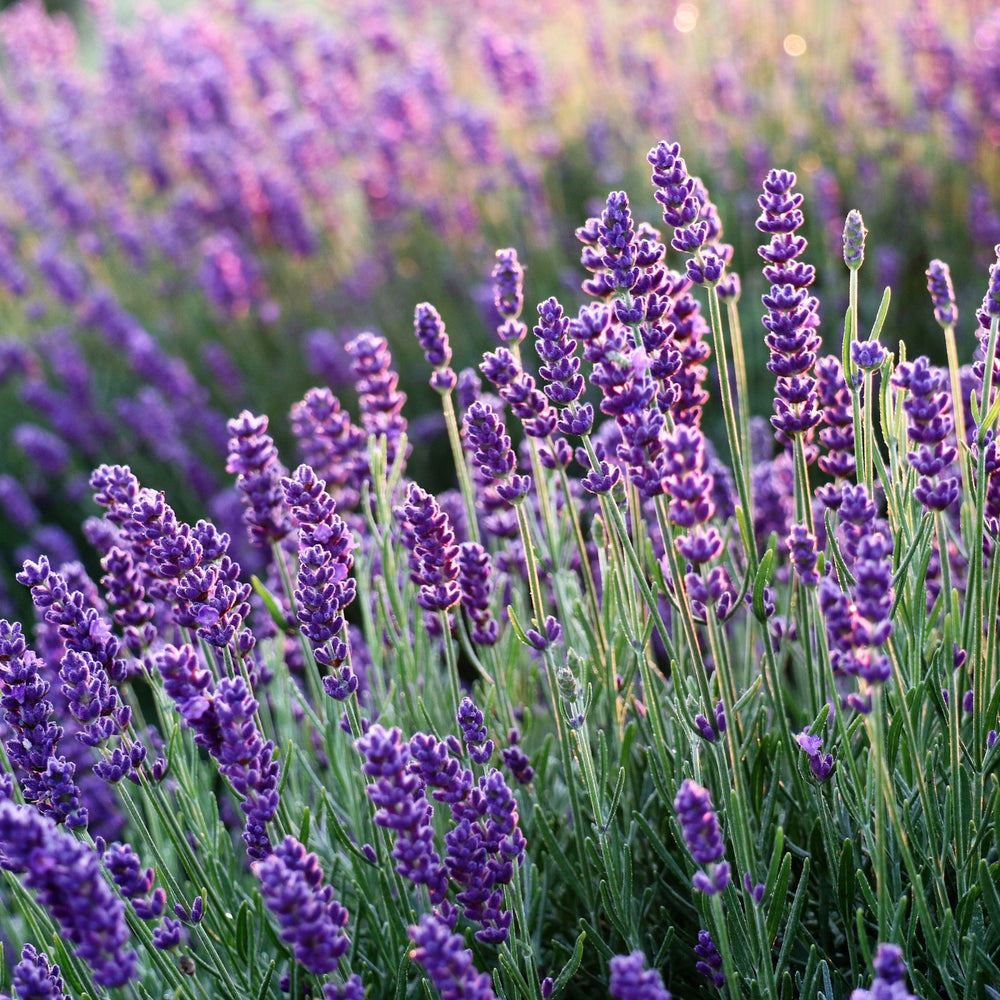
Lavender
लॅव्हेंडर
Syllable: लॅ-व्हें-डर
Pronunciation: Lavender
- Lavender Flower – लॅव्हेंडर फूल
- Lavender Plant – लॅव्हेंडर झाड
- Lavender Field – लॅव्हेंडर शेत

Magnolia
मॅग्नोलिया
Syllable: मॅ-ग्नो-लि-या
Pronunciation: Magnolia
- Magnolia Flower – मॅग्नोलिया फूल
- Magnolia Tree – मॅग्नोलिया झाड
- White Magnolia – पांढरे मॅग्नोलिया

Carnation
कार्नेशन
Syllable: कार्-ने-शन
Pronunciation: Carnation
- Red Carnation – लाल कार्नेशन
- Carnation Bouquet – कार्नेशन गुच्छ
- Carnation Plant – कार्नेशन झाड

Dahlia
डहेलिया
Syllable: ड-हे-लि-या
Pronunciation: Dahlia
- Dahlia Flower – डहेलिया फूल
- Pink Dahlia – गुलाबी डहेलिया
- Dahlia Plant – डहेलिया झाड

Pansy
पॅन्सी
Syllable: पॅन-सी
Pronunciation: Pansy
- Pansy Flower – पॅन्सी फूल
- Purple Pansy – जांभळी पॅन्सी
- Pansy Plant – पॅन्सी झाड

Petunia
पेटुनिया
Syllable: पे-टु-नि-या
Pronunciation: Petunia
- Petunia Flower – पेटुनिया फूल
- Pink Petunia – गुलाबी पेटुनिया
- Petunia Plant – पेटुनिया झाड

Zinnia
झिनिया
Syllable: झि-नि-या
Pronunciation: Zinnia
- Zinnia Flower – झिनिया फूल
- Red Zinnia – लाल झिनिया
- Zinnia Plant – झिनिया झाड

Cosmos
कॉसमॉस
Syllable: कॉस-मॉस
Pronunciation: Cosmos
- Cosmos Flower – कॉसमॉस फूल
- Cosmos Plant – कॉसमॉस झाड
- Pink Cosmos – गुलाबी कॉसमॉस

Iris
आयरिस
Syllable: आ-य-रिस
Pronunciation: Iris
- Iris Flower – आयरिस फूल
- Purple Iris – जांभळी आयरिस
- Iris Plant – आयरिस झाड

Bluebell
ब्लूबेल
Syllable: ब्लू-बेल
Pronunciation: Bluebell
- Bluebell Flower – ब्लूबेल फूल
- Blue Flower – निळे फूल
- Bluebell Plant – ब्लूबेल झाड

Begonia
बेगोनिया
Syllable: बे-गो-नि-या
Pronunciation: Begonia
- Begonia Flower – बेगोनिया फूल
- Begonia Plant – बेगोनिया झाड
- Red Begonia – लाल बेगोनिया

Camellia
कॅमेलिया
Syllable: कॅ-मे-लि-या
Pronunciation: Camellia
- Camellia Flower – कॅमेलिया फूल
- Camellia Plant – कॅमेलिया झाड
- White Camellia – पांढरी कॅमेलिया

Gardenia
गार्डेनिया
Syllable: गार्-डे-नि-या
Pronunciation: Gardenia
- Gardenia Flower – गार्डेनिया फूल
- Gardenia Plant – गार्डेनिया झाड
- White Gardenia – पांढरी गार्डेनिया

Geranium
जेरॅनियम
Syllable: जे-रा-नि-यम
Pronunciation: Geranium
- Geranium Flower – जेरॅनियम फूल
- Red Geranium – लाल जेरॅनियम
- Geranium Plant – जेरॅनियम झाड

Hydrangea
हायड्रेंजिया
Syllable: हा-य-ड्रे-न्जि-या
Pronunciation: Hydrangea
- Hydrangea Flower – हायड्रेंजिया फूल
- Blue Hydrangea – निळी हायड्रेंजिया
- Hydrangea Plant – हायड्रेंजिया झाड

Peony
पिओनी
Syllable: पि-ओ-नी
Pronunciation: Peony
- Peony Flower – पिओनी फूल
- Pink Peony – गुलाबी पिओनी
- Peony Plant – पिओनी झाड

Poppy
पॉपी
Syllable: पॉ-पी
Pronunciation: Poppy
- Poppy Flower – पॉपी फूल
- Red Poppy – लाल पॉपी
- Poppy Plant – पॉपी झाड

Rhododendron
रोडोडेंड्रॉन
Syllable: रो-डो-डेन-ड्रॉन
Pronunciation: Rhododendron
- Rhododendron Flower – रोडोडेंड्रॉन फूल
- Rhododendron Tree – रोडोडेंड्रॉन झाड
- Pink Rhododendron – गुलाबी रोडोडेंड्रॉन

Snapdragon
स्नॅपड्रॅगन
Syllable: स्नॅप-ड्रॅ-गन
Pronunciation: Snapdragon
- Snapdragon Flower – स्नॅपड्रॅगन फूल
- Snapdragon Plant – स्नॅपड्रॅगन झाड
- Colorful Snapdragon – रंगीत स्नॅपड्रॅगन

Sweet Pea
स्वीट पी
Syllable: स्वीट-पी
Pronunciation: Sweet Pea
- Sweet Pea Flower – स्वीट पी फूल
- Sweet Pea Plant – स्वीट पी झाड
- Pink Sweet Pea – गुलाबी स्वीट पी

Violet
व्हायोलेट
Syllable: व्हा-यो-लेट
Pronunciation: Violet
- Violet Flower – व्हायोलेट फूल
- Purple Violet – जांभळे व्हायोलेट
- Violet Plant – व्हायोलेट झाड

Water Lily
पाणकमळ
Syllable: पा-ण-क-मळ
Pronunciation: Pankamal
- Water Lily Flower – पाणकमळ फूल
- Water Lily Pond – पाणकमळ तळे
- Water Lily Leaf – पाणकमळ पान
How Flowers Are Used In Marathi Daily Life And Celebrations
Flowers in Maharashtra are a working part of everyday life rather than a decorative luxury — they appear in the morning routines of Marathi households, in the preparations for weddings and community celebrations, in the agricultural economy of farming families, and in the natural landscape that surrounds Maharashtrian communities across every season of the year.
The Gajra tradition — the wearing of fresh jasmine strings in the hair — is one of the most enduring and specifically Maharashtrian expressions of the relationship between flowers and daily life. Marathi women have worn Mogra Gajra in their hair at weddings, at community gatherings, and on ordinary evenings for generations, and the fragrance of fresh jasmine is one of the most immediately recognisable sensory signatures of Maharashtrian life.
The flower sellers who set up outside markets and along busy streets every morning, threading fresh Mogra into Gajra strings with extraordinary speed and skill, are a familiar and beloved presence in the urban landscape of Pune and Mumbai.
Maharashtra’s wedding tradition places enormous importance on floral decoration, and the vocabulary of wedding flowers is a rich and specific subset of Marathi floral knowledge.
The Zendoo garlands strung across the entrance of a wedding venue, the rose and Shevanti arrangements decorating the wedding stage, the Mogra woven into a bride’s hairstyle, and the flower arrangements prepared by the women of both families in the days before a wedding — all of these involve a detailed and practically useful floral vocabulary that Marathi speakers engage with at every wedding they attend across their lives.
The flower farming communities of Nashik, Pune, and Kolhapur districts have developed a specialised agricultural vocabulary around flower cultivation that represents one of the most practically grounded forms of Marathi floral knowledge.
Farmers who grow Zendoo, Gulab, Shevanti, and Mogra across Maharashtra’s flower belt discuss their crops using precise Marathi terminology for variety, season, yield, and market quality. This agricultural dimension of flower vocabulary connects the beauty of flowers to the hard work of the farming families who grow them and the economic life of the communities that depend on that work.
Flowers Names At a Glance
| # | English Name | Marathi Name | Pronunciation |
|---|---|---|---|
| 1 | Rose | गुलाब | Gulab |
| 2 | Lotus | कमळ | Kamal |
| 3 | Jasmine | जाई | Jai |
| 4 | Arabian Jasmine | मोगरा | Mogra |
| 5 | Marigold | झेंडू | Zendu |
| 6 | Sunflower | सूर्यफूल | Suryaphool |
| 7 | Hibiscus | जास्वंद | Jaswand |
| 8 | Lily | लिली | Lily |
| 9 | Tuberose | निशिगंध | Nishigandha |
| 10 | Chrysanthemum | शेवंती | Shevanti |
| 11 | Periwinkle | सदाफुली | Sadaphuli |
| 12 | Oleander | कण्हेर | Kanher |
| 13 | Champak | चाफा | Chafa |
| 14 | Golden Champak | सोनचाफा | Sonchafa |
| 15 | Orchid | ऑर्किड | Orchid |
| 16 | Daisy | डेझी | Daisy |
| 17 | Tulip | ट्यूलिप | Tulip |
| 18 | Daffodil | डॅफोडिल | Daffodil |
| 19 | Lavender | लॅव्हेंडर | Lavender |
| 20 | Magnolia | मॅग्नोलिया | Magnolia |
| 21 | Carnation | कार्नेशन | Carnation |
| 22 | Dahlia | डहेलिया | Dahlia |
| 23 | Pansy | पॅन्सी | Pansy |
| 24 | Petunia | पेटुनिया | Petunia |
| 25 | Zinnia | झिनिया | Zinnia |
| 26 | Cosmos | कॉसमॉस | Cosmos |
| 27 | Iris | आयरिस | Iris |
| 28 | Bluebell | ब्लूबेल | Bluebell |
| 29 | Begonia | बेगोनिया | Begonia |
| 30 | Camellia | कॅमेलिया | Camellia |
| 31 | Gardenia | गार्डेनिया | Gardenia |
| 32 | Geranium | जेरॅनियम | Geranium |
| 33 | Hydrangea | हायड्रेंजिया | Hydrangea |
| 34 | Peony | पिओनी | Peony |
| 35 | Poppy | पॉपी | Poppy |
| 36 | Rhododendron | रोडोडेंड्रॉन | Rhododendron |
| 37 | Snapdragon | स्नॅपड्रॅगन | Snapdragon |
| 38 | Sweet Pea | स्वीट पी | Sweet Pea |
| 39 | Violet | व्हायोलेट | Violet |
| 40 | Water Lily | पाणकमळ | Pankamal |
Marathi Flowers Quiz
Practice Marathi flower vocabulary with this interactive multiple-choice quiz.
Easy Tips To Remember Marathi Flower Names
- Visit a flower market in the early morning — A single visit to a Maharashtrian flower market at dawn is worth weeks of vocabulary study. The combination of vivid colour, intense fragrance, and the natural use of Marathi flower names in rapid market conversation creates a multi-sensory learning experience that is both enjoyable and extraordinarily effective.
- Grow a flower at home and label it in Marathi — A pot of Jasvand or a Champa cutting on your terrace with its Marathi name written on a small label becomes a daily vocabulary reminder that requires no effort and no study time — just the daily pleasure of tending something beautiful that you have named in Marathi.
- Connect flower names to the seasons — Shevanti blooms in the cooler months, Mogra at its most fragrant in summer evenings, Kamal across monsoon ponds. Connecting each flower to its season makes the vocabulary part of your year-round experience of Maharashtra’s natural calendar rather than an isolated word list.
- Read Marathi poetry featuring flower imagery — Classical Marathi poems and folk songs are full of flower vocabulary used with extraordinary precision and beauty. Reading even a few verses of Marathi poetry featuring Mogra, Kamal, or Parijat builds vocabulary through one of the most aesthetically powerful and culturally authentic pathways available in the language.
- Practice with a worksheet — Matching flower images to their Marathi names, writing names from memory, identifying flowers from Marathi descriptions, or completing simple sentences about flowers and their uses in daily life all build active recall far more effectively than passive reading or list memorisation alone.
Maharashtra Blooms In Every Season And Every Word
The flowers of Maharashtra bloom not just in gardens and across hillside farms but in the language itself — in its poetry, its folk songs, its wedding traditions, and the everyday conversations of farming families, florists, and anyone who has ever stopped to notice the extraordinary natural beauty that surrounds Maharashtrian life in every season.
Learning flower names in Marathi is not simply vocabulary practice; it is learning to see and smell the world the way Marathi speakers have always experienced it — with a language attentive enough to give every petal its own beautiful name.
Which Marathi flower name moved you most today — or which flower from your own garden or neighbourhood do you now know by its Marathi name for the very first time? Share it in the comments below, we would love to hear from you!