Open a kitchen container in many Kerala homes, and you may find almonds, cashews, raisins, or dates stored for snacks, desserts, and everyday recipes. Dry fruits are popular because they are easy to store, convenient to eat, and widely used in both traditional and modern dishes.
Many learners are already familiar with these foods through family meals, bakery items, and festive treats. Since dry fruits are recognized by people of all ages, they provide an excellent opportunity to learn practical Malayalam vocabulary through everyday ingredients.
This worksheet introduces commonly known dry fruits and their Malayalam names, helping learners build useful food-related vocabulary while connecting language learning with familiar items found in homes and markets.
Why Learning Dry Fruits Names in Malayalam Matters
Food vocabulary is one of the most useful parts of any language because it appears regularly in conversations, shopping, cooking, and daily routines. Dry fruit names are especially practical since these foods are commonly found in grocery stores, kitchens, and food packaging.
For children, dry fruits provide a simple learning experience because they can easily identify the foods being discussed. Associating the Malayalam word with an almond, walnut, or raisin that they have already seen or eaten helps strengthen memory and understanding.
These words can also be useful when reading ingredient labels, following recipes, or discussing food preferences. Since dry fruits are widely consumed, the vocabulary remains relevant in many situations.
Benefits of Learning Malayalam Dry Fruits Names
- Builds useful food-related vocabulary.
- Helps learners identify common dry fruits in Malayalam.
- Supports reading and speaking activities.
- Improves pronunciation and word recognition.
- Makes shopping conversations easier.
- Helps children learn through familiar foods.
- Supports classroom lessons and worksheets.
- Expands ingredient-related vocabulary.
- Creates opportunities for practical language use.
- Encourages observation during daily activities.
- Makes learning more relatable and enjoyable.
- Strengthens memory through real-life associations.
Another benefit is that learners can practice these words regularly while helping in the kitchen, shopping with family, or reading food labels.
Popular Dry Fruits Found in Homes and Stores
Some dry fruits are enjoyed as quick snacks, while others are added to sweets, drinks, and recipes. The list below includes widely known dry fruits along with their Malayalam names, helping learners become familiar with words they are likely to encounter in daily life.

Almond
ബദാം
Syllable: ബ-ദാം
Pronunciation: Badaam
- Almonds are rich in nutrients. – ബദാം പോഷകസമൃദ്ധമാണ്.
- I eat almonds every morning. – ഞാൻ എല്ലാ രാവിലെയും ബദാം കഴിക്കുന്നു.
- Almonds are good for health. – ബദാം ആരോഗ്യത്തിന് നല്ലതാണ്.

Cashew
കശുവണ്ടി
Syllable: ക-ശു-വ-ണ്ടി
Pronunciation: Kashuvandi
- Cashews taste delicious. – കശുവണ്ടി രുചികരമാണ്.
- I bought fresh cashews. – ഞാൻ പുതിയ കശുവണ്ടി വാങ്ങി.
- Cashews are used in sweets. – കശുവണ്ടി മധുരപലഹാരങ്ങളിൽ ഉപയോഗിക്കുന്നു.

Pistachio
പിസ്ത
Syllable: പി-സ്ത
Pronunciation: Pista
- Pistachios are healthy snacks. – പിസ്ത ആരോഗ്യകരമായ ലഘുഭക്ഷണമാണ്.
- I like pistachio ice cream. – എനിക്ക് പിസ്ത ഐസ്ക്രീം ഇഷ്ടമാണ്.
- Pistachios contain healthy fats. – പിസ്തയിൽ ആരോഗ്യകരമായ കൊഴുപ്പുകൾ അടങ്ങിയിരിക്കുന്നു.

Walnut
അക്രോട്ട്
Syllable: അ-ക്രോട്ട്
Pronunciation: Akrot
- Walnuts are brain-friendly nuts. – അക്രോട്ട് തലച്ചോറിന് നല്ലതാണ്.
- I added walnuts to the salad. – ഞാൻ സലാഡിൽ അക്രോട്ട് ചേർത്തു.
- Walnuts are rich in omega-3. – അക്രോട്ടിൽ ഒമേഗ-3 ധാരാളമുണ്ട്.

Raisin
ഉണക്കമുന്തിരി
Syllable: ഉ-ണ-ക്ക-മു-ന്തി-രി
Pronunciation: Unakka Munthiri
- Raisins are naturally sweet. – ഉണക്കമുന്തിരി സ്വാഭാവികമായി മധുരമാണ്.
- I mixed raisins with nuts. – ഞാൻ ഉണക്കമുന്തിരി നട്ടുകളുമായി കലർത്തി.
- Raisins are used in cakes. – ഉണക്കമുന്തിരി കേക്കുകളിൽ ഉപയോഗിക്കുന്നു.
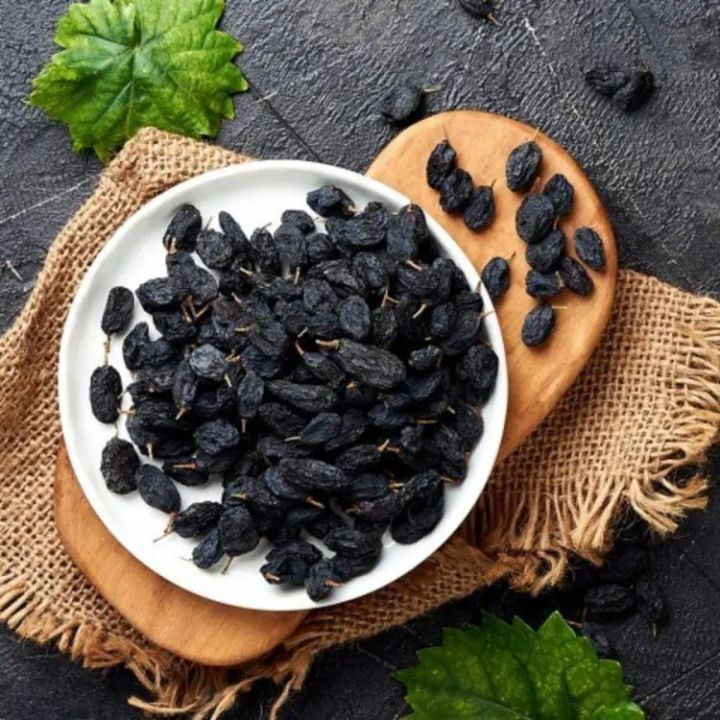
Dry Grapes
ഉണങ്ങിയ മുന്തിരി
Syllable: ഉ-ണ-ങ്ങിയ മുന്തി-രി
Pronunciation: Unangiya Munthiri
- Dry grapes are tasty. – ഉണങ്ങിയ മുന്തിരി രുചികരമാണ്.
- Children enjoy dry grapes. – കുട്ടികൾ ഉണങ്ങിയ മുന്തിരി ഇഷ്ടപ്പെടുന്നു.
- Dry grapes provide energy. – ഉണങ്ങിയ മുന്തിരി ഊർജം നൽകുന്നു.

Dates
ഈന്തപ്പഴം
Syllable: ഈ-ന്ത-പ്പ-ഴം
Pronunciation: Eenthappazham
- Dates are very nutritious. – ഈന്തപ്പഴം വളരെ പോഷകസമൃദ്ധമാണ്.
- I eat dates during fasting. – ഞാൻ ഉപവാസസമയത്ത് ഈന്തപ്പഴം കഴിക്കുന്നു.
- Dates give instant energy. – ഈന്തപ്പഴം ഉടൻ ഊർജം നൽകുന്നു.
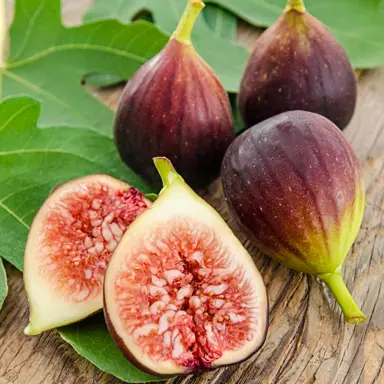
Fig
അത്തിപ്പഴം
Syllable: അ-ത്തി-പ്പ-ഴം
Pronunciation: Athippazham
- Figs are rich in fiber. – അത്തിപ്പഴത്തിൽ നാരുകൾ ധാരാളമുണ്ട്.
- I bought dried figs. – ഞാൻ ഉണങ്ങിയ അത്തിപ്പഴം വാങ്ങി.
- Figs are healthy snacks. – അത്തിപ്പഴം ആരോഗ്യകരമായ ലഘുഭക്ഷണമാണ്.

Dried Apricot
ഉണങ്ങിയ ആപ്രിക്കോട്ട്
Syllable: ഉ-ണ-ങ്ങിയ ആ-പ്രി-ക്കോട്ട്
Pronunciation: Unangiya Apricot
- Dried apricots are sweet and soft. – ഉണങ്ങിയ ആപ്രിക്കോട്ട് മധുരവും മൃദുവുമാണ്.
- I packed dried apricots for travel. – ഞാൻ യാത്രയ്ക്കായി ഉണങ്ങിയ ആപ്രിക്കോട്ട് എടുത്തു.
- Dried apricots contain vitamins. – ഉണങ്ങിയ ആപ്രിക്കോട്ടിൽ വിറ്റാമിനുകൾ അടങ്ങിയിരിക്കുന്നു.

Peanut
നിലക്കടല
Syllable: നി-ല-ക്ക-ട-ല
Pronunciation: Nilakkadala
- Peanuts are affordable and healthy. – നിലക്കടല വിലകുറഞ്ഞതും ആരോഗ്യകരവുമാണ്.
- I roasted some peanuts. – ഞാൻ കുറച്ച് നിലക്കടല വറുത്തു.
- Peanuts contain protein. – നിലക്കടലയിൽ പ്രോട്ടീൻ അടങ്ങിയിരിക്കുന്നു.
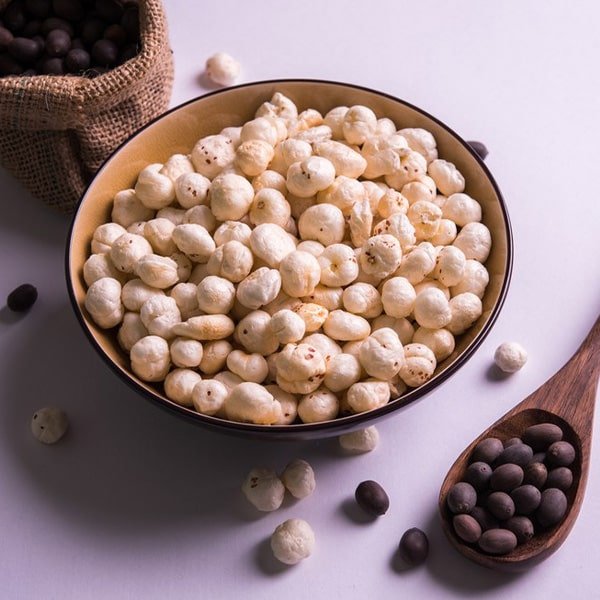
Fox Nut
മഖാന
Syllable: മ-ഖാ-ന
Pronunciation: Makhana
- Fox nuts are crunchy snacks. – മഖാന കുരുമുറുക്കുള്ള ലഘുഭക്ഷണമാണ്.
- I eat fox nuts in the evening. – ഞാൻ വൈകുന്നേരങ്ങളിൽ മഖാന കഴിക്കുന്നു.
- Fox nuts are low in calories. – മഖാനയിൽ കലോറി കുറവാണ്.

Pine Nut
പൈൻ നട്ട്
Syllable: പൈൻ നട്ട്
Pronunciation: Pine Nut
- Pine nuts are expensive. – പൈൻ നട്ട് വില കൂടിയതാണ്.
- Pine nuts are used in recipes. – പൈൻ നട്ട് പല വിഭവങ്ങളിലും ഉപയോഗിക്കുന്നു.
- I tasted pine nuts today. – ഞാൻ ഇന്ന് പൈൻ നട്ട് രുചിച്ചു.

Brazil Nut
ബ്രസീൽ നട്ട്
Syllable: ബ്ര-സീൽ നട്ട്
Pronunciation: Brazil Nut
- Brazil nuts are nutritious. – ബ്രസീൽ നട്ട് പോഷകസമൃദ്ധമാണ്.
- I ate two Brazil nuts. – ഞാൻ രണ്ട് ബ്രസീൽ നട്ട് കഴിച്ചു.
- Brazil nuts contain selenium. – ബ്രസീൽ നട്ടിൽ സെലീനിയം അടങ്ങിയിരിക്കുന്നു.

Hazelnut
ഹേസൽനട്ട്
Syllable: ഹേ-സൽ-നട്ട്
Pronunciation: Hazelnut
- Hazelnuts are used in chocolate. – ഹേസൽനട്ട് ചോക്ലേറ്റിൽ ഉപയോഗിക്കുന്നു.
- I like hazelnut flavor. – എനിക്ക് ഹേസൽനട്ട് രുചി ഇഷ്ടമാണ്.
- Hazelnuts are crunchy. – ഹേസൽനട്ട് കുരുമുറുക്കുള്ളതാണ്.

Macadamia Nut
മകഡാമിയ നട്ട്
Syllable: മ-ക-ഡാ-മി-യ നട്ട്
Pronunciation: Macadamia Nut
- Macadamia nuts are creamy. – മകഡാമിയ നട്ട് മൃദുവായ രുചിയുള്ളതാണ്.
- These nuts are premium quality. – ഈ നട്ടുകൾ ഉയർന്ന നിലവാരമുള്ളതാണ്.
- I tried macadamia nuts yesterday. – ഞാൻ ഇന്നലെ മകഡാമിയ നട്ട് കഴിച്ചു.

Chestnut
ചെസ്റ്റ്നട്ട്
Syllable: ചെസ്റ്റ്-നട്ട്
Pronunciation: Chestnut
- Chestnuts are roasted before eating. – ചെസ്റ്റ്നട്ട് കഴിക്കുന്നതിന് മുമ്പ് വറുക്കുന്നു.
- I bought roasted chestnuts. – ഞാൻ വറുത്ത ചെസ്റ്റ്നട്ട് വാങ്ങി.
- Chestnuts are popular in winter. – ചെസ്റ്റ്നട്ട് ശൈത്യകാലത്ത് ജനപ്രിയമാണ്.
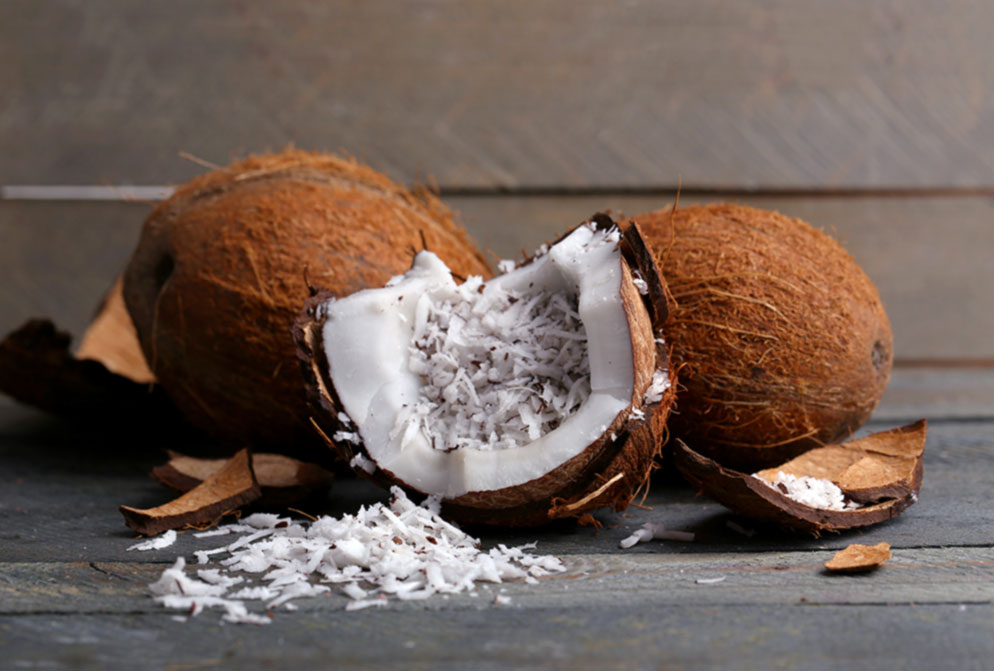
Dry Coconut
ഉണങ്ങിയ തേങ്ങ
Syllable: ഉ-ണ-ങ്ങിയ തേ-ങ്ങ
Pronunciation: Unangiya Thenga
- Dry coconut is used in cooking. – ഉണങ്ങിയ തേങ്ങ പാചകത്തിൽ ഉപയോഗിക്കുന്നു.
- My mother grated dry coconut. – എന്റെ അമ്മ ഉണങ്ങിയ തേങ്ങ ചിരണ്ടി.
- Dry coconut adds flavor. – ഉണങ്ങിയ തേങ്ങ രുചി കൂട്ടുന്നു.

Areca Nut
അടയ്ക്ക
Syllable: അ-ട-യ്ക്ക
Pronunciation: Adaykka
- Areca nut is commonly chewed. – അടയ്ക്ക സാധാരണയായി ചവയ്ക്കുന്നു.
- The tree produces areca nuts. – ഈ മരത്തിൽ അടയ്ക്ക ലഭിക്കുന്നു.
- Areca nuts are harvested yearly. – അടയ്ക്ക വർഷംതോറും ശേഖരിക്കുന്നു.

Lotus Seeds
താമരവിത്ത്
Syllable: താ-മ-ര-വി-ത്ത്
Pronunciation: Thaamara Vithu
- Lotus seeds are nutritious. – താമരവിത്ത് പോഷകസമൃദ്ധമാണ്.
- I added lotus seeds to the dish. – ഞാൻ വിഭവത്തിൽ താമരവിത്ത് ചേർത്തു.
- Lotus seeds are healthy snacks. – താമരവിത്ത് ആരോഗ്യകരമായ ലഘുഭക്ഷണമാണ്.

Pumpkin Seeds
മത്തങ്ങ വിത്ത്
Syllable: മ-ത്ത-ങ്ങ വി-ത്ത്
Pronunciation: Matthanga Vithu
- Pumpkin seeds are healthy. – മത്തങ്ങ വിത്ത് ആരോഗ്യകരമാണ്.
- I sprinkle pumpkin seeds on salad. – ഞാൻ സലാഡിൽ മത്തങ്ങ വിത്ത് വിതറുന്നു.
- Pumpkin seeds contain minerals. – മത്തങ്ങ വിത്തിൽ ധാതുക്കൾ അടങ്ങിയിരിക്കുന്നു.

Sunflower Seeds
സൂര്യകാന്തി വിത്തുകൾ
Syllable: സൂ-ര്യ-കാ-ന്തി വി-ത്തു-കൾ
Pronunciation: Sooryakanthi Vithukal
- Sunflower seeds are nutritious. – സൂര്യകാന്തി വിത്തുകൾ പോഷകസമൃദ്ധമാണ്.
- I eat sunflower seeds as a snack. – ഞാൻ സൂര്യകാന്തി വിത്തുകൾ ലഘുഭക്ഷണമായി കഴിക്കുന്നു.
- Sunflower seeds contain healthy fats. – സൂര്യകാന്തി വിത്തുകളിൽ ആരോഗ്യകരമായ കൊഴുപ്പ് അടങ്ങിയിരിക്കുന്നു.

Flax Seeds
ചണവിത്ത്
Syllable: ച-ണ-വി-ത്ത്
Pronunciation: Chanavithu
- Flax seeds are rich in fiber. – ചണവിത്തിൽ നാരുകൾ ധാരാളമുണ്ട്.
- I add flax seeds to smoothies. – ഞാൻ സ്മൂത്തികളിൽ ചണവിത്ത് ചേർക്കുന്നു.
- Flax seeds support good health. – ചണവിത്ത് നല്ല ആരോഗ്യത്തിന് സഹായിക്കുന്നു.

Chia Seeds
ചിയ വിത്തുകൾ
Syllable: ചി-യ വി-ത്തു-കൾ
Pronunciation: Chia Vithukal
- Chia seeds absorb water quickly. – ചിയ വിത്തുകൾ വെള്ളം വേഗത്തിൽ ആഗിരണം ചെയ്യുന്നു.
- I use chia seeds in desserts. – ഞാൻ മധുരപലഹാരങ്ങളിൽ ചിയ വിത്തുകൾ ഉപയോഗിക്കുന്നു.
- Chia seeds are very healthy. – ചിയ വിത്തുകൾ വളരെ ആരോഗ്യകരമാണ്.

Sesame Seeds
എള്ള്
Syllable: എ-ള്ള്
Pronunciation: Ellu
- Sesame seeds are used in cooking. – എള്ള് പാചകത്തിൽ ഉപയോഗിക്കുന്നു.
- My grandmother makes sweets with sesame seeds. – എന്റെ മുത്തശ്ശി എള്ള് ഉപയോഗിച്ച് മധുരപലഹാരങ്ങൾ ഉണ്ടാക്കുന്നു.
- Sesame seeds are rich in nutrients. – എള്ള് പോഷകസമൃദ്ധമാണ്.

Watermelon Seeds
തണ്ണിമത്തൻ വിത്തുകൾ
Syllable: ത-ണ്ണി-മ-ത്തൻ വി-ത്തു-കൾ
Pronunciation: Thannimathan Vithukal
- Watermelon seeds can be roasted. – തണ്ണിമത്തൻ വിത്തുകൾ വറുക്കാം.
- I saved the watermelon seeds. – ഞാൻ തണ്ണിമത്തൻ വിത്തുകൾ സൂക്ഷിച്ചു.
- Watermelon seeds contain protein. – തണ്ണിമത്തൻ വിത്തുകളിൽ പ്രോട്ടീൻ അടങ്ങിയിരിക്കുന്നു.

Melon Seeds
മത്തൻ വിത്തുകൾ
Syllable: മ-ത്തൻ വി-ത്തു-കൾ
Pronunciation: Mathan Vithukal
- Melon seeds are healthy snacks. – മത്തൻ വിത്തുകൾ ആരോഗ്യകരമായ ലഘുഭക്ഷണമാണ്.
- I mixed melon seeds with nuts. – ഞാൻ മത്തൻ വിത്തുകൾ നട്ടുകളുമായി കലർത്തി.
- Melon seeds provide energy. – മത്തൻ വിത്തുകൾ ഊർജം നൽകുന്നു.

Poppy Seeds
കസകസ
Syllable: ക-സ-ക-സ
Pronunciation: Kasakasa
- Poppy seeds are tiny and useful. – കസകസ ചെറുതും ഉപകാരപ്രദവുമാണ്.
- Poppy seeds are used in baking. – കസകസ ബേക്കിംഗിൽ ഉപയോഗിക്കുന്നു.
- I added poppy seeds to the recipe. – ഞാൻ വിഭവത്തിൽ കസകസ ചേർത്തു.
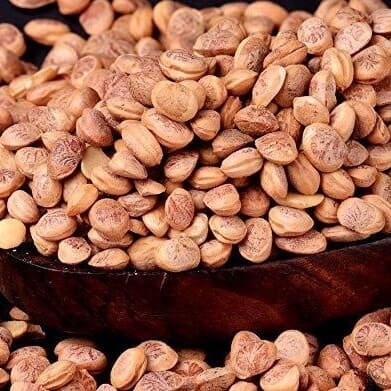
Charoli
ചാരോളി
Syllable: ചാ-രോ-ളി
Pronunciation: Charoli
- Charoli seeds are used in desserts. – ചാരോളി വിത്തുകൾ മധുരപലഹാരങ്ങളിൽ ഉപയോഗിക്കുന്നു.
- I bought charoli for cooking. – ഞാൻ പാചകത്തിനായി ചാരോളി വാങ്ങി.
- Charoli adds a rich taste. – ചാരോളി സമൃദ്ധമായ രുചി നൽകുന്നു.
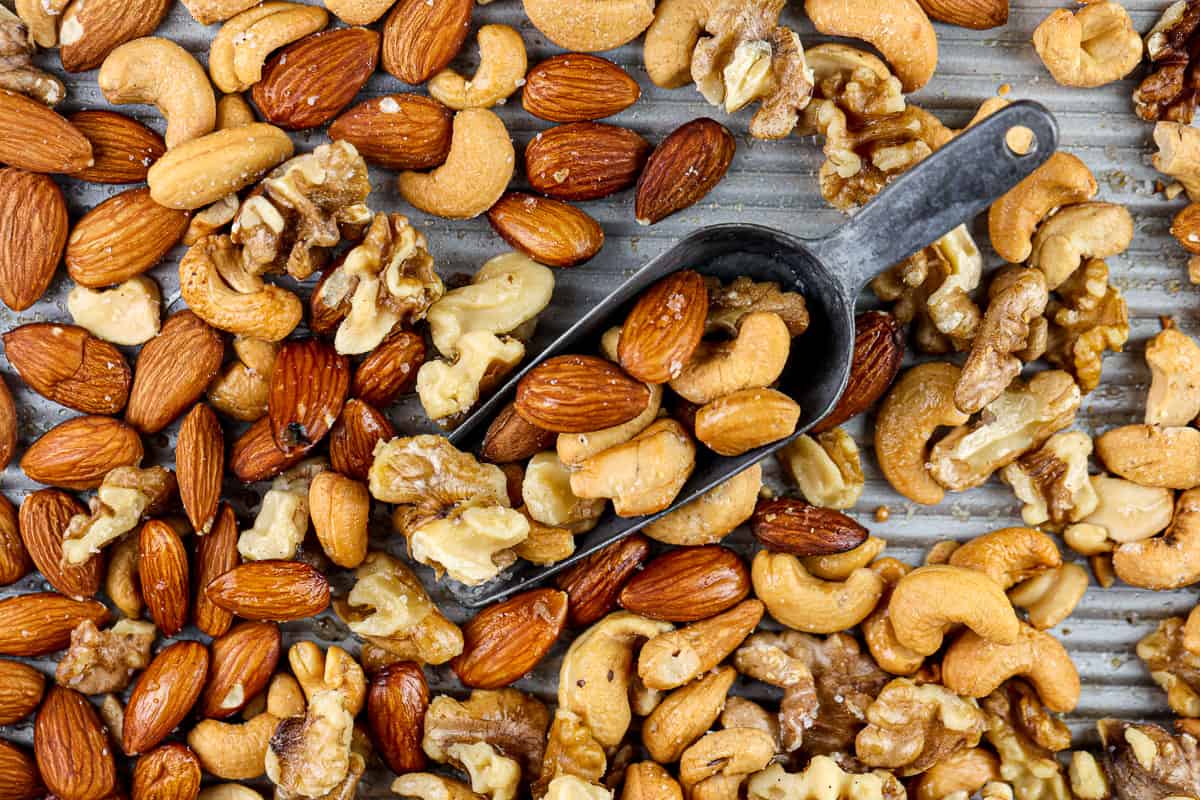
Mixed Nuts
മിശ്രിത നട്ടുകൾ
Syllable: മി-ശ്രി-ത ന-ട്ടു-കൾ
Pronunciation: Mishritha Nattukal
- Mixed nuts are healthy snacks. – മിശ്രിത നട്ടുകൾ ആരോഗ്യകരമായ ലഘുഭക്ഷണമാണ്.
- I carry mixed nuts while traveling. – ഞാൻ യാത്ര ചെയ്യുമ്പോൾ മിശ്രിത നട്ടുകൾ കൊണ്ടുപോകുന്നു.
- Mixed nuts provide many nutrients. – മിശ്രിത നട്ടുകൾ നിരവധി പോഷകങ്ങൾ നൽകുന്നു.
Easy Ways to Remember Malayalam Dry Fruits Names
One useful method is to learn the names while looking at or handling the actual dry fruits. Holding a handful of raisins or almonds while saying their Malayalam names creates a stronger connection between the object and the vocabulary.
Learners can also group dry fruits by appearance, texture, or common use. For example, nuts such as almonds and walnuts can be studied together, while dried fruits such as raisins and dates can form another group.
Pictures, packaging labels, and food-related videos can provide additional reinforcement. The more often learners encounter the words, the easier they become to remember.
Simple Practice Ideas
- Use flashcards with dry fruit pictures and Malayalam names.
- Learn a few new names each week.
- Label containers at home with Malayalam vocabulary.
- Practice pronunciation aloud.
- Draw dry fruits and write their names underneath.
- Watch Malayalam food-related educational videos.
- Create a notebook for food vocabulary.
- Match pictures with their Malayalam names.
- Use dry fruit names in simple sentences.
- Review older vocabulary regularly.
- Identify dry fruits while shopping.
- Ask family members to test your knowledge.
Consistent practice can help learners become more confident using food-related vocabulary in everyday situations.
Dry Fruits Names in Malayalam At a Glance
| # | English Name | Malayalam Name | Pronunciation |
|---|---|---|---|
| 1 | Almond | ബദാം | Badaam |
| 2 | Cashew | കശുവണ്ടി | Kashuvandi |
| 3 | Pistachio | പിസ്ത | Pista |
| 4 | Walnut | അക്രോട്ട് | Akrot |
| 5 | Raisin | ഉണക്കമുന്തിരി | Unakka Munthiri |
| 6 | Dry Grapes | ഉണങ്ങിയ മുന്തിരി | Unangiya Munthiri |
| 7 | Dates | ഈന്തപ്പഴം | Eenthappazham |
| 8 | Fig | അത്തിപ്പഴം | Athippazham |
| 9 | Dried Apricot | ഉണങ്ങിയ ആപ്രിക്കോട്ട് | Unangiya Apricot |
| 10 | Peanut | നിലക്കടല | Nilakkadala |
| 11 | Fox Nut | മഖാന | Makhana |
| 12 | Pine Nut | പൈൻ നട്ട് | Pine Nut |
| 13 | Brazil Nut | ബ്രസീൽ നട്ട് | Brazil Nut |
| 14 | Hazelnut | ഹേസൽനട്ട് | Hazelnut |
| 15 | Macadamia Nut | മകഡാമിയ നട്ട് | Macadamia Nut |
| 16 | Chestnut | ചെസ്റ്റ്നട്ട് | Chestnut |
| 17 | Dry Coconut | ഉണങ്ങിയ തേങ്ങ | Unangiya Thenga |
| 18 | Areca Nut | അടയ്ക്ക | Adaykka |
| 19 | Lotus Seeds | താമരവിത്ത് | Thaamara Vithu |
| 20 | Pumpkin Seeds | മത്തങ്ങ വിത്ത് | Matthanga Vithu |
| 21 | Sunflower Seeds | സൂര്യകാന്തി വിത്തുകൾ | Sooryakanthi Vithukal |
| 22 | Flax Seeds | ചണവിത്ത് | Chanavithu |
| 23 | Chia Seeds | ചിയ വിത്തുകൾ | Chia Vithukal |
| 24 | Sesame Seeds | എള്ള് | Ellu |
| 25 | Watermelon Seeds | തണ്ണിമത്തൻ വിത്തുകൾ | Thannimathan Vithukal |
| 26 | Melon Seeds | മത്തൻ വിത്തുകൾ | Mathan Vithukal |
| 27 | Poppy Seeds | കസകസ | Kasakasa |
| 28 | Charoli | ചാരോളി | Charoli |
| 29 | Mixed Nuts | മിശ്രിത നട്ടുകൾ | Mishritha Nattukal |
Malayalam Dry Fruits Quiz
Small Foods, Useful Words
Dry fruits may be small in size, but they offer a practical way to expand Malayalam vocabulary. Because these foods are commonly found in homes, stores, and recipes, learners have many chances to see, hear, and use the words naturally without relying only on study materials.
As you continue building your Malayalam vocabulary, food-related topics can introduce many useful words connected to daily life.
Which dry fruit do you enjoy eating the most? Did you discover a Malayalam name that you had never heard before? Share your thoughts in the comments and join the discussion with other learners.