Long before Maharashtra had cities and highways, it had farms, fields, and the animals that made both possible. The cow standing quietly in a sunlit courtyard, the buffalo wading through a paddy field at dawn, the goat tethered near the kitchen garden — these are images as old as Marathi civilization itself, and the animals in them have Marathi names that carry centuries of shared history.
Domestic animals in Maharashtra are not simply working creatures or sources of food. They are members of the household in the truest sense — named, cared for, celebrated during festivals, and mourned when they are gone. The bond between a Marathi farming family and its animals runs deeper than utility; it runs through culture, faith, and daily life in ways that few other relationships can match.
Learning domestic animal names in Marathi connects you to this living tradition. Whether you are a student, a parent, or someone exploring the Marathi language for the first time, these words open a window into the heart of Maharashtrian rural life, its festivals, its farming heritage, and its enduring relationship with the natural world.
Why Learning Domestic Animal Names In Marathi Is Important
Domestic animals are woven so deeply into the fabric of Marathi life that their names appear constantly across an enormous range of everyday situations. They come up in conversations about farming, in festival preparations, in Marathi proverbs and folk songs, in children’s stories, and in the daily language of rural and semi-urban communities across Maharashtra. Knowing these names means being able to participate naturally in that world rather than navigating it from the outside with an incomplete vocabulary.
For children, domestic animal names are among the most naturally acquired vocabulary in any language — because children encounter these animals in picture books, in stories, in visits to relatives in villages, and in the festivals that bring animals to the centre of celebration.
When a child sees a decorated bullock being paraded through the village during Bail Pola and hears the word Bail spoken with pride and affection by every adult around them, that word does not need to be studied. It is simply absorbed. Parents and teachers who use Marathi domestic animal names consistently in conversation give children a vocabulary gift that grows quietly and permanently over time.
- It builds core Marathi vocabulary rooted in farming, rural life, and Maharashtra’s agricultural heritage
- It helps children connect the language to festivals, stories, and village experiences they already know
- It supports Marathi medium school students with vocabulary for essays, comprehension, and oral examinations
- It connects language learning to Maharashtra’s rich tradition of animal husbandry and rural culture
- It builds understanding of Marathi proverbs, folk songs, and literature where domestic animals appear constantly
- It makes Marathi feel grounded, real, and connected to the everyday life of millions of Maharashtrians
Explore Domestic Animals Names In Marathi

Cow
गाय
Syllable: गा-य
Pronunciation: Gaay
- Cow Eats Grass – गाय गवत खाते
- Cow Walks – गाय चालते
- Cow Lives on Farm – गाय शेतात राहते

Buffalo
म्हैस
Syllable: म्है-स
Pronunciation: Mhais
- Buffalo Eats Grass – म्हैस गवत खाते
- Buffalo Walks – म्हैस चालते
- Buffalo Lives on Farm – म्हैस शेतात राहते

Bull
बैल
Syllable: बै-ल
Pronunciation: Bail
- Bull Eats Grass – बैल गवत खातो
- Bull Walks – बैल चालतो
- Bull Lives on Farm – बैल शेतात राहतो
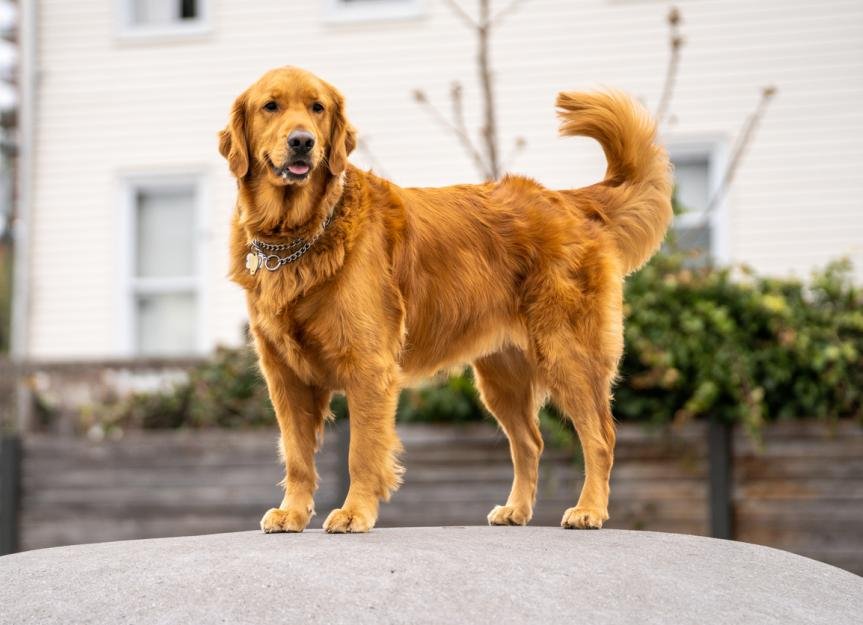
Dog
कुत्रा
Syllable: कु-त्रा
Pronunciation: Ku-Traa
- Dog Eats Meat and Food – कुत्रा मांस व अन्न खातो
- Dog Runs – कुत्रा धावतो
- Dog Lives in House – कुत्रा घरात राहतो

Cat
मांजर
Syllable: मां-ज-र
Pronunciation: Maan-Jar
- Cat Eats Fish and Meat – मांजर मासे व मांस खाते
- Cat Walks – मांजर चालते
- Cat Lives in House – मांजर घरात राहते

Goat
शेळी
Syllable: शे-ळी
Pronunciation: She-Li
- Goat Eats Leaves – शेळी पाने खाते
- Goat Walks – शेळी चालते
- Goat Lives on Farm – शेळी शेतात राहते

Sheep
मेंढी
Syllable: में-ढी
Pronunciation: Men-Dhi
- Sheep Eats Grass – मेंढी गवत खाते
- Sheep Walks – मेंढी चालते
- Sheep Lives on Farm – मेंढी शेतात राहते

Horse
घोडा
Syllable: घो-डा
Pronunciation: Gho-Daa
- Horse Eats Grass – घोडा गवत खातो
- Horse Runs Fast – घोडा वेगाने धावतो
- Horse Lives in Stable – घोडा तबेल्यात राहतो

Donkey
गाढव
Syllable: गा-ढ-व
Pronunciation: Gaa-Dhav
- Donkey Eats Grass – गाढव गवत खातो
- Donkey Walks – गाढव चालतो
- Donkey Lives on Farm – गाढव शेतात राहतो

Camel
उंट
Syllable: उं-ट
Pronunciation: Unt
- Camel Eats Desert Plants – उंट वाळवंटी वनस्पती खातो
- Camel Walks – उंट चालतो
- Camel Lives in Desert – उंट वाळवंटात राहतो

Pig
डुक्कर
Syllable: डु-क्क-र
Pronunciation: Duk-Kar
- Pig Eats Food Scraps – डुक्कर उरलेले अन्न खातो
- Pig Walks – डुक्कर चालतो

Rabbit
ससा
Syllable: स-सा
Pronunciation: Sa-Saa
- Rabbit Eats Carrots and Grass – ससा गाजर व गवत खातो
- Rabbit Jumps – ससा उड्या मारतो
- Rabbit Lives in Burrow – ससा बिळात राहतो

Hen
कोंबडी
Syllable: कों-ब-डी
Pronunciation: Kom-Ba-Dee
- Hen Eats Grains – कोंबडी धान्य खाते
- Hen Walks – कोंबडी चालते
- Hen Lives on Farm – कोंबडी शेतात राहते

Rooster
कोंबडा
Syllable: कों-ब-डा
Pronunciation: Kom-Ba-Daa
- Rooster Eats Grains – कोंबडा धान्य खातो
- Rooster Walks – कोंबडा चालतो
- Rooster Lives on Farm – कोंबडा शेतात राहतो

Duck
बदक
Syllable: ब-द-क
Pronunciation: Ba-Dak
- Duck Eats Plants – बदक वनस्पती खाते
- Duck Swims – बदक पोहते
- Duck Lives Near Water – बदक पाण्याजवळ राहते

Goose
हंसपक्षी
Syllable: हं-स-प-क्षी
Pronunciation: Hans-Pakshi
- Goose Eats Grass – हंसपक्षी गवत खातो
- Goose Swims – हंसपक्षी पोहतो
- Goose Lives Near Water – हंसपक्षी पाण्याजवळ राहतो

Turkey
टर्की
Syllable: टर्-की
Pronunciation: Tur-Kee
- Turkey Eats Seeds – टर्की बिया खाते
- Turkey Walks – टर्की चालते
- Turkey Lives on Farm – टर्की शेतात राहते

Pigeon
कबूतर
Syllable: क-बू-त-र
Pronunciation: Ka-Boo-Ta-R
- Pigeon Eats Grains – कबूतर धान्य खाते
- Pigeon Flies – कबूतर उडते
- Pigeon Lives Near Houses – कबूतर घराजवळ राहते

Parrot
पोपट
Syllable: पो-पट
Pronunciation: Po-Pat
- Parrot Eats Fruits – पोपट फळे खातो
- Parrot Flies – पोपट उडतो
- Parrot Lives in Cage – पोपट पिंजऱ्यात राहतो
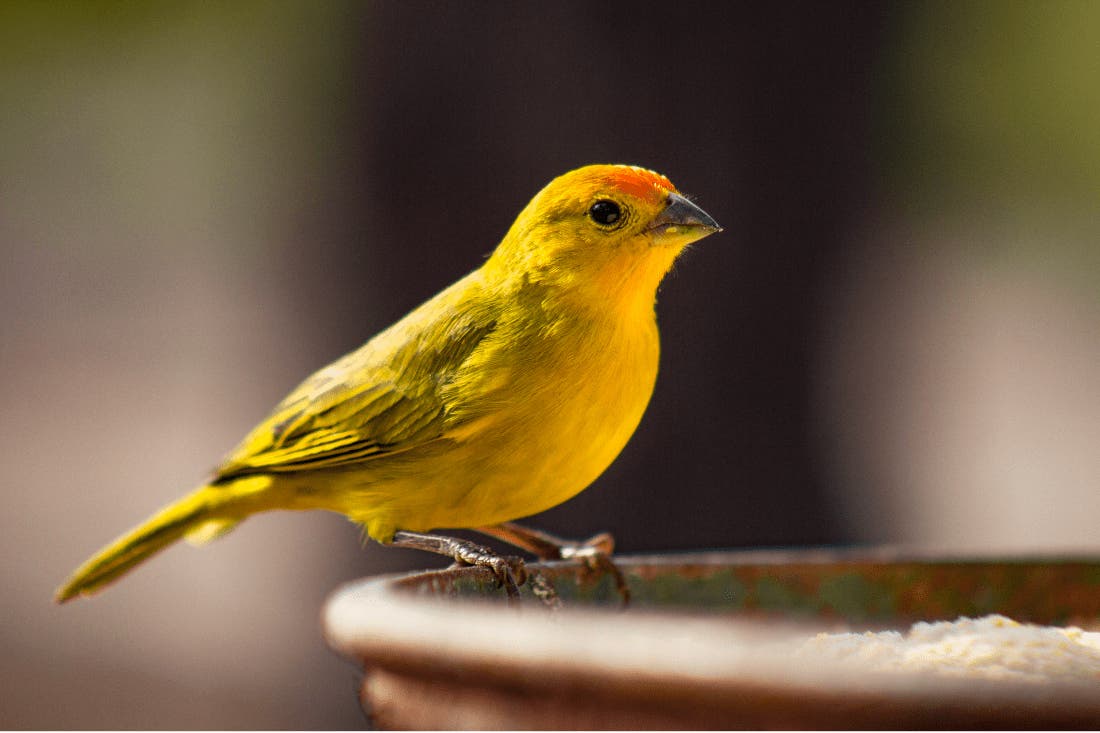
Canary
कॅनरी
Syllable: कॅ-न-री
Pronunciation: Canary
- Canary Eats Seeds – कॅनरी बिया खाते
- Canary Flies – कॅनरी उडते
- Canary Lives in Cage – कॅनरी पिंजऱ्यात राहते

Lovebird
लव्हबर्ड
Syllable: ल-व्ह-बर्ड
Pronunciation: Love-Bird
- Lovebird Eats Seeds – लव्हबर्ड बिया खाते
- Lovebird Flies – लव्हबर्ड उडते
- Lovebird Lives in Cage – लव्हबर्ड पिंजऱ्यात राहते

Mule
खेचर
Syllable: खे-च-र
Pronunciation: Khe-Char
- Mule Eats Grass – खेचर गवत खाते
- Mule Walks – खेचर चालते
- Mule Lives on Farm – खेचर शेतात राहते

Yak
याक
Syllable: या-क
Pronunciation: Yaak
- Yak Eats Grass – याक गवत खातो
- Yak Walks – याक चालतो
- Yak Lives in Mountains – याक पर्वतात राहतो

Llama
लामा
Syllable: ला-मा
Pronunciation: Laa-Maa
- Llama Eats Grass – लामा गवत खातो
- Llama Walks – लामा चालतो
- Llama Lives on Farm – लामा शेतात राहतो

Alpaca
अल्पाका
Syllable: अल्-पा-का
Pronunciation: Al-Paa-Ka
- Alpaca Eats Grass – अल्पाका गवत खातो
- Alpaca Walks – अल्पाका चालतो
- Alpaca Lives on Farm – अल्पाका शेतात राहतो

Guinea Pig
गिनी पिग
Syllable: गि-नी-पिग
Pronunciation: Gini-Pig
- Guinea Pig Eats Vegetables – गिनी पिग भाज्या खातो
- Guinea Pig Walks – गिनी पिग चालतो
- Guinea Pig Lives in Cage – गिनी पिग पिंजऱ्यात राहतो

Hamster
हॅमस्टर
Syllable: हॅम-स्टर
Pronunciation: Ham-Ster
- Hamster Eats Seeds – हॅमस्टर बिया खातो
- Hamster Runs – हॅमस्टर धावतो
- Hamster Lives in Cage – हॅमस्टर पिंजऱ्यात राहतो

Ferret
फेरेट
Syllable: फे-रेट
Pronunciation: Fe-Ret
- Ferret Eats Meat – फेरेट मांस खातो
- Ferret Runs – फेरेट धावतो
- Ferret Lives in House – फेरेट घरात राहतो

Pony
पोनी
Syllable: पो-नी
Pronunciation: Po-Nee
- Pony Eats Grass – पोनी गवत खातो
- Pony Runs – पोनी धावतो
- Pony Lives in Stable – पोनी तबेल्यात राहतो

Reindeer
रेनडिअर
Syllable: रेन-डिअर
Pronunciation: Rain-Deer
- Reindeer Eats Moss – रेनडिअर शेवाळ खातो
- Reindeer Walks – रेनडिअर चालतो
- Reindeer Lives in Cold Regions – रेनडिअर थंड प्रदेशात राहतो

Dove
पारवा
Syllable: पा-र-वा
Pronunciation: Paa-Ra-Vaa
- Dove Eats Grains – पारवा धान्य खातो
- Dove Flies – पारवा उडतो
- Dove Lives Near Houses – पारवा घराजवळ राहतो

Budgerigar
बजरीगर
Syllable: ब-ज-री-गर
Pronunciation: Bajri-Gar
- Budgerigar Eats Seeds – बजरीगर बिया खातो
- Budgerigar Flies – बजरीगर उडतो
- Budgerigar Lives in Cage – बजरीगर पिंजऱ्यात राहतो

Finch
फिंच
Syllable: फिं-च
Pronunciation: Finch
- Finch Eats Seeds – फिंच बिया खाते
- Finch Flies – फिंच उडते
- Finch Lives in Cage – फिंच पिंजऱ्यात राहते

Cockatiel
कॉकटील
Syllable: कॉ-क-टील
Pronunciation: Cockatiel
- Cockatiel Eats Seeds – कॉकटील बिया खाते
- Cockatiel Flies – कॉकटील उडते
- Cockatiel Lives in Cage – कॉकटील पिंजऱ्यात राहते
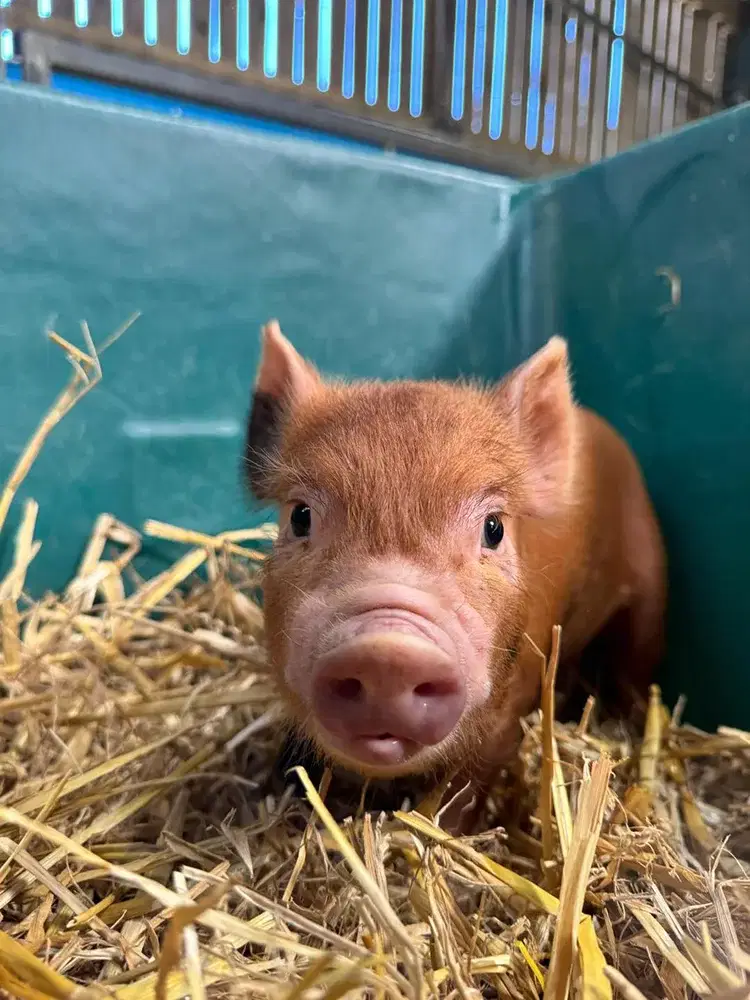
Mini Pig
मिनी डुक्कर
Syllable: मि-नी-डु-क्क-र
Pronunciation: Mini Dukkar
- Mini Pig Eats Food – मिनी डुक्कर अन्न खातो
- Mini Pig Walks – मिनी डुक्कर चालतो
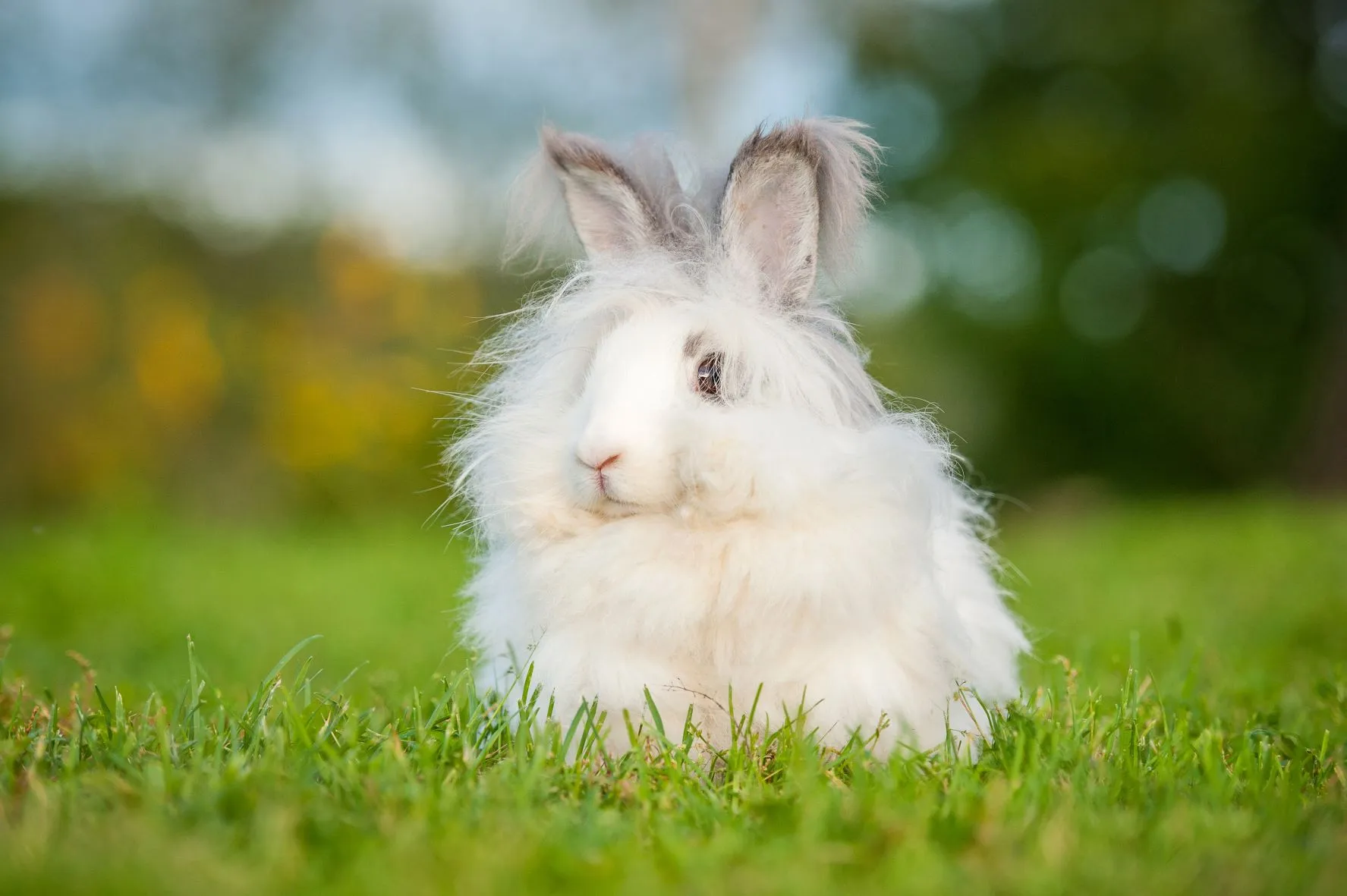
Angora Rabbit
अंगोरा ससा
Syllable: अं-गो-रा-स-सा
Pronunciation: Angora Sasa
- Angora Rabbit Eats Carrots – अंगोरा ससा गाजर खातो
- Angora Rabbit Jumps – अंगोरा ससा उड्या मारतो
- Angora Rabbit Lives in Cage – अंगोरा ससा पिंजऱ्यात राहतो

Persian Cat
पर्शियन मांजर
Syllable: पर्-शि-यन-मां-ज-र
Pronunciation: Persian Manjar
- Persian Cat Eats Fish – पर्शियन मांजर मासे खाते
- Persian Cat Walks – पर्शियन मांजर चालते
- Persian Cat Lives in House – पर्शियन मांजर घरात राहते

German Shepherd
जर्मन शेफर्ड
Syllable: जर्-मन-शे-फर्ड
Pronunciation: German Shepherd
- German Shepherd Eats Meat – जर्मन शेफर्ड मांस खातो
- German Shepherd Runs – जर्मन शेफर्ड धावतो
- German Shepherd Lives in House – जर्मन शेफर्ड घरात राहतो

Labrador
लॅब्राडोर
Syllable: लॅ-ब्रा-डोर
Pronunciation: Labrador
- Labrador Eats Dog Food – लॅब्राडोर कुत्र्याचे अन्न खातो
- Labrador Runs – लॅब्राडोर धावतो
- Labrador Lives in House – लॅब्राडोर घरात राहतो
Easy Tips To Remember Marathi Domestic Animal Names
- Connect names to festivals you already know — Link Bail to Bail Pola, Gay to Gopastami, and Ghoda to the image of Shivaji Maharaj. Festival associations create emotional memory anchors that make vocabulary genuinely impossible to forget.
- Use Marathi names while reading children’s stories — When reading Marathi folk tales or children’s books that feature domestic animals, make a point of using the Marathi animal names throughout. Narrative context embeds vocabulary far more deeply than any list or flashcard exercise.
- Visit a village or livestock fair — A single visit to a Maharashtrian village during Bail Pola or to a rural livestock market exposes you to domestic animal vocabulary used naturally, rapidly, and in full cultural context. Real-world exposure of this kind is worth weeks of classroom study.
- Make an animal sound matching game for children — Call out a domestic animal sound and ask your child to name the animal in Marathi. The combination of sound, memory, and active recall makes this one of the most effective and naturally enjoyable vocabulary games for young learners.
- Practice with a worksheet — Matching domestic animal images to their Marathi names, writing names from memory, filling in missing letters, or completing sentences with the correct animal name all build active recall far more effectively than passive reading or list study alone.
Domestic Animals Names At a Glance
| # | English Name | Marathi Name | Pronunciation |
|---|---|---|---|
| 1 | Cow | गाय | Gaay |
| 2 | Buffalo | म्हैस | Mhais |
| 3 | Bull | बैल | Bail |
| 4 | Dog | कुत्रा | Ku-Traa |
| 5 | Cat | मांजर | Maan-Jar |
| 6 | Goat | शेळी | She-Li |
| 7 | Sheep | मेंढी | Men-Dhi |
| 8 | Horse | घोडा | Gho-Daa |
| 9 | Donkey | गाढव | Gaa-Dhav |
| 10 | Camel | उंट | Unt |
| 11 | Pig | डुक्कर | Duk-Kar |
| 12 | Rabbit | ससा | Sa-Saa |
| 13 | Hen | कोंबडी | Kom-Ba-Dee |
| 14 | Rooster | कोंबडा | Kom-Ba-Daa |
| 15 | Duck | बदक | Ba-Dak |
| 16 | Goose | हंसपक्षी | Hans-Pakshi |
| 17 | Turkey | टर्की | Tur-Kee |
| 18 | Pigeon | कबूतर | Ka-Boo-Ta-R |
| 19 | Parrot | पोपट | Po-Pat |
| 20 | Canary | कॅनरी | Canary |
| 21 | Lovebird | लव्हबर्ड | Love-Bird |
| 22 | Mule | खेचर | Khe-Char |
| 23 | Yak | याक | Yaak |
| 24 | Llama | लामा | Laa-Maa |
| 25 | Alpaca | अल्पाका | Al-Paa-Ka |
| 26 | Guinea Pig | गिनी पिग | Gini-Pig |
| 27 | Hamster | हॅमस्टर | Ham-Ster |
| 28 | Ferret | फेरेट | Fe-Ret |
| 29 | Pony | पोनी | Po-Nee |
| 30 | Reindeer | रेनडिअर | Rain-Deer |
| 31 | Dove | पारवा | Paa-Ra-Vaa |
| 32 | Budgerigar | बजरीगर | Bajri-Gar |
| 33 | Finch | फिंच | Finch |
| 34 | Cockatiel | कॉकटील | Cockatiel |
| 35 | Mini Pig | मिनी डुक्कर | Mini Dukkar |
| 36 | Angora Rabbit | अंगोरा ससा | Angora Sasa |
| 37 | Persian Cat | पर्शियन मांजर | Persian Manjar |
| 38 | German Shepherd | जर्मन शेफर्ड | German Shepherd |
| 39 | Labrador | लॅब्राडोर | Labrador |
Marathi Domestic Animals Quiz
Practice Marathi animal vocabulary with this interactive multiple-choice quiz.
Every Farm Tells a Story In Marathi
The domestic animals of Maharashtra are not just creatures of the field and the farmyard — they are characters in the state’s oldest stories, honoured guests at its most beloved festivals, and living threads in the fabric of a language and culture that has survived and flourished for centuries. Learning their Marathi names is a quiet act of connection — to the land, to the traditions, and to the millions of Marathi speakers for whom these animals have always been part of what home means.
Which domestic animal name in Marathi was new to you today — or which festival made you see these animals in a completely new light? Share your thoughts in the comments below, we would love to hear from you!