The letter P represents one of the richest chapters in Romanian cuisine. It brings together some of the country’s most iconic desserts, traditional holiday dishes, rustic pastries, hearty soups, and countryside specialties. Whether you’re visiting a village bakery in Transylvania or enjoying a family feast in Wallachia, you’re likely to encounter several Romanian foods that begin with P.
Many of these recipes have been preserved for centuries, not because they are complicated, but because they celebrate fresh local ingredients, seasonal cooking, and the importance of sharing meals with family and friends.
This guide explores authentic Romanian foods that start with P, introducing the dishes, traditions, and regional flavors that have made them enduring favorites across Romania.
P Presents Romania’s Best-Loved Culinary Traditions
The foods beginning with P reveal just how diverse Romanian cooking can be, ranging from indulgent desserts to festive meat dishes.
Perhaps the country’s most famous dessert is Papanași, soft fried or boiled cheese doughnuts made with fresh cottage cheese. They are traditionally topped with sour cream and blueberry or sour cherry jam, creating the perfect balance of creamy, sweet, and tangy flavors. Papanași is considered a must-try dessert for anyone exploring Romanian cuisine.
Another legendary specialty is Piftie, a savory meat jelly prepared by slowly simmering pork, chicken, or turkey until the natural collagen forms a clear gelatin. Seasoned generously with garlic, it is traditionally served cold during Christmas and New Year celebrations.
Romanian bakeries are also known for Plăcintă, a family of pastries filled with sweet or savory ingredients. Popular fillings include cheese, apples, pumpkins, potatoes, cabbage, and cherries, with each region offering its own distinctive recipe.
One of Romania’s most meaningful culinary traditions is Pomana Porcului, a dish prepared immediately after the traditional winter pig slaughter. Fresh pork is fried with garlic and spices before being served with mămăligă, pickles, and homemade bread. More than just a meal, it represents hospitality, gratitude, and community.
Other authentic Romanian foods beginning with P include Pilaf Românesc (Romanian rice pilaf), Pârjoale Moldovenești (Moldavian meat patties), Pastramă de Oaie (cured lamb), Perișoare (Romanian meatballs), Pui la Ceaun (fried countryside chicken), Praz Umplut (stuffed leeks), Prăjitură Albinița (layered honey cake), and Prune Uscate (dried plums).
Together, these specialties demonstrate why the letter P is one of the strongest representations of Romania’s culinary identity.
Benefits of Learning Romanian Foods Beginning With P
- Complete your Romanian food vocabulary from A to Z.
- Discover some of Romania’s most iconic traditional dishes.
- Learn about authentic holiday and family recipes.
- Explore desserts, pastries, soups, meat dishes, and festive specialties.
- Recognize authentic foods served across Romania.
- Improve confidence when reading Romanian restaurant menus.
- Strengthen memory through alphabetical learning.
- Prepare for travel by identifying regional favorites.
- Support classroom and worksheet activities.
- Learn about Romania’s rich culinary heritage.
- Find inspiration for cooking authentic Romanian recipes.
- Experience both sweet and savory Romanian cuisine.
- Develop a deeper appreciation for Eastern European food culture.
Romanian Foods That Start With P
The letter P showcases nearly every aspect of Romanian cooking. Cheese, pork, rice, garlic, seasonal fruits, honey, wheat flour, and fresh herbs appear throughout this collection, reflecting the country’s agricultural abundance and regional diversity.
Many of these recipes are closely associated with religious holidays, harvest celebrations, and family traditions, ensuring they remain an important part of Romanian cultural identity.
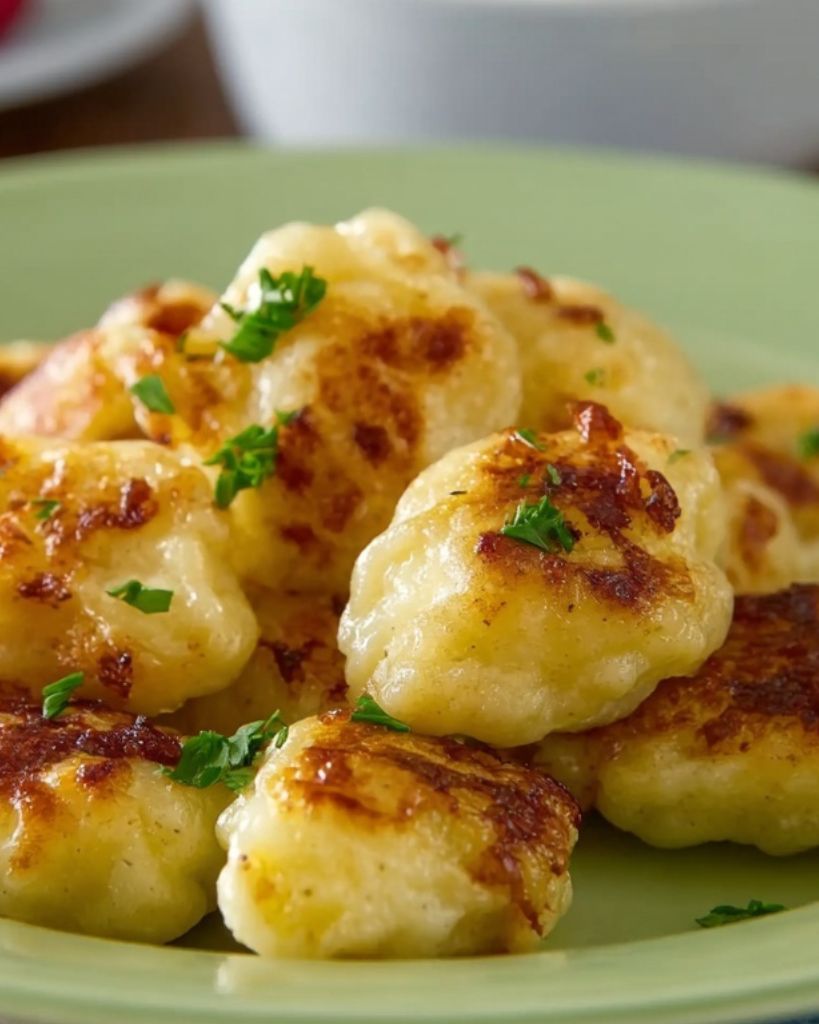
Boiled Cheese Dumplings
Papanași Fierți
Syllable: pah-pah-NAHSH fee-EHRTS
Pronunciation: Papanași Fierți
- Boiled cheese dumplings are soft and creamy. – Papanașii fierți sunt moi și cremoși.
- We served boiled cheese dumplings with sour cream. – Am servit papanași fierți cu smântână.
- My family enjoys papanași fierți on holidays. – Familiei mele îi plac papanașii fierți de sărbători.

Romanian Easter Cheese Bread
Pască
Syllable: PAHS-kuh
Pronunciation: Pască
- Romanian Easter cheese bread is sweet and festive. – Pasca este dulce și tradițională.
- We baked Romanian Easter cheese bread for Easter. – Am copt pască pentru Paște.
- My mother prepares pască every spring. – Mama mea pregătește pască în fiecare primăvară.
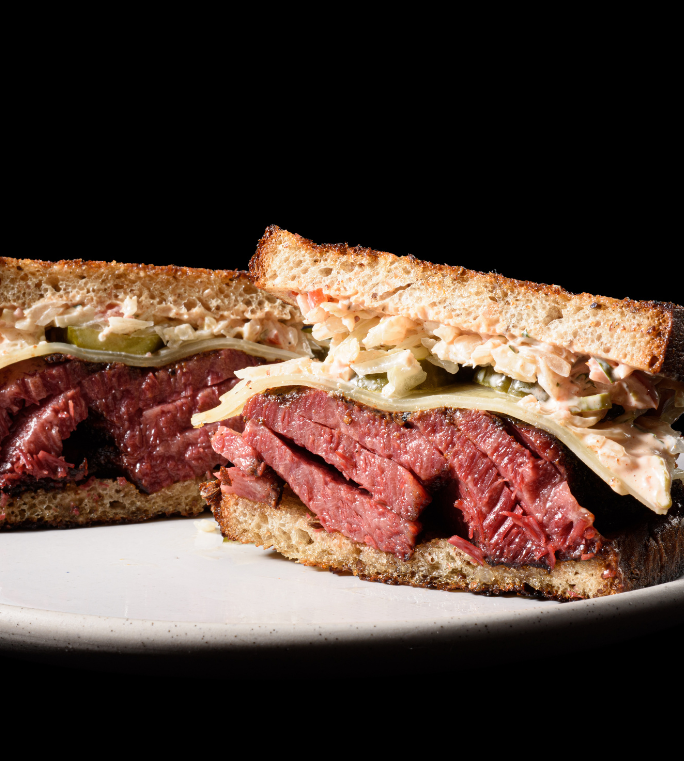
Cured Lamb Pastrami
Pastramă de Oaie
Syllable: pah-STRAH-muh deh OH-ah-yeh
Pronunciation: Pastramă de Oaie
- Cured lamb pastrami has a rich smoky flavor. – Pastrama de oaie are un gust bogat și afumat.
- We served cured lamb pastrami with bread. – Am servit pastramă de oaie cu pâine.
- My grandfather enjoys pastramă de oaie on special occasions. – Bunicul meu mănâncă pastramă de oaie la ocazii speciale.
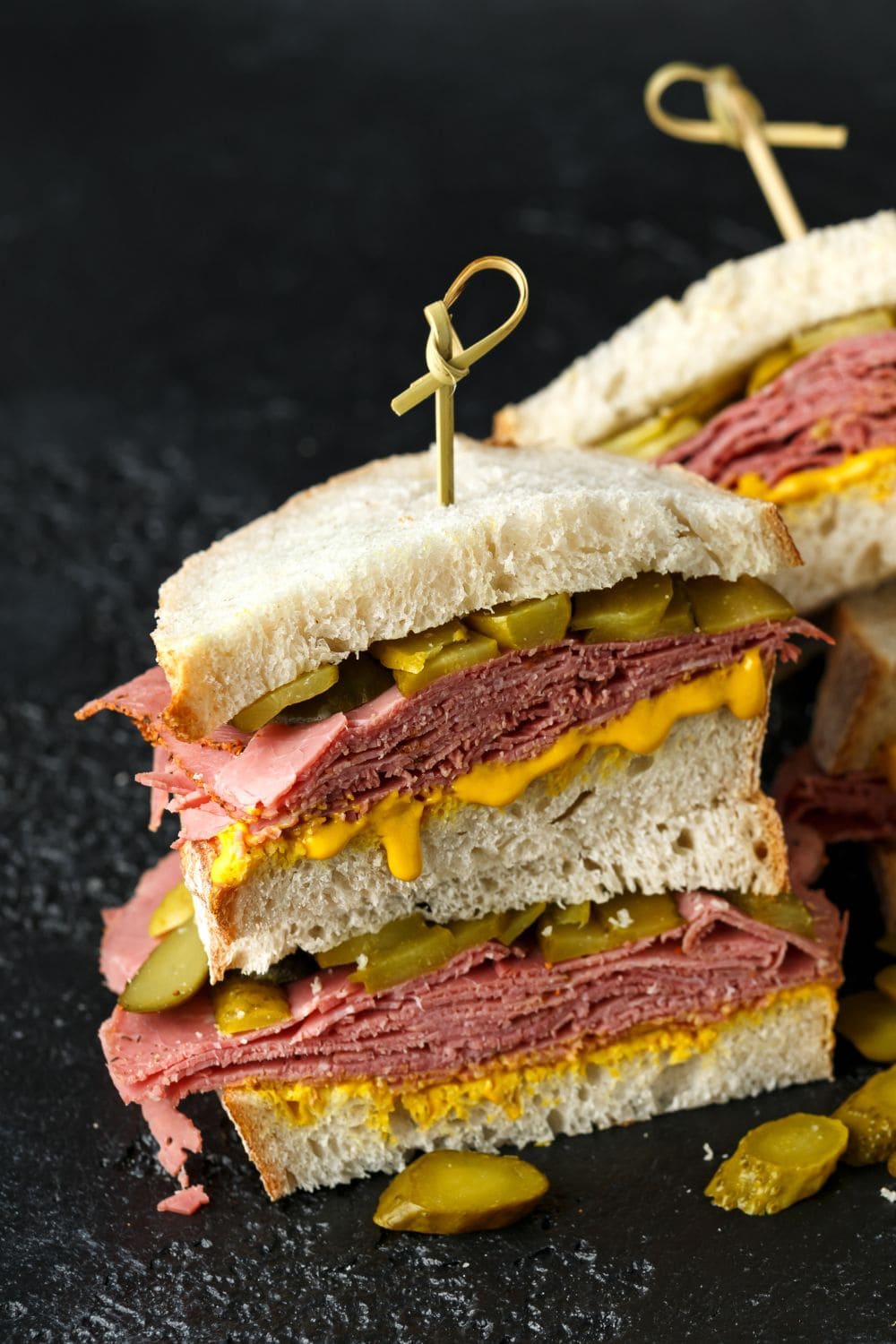
Cured Beef Pastrami
Pastramă de Vită
Syllable: pah-STRAH-muh deh VEE-tuh
Pronunciation: Pastramă de Vită
- Cured beef pastrami is tender and flavorful. – Pastrama de vită este fragedă și gustoasă.
- We enjoyed cured beef pastrami for lunch. – Am mâncat pastramă de vită la prânz.
- My father often prepares pastramă de vită. – Tatăl meu pregătește des pastramă de vită.

Traditional Romanian Pie
Plăcintă
Syllable: pluh-CHIN-tuh
Pronunciation: Plăcintă
- Traditional Romanian pie is flaky and delicious. – Plăcinta este fragedă și gustoasă.
- We baked a traditional Romanian pie today. – Am copt o plăcintă astăzi.
- My grandmother is famous for her plăcintă. – Bunica mea este renumită pentru plăcinta ei.

Cheese Pie
Plăcintă cu Brânză
Syllable: pluh-CHIN-tuh koo BRUN-zuh
Pronunciation: Plăcintă cu Brânză
- Cheese pie is creamy and satisfying. – Plăcinta cu brânză este cremoasă și sățioasă.
- We served cheese pie for breakfast. – Am servit plăcintă cu brânză la micul dejun.
- My sister loves plăcintă cu brânză. – Sora mea adoră plăcinta cu brânză.
:max_bytes(150000):strip_icc()/old-fashioned-apple-pie-FT-RECIPE1024-659641b5e78d4280840da7e08dd2e2c4.jpeg)
Apple Pie
Plăcintă cu Mere
Syllable: pluh-CHIN-tuh koo MEH-reh
Pronunciation: Plăcintă cu Mere
- Apple pie is sweet and fragrant. – Plăcinta cu mere este dulce și parfumată.
- We enjoyed apple pie after dinner. – Am mâncat plăcintă cu mere după cină.
- My mother bakes plăcintă cu mere every autumn. – Mama mea coace plăcintă cu mere în fiecare toamnă.

Pumpkin Pie
Plăcintă cu Dovleac
Syllable: pluh-CHIN-tuh koo dov-LEAK
Pronunciation: Plăcintă cu Dovleac
- Pumpkin pie is smooth and flavorful. – Plăcinta cu dovleac este fină și gustoasă.
- We baked pumpkin pie for dessert. – Am copt plăcintă cu dovleac pentru desert.
- My family enjoys plăcintă cu dovleac in autumn. – Familiei mele îi place plăcinta cu dovleac toamna.
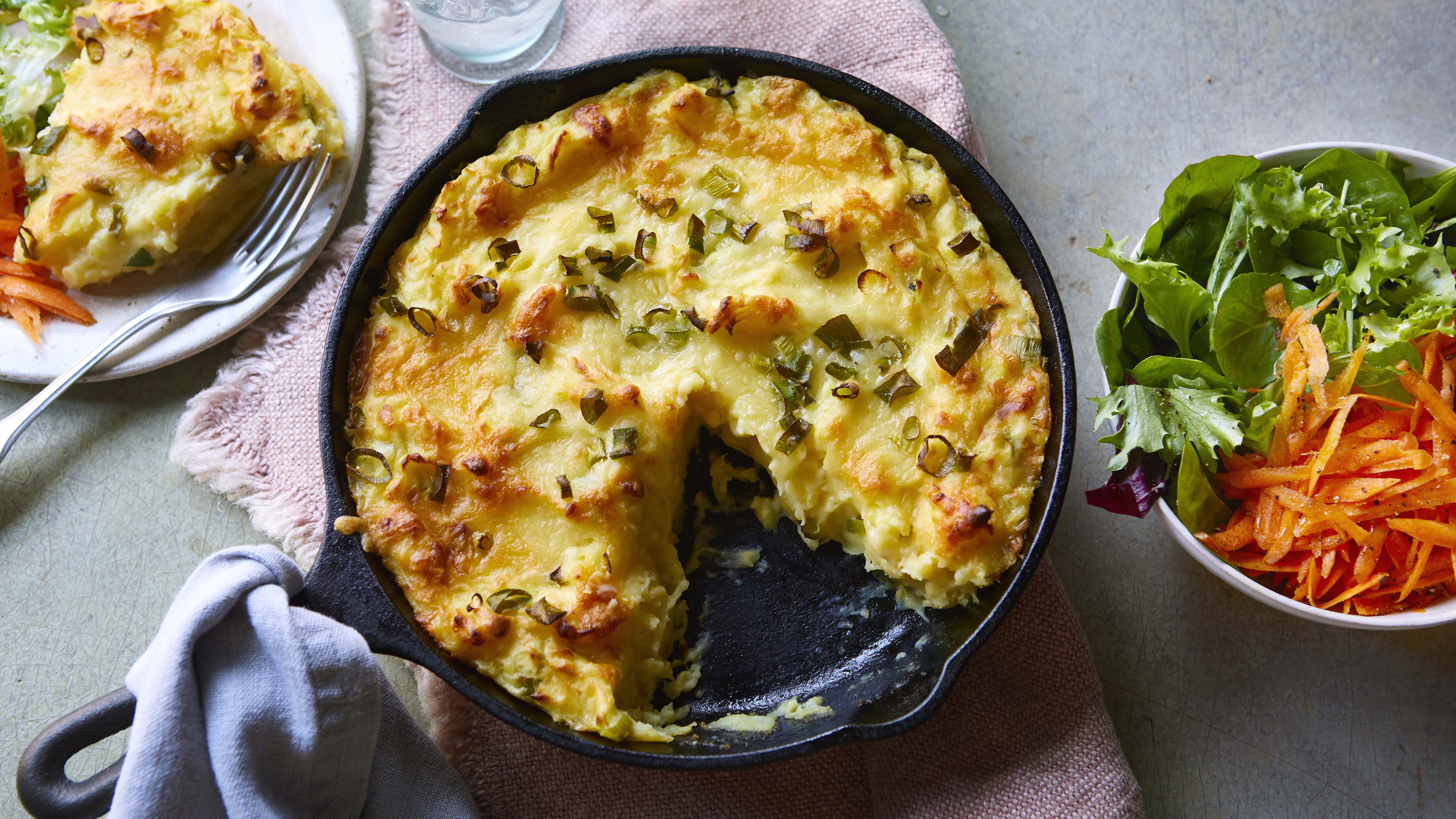
Potato Pie
Plăcintă cu Cartofi
Syllable: pluh-CHIN-tuh koo kar-TOF
Pronunciation: Plăcintă cu Cartofi
- Potato pie is hearty and filling. – Plăcinta cu cartofi este sățioasă și gustoasă.
- We served potato pie for lunch. – Am servit plăcintă cu cartofi la prânz.
- My grandfather likes plăcintă cu cartofi very much. – Bunicul meu iubește plăcinta cu cartofi.
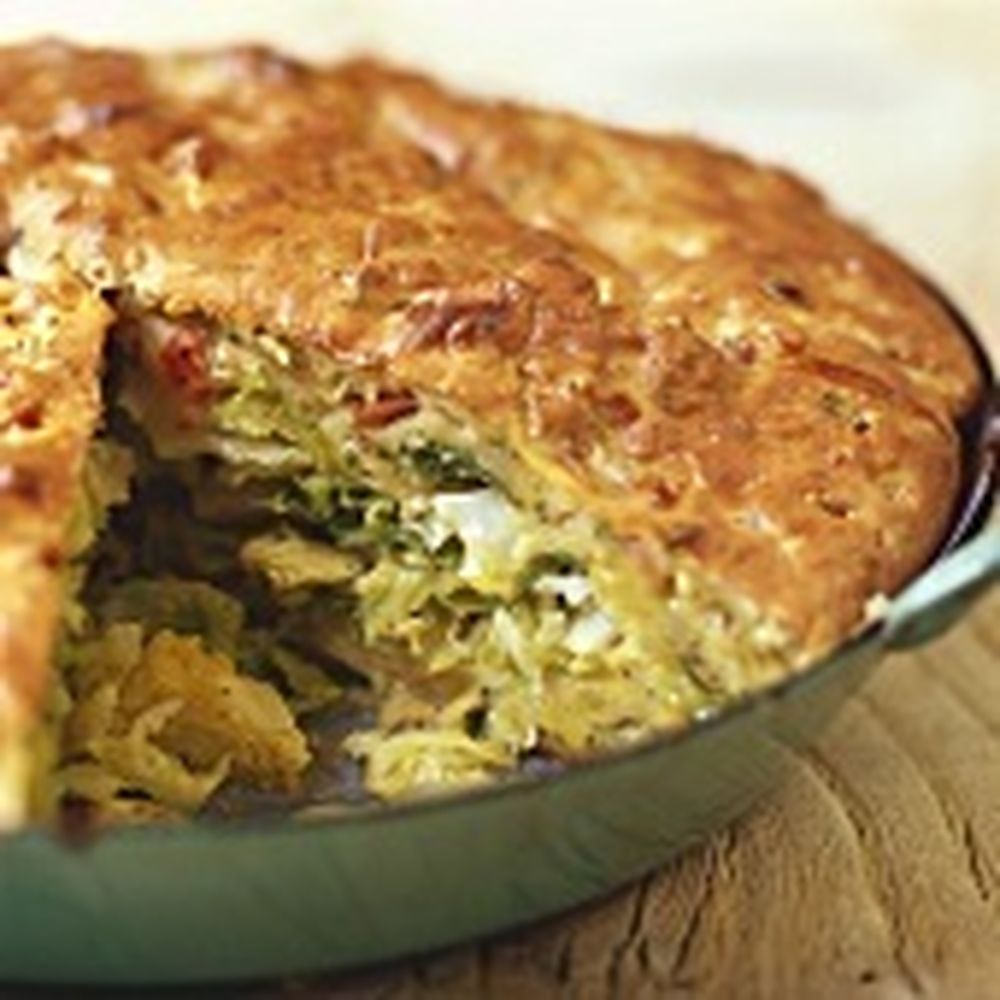
Cabbage Pie
Plăcintă cu Varză
Syllable: pluh-CHIN-tuh koo VAR-zuh
Pronunciation: Plăcintă cu Varză
- Cabbage pie has a savory flavor. – Plăcinta cu varză are un gust savuros.
- We prepared cabbage pie for dinner. – Am pregătit plăcintă cu varză la cină.
- My family often cooks plăcintă cu varză. – Familia mea gătește des plăcintă cu varză.
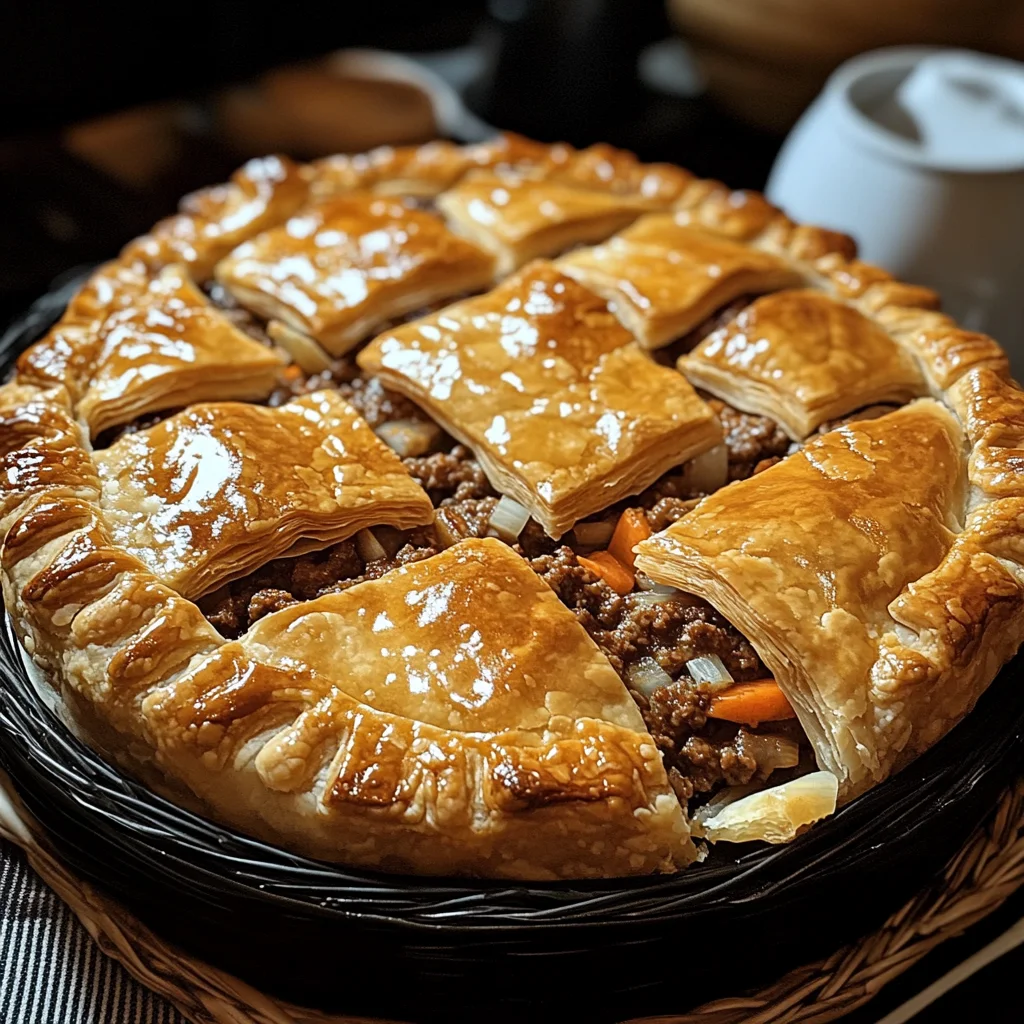
Thin-Stretched Traditional Pie
Plăcintă Întinsă
Syllable: pluh-CHIN-tuh uhn-TEEN-suh
Pronunciation: Plăcintă Întinsă
- Thin-stretched traditional pie has a delicate crust. – Plăcinta întinsă are o crustă subțire și fragedă.
- We baked thin-stretched traditional pie for guests. – Am copt plăcintă întinsă pentru musafiri.
- My grandmother rolls plăcintă întinsă by hand. – Bunica mea întinde plăcinta întinsă cu mâna.
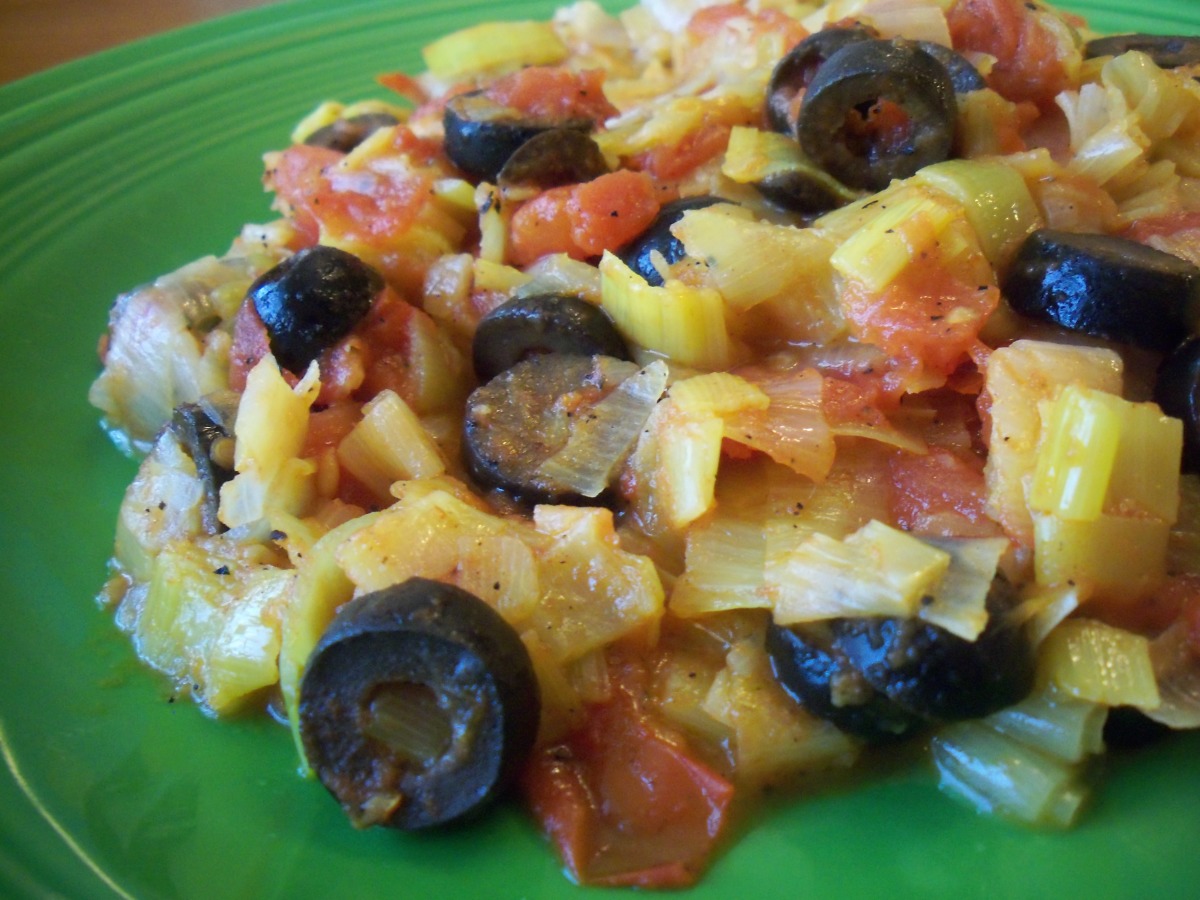
Leeks with Olives
Praz cu Măsline
Syllable: PRAHZ koo muh-SLEE-neh
Pronunciation: Praz cu Măsline
- Leeks with olives are flavorful and healthy. – Prazul cu măsline este gustos și sănătos.
- We served leeks with olives for lunch. – Am servit praz cu măsline la prânz.
- My aunt often prepares praz cu măsline. – Mătușa mea pregătește des praz cu măsline.

Cauldron-Fried Chicken
Pui la Ceaun
Syllable: POOY lah cha-OWN
Pronunciation: Pui la Ceaun
- Cauldron-fried chicken is crispy and juicy. – Puiul la ceaun este crocant și suculent.
- We cooked cauldron-fried chicken outdoors. – Am gătit pui la ceaun afară.
- My friends love pui la ceaun at gatherings. – Prietenii mei adoră puiul la ceaun la întâlniri.
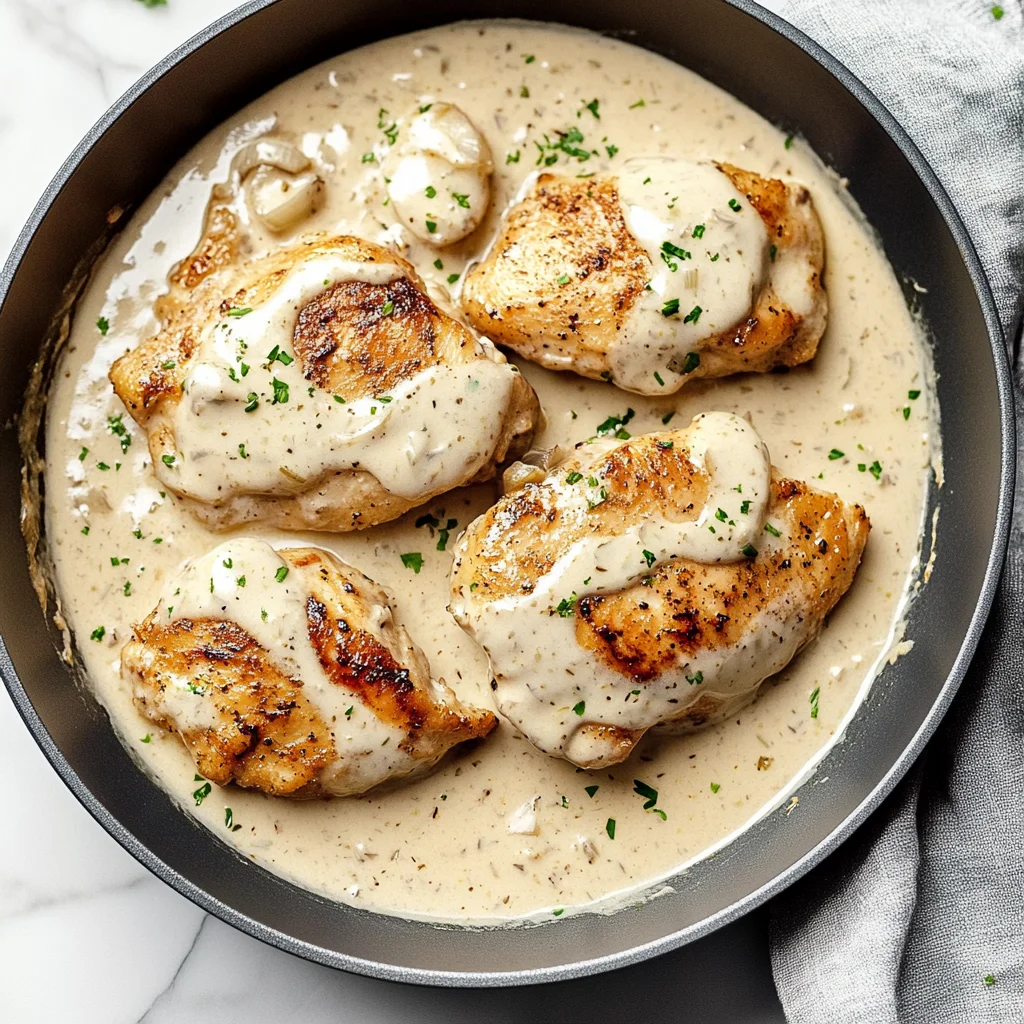
Chicken with Sour Cream
Pui cu Smântână
Syllable: POOY koo smuhn-TUH-nuh
Pronunciation: Pui cu Smântână
- Chicken with sour cream is creamy and delicious. – Puiul cu smântână este cremos și gustos.
- We served chicken with sour cream for dinner. – Am servit pui cu smântână la cină.
- My mother prepares pui cu smântână every Sunday. – Mama mea pregătește pui cu smântână în fiecare duminică.
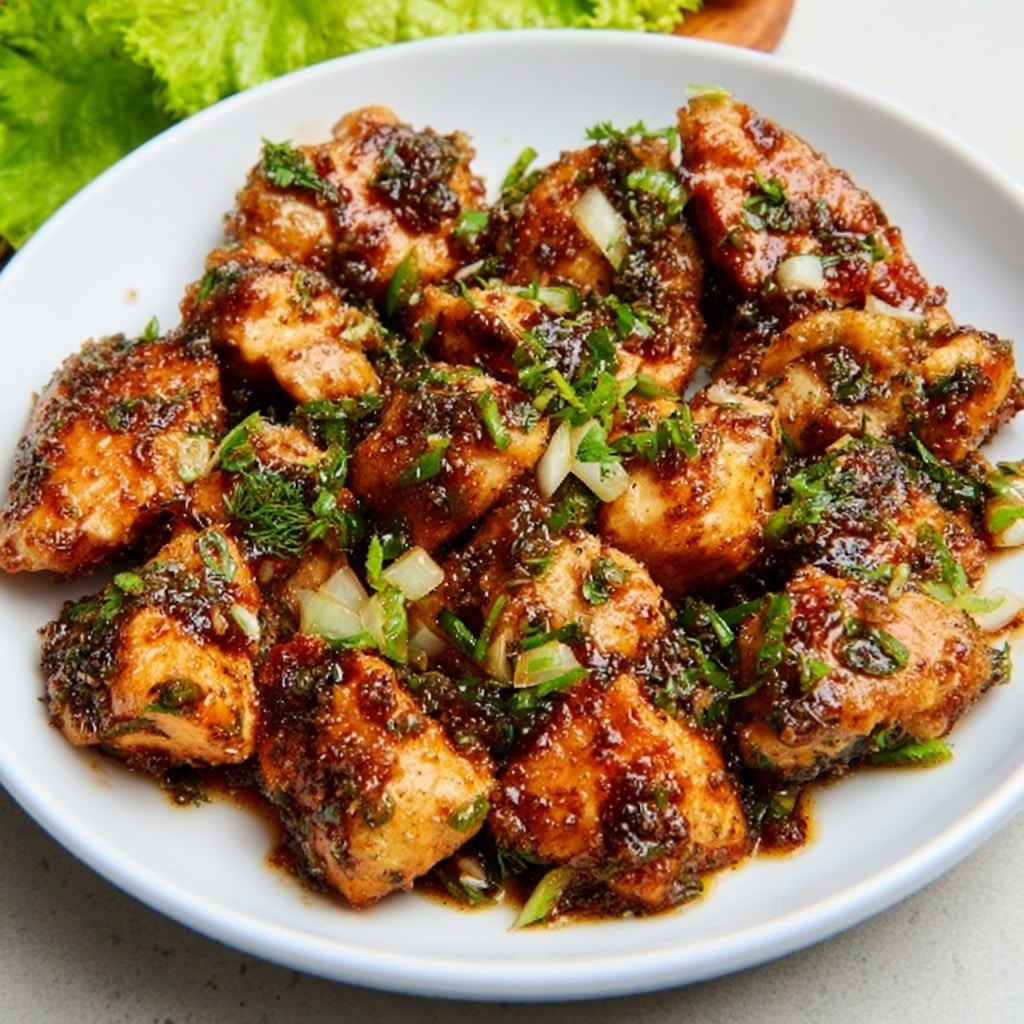
Garlic Chicken
Pui cu Usturoi
Syllable: POOY koo oos-too-ROY
Pronunciation: Pui cu Usturoi
- Garlic chicken is aromatic and flavorful. – Puiul cu usturoi este aromat și gustos.
- We enjoyed garlic chicken for lunch. – Am mâncat pui cu usturoi la prânz.
- My father often cooks pui cu usturoi. – Tatăl meu gătește des pui cu usturoi.

Romanian Meatballs
Perișoare
Syllable: peh-ree-SHOA-reh
Pronunciation: Perișoare
- Romanian meatballs are tender and delicious. – Perișoarele sunt fragede și gustoase.
- We served Romanian meatballs with soup. – Am servit perișoare cu supă.
- My family enjoys perișoare every week. – Familia mea mănâncă perișoare în fiecare săptămână.

Snow White Layer Cake
Prăjitură Alba ca Zăpada
Syllable: pruh-zhee-TOO-ruh AL-bah kah ZUH-pah-dah
Pronunciation: Prăjitură Alba ca Zăpada
- Snow White layer cake is soft and creamy. – Prăjitura Alba ca Zăpada este pufoasă și cremoasă.
- We served Snow White layer cake for dessert. – Am servit Prăjitura Alba ca Zăpada la desert.
- My sister bakes Prăjitura Alba ca Zăpada for birthdays. – Sora mea coace Prăjitura Alba ca Zăpada pentru aniversări.
Romanian Cuisine Preserves Tradition One Recipe at a Time
Romanian food is more than a collection of recipes—it is a reflection of history, community, and seasonal living.
Papanași have become Romania’s signature dessert, while Piftie continues to symbolize winter holiday celebrations. Plăcintă represents the country’s rich baking heritage, and Pomana Porcului preserves one of Romania’s oldest rural traditions.
Together, these authentic specialties illustrate how Romanian cuisine combines regional diversity, local ingredients, and centuries-old customs into unforgettable meals.
Practice Activities
- Learn five Romanian foods beginning with P.
- Practice pronouncing each Romanian food name.
- Create illustrated flashcards for every dish.
- Match foods with their primary ingredients.
- Read authentic Romanian recipes.
- Watch Romanian cooking demonstrations.
- Organize foods into desserts, pastries, meat dishes, and holiday recipes.
- Research the history of Papanași and Pomana Porcului.
- Visit a Romanian restaurant and identify foods beginning with P.
- Keep an A-to-Z Romanian food journal.
- Try making Plăcintă or Papanași at home.
- Compare Romanian pastries with those from neighboring countries.
- Share your favorite Romanian discovery with family or friends.
- Test your knowledge using the worksheet.
Continue Your Romanian Food Alphabet Journey!
The letter P introduces one of the most memorable collections of authentic Romanian foods. From irresistible Papanași and festive Piftie to homemade Plăcintă and traditional Pomana Porcului, these dishes celebrate Romania’s regional diversity, rich history, and enduring love of home-cooked food.
Which Romanian food beginning with P would you most like to try? Share your favorite in the comments, recommend another authentic P specialty, and continue exploring the Romanian food alphabet one delicious letter at a time.