
The letter K is one of the most important in the Polish food alphabet. It includes many of the country’s best-known national dishes, traditional breads, hearty soups, potato dumplings, smoked sausages, and beloved desserts. If someone wanted to experience the true flavors of Poland, many of the must-try dishes would begin with this letter.
From iconic Kiełbasa and crispy Kotlet Schabowy to comforting Kopytka and regional dumplings, Polish foods beginning with K perfectly represent the country’s rich culinary heritage and centuries of home cooking.
This guide explores authentic Polish foods that start with K, introducing traditional recipes, regional specialties, and classic dishes enjoyed throughout Poland.
K Keeps Poland’s Culinary Heritage Alive
The foods beginning with K reflect the recipes that have shaped Polish family kitchens for generations.
Perhaps no food is more closely associated with Poland than Kiełbasa, the country’s famous sausage. Made in dozens of regional varieties, Polish Kiełbasa may be smoked, grilled, boiled, or roasted using pork, beef, garlic, marjoram, and traditional spices. It remains a staple of holidays, barbecues, and everyday meals.
Another national favorite is Kotlet Schabowy, a breaded pork cutlet often compared to schnitzel. Coated in breadcrumbs and fried until golden, it is traditionally served with mashed potatoes, cabbage salad, or pickled vegetables. For many families, it is the classic Sunday dinner.
Potato lovers immediately recognize Kopytka, soft potato dumplings whose name means “little hooves” because of their distinctive shape. These dumplings can be served with butter, mushroom sauce, bacon, or meat gravies, making them one of Poland’s most versatile comfort foods.
Another regional specialty is Kluski Śląskie, smooth potato dumplings from the Silesia region. Their signature indentation helps hold rich meat sauces, making them a favorite accompaniment to beef roasts and traditional stews.
Other authentic Polish foods beginning with K include Kapuśniak (sauerkraut soup), Kaszanka (blood sausage), Kasza Gryczana (buckwheat groats), Krupnik (barley soup), Kremówka (Polish cream cake), Kluski Leniwe (lazy dumplings), Karp Smażony (fried carp), Kompot (fruit drink), and Kapuśniak z Grzybami (cabbage soup with mushrooms).
Together, these specialties demonstrate why the letter K forms the backbone of traditional Polish cuisine.
Benefits of Learning Polish Foods Beginning With K
- Complete your Polish food vocabulary from A to Z.
- Discover many of Poland’s most iconic traditional dishes.
- Learn about authentic Polish regional specialties.
- Explore sausages, dumplings, soups, desserts, and meat dishes.
- Recognize classic foods served across Poland.
- Improve confidence when reading Polish restaurant menus.
- Strengthen memory through alphabetical learning.
- Prepare for travel by identifying local favorites.
- Support classroom and worksheet activities.
- Learn about Poland’s rich culinary heritage.
- Find inspiration for cooking authentic Polish recipes at home.
- Experience both sweet and savory Polish cuisine.
- Develop a deeper appreciation for Central European food traditions.
Polish Foods That Start With K
The letter K showcases the incredible variety of Polish cooking. Potatoes, pork, cabbage, buckwheat, barley, mushrooms, dairy products, and aromatic herbs appear throughout this collection, reflecting the country’s agricultural traditions and regional diversity.
Many of these dishes remain essential to Polish holidays, Sunday family meals, and festive gatherings, preserving recipes that have been enjoyed for centuries.

Roast Duck with Apples
Kaczka z Jabłkami
Syllable: KACH-kah z yah-BKAH-mee
Pronunciation: Kaczka z Jabłkami
- Roast duck with apples has a sweet and savory flavor. – Kaczka z jabłkami ma słodko-wytrawny smak.
- We cooked roast duck with apples for guests. – Przygotowaliśmy kaczkę z jabłkami dla gości.
- My grandmother often makes kaczka z jabłkami in autumn. – Moja babcia często robi kaczkę z jabłkami jesienią.
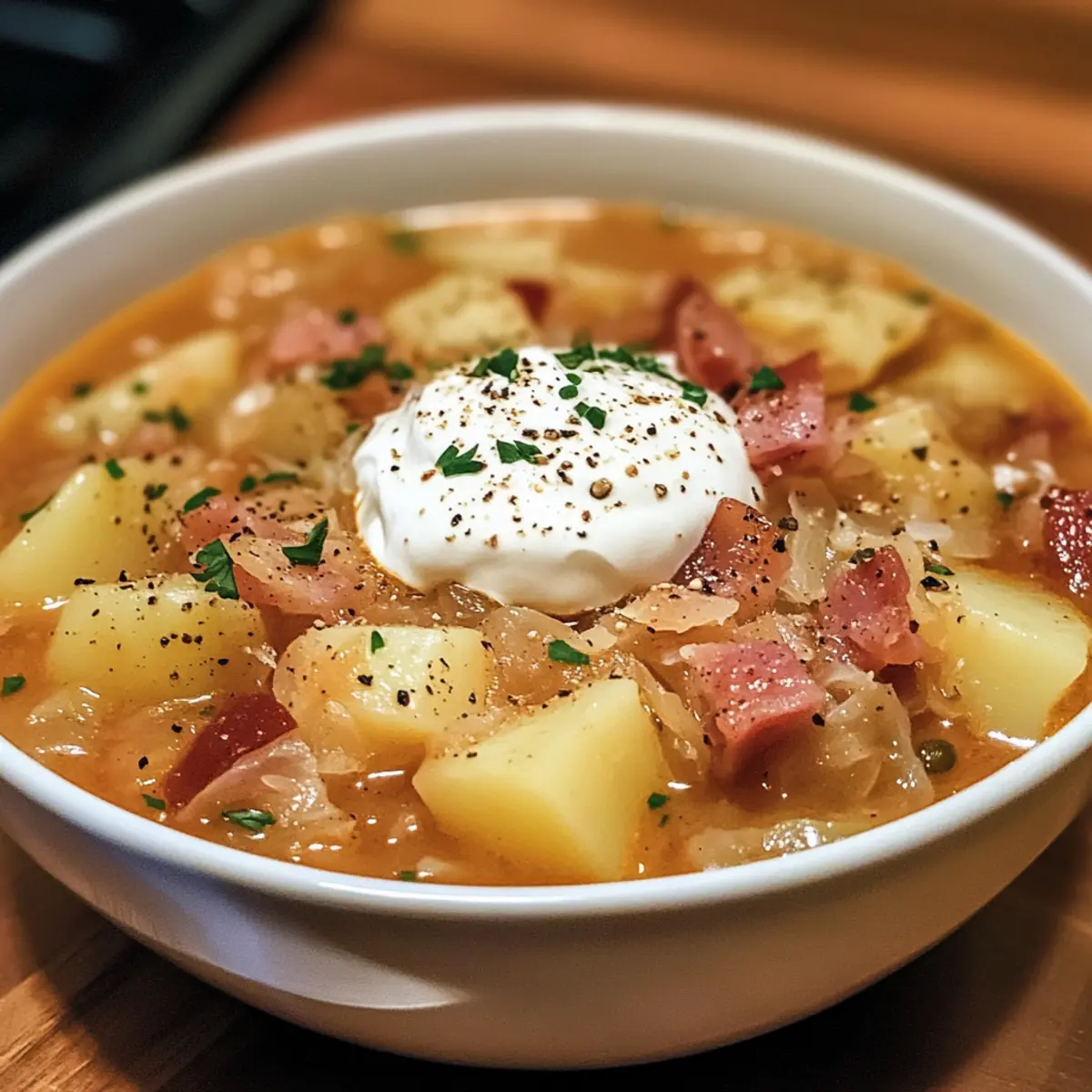
Sauerkraut Soup
Kapuśniak
Syllable: kah-poosh-NYAK
Pronunciation: Kapuśniak
- Sauerkraut soup is warm and comforting. – Kapuśniak jest ciepły i sycący.
- We enjoyed sauerkraut soup on a cold evening. – Jedliśmy kapuśniak w chłodny wieczór.
- My mother cooks kapuśniak every winter. – Moja mama gotuje kapuśniak każdej zimy.

Polish Blood Sausage
Kaszanka
Syllable: kah-SHAN-kah
Pronunciation: Kaszanka
- Polish blood sausage has a rich flavor. – Kaszanka ma wyrazisty smak.
- We grilled Polish blood sausage for dinner. – Grillowaliśmy kaszankę na kolację.
- My uncle enjoys kaszanka with onions. – Mój wujek lubi kaszankę z cebulą.
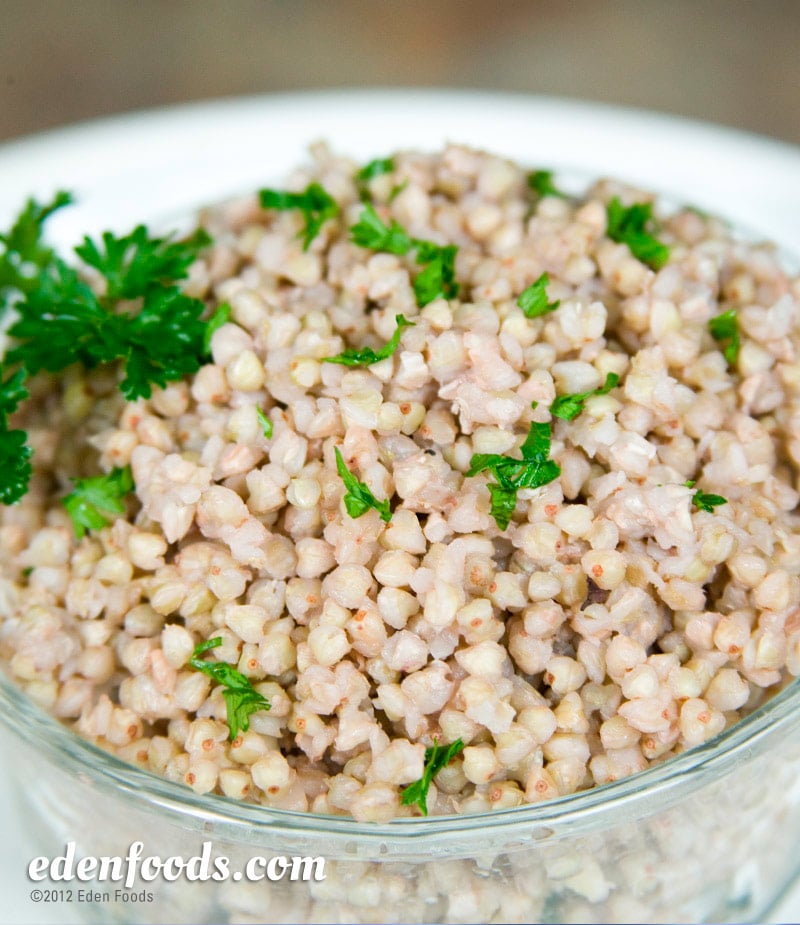
Buckwheat Groats
Kasza Gryczana
Syllable: KAH-shah gri-CHAH-nah
Pronunciation: Kasza Gryczana
- Buckwheat groats are healthy and filling. – Kasza gryczana jest zdrowa i sycąca.
- We served buckwheat groats with vegetables. – Podaliśmy kaszę gryczaną z warzywami.
- My family often eats kasza gryczana for lunch. – Moja rodzina często je kaszę gryczaną na obiad.
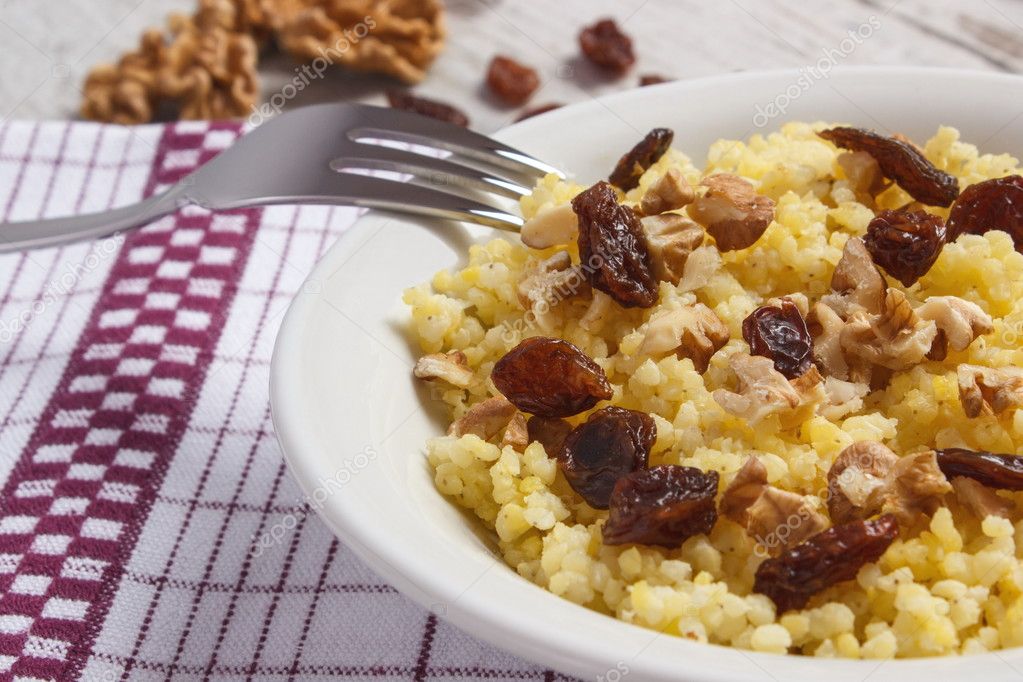
Millet Groats
Kasza Jaglana
Syllable: KAH-shah yag-LAH-nah
Pronunciation: Kasza Jaglana
- Millet groats are light and nutritious. – Kasza jaglana jest lekka i pożywna.
- We cooked millet groats with butter. – Ugotowaliśmy kaszę jaglaną z masłem.
- My grandmother serves kasza jaglana for breakfast. – Moja babcia podaje kaszę jaglaną na śniadanie.
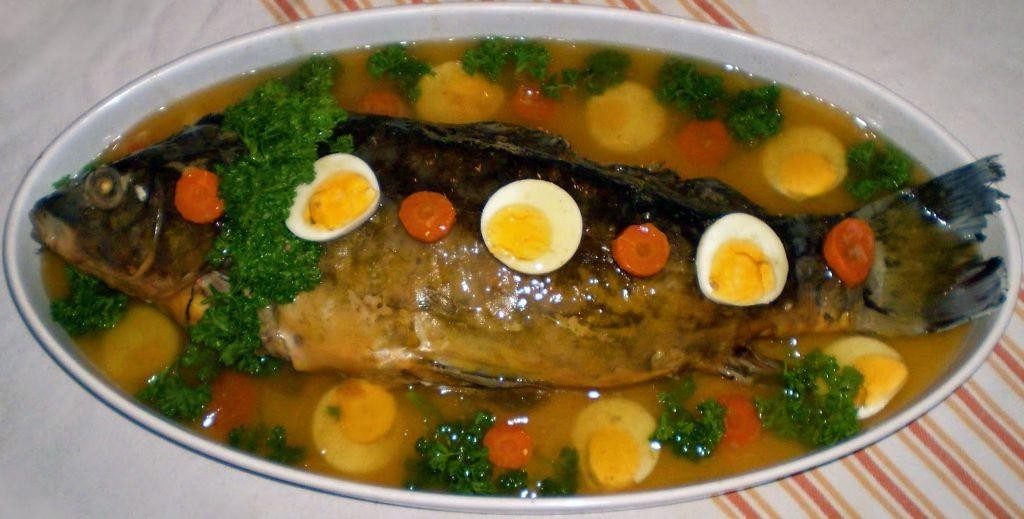
Jewish-Style Carp
Karp po Żydowsku
Syllable: karp poh zhid-OV-skoo
Pronunciation: Karp po Żydowsku
- Jewish-style carp is a traditional festive dish. – Karp po żydowsku to tradycyjne świąteczne danie.
- We served Jewish-style carp at Christmas dinner. – Podaliśmy karpia po żydowsku na kolację wigilijną.
- My family prepares karp po żydowsku every December. – Moja rodzina przygotowuje karpia po żydowsku każdego grudnia.

Fried Carp
Karp Smażony
Syllable: karp sma-ZHO-nih
Pronunciation: Karp Smażony
- Fried carp is crispy and delicious. – Smażony karp jest chrupiący i smaczny.
- We enjoyed fried carp with potatoes. – Jedliśmy smażonego karpia z ziemniakami.
- My father cooks karp smażony every Christmas Eve. – Mój tata przygotowuje smażonego karpia w każdą Wigilię.
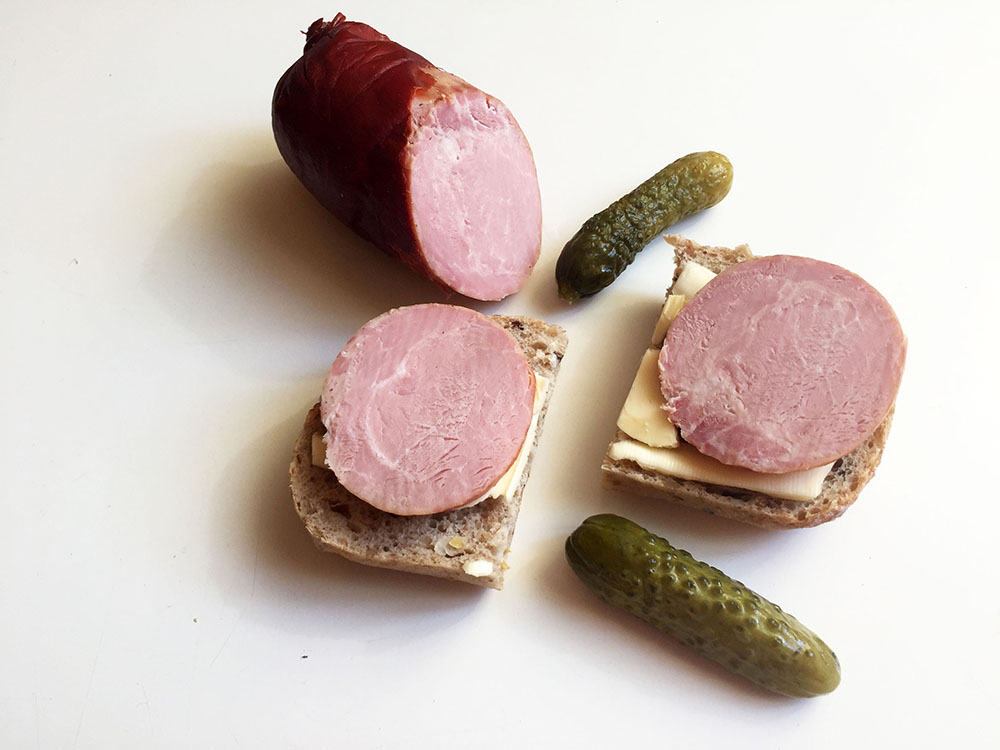
Lisiecka Sausage
Kiełbasa Lisiecka
Syllable: kyew-BAH-sah lee-SHYETS-kah
Pronunciation: Kiełbasa Lisiecka
- Lisiecka sausage has a smoky aroma. – Kiełbasa lisiecka ma wędzony aromat.
- We sliced Lisiecka sausage for sandwiches. – Pokroiliśmy kiełbasę lisiecką do kanapek.
- My grandfather buys kiełbasa lisiecka from local markets. – Mój dziadek kupuje kiełbasę lisiecką na lokalnym targu.
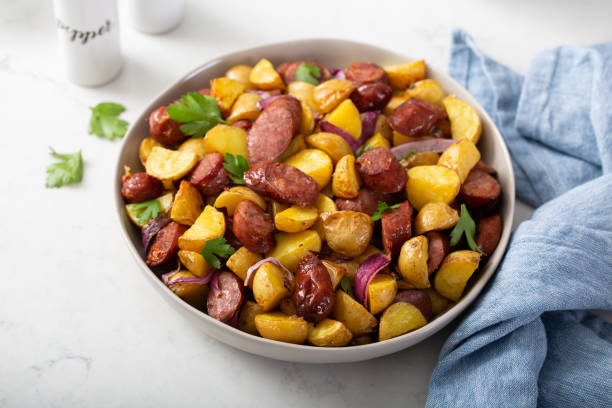
Potato Sausage
Kiszka Ziemniaczana
Syllable: KEESH-kah zhyem-nya-CHAH-nah
Pronunciation: Kiszka Ziemniaczana
- Potato sausage is crispy outside and soft inside. – Kiszka ziemniaczana jest chrupiąca z zewnątrz i miękka w środku.
- We baked potato sausage until golden. – Upiekliśmy kiszkę ziemniaczaną na złoty kolor.
- My family enjoys kiszka ziemniaczana with sour cream. – Moja rodzina lubi kiszkę ziemniaczaną ze śmietaną.
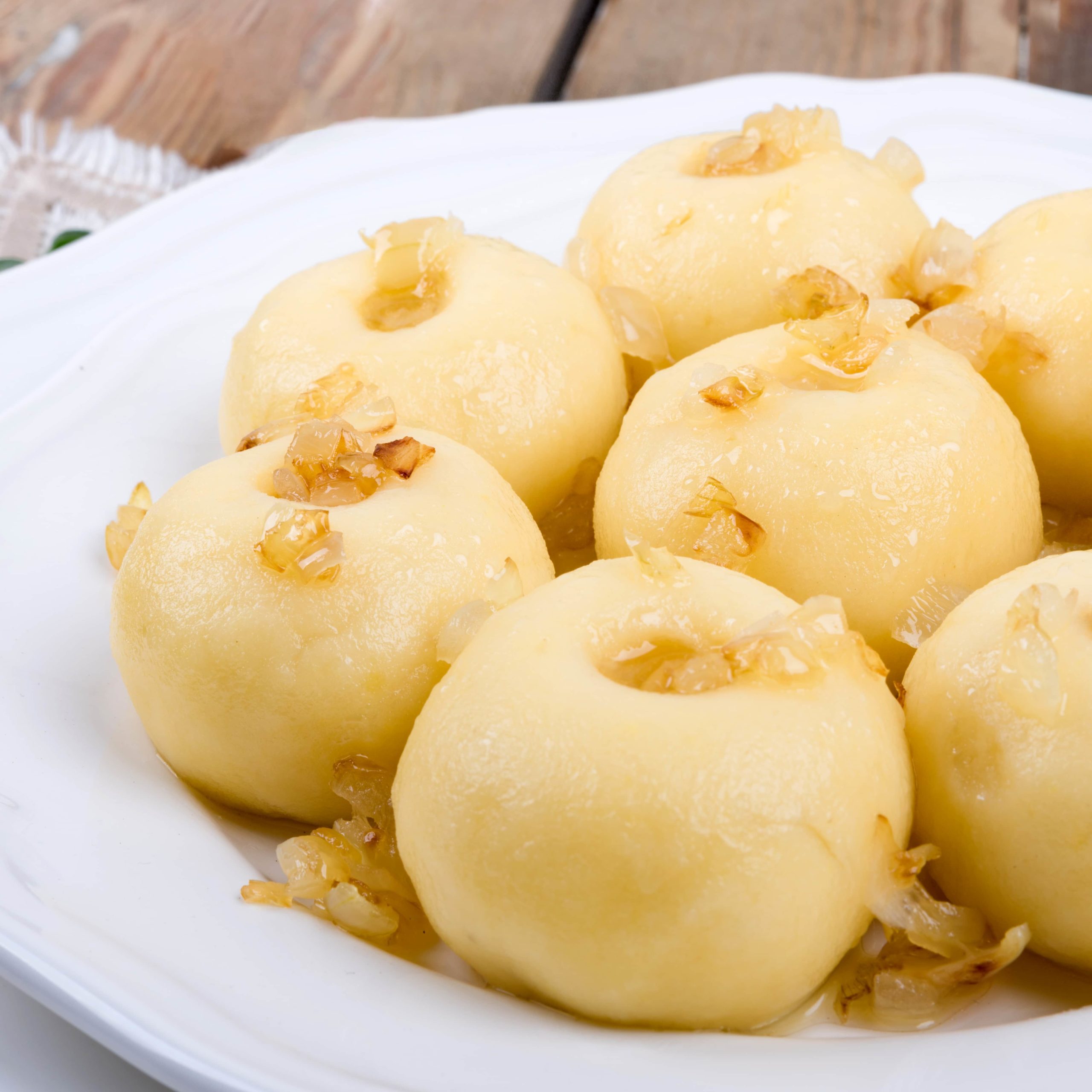
Silesian Dumplings
Kluski Śląskie
Syllable: KLOOS-kee SHLON-skeh
Pronunciation: Kluski Śląskie
- Silesian dumplings are soft and fluffy. – Kluski śląskie są miękkie i puszyste.
- We served Silesian dumplings with gravy. – Podaliśmy kluski śląskie z sosem.
- My grandmother makes kluski śląskie every Sunday. – Moja babcia robi kluski śląskie w każdą niedzielę.
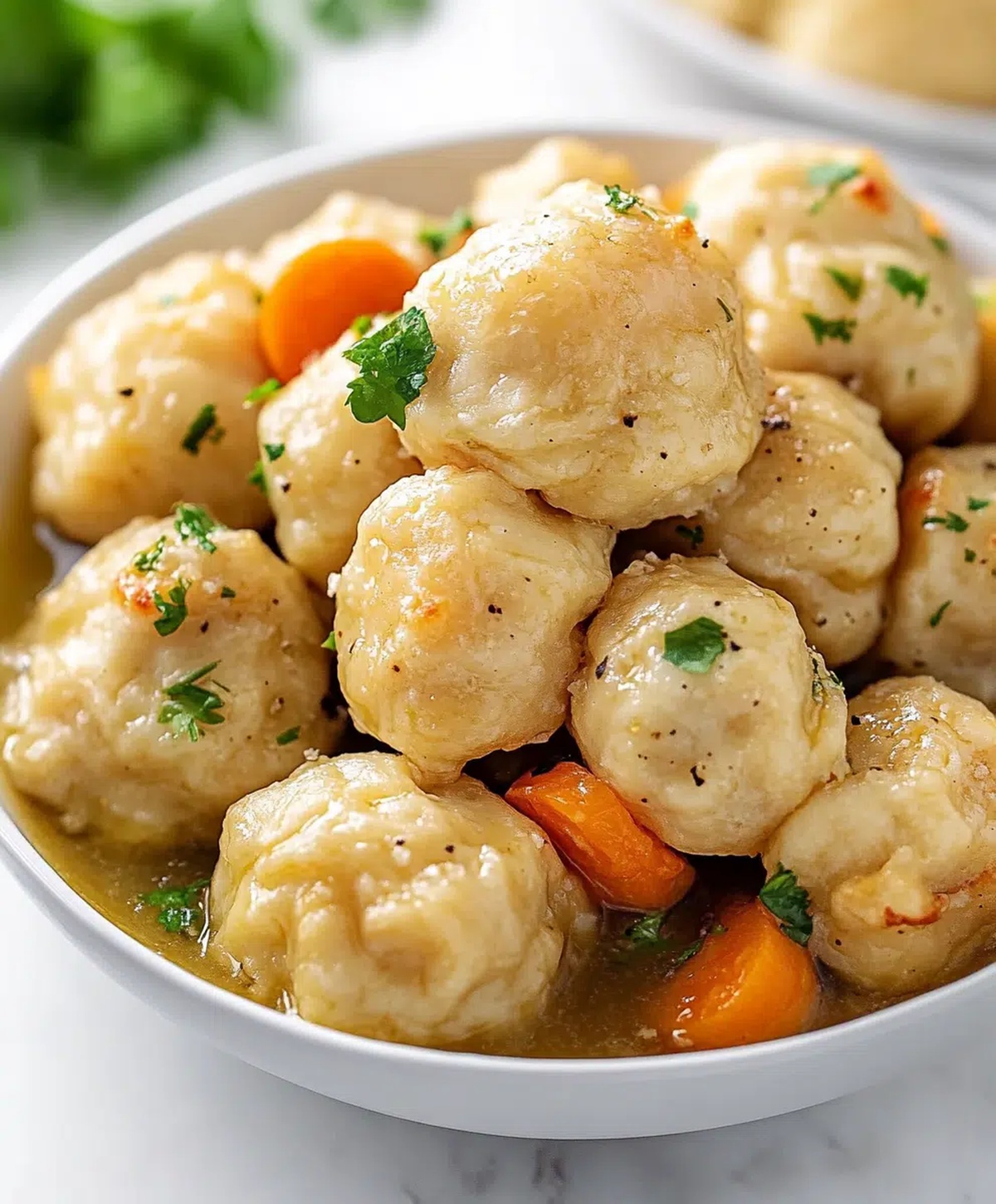
Dropped Dumplings
Kluski Kładzione
Syllable: KLOOS-kee kwah-DZOH-neh
Pronunciation: Kluski Kładzione
- Dropped dumplings are soft and comforting. – Kluski kładzione są miękkie i sycące.
- We added dropped dumplings to the soup. – Dodaliśmy kluski kładzione do zupy.
- My mother often prepares kluski kładzione for lunch. – Moja mama często przygotowuje kluski kładzione na obiad.

Lazy Dumplings
Kluski Leniwe
Syllable: KLOOS-kee leh-NYEE-veh
Pronunciation: Kluski Leniwe
- Lazy dumplings are simple and delicious. – Kluski leniwe są proste i pyszne.
- We enjoyed lazy dumplings with butter. – Jedliśmy kluski leniwe z masłem.
- My sister likes kluski leniwe with sugar. – Moja siostra lubi kluski leniwe z cukrem.

Traditional Celebration Cake
Kołacz
Syllable: KO-watch
Pronunciation: Kołacz
- Traditional celebration cake is soft and festive. – Kołacz jest miękki i świąteczny.
- We baked a traditional celebration cake for the wedding. – Upiekliśmy kołacz na wesele.
- My aunt always prepares kołacz for family celebrations. – Moja ciocia zawsze przygotowuje kołacz na rodzinne uroczystości.
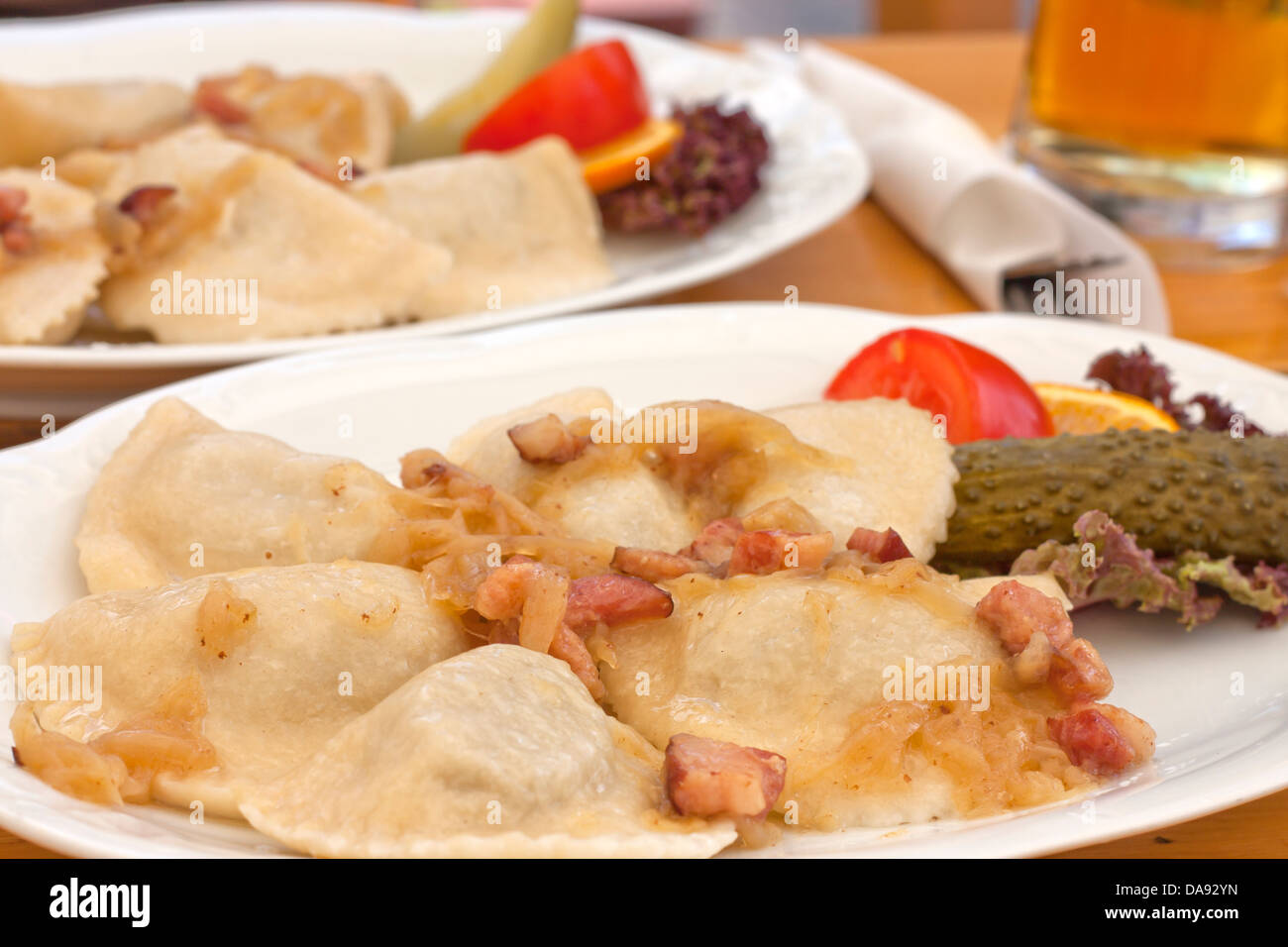
Polish Meat Dumplings
Kołduny
Syllable: kol-DOO-nih
Pronunciation: Kołduny
- Polish meat dumplings are tender and flavorful. – Kołduny są delikatne i aromatyczne.
- We served Polish meat dumplings with broth. – Podaliśmy kołduny z rosołem.
- My family enjoys kołduny during holidays. – Moja rodzina lubi kołduny podczas świąt.
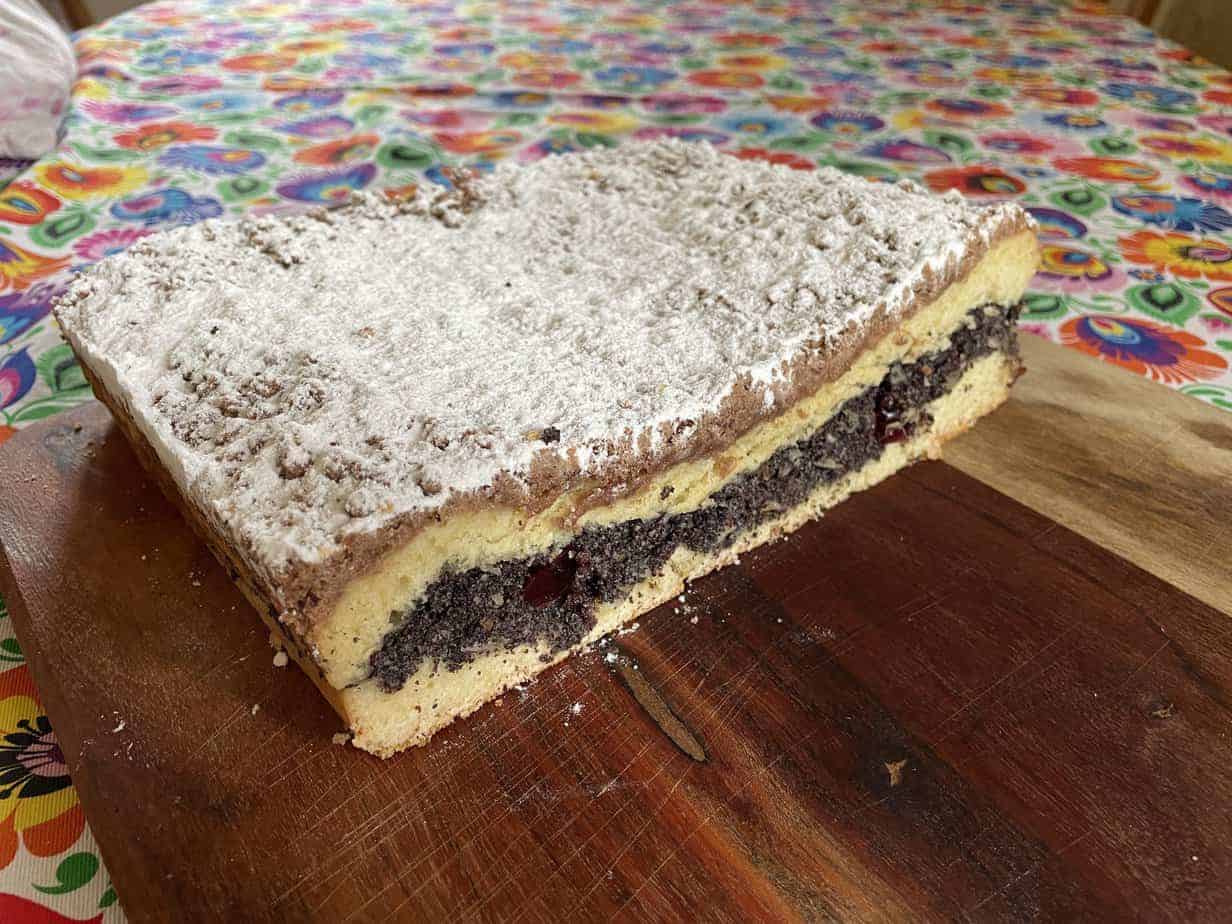
Silesian Yeast Cake
Kołocz Śląski
Syllable: KO-watch SHLON-skee
Pronunciation: Kołocz Śląski
- Silesian yeast cake is light and sweet. – Kołocz śląski jest lekki i słodki.
- We enjoyed Silesian yeast cake with coffee. – Jedliśmy kołocz śląski do kawy.
- My grandmother bakes kołocz śląski every holiday. – Moja babcia piecze kołocz śląski na każde święta.
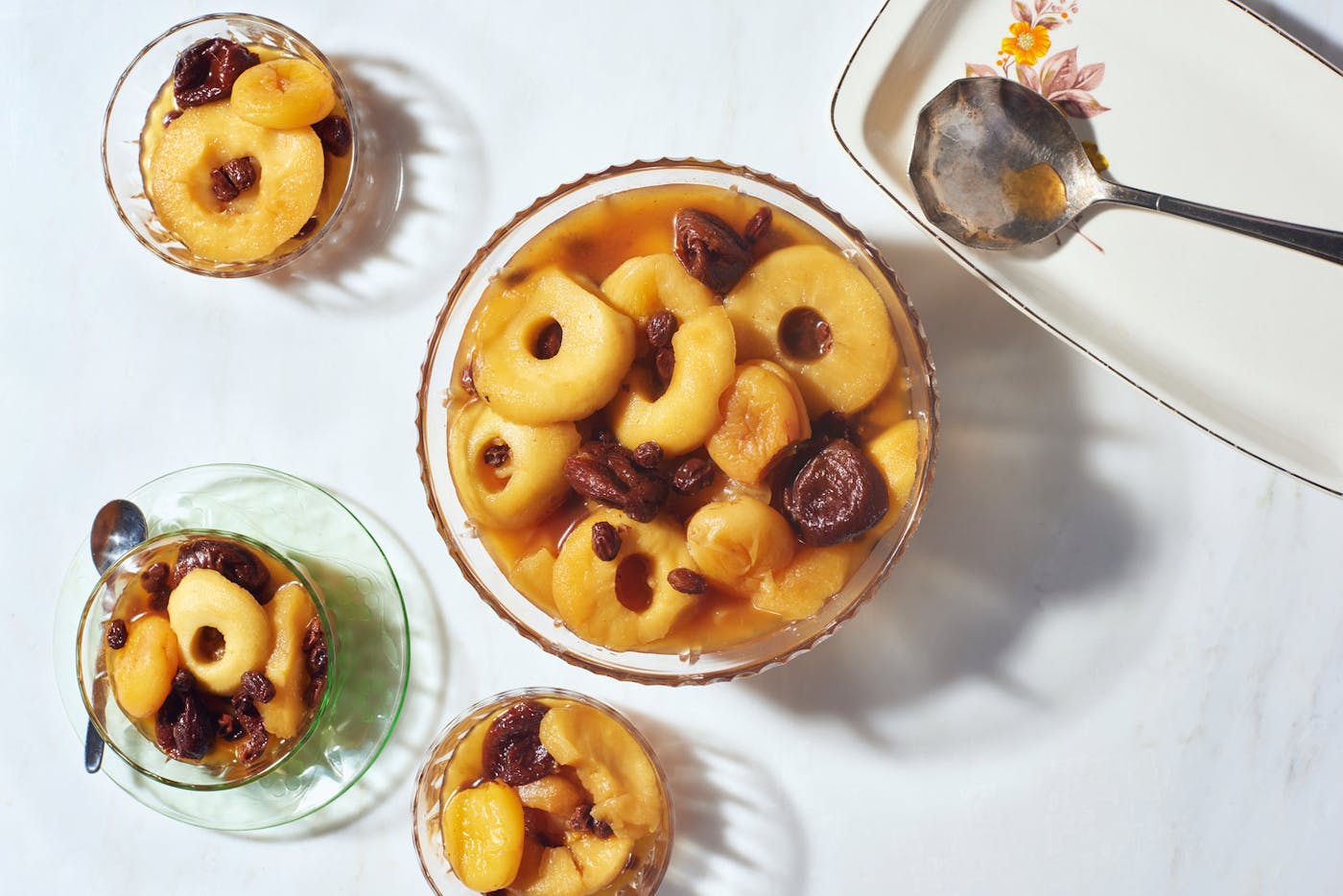
Dried Fruit Compote
Kompot z Suszu
Syllable: KOM-pot z SOO-shoo
Pronunciation: Kompot z Suszu
- Dried fruit compote is sweet and aromatic. – Kompot z suszu jest słodki i aromatyczny.
- We served dried fruit compote at Christmas dinner. – Podaliśmy kompot z suszu na kolację wigilijną.
- My family drinks kompot z suszu every Christmas. – Moja rodzina pije kompot z suszu w każde święta Bożego Narodzenia.

Breaded Pork Cutlet
Kotlet Schabowy
Syllable: KOT-let skha-BOH-vih
Pronunciation: Kotlet Schabowy
- Breaded pork cutlet is crispy and juicy. – Kotlet schabowy jest chrupiący i soczysty.
- We served breaded pork cutlet with potatoes. – Podaliśmy kotlet schabowy z ziemniakami.
- My father orders kotlet schabowy at Polish restaurants. – Mój tata zamawia kotlet schabowy w polskich restauracjach.

Barley Soup
Krupnik
Syllable: KROOP-neek
Pronunciation: Krupnik
- Barley soup is warm and nourishing. – Krupnik jest ciepły i pożywny.
- We enjoyed barley soup on a rainy day. – Jedliśmy krupnik w deszczowy dzień.
- My grandmother cooks krupnik every week. – Moja babcia gotuje krupnik co tydzień.
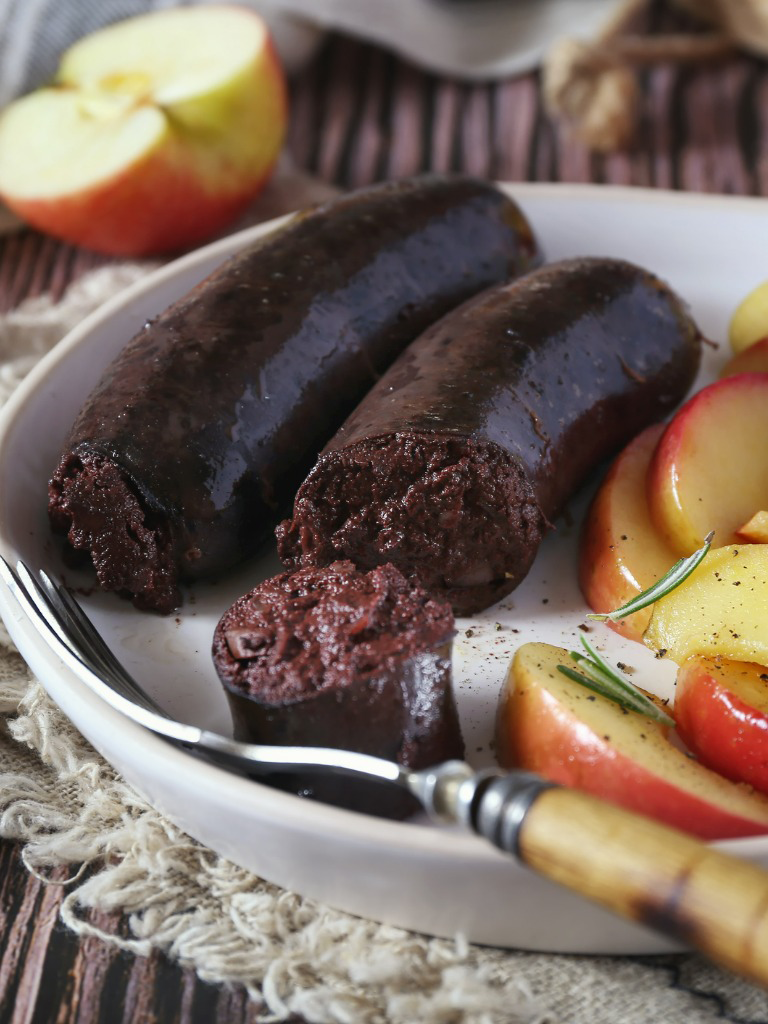
Silesian Blood Sausage
Krupniok
Syllable: kroop-NYOK
Pronunciation: Krupniok
- Silesian blood sausage has a rich traditional flavor. – Krupniok ma bogaty tradycyjny smak.
- We grilled Silesian blood sausage for lunch. – Grillowaliśmy krupniok na obiad.
- My uncle enjoys krupniok with onions. – Mój wujek lubi krupniok z cebulą.

Polish Cream Cake
Kremówka
Syllable: kre-MOOF-kah
Pronunciation: Kremówka
- Polish cream cake has smooth vanilla filling. – Kremówka ma delikatny waniliowy krem.
- We shared Polish cream cake after lunch. – Jedliśmy kremówkę po obiedzie.
- My sister loves fresh kremówka from the bakery. – Moja siostra uwielbia świeżą kremówkę z cukierni.

Christmas Wheat Berry Pudding
Kutia
Syllable: KOO-tyah
Pronunciation: Kutia
- Christmas wheat berry pudding is sweet and traditional. – Kutia jest słodka i tradycyjna.
- We served Christmas wheat berry pudding on Christmas Eve. – Podaliśmy kutię w Wigilię.
- My grandmother prepares kutia every Christmas. – Moja babcia przygotowuje kutię na każde Boże Narodzenie.
Polish Cuisine Is Built on Comfort and Tradition
Traditional Polish cooking emphasizes hearty meals, quality ingredients, and recipes that bring people together around the table.
Kiełbasa symbolizes Poland’s world-famous charcuterie tradition, while Kotlet Schabowy remains the country’s favorite breaded meat dish. Kopytka highlight the versatility of potatoes, and Kluski Śląskie celebrate one of Poland’s most distinctive regional cuisines.
Together, these authentic specialties demonstrate why Polish cuisine continues to be admired for its comforting flavors, rich history, and enduring family traditions.
Practice Activities
- Learn five Polish foods beginning with K.
- Practice pronouncing each Polish food name.
- Create illustrated flashcards with ingredients.
- Match foods with their cooking methods.
- Read authentic Polish recipes.
- Watch Polish cooking demonstrations.
- Organize foods into sausages, dumplings, soups, desserts, and meat dishes.
- Research the history of Kiełbasa and Kremówka.
- Visit a Polish restaurant and identify foods beginning with K.
- Keep an A-to-Z Polish food journal.
- Try making Kopytka or Kotlet Schabowy at home.
- Compare Polish dumplings with those from neighboring countries.
- Share your favorite Polish discovery with family or friends.
- Test your knowledge using the worksheet.
Polish Foods That Start With K
| # | English Food | Polish |
|---|---|---|
| 1 | Polish-Style Roast Duck | Kaczka po Polsku |
| 2 | Roast Duck with Apples | Kaczka z Jabłkami |
| 3 | Sauerkraut Soup | Kapuśniak |
| 4 | Polish Blood Sausage | Kaszanka |
| 5 | Buckwheat Groats | Kasza Gryczana |
| 6 | Millet Groats | Kasza Jaglana |
| 7 | Jewish-Style Carp | Karp po Żydowsku |
| 8 | Fried Carp | Karp Smażony |
| 9 | Lisiecka Sausage | Kiełbasa Lisiecka |
| 10 | Potato Sausage | Kiszka Ziemniaczana |
| 11 | Polish Meatballs | Klopsiki |
| 12 | Silesian Dumplings | Kluski Śląskie |
| 13 | Dropped Dumplings | Kluski Kładzione |
| 14 | Lazy Dumplings | Kluski Leniwe |
| 15 | Traditional Celebration Cake | Kołacz |
| 16 | Polish Meat Dumplings | Kołduny |
| 17 | Silesian Yeast Cake | Kołocz Śląski |
| 18 | Dried Fruit Compote | Kompot z Suszu |
| 19 | Breaded Pork Cutlet | Kotlet Schabowy |
| 20 | Polish Ground Meat Cutlet | Kotlet Mielony |
| 21 | Barley Soup | Krupnik |
| 22 | Silesian Blood Sausage | Krupniok |
| 23 | Polish Croquettes | Krokiety |
| 24 | Polish Cream Cake | Kremówka |
| 25 | Christmas Wheat Berry Pudding | Kutia |