The night sky has inspired curiosity for generations. Beyond the stars that shine overhead are planets—large celestial bodies that orbit the Sun and form part of our solar system. Some planets are rocky worlds, while others are giant spheres made mostly of gas. Each one has its own appearance, characteristics, and place in space.
Astronomy is often one of the first science topics that introduces learners to the vastness of the universe. Planet names appear in school lessons, educational videos, quizzes, and science projects, making them valuable vocabulary words to learn.
This worksheet introduces the names of the planets in Punjabi, helping learners combine language learning with an exciting journey through space.
Why Learning Planet Names in Punjabi Matters
Planet names are commonly used in science education and appear in textbooks, classroom activities, projects, and general knowledge discussions. Learning these words in Punjabi helps learners understand astronomy topics more confidently.
Unlike everyday vocabulary, planet names introduce learners to scientific concepts and encourage curiosity about space exploration, the solar system, and the universe beyond Earth. These words can also serve as a foundation for learning about stars, moons, galaxies, asteroids, and satellites.
For many students, astronomy is exciting because it combines discovery with imagination. Learning planet names helps make these topics more accessible and engaging.
Benefits of Learning Punjabi Planet Names
- Builds useful science-related vocabulary.
- Helps learners understand astronomy concepts.
- Supports reading and speaking activities.
- Improves pronunciation and word recognition.
- Makes science lessons easier to follow.
- Encourages curiosity about space exploration.
- Supports classroom projects and worksheets.
- Expands academic vocabulary.
- Helps learners understand the solar system.
- Creates opportunities for subject-based learning.
- Makes science topics more engaging.
- Strengthens memory through visual learning.
Since planets are usually studied in a specific order, learners often find them easier to organize and remember.
The Planets and Their Punjabi Names
From the rocky planets closest to the Sun to the giant worlds farther away, every planet has a unique role in our solar system.
The list below includes commonly recognized planets along with their Punjabi names, helping learners connect astronomy concepts with practical Punjabi vocabulary.

Mercury
ਬੁੱਧ ਗ੍ਰਹਿ
Syllable: ਬੁੱਧ ਗ੍ਰਹਿ
Pronunciation: Budh Grahi
- Mercury is the closest planet to the Sun. – ਬੁੱਧ ਗ੍ਰਹਿ ਸੂਰਜ ਦੇ ਸਭ ਤੋਂ ਨੇੜੇ ਗ੍ਰਹਿ ਹੈ।
- Mercury has a rocky surface. – ਬੁੱਧ ਗ੍ਰਹਿ ਦੀ ਸਤ੍ਹਾ ਪੱਥਰੀਲੀ ਹੈ।
- A year on Mercury is very short. – ਬੁੱਧ ਗ੍ਰਹਿ ਦਾ ਇੱਕ ਸਾਲ ਬਹੁਤ ਛੋਟਾ ਹੁੰਦਾ ਹੈ।

Venus
ਸ਼ੁੱਕਰ ਗ੍ਰਹਿ
Syllable: ਸ਼ੁੱਕਰ ਗ੍ਰਹਿ
Pronunciation: Shukar Grahi
- Venus is the hottest planet. – ਸ਼ੁੱਕਰ ਗ੍ਰਹਿ ਸਭ ਤੋਂ ਗਰਮ ਗ੍ਰਹਿ ਹੈ।
- Venus shines brightly in the sky. – ਸ਼ੁੱਕਰ ਗ੍ਰਹਿ ਆਕਾਸ਼ ਵਿੱਚ ਚਮਕਦਾ ਹੈ।
- It is often called Earth\’s sister planet. – ਇਸਨੂੰ ਧਰਤੀ ਦੀ ਭੈਣ ਗ੍ਰਹਿ ਕਿਹਾ ਜਾਂਦਾ ਹੈ।

Earth
ਧਰਤੀ
Syllable: ਧਰਤੀ
Pronunciation: Dharti
- Earth is our home planet. – ਧਰਤੀ ਸਾਡਾ ਘਰ ਹੈ।
- Life exists on Earth. – ਧਰਤੀ ਉੱਤੇ ਜੀਵਨ ਮੌਜੂਦ ਹੈ।
- Earth revolves around the Sun. – ਧਰਤੀ ਸੂਰਜ ਦੇ ਗੇੜ ਲਗਾਉਂਦੀ ਹੈ।

Mars
ਮੰਗਲ ਗ੍ਰਹਿ
Syllable: ਮੰਗਲ ਗ੍ਰਹਿ
Pronunciation: Mangal Grahi
- Mars is known as the Red Planet. – ਮੰਗਲ ਗ੍ਰਹਿ ਨੂੰ ਲਾਲ ਗ੍ਰਹਿ ਕਿਹਾ ਜਾਂਦਾ ਹੈ।
- Scientists study Mars carefully. – ਵਿਗਿਆਨੀ ਮੰਗਲ ਗ੍ਰਹਿ ਦਾ ਅਧਿਐਨ ਕਰਦੇ ਹਨ।
- Mars has the largest volcano in the solar system. – ਮੰਗਲ ਗ੍ਰਹਿ \’ਤੇ ਸੂਰਜ ਮੰਡਲ ਦਾ ਸਭ ਤੋਂ ਵੱਡਾ ਜੁਆਲਾਮੁਖੀ ਹੈ।

Jupiter
ਬ੍ਰਹਸਪਤੀ ਗ੍ਰਹਿ
Syllable: ਬ੍ਰਹਸਪਤੀ ਗ੍ਰਹਿ
Pronunciation: Brihaspati Grahi
- Jupiter is the largest planet. – ਬ੍ਰਹਸਪਤੀ ਗ੍ਰਹਿ ਸਭ ਤੋਂ ਵੱਡਾ ਗ੍ਰਹਿ ਹੈ।
- It has many moons. – ਇਸ ਦੇ ਬਹੁਤ ਸਾਰੇ ਚੰਦ ਹਨ।
- The Great Red Spot is on Jupiter. – ਵੱਡਾ ਲਾਲ ਧੱਬਾ ਬ੍ਰਹਸਪਤੀ ਗ੍ਰਹਿ \’ਤੇ ਹੈ।

Saturn
ਸ਼ਨੀ ਗ੍ਰਹਿ
Syllable: ਸ਼ਨੀ ਗ੍ਰਹਿ
Pronunciation: Shani Grahi
- Saturn is famous for its rings. – ਸ਼ਨੀ ਗ੍ਰਹਿ ਆਪਣੀਆਂ ਛੱਲਿਆਂ ਲਈ ਮਸ਼ਹੂਰ ਹੈ।
- The rings are made of ice and rock. – ਛੱਲੇ ਬਰਫ਼ ਅਤੇ ਪੱਥਰਾਂ ਨਾਲ ਬਣੇ ਹਨ।
- Saturn is a gas giant. – ਸ਼ਨੀ ਗ੍ਰਹਿ ਇੱਕ ਗੈਸੀ ਦੈਤ ਹੈ।

Uranus
ਯੂਰੇਨਸ
Syllable: ਯੂਰੇਨਸ
Pronunciation: Uranus
- Uranus rotates on its side. – ਯੂਰੇਨਸ ਆਪਣੀ ਬਾਜੂ \’ਤੇ ਘੁੰਮਦਾ ਹੈ।
- It appears blue-green in color. – ਇਹ ਨੀਲਾ-ਹਰਾ ਦਿਖਾਈ ਦਿੰਦਾ ਹੈ।
- Uranus is very cold. – ਯੂਰੇਨਸ ਬਹੁਤ ਠੰਢਾ ਹੈ।

Neptune
ਨੇਪਚੂਨ
Syllable: ਨੇਪਚੂਨ
Pronunciation: Neptune
- Neptune is the farthest major planet. – ਨੇਪਚੂਨ ਸਭ ਤੋਂ ਦੂਰਲਾ ਮੁੱਖ ਗ੍ਰਹਿ ਹੈ।
- Strong winds blow on Neptune. – ਨੇਪਚੂਨ \’ਤੇ ਤੇਜ਼ ਹਵਾਵਾਂ ਵੱਗਦੀਆਂ ਹਨ।
- It is deep blue in color. – ਇਹ ਗੂੜ੍ਹੇ ਨੀਲੇ ਰੰਗ ਦਾ ਹੈ।

Pluto
ਪਲੂਟੋ
Syllable: ਪਲੂਟੋ
Pronunciation: Pluto
- Pluto is a dwarf planet. – ਪਲੂਟੋ ਇੱਕ ਬੌਣਾ ਗ੍ਰਹਿ ਹੈ।
- It was once considered the ninth planet. – ਇਸਨੂੰ ਕਦੇ ਨੌਵਾਂ ਗ੍ਰਹਿ ਮੰਨਿਆ ਜਾਂਦਾ ਸੀ।
- Pluto is very far from the Sun. – ਪਲੂਟੋ ਸੂਰਜ ਤੋਂ ਬਹੁਤ ਦੂਰ ਹੈ।
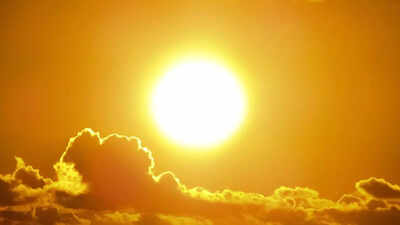
Sun
ਸੂਰਜ
Syllable: ਸੂਰਜ
Pronunciation: Sooraj
- The Sun gives us light and heat. – ਸੂਰਜ ਸਾਨੂੰ ਰੋਸ਼ਨੀ ਅਤੇ ਗਰਮੀ ਦਿੰਦਾ ਹੈ।
- Plants need sunlight to grow. – ਪੌਦਿਆਂ ਨੂੰ ਵਧਣ ਲਈ ਸੂਰਜ ਦੀ ਰੋਸ਼ਨੀ ਚਾਹੀਦੀ ਹੈ।
- The Sun is a star. – ਸੂਰਜ ਇੱਕ ਤਾਰਾ ਹੈ।

Moon
ਚੰਦਰਮਾ
Syllable: ਚੰਦਰਮਾ
Pronunciation: Chandrama
- The Moon revolves around Earth. – ਚੰਦਰਮਾ ਧਰਤੀ ਦੇ ਗੇੜ ਲਗਾਉਂਦਾ ਹੈ।
- The Moon shines at night. – ਚੰਦਰਮਾ ਰਾਤ ਨੂੰ ਚਮਕਦਾ ਹੈ।
- Astronauts have visited the Moon. – ਅੰਤਰਿਕਸ਼ ਯਾਤਰੀ ਚੰਦਰਮਾ \’ਤੇ ਗਏ ਹਨ।

Solar System
ਸੂਰਜ ਮੰਡਲ
Syllable: ਸੂਰਜ ਮੰਡਲ
Pronunciation: Sooraj Mandal
- The Solar System contains planets and moons. – ਸੂਰਜ ਮੰਡਲ ਵਿੱਚ ਗ੍ਰਹਿ ਅਤੇ ਚੰਦ ਹਨ।
- Earth is part of the Solar System. – ਧਰਤੀ ਸੂਰਜ ਮੰਡਲ ਦਾ ਹਿੱਸਾ ਹੈ।
- The Sun is at the center of the Solar System. – ਸੂਰਜ ਮੰਡਲ ਦੇ ਕੇਂਦਰ ਵਿੱਚ ਸੂਰਜ ਹੈ।

Galaxy
ਆਕਾਸ਼ਗੰਗਾ
Syllable: ਆਕਾਸ਼ਗੰਗਾ
Pronunciation: Akashganga
- Our Solar System is in a galaxy. – ਸਾਡਾ ਸੂਰਜ ਮੰਡਲ ਇੱਕ ਆਕਾਸ਼ਗੰਗਾ ਵਿੱਚ ਹੈ।
- The Milky Way is our galaxy. – ਦੁੱਧ ਗੰਗਾ ਸਾਡੀ ਆਕਾਸ਼ਗੰਗਾ ਹੈ।
- Galaxies contain billions of stars. – ਆਕਾਸ਼ਗੰਗਾਵਾਂ ਵਿੱਚ ਅਰਬਾਂ ਤਾਰੇ ਹੁੰਦੇ ਹਨ।
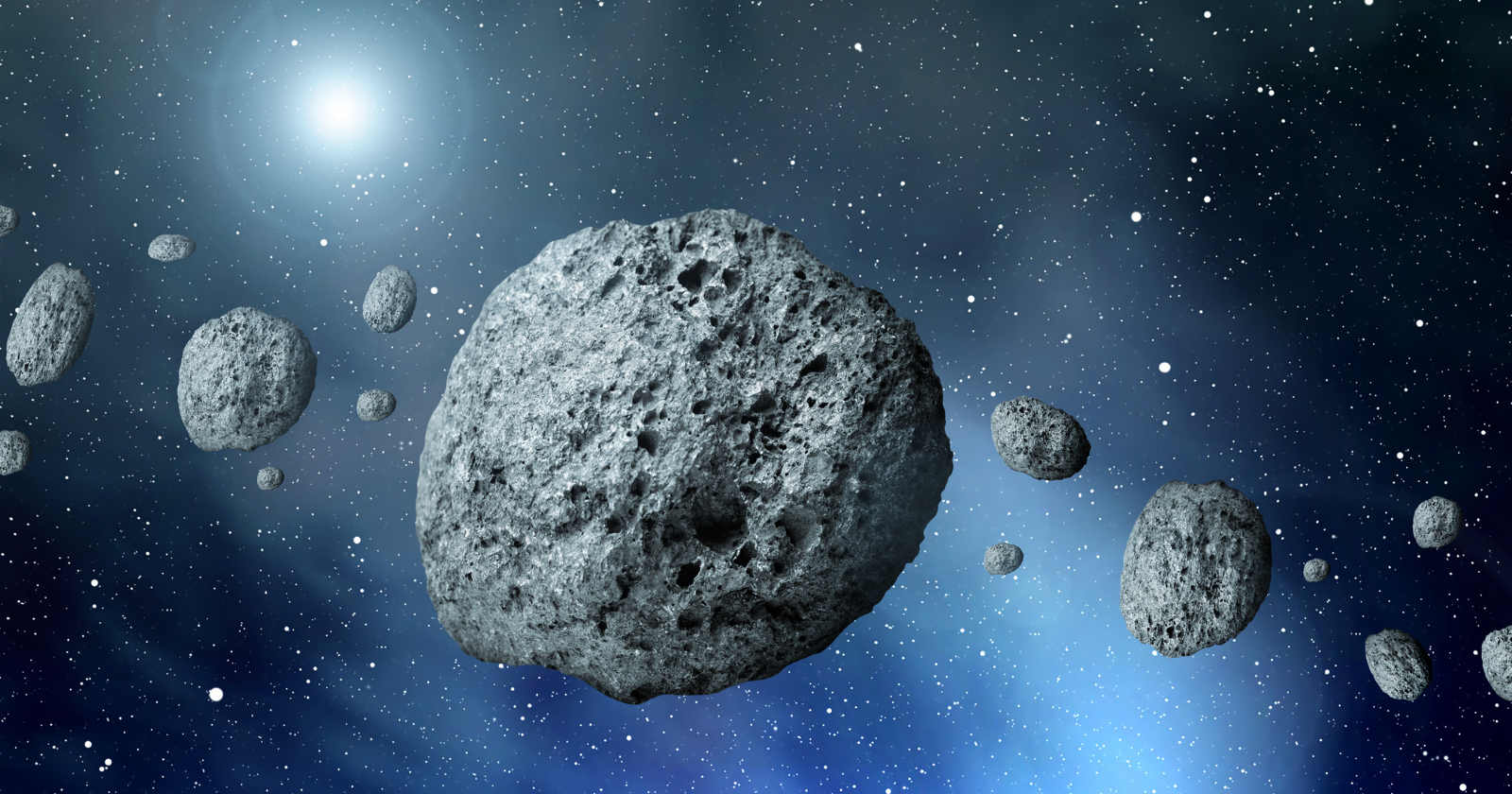
Asteroid
ਛੋਟਾ ਗ੍ਰਹਿ
Syllable: ਛੋਟਾ ਗ੍ਰਹਿ
Pronunciation: Chhota Grahi
- An asteroid travels through space. – ਇੱਕ ਛੋਟਾ ਗ੍ਰਹਿ ਅੰਤਰਿਕਸ਼ ਵਿੱਚ ਯਾਤਰਾ ਕਰਦਾ ਹੈ।
- Many asteroids orbit the Sun. – ਬਹੁਤ ਸਾਰੇ ਛੋਟੇ ਗ੍ਰਹਿ ਸੂਰਜ ਦੇ ਗੇੜ ਲਗਾਉਂਦੇ ਹਨ।
- Scientists monitor large asteroids. – ਵਿਗਿਆਨੀ ਵੱਡੇ ਛੋਟੇ ਗ੍ਰਹਿਆਂ \’ਤੇ ਨਜ਼ਰ ਰੱਖਦੇ ਹਨ।

Comet
ਧੂਮਕੇਤੂ
Syllable: ਧੂਮਕੇਤੂ
Pronunciation: Dhoomketu
- A comet leaves a bright tail. – ਧੂਮਕੇਤੂ ਇੱਕ ਚਮਕਦਾਰ ਪੁੱਛ ਛੱਡਦਾ ਹੈ।
- Comets orbit the Sun. – ਧੂਮਕੇਤੂ ਸੂਰਜ ਦੇ ਗੇੜ ਲਗਾਉਂਦੇ ਹਨ।
- The comet was visible from Earth. – ਧੂਮਕੇਤੂ ਧਰਤੀ ਤੋਂ ਦਿਖਾਈ ਦੇ ਰਿਹਾ ਸੀ।

Meteor
ਉਲਕਾ
Syllable: ਉਲਕਾ
Pronunciation: Ulka
- A meteor streaked across the sky. – ਇੱਕ ਉਲਕਾ ਆਕਾਸ਼ ਵਿੱਚ ਲੰਘੀ।
- People often call meteors shooting stars. – ਲੋਕ ਉਲਕਾਵਾਂ ਨੂੰ ਟੁੱਟਦੇ ਤਾਰੇ ਕਹਿੰਦੇ ਹਨ।
- We saw a meteor shower last night. – ਅਸੀਂ ਕੱਲ੍ਹ ਰਾਤ ਉਲਕਾ ਵਰਖਾ ਦੇਖੀ।

Meteorite
ਉਲਕਾਪਿੰਡ
Syllable: ਉਲਕਾਪਿੰਡ
Pronunciation: Ulkapind
- A meteorite landed on Earth. – ਇੱਕ ਉਲਕਾਪਿੰਡ ਧਰਤੀ \’ਤੇ ਡਿੱਗਿਆ।
- Scientists study meteorites. – ਵਿਗਿਆਨੀ ਉਲਕਾਪਿੰਡਾਂ ਦਾ ਅਧਿਐਨ ਕਰਦੇ ਹਨ।
- The meteorite contains rare minerals. – ਉਲਕਾਪਿੰਡ ਵਿੱਚ ਦੁਲੱਭ ਖਣਿਜ ਹਨ।

Black Hole
ਕਾਲਾ ਛੇਦ
Syllable: ਕਾਲਾ ਛੇਦ
Pronunciation: Kaala Chhed
- A black hole has immense gravity. – ਕਾਲੇ ਛੇਦ ਦੀ ਗੁਰੁਤਵਾਕਰਸ਼ਣ ਸ਼ਕਤੀ ਬਹੁਤ ਵੱਡੀ ਹੁੰਦੀ ਹੈ।
- Not even light can escape a black hole. – ਰੋਸ਼ਨੀ ਵੀ ਕਾਲੇ ਛੇਦ ਤੋਂ ਨਹੀਂ ਨਿਕਲ ਸਕਦੀ।
- Black holes are fascinating objects. – ਕਾਲੇ ਛੇਦ ਬਹੁਤ ਰੋਚਕ ਪਦਾਰਥ ਹਨ।

Star
ਤਾਰਾ
Syllable: ਤਾਰਾ
Pronunciation: Taara
- Stars shine in the night sky. – ਤਾਰੇ ਰਾਤ ਦੇ ਆਕਾਸ਼ ਵਿੱਚ ਚਮਕਦੇ ਹਨ।
- The Sun is a star. – ਸੂਰਜ ਇੱਕ ਤਾਰਾ ਹੈ।
- Some stars are larger than the Sun. – ਕੁਝ ਤਾਰੇ ਸੂਰਜ ਤੋਂ ਵੱਡੇ ਹਨ।

Constellation
ਤਾਰਾਮੰਡਲ
Syllable: ਤਾਰਾਮੰਡਲ
Pronunciation: Taaramandal
- A constellation is a group of stars. – ਤਾਰਾਮੰਡਲ ਤਾਰਿਆਂ ਦਾ ਸਮੂਹ ਹੁੰਦਾ ਹੈ।
- Orion is a famous constellation. – ਓਰਾਇਨ ਇੱਕ ਮਸ਼ਹੂਰ ਤਾਰਾਮੰਡਲ ਹੈ।
- People have named constellations for centuries. – ਲੋਕ ਸਦੀਆਂ ਤੋਂ ਤਾਰਾਮੰਡਲਾਂ ਨੂੰ ਨਾਮ ਦਿੰਦੇ ਆਏ ਹਨ।
Easy Ways to Remember Punjabi Planet Names
One helpful method is to associate each planet with a distinctive feature. Jupiter can be remembered as the largest planet, Saturn for its rings, Mars for its reddish appearance, and Earth as the planet we live on.
Solar system diagrams, astronomy posters, and educational videos can also support learning. Seeing the planets while reading their Punjabi names creates strong visual connections that improve retention.
Another useful strategy is memorizing the planets in order from the Sun. Repeating the sequence regularly helps learners remember both the names and their positions.
Simple Practice Ideas
- Use solar system flashcards with Punjabi labels.
- Learn the planets in order from the Sun.
- Draw the solar system and label each planet.
- Watch Punjabi educational videos about space.
- Create a science vocabulary notebook.
- Match planet pictures with their names.
- Practice pronunciation aloud.
- Use planet names in simple sentences.
- Review previously learned vocabulary regularly.
- Participate in astronomy-themed activities.
- Create a solar system poster.
- Ask family members to test your knowledge.
Combining visual learning with regular review can make planet vocabulary easier to remember.
Planet Names in Punjabi At a Glance
| # | English Name | Punjabi Name | Pronunciation |
|---|---|---|---|
| 1 | Mercury | ਬੁੱਧ ਗ੍ਰਹਿ | Budh Grahi |
| 2 | Venus | ਸ਼ੁੱਕਰ ਗ੍ਰਹਿ | Shukar Grahi |
| 3 | Earth | ਧਰਤੀ | Dharti |
| 4 | Mars | ਮੰਗਲ ਗ੍ਰਹਿ | Mangal Grahi |
| 5 | Jupiter | ਬ੍ਰਹਸਪਤੀ ਗ੍ਰਹਿ | Brihaspati Grahi |
| 6 | Saturn | ਸ਼ਨੀ ਗ੍ਰਹਿ | Shani Grahi |
| 7 | Uranus | ਯੂਰੇਨਸ | Uranus |
| 8 | Neptune | ਨੇਪਚੂਨ | Neptune |
| 9 | Pluto | ਪਲੂਟੋ | Pluto |
| 10 | Sun | ਸੂਰਜ | Sooraj |
| 11 | Moon | ਚੰਦਰਮਾ | Chandrama |
| 12 | Solar System | ਸੂਰਜ ਮੰਡਲ | Sooraj Mandal |
| 13 | Galaxy | ਆਕਾਸ਼ਗੰਗਾ | Akashganga |
| 14 | Asteroid | ਛੋਟਾ ਗ੍ਰਹਿ | Chhota Grahi |
| 15 | Comet | ਧੂਮਕੇਤੂ | Dhoomketu |
| 16 | Meteor | ਉਲਕਾ | Ulka |
| 17 | Meteorite | ਉਲਕਾਪਿੰਡ | Ulkapind |
| 18 | Black Hole | ਕਾਲਾ ਛੇਦ | Kaala Chhed |
| 19 | Star | ਤਾਰਾ | Taara |
| 20 | Constellation | ਤਾਰਾਮੰਡਲ | Taaramandal |
Planet Names Quiz
Expanding Punjabi Vocabulary Beyond Earth
Planet names allow learners to explore vocabulary that goes far beyond everyday objects and places. They connect language learning with science, discovery, and curiosity about the universe, making the experience both educational and inspiring.
As you continue building your Punjabi vocabulary, science-related topics can introduce many fascinating words and ideas.
Which planet interests you the most? Is there a world in the solar system you would like to learn more about? Share your thoughts in the comments and tell other learners which Punjabi planet name was the easiest for you to remember.