When we look up at the night sky, we see countless celestial objects scattered across space. Among them are planets—large worlds that travel around the Sun as part of our solar system. Some planets are rocky and solid, while others are enormous gas giants with unique features that have fascinated scientists and learners for centuries.
Planet names are often introduced in science classes because they help students understand the structure of the solar system and humanity’s place within it. Learning these names in Nepali combines language development with scientific knowledge, making the topic both educational and exciting.
This worksheet introduces the names of the planets in Nepali, helping learners build astronomy-related vocabulary through one of the most fascinating subjects in science.
Why Learning Planet Names in Nepali Matters
Planet names frequently appear in science textbooks, classroom discussions, educational videos, quizzes, and general knowledge activities. Learning these words in Nepali helps learners follow astronomy lessons and understand scientific concepts more easily.
Unlike many everyday vocabulary topics, planet names introduce learners to ideas beyond Earth. They encourage curiosity about space exploration, satellites, galaxies, stars, and the universe itself.
For students, astronomy often sparks imagination and interest in science. Learning planet names provides a simple starting point for exploring larger scientific topics.
Benefits of Learning Nepali Planet Names
- Builds useful science-related vocabulary.
- Helps learners understand astronomy concepts.
- Supports reading and speaking activities.
- Improves pronunciation and word recognition.
- Makes science lessons easier to follow.
- Encourages curiosity about space exploration.
- Supports classroom projects and worksheets.
- Expands academic vocabulary.
- Helps learners understand the solar system.
- Creates opportunities for subject-based learning.
- Makes science topics more engaging.
- Strengthens memory through visual learning.
Because the planets are usually studied in a fixed sequence, learners often find them easier to organize and remember.
Meet the Planets of Our Solar System
Each planet has its own characteristics, including size, temperature, atmosphere, and distance from the Sun. The list below includes the major planets along with their Nepali names, helping learners become familiar with important space-related vocabulary.

Mercury
बुध ग्रह
Syllable: बुध ग्रह
Pronunciation: Budh Graha
- Mercury is the closest planet to the Sun. – बुध ग्रह सूर्यको सबैभन्दा नजिकको ग्रह हो।
- Mercury has no natural satellites. – बुध ग्रहको कुनै प्राकृतिक उपग्रह छैन।
- Mercury moves very quickly around the Sun. – बुध ग्रह सूर्यको वरिपरि धेरै छिटो घुम्छ।

Venus
शुक्र ग्रह
Syllable: शुक्र ग्रह
Pronunciation: Shukra Graha
- Venus is the hottest planet in the Solar System. – शुक्र ग्रह सौर्यमण्डलको सबैभन्दा तातो ग्रह हो।
- Venus shines brightly in the sky. – शुक्र ग्रह आकाशमा चम्किलो देखिन्छ।
- Venus is similar in size to Earth. – शुक्र ग्रह आकारमा पृथ्वीसँग मिल्दोजुल्दो छ।

Earth
पृथ्वी
Syllable: पृथ्वी
Pronunciation: Prithvi
- Earth is our home planet. – पृथ्वी हाम्रो घर ग्रह हो।
- Earth supports life. – पृथ्वीमा जीवन सम्भव छ।
- Earth revolves around the Sun. – पृथ्वी सूर्यको वरिपरि घुम्छ।

Mars
मंगल ग्रह
Syllable: मंगल ग्रह
Pronunciation: Mangal Graha
- Mars is known as the Red Planet. – मंगल ग्रहलाई रातो ग्रह भनिन्छ।
- Mars has two small moons. – मंगल ग्रहका दुई साना चन्द्रमा छन्।
- Scientists study Mars for signs of life. – वैज्ञानिकहरूले जीवनका संकेत खोज्न मंगल ग्रहको अध्ययन गर्छन्।

Jupiter
बृहस्पति ग्रह
Syllable: बृहस्पति ग्रह
Pronunciation: Brihaspati Graha
- Jupiter is the largest planet in the Solar System. – बृहस्पति ग्रह सौर्यमण्डलको सबैभन्दा ठूलो ग्रह हो।
- Jupiter has many moons. – बृहस्पति ग्रहका धेरै चन्द्रमा छन्।
- A giant storm exists on Jupiter. – बृहस्पति ग्रहमा विशाल आँधी छ।

Saturn
शनि ग्रह
Syllable: शनि ग्रह
Pronunciation: Shani Graha
- Saturn is famous for its rings. – शनि ग्रह आफ्ना घेराहरूका लागि प्रसिद्ध छ।
- Saturn is a gas giant. – शनि ग्रह एक ग्यासीय विशाल ग्रह हो।
- Many icy particles form Saturn\’s rings. – धेरै बरफका कणहरूले शनिको घेरा बनाएका छन्।

Uranus
अरुण ग्रह
Syllable: अरुण ग्रह
Pronunciation: Arun Graha
- Uranus rotates on its side. – अरुण ग्रह आफ्नो छेउतिर घुम्छ।
- Uranus appears blue-green. – अरुण ग्रह निलो-हरियो देखिन्छ।
- Uranus is very far from the Sun. – अरुण ग्रह सूर्यबाट धेरै टाढा छ।

Neptune
वरुण ग्रह
Syllable: वरुण ग्रह
Pronunciation: Barun Graha
- Neptune is the farthest major planet from the Sun. – वरुण ग्रह सूर्यबाट सबैभन्दा टाढाको प्रमुख ग्रह हो।
- Strong winds blow on Neptune. – वरुण ग्रहमा शक्तिशाली हावा चल्छ।
- Neptune looks deep blue. – वरुण ग्रह गाढा निलो देखिन्छ।

Pluto
यम ग्रह
Syllable: यम ग्रह
Pronunciation: Yam Graha
- Pluto is classified as a dwarf planet. – यम ग्रहलाई बौना ग्रहको रूपमा वर्गीकृत गरिएको छ।
- Pluto is smaller than Earth\’s Moon. – यम ग्रह पृथ्वीको चन्द्रमाभन्दा सानो छ।
- Pluto lies in the Kuiper Belt. – यम ग्रह कुइपर बेल्टमा अवस्थित छ।

Sun
सूर्य
Syllable: सूर्य
Pronunciation: Surya
- The Sun is a star. – सूर्य एक तारा हो।
- The Sun provides light and heat. – सूर्यले प्रकाश र ताप दिन्छ।
- All planets orbit the Sun. – सबै ग्रहहरू सूर्यको वरिपरि घुम्छन्।

Moon
चन्द्रमा
Syllable: चन्द्रमा
Pronunciation: Chandrama
- The Moon is Earth\’s natural satellite. – चन्द्रमा पृथ्वीको प्राकृतिक उपग्रह हो।
- The Moon reflects sunlight. – चन्द्रमाले सूर्यको प्रकाश परावर्तन गर्छ।
- The Moon affects ocean tides. – चन्द्रमाले समुद्री ज्वारभाटामा प्रभाव पार्छ।

Solar System
सौर्यमण्डल
Syllable: सौर्यमण्डल
Pronunciation: Sauryamandal
- The Solar System contains the Sun and planets. – सौर्यमण्डलमा सूर्य र ग्रहहरू हुन्छन्।
- Eight major planets belong to the Solar System. – सौर्यमण्डलमा आठ प्रमुख ग्रह छन्।
- The Solar System is part of the Milky Way. – सौर्यमण्डल आकाशगंगाको एक भाग हो।

Galaxy
आकाशगंगा
Syllable: आकाशगंगा
Pronunciation: Akashganga
- A galaxy contains billions of stars. – आकाशगंगामा अर्बौं ताराहरू हुन्छन्।
- We live in the Milky Way Galaxy. – हामी आकाशगंगामा बस्छौं।
- Galaxies come in different shapes. – आकाशगंगाहरू विभिन्न आकारका हुन्छन्।
Asteroid
क्षुद्रग्रह
Syllable: क्षुद्रग्रह
Pronunciation: Kshudragraha
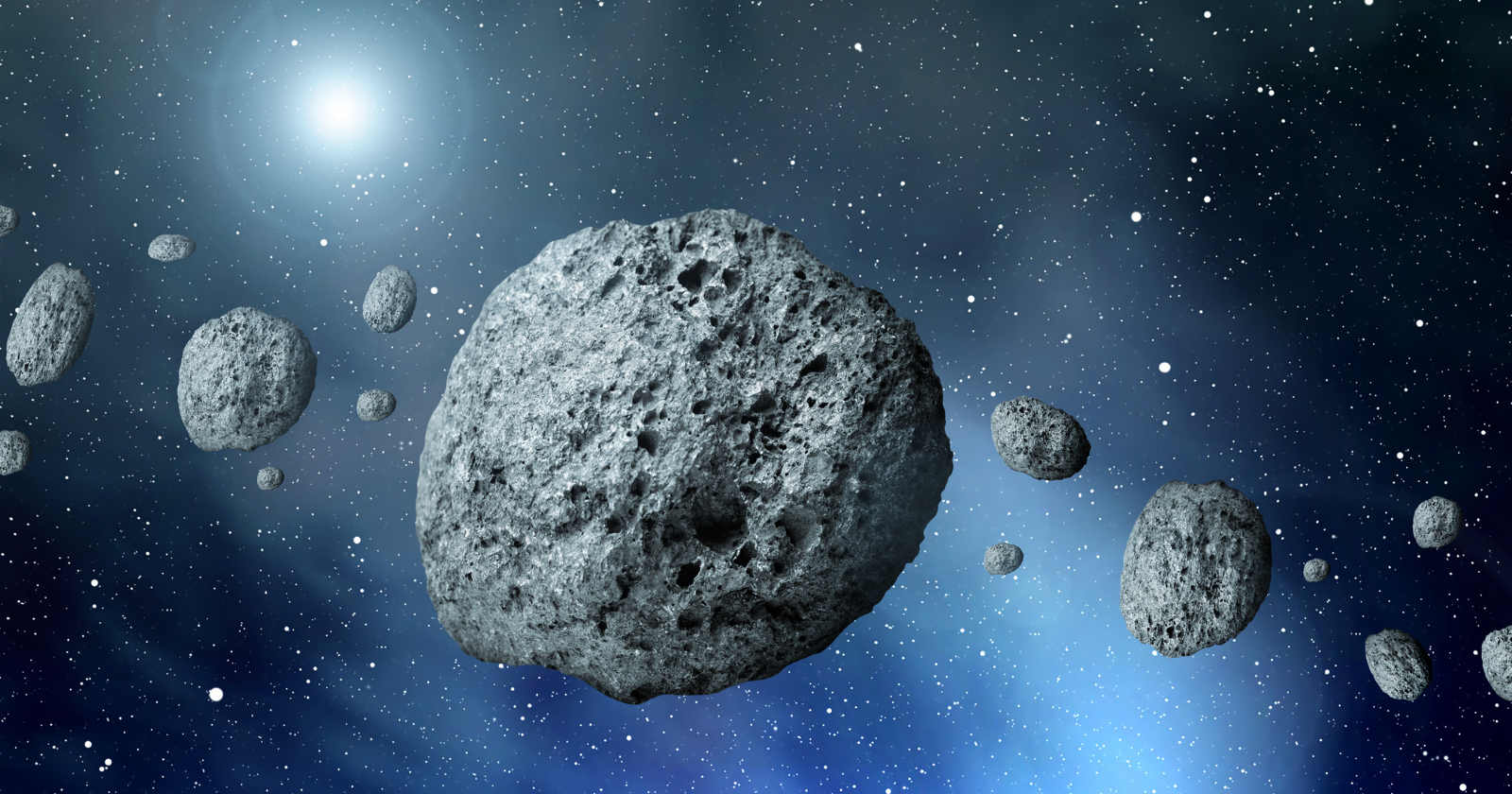
- An asteroid is a rocky object in space. – क्षुद्रग्रह अन्तरिक्षमा रहेको चट्टानी वस्तु हो।
- Many asteroids orbit the Sun. – धेरै क्षुद्रग्रहहरू सूर्यको वरिपरि घुम्छन्।
- Most asteroids are found in the asteroid belt. – धेरैजसो क्षुद्रग्रहहरू क्षुद्रग्रह पट्टिमा पाइन्छन्।

Comet
धूमकेतु
Syllable: धूमकेतु
Pronunciation: Dhumketu
- A comet develops a bright tail near the Sun. – धूमकेतुले सूर्य नजिक आउँदा चम्किलो पुच्छर बनाउँछ।
- Comets contain ice and dust. – धूमकेतुमा बरफ र धुलो हुन्छ।
- Some comets return after many years. – केही धूमकेतु धेरै वर्षपछि फेरि फर्कन्छन्।

Meteor
उल्का
Syllable: उल्का
Pronunciation: Ulka
- A meteor is a streak of light in the sky. – उल्का आकाशमा देखिने प्रकाशको रेखा हो।
- Meteors burn up in Earth\’s atmosphere. – उल्काहरू पृथ्वीको वायुमण्डलमा जलेर नष्ट हुन्छन्।
- People often call meteors shooting stars. – मानिसहरूले उल्कालाई झर्ने तारा पनि भन्छन्।

Meteorite
उल्कापिण्ड
Syllable: उल्कापिण्ड
Pronunciation: Ulkapinda
- A meteorite reaches the Earth\’s surface. – उल्कापिण्ड पृथ्वीको सतहसम्म पुग्छ।
- Meteorites can be made of rock or metal. – उल्कापिण्ड ढुंगा वा धातुबाट बनेका हुन सक्छन्।
- Scientists study meteorites carefully. – वैज्ञानिकहरूले उल्कापिण्डको सावधानीपूर्वक अध्ययन गर्छन्।

Black Hole
कृष्ण विवर
Syllable: कृष्ण विवर
Pronunciation: Krishna Vivar
- A black hole has extremely strong gravity. – कृष्ण विवरको गुरुत्वाकर्षण अत्यन्त शक्तिशाली हुन्छ।
- Light cannot escape a black hole. – प्रकाश पनि कृष्ण विवरबाट बाहिर निस्कन सक्दैन।
- Black holes form after some stars die. – केही ताराहरू मरेपछि कृष्ण विवर बन्न सक्छ।

Star
तारा
Syllable: तारा
Pronunciation: Tara
- A star produces its own light. – ताराले आफ्नै प्रकाश उत्पादन गर्छ।
- The Sun is a star. – सूर्य एक तारा हो।
- Many stars are larger than the Sun. – धेरै ताराहरू सूर्यभन्दा ठूला हुन्छन्।

Constellation
नक्षत्र समूह
Syllable: नक्षत्र समूह
Pronunciation: Nakshatra Samuha
- A constellation is a group of stars. – नक्षत्र समूह ताराहरूको समूह हो।
- People use constellations to identify patterns in the sky. – मानिसहरूले आकाशका आकृतिहरू चिन्न नक्षत्र समूह प्रयोग गर्छन्।
- Many constellations have ancient stories. – धेरै नक्षत्र समूहसँग प्राचीन कथाहरू जोडिएका छन्।
Easy Ways to Remember Nepali Planet Names
One helpful technique is to connect each planet with a distinctive feature. Mercury is the closest planet to the Sun, Mars is often called the Red Planet, Jupiter is the largest planet, and Saturn is famous for its rings. These associations make vocabulary easier to recall.
Solar system models, astronomy posters, and educational videos can also support learning. Seeing the planets while reading their Nepali names strengthens recognition and understanding.
Another useful method is memorizing the planets in order from the Sun. Repeating the sequence regularly helps learners remember both the names and their positions.
Simple Practice Ideas
- Use solar system flashcards with Nepali labels.
- Learn the planets in order from the Sun.
- Draw the solar system and label each planet.
- Watch Nepali educational videos about space.
- Create a science vocabulary notebook.
- Match planet pictures with their names.
- Practice pronunciation aloud.
- Use planet names in simple sentences.
- Review previously learned vocabulary regularly.
- Participate in astronomy-themed activities.
- Create a solar system poster.
- Ask family members to test your knowledge.
Combining visual learning with regular review can make planet vocabulary easier to remember.
Planet Names in Nepali At a Glance
| # | English Name | Nepali Name | Pronunciation |
|---|---|---|---|
| 1 | Mercury | बुध ग्रह | Budh Graha |
| 2 | Venus | शुक्र ग्रह | Shukra Graha |
| 3 | Earth | पृथ्वी | Prithvi |
| 4 | Mars | मंगल ग्रह | Mangal Graha |
| 5 | Jupiter | बृहस्पति ग्रह | Brihaspati Graha |
| 6 | Saturn | शनि ग्रह | Shani Graha |
| 7 | Uranus | अरुण ग्रह | Arun Graha |
| 8 | Neptune | वरुण ग्रह | Barun Graha |
| 9 | Pluto | यम ग्रह | Yam Graha |
| 10 | Sun | सूर्य | Surya |
| 11 | Moon | चन्द्रमा | Chandrama |
| 12 | Solar System | सौर्यमण्डल | Sauryamandal |
| 13 | Galaxy | आकाशगंगा | Akashganga |
| 14 | Asteroid | क्षुद्रग्रह | Kshudragraha |
| 15 | Comet | धूमकेतु | Dhumketu |
| 16 | Meteor | उल्का | Ulka |
| 17 | Meteorite | उल्कापिण्ड | Ulkapinda |
| 18 | Black Hole | कृष्ण विवर | Krishna Vivar |
| 19 | Star | तारा | Tara |
| 20 | Constellation | नक्षत्र समूह | Nakshatra Samuha |
Planet Names Quiz
Expanding Nepali Vocabulary Beyond Earth
Planet names help learners explore a world far beyond everyday objects and places. They connect language learning with science, discovery, and curiosity about the universe, making the learning experience both informative and inspiring.
As you continue building your Nepali vocabulary, science-related topics can introduce many fascinating words and ideas. Which planet interests you the most?
Is there a world in the solar system you would like to learn more about? Share your thoughts in the comments and tell other learners which Nepali planet name was the easiest for you to remember.