The letter L introduces a delicious collection of authentic Moroccan foods, featuring hearty bean stews, slow-cooked tagines, traditional porridges, and citrus-infused specialties. From comforting Loubia and tender Lamb Tagine to traditional Laasida and flavorful Lemon Chicken Tagine, these dishes showcase Morocco’s rich culinary heritage and centuries-old cooking traditions.
Alongside favorites like Couscous, Harira, Bastilla, and Kefta Tagine, the foods beginning with L offer another exciting opportunity to explore authentic Moroccan cuisine.
This guide explores Moroccan foods that start with L, introducing traditional recipes, regional specialties, and classic dishes enjoyed throughout Morocco.
L Leads to Morocco’s Hearty Home-Cooked Classics
The letter L contains many authentic Moroccan food names, representing comforting stews, aromatic tagines, traditional breakfasts, and family favorites.
One of the best-known examples is Loubia, a hearty Moroccan white bean stew. Prepared with white beans, tomatoes, garlic, onions, olive oil, paprika, cumin, and fresh herbs, Loubia is a comforting dish often served with warm Khobz bread for lunch or dinner.
Another beloved specialty is Lamb Tagine, a classic slow-cooked dish featuring tender lamb simmered with onions, saffron, ginger, cinnamon, dried fruits, olives, or vegetables depending on the regional recipe. It is one of Morocco’s signature meals for family gatherings and celebrations.
Traditional breakfast lovers may already know Laasida, a smooth porridge made from semolina or flour that is commonly served with butter, honey, or olive oil. It is especially popular during religious occasions and cooler months.
You’ll also encounter Lemon Chicken Tagine, one of Morocco’s most famous dishes. Chicken is slowly cooked with preserved lemons, green olives, onions, garlic, saffron, ginger, and aromatic spices, creating a rich balance of savory and citrus flavors.
Other authentic Moroccan foods beginning with L include Lentil Harira, Lamb Couscous, Liver Brochettes, Lemon Olive Tagine, Lamb Mechoui, Lentil Salad, Lemon Preserved Olives, and Lamb Kefta.
These foods show that the letter L offers an outstanding introduction to authentic Moroccan cuisine.
Benefits of Learning Moroccan Foods Beginning With L
- Complete your Moroccan food vocabulary from A to Z.
- Discover authentic regional Moroccan specialties.
- Learn about traditional Moroccan cooking methods.
- Explore tagines, bean stews, porridges, grilled meats, and salads.
- Recognize iconic foods served across Morocco.
- Improve confidence when reading Moroccan restaurant menus.
- Strengthen memory through alphabetical learning.
- Prepare for travel by identifying local specialties.
- Support classroom and worksheet activities.
- Learn about Morocco’s rich culinary heritage.
- Find inspiration for cooking authentic Moroccan recipes at home.
- Experience both savory and sweet Moroccan foods.
- Develop a deeper appreciation for Moroccan cuisine.
Moroccan Foods That Start With L
The list below features Moroccan foods beginning with the letter L, including tagines, bean dishes, porridges, grilled meats, salads, and regional favorites enjoyed throughout Morocco.
The letter L represents a flavorful variety of Moroccan culinary traditions. You’ll find lamb, white beans, preserved lemons, olives, semolina, garlic, cumin, saffron, fresh herbs, and aromatic spices appearing throughout the collection.
Many of these dishes have been enjoyed for generations and remain staples in Moroccan homes, cafés, and traditional restaurants. Their enduring popularity reflects Morocco’s appreciation for wholesome ingredients, fragrant spices, and family-centered cooking.

Moroccan White Bean Stew
Loubia
Syllable: loo-BEE-ya
Pronunciation: Loubia
- Moroccan white bean stew is warm and filling. – Loubia sakhna w katshba3.
- We ate loubia for lunch. – Klina loubia f l-ghda.
- My mother cooks loubia every week. – Yemma kattyeb loubia kul simana.
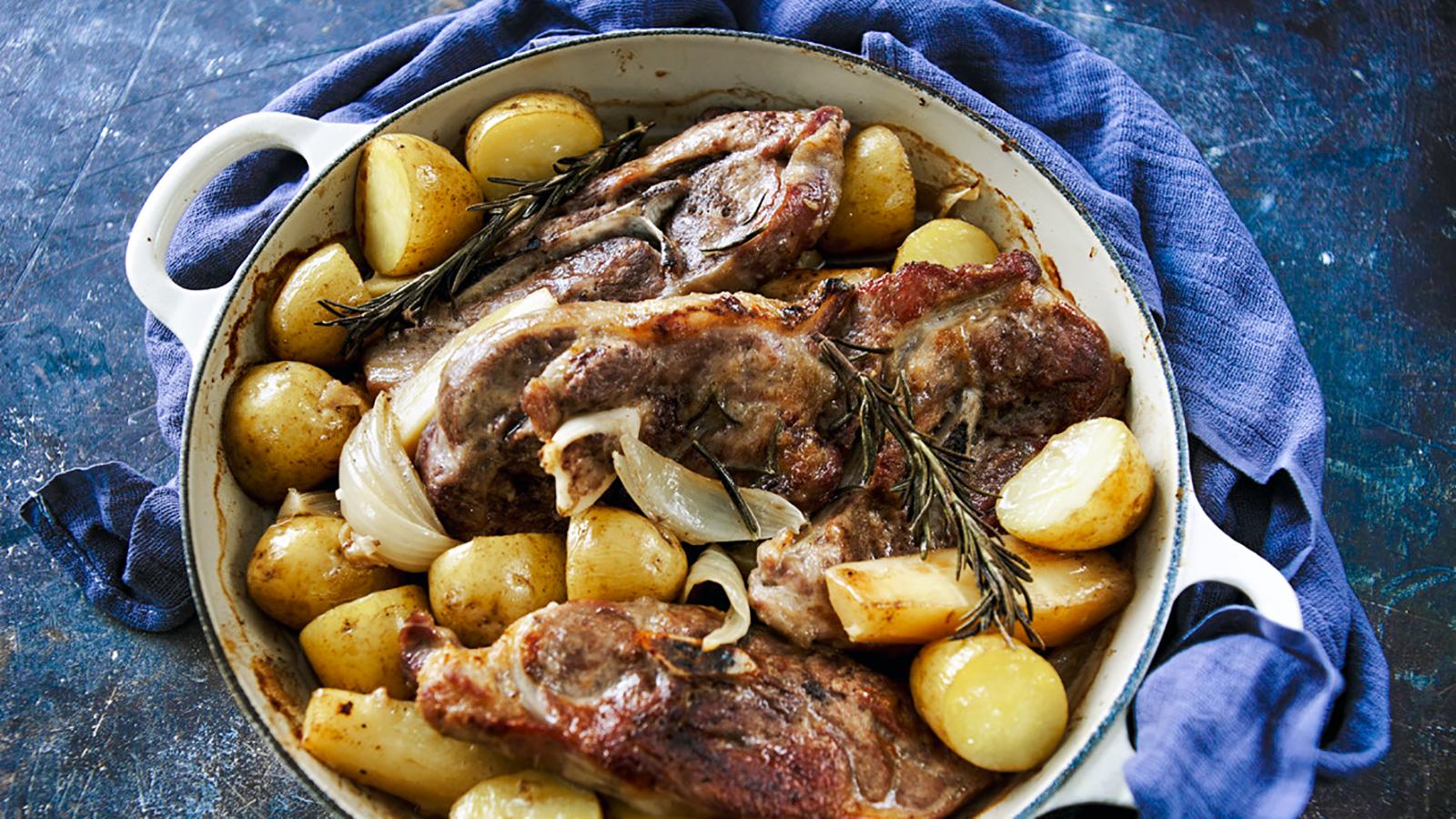
Meat (Beef/Lamb)
Lham
Syllable: L’HAM
Pronunciation: Lham
- Meat is rich in protein. – Lham mghaddi.
- We cooked fresh meat today. – Tayyabna lham tazaj lyoum.
- My family enjoys meat dishes. – 3a\’ilti katbghi atbaq dyal lham.
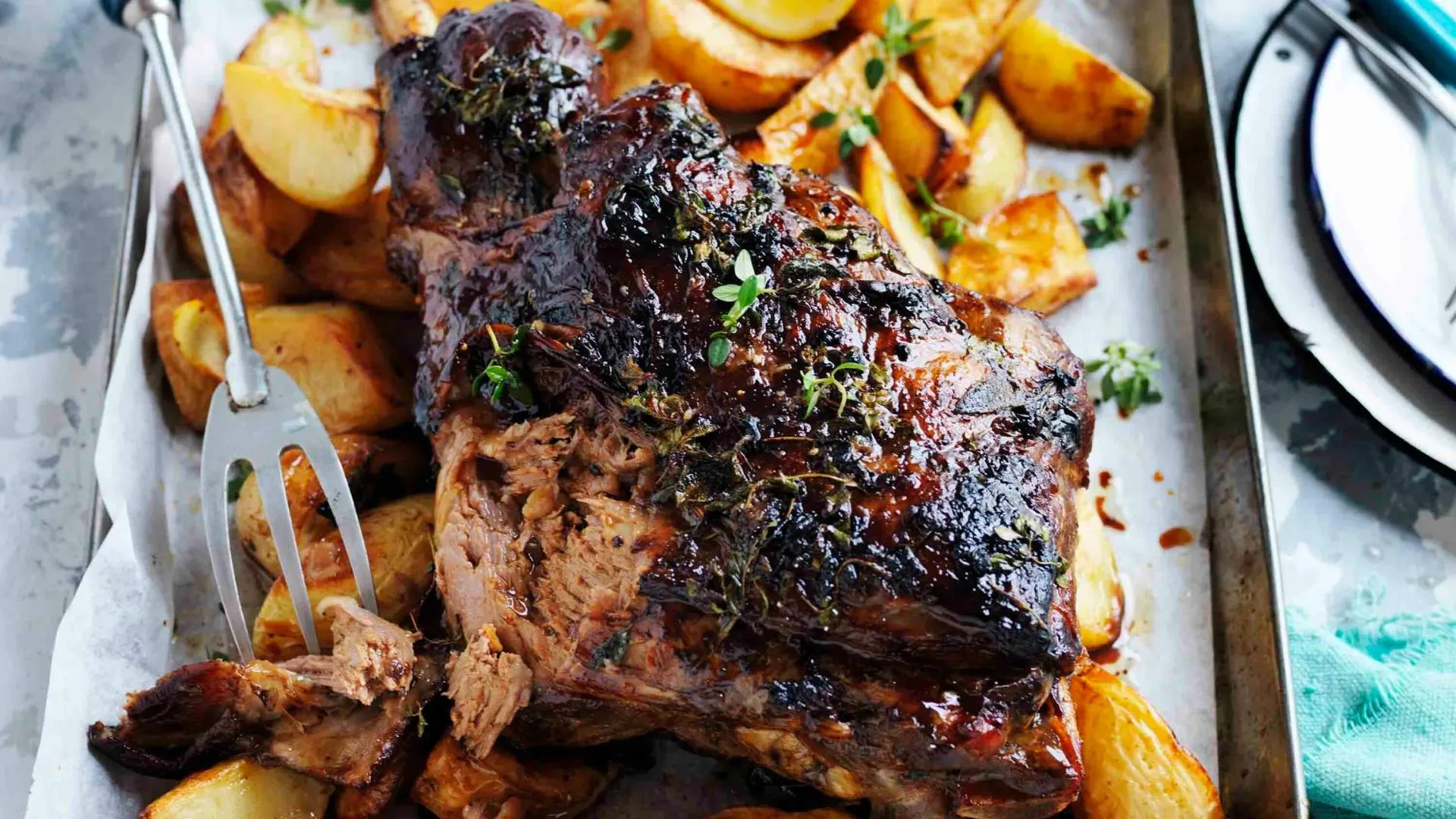
Roasted Beef or Lamb
Lham Mhammer
Syllable: l’HAM m-HAM-mer
Pronunciation: Lham Mhammer
- Roasted beef or lamb is tender and tasty. – Lham Mhammer bnin w tayeb.
- We served roasted beef at the celebration. – Qaddamna Lham Mhammer f l-hafla.
- My uncle makes delicious roasted lamb. – Khali kaydir Lham Mhammer bnin.

Cultured Buttermilk
Lben
Syllable: le-BEN
Pronunciation: Lben
- Cultured buttermilk is cool and refreshing. – Lben bared w mona3sh.
- We drank lben with lunch. – Shrebna lben m3a l-ghda.
- My grandmother serves fresh lben. – Jeddti katqaddem lben tazaj.

Moroccan Cucumber
Lfeggous
Syllable: l-feg-GOOS
Pronunciation: Lfeggous
- Moroccan cucumber is fresh and crunchy. – Lfeggous tazaj w mqarmesh.
- We added lfeggous to the salad. – Zidna lfeggous l-salata.
- My father grows lfeggous in the garden. – Baba kayzra3 lfeggous f l-jnina.
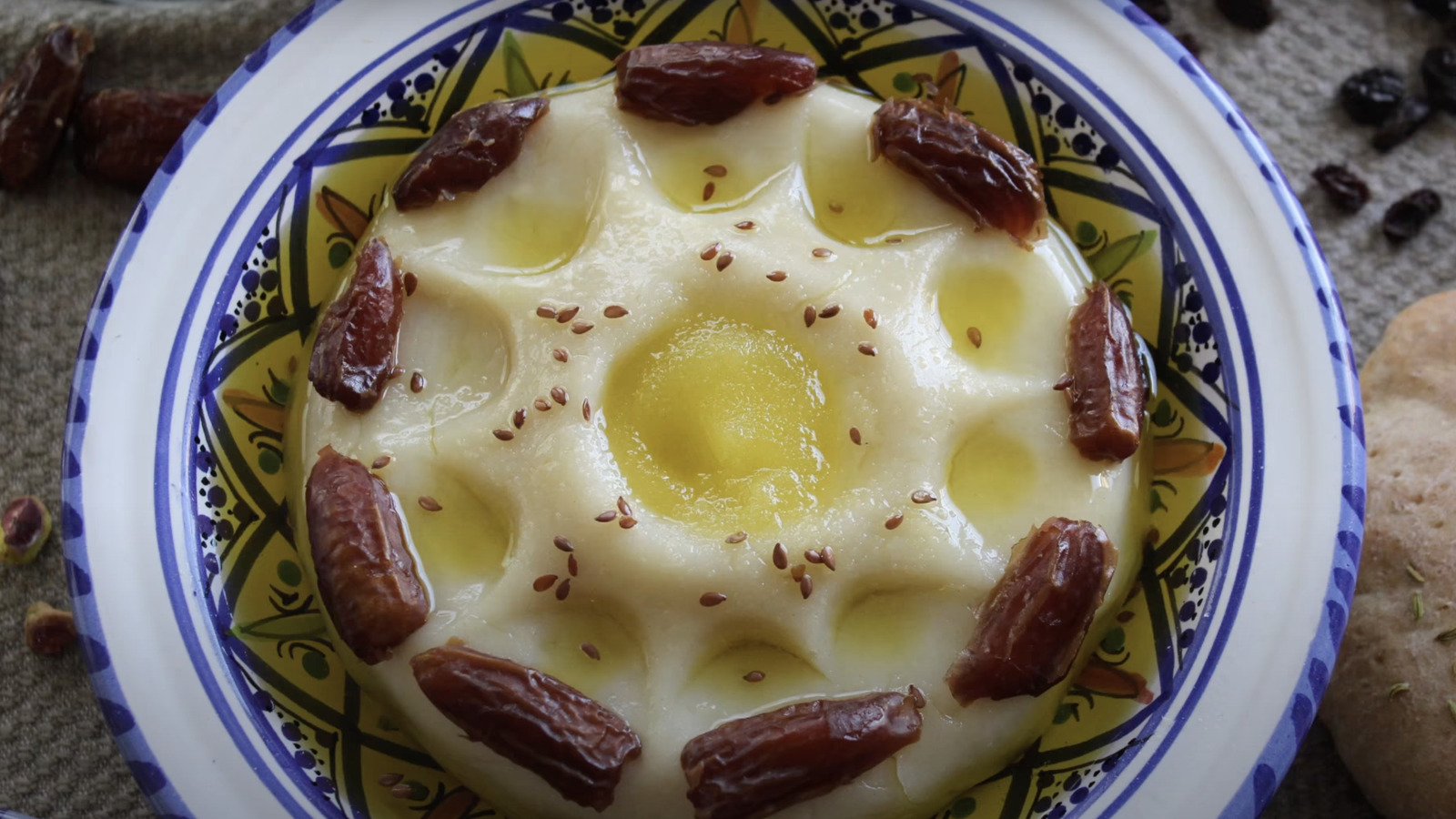
Moroccan Asida
Laasida
Syllable: la-ah-SEE-da
Pronunciation: Laasida
- Moroccan asida is soft and comforting. – Laasida hniya w bnina.
- We ate laasida while it was warm. – Klina laasida hiya mazal sakhna.
- My grandmother prepares laasida in winter. – Jeddti katdir laasida f sh-shita.
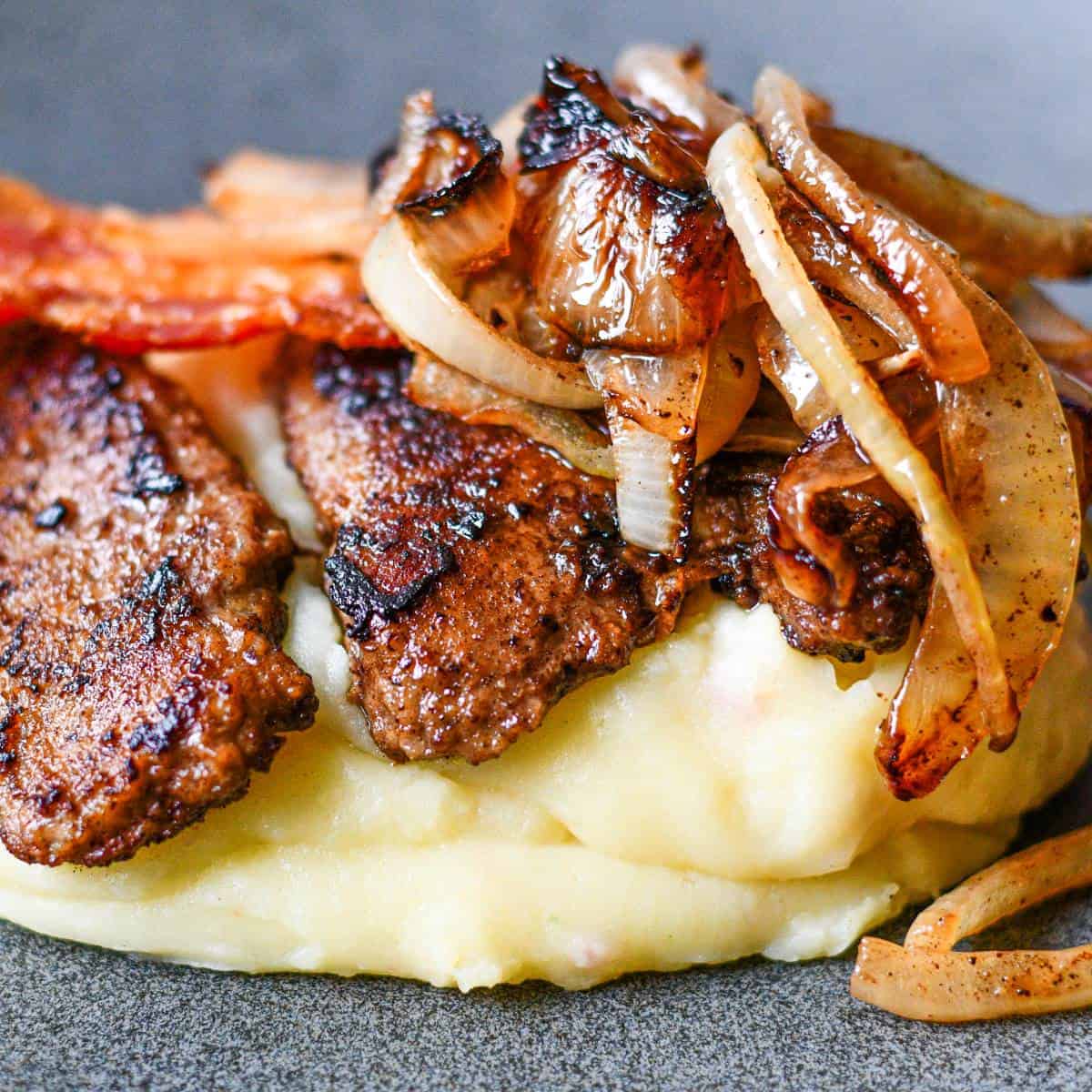
Fried Liver (Beef/Lamb)
Lqlii
Syllable: lq-LEE
Pronunciation: Lqlii
- Fried liver is rich and flavorful. – Lqlii bnin w ghani b n-nkha.
- We cooked lqlii for dinner. – Tayyabna lqlii f l-3sha.
- My family enjoys lqlii on holidays. – 3a\’ilti katbghi lqlii f l-a3yad.
Moroccan Cuisine Celebrates Slow Cooking and Bold Flavors
One of the defining strengths of Moroccan cuisine is its ability to transform simple local ingredients into unforgettable meals through patient cooking techniques and balanced seasoning.
Loubia represents Morocco’s comforting everyday cuisine, while Lamb Tagine showcases the country’s mastery of slow-cooked dishes. Laasida reflects traditional breakfast customs, and Lemon Chicken Tagine highlights Morocco’s famous use of preserved lemons and olives.
Together, these specialties demonstrate how Moroccan cuisine blends Berber, Arab, Andalusian, and Mediterranean influences into memorable dining experiences.
Practice Activities
- Learn five Moroccan foods beginning with L.
- Practice pronouncing each food name aloud.
- Create flashcards with food pictures.
- Match foods with their main ingredients.
- Read authentic Moroccan recipes.
- Watch Moroccan cooking videos featuring traditional specialties.
- Organize foods into tagines, bean dishes, porridges, grilled meats, and salads.
- Research the history of Loubia and Lamb Tagine.
- Visit a Moroccan restaurant and identify foods beginning with L.
- Keep a notebook of Moroccan culinary terms.
- Try making Loubia or Lemon Chicken Tagine at home.
- Review your favorite foods from every alphabet letter.
- Share your discoveries with family or friends.
- Test your knowledge using the worksheet.
Continue Your Moroccan Food Alphabet Journey!
The letter L introduces another wonderful collection of authentic Moroccan foods. From comforting Loubia and tender Lamb Tagine to traditional Laasida and flavorful Lemon Chicken Tagine, these specialties celebrate Morocco’s regional diversity, culinary heritage, and timeless cooking traditions.
Now we’d love to hear from you! Which Moroccan food beginning with L caught your attention the most, or is there another authentic L specialty we should include? Share your recommendation in the comments, tell us your favorite Moroccan dish, and pass this worksheet along to anyone who enjoys discovering delicious foods from around the world.