Not every letter of the alphabet has an equal place in Italian cuisine. While letters like P, C, and M feature hundreds of traditional recipes, the letter K is quite uncommon in the Italian language. As a result, authentic Italian foods that begin with K are rare, making this one of the most interesting categories to explore.
Despite its limited use, you’ll still come across a few foods, ingredients, and culinary terms written with K, particularly on modern menus, in international cuisine, and through foreign influences that have become familiar in Italy.
This worksheet introduces Italian foods that start with K, giving learners an opportunity to complete their alphabetical food journey while discovering some of the rarest entries in Italian cuisine.
Why Are Italian Foods Beginning With K So Rare?
The letter K is not traditionally part of the Italian alphabet and appears mainly in borrowed words, brand names, and internationally adopted food terms. Because of this, very few classic Italian recipes officially begin with K.
Exploring this category isn’t just about learning food names—it’s also an opportunity to understand how languages evolve and how international influences occasionally become part of Italy’s culinary landscape.
Benefits of Learning Italian Foods Beginning With K
- Expands your international food vocabulary.
- Introduces rare Italian culinary terms.
- Helps identify foods on modern menus.
- Explores language and cultural influences.
- Supports cooking and recipe learning.
- Improves alphabetical vocabulary organization.
- Encourages curiosity about Italian cuisine.
- Makes food learning more engaging.
- Builds confidence with culinary terminology.
- Supports classroom and worksheet activities.
- Adds variety to food vocabulary.
- Makes learning both practical and interesting.
Italian Foods That Start With K
Although authentic Italian foods beginning with K are extremely uncommon, the list below includes foods, ingredients, and culinary terms associated with Italian cuisine that start with the letter K, helping you complete another step in your A-to-Z exploration of Italian food.
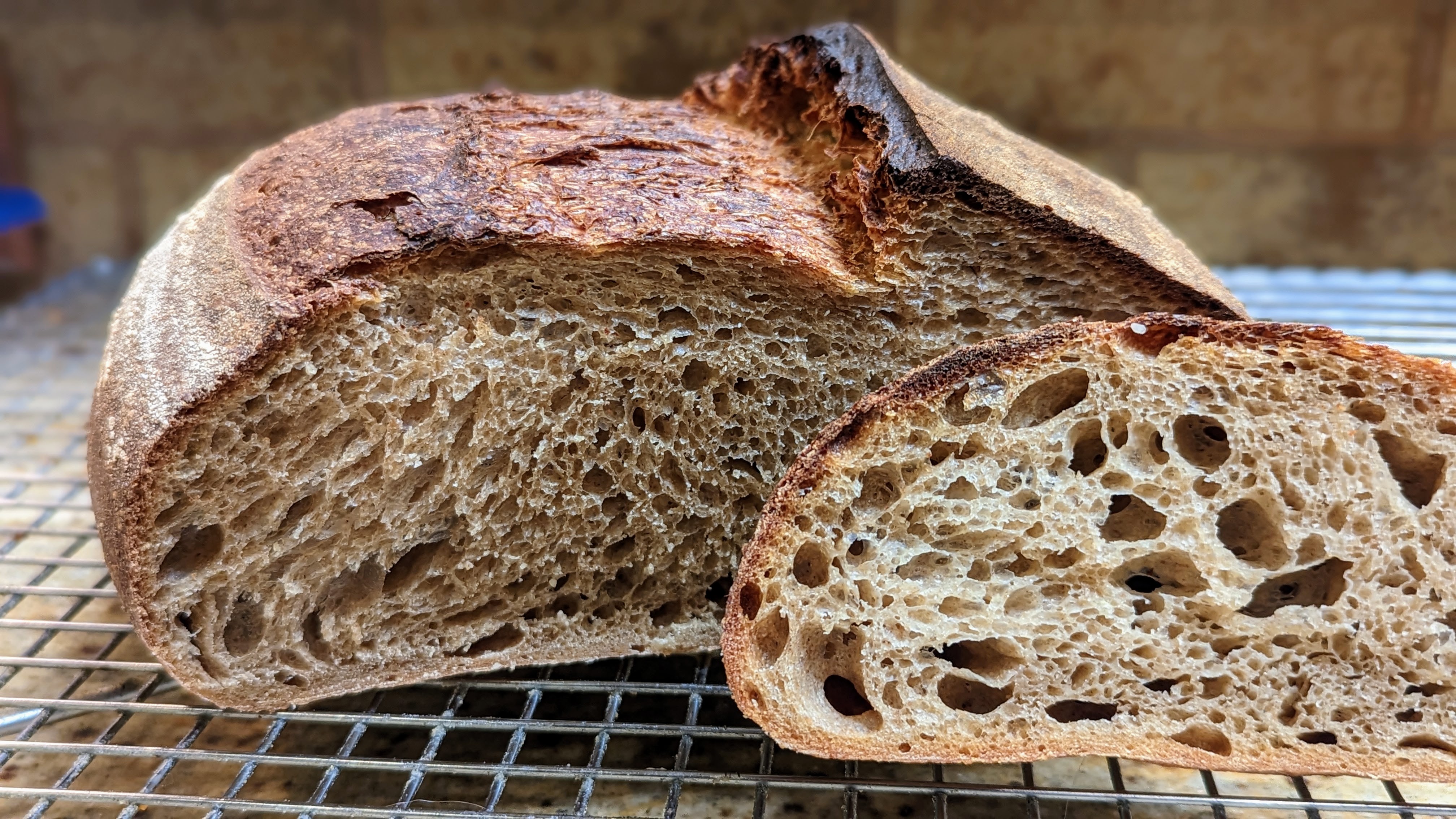
Kamut Bread
Pane di Kamut
Syllable: PA-ne dee Ka-MOOT
Pronunciation: Pane di Kamut
- Kamut Bread is rich in fiber. – Il pane di Kamut è ricco di fibre.
- Kamut Bread has a nutty flavor. – Il pane di Kamut ha un sapore di nocciola.
- I like Kamut Bread for breakfast. – Mi piace il pane di Kamut a colazione.
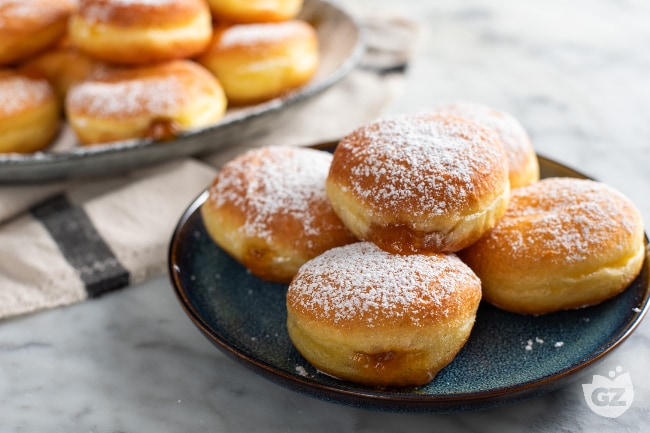
Krapfen
Krapfen
Syllable: KRAP-fen
Pronunciation: Krapfen
- Krapfen is a sweet filled pastry. – Il krapfen è un dolce ripieno.
- Krapfen is often filled with jam. – Il krapfen è spesso ripieno di marmellata.
- I bought a fresh Krapfen today. – Ho comprato un krapfen fresco oggi.

Knödel
Knödel
Syllable: KNEU-del
Pronunciation: Knödel
- Knödel are traditional dumplings. – I knödel sono canederli tradizionali.
- Knödel are popular in northern Italy. – I knödel sono popolari nel nord Italia.
- I enjoy Knödel with butter. – Mi piacciono i knödel con il burro.
/images.kitchenstories.io/wagtailOriginalImages/R3272_Kaiserschmarrn__original_title.jpg)
Kaiserschmarrn
Kaiserschmarrn
Syllable: KAI-zer-shmarn
Pronunciation: Kaiserschmarrn
- Kaiserschmarrn is a fluffy pancake. – Il Kaiserschmarrn è una frittella soffice.
- Kaiserschmarrn is served with powdered sugar. – Il Kaiserschmarrn si serve con zucchero a velo.
- I like Kaiserschmarrn as a dessert. – Mi piace il Kaiserschmarrn come dessert.

Kletzenbrot
Kletzenbrot
Syllable: KLET-sen-brot
Pronunciation: Kletzenbrot
- Kletzenbrot is a fruit bread. – Il Kletzenbrot è un pane alla frutta.
- Kletzenbrot contains dried fruits. – Il Kletzenbrot contiene frutta secca.
- I eat Kletzenbrot during the holidays. – Mangio il Kletzenbrot durante le feste.
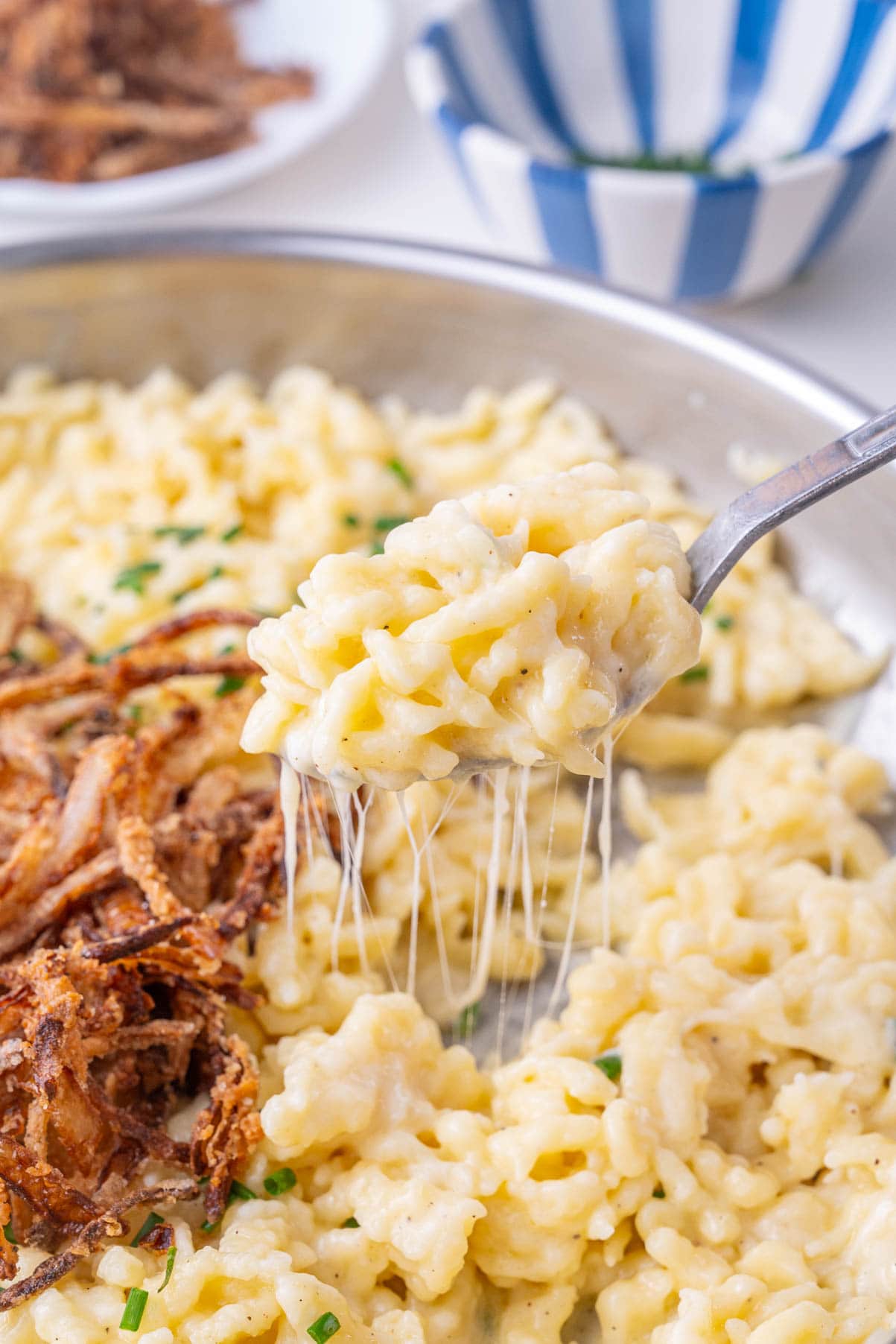
Käsespätzle
Käsespätzle
Syllable: KE-ze-SHPETS-le
Pronunciation: Käsespätzle
- Käsespätzle is a cheesy noodle dish. – I Käsespätzle sono un piatto di pasta al formaggio.
- Käsespätzle is served hot. – I Käsespätzle si servono caldi.
- I enjoy Käsespätzle in winter. – Mi piacciono i Käsespätzle in inverno.

Kärntner Kasnudeln
Kärntner Kasnudeln
Syllable: KERNT-ner Kas-NOO-deln
Pronunciation: Kärntner Kasnudeln
- Kärntner Kasnudeln are stuffed pasta. – I Kärntner Kasnudeln sono pasta ripiena.
- Kärntner Kasnudeln are filled with cheese. – I Kärntner Kasnudeln sono ripieni di formaggio.
- I would like to taste Kärntner Kasnudeln. – Vorrei assaggiare i Kärntner Kasnudeln.
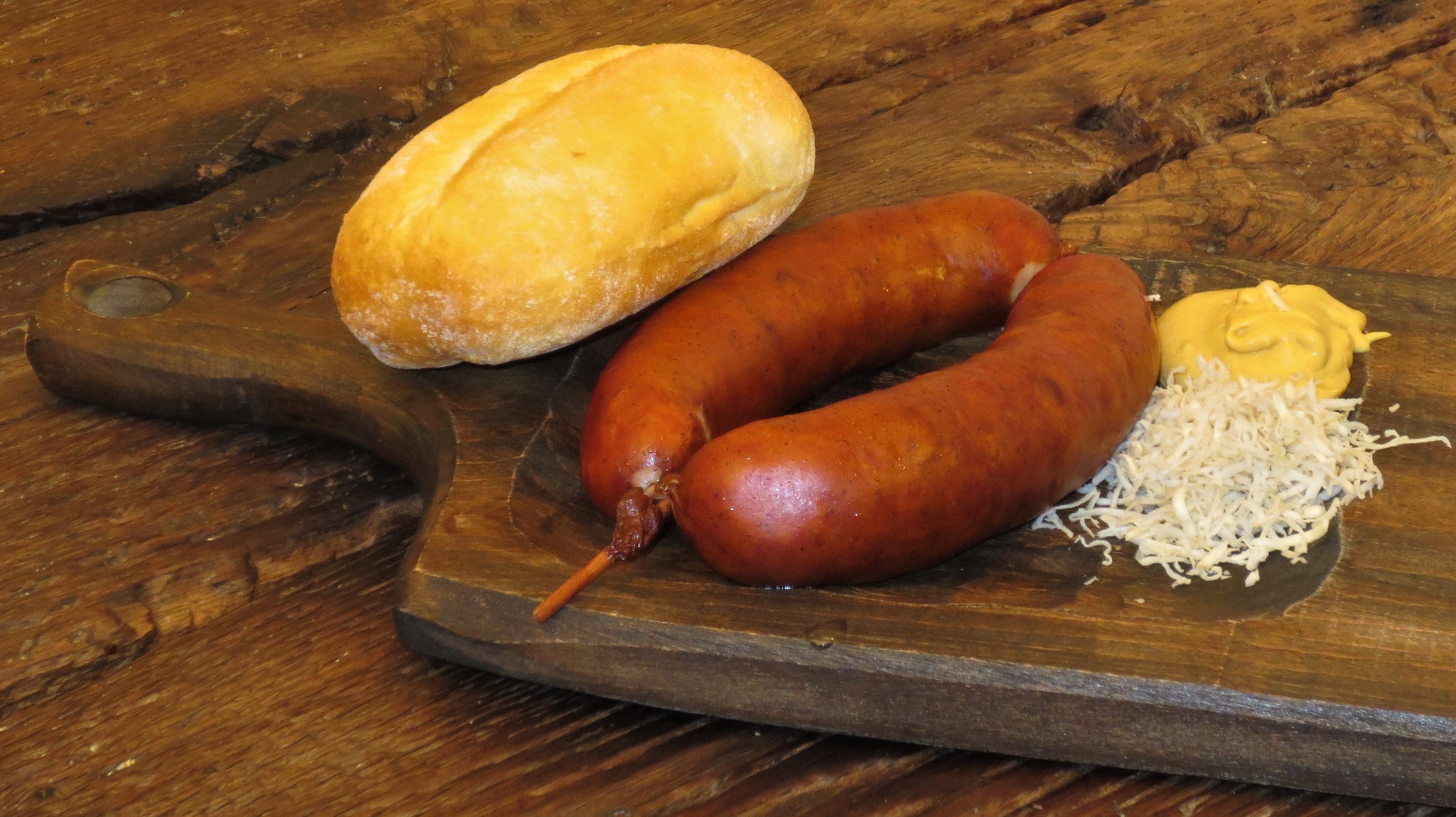
Krainer
Krainer
Syllable: KRAI-ner
Pronunciation: Krainer
- Krainer is a traditional sausage. – Il Krainer è una salsiccia tradizionale.
- Krainer has a smoky flavor. – Il Krainer ha un sapore affumicato.
- I ate Krainer with mustard. – Ho mangiato il Krainer con la senape.
Kugelhopf
Kugelhopf
Syllable: KOO-gel-hopf
Pronunciation: Kugelhopf
- Kugelhopf is a traditional cake. – Il Kugelhopf è un dolce tradizionale.
- Kugelhopf is baked in a ring-shaped pan. – Il Kugelhopf è cotto in uno stampo a ciambella.
- I had a slice of Kugelhopf with coffee. – Ho mangiato una fetta di Kugelhopf con il caffè.
Tips for Mastering Rare Italian Food Names
Since there are only a handful of foods under this letter, focus on quality rather than quantity. Learn where each food comes from, how it’s prepared, and how it appears on restaurant menus or in recipes.
Looking at photographs, watching cooking demonstrations, or reading short recipe descriptions can make unfamiliar food names much easier to remember than simply memorizing a list.
Practice Activities
- Read every food name aloud.
- Find pictures of each dish.
- Learn the origin of every food.
- Create alphabetical flashcards.
- Watch Italian cooking tutorials.
- Explore authentic restaurant menus.
- Keep a food vocabulary journal.
- Match foods with descriptions.
- Compare borrowed and native Italian words.
- Review previous alphabet letters.
- Try making an Italian recipe.
- Quiz yourself regularly.
Italian Foods That Start With K
| # | Italian Food | Pronunciation |
|---|---|---|
| 1 | Kamut Bread | PA-ne dee Ka-MOOT |
| 2 | Krapfen | KRAP-fen |
| 3 | Knödel | KNEU-del |
| 4 | Kaiserschmarrn | KAI-zer-shmarn |
| 5 | Kletzenbrot | KLET-sen-brot |
| 6 | Käsespätzle | KE-ze-SHPETS-le |
| 7 | Kärntner Kasnudeln | KERNT-ner Kas-NOO-deln |
| 8 | Krainer | KRAI-ner |
| 9 | Kugelhopf | KOO-gel-hopf |
Quiz
Every Letter Has a Culinary Story
Even though K contributes only a small number of food names, it highlights how Italian cuisine continues to evolve through cultural exchange and modern influences. Exploring uncommon letters helps complete your understanding of Italy’s rich culinary traditions while introducing foods you may never have discovered otherwise.
Continue your alphabetical journey, and you’ll uncover a fascinating mix of famous classics, regional specialties, and hidden culinary gems from across Italy.