
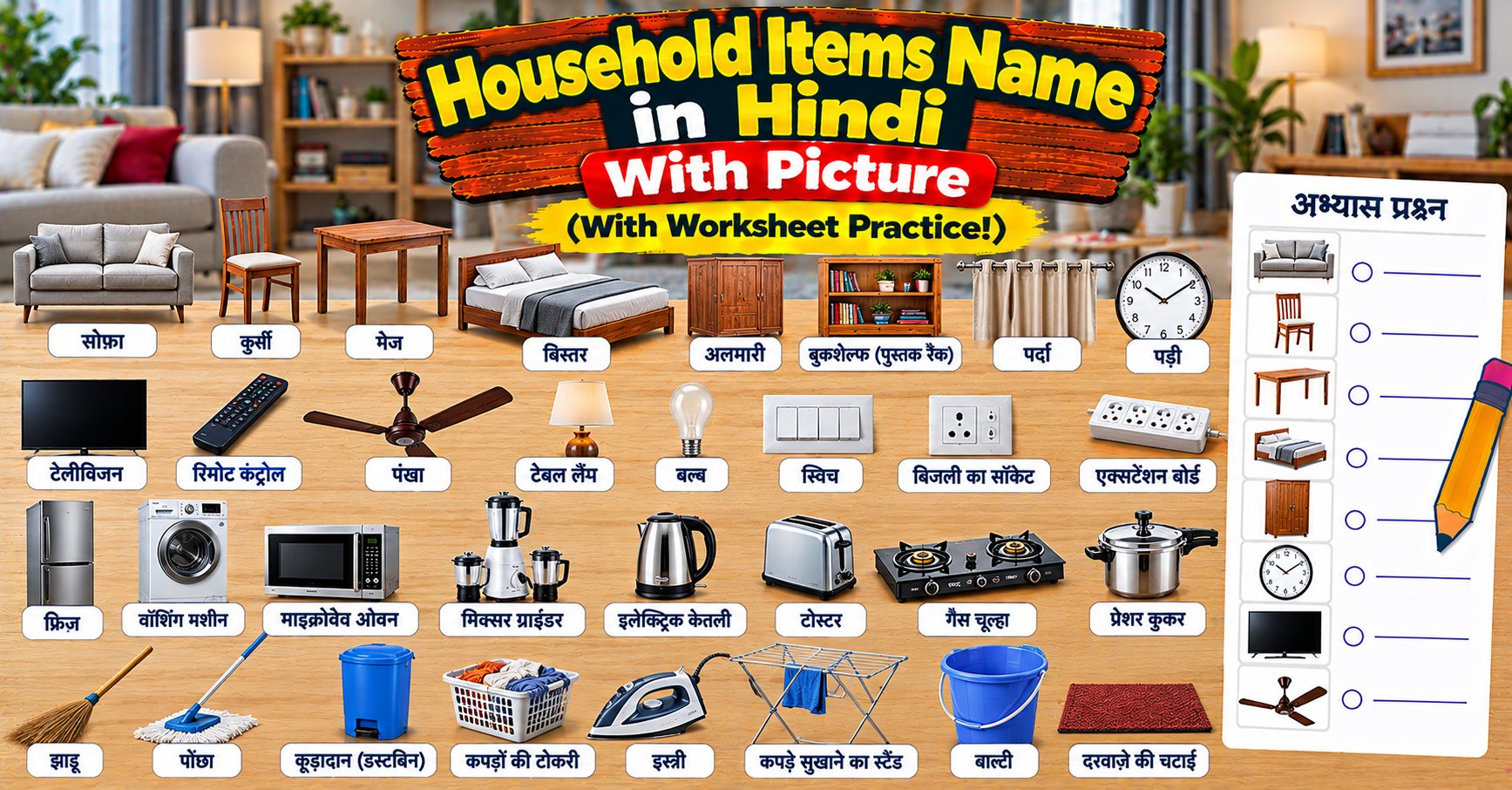
Household items are the everyday objects used at home for cooking, cleaning, sleeping, studying, storing, organizing, decorating, and performing many other daily activities. Learning household items names in Hindi is useful for children, students, Hindi learners, and anyone who wants to improve practical everyday vocabulary.
Common household items include कुर्सी, मेज, बिस्तर, तकिया, चादर, अलमारी, दरवाज़ा, खिड़की, बाल्टी, झाड़ू, और दर्पण. These objects can be found in different rooms of a home and are used regularly in daily life.
Learning household items with pictures makes it easier to recognize each object and remember its Hindi name. Let us explore useful household items names in Hindi with their English meanings and common uses.
Learn Household Items Names in Hindi
Household vocabulary is frequently used in everyday Hindi conversations. People use these words when talking about cleaning, furniture, rooms, storage, sleeping, studying, cooking, and other household activities.
For example:
- कुर्सी means Chair.
- मेज means Table.
- बिस्तर means Bed.
- तकिया means Pillow.
- चादर means Bedsheet.
- अलमारी means Cupboard or Wardrobe.
- दर्पण means Mirror.
- बाल्टी means Bucket.
- झाड़ू means Broom.
- तौलिया means Towel.
Learning these words helps Hindi learners communicate more naturally about objects and activities around the home.
Benefits of Learning Household Items Names
Learning household vocabulary helps students develop practical Hindi words connected with objects they see and use every day.
Household items are particularly useful for children because they can easily identify many of these objects at home. Pictures help learners connect a Hindi word with a familiar object.
This vocabulary also introduces useful words related to furniture, cleaning, sleeping, storage, studying, bathing, lighting, decoration, and everyday household activities.
Household Items Names in Hindi With Pictures
Pictures are a helpful way to learn household vocabulary because many household objects have distinctive shapes and purposes.
Some common household items to learn include कुर्सी, मेज, बिस्तर, सोफा, अलमारी, दर्पण, घड़ी, दीपक, बाल्टी, झाड़ू, तौलिया, और परदा.
Pictures of these objects can be used for classroom lessons, Hindi vocabulary worksheets, flashcards, children’s activities, and practical language learning.

Chair
कुर्सी
Syllable: Kursi
Pronunciation: Kursi
- The chair is comfortable. – कुर्सी आरामदायक है।
- She sat on the chair. – वह कुर्सी पर बैठी।
- The chair is near the table. – कुर्सी मेज़ के पास है।

Table
मेज़
Syllable: Mez
Pronunciation: Mez
- The table is clean. – मेज़ साफ़ है।
- He put the book on the table. – उसने किताब मेज़ पर रखी।
- The table is made of wood. – मेज़ लकड़ी की बनी है।

Bed
बिस्तर
Syllable: Bistar
Pronunciation: Bistar
- The bed is comfortable. – बिस्तर आरामदायक है।
- She made the bed. – उसने बिस्तर ठीक किया।
- The bed is in the bedroom. – बिस्तर शयनकक्ष में है।
Sofa
सोफ़ा
Syllable: Sofa
Pronunciation: Sofa
- The sofa is comfortable. – सोफ़ा आरामदायक है।
- We sat on the sofa. – हम सोफ़े पर बैठे।
- The sofa is in the living room. – सोफ़ा बैठक में है।

Cupboard
अलमारी
Syllable: Almari
Pronunciation: Almari
- The cupboard is full. – अलमारी भरी हुई है।
- She keeps clothes in the cupboard. – वह अलमारी में कपड़े रखती है।
- The cupboard has two doors. – अलमारी में दो दरवाज़े हैं।

Wardrobe
कपड़ों की अलमारी
Syllable: Kapdon Ki Almari
Pronunciation: Kapdon Ki Almari
- The wardrobe is large. – कपड़ों की अलमारी बड़ी है।
- He put his clothes in the wardrobe. – उसने अपने कपड़े अलमारी में रखे।
- The wardrobe has several shelves. – कपड़ों की अलमारी में कई खाने हैं।
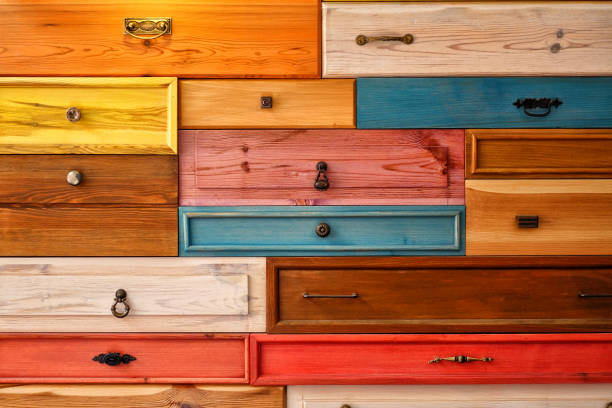
Drawer
दराज़
Syllable: Daraaz
Pronunciation: Daraaz
- The drawer is open. – दराज़ खुली है।
- She put the keys in the drawer. – उसने चाबियाँ दराज़ में रखीं।
- The drawer is full of papers. – दराज़ कागज़ों से भरी है।
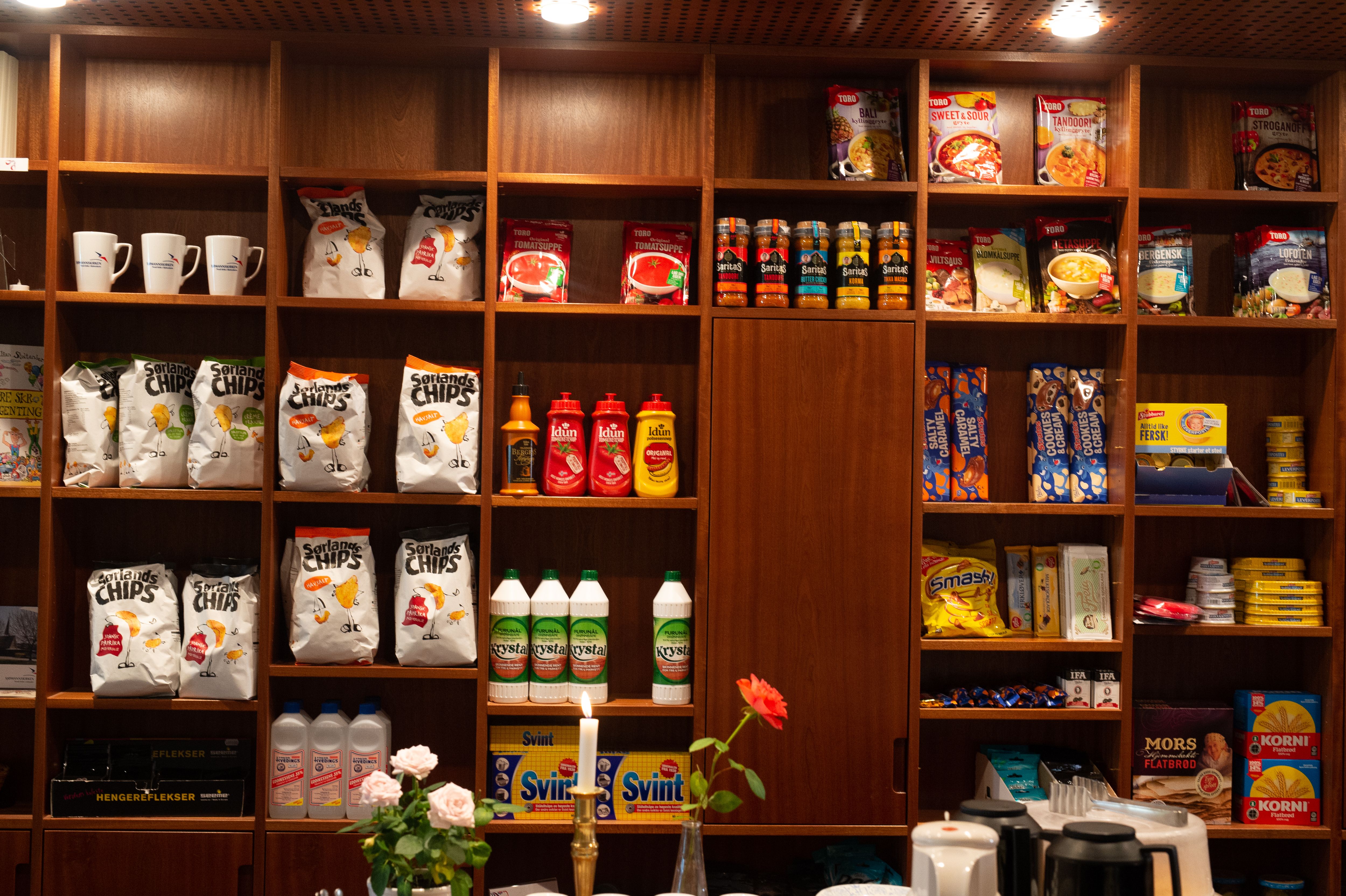
Shelf
शेल्फ़
Syllable: Shelf
Pronunciation: Shelf
- The shelf is on the wall. – शेल्फ़ दीवार पर है।
- He put the books on the shelf. – उसने किताबें शेल्फ़ पर रखीं।
- The shelf is strong. – शेल्फ़ मज़बूत है।
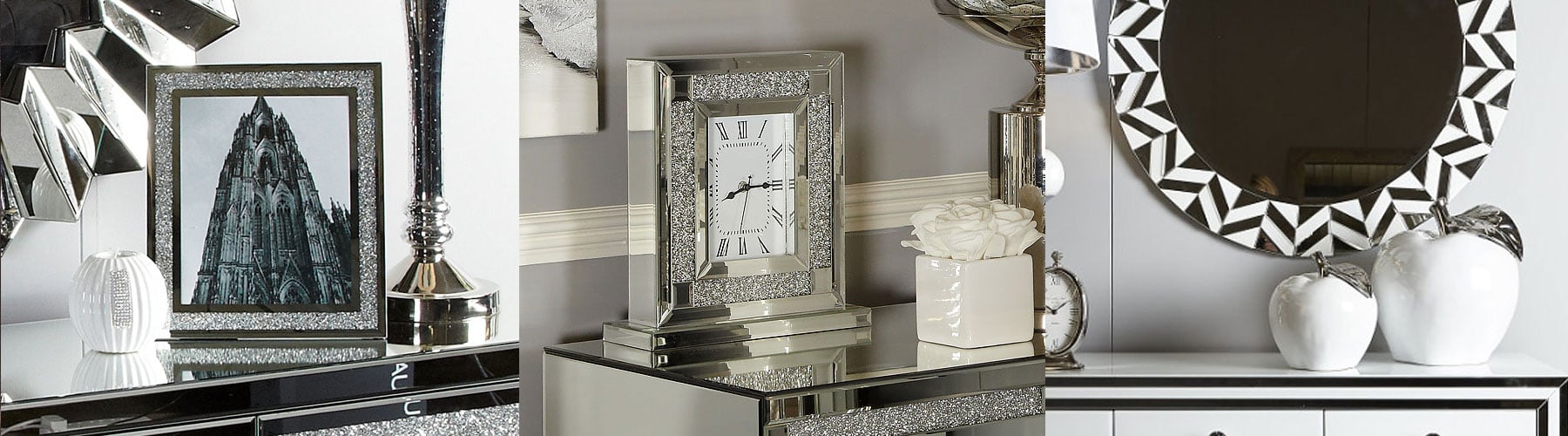
Mirror
आईना
Syllable: Aaina
Pronunciation: Aaina
- The mirror is clean. – आईना साफ़ है।
- She looked in the mirror. – उसने आईने में देखा।
- The mirror is on the wall. – आईना दीवार पर है।

Curtain
परदा
Syllable: Parda
Pronunciation: Parda
- The curtain is blue. – परदा नीला है।
- She opened the curtain. – उसने परदा खोला।
- The curtains cover the window. – परदे खिड़की को ढकते हैं।

Carpet
कालीन
Syllable: Kaaleen
Pronunciation: Kaaleen
- The carpet is soft. – कालीन मुलायम है।
- We cleaned the carpet. – हमने कालीन साफ़ किया।
- The carpet is on the floor. – कालीन फर्श पर है।

Rug
दरी
Syllable: Dari
Pronunciation: Dari
- The rug is near the door. – दरी दरवाज़े के पास है।
- She cleaned the rug. – उसने दरी साफ़ की।
- The rug is colorful. – दरी रंगीन है।

Pillow
तकिया
Syllable: Takiya
Pronunciation: Takiya
- The pillow is soft. – तकिया मुलायम है।
- He put his head on the pillow. – उसने अपना सिर तकिए पर रखा।
- The pillow is on the bed. – तकिया बिस्तर पर है।

Blanket
कंबल
Syllable: Kambal
Pronunciation: Kambal
- The blanket is warm. – कंबल गर्म है।
- She covered herself with a blanket. – उसने खुद को कंबल से ढक लिया।
- The blanket is on the bed. – कंबल बिस्तर पर है।

Bedsheet
चादर
Syllable: Chaadar
Pronunciation: Chaadar
- The bedsheet is clean. – चादर साफ़ है।
- She changed the bedsheet. – उसने चादर बदली।
- The bedsheet is white. – चादर सफ़ेद है।

Towel
तौलिया
Syllable: Tauliya
Pronunciation: Tauliya
- The towel is dry. – तौलिया सूखा है।
- He hung the towel in the bathroom. – उसने तौलिया बाथरूम में लटकाया।
- The towel is soft. – तौलिया मुलायम है।

Bucket
बाल्टी
Syllable: Baalti
Pronunciation: Baalti
- The bucket is full of water. – बाल्टी पानी से भरी है।
- She carried the bucket. – उसने बाल्टी उठाई।
- The bucket is in the bathroom. – बाल्टी बाथरूम में है।
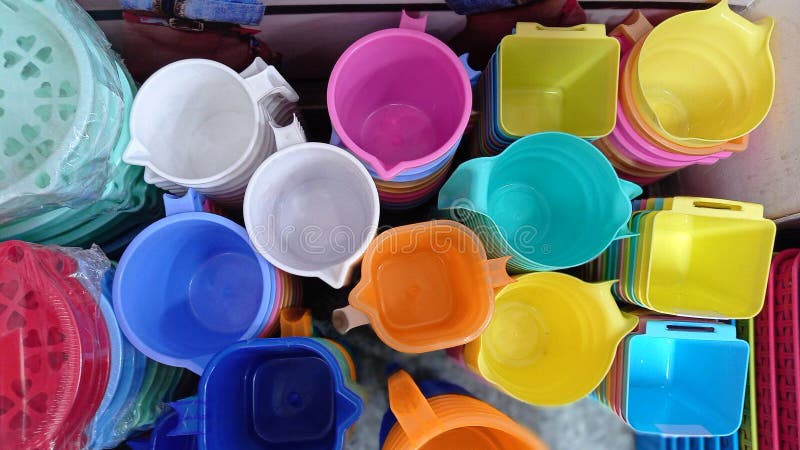
Mug
मग
Syllable: Mag
Pronunciation: Mag
- The mug is near the bucket. – मग बाल्टी के पास है।
- He used the mug to pour water. – उसने पानी डालने के लिए मग का उपयोग किया।
- The mug is plastic. – मग प्लास्टिक का है।

Broom
झाड़ू
Syllable: Jhaadu
Pronunciation: Jhaadu
- She swept the floor with a broom. – उसने झाड़ू से फर्श साफ़ किया।
- The broom is behind the door. – झाड़ू दरवाज़े के पीछे है।
- The broom is long. – झाड़ू लंबी है।

Mop
पोछा
Syllable: Pochha
Pronunciation: Pochha
- He cleaned the floor with a mop. – उसने पोछे से फर्श साफ़ किया।
- The mop is wet. – पोछा गीला है।
- The mop is in the corner. – पोछा कोने में है।

Dustpan
कूड़ादान फावड़ा
Syllable: Koodadaan Faavda
Pronunciation: Dustpan
- She used a dustpan to collect dirt. – उसने गंदगी इकट्ठा करने के लिए कूड़ादान फावड़े का उपयोग किया।
- The dustpan is near the broom. – कूड़ादान फावड़ा झाड़ू के पास है।
- The dustpan is clean. – कूड़ादान फावड़ा साफ़ है।
Trash Can
कूड़ेदान
Syllable: Koodedaan
Pronunciation: Trash Can
- The trash can is full. – कूड़ेदान भरा हुआ है।
- He put the waste in the trash can. – उसने कचरा कूड़ेदान में डाला।
- The trash can is in the kitchen. – कूड़ेदान रसोई में है।

Laundry Basket
कपड़ों की टोकरी
Syllable: Kapdon Ki Tokri
Pronunciation: Laundry Basket
- The laundry basket is full. – कपड़ों की टोकरी भरी हुई है।
- She put the dirty clothes in the basket. – उसने गंदे कपड़े टोकरी में रखे।
- The basket is in the bedroom. – टोकरी शयनकक्ष में है।

Hanger
कपड़े टाँगने का हैंगर
Syllable: Kapde Taangne Ka Haingar
Pronunciation: Hanger
- The hanger is in the wardrobe. – कपड़े टाँगने का हैंगर अलमारी में है।
- He hung his shirt on the hanger. – उसने अपनी कमीज़ हैंगर पर टाँगी।
- The hanger is made of plastic. – हैंगर प्लास्टिक का बना है।

Iron
इस्त्री
Syllable: Istri
Pronunciation: Iron
- She used the iron to press the shirt. – उसने कमीज़ पर इस्त्री करने के लिए इस्त्री का उपयोग किया।
- The iron is hot. – इस्त्री गर्म है।
- He unplugged the iron. – उसने इस्त्री का प्लग निकाल दिया।

Ironing Board
इस्त्री करने की मेज़
Syllable: Istri Karne Ki Mez
Pronunciation: Ironing Board
- The ironing board is open. – इस्त्री करने की मेज़ खुली है।
- She put the shirt on the ironing board. – उसने कमीज़ इस्त्री करने की मेज़ पर रखी।
- The board is easy to fold. – मेज़ को आसानी से मोड़ा जा सकता है।

Clock
घड़ी
Syllable: Ghari
Pronunciation: Ghari
- The clock is on the wall. – घड़ी दीवार पर है।
- The clock shows the correct time. – घड़ी सही समय दिखाती है।
- He looked at the clock. – उसने घड़ी की ओर देखा।

Lamp
दीपक
Syllable: Deepak
Pronunciation: Deepak
- The lamp is on the table. – दीपक मेज़ पर है।
- She turned on the lamp. – उसने दीपक जलाया।
- The lamp gives enough light. – दीपक पर्याप्त रोशनी देता है।
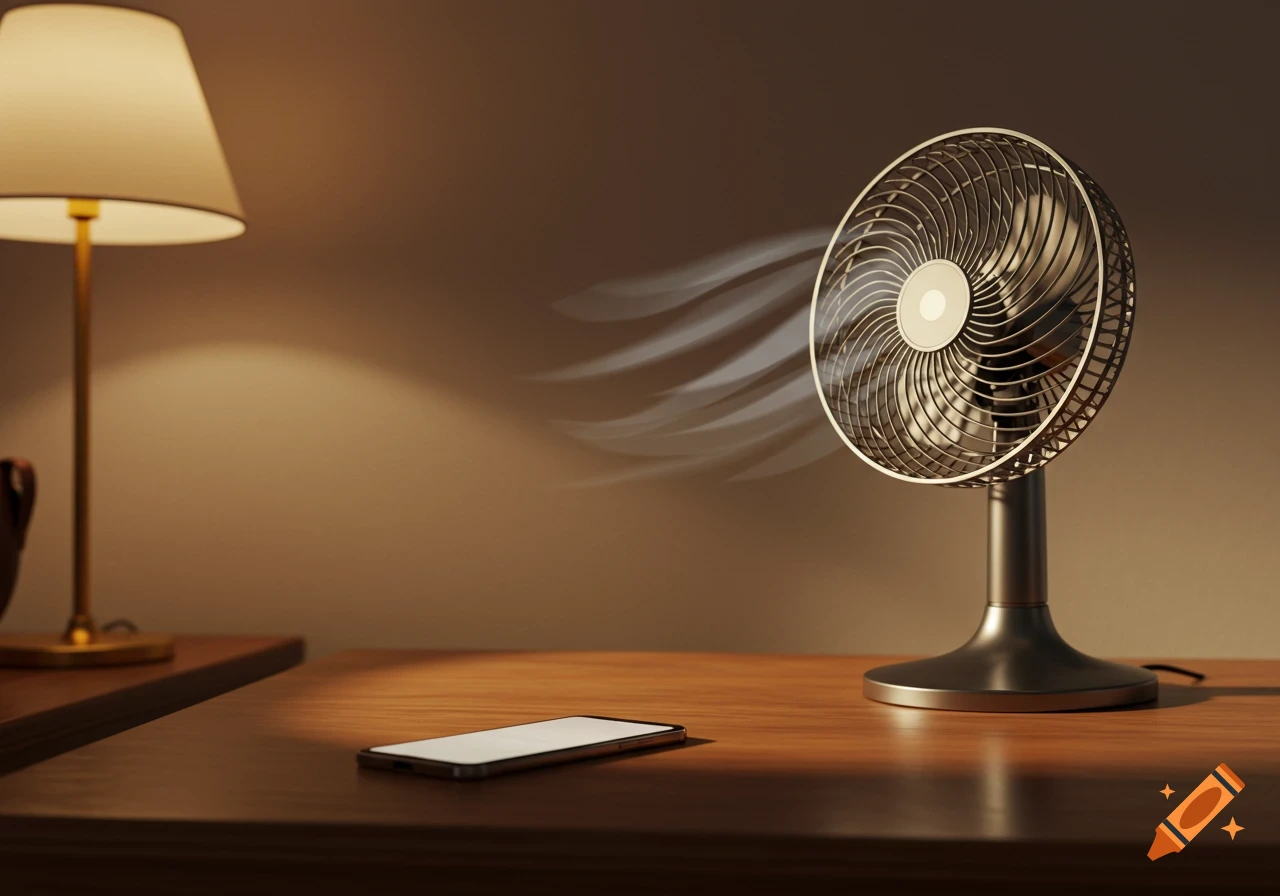
Fan
पंखा
Syllable: Pankha
Pronunciation: Pankha
- The fan is running. – पंखा चल रहा है।
- He turned on the fan. – उसने पंखा चालू किया।
- The fan is on the ceiling. – पंखा छत पर है।
Light Bulb
बल्ब
Syllable: Balb
Pronunciation: Balb
- The light bulb is bright. – बल्ब तेज़ रोशनी देता है।
- He replaced the old bulb. – उसने पुराना बल्ब बदल दिया।
- The bulb is in the lamp. – बल्ब दीपक में लगा है।

Television
टेलीविज़न
Syllable: Telivijan
Pronunciation: Television
- The television is on. – टेलीविज़न चालू है।
- We watched television in the evening. – हमने शाम को टेलीविज़न देखा।
- The television is in the living room. – टेलीविज़न बैठक में है।

Remote Control
रिमोट कंट्रोल
Syllable: Rimot Kontrol
Pronunciation: Remote Control
- The remote control is on the sofa. – रिमोट कंट्रोल सोफ़े पर है।
- He used the remote control to change the channel. – उसने चैनल बदलने के लिए रिमोट कंट्रोल का उपयोग किया।
- The remote control needs batteries. – रिमोट कंट्रोल में बैटरियों की ज़रूरत है।

Telephone
टेलीफ़ोन
Syllable: Telifon
Pronunciation: Telephone
- The telephone is ringing. – टेलीफ़ोन बज रहा है।
- She answered the telephone. – उसने टेलीफ़ोन उठाया।
- The telephone is on the table. – टेलीफ़ोन मेज़ पर है।
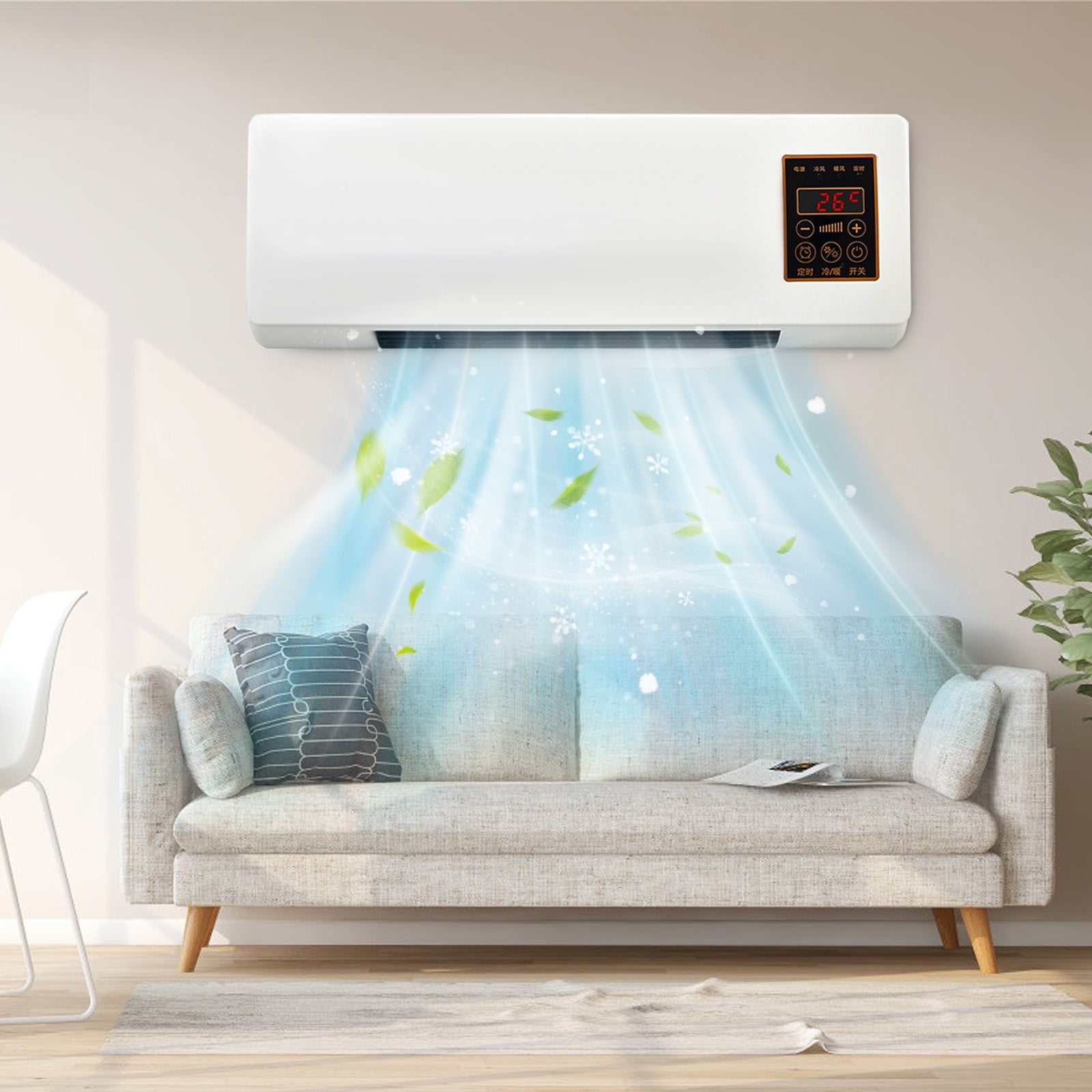
Air Conditioner
एयर कंडीशनर
Syllable: Air Kandishanar
Pronunciation: Air Conditioner
- The air conditioner is running. – एयर कंडीशनर चल रहा है।
- He turned on the air conditioner. – उसने एयर कंडीशनर चालू किया।
- The room is cool. – कमरा ठंडा है।
Refrigerator
रेफ्रिजरेटर
Syllable: Refrigerator
Pronunciation: Refrigerator
- The refrigerator is full. – रेफ्रिजरेटर भरा हुआ है।
- She put the milk in the refrigerator. – उसने दूध रेफ्रिजरेटर में रखा।
- The refrigerator keeps food cold. – रेफ्रिजरेटर भोजन को ठंडा रखता है।
Washing Machine
वॉशिंग मशीन
Syllable: Vashing Machine
Pronunciation: Washing Machine
- The washing machine is running. – वॉशिंग मशीन चल रही है।
- She put the clothes in the washing machine. – उसने कपड़े वॉशिंग मशीन में रखे।
- The washing machine saves time. – वॉशिंग मशीन समय बचाती है।

Vacuum Cleaner
वैक्यूम क्लीनर
Syllable: Vaikyum Kleanar
Pronunciation: Vacuum Cleaner
- The vacuum cleaner cleans the carpet. – वैक्यूम क्लीनर कालीन साफ़ करता है।
- He uses the vacuum cleaner every week. – वह हर सप्ताह वैक्यूम क्लीनर का उपयोग करता है।
- The vacuum cleaner is powerful. – वैक्यूम क्लीनर शक्तिशाली है।
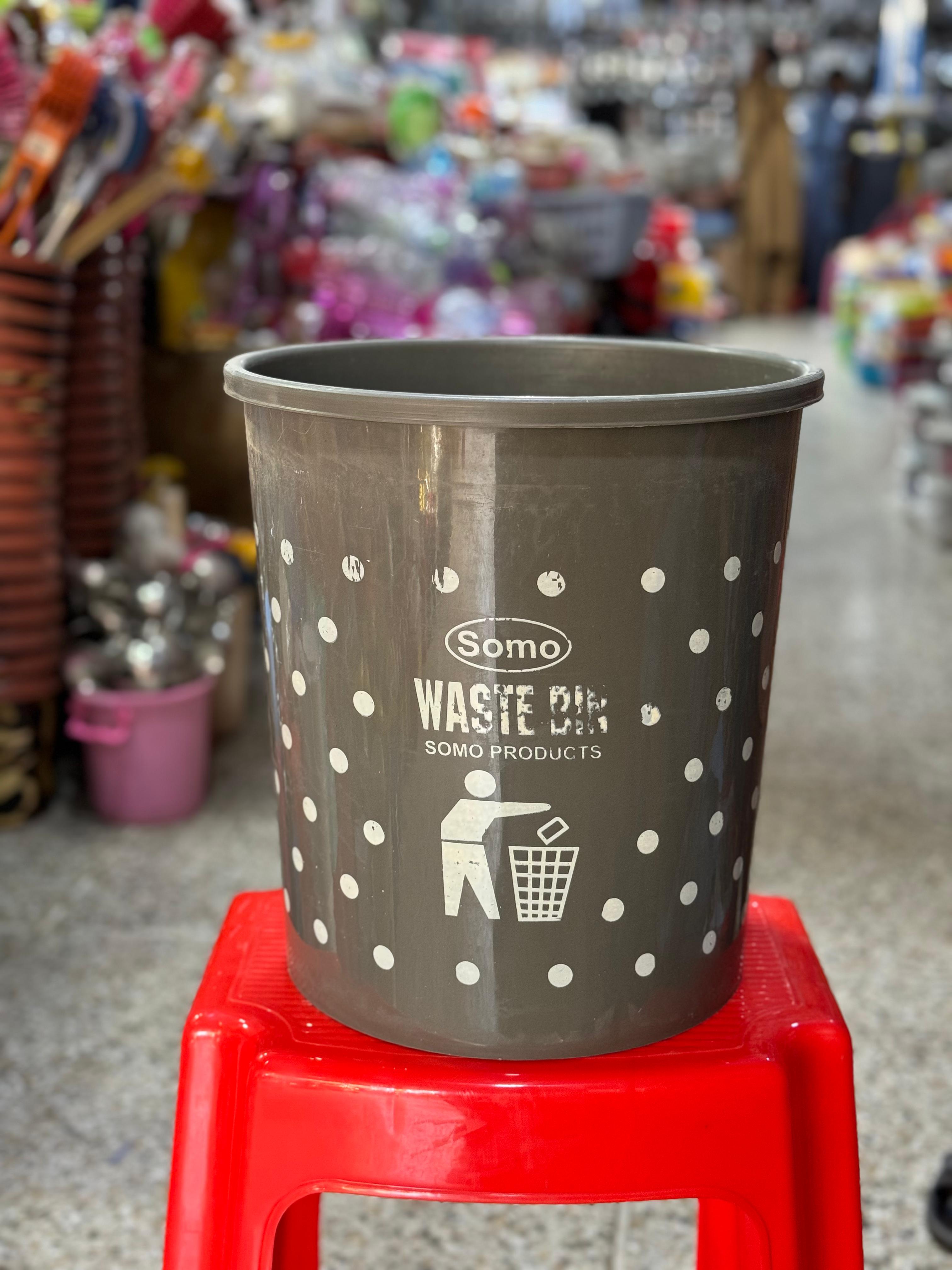
Dustbin
कूड़ेदान
Syllable: Koodedaan
Pronunciation: Dustbin
- The dustbin is near the door. – कूड़ेदान दरवाज़े के पास है।
- She emptied the dustbin. – उसने कूड़ेदान खाली किया।
- The dustbin has a lid. – कूड़ेदान पर ढक्कन है।

Doormat
पायदान
Syllable: Paaydaan
Pronunciation: Doormat
- The doormat is at the entrance. – पायदान दरवाज़े के प्रवेश पर है।
- He cleaned the doormat. – उसने पायदान साफ़ किया।
- The doormat is brown. – पायदान भूरा है।

Umbrella
छाता
Syllable: Chhaata
Pronunciation: Umbrella
- The umbrella is near the door. – छाता दरवाज़े के पास है।
- She carried an umbrella in the rain. – वह बारिश में छाता लेकर गई।
- The umbrella is black. – छाता काला है।
Common Household Items Names in Hindi
Some of the most common household items include कुर्सी, मेज, सोफा, बिस्तर, तकिया, चादर, कंबल, अलमारी, दराज़, दर्पण, घड़ी, परदा, और कालीन.
These objects are used for sitting, sleeping, storing belongings, decorating rooms, and organizing the home.
Learning these common words gives beginners a useful foundation for everyday Hindi communication.
Popular Household Items Names in Hindi
कुर्सी (Chair) is used for sitting and can be found in bedrooms, dining areas, offices, study rooms, and other parts of a home.
मेज (Table) is used for studying, eating, working, placing objects, and performing different household activities.
सोफा (Sofa) is commonly used for sitting and relaxing in a living room.
बिस्तर (Bed) is used for sleeping and resting.
तकिया (Pillow) is placed under the head while sleeping or resting.
चादर (Bedsheet) is used to cover a bed and provide a clean sleeping surface.
अलमारी (Cupboard or Wardrobe) is used for storing clothes, books, household objects, and other belongings.
दराज़ (Drawer) is a storage compartment used for keeping smaller objects organized.
दर्पण (Mirror) is used for viewing a person’s reflection.
परदा (Curtain) is used to cover windows or separate certain areas of a room.
Living Room Household Items in Hindi
The living room usually contains furniture and objects used for sitting, relaxing, entertaining guests, and decorating the home.
Common living room vocabulary includes सोफा, कुर्सी, मेज, सेंटर टेबल, कालीन, परदा, दर्पण, घड़ी, कुशन, और टेलीविजन.
A सोफा provides seating for several people, while a कुशन can provide additional comfort.
A सेंटर टेबल is commonly placed in front of a sofa and can be used for keeping books, magazines, drinks, or other objects.
A कालीन can cover part of the floor and also contribute to room decoration.
Bedroom Household Items in Hindi
The bedroom contains objects used mainly for sleeping, resting, storing clothes, and keeping personal belongings organized.
Common bedroom vocabulary includes बिस्तर, गद्दा, तकिया, चादर, कंबल, अलमारी, दराज़, दर्पण, बेडसाइड टेबल, और कपड़े रखने का हैंगर.
A गद्दा provides a comfortable surface for sleeping.
A कंबल is used for warmth, while a बेडसाइड टेबल can be placed beside the bed for keeping small objects.
A हैंगर is used for hanging clothes inside a wardrobe or on a suitable rack.
Bathroom Household Items in Hindi
Bathrooms contain many everyday items used for bathing, washing, drying, and personal care.
Common bathroom vocabulary includes बाल्टी, मग, तौलिया, साबुनदानी, आईना, टूथब्रश, साबुन, शैम्पू की बोतल, और कपड़े रखने की टोकरी.
A बाल्टी is used for holding water, while a मग can be used for taking or pouring water.
A तौलिया is used for drying the body or hands.
A साबुनदानी is used for keeping a bar of soap.
These words are useful for learners because they are connected with common daily routines.
Kitchen Household Items in Hindi
Many household objects are found in the kitchen and are used for cooking, eating, storing, and cleaning.
Common kitchen-related household vocabulary includes प्लेट, कटोरी, गिलास, कप, चम्मच, डिब्बा, जार, बोतल, बाल्टी, और कूड़ेदान.
A डिब्बा or जार can be used for storing food and other household supplies.
A बोतल is commonly used for storing water and other liquids.
A कूड़ेदान is used for collecting household waste.
Cleaning Household Items in Hindi
Cleaning items help keep rooms, floors, furniture, bathrooms, and other parts of a home clean.
Common cleaning vocabulary includes झाड़ू, पोछा, बाल्टी, डस्टपैन, ब्रश, स्पंज, कपड़ा, डस्टर, और कूड़ेदान.
A झाड़ू is used for sweeping floors.
A पोछा is used for cleaning floors with water or a suitable cleaning solution.
A डस्टपैन is used for collecting dust and dirt after sweeping.
A डस्टर can be used for removing dust from furniture and other surfaces.
Study Room Household Items in Hindi
Study rooms and work areas contain objects used for reading, writing, studying, and organizing materials.
Common vocabulary includes मेज, कुर्सी, किताबों की अलमारी, किताब, नोटबुक, पेन, पेंसिल, पेंसिल बॉक्स, और डेस्क लैंप.
A मेज or study desk provides a surface for reading and writing.
A किताबों की अलमारी is used for storing books.
A डेस्क लैंप provides focused light for reading or studying.
These words are useful for children and students learning practical Hindi vocabulary.
Storage Household Items in Hindi
Storage items help keep clothes, books, kitchen supplies, toys, documents, and other belongings organized.
Common storage vocabulary includes अलमारी, संदूक, डिब्बा, कंटेनर, टोकरी, दराज़, शेल्फ, रैक, और कपड़े की टोकरी.
A संदूक is a storage box or chest used for keeping belongings.
A रैक or शेल्फ provides a place for arranging books, containers, decorations, or other household objects.
A टोकरी can be used for carrying or storing different items.
Household Items for Washing and Drying
Several household objects are used for washing clothes, carrying water, and drying items.
Common vocabulary includes बाल्टी, टब, कपड़े की टोकरी, कपड़े सुखाने की रस्सी, कपड़े का हैंगर, क्लिप, और तौलिया.
A कपड़े की टोकरी is used for collecting or carrying clothes.
A कपड़े सुखाने की रस्सी is used for hanging clothes to dry.
A कपड़े का हैंगर helps keep clothes hanging neatly, while a क्लिप can be used to hold clothes on a drying line.
Household Items for Lighting in Hindi
Lighting items help illuminate rooms and other areas of a home.
Common lighting vocabulary includes बल्ब, लैंप, टेबल लैंप, ट्यूबलाइट, लालटेन, टॉर्च, और मोमबत्ती.
A बल्ब is used to provide electric light.
A टेबल लैंप is useful for focused lighting on a desk or table.
A टॉर्च is a portable light used when additional illumination is needed.
A लालटेन can provide light in situations where electrical lighting is unavailable or unsuitable.
Household Items for Decoration in Hindi
Decorative items can make rooms more attractive and organized.
Common decorative household vocabulary includes फूलदान, तस्वीर, फोटो फ्रेम, घड़ी, पर्दा, कालीन, कुशन, मूर्ति, और सजावटी दीपक.
A फूलदान is used for displaying flowers.
A फोटो फ्रेम is used for displaying photographs or pictures.
A घड़ी can serve both a practical and decorative purpose.
These words help learners describe the objects they see in different rooms of a home.
Household Items for Eating and Serving
Many household items are used for eating, drinking, and serving food.
Common vocabulary includes प्लेट, थाली, कटोरी, गिलास, कप, चम्मच, कांटा, चाकू, ट्रे, और जग.
A थाली is commonly used for serving a complete meal.
A ट्रे is useful for carrying several cups, glasses, plates, or other objects.
A जग is commonly used for holding and serving water or other suitable beverages.
These words are useful for everyday conversations at home.
Household Items for Personal Use
Many everyday household objects are used for personal care and daily routines.
Common vocabulary includes कंघी, दर्पण, तौलिया, छाता, चप्पल, जूते का रैक, कपड़ों का हैंगर, और बैग.
A कंघी is used for arranging hair.
A दर्पण is used for checking one’s appearance.
A छाता is used for protection from rain and, depending on the design, sunlight.
A जूते का रैक is used for organizing footwear.
Household Items and Their Common Uses
Different household items are designed for different purposes. A कुर्सी is used for sitting, while a मेज provides a surface for eating, studying, or working.
A बिस्तर is used for sleeping, while a तकिया supports the head during rest.
A अलमारी is used for storing clothes and belongings, while a दराज़ is useful for keeping smaller objects.
For cleaning, a झाड़ू is used for sweeping and a पोछा is used for cleaning floors.
A बाल्टी is useful for carrying or holding water, while a तौलिया is used for drying.
Difference Between Household Items and Appliances
Household items include everyday objects used for living, cleaning, storing, organizing, decorating, and performing daily activities.
Examples include कुर्सी, मेज, बिस्तर, अलमारी, दर्पण, बाल्टी, झाड़ू, और परदा.
Household appliances generally use electricity or another power source to perform specific functions. Examples include रेफ्रिजरेटर, वॉशिंग मशीन, पंखा, टेलीविजन, माइक्रोवेव ओवन, और वैक्यूम क्लीनर.
Understanding this difference helps learners organize household vocabulary more clearly.
Why Learning With Pictures Is Helpful
Learning household items names with pictures makes vocabulary easier to remember because learners can connect each Hindi word with an object they see in everyday life.
For example, seeing a picture of a कुर्सी while learning the English word Chair helps learners remember the Hindi word and identify the object more easily.
Pictures are especially helpful for children and beginners. Teachers can use household item pictures for worksheets, flashcards, classroom activities, and Hindi vocabulary lessons.
Practice Activities
Practice household item names by looking at pictures and trying to identify each object in Hindi before checking its English meaning. This helps improve vocabulary recognition and recall.
Choose several household items each day and write their Hindi names in a notebook. Next to each word, write its common use, such as sitting, sleeping, cleaning, storing, studying, lighting, or decorating.
You can also walk through different rooms of your home and identify the objects you recognize. Try to say their Hindi names aloud and then write their English meanings.
Another useful activity is to create picture flashcards. Put a picture of a household item on one side and its Hindi name on the other side. Review the cards regularly until you can identify the objects without assistance.
Hindi Household Items Name
| # | English Household Item Name | Hindi Household Item Name |
|---|---|---|
| 1 | Chair | कुर्सी |
| 2 | Table | मेज़ |
| 3 | Bed | बिस्तर |
| 4 | Sofa | सोफ़ा |
| 5 | Cupboard | अलमारी |
| 6 | Wardrobe | कपड़ों की अलमारी |
| 7 | Drawer | दराज़ |
| 8 | Shelf | शेल्फ़ |
| 9 | Mirror | आईना |
| 10 | Curtain | परदा |
| 11 | Carpet | कालीन |
| 12 | Rug | दरी |
| 13 | Pillow | तकिया |
| 14 | Blanket | कंबल |
| 15 | Bedsheet | चादर |
| 16 | Towel | तौलिया |
| 17 | Bucket | बाल्टी |
| 18 | Mug | मग |
| 19 | Broom | झाड़ू |
| 20 | Mop | पोछा |
| 21 | Dustpan | कूड़ादान फावड़ा |
| 22 | Trash Can | कूड़ेदान |
| 23 | Laundry Basket | कपड़ों की टोकरी |
| 24 | Hanger | कपड़े टाँगने का हैंगर |
| 25 | Iron | इस्त्री |
| 26 | Ironing Board | इस्त्री करने की मेज़ |
| 27 | Clock | घड़ी |
| 28 | Lamp | दीपक |
| 29 | Fan | पंखा |
| 30 | Light Bulb | बल्ब |
| 31 | Television | टेलीविज़न |
| 32 | Remote Control | रिमोट कंट्रोल |
| 33 | Telephone | टेलीफ़ोन |
| 34 | Air Conditioner | एयर कंडीशनर |
| 35 | Refrigerator | रेफ्रिजरेटर |
| 36 | Washing Machine | वॉशिंग मशीन |
| 37 | Vacuum Cleaner | वैक्यूम क्लीनर |
| 38 | Dustbin | कूड़ेदान |
| 39 | Doormat | पायदान |
| 40 | Umbrella | छाता |
1. Which is the correct Hindi name for “Chair”?
2. Which is the correct Hindi name for “Table”?
3. Which is the correct Hindi name for “Bed”?
4. Which is the correct Hindi name for “Sofa”?
5. Which is the correct Hindi name for “Cupboard”?
6. Which is the correct Hindi name for “Wardrobe”?
7. Which is the correct Hindi name for “Drawer”?
8. Which is the correct Hindi name for “Shelf”?
9. Which is the correct Hindi name for “Mirror”?
10. Which is the correct Hindi name for “Curtain”?
11. Which is the correct Hindi name for “Carpet”?
12. Which is the correct Hindi name for “Rug”?
13. Which is the correct Hindi name for “Pillow”?
14. Which is the correct Hindi name for “Blanket”?
15. Which is the correct Hindi name for “Bedsheet”?
16. Which is the correct Hindi name for “Towel”?
17. Which is the correct Hindi name for “Bucket”?
18. Which is the correct Hindi name for “Mug”?
19. Which is the correct Hindi name for “Broom”?
20. Which is the correct Hindi name for “Mop”?
21. Which is the correct Hindi name for “Dustpan”?
22. Which is the correct Hindi name for “Trash Can”?
23. Which is the correct Hindi name for “Laundry Basket”?
24. Which is the correct Hindi name for “Hanger”?
25. Which is the correct Hindi name for “Iron”?
26. Which is the correct Hindi name for “Ironing Board”?
27. Which is the correct Hindi name for “Clock”?
28. Which is the correct Hindi name for “Lamp”?
29. Which is the correct Hindi name for “Fan”?
30. Which is the correct Hindi name for “Light Bulb”?
31. Which is the correct Hindi name for “Television”?
32. Which is the correct Hindi name for “Remote Control”?
33. Which is the correct Hindi name for “Telephone”?
34. Which is the correct Hindi name for “Air Conditioner”?
35. Which is the correct Hindi name for “Refrigerator”?
36. Which is the correct Hindi name for “Washing Machine”?
37. Which is the correct Hindi name for “Vacuum Cleaner”?
38. Which is the correct Hindi name for “Dustbin”?
39. Which is the correct Hindi name for “Doormat”?
40. Which is the correct Hindi name for “Umbrella”?
Why Hindi Household Items Names Matter
Household vocabulary is an important part of everyday Hindi because people regularly talk about objects found in their homes.
Words such as कुर्सी, मेज, बिस्तर, तकिया, अलमारी, दर्पण, बाल्टी, झाड़ू, तौलिया, और परदा are useful in everyday conversations about rooms, cleaning, storage, furniture, and household activities.
Learning these words also helps children understand the objects around them. When learners can identify a household item and connect it with its Hindi name, they can develop vocabulary through real-life observation.
By learning household items names in Hindi with pictures, students can build practical everyday vocabulary and become more confident when describing their homes and daily activities.
Continue Exploring Hindi Vocabulary
Learning household vocabulary is another useful step toward improving everyday Hindi. After learning these words, you can continue exploring other useful Hindi vocabulary topics such as kitchen items, kitchen utensils, food names, drinks names, clothes names, jewellery names, tools names, hand tools names, power tools names, vehicle names, transport names, and animal names.
Keep practicing the Hindi words regularly and use pictures whenever possible. Connecting each word with a real household object can make Hindi vocabulary easier to remember and more useful in everyday communication.


