
The letter W introduces a flavorful collection of authentic Dutch foods, featuring savory pastries, seasonal vegetables, classic breakfasts, and traditional porridges. From the famous Worstenbroodje and tender Witlof to sweet Wentelteefjes and historic Watergruwel, these specialties showcase the Netherlands’ rich culinary heritage and regional traditions.
Alongside favorites like Bitterballen, Gouda Cheese, Stroopwafels, and Stamppot, the foods beginning with W offer another exciting opportunity to explore authentic Dutch cuisine.
This guide explores Dutch foods that start with W, introducing traditional recipes, regional specialties, and classic dishes enjoyed throughout the Netherlands.
W Welcomes Dutch Comfort Food and Regional Classics
The letter W contains many authentic Dutch food names, representing baked pastries, vegetables, breakfasts, soups, porridges, and regional specialties.
One of the best-known examples is Worstenbroodje, a traditional sausage roll from the southern province of North Brabant. It consists of seasoned sausage meat wrapped in soft bread dough and baked until golden. Worstenbroodje is especially popular during holidays and family celebrations.
Another favorite is Witlof, Dutch Belgian endive, which is commonly baked with ham and cheese, stir-fried, or served in salads. It is one of the Netherlands’ most popular vegetables during the cooler months.
Breakfast lovers may already know Wentelteefjes, the Dutch version of French toast. Slices of bread are soaked in a mixture of eggs, milk, sugar, and cinnamon before being pan-fried and served with powdered sugar or syrup.
You’ll also encounter Watergruwel, a traditional porridge from South Holland made with barley, currants, raisins, and buttermilk. Although less common today, it remains an important part of Dutch culinary history.
Other authentic Dutch foods beginning with W include Witte Asperges, Wafelkoek, Witlofstamppot, Waldkornbrood, Wortelsoep, Winterpeen Stamppot, Wijnsaus, and Witte Bonensoep.
These foods show that the letter W offers an excellent introduction to authentic Dutch cuisine.
Benefits of Learning Dutch Foods Beginning With W
- Complete your Dutch food vocabulary from A to Z.
- Discover authentic regional Dutch specialties.
- Learn about traditional Dutch cooking methods.
- Explore pastries, vegetables, breakfasts, soups, and porridges.
- Recognize iconic foods served across the Netherlands.
- Improve confidence when reading Dutch restaurant menus.
- Strengthen memory through alphabetical learning.
- Prepare for travel by identifying local specialties.
- Support classroom and worksheet activities.
- Learn about the Netherlands’ rich culinary heritage.
- Find inspiration for cooking authentic Dutch recipes at home.
- Experience both savory and sweet Dutch foods.
- Develop a deeper appreciation for Dutch cuisine.
Dutch Foods That Start With W
The list below features Dutch foods beginning with the letter W, including pastries, vegetables, breakfast dishes, soups, breads, and regional favorites enjoyed throughout the Netherlands.
The letter W represents a wonderful variety of Dutch culinary traditions. You’ll find sausage, bread, endive, barley, carrots, asparagus, butter, cheese, cinnamon, and fresh local ingredients appearing throughout the collection.
Many of these foods have been enjoyed for generations and remain favorites in Dutch homes, bakeries, cafés, and family kitchens. Their enduring popularity reflects the Netherlands’ appreciation for wholesome comfort food and regional specialties.
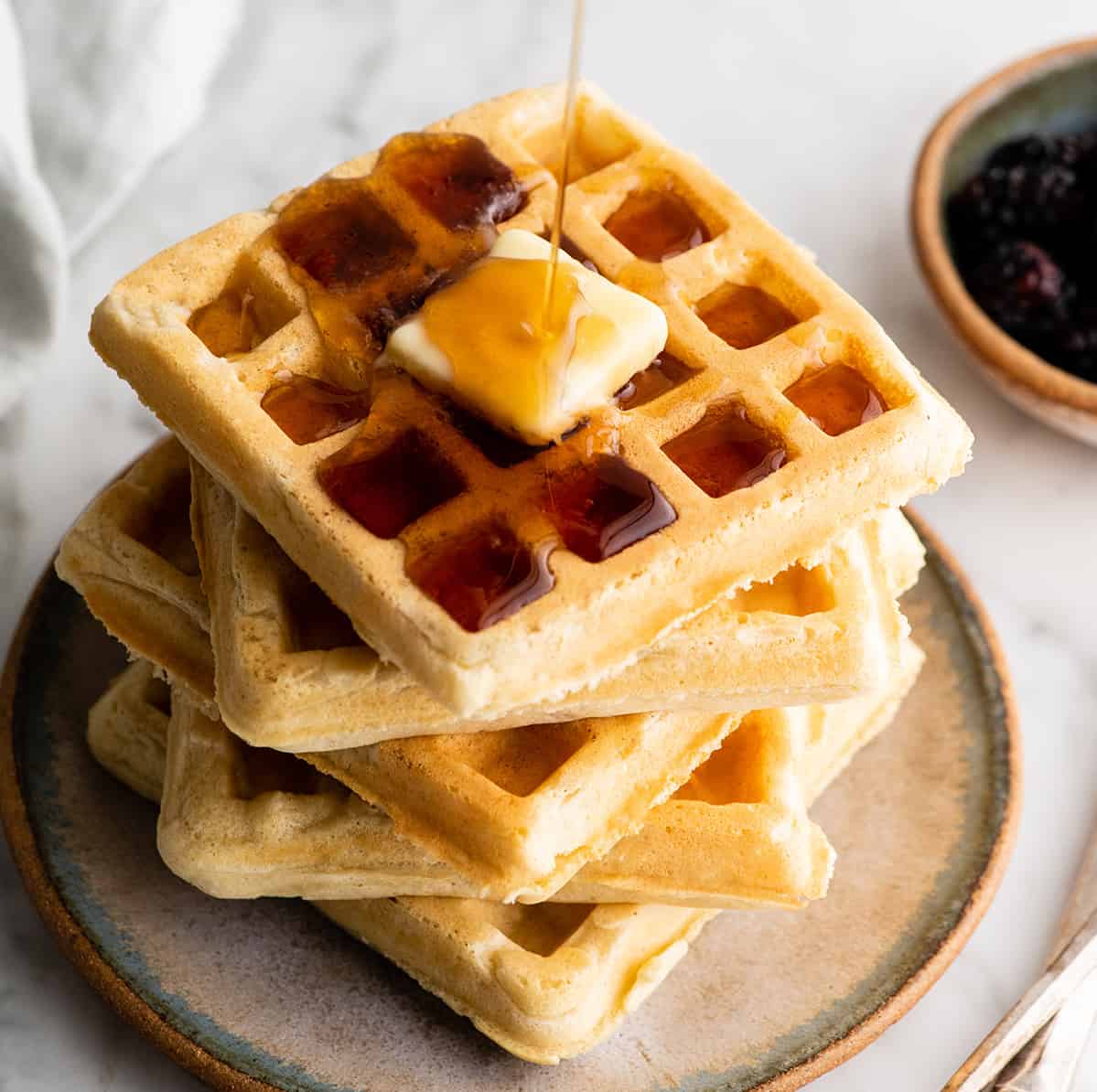
Waffle
Wafel
Syllable: WAH-fel
Pronunciation: Wafel
- A waffle is crispy and sweet. – Een wafel is krokant en zoet.
- We ate waffles for breakfast. – Wij aten wafels als ontbijt.
- My children love waffles. – Mijn kinderen houden van wafels.
Walnut Cake
Walnotencake
Syllable: WAL-no-ten-kay-kuh
Pronunciation: Walnotencake
- Walnut cake is rich and delicious. – Walnotencake is rijk en lekker.
- It is perfect with tea. – Het is heerlijk bij thee.
- We shared walnut cake after dinner. – Wij deelden walnotencake na het avondeten.
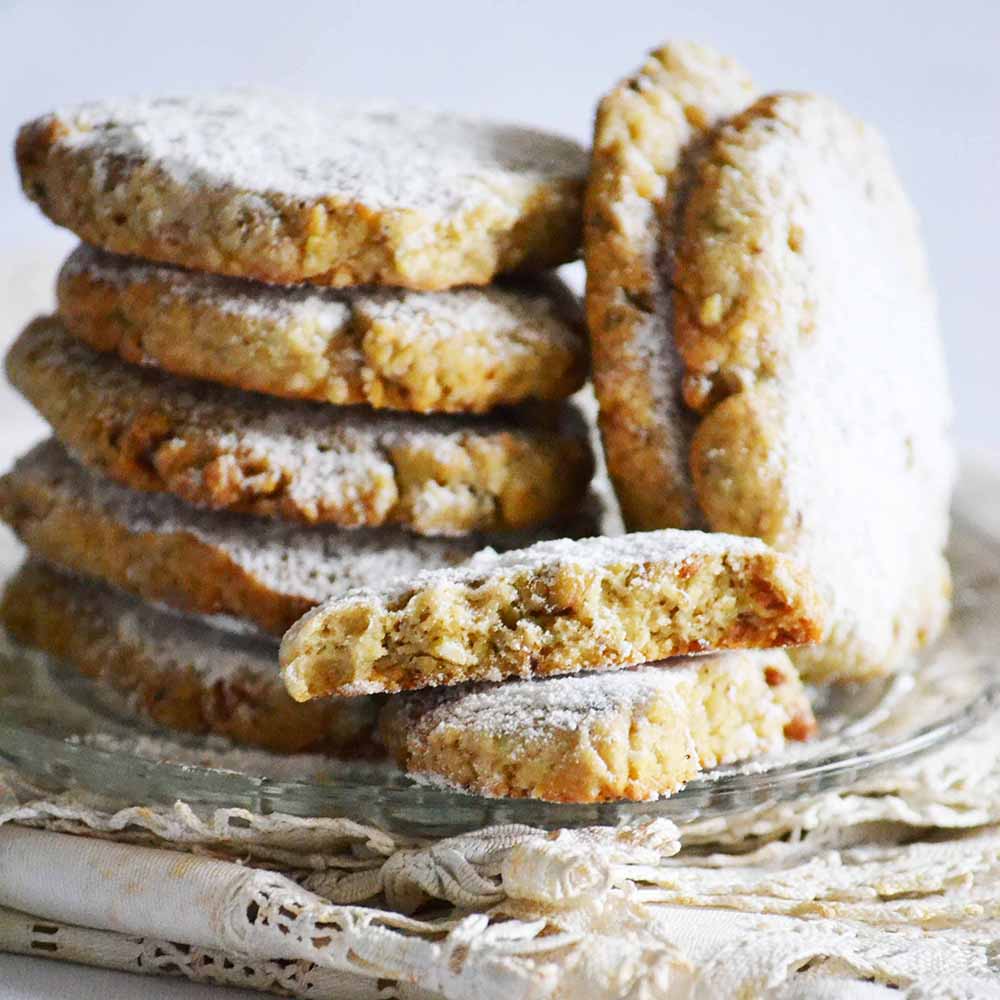
Walnut Cookies
Walnotenkoekjes
Syllable: WAL-no-ten-kook-yus
Pronunciation: Walnotenkoekjes
- Walnut cookies are crispy and sweet. – Walnotenkoekjes zijn krokant en zoet.
- They taste great with coffee. – Ze smaken heerlijk bij koffie.
- We baked walnut cookies today. – Wij bakten vandaag walnotenkoekjes.
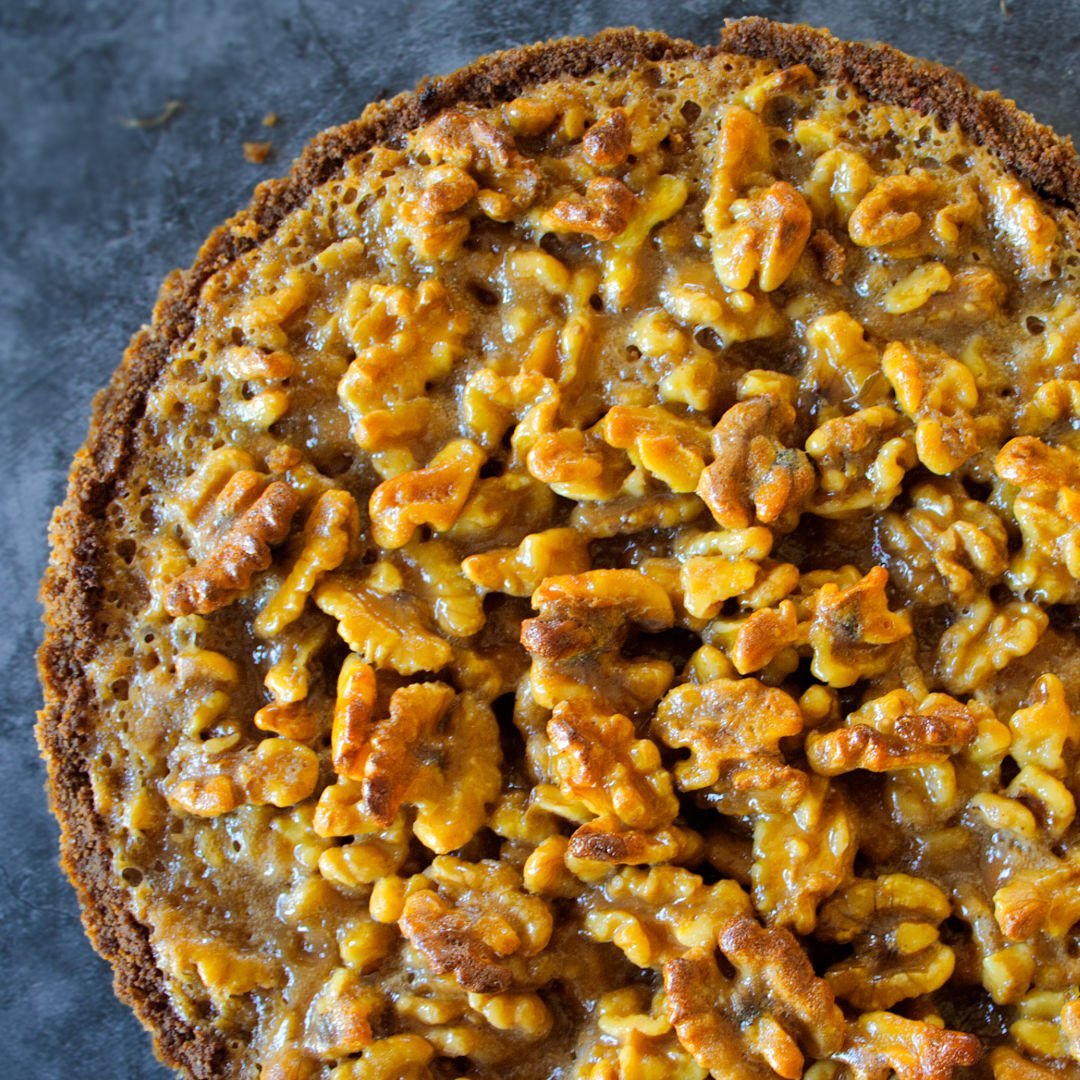
Walnut Tart
Walnotentaart
Syllable: WAL-no-ten-tart
Pronunciation: Walnotentaart
- Walnut tart is sweet and crunchy. – Walnotentaart is zoet en knapperig.
- It has a rich nut flavor. – Het heeft een rijke notensmaak.
- We enjoyed walnut tart for dessert. – Wij genoten van walnotentaart als dessert.
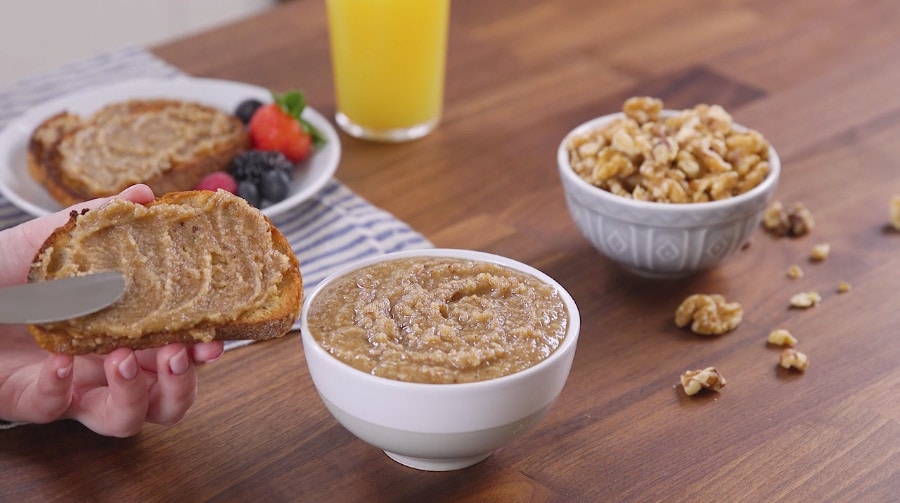
Walnut Butter
Walnotenboter
Syllable: WAL-no-ten-boh-ter
Pronunciation: Walnotenboter
- Walnut butter is smooth and creamy. – Walnotenboter is zacht en romig.
- It tastes great on bread. – Het smaakt heerlijk op brood.
- We made walnut butter at home. – Wij maakten thuis walnotenboter.

Watercress
Waterkers
Syllable: WAH-ter-kers
Pronunciation: Waterkers
- Watercress is a healthy leafy vegetable. – Waterkers is een gezonde bladgroente.
- We added watercress to the salad. – Wij voegden waterkers toe aan de salade.
- Fresh watercress tastes delicious. – Verse waterkers smaakt heerlijk.
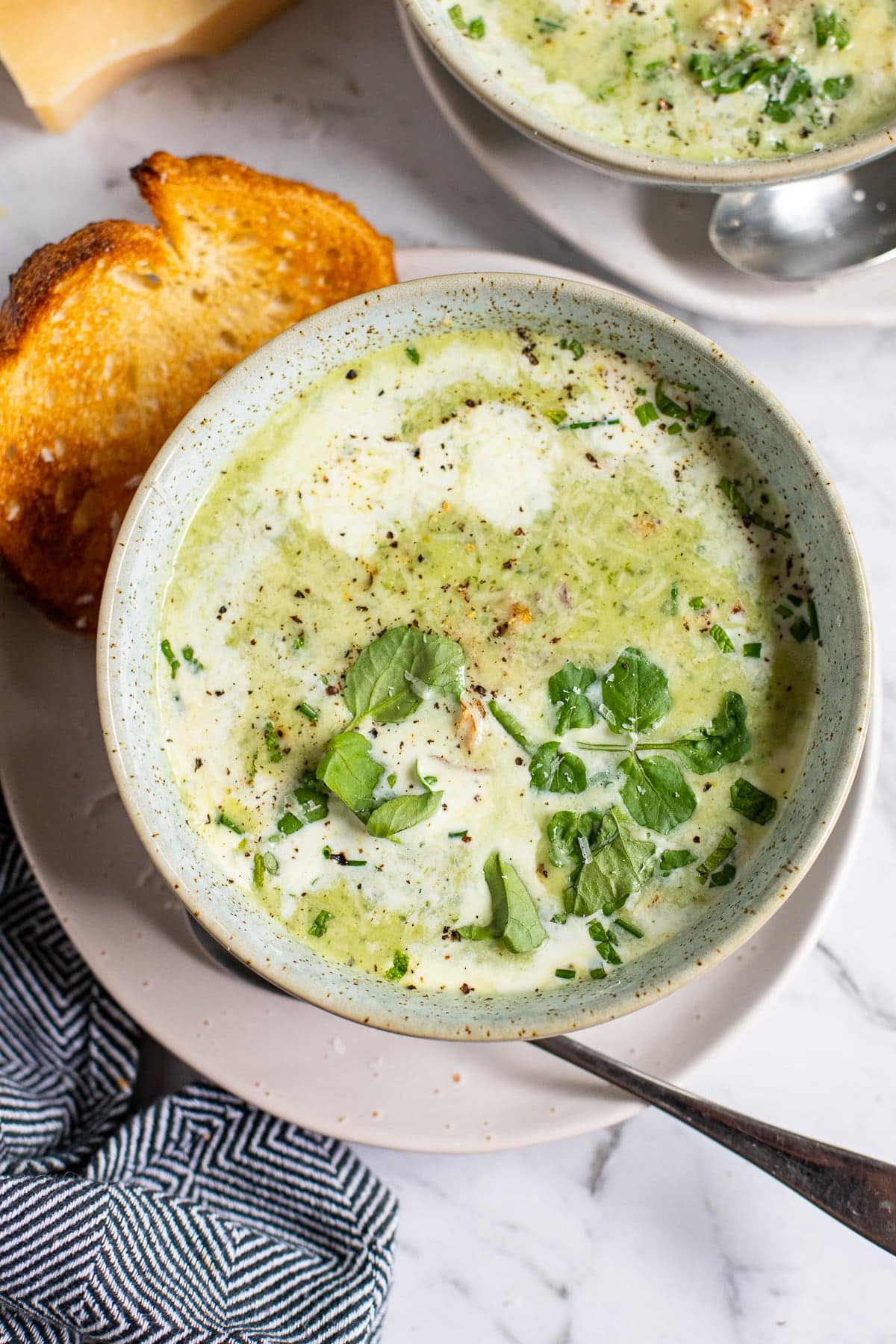
Watercress Soup
Waterkerssoep
Syllable: WAH-ter-kers-soop
Pronunciation: Waterkerssoep
- Watercress soup is warm and creamy. – Waterkerssoep is warm en romig.
- It is perfect on cold days. – Het is perfect op koude dagen.
- We enjoyed watercress soup for dinner. – Wij genoten van waterkerssoep bij het avondeten.

Watermelon
Watermeloen
Syllable: WAH-ter-meh-LOON
Pronunciation: Watermeloen
- Watermelon is sweet and refreshing. – Watermeloen is zoet en verfrissend.
- We ate watermelon in summer. – Wij aten watermeloen in de zomer.
- My family loves watermelon. – Mijn familie houdt van watermeloen.

Watermelon Juice
Watermeloensap
Syllable: WAH-ter-meh-LOON-sap
Pronunciation: Watermeloensap
- Watermelon juice is cool and refreshing. – Watermeloensap is koel en verfrissend.
- It is served cold. – Het wordt koud geserveerd.
- We drank watermelon juice after lunch. – Wij dronken watermeloensap na de lunch.
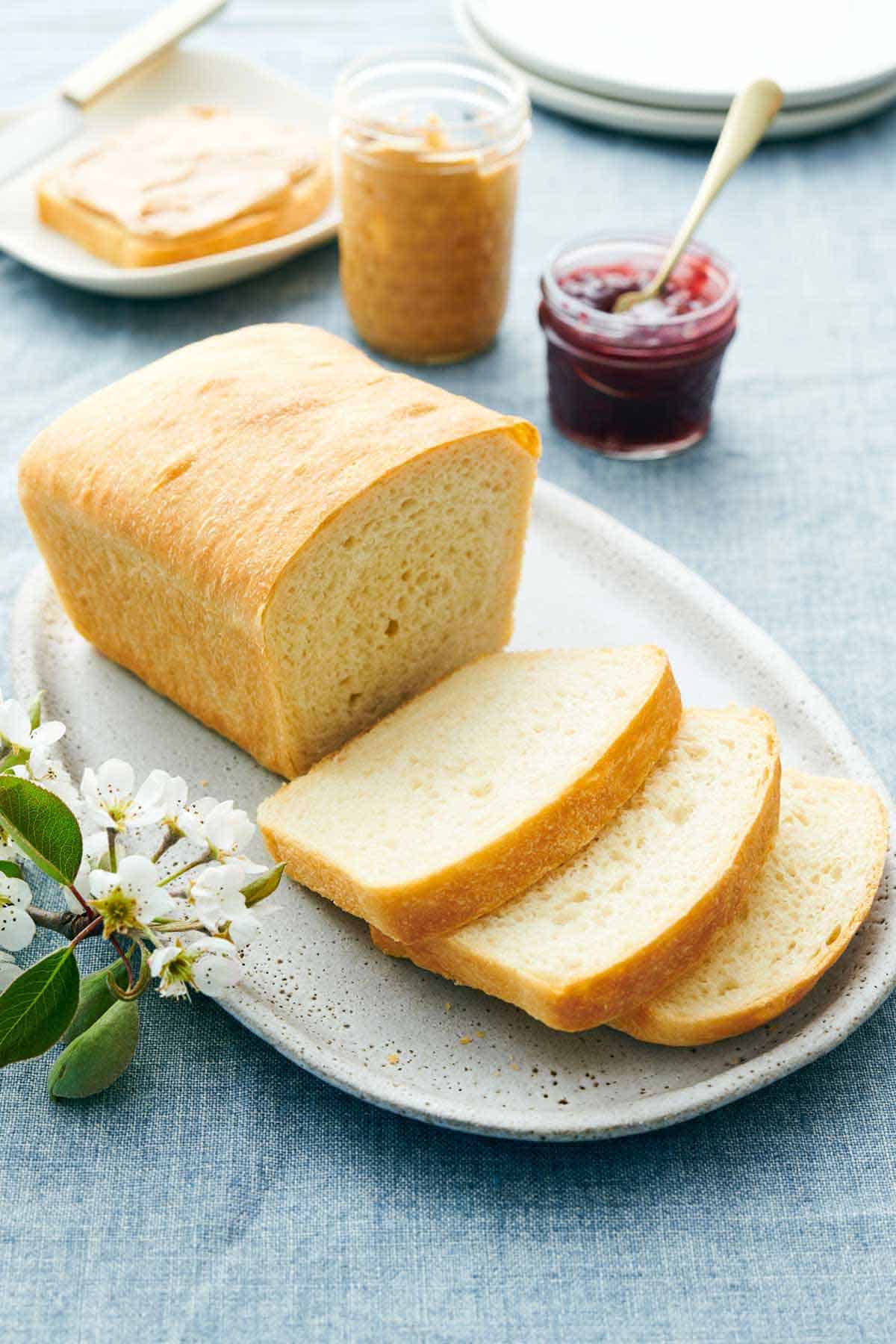
White Bread
Witbrood
Syllable: VIT-broht
Pronunciation: Witbrood
- White bread is soft and fresh. – Witbrood is zacht en vers.
- We made sandwiches with white bread. – Wij maakten broodjes met witbrood.
- The children like white bread. – De kinderen houden van witbrood.
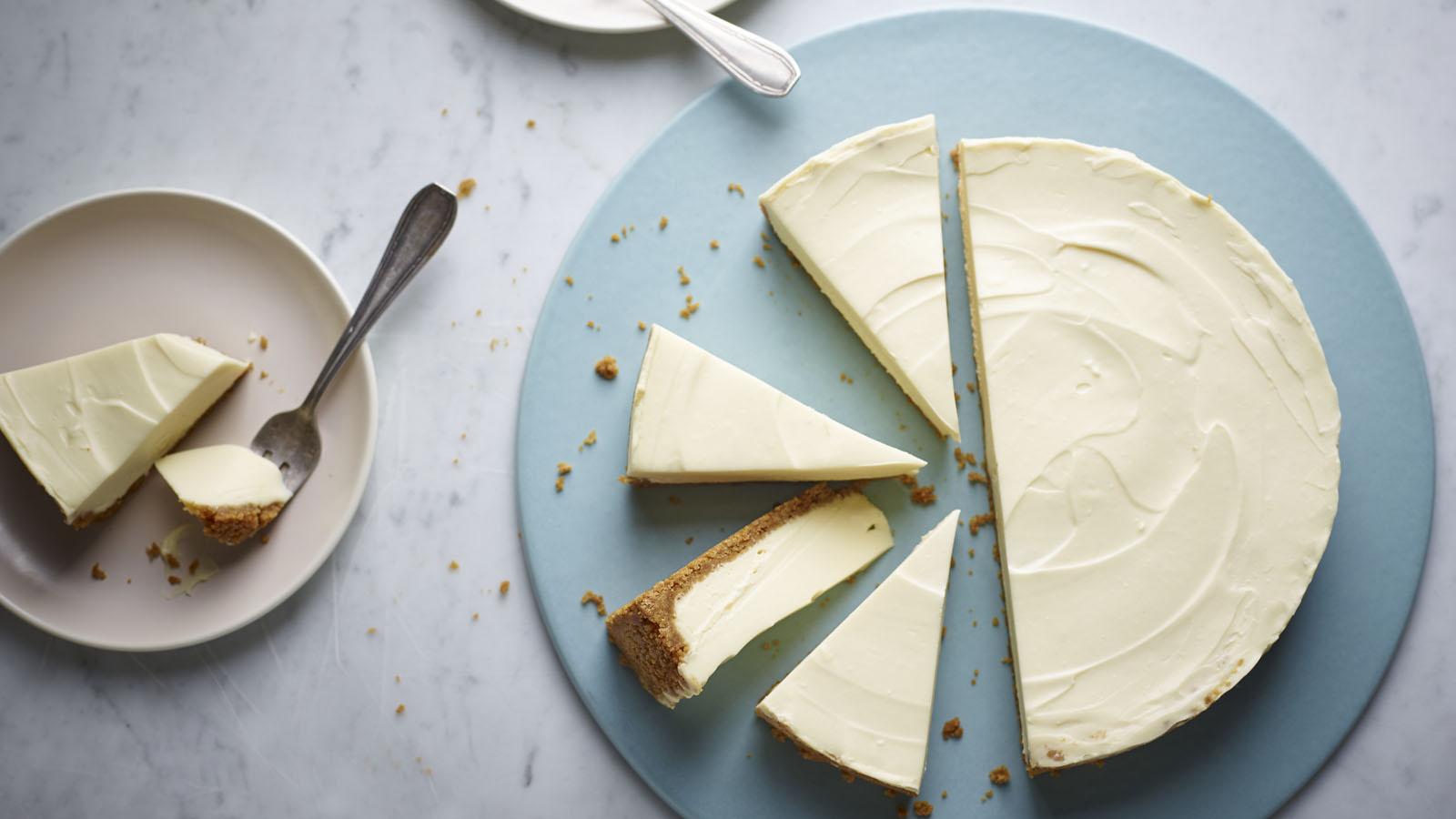
White Chocolate
Witte chocolade
Syllable: VIT-tuh-shoh-koh-LAH-duh
Pronunciation: Witte chocolade
- White chocolate is sweet and creamy. – Witte chocolade is zoet en romig.
- It melts easily. – Het smelt gemakkelijk.
- We shared white chocolate after dinner. – Wij deelden witte chocolade na het avondeten.
Dutch Cuisine Celebrates Everyday Simplicity
One of the defining strengths of Dutch cuisine is its ability to create satisfying meals from simple ingredients while preserving generations of culinary tradition.
Worstenbroodje represents the Netherlands’ beloved bakery culture, while Witlof showcases the country’s excellent vegetable dishes. Wentelteefjes highlight traditional Dutch breakfasts, and Watergruwel preserves an important piece of Dutch food history.
Together, these specialties demonstrate how Dutch cuisine blends fresh local ingredients, practical cooking methods, and regional traditions into memorable meals.
Practice Activities
- Learn five Dutch foods beginning with W.
- Practice pronouncing each food name aloud.
- Create flashcards with food pictures.
- Match foods with their main ingredients.
- Read authentic Dutch recipes.
- Watch Dutch cooking videos featuring traditional specialties.
- Organize foods into pastries, vegetables, breakfast dishes, soups, and breads.
- Research the history of Worstenbroodje and Wentelteefjes.
- Visit a Dutch bakery or restaurant and identify foods beginning with W.
- Keep a notebook of Dutch culinary terms.
- Try making Wentelteefjes or Worstenbroodje at home.
- Review your favorite foods from every alphabet letter.
- Share your discoveries with family or friends.
- Test your knowledge using the worksheet.
Continue Your Dutch Food Alphabet Journey!
The letter W introduces another memorable collection of authentic Dutch foods. From savory Worstenbroodje and tender Witlof to sweet Wentelteefjes and traditional Watergruwel, these specialties celebrate the Netherlands’ regional diversity, culinary heritage, and timeless cooking traditions.
Now we’d love to hear from you! Which Dutch food beginning with W caught your attention the most, or is there another authentic W specialty we should include? Share your recommendation in the comments, tell us your favorite Dutch dish, and pass this worksheet along to anyone who enjoys discovering delicious foods from around the world.