The letter M introduces a wonderful collection of authentic Dutch foods, featuring fresh seafood, creamy soups, classic pastries, and beloved traditional treats. From the famous Maatjesharing and rich Mosterdsoep to chocolate-covered Moorkop and festive Muisjes, these specialties showcase the Netherlands’ rich culinary heritage and regional traditions.
Alongside favorites like Bitterballen, Gouda Cheese, Stroopwafels, and Erwtensoep, the foods beginning with M offer another exciting opportunity to explore authentic Dutch cuisine.
This guide explores Dutch foods that start with M, introducing traditional recipes, regional specialties, and classic dishes enjoyed throughout the Netherlands.
M Mixes Dutch Tradition With Regional Flavor
The letter M contains many authentic Dutch food names, representing seafood, soups, pastries, bakery treats, and festive specialties.
One of the best-known examples is Maatjesharing, young lightly cured herring that is prized for its delicate texture and mild flavor. It is traditionally served with chopped onions and pickles or enjoyed in a bread roll. Maatjesharing is one of the Netherlands’ most iconic seafood delicacies.
Another favorite is Mosterdsoep, a creamy Dutch mustard soup originating from the northern provinces, especially Groningen and Drenthe. Made with mustard, cream, broth, onions, and herbs, it is often served with bacon or smoked sausage.
Dessert lovers may already know Moorkop, a large choux pastry filled with whipped cream and covered in rich chocolate glaze. It is one of the country’s most popular bakery treats.
You’ll also encounter Muisjes, sugar-coated anise seeds traditionally sprinkled over buttered rusks to celebrate the birth of a baby. Pink-and-white varieties celebrate girls, while blue-and-white varieties celebrate boys, making them an iconic Dutch tradition.
Other authentic Dutch foods beginning with M include Mergpijp, Macaronivla, Mosselen, Malse Runderlap, Marsepein, Maïsbrood, Melkrijst, and Molenbrood.
These foods show that the letter M offers an outstanding introduction to authentic Dutch cuisine.
Benefits of Learning Dutch Foods Beginning With M
- Complete your Dutch food vocabulary from A to Z.
- Discover authentic regional Dutch specialties.
- Learn about traditional Dutch cooking methods.
- Explore seafood, soups, pastries, breads, and desserts.
- Recognize iconic foods served across the Netherlands.
- Improve confidence when reading Dutch restaurant menus.
- Strengthen memory through alphabetical learning.
- Prepare for travel by identifying local specialties.
- Support classroom and worksheet activities.
- Learn about the Netherlands’ rich culinary heritage.
- Find inspiration for cooking authentic Dutch recipes at home.
- Experience both savory and sweet Dutch foods.
- Develop a deeper appreciation for Dutch cuisine.
Dutch Foods That Start With M
The list below features Dutch foods beginning with the letter M, including seafood, soups, pastries, breads, desserts, and regional favorites enjoyed throughout the Netherlands.
The letter M represents a diverse collection of Dutch culinary traditions. You’ll find herring, mustard, cream, chocolate, anise, mussels, beef, bread, dairy, and fresh local ingredients appearing throughout the collection.
Many of these foods have been enjoyed for generations and remain staples in Dutch homes, bakeries, seafood markets, cafés, and festive celebrations. Their enduring popularity reflects the Netherlands’ appreciation for regional traditions and comforting homemade recipes.
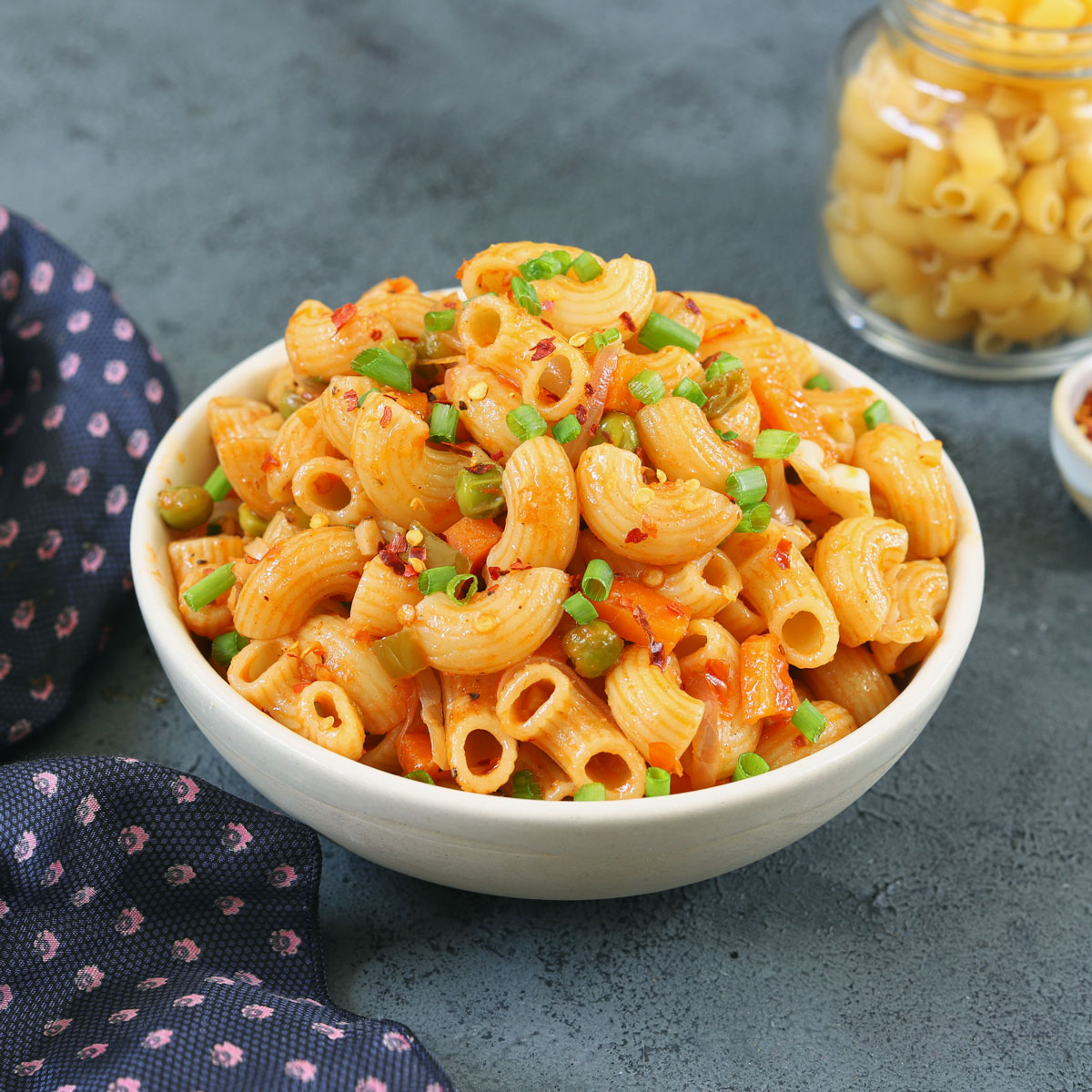
Macaroni
Macaroni
Syllable: mah-kah-roh-NEE
Pronunciation: Macaroni
- Macaroni is easy to cook. – Macaroni is makkelijk te koken.
- We made macaroni for dinner. – Wij maakten macaroni voor het avondeten.
- My family likes macaroni. – Mijn familie houdt van macaroni.

Macaroni Salad
Macaronisalade
Syllable: mah-kah-roh-NEE-sa-LAH-duh
Pronunciation: Macaronisalade
- Macaroni salad is fresh and tasty. – Macaronisalade is fris en lekker.
- It is perfect for lunch. – Het is perfect voor de lunch.
- We enjoyed macaroni salad together. – Wij genoten samen van macaronisalade.

Macaroni Soup
Macaronisoep
Syllable: mah-kah-roh-NEE-soop
Pronunciation: Macaronisoep
- Macaroni soup is warm and filling. – Macaronisoep is warm en vullend.
- It is good on cold days. – Het is lekker op koude dagen.
- We ate macaroni soup for lunch. – Wij aten macaronisoep als lunch.
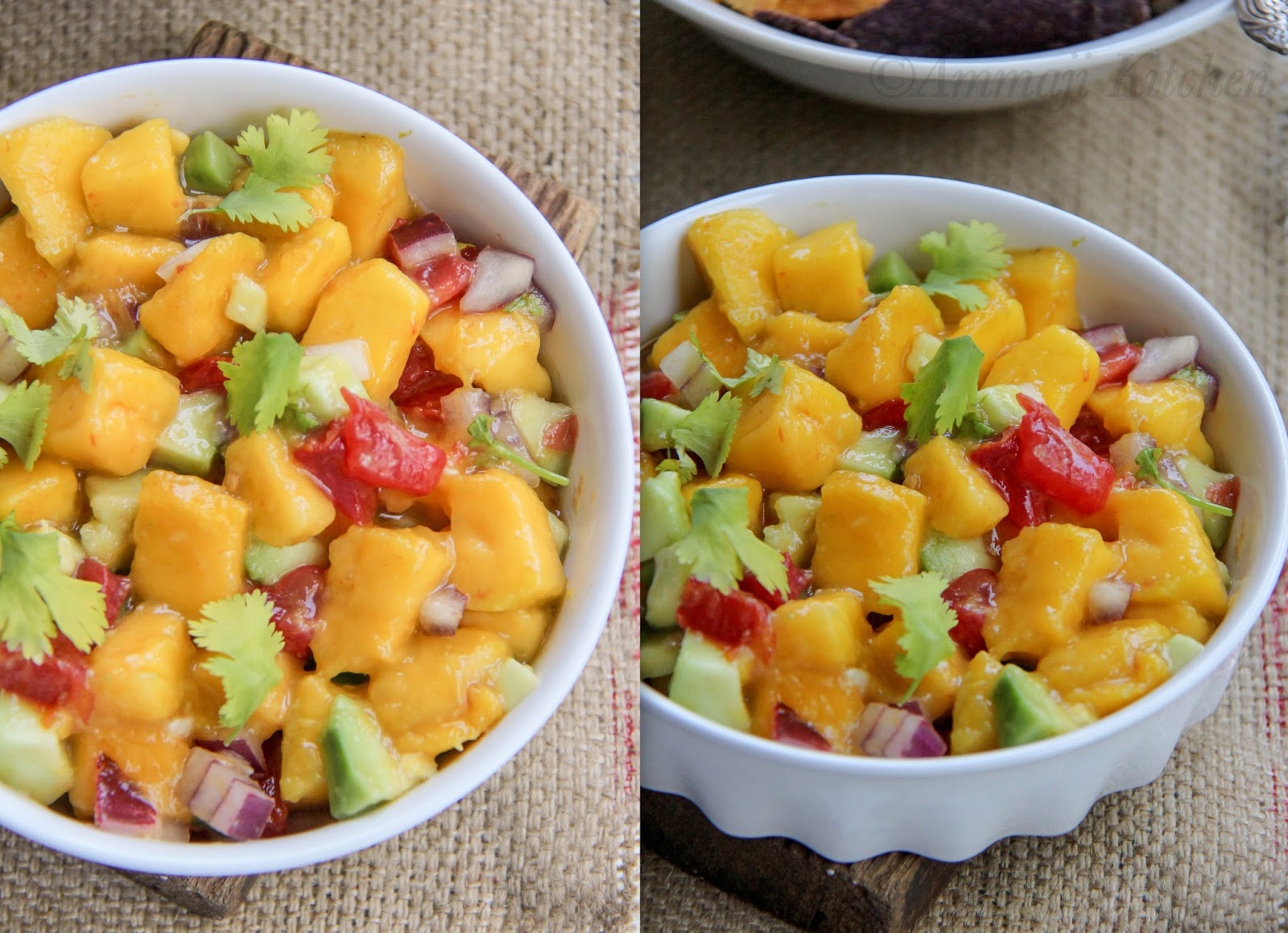
Mango
Mango
Syllable: MANG-goh
Pronunciation: Mango
- Mango is sweet and juicy. – Mango is zoet en sappig.
- I like fresh mango. – Ik houd van verse mango.
- We ate mango after dinner. – Wij aten mango na het avondeten.

Mango Cake
Mangocake
Syllable: MANG-goh-kay-kuh
Pronunciation: Mangocake
- Mango cake is soft and delicious. – Mangocake is zacht en lekker.
- It has fresh mango on top. – Er ligt verse mango bovenop.
- We shared mango cake with friends. – Wij deelden mangocake met vrienden.

Mango Juice
Mangosap
Syllable: MANG-goh-sap
Pronunciation: Mangosap
- Mango juice is sweet and refreshing. – Mangosap is zoet en verfrissend.
- It is served cold. – Het wordt koud geserveerd.
- We drank mango juice after lunch. – Wij dronken mangosap na de lunch.
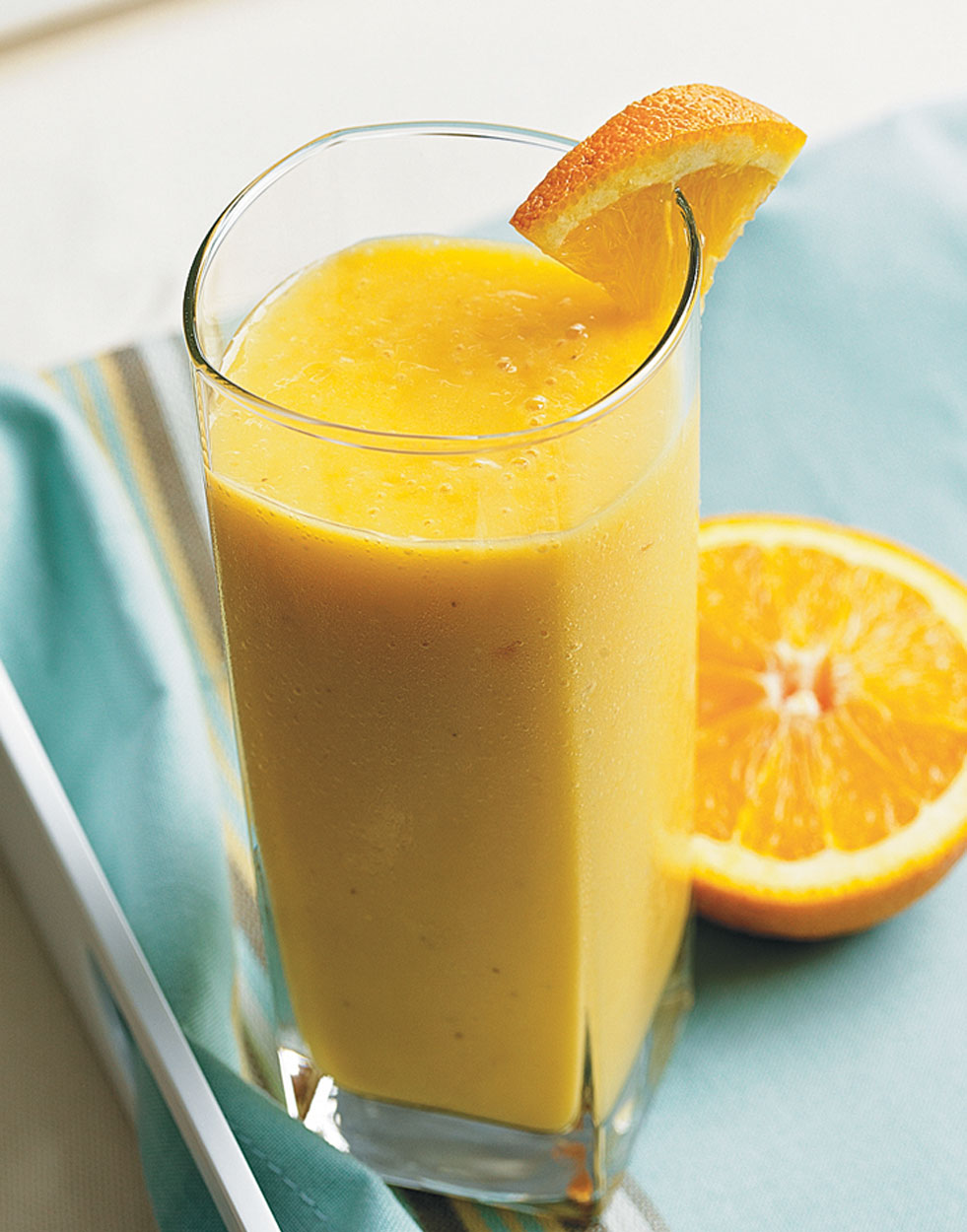
Mango Smoothie
Mangosmoothie
Syllable: MANG-goh-smoo-thee
Pronunciation: Mangosmoothie
- Mango smoothie is creamy and refreshing. – Mangosmoothie is romig en verfrissend.
- It is made with fresh mango. – Hij wordt gemaakt met verse mango.
- We enjoyed a mango smoothie this morning. – Wij genoten vanmorgen van een mangosmoothie.

Marmalade
Marmelade
Syllable: mar-meh-LAH-duh
Pronunciation: Marmelade
- Marmalade is sweet and slightly bitter. – Marmelade is zoet en een beetje bitter.
- It tastes great on toast. – Het smaakt heerlijk op toast.
- We made marmalade at home. – Wij maakten thuis marmelade.

Marshmallow
Marshmallow
Syllable: MARSH-mah-loh
Pronunciation: Marshmallow
- Marshmallows are soft and sweet. – Marshmallows zijn zacht en zoet.
- Children love marshmallows. – Kinderen houden van marshmallows.
- We roasted marshmallows over the fire. – Wij roosterden marshmallows boven het vuur.
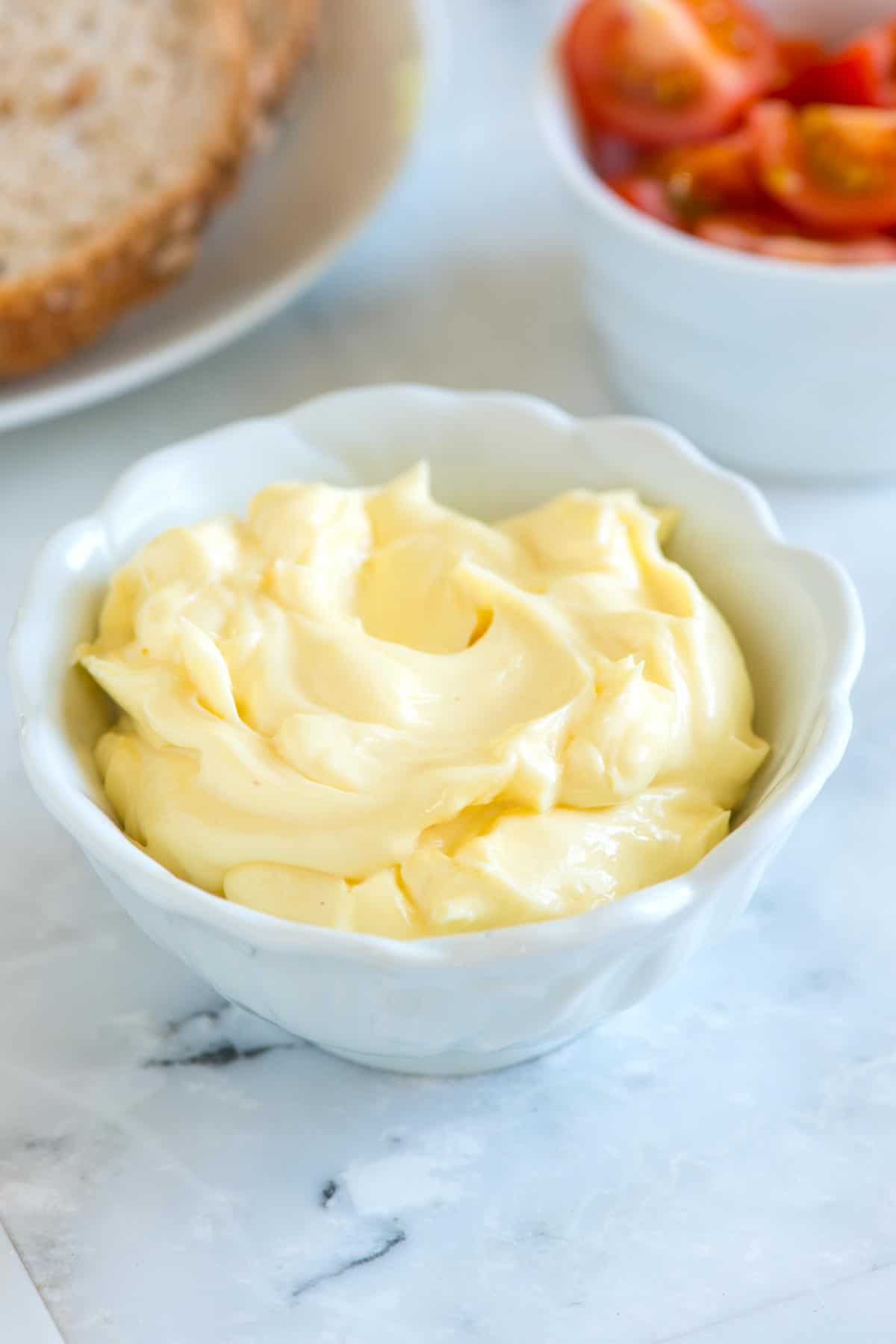
Mayonnaise
Mayonaise
Syllable: mah-yoh-NAY-zuh
Pronunciation: Mayonaise
- Mayonnaise is creamy and smooth. – Mayonaise is romig en zacht.
- It is used in sandwiches. – Het wordt gebruikt op sandwiches.
- We added mayonnaise to the salad. – Wij voegden mayonaise toe aan de salade.
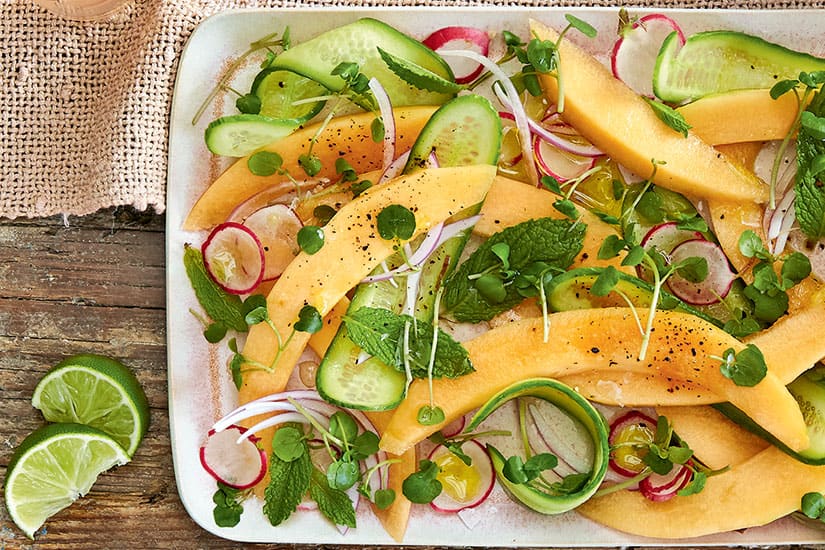
Melon
Meloen
Syllable: meh-LOON
Pronunciation: Meloen
- Melon is sweet and refreshing. – Meloen is zoet en verfrissend.
- It is perfect in summer. – Het is perfect in de zomer.
- We shared a fresh melon today. – Wij deelden vandaag een verse meloen.
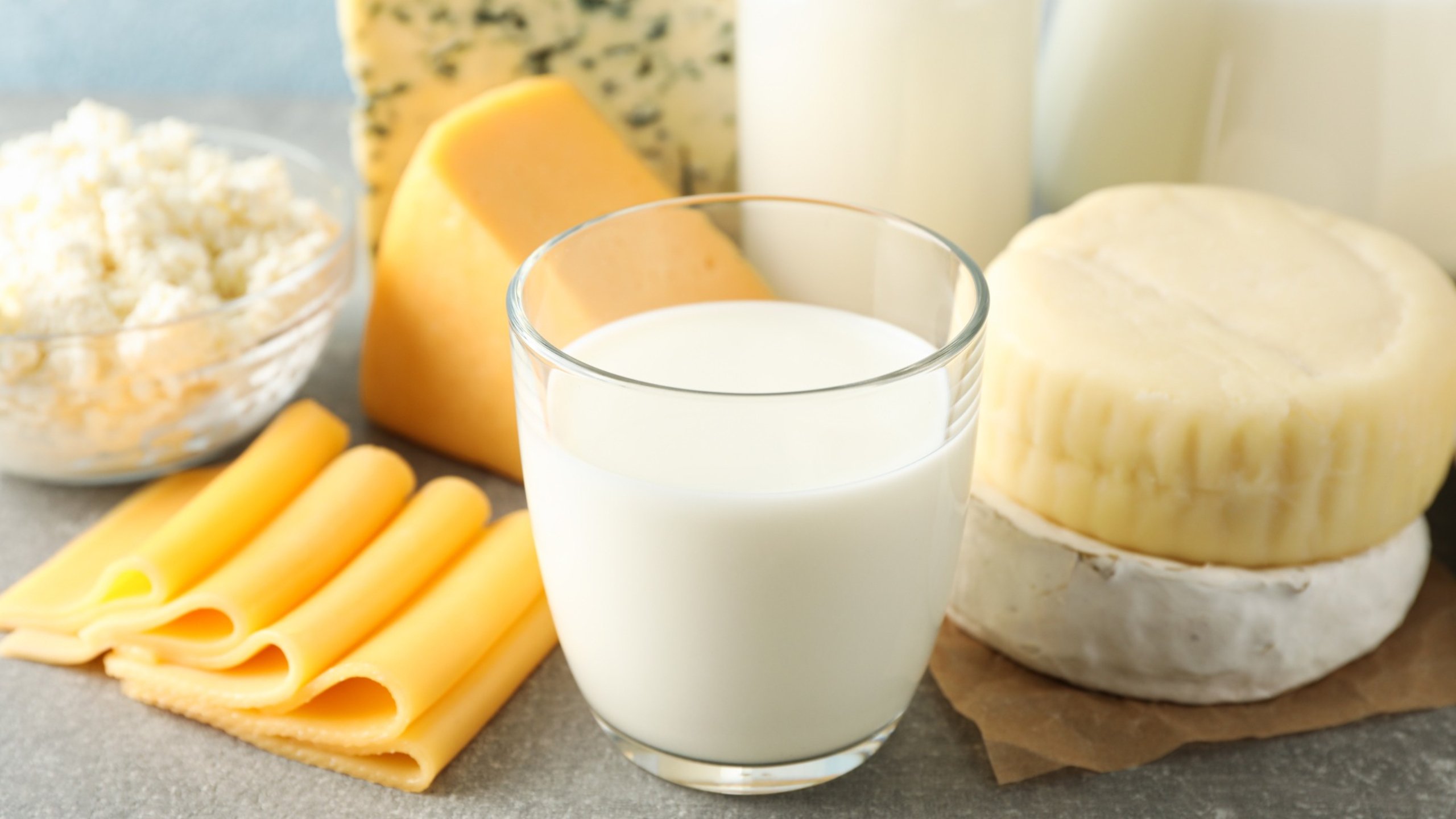
Milk
Melk
Syllable: MELK
Pronunciation: Melk
- Milk is rich in calcium. – Melk is rijk aan calcium.
- I drink milk every morning. – Ik drink elke ochtend melk.
- Children need fresh milk. – Kinderen hebben verse melk nodig.
Dutch Cuisine Celebrates Heritage and Simplicity
One of the defining strengths of Dutch cuisine is its ability to transform everyday ingredients into memorable dishes while preserving centuries-old traditions.
Maatjesharing represents the Netherlands’ world-famous seafood culture, while Mosterdsoep highlights regional farmhouse cooking. Moorkop showcases Dutch bakery craftsmanship, and Muisjes reflect one of the country’s most unique culinary traditions.
Together, these specialties demonstrate how Dutch cuisine blends fresh local ingredients, practical cooking techniques, and generations of culinary tradition into unforgettable meals.
Practice Activities
- Learn five Dutch foods beginning with M.
- Practice pronouncing each food name aloud.
- Create flashcards with food pictures.
- Match foods with their main ingredients.
- Read authentic Dutch recipes.
- Watch Dutch cooking videos featuring traditional specialties.
- Organize foods into seafood, soups, pastries, breads, and desserts.
- Research the history of Maatjesharing and Muisjes.
- Visit a Dutch restaurant or bakery and identify foods beginning with M.
- Keep a notebook of Dutch culinary terms.
- Try making Mosterdsoep or Moorkop at home.
- Review your favorite foods from every alphabet letter.
- Share your discoveries with family or friends.
- Test your knowledge using the worksheet.
Continue Your Dutch Food Alphabet Journey!
The letter M introduces another memorable collection of authentic Dutch foods. From fresh Maatjesharing and creamy Mosterdsoep to delicious Moorkop and festive Muisjes, these specialties celebrate the Netherlands’ regional diversity, culinary heritage, and timeless cooking traditions.
Now we’d love to hear from you! Which Dutch food beginning with M caught your attention the most, or is there another authentic M specialty we should include? Share your recommendation in the comments, tell us your favorite Dutch dish, and pass this worksheet along to anyone who enjoys discovering delicious foods from around the world.