Many of the animals people know best are not found in forests or wildlife parks—they live alongside humans every day. Cows graze in fields, goats roam near villages, dogs guard homes, and cats quietly explore their surroundings. Because these animals are a familiar part of daily life, their names are often among the first animal-related words learners remember.
In Odisha, domestic animals play an important role in rural and urban communities alike. Some are raised on farms, some assist with work, and others are kept as companions. Their regular presence makes them an ideal topic for building practical Odia vocabulary.
This worksheet introduces common domestic animal names in Odia, helping learners connect familiar animals with useful language skills.
Why Learning Domestic Animal Names in Odia Matters
Domestic animal names appear frequently in children’s books, classroom lessons, daily conversations, and educational activities. Learning these words in Odia helps learners communicate more effectively when discussing animals and their surroundings.
For beginners, these animals provide a simple learning experience because the concepts are already familiar. Most learners can easily recognize a cow, dog, goat, horse, or cat, allowing them to focus on learning the Odia vocabulary itself.
Domestic animal vocabulary also serves as a foundation for related topics such as farming, animal care, pets, and rural life. Once learners know these names, they can expand their vocabulary into broader areas of knowledge.
Benefits of Learning Odia Domestic Animal Names
- Builds useful animal-related vocabulary.
- Helps learners identify common domestic animals in Odia.
- Supports reading and speaking activities.
- Improves pronunciation and word recognition.
- Makes classroom lessons easier to understand.
- Helps children learn through familiar examples.
- Supports worksheets and educational projects.
- Expands knowledge of farm and household animals.
- Creates opportunities for practical language use.
- Encourages observation of everyday surroundings.
- Makes learning more engaging and relatable.
- Strengthens memory through real-life associations.
Since these animals are often seen in daily life, learners can naturally reinforce the vocabulary through observation and conversation.
Animals Commonly Seen Around Homes and Farms
Domestic animals come in different sizes and serve different purposes. Some help with farming activities, while others provide companionship or support daily life in various ways.
The list below includes well-known domestic animals along with their Odia names, making vocabulary learning more relatable and memorable.

Cow
ଗାଈ
Syllable: ଗା-ଈ
Pronunciation: Gai
- The cow gives milk. – ଗାଈ ଦୁଧ ଦେଇଥାଏ।
- The cow is grazing in the field. – ଗାଈ ଖେତରେ ଘାସ ଖାଉଛି।
- We keep a cow at home. – ଆମେ ଘରେ ଏକ ଗାଈ ପାଳୁଛୁ।

Buffalo
ମହିଷ
Syllable: ମ-ହି-ଷ
Pronunciation: Mahisha
- The buffalo likes water. – ମହିଷ ପାଣି ପସନ୍ଦ କରେ।
- The buffalo is standing in the pond. – ମହିଷ ପୋଖରୀରେ ଠିଆ ହୋଇଛି।
- The buffalo gives milk too. – ମହିଷ ମଧ୍ୟ ଦୁଧ ଦେଇଥାଏ।

Ox
ବଳଦ
Syllable: ବ-ଳ-ଦ
Pronunciation: Balada
- The ox pulls a cart. – ବଳଦ ଗାଡ଼ି ଟାଣେ।
- Farmers use oxen in fields. – ଚାଷୀମାନେ ଖେତରେ ବଳଦ ବ୍ୟବହାର କରନ୍ତି।
- The ox is strong. – ବଳଦ ଶକ୍ତିଶାଳୀ ଅଟେ।
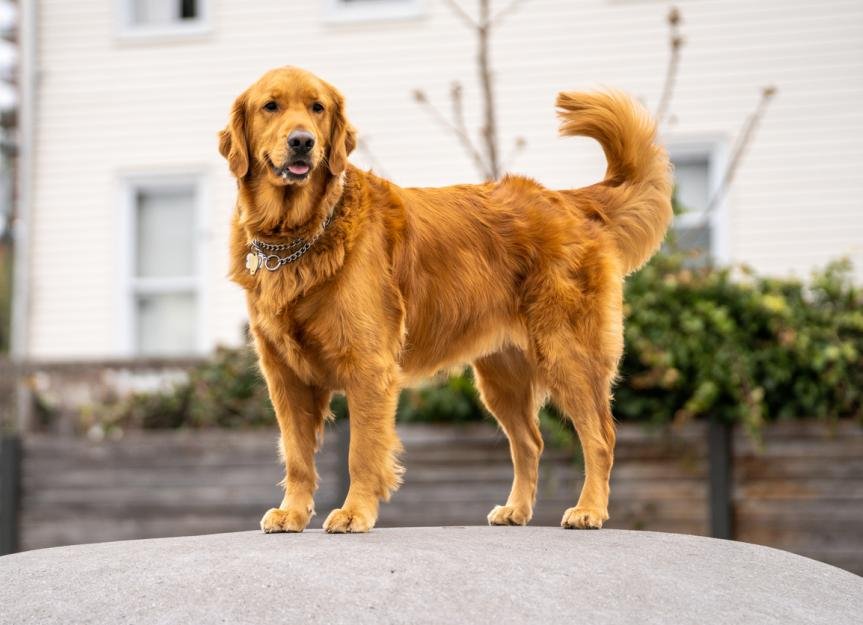
Dog
କୁକୁର
Syllable: କୁ-କୁ-ର
Pronunciation: Kukura
- The dog is a faithful animal. – କୁକୁର ଏକ ବିଶ୍ୱସ୍ତ ପଶୁ।
- My dog likes to play. – ମୋ କୁକୁର ଖେଳିବାକୁ ଭଲ ପାଏ।
- The dog guards the house. – କୁକୁର ଘରକୁ ଜଗି ରଖେ।

Cat
ବିଲେଇ
Syllable: ବି-ଲେ-ଇ
Pronunciation: Bilei
- The cat drinks milk. – ବିଲେଇ ଦୁଧ ପିଏ।
- The cat is sleeping. – ବିଲେଇ ଶୋଇଛି।
- My cat is very cute. – ମୋ ବିଲେଇ ବହୁତ ସୁନ୍ଦର।

Goat
ଛେଳି
Syllable: ଛେ-ଳି
Pronunciation: Cheli
- The goat eats leaves. – ଛେଳି ପତ୍ର ଖାଏ।
- I saw a goat near the road. – ମୁଁ ରାସ୍ତା ପାଖରେ ଏକ ଛେଳି ଦେଖିଲି।
- The goat is a useful animal. – ଛେଳି ଏକ ଉପକାରୀ ପଶୁ।

Sheep
ମେଣ୍ଢା
Syllable: ମେ-ଣ୍ଢା
Pronunciation: Mendha
- Sheep give wool. – ମେଣ୍ଢା ଉନ ଦେଇଥାଏ।
- The sheep is grazing. – ମେଣ୍ଢା ଘାସ ଖାଉଛି।
- I saw a flock of sheep. – ମୁଁ ମେଣ୍ଢାର ଏକ ଝୁଣ୍ଡ ଦେଖିଲି।

Horse
ଘୋଡ଼ା
Syllable: ଘୋ-ଡ଼ା
Pronunciation: Ghoda
- The horse runs fast. – ଘୋଡ଼ା ଦ୍ରୁତ ଦୌଡ଼େ।
- I rode a horse yesterday. – ମୁଁ ଗତକାଲି ଘୋଡ଼ା ଚଢ଼ିଥିଲି।
- The horse is beautiful. – ଘୋଡ଼ା ସୁନ୍ଦର ଅଟେ।

Donkey
ଗଧ
Syllable: ଗ-ଧ
Pronunciation: Gadha
- The donkey carries loads. – ଗଧ ଭାର ବୋହେ।
- The donkey is walking slowly. – ଗଧ ଧୀରେ ଧୀରେ ଚାଲୁଛି।
- I saw a donkey in the village. – ମୁଁ ଗାଁରେ ଏକ ଗଧ ଦେଖିଲି।

Camel
ଓଟ
Syllable: ଓ-ଟ
Pronunciation: Ota
- The camel lives in deserts. – ଓଟ ମରୁଭୂମିରେ ରହେ।
- The camel can travel long distances. – ଓଟ ଦୂର ଦୂରକୁ ଯାଇପାରେ।
- I saw a camel at a fair. – ମୁଁ ଏକ ମେଳାରେ ଓଟ ଦେଖିଲି।
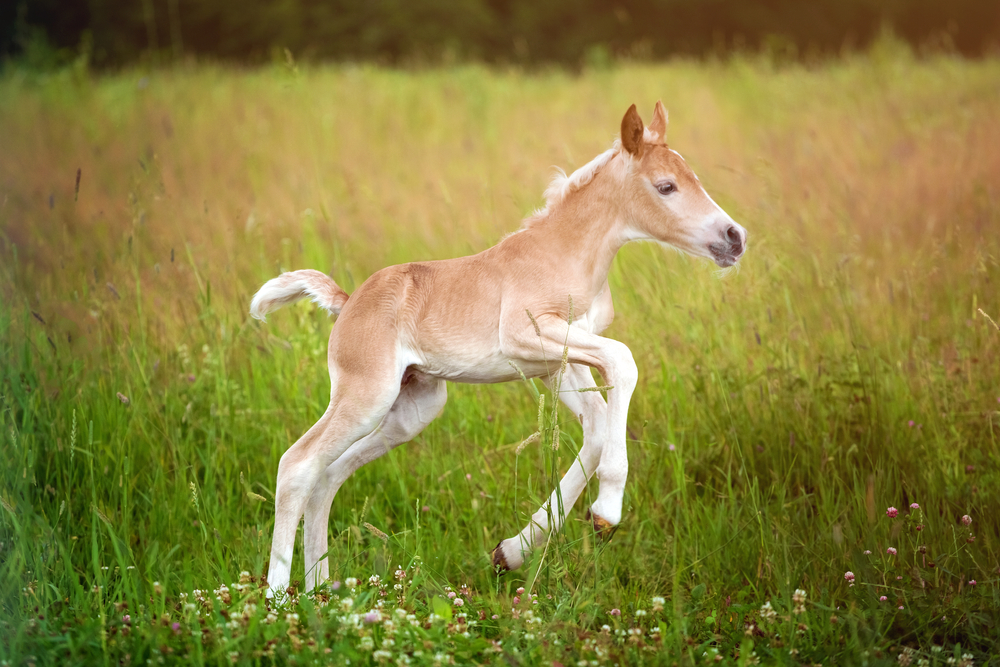
Foal
ଘୋଡ଼ା ଛୁଆ
Syllable: ଘୋ-ଡ଼ା-ଛୁ-ଆ
Pronunciation: Ghoda Chhua
- The foal is playing. – ଘୋଡ଼ା ଛୁଆ ଖେଳୁଛି।
- The foal runs beside its mother. – ଘୋଡ଼ା ଛୁଆ ତାର ମା\’ ପାଖରେ ଦୌଡ଼େ।
- The foal is very young. – ଘୋଡ଼ା ଛୁଆ ବହୁତ ଛୋଟ।

Rabbit
ଖରଗୋଶ
Syllable: ଖ-ର-ଗୋ-ଶ
Pronunciation: Kharagosha
- The rabbit eats carrots. – ଖରଗୋଶ ଗାଜର ଖାଏ।
- The rabbit is hopping. – ଖରଗୋଶ ଡେଇଁ ଡେଇଁ ଯାଉଛି।
- I have a pet rabbit. – ମୋ ପାଖରେ ଏକ ପୋଷା ଖରଗୋଶ ଅଛି।

Hen
କୁକୁଡ଼ି
Syllable: କୁ-କୁ-ଡ଼ି
Pronunciation: Kukudi
- The hen lays eggs. – କୁକୁଡ଼ି ଡିମ୍ବ ଦେଏ।
- The hen is feeding her chicks. – କୁକୁଡ଼ି ଛୁଆମାନଙ୍କୁ ଖାଇବା ଦେଉଛି।
- The hen is in the yard. – କୁକୁଡ଼ି ଆଙ୍ଗଣରେ ଅଛି।

Rooster
କୁକୁଡ଼ା
Syllable: କୁ-କୁ-ଡ଼ା
Pronunciation: Kukuda
- The rooster crows in the morning. – କୁକୁଡ଼ା ସକାଳେ ଡାକେ।
- The rooster has colorful feathers. – କୁକୁଡ଼ାର ରଙ୍ଗିନ ପର ଥାଏ।
- I heard the rooster crow. – ମୁଁ କୁକୁଡ଼ାର ଡାକ ଶୁଣିଲି।

Duck
ବତକ
Syllable: ବ-ତ-କ
Pronunciation: Bataka
- The duck swims in water. – ବତକ ପାଣିରେ ପହଁରେ।
- I saw ducks in the pond. – ମୁଁ ପୋଖରୀରେ ବତକ ଦେଖିଲି।
- The duck has a flat bill. – ବତକର ଚଉଡ଼ା ଠୁଣ୍ଟ ଥାଏ।

Goose
ହଂସ
Syllable: ହଂ-ସ
Pronunciation: Hansa
- The goose is swimming. – ହଂସ ପହଁରୁଛି।
- A goose has white feathers. – ହଂସର ଧଳା ପର ଥାଏ।
- I saw a goose near the lake. – ମୁଁ ହ୍ରଦ ପାଖରେ ଏକ ହଂସ ଦେଖିଲି।

Turkey
ଟର୍କି
Syllable: ଟ-ର୍-କି
Pronunciation: Tarki
- The turkey is a large bird. – ଟର୍କି ଏକ ବଡ଼ ପକ୍ଷୀ।
- I saw a turkey on a farm. – ମୁଁ ଏକ ଖେତରେ ଟର୍କି ଦେଖିଲି।
- The turkey has colorful feathers. – ଟର୍କିର ରଙ୍ଗିନ ପର ଥାଏ।

Pigeon
ପାରା
Syllable: ପା-ରା
Pronunciation: Para
- The pigeon is flying. – ପାରା ଉଡ଼ୁଛି।
- I fed some pigeons. – ମୁଁ କିଛି ପାରାକୁ ଖାଇବା ଦେଲି।
- The pigeon sat on the roof. – ପାରା ଛାଦ ଉପରେ ବସିଥିଲା।

Parrot
ଶୁଆ
Syllable: ଶୁ-ଆ
Pronunciation: Shua
- The parrot can mimic words. – ଶୁଆ ଶବ୍ଦ ଅନୁକରଣ କରିପାରେ।
- The parrot is green. – ଶୁଆ ସବୁଜ ରଙ୍ଗର ଅଟେ।
- I saw a parrot in a cage. – ମୁଁ ଖୋଳରେ ଏକ ଶୁଆ ଦେଖିଲି।
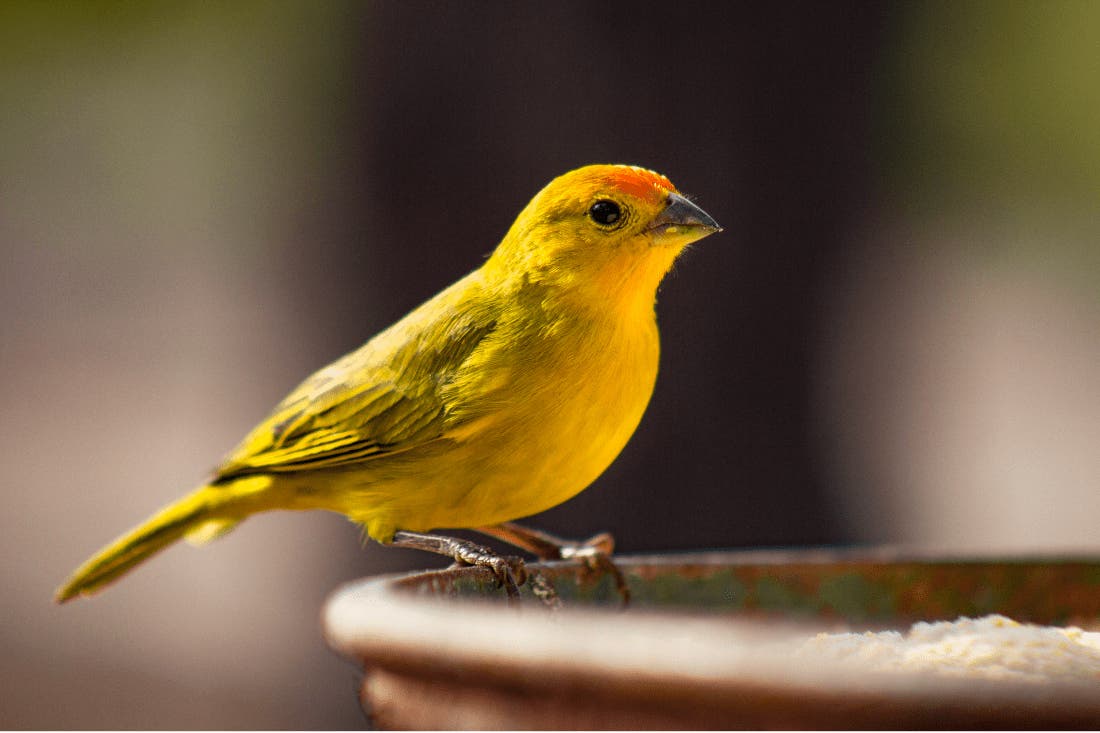
Canary
କାନାରି
Syllable: କା-ନା-ରି
Pronunciation: Kanari
- The canary sings sweetly. – କାନାରି ମଧୁର ସ୍ୱରରେ ଗାଏ।
- The canary is yellow. – କାନାରି ହଳଦିଆ ରଙ୍ଗର ଅଟେ।
- I saw a canary in a cage. – ମୁଁ ଖୋଳରେ ଏକ କାନାରି ଦେଖିଲି।
/https://tf-cmsv2-smithsonianmag-media.s3.amazonaws.com/filer_public/2a/95/2a951379-be49-435b-b0a9-eddb9e834884/5210582753_c660d548d8_o.jpg)
Lovebird
ଲଭବାର୍ଡ
Syllable: ଲ-ଭ-ବା-ର୍ଡ
Pronunciation: Lovebird
- Lovebirds are friendly birds. – ଲଭବାର୍ଡ ମିଳନସାର ପକ୍ଷୀ।
- A pair of lovebirds are together. – ଦୁଇଟି ଲଭବାର୍ଡ ଏକାଠି ଅଛନ୍ତି।
- Lovebirds are colorful. – ଲଭବାର୍ଡ ରଙ୍ଗିନ ହୋଇଥାନ୍ତି।
English
Odia
Syllable: Odia Syllables
Pronunciation: Roman Odia
- English Sentence 1 – Odia Sentence 1
- English Sentence 2 – Odia Sentence 2
- English Sentence 3 – Odia Sentence 3

Mule
ଖଚ୍ଚର
Syllable: ଖ-ଚ୍ଚ-ର
Pronunciation: Khachara
- The mule carries heavy loads. – ଖଚ୍ଚର ଭାରୀ ଜିନିଷ ବୋହେ।
- The mule is a hardworking animal. – ଖଚ୍ଚର ଏକ ପରିଶ୍ରମୀ ପଶୁ।
- I saw a mule on the road. – ମୁଁ ରାସ୍ତାରେ ଏକ ଖଚ୍ଚର ଦେଖିଲି।

Yak
ୟାକ୍
Syllable: ୟା-କ୍
Pronunciation: Yak
- The yak lives in cold mountains. – ୟାକ୍ ଥଣ୍ଡା ପାହାଡ଼ରେ ରହେ।
- The yak has thick fur. – ୟାକ୍ର ଘନ ଲୋମ ଥାଏ।
- I saw a yak in a picture. – ମୁଁ ଏକ ଛବିରେ ୟାକ୍ ଦେଖିଲି।

Llama
ଲାମା
Syllable: ଲା-ମା
Pronunciation: Lama
- The llama is a gentle animal. – ଲାମା ଏକ ଶାନ୍ତ ପଶୁ।
- The llama carries goods. – ଲାମା ସାମଗ୍ରୀ ବୋହେ।
- I learned about llamas today. – ମୁଁ ଆଜି ଲାମା ବିଷୟରେ ଜାଣିଲି।

Alpaca
ଆଲ୍ପାକା
Syllable: ଆଲ୍-ପା-କା
Pronunciation: Alpaka
- The alpaca has soft wool. – ଆଲ୍ପାକାର କୋମଳ ଉନ ଥାଏ।
- The alpaca is friendly. – ଆଲ୍ପାକା ମିଳନସାର ଅଟେ।
- I saw an alpaca at a farm. – ମୁଁ ଏକ ଖେତରେ ଆଲ୍ପାକା ଦେଖିଲି।

Guinea Pig
ଗିନି ପିଗ୍
Syllable: ଗି-ନି-ପି-ଗ୍
Pronunciation: Gini Pig
- The guinea pig is a pet animal. – ଗିନି ପିଗ୍ ଏକ ପୋଷା ପଶୁ।
- It likes vegetables. – ଏହା ପନିପରିବା ଭଲ ପାଏ।
- The guinea pig is small and cute. – ଗିନି ପିଗ୍ ଛୋଟ ଏବଂ ସୁନ୍ଦର।

Hamster
ହାମଷ୍ଟର
Syllable: ହା-ମ-ଷ୍ଟ-ର
Pronunciation: Hamastar
- The hamster runs on a wheel. – ହାମଷ୍ଟର ଚକ ଉପରେ ଦୌଡ଼େ।
- The hamster is tiny. – ହାମଷ୍ଟର ବହୁତ ଛୋଟ।
- My friend has a hamster. – ମୋ ସଙ୍ଗର ପାଖରେ ଏକ ହାମଷ୍ଟର ଅଛି।

Ferret
ଫେରେଟ୍
Syllable: ଫେ-ରେ-ଟ୍
Pronunciation: Feret
- The ferret is playful. – ଫେରେଟ୍ ଖେଳିବାକୁ ଭଲ ପାଏ।
- The ferret is very active. – ଫେରେଟ୍ ବହୁତ ସକ୍ରିୟ ଅଟେ।
- I saw a ferret in a pet store. – ମୁଁ ଏକ ପୋଷା ପଶୁ ଦୋକାନରେ ଫେରେଟ୍ ଦେଖିଲି।

Pony
ଛୋଟ ଘୋଡ଼ା
Syllable: ଛୋ-ଟ-ଘୋ-ଡ଼ା
Pronunciation: Chhota Ghoda
- The pony is smaller than a horse. – ଛୋଟ ଘୋଡ଼ା ଘୋଡ଼ାଠାରୁ ଛୋଟ।
- The pony is running in the field. – ଛୋଟ ଘୋଡ଼ା ଖେତରେ ଦୌଡ଼ୁଛି।
- Children like ponies. – ପିଲାମାନେ ଛୋଟ ଘୋଡ଼ାକୁ ଭଲ ପାଆନ୍ତି।

Reindeer
ରେନଡିୟର
Syllable: ରେ-ନ-ଡି-ୟର
Pronunciation: Rendiyar
- The reindeer lives in cold regions. – ରେନଡିୟର ଥଣ୍ଡା ଅଞ୍ଚଳରେ ରହେ।
- The reindeer has antlers. – ରେନଡିୟରର ଶିଙ୍ଗ ଥାଏ।
- I saw a reindeer in a documentary. – ମୁଁ ଏକ ତଥ୍ୟଚିତ୍ରରେ ରେନଡିୟର ଦେଖିଲି।

Dove
ପରାବତ
Syllable: ପ-ରା-ବ-ତ
Pronunciation: Parabata
- The dove is a symbol of peace. – ପରାବତ ଶାନ୍ତିର ପ୍ରତୀକ।
- A white dove flew away. – ଏକ ଧଳା ପରାବତ ଉଡ଼ିଗଲା।
- The dove sat on a tree. – ପରାବତ ଗଛ ଉପରେ ବସିଥିଲା।

Budgerigar
ବଜେରିଗାର
Syllable: ବ-ଜେ-ରି-ଗାର
Pronunciation: Bajerigara
- The budgerigar is colorful. – ବଜେରିଗାର ରଙ୍ଗିନ ହୋଇଥାଏ।
- It is a popular pet bird. – ଏହା ଏକ ଲୋକପ୍ରିୟ ପୋଷା ପକ୍ଷୀ।
- The budgerigar is singing. – ବଜେରିଗାର ଗୀତ ଗାଉଛି।

Zebra Finch
ଜେବ୍ରା ଫିଞ୍ଚ
Syllable: ଜେ-ବ୍ରା-ଫିଞ୍ଚ
Pronunciation: Zebra Finch
- The zebra finch is a small bird. – ଜେବ୍ରା ଫିଞ୍ଚ ଏକ ଛୋଟ ପକ୍ଷୀ।
- It has beautiful markings. – ଏହାର ସୁନ୍ଦର ଚିହ୍ନ ଥାଏ।
- I saw a zebra finch in a cage. – ମୁଁ ଖୋଳରେ ଏକ ଜେବ୍ରା ଫିଞ୍ଚ ଦେଖିଲି।

Cockatiel
କକାଟିଏଲ୍
Syllable: କ-କା-ଟି-ଏଲ୍
Pronunciation: Kakatiel
- The cockatiel has a crest. – କକାଟିଏଲ୍ର ମୁଣ୍ଡରେ ଝୁଟି ଥାଏ।
- The cockatiel is friendly. – କକାଟିଏଲ୍ ମିଳନସାର ଅଟେ।
- I like cockatiels. – ମୁଁ କକାଟିଏଲ୍କୁ ଭଲ ପାଏ।
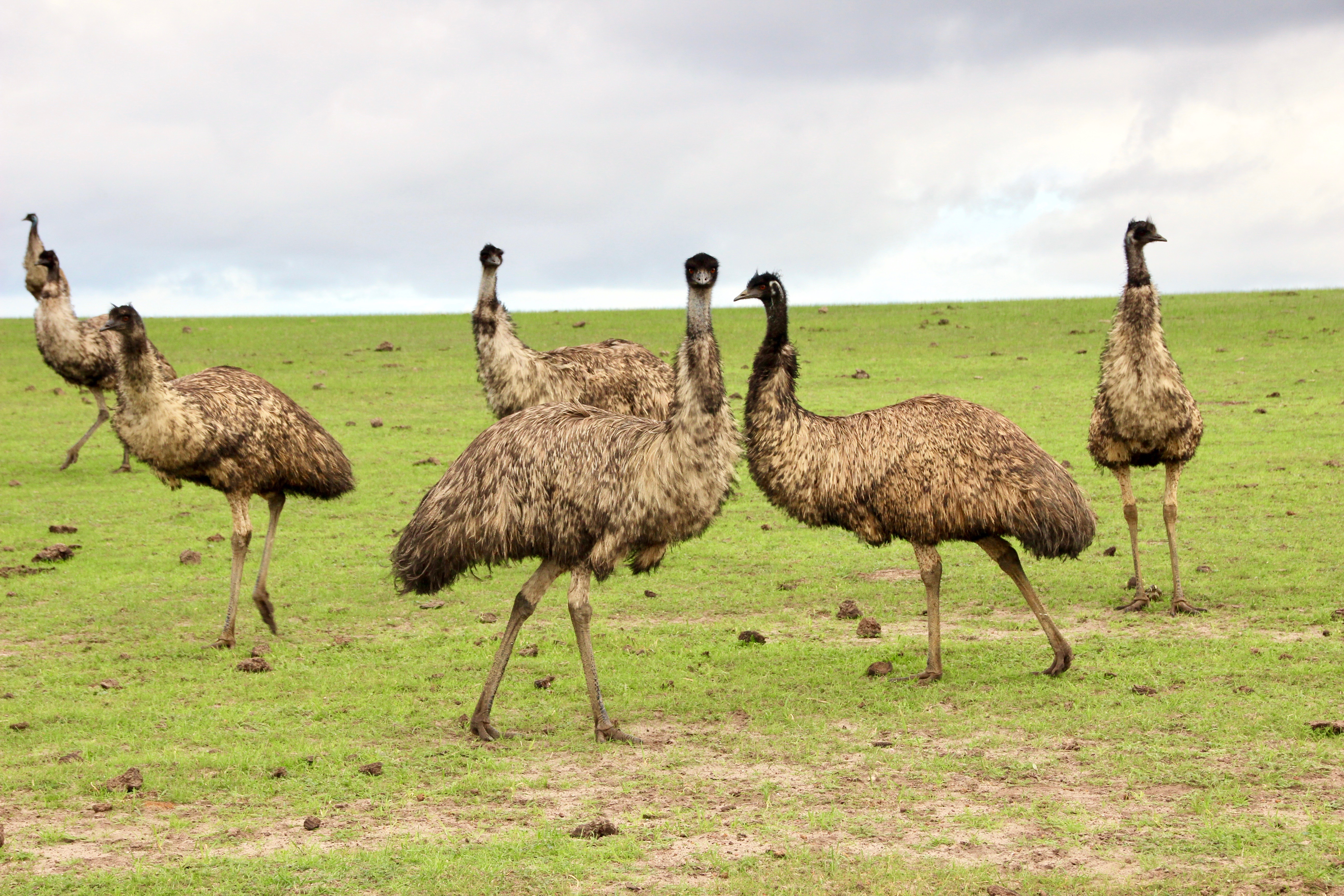
Emu
ଇମୁ
Syllable: ଇ-ମୁ
Pronunciation: Imu
- The emu is a large bird. – ଇମୁ ଏକ ବଡ଼ ପକ୍ଷୀ।
- The emu cannot fly. – ଇମୁ ଉଡ଼ିପାରେ ନାହିଁ।
- I saw an emu in a zoo. – ମୁଁ ଚିଡ଼ିଆଖାନାରେ ଏକ ଇମୁ ଦେଖିଲି।
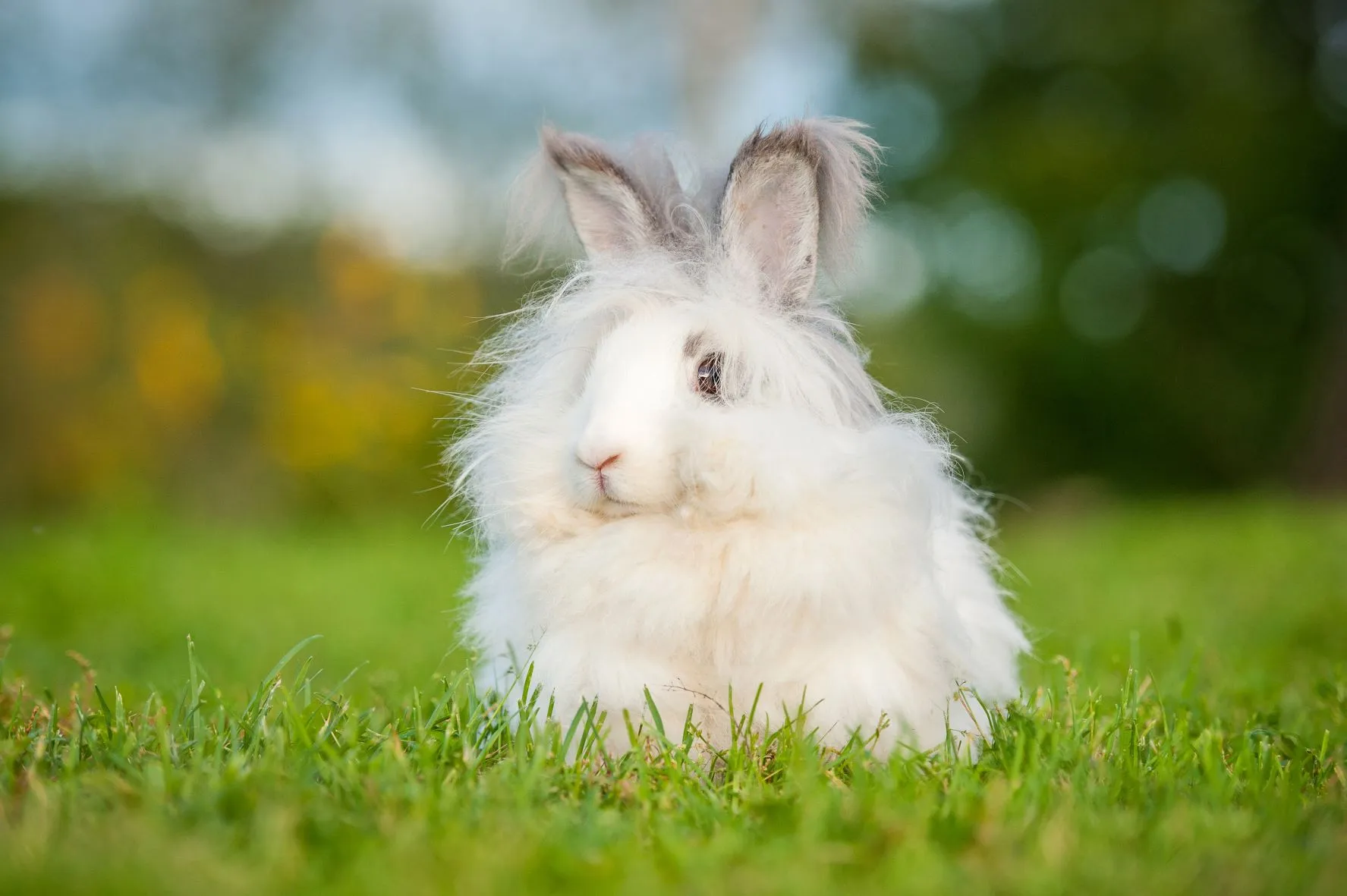
Angora Rabbit
ଆଙ୍ଗୋରା ଖରଗୋଶ
Syllable: ଆଙ୍-ଗୋ-ରା-ଖ-ର-ଗୋ-ଶ
Pronunciation: Angora Kharagosha
- The Angora rabbit has long fur. – ଆଙ୍ଗୋରା ଖରଗୋଶର ଲମ୍ବା ଲୋମ ଥାଏ।
- It looks very fluffy. – ଏହା ବହୁତ ନରମ ଦେଖାଯାଏ।
- The Angora rabbit is cute. – ଆଙ୍ଗୋରା ଖରଗୋଶ ସୁନ୍ଦର ଅଟେ।

Persian Cat
ପର୍ସିଆନ୍ ବିଲେଇ
Syllable: ପର୍-ସି-ଆନ୍-ବି-ଲେ-ଇ
Pronunciation: Persian Bilei
- The Persian cat has long hair. – ପର୍ସିଆନ୍ ବିଲେଇର ଲମ୍ବା ଲୋମ ଥାଏ।
- It is a popular pet. – ଏହା ଏକ ଲୋକପ୍ରିୟ ପୋଷା ପ୍ରାଣୀ।
- The Persian cat is resting. – ପର୍ସିଆନ୍ ବିଲେଇ ବିଶ୍ରାମ କରୁଛି।

Aseel Chicken
ଅସିଲ୍ କୁକୁଡ଼ା
Syllable: ଅ-ସିଲ୍-କୁ-କୁ-ଡ଼ା
Pronunciation: Asil Kukuda
- The Aseel chicken is strong. – ଅସିଲ୍ କୁକୁଡ଼ା ଶକ୍ତିଶାଳୀ ଅଟେ।
- It is a famous breed. – ଏହା ଏକ ପ୍ରସିଦ୍ଧ ପ୍ରଜାତି।
- I saw an Aseel chicken on a farm. – ମୁଁ ଏକ ଖେତରେ ଅସିଲ୍ କୁକୁଡ଼ା ଦେଖିଲି।
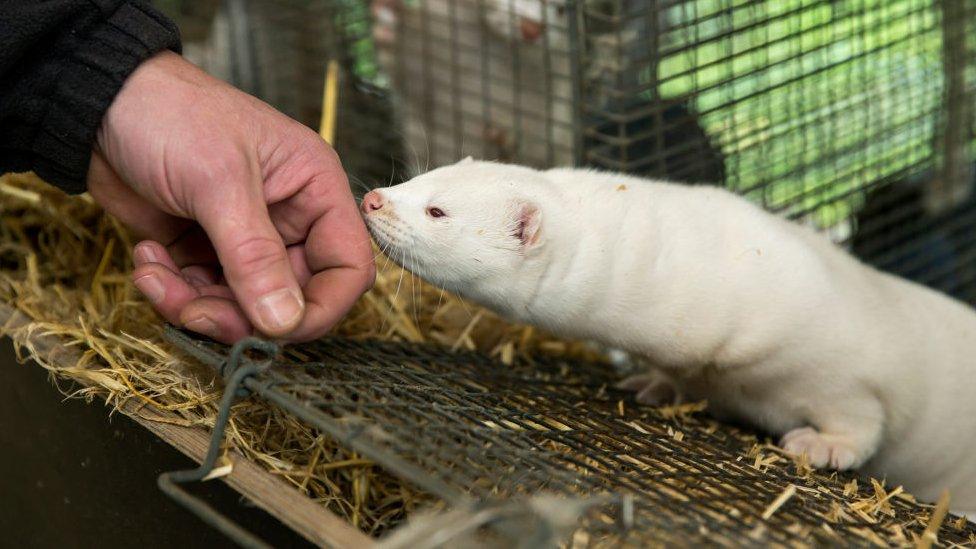
Mink
ମିଙ୍କ
Syllable: ମି-ଙ୍କ
Pronunciation: Mink
- The mink has soft fur. – ମିଙ୍କର କୋମଳ ଲୋମ ଥାଏ।
- The mink is a small mammal. – ମିଙ୍କ ଏକ ଛୋଟ ସ୍ତନ୍ୟପାୟୀ ପ୍ରାଣୀ।
- I learned about minks today. – ମୁଁ ଆଜି ମିଙ୍କ ବିଷୟରେ ଜାଣିଲି।
Easy Ways to Remember Odia Domestic Animal Names
One effective method is to connect each animal with a characteristic or activity. A horse can be associated with speed, a cow with grazing, and a dog with guarding a home. These connections help make the vocabulary easier to remember.
Pictures, animal charts, and farm visits can also improve learning. Seeing the animal while reading its Odia name strengthens the association between the word and the object.
Learners may also group animals into categories such as farm animals, household animals, and working animals. Studying smaller groups often makes vocabulary practice more manageable.
Simple Practice Ideas
- Use animal flashcards with Odia names.
- Learn a few new animal names every week.
- Draw domestic animals and label them.
- Visit a farm and identify animals in Odia.
- Watch Odia educational videos about animals.
- Create an animal vocabulary notebook.
- Match pictures with their Odia names.
- Practice pronunciation aloud.
- Use animal names in simple sentences.
- Review previously learned words regularly.
- Observe animals in your surroundings.
- Ask family members to quiz you.
Frequent review and real-world observation can help learners remember animal vocabulary with greater confidence.
Domestic Animal Names in Odia
| # | English Name | Odia Name | Pronunciation |
|---|---|---|---|
| 1 | Cow | ଗାଈ | Gai |
| 2 | Buffalo | ମହିଷ | Mahisha |
| 3 | Ox | ବଳଦ | Balada |
| 4 | Dog | କୁକୁର | Kukura |
| 5 | Cat | ବିଲେଇ | Bilei |
| 6 | Goat | ଛେଳି | Cheli |
| 7 | Sheep | ମେଣ୍ଢା | Mendha |
| 8 | Horse | ଘୋଡ଼ା | Ghoda |
| 9 | Donkey | ଗଧ | Gadha |
| 10 | Camel | ଓଟ | Ota |
| 11 | Foal | ଘୋଡ଼ା ଛୁଆ | Ghoda Chhua |
| 12 | Rabbit | ଖରଗୋଶ | Kharagosha |
| 13 | Hen | କୁକୁଡ଼ି | Kukudi |
| 14 | Rooster | କୁକୁଡ଼ା | Kukuda |
| 15 | Duck | ବତକ | Bataka |
| 16 | Goose | ହଂସ | Hansa |
| 17 | Turkey | ଟର୍କି | Tarki |
| 18 | Pigeon | ପାରା | Para |
| 19 | Parrot | ଶୁଆ | Shua |
| 20 | Canary | କାନାରି | Kanari |
| 21 | Lovebird | ଲଭବାର୍ଡ | Lovebird |
| 22 | English | Odia | Roman Odia |
| 23 | Mule | ଖଚ୍ଚର | Khachara |
| 24 | Yak | ୟାକ୍ | Yak |
| 25 | Llama | ଲାମା | Lama |
| 26 | Alpaca | ଆଲ୍ପାକା | Alpaka |
| 27 | Guinea Pig | ଗିନି ପିଗ୍ | Gini Pig |
| 28 | Hamster | ହାମଷ୍ଟର | Hamastar |
| 29 | Ferret | ଫେରେଟ୍ | Feret |
| 30 | Pony | ଛୋଟ ଘୋଡ଼ା | Chhota Ghoda |
| 31 | Reindeer | ରେନଡିୟର | Rendiyar |
| 32 | Dove | ପରାବତ | Parabata |
| 33 | Budgerigar | ବଜେରିଗାର | Bajerigara |
| 34 | Zebra Finch | ଜେବ୍ରା ଫିଞ୍ଚ | Zebra Finch |
| 35 | Cockatiel | କକାଟିଏଲ୍ | Kakatiel |
| 36 | Emu | ଇମୁ | Imu |
| 37 | Angora Rabbit | ଆଙ୍ଗୋରା ଖରଗୋଶ | Angora Kharagosha |
| 38 | Persian Cat | ପର୍ସିଆନ୍ ବିଲେଇ | Persian Bilei |
| 39 | Aseel Chicken | ଅସିଲ୍ କୁକୁଡ଼ା | Asil Kukuda |
| 40 | Mink | ମିଙ୍କ | Mink |
Quiz
Building Odia Skills Through Familiar Animals
Domestic animals provide an excellent starting point for language learning because they connect directly to everyday experiences. Their names are useful, easy to recognize, and often appear in both educational and practical settings.
As you continue expanding your Odia vocabulary, animal-related topics can introduce many interesting words connected to nature and daily life.
Which domestic animal do you see most often? Was there an Odia animal name in the list that you learned for the first time today? Share your thoughts in the comments and join the discussion with other learners.