Domestic animals have lived alongside humans for centuries, helping with farming, transportation, protection, and companionship. From cows grazing in fields and goats roaming village paths to dogs guarding homes and cats relaxing indoors, these animals are a regular part of daily life.
In Nepal, domestic animals play an important role in both rural and urban communities. Many families interact with them every day, making their names some of the most useful animal-related words for learners to know.
This worksheet introduces common domestic animal names in Nepali, helping learners build practical vocabulary through animals they already recognize and encounter regularly.
Why Learning Domestic Animal Names in Nepali Matters
Domestic animal names appear frequently in school lessons, children’s stories, educational activities, and everyday conversations. Learning these words in Nepali helps learners communicate more effectively and understand common topics related to animals and rural life.
For beginners, these animals are easy to learn because they are already familiar. Most learners can instantly recognize a cow, goat, horse, dog, or cat, making it easier to focus on learning the Nepali vocabulary.
Domestic animal vocabulary also serves as a foundation for related topics such as farming, animal care, agriculture, and nature studies.
Benefits of Learning Nepali Domestic Animal Names
- Builds useful animal-related vocabulary.
- Helps learners identify common domestic animals in Nepali.
- Supports reading and speaking activities.
- Improves pronunciation and word recognition.
- Makes classroom lessons easier to understand.
- Helps children learn through familiar examples.
- Supports worksheets and educational projects.
- Expands knowledge of farm and household animals.
- Creates opportunities for practical language use.
- Encourages observation of everyday surroundings.
- Makes learning more engaging and relatable.
- Strengthens memory through real-life associations.
Because domestic animals are part of daily life, learners can naturally practice and reinforce these words through observation.
Animals Commonly Found Around Homes and Farms
Some domestic animals are raised for farming purposes, while others are kept as companions or working animals.
The list below includes commonly known domestic animals along with their Nepali names, helping learners connect familiar animals with useful vocabulary.

Cow
गाई
Syllable: गाई
Pronunciation: Gai
- The cow is grazing in the field. – गाई खेतमा चरिरहेको छ।
- The cow gives us milk. – गाईले हामीलाई दूध दिन्छ।
- We have a cow at home. – हाम्रो घरमा गाई छ।

Buffalo
भैंसी
Syllable: भैंसी
Pronunciation: Bhainsi
- The buffalo is standing near the pond. – भैंसी पोखरी नजिक उभिएको छ।
- The buffalo gives milk. – भैंसीले दूध दिन्छ।
- The farmer owns several buffaloes. – किसानसँग धेरै भैंसी छन्।

Ox
गोरु
Syllable: गोरु
Pronunciation: Goru
- The ox is pulling a cart. – गोरुले गाडा तानिरहेको छ।
- The ox helps in farming. – गोरुले खेतीपातीमा मद्दत गर्छ।
- The ox is very strong. – गोरु धेरै बलियो हुन्छ।
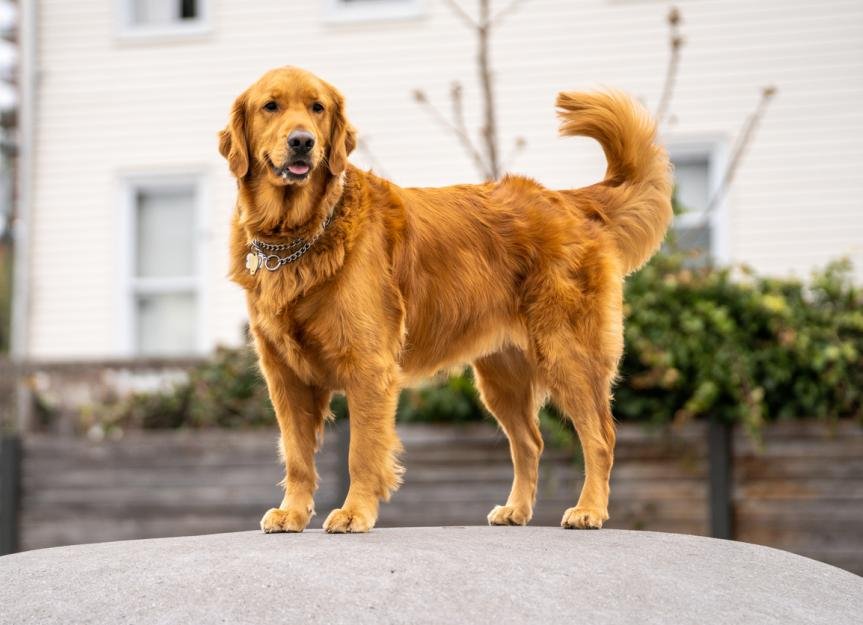
Dog
कुकुर
Syllable: कुकुर
Pronunciation: Kukur
- The dog is barking loudly. – कुकुर ठूलो स्वरले भुकिरहेको छ।
- My dog is very friendly. – मेरो कुकुर धेरै मिलनसार छ।
- The dog is guarding the house. – कुकुरले घरको सुरक्षा गरिरहेको छ।

Cat
बिरालो
Syllable: बिरालो
Pronunciation: Biralo
- The cat is sleeping on the sofa. – बिरालो सोफामा सुतिरहेको छ।
- The cat likes milk. – बिरालोलाई दूध मन पर्छ।
- The cat caught a mouse. – बिरालोले मुसा समात्यो।

Goat
बाख्रा
Syllable: बाख्रा
Pronunciation: Bakhra
- The goat is eating grass. – बाख्रा घाँस खाइरहेको छ।
- We keep goats on our farm. – हामीले फार्ममा बाख्रा पालेका छौं।
- The goat is climbing a hill. – बाख्रा डाँडो चढिरहेको छ।

Sheep
भेडा
Syllable: भेडा
Pronunciation: Bheda
- The sheep has thick wool. – भेडाको बाक्लो ऊन हुन्छ।
- The sheep is grazing peacefully. – भेडा शान्तसँग चरिरहेको छ।
- Sheep provide wool. – भेडाले ऊन दिन्छ।

Horse
घोडा
Syllable: घोडा
Pronunciation: Ghoda
- The horse is running fast. – घोडा छिटो दौडिरहेको छ।
- The horse is beautiful. – घोडा सुन्दर छ।
- He rides a horse. – उनी घोडा चढ्छन्।

Donkey
गधा
Syllable: गधा
Pronunciation: Gadha
- The donkey is carrying a load. – गधाले भारी बोकेको छ।
- The donkey works hard. – गधा धेरै मेहनती हुन्छ।
- We saw a donkey on the road. – हामीले बाटोमा गधा देख्यौं।

Camel
ऊँट
Syllable: ऊँट
Pronunciation: Unt
- The camel walks in the desert. – ऊँट मरुभूमिमा हिँड्छ।
- A camel can live without water for days. – ऊँट धेरै दिन पानी बिना बाँच्न सक्छ।
- The camel carries people and goods. – ऊँटले मानिस र सामान बोक्छ।
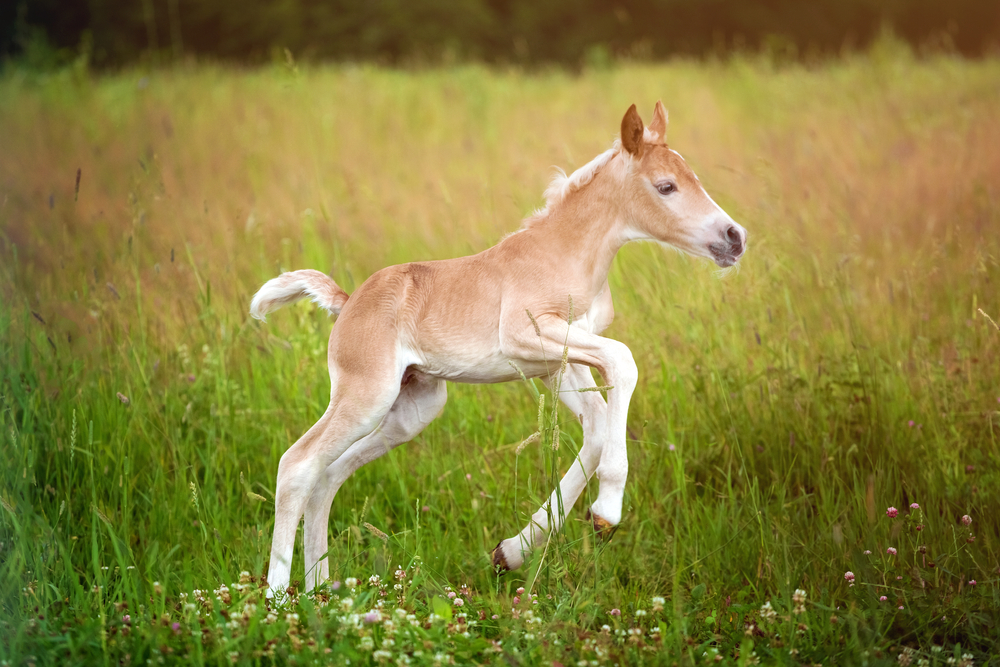
Foal
घोडाको बच्चा
Syllable: घोडाको बच्चा
Pronunciation: Ghodako Bachcha
- The foal is running beside its mother. – घोडाको बच्चा आमासँगै दौडिरहेको छ।
- The foal is very playful. – घोडाको बच्चा धेरै चञ्चल हुन्छ।
- The foal drinks its mother\’s milk. – घोडाको बच्चाले आमाको दूध पिउँछ।

Rabbit
खरायो
Syllable: खरायो
Pronunciation: Kharayo
- The rabbit is hopping in the garden. – खरायो बगैंचामा उफ्रिरहेको छ।
- The rabbit has long ears. – खरायोका लामो कान हुन्छन्।
- The rabbit eats carrots. – खरायोलाई गाजर मन पर्छ।

Hen
कुखुरी
Syllable: कुखुरी
Pronunciation: Kukhuri
- The hen laid an egg. – कुखुरीले अण्डा पार्यो।
- The hen is feeding her chicks. – कुखुरीले आफ्ना चल्लाहरूलाई खाना खुवाइरहेकी छ।
- The hen is in the coop. – कुखुरी खोरमा छ।

Rooster
भाले
Syllable: भाले
Pronunciation: Bhale
- The rooster crowed early in the morning. – भाले बिहान सबेरै बास्यो।
- The rooster has colorful feathers. – भालेको प्वाँख रङ्गीन हुन्छ।
- The rooster is standing proudly. – भाले गर्वका साथ उभिएको छ।

Duck
हाँस
Syllable: हाँस
Pronunciation: Haas
- The duck is swimming in the pond. – हाँस पोखरीमा पौडिरहेको छ।
- Ducks like water. – हाँसलाई पानी मन पर्छ।
- The duck quacked loudly. – हाँस ठूलो स्वरले करायो।

Goose
राजहाँस
Syllable: राजहाँस
Pronunciation: Rajhaas
- The goose is walking near the lake. – राजहाँस ताल नजिक हिँडिरहेको छ।
- The goose has a long neck. – राजहाँसको घाँटी लामो हुन्छ।
- We saw a goose in the park. – हामीले पार्कमा राजहाँस देख्यौं।

Turkey
टर्की
Syllable: टर्की
Pronunciation: Tarki
- The turkey has a large body. – टर्कीको शरीर ठूलो हुन्छ।
- The turkey is walking around the farm. – टर्की फार्म वरिपरि हिँडिरहेको छ।
- We saw a turkey at the zoo. – हामीले चिडियाखानामा टर्की देख्यौं।

Pigeon
परेवा
Syllable: परेवा
Pronunciation: Parewa
- The pigeon is sitting on the roof. – परेवा छानामाथि बसेको छ।
- The pigeon flew away. – परेवा उडेर गयो।
- Many pigeons gather in the square. – धेरै परेवा चोकमा भेला हुन्छन्।

Parrot
सुगा
Syllable: सुगा
Pronunciation: Suga
- The parrot can mimic human speech. – सुगाले मानिसको बोली नक्कल गर्न सक्छ।
- The parrot is green. – सुगा हरियो छ।
- My uncle keeps a parrot as a pet. – मेरो काकाले सुगा पालेका छन्।
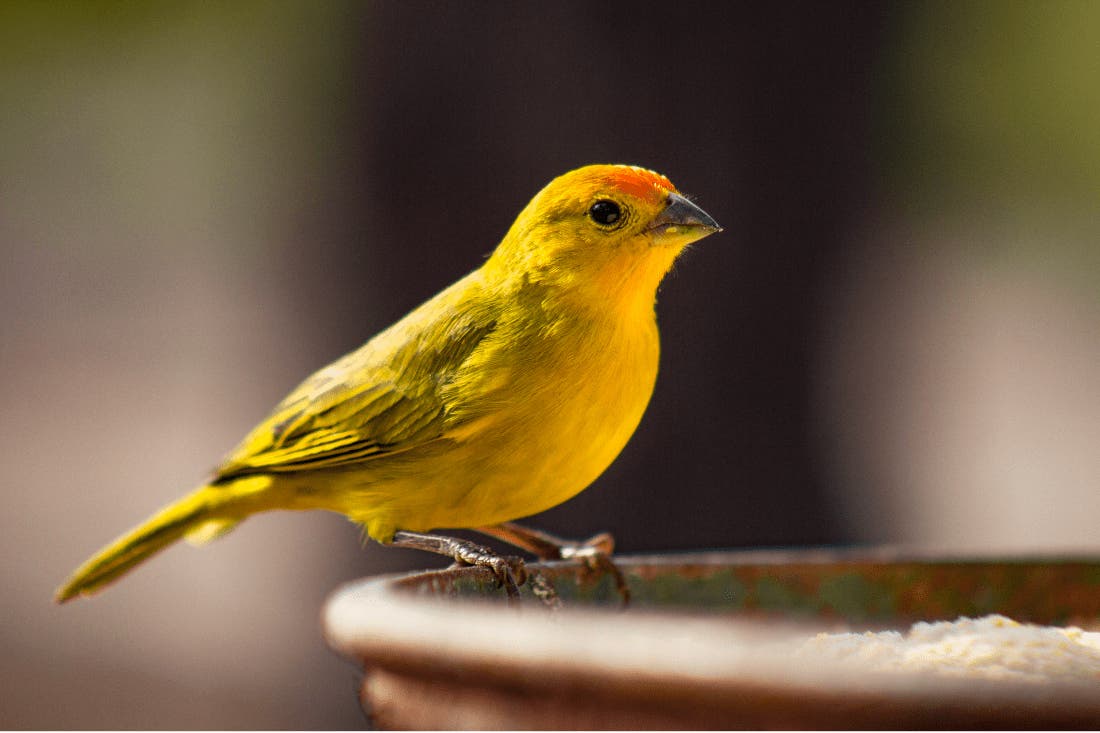
Canary
क्यानरी
Syllable: क्यानरी
Pronunciation: Canary
- The canary sings sweet songs. – क्यानरीले मिठा गीत गाउँछ।
- The canary is bright yellow. – क्यानरी चम्किलो पहेंलो हुन्छ।
- A canary is a popular pet bird. – क्यानरी लोकप्रिय पाल्तु चरा हो।
/https://tf-cmsv2-smithsonianmag-media.s3.amazonaws.com/filer_public/2a/95/2a951379-be49-435b-b0a9-eddb9e834884/5210582753_c660d548d8_o.jpg)
Lovebird
लभबर्ड
Syllable: लभबर्ड
Pronunciation: Lovebird
- The lovebird is sitting with its mate. – लभबर्ड आफ्नो जोडीसँग बसेको छ।
- Lovebirds are colorful birds. – लभबर्डहरू रंगीन चराहरू हुन्।
- Many people keep lovebirds as pets. – धेरै मानिसहरूले लभबर्ड पाल्छन्।

Mule
खच्चर
Syllable: खच्चर
Pronunciation: Khacchar
- The mule is carrying goods. – खच्चरले सामान बोकेको छ।
- Mules are strong animals. – खच्चर बलिया जनावर हुन्।
- The mule walked up the mountain path. – खच्चर पहाडी बाटो चढ्यो।

Yak
चौँरी गाई
Syllable: चौँरी गाई
Pronunciation: Chauri Gai
- The yak lives in cold mountains. – चौँरी गाई चिसो पहाडमा बस्छ।
- Yaks have thick fur. – चौँरी गाईको बाक्लो रौँ हुन्छ।
- The yak carries heavy loads. – चौँरी गाईले भारी बोक्छ।

Llama
लामा
Syllable: लामा
Pronunciation: Lama
- The llama is grazing on grass. – लामा घाँस चरिरहेको छ।
- Llamas are gentle animals. – लामा शान्त स्वभावका जनावर हुन्।
- The llama has a long neck. – लामाको घाँटी लामो हुन्छ।

Alpaca
अल्पाका
Syllable: अल्पाका
Pronunciation: Alpaka
- The alpaca has soft wool. – अल्पाकाको ऊन नरम हुन्छ।
- Alpacas live in herds. – अल्पाका समूहमा बस्छन्।
- The alpaca is eating hay. – अल्पाका घाँस खाइरहेको छ।

Guinea Pig
गिनी पिग
Syllable: गिनी पिग
Pronunciation: Gini Pig
- The guinea pig is eating vegetables. – गिनी पिग तरकारी खाइरहेको छ।
- The guinea pig is a popular pet. – गिनी पिग लोकप्रिय पाल्तु जनावर हो।
- My friend has a guinea pig. – मेरो साथीले गिनी पिग पालेको छ।

Hamster
ह्याम्स्टर
Syllable: ह्याम्स्टर
Pronunciation: Hyamstar
- The hamster is running on a wheel. – ह्याम्स्टर चक्कामा दौडिरहेको छ।
- The hamster stores food in its cheeks. – ह्याम्स्टरले गालामा खाना राख्छ।
- The hamster is very small. – ह्याम्स्टर धेरै सानो हुन्छ।

Ferret
फेरेट
Syllable: फेरेट
Pronunciation: Feret
- The ferret is playing with a toy. – फेरेट खेलौनासँग खेलिरहेको छ।
- Ferrets are curious animals. – फेरेट जिज्ञासु जनावर हुन्।
- The ferret is sleeping in its cage. – फेरेट आफ्नो पिँजडामा सुतिरहेको छ।

Pony
पोनी
Syllable: पोनी
Pronunciation: Poni
- The pony is running in the field. – पोनी मैदानमा दौडिरहेको छ।
- Children enjoy riding ponies. – बालबालिकाहरू पोनी चढ्न मन पराउँछन्।
- The pony is smaller than a horse. – पोनी घोडाभन्दा सानो हुन्छ।

Reindeer
रेन्डियर
Syllable: रेन्डियर
Pronunciation: Rendiyar
- The reindeer lives in cold regions. – रेन्डियर चिसो क्षेत्रमा बस्छ।
- The reindeer has large antlers. – रेन्डियरका ठूला सिङ हुन्छन्।
- The reindeer is walking through the snow. – रेन्डियर हिउँमा हिँडिरहेको छ।

Dove
ढुकुर
Syllable: ढुकुर
Pronunciation: Dhukur
- The dove is a symbol of peace. – ढुकुर शान्तिको प्रतीक हो।
- A white dove flew across the sky. – सेतो ढुकुर आकाशमा उड्यो।
- The dove is sitting on a branch. – ढुकुर हाँगामा बसेको छ।

Budgerigar
बजेरिगार
Syllable: बजेरिगार
Pronunciation: Bajerigar
- The budgerigar is chirping happily. – बजेरिगार खुसीसाथ चिरबिर गरिरहेको छ।
- The budgerigar has colorful feathers. – बजेरिगारका रंगीन प्वाँख हुन्छन्।
- Many families keep budgerigars as pets. – धेरै परिवारले बजेरिगार पाल्छन्।

Zebra Finch
जेब्रा फिन्च
Syllable: जेब्रा फिन्च
Pronunciation: Jebra Finch
- The zebra finch is a small bird. – जेब्रा फिन्च सानो चरा हो।
- The zebra finch is singing. – जेब्रा फिन्च गाइरहेको छ।
- The bird is sitting in the cage. – यो चरा पिँजडामा बसेको छ।

Cockatiel
ककटियल
Syllable: ककटियल
Pronunciation: Kakatial
- The cockatiel has a crest on its head. – ककटियलको टाउकोमा जुरो हुन्छ।
- The cockatiel is whistling. – ककटियल सिठी बजाइरहेको छ।
- The cockatiel is a friendly pet bird. – ककटियल मिलनसार पाल्तु चरा हो।
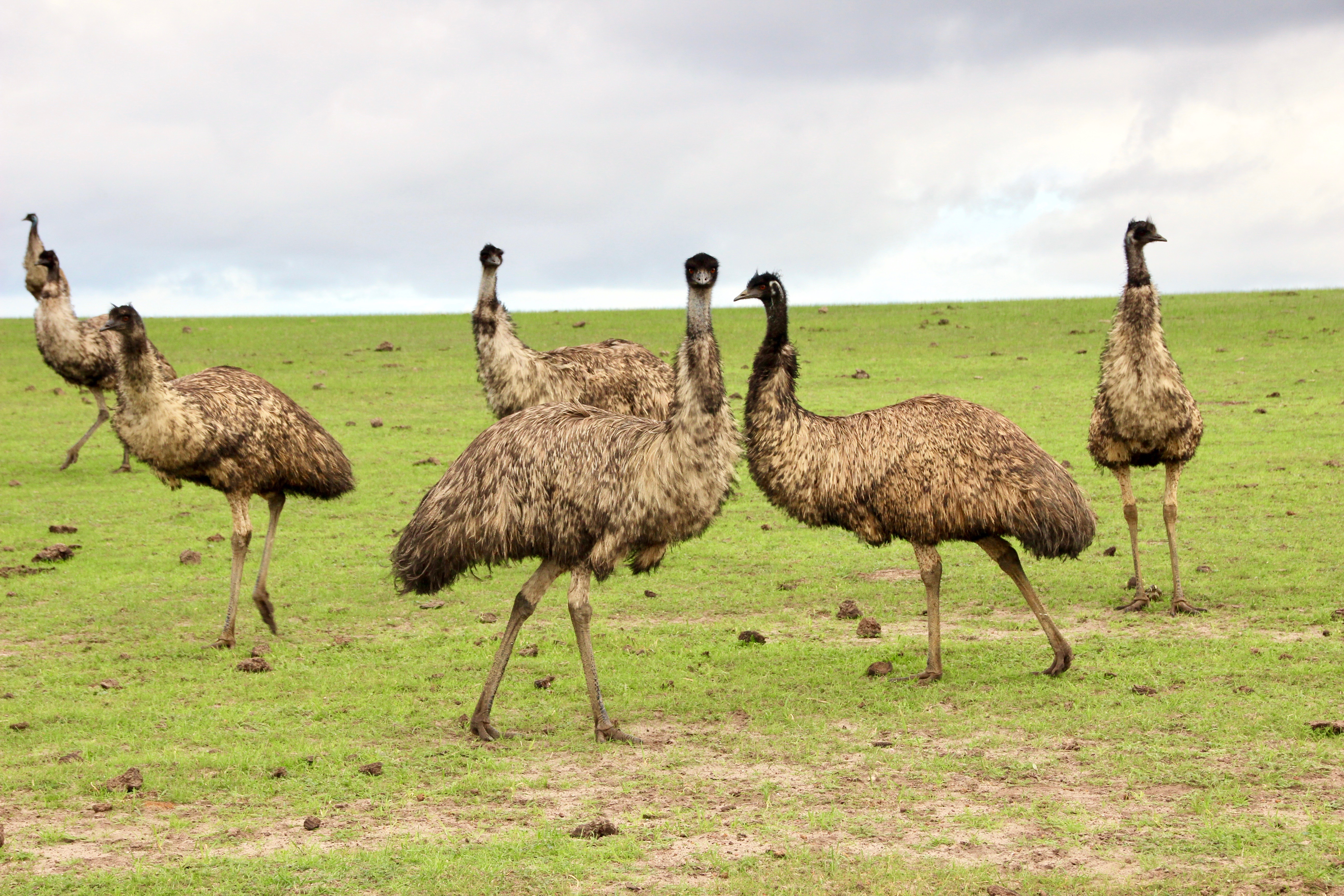
Emu
इमु
Syllable: इमु
Pronunciation: Imu
- The emu is a large bird. – इमु ठूलो चरा हो।
- The emu cannot fly. – इमु उड्न सक्दैन।
- The emu is walking across the field. – इमु मैदान पार गर्दै हिँडिरहेको छ।
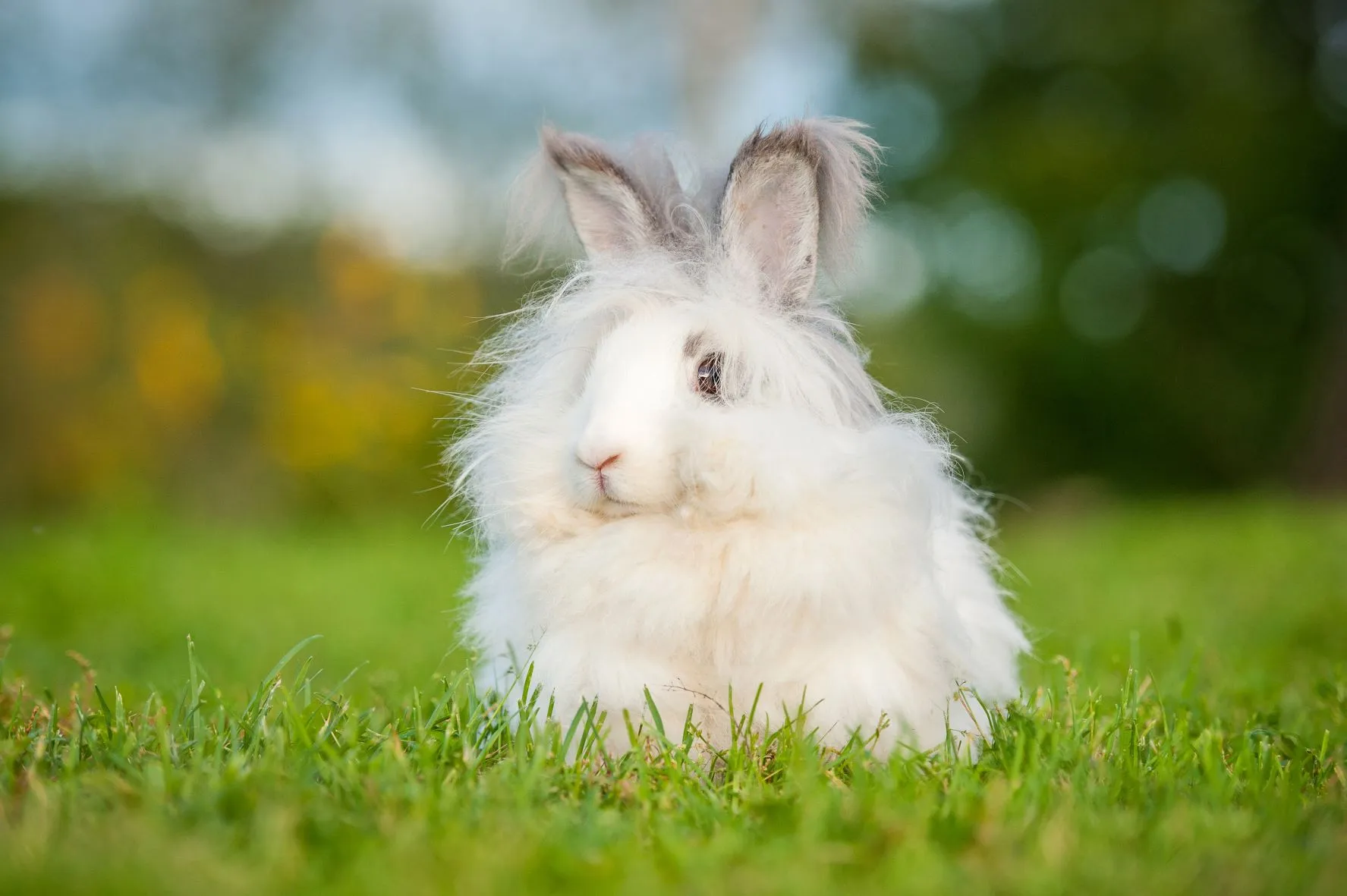
Angora Rabbit
अंगोरा खरायो
Syllable: अंगोरा खरायो
Pronunciation: Angora Kharayo
- The Angora rabbit has long soft fur. – अंगोरा खरायोको लामो नरम रौँ हुन्छ।
- The Angora rabbit is very fluffy. – अंगोरा खरायो धेरै फुस्रो देखिन्छ।
- The rabbit is resting quietly. – खरायो शान्तसँग आराम गरिरहेको छ।

Persian Cat
पर्सियन बिरालो
Syllable: पर्सियन बिरालो
Pronunciation: Persian Biralo
- The Persian cat has long fur. – पर्सियन बिरालोको लामो रौँ हुन्छ।
- The Persian cat looks beautiful. – पर्सियन बिरालो सुन्दर देखिन्छ।
- The cat is sleeping peacefully. – बिरालो शान्तसँग सुतिरहेको छ।

Aseel Chicken
असिल कुखुरा
Syllable: असिल कुखुरा
Pronunciation: Asil Kukhura
- The Aseel chicken is a strong breed. – असिल कुखुरा बलियो जातको हुन्छ।
- The Aseel chicken is standing proudly. – असिल कुखुरा गर्वका साथ उभिएको छ।
- Farmers raise Aseel chickens. – किसानहरूले असिल कुखुरा पाल्छन्।
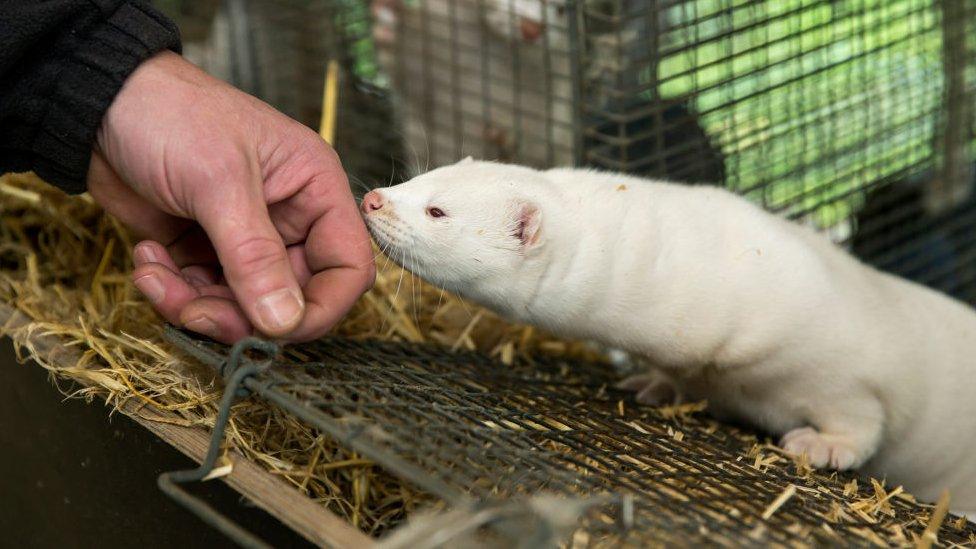
Mink
मिंक
Syllable: मिंक
Pronunciation: Mink
- The mink has soft fur. – मिंकको रौँ नरम हुन्छ।
- The mink is a small mammal. – मिंक सानो स्तनधारी जनावर हो।
- The mink is moving near the water. – मिंक पानी नजिक हिँडिरहेको छ।
Easy Ways to Remember Nepali Domestic Animal Names
One useful method is to connect each animal with a specific characteristic or activity. A horse can be associated with speed, a cow with grazing, and a dog with loyalty. These associations often make vocabulary easier to remember.
Farm visits, animal charts, and picture books can also support learning. Seeing the animal while reading its Nepali name creates a stronger connection between the word and the object.
Learners may also group animals into categories such as farm animals, working animals, and household companions. This approach helps organize vocabulary and makes review easier.
Simple Practice Ideas
- Use animal flashcards with Nepali names.
- Learn a few new animal names every week.
- Draw domestic animals and label them.
- Visit a farm and identify animals in Nepali.
- Watch Nepali educational videos about animals.
- Create an animal vocabulary notebook.
- Match pictures with their Nepali names.
- Practice pronunciation aloud.
- Use animal names in simple sentences.
- Review previously learned words regularly.
- Observe animals in your surroundings.
- Ask family members to quiz you.
Frequent review and real-world observation can help learners remember animal vocabulary more effectively.
Domestic Animal Names in Nepali At a Glance
| # | English Name | Nepali Name | Pronunciation |
|---|---|---|---|
| 1 | Cow | गाई | Gai |
| 2 | Buffalo | भैंसी | Bhainsi |
| 3 | Ox | गोरु | Goru |
| 4 | Dog | कुकुर | Kukur |
| 5 | Cat | बिरालो | Biralo |
| 6 | Goat | बाख्रा | Bakhra |
| 7 | Sheep | भेडा | Bheda |
| 8 | Horse | घोडा | Ghoda |
| 9 | Donkey | गधा | Gadha |
| 10 | Camel | ऊँट | Unt |
| 11 | Foal | घोडाको बच्चा | Ghodako Bachcha |
| 12 | Rabbit | खरायो | Kharayo |
| 13 | Hen | कुखुरी | Kukhuri |
| 14 | Rooster | भाले | Bhale |
| 15 | Duck | हाँस | Haas |
| 16 | Goose | राजहाँस | Rajhaas |
| 17 | Turkey | टर्की | Tarki |
| 18 | Pigeon | परेवा | Parewa |
| 19 | Parrot | सुगा | Suga |
| 20 | Canary | क्यानरी | Canary |
| 21 | Lovebird | लभबर्ड | Lovebird |
| 22 | Mule | खच्चर | Khacchar |
| 23 | Yak | चौँरी गाई | Chauri Gai |
| 24 | Llama | लामा | Lama |
| 25 | Alpaca | अल्पाका | Alpaka |
| 26 | Guinea Pig | गिनी पिग | Gini Pig |
| 27 | Hamster | ह्याम्स्टर | Hyamstar |
| 28 | Ferret | फेरेट | Feret |
| 29 | Pony | पोनी | Poni |
| 30 | Reindeer | रेन्डियर | Rendiyar |
| 31 | Dove | ढुकुर | Dhukur |
| 32 | Budgerigar | बजेरिगार | Bajerigar |
| 33 | Zebra Finch | जेब्रा फिन्च | Jebra Finch |
| 34 | Cockatiel | ककटियल | Kakatial |
| 35 | Emu | इमु | Imu |
| 36 | Angora Rabbit | अंगोरा खरायो | Angora Kharayo |
| 37 | Persian Cat | पर्सियन बिरालो | Persian Biralo |
| 38 | Aseel Chicken | असिल कुखुरा | Asil Kukhura |
| 39 | Mink | मिंक | Mink |
Domestic Animal Names Quiz
Building Nepali Vocabulary Through Familiar Animals
Domestic animals provide an excellent starting point for learning animal-related vocabulary because they are familiar, useful, and easy to observe. Their connection to everyday life makes language learning more practical and memorable.
As you continue expanding your Nepali vocabulary, animal-related topics can introduce many interesting words connected to nature and daily activities.
Which domestic animal do you see most often? Did you learn a Nepali animal name today that was completely new to you? Share your thoughts in the comments.