Long before children learn about wildlife from books, they usually become familiar with animals that live around people. A dog guarding a house, a cow grazing in a field, or a cat resting in a corner are common sights in many parts of Karnataka. These everyday encounters make domestic animals one of the easiest and most relatable vocabulary topics for beginners.
Domestic animals have supported human communities for centuries by helping with farming, transportation, companionship, and other daily activities. Because they are closely connected to everyday life, their names appear frequently in conversations, stories, and school lessons.
This worksheet introduces common domestic animal names in Kannada, helping learners strengthen their vocabulary through animals they are likely to recognize immediately.
Why Learning Domestic Animal Names in Kannada Matters
Domestic animal names are among the most practical animal-related words learners can acquire. They appear in classroom activities, children’s books, general conversations, and educational materials, making them useful in a variety of situations.
For young learners, these animals provide a strong visual connection. Since most children can easily identify a cow, goat, horse, or dog, they can focus on learning the Kannada vocabulary without needing to understand a completely new concept.
Learning domestic animal names also helps build a foundation for related topics such as farming, pets, animal care, and rural life. As learners expand their vocabulary, these words become useful reference points for learning additional concepts.
Benefits of Learning Kannada Domestic Animal Names
- Builds practical animal-related vocabulary.
- Helps learners identify common domestic animals in Kannada.
- Supports reading and speaking activities.
- Improves pronunciation and word recognition.
- Makes classroom lessons easier to understand.
- Encourages learning through familiar examples.
- Supports worksheets and educational projects.
- Expands knowledge of farm and home animals.
- Creates opportunities for practical language use.
- Strengthens observation skills.
- Makes learning more engaging and relatable.
- Helps learners gain confidence in everyday conversations.
Because these animals are commonly seen in daily life, learners can naturally reinforce the vocabulary without relying only on study materials.
Common Domestic Animals and Their Kannada Names
From hardworking farm animals to trusted companions found in homes, domestic animals play many roles in human life. The list below includes commonly known domestic animals along with their Kannada names, helping learners build practical and memorable vocabulary.

Cow
ಹಸು
Syllable: ಹ-ಸು
Pronunciation: Hasu
- The cow gives milk. – ಹಸು ಹಾಲು ಕೊಡುತ್ತದೆ.
- The cow is a domestic animal. – ಹಸು ಒಂದು ಸಾಕು ಪ್ರಾಣಿಯಾಗಿದೆ.
- I saw a cow in the field. – ನಾನು ಹೊಲದಲ್ಲಿ ಹಸುವನ್ನು ನೋಡಿದೆ.

Buffalo
ಎಮ್ಮೆ
Syllable: ಎ-ಮ್ಮೆ
Pronunciation: Emme
- The buffalo is strong. – ಎಮ್ಮೆ ಬಲಿಷ್ಠ ಪ್ರಾಣಿಯಾಗಿದೆ.
- Buffaloes like water. – ಎಮ್ಮೆಗಳಿಗೆ ನೀರು ಇಷ್ಟ.
- The buffalo grazes in the field. – ಎಮ್ಮೆ ಹೊಲದಲ್ಲಿ ಮೇಯುತ್ತದೆ.

Ox
ಎತ್ತು
Syllable: ಎ-ತ್ತು
Pronunciation: Ettu
- The ox pulls a cart. – ಎತ್ತು ಬಂಡಿಯನ್ನು ಎಳೆಯುತ್ತದೆ.
- The ox helps farmers. – ಎತ್ತು ರೈತರಿಗೆ ಸಹಾಯ ಮಾಡುತ್ತದೆ.
- I saw an ox near the farm. – ನಾನು ತೋಟದ ಬಳಿ ಎತ್ತನ್ನು ನೋಡಿದೆ.
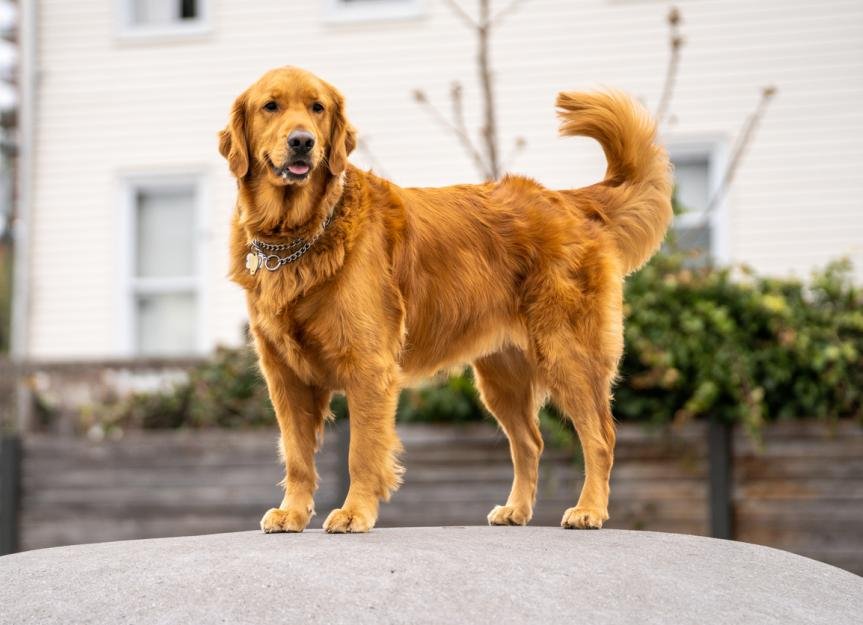
Dog
ನಾಯಿ
Syllable: ನಾ-ಯಿ
Pronunciation: Naayi
- The dog is a loyal animal. – ನಾಯಿ ನಿಷ್ಠಾವಂತ ಪ್ರಾಣಿ.
- My dog likes to play. – ನನ್ನ ನಾಯಿಗೆ ಆಟವಾಡುವುದು ಇಷ್ಟ.
- The dog barked loudly. – ನಾಯಿ ಜೋರಾಗಿ ಭೂಕರಿಸಿತು.

Cat
ಬೆಕ್ಕು
Syllable: ಬೆ-ಕ್ಕು
Pronunciation: Bekku
- The cat drinks milk. – ಬೆಕ್ಕು ಹಾಲು ಕುಡಿಯುತ್ತದೆ.
- A cat is sleeping on the mat. – ಒಂದು ಬೆಕ್ಕು ಚಾಪೆಯ ಮೇಲೆ ಮಲಗಿದೆ.
- The cat chased a mouse. – ಬೆಕ್ಕು ಇಲಿಯನ್ನು ಬೆನ್ನಟ್ಟಿತು.

Goat
ಮೇಕೆ
Syllable: ಮೇ-ಕೆ
Pronunciation: Meke
- The goat eats grass. – ಮೇಕೆ ಹುಲ್ಲು ತಿನ್ನುತ್ತದೆ.
- Goats are useful farm animals. – ಮೇಕೆಗಳು ಉಪಯುಕ್ತ ಕೃಷಿ ಪ್ರಾಣಿಗಳು.
- I saw a goat near the hill. – ನಾನು ಬೆಟ್ಟದ ಬಳಿ ಮೇಕೆಯನ್ನು ನೋಡಿದೆ.

Sheep
ಕುರಿ
Syllable: ಕು-ರಿ
Pronunciation: Kuri
- The sheep has wool. – ಕುರಿಗೆ ಉಣ್ಣೆ ಇರುತ್ತದೆ.
- Sheep graze together. – ಕುರಿಗಳು ಒಟ್ಟಿಗೆ ಮೇಯುತ್ತವೆ.
- I counted five sheep. – ನಾನು ಐದು ಕುರಿಗಳನ್ನು ಎಣಿಸಿದೆ.

Horse
ಕುದುರೆ
Syllable: ಕು-ದು-ರೆ
Pronunciation: Kudure
- The horse runs fast. – ಕುದುರೆ ವೇಗವಾಗಿ ಓಡುತ್ತದೆ.
- The horse carries people. – ಕುದುರೆ ಜನರನ್ನು ಹೊರುತ್ತದೆ.
- I rode a horse yesterday. – ನಾನು ನಿನ್ನೆ ಕುದುರೆಯ ಮೇಲೆ ಸವಾರಿ ಮಾಡಿದೆ.

Donkey
ಕತ್ತೆ
Syllable: ಕ-ತ್ತೆ
Pronunciation: Katte
- The donkey carries loads. – ಕತ್ತೆ ಭಾರ ಹೊರುತ್ತದೆ.
- The donkey is hardworking. – ಕತ್ತೆ ದುಡಿಯುವ ಪ್ರಾಣಿ.
- I saw a donkey on the road. – ನಾನು ರಸ್ತೆಯಲ್ಲಿ ಕತ್ತೆಯನ್ನು ನೋಡಿದೆ.

Camel
ಒಂಟೆ
Syllable: ಒಂ-ಟೆ
Pronunciation: Onte
- The camel lives in deserts. – ಒಂಟೆ ಮರುಭೂಮಿಯಲ್ಲಿ ವಾಸಿಸುತ್ತದೆ.
- A camel can travel long distances. – ಒಂಟೆ ದೂರದ ಪ್ರಯಾಣ ಮಾಡಬಲ್ಲದು.
- I saw a camel at a fair. – ನಾನು ಜಾತ್ರೆಯಲ್ಲಿ ಒಂಟೆಯನ್ನು ನೋಡಿದೆ.
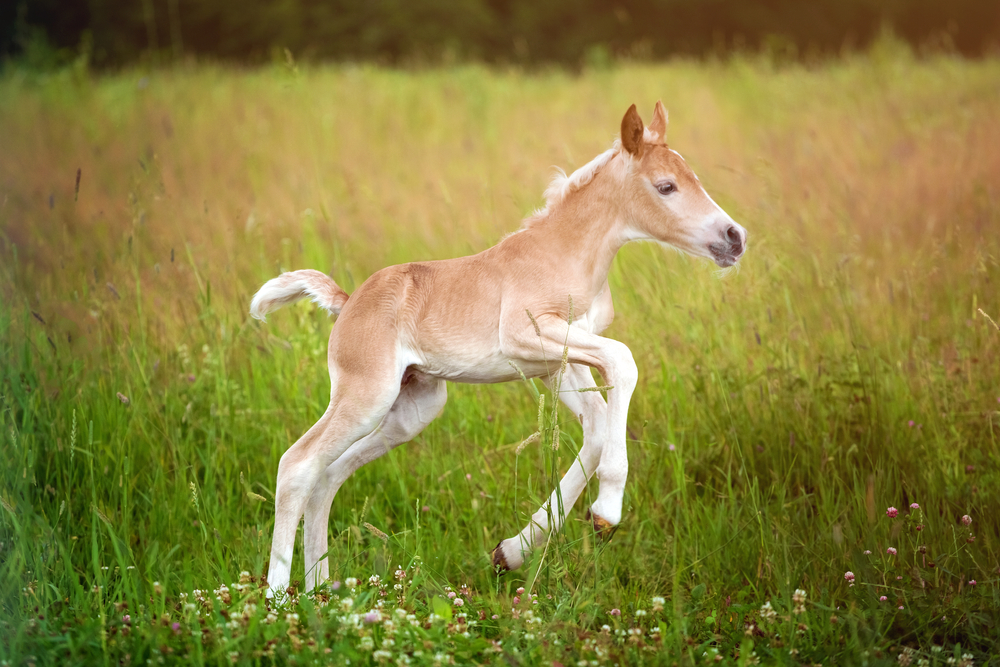
Foal
ಕುದುರೆ ಮರಿ
Syllable: ಕು-ದು-ರೆ ಮ-ರಿ
Pronunciation: Kudure Mari
- The foal follows its mother. – ಕುದುರೆ ಮರಿ ತನ್ನ ತಾಯಿಯನ್ನು ಹಿಂಬಾಲಿಸುತ್ತದೆ.
- The foal is playful. – ಕುದುರೆ ಮರಿ ಆಟವಾಡಲು ಇಷ್ಟಪಡುತ್ತದೆ.
- I saw a young foal in the field. – ನಾನು ಹೊಲದಲ್ಲಿ ಕುದುರೆ ಮರಿಯನ್ನು ನೋಡಿದೆ.

Rabbit
ಮೊಲ
Syllable: ಮೊ-ಲ
Pronunciation: Mola
- The rabbit has long ears. – ಮೊಲಕ್ಕೆ ಉದ್ದವಾದ ಕಿವಿಗಳಿವೆ.
- Rabbits eat carrots. – ಮೊಲಗಳು ಕ್ಯಾರೆಟ್ ತಿನ್ನುತ್ತವೆ.
- I saw a rabbit in the garden. – ನಾನು ತೋಟದಲ್ಲಿ ಮೊಲವನ್ನು ನೋಡಿದೆ.

Hen
ಕೋಳಿ
Syllable: ಕೋ-ಳಿ
Pronunciation: Koli
- The hen lays eggs. – ಕೋಳಿ ಮೊಟ್ಟೆ ಇಡುತ್ತದೆ.
- The hen looks after its chicks. – ಕೋಳಿ ತನ್ನ ಮರಿಗಳನ್ನು ನೋಡಿಕೊಳ್ಳುತ್ತದೆ.
- I fed the hen this morning. – ನಾನು ಇಂದು ಬೆಳಗ್ಗೆ ಕೋಳಿಗೆ ಆಹಾರ ನೀಡಿದೆ.

Rooster
ಕೋಳಿ ಗಂಡು
Syllable: ಕೋ-ಳಿ ಗಂ-ಡು
Pronunciation: Koli Gandu
- The rooster crows at dawn. – ಕೋಳಿ ಗಂಡು ಬೆಳಿಗ್ಗೆ ಕೂಗುತ್ತದೆ.
- The rooster has colorful feathers. – ಕೋಳಿ ಗಂಡಿಗೆ ಬಣ್ಣಬಣ್ಣದ ರೆಕ್ಕೆಗಳಿವೆ.
- I heard a rooster this morning. – ನಾನು ಇಂದು ಬೆಳಗ್ಗೆ ಕೋಳಿ ಗಂಡಿನ ಕೂಗು ಕೇಳಿದೆ.

Duck
ಬಾತುಕೋಳಿ
Syllable: ಬಾ-ತು-ಕೋ-ಳಿ
Pronunciation: Baatukoli
- The duck swims in water. – ಬಾತುಕೋಳಿ ನೀರಿನಲ್ಲಿ ಈಜುತ್ತದೆ.
- Ducks like ponds. – ಬಾತುಕೋಳಿಗಳಿಗೆ ಕೆರೆಗಳು ಇಷ್ಟ.
- I saw ducks near the lake. – ನಾನು ಕೆರೆಯ ಬಳಿ ಬಾತುಕೋಳಿಗಳನ್ನು ನೋಡಿದೆ.

Goose
ಹಂಸ
Syllable: ಹಂ-ಸ
Pronunciation: Hamsa
- The goose has a long neck. – ಹಂಸಕ್ಕೆ ಉದ್ದವಾದ ಕುತ್ತಿಗೆ ಇದೆ.
- Geese often move in groups. – ಹಂಸಗಳು ಗುಂಪಿನಲ್ಲಿ ಸಂಚರಿಸುತ್ತವೆ.
- I watched a goose near the pond. – ನಾನು ಕೊಳದ ಬಳಿ ಹಂಸವನ್ನು ನೋಡಿದೆ.

Turkey
ಟರ್ಕಿ
Syllable: ಟರ್-ಕಿ
Pronunciation: Tarki
- The turkey is a large bird. – ಟರ್ಕಿ ದೊಡ್ಡ ಪಕ್ಷಿಯಾಗಿದೆ.
- Turkeys have strong legs. – ಟರ್ಕಿಗಳಿಗೆ ಬಲವಾದ ಕಾಲುಗಳಿವೆ.
- I saw a turkey at the farm. – ನಾನು ಕೃಷಿ ತೋಟದಲ್ಲಿ ಟರ್ಕಿಯನ್ನು ನೋಡಿದೆ.

Pigeon
ಪಾರಿವಾಳ
Syllable: ಪಾ-ರಿ-ವಾ-ಳ
Pronunciation: Parivaala
- The pigeon flies high. – ಪಾರಿವಾಳ ಎತ್ತರವಾಗಿ ಹಾರುತ್ತದೆ.
- Pigeons live in cities. – ಪಾರಿವಾಳಗಳು ನಗರಗಳಲ್ಲಿ ವಾಸಿಸುತ್ತವೆ.
- I fed some pigeons. – ನಾನು ಕೆಲವು ಪಾರಿವಾಳಗಳಿಗೆ ಆಹಾರ ನೀಡಿದೆ.

Parrot
ಗಿಳಿ
Syllable: ಗಿ-ಳಿ
Pronunciation: Gili
- The parrot can mimic sounds. – ಗಿಳಿ ಧ್ವನಿಗಳನ್ನು ಅನುಕರಿಸಬಲ್ಲದು.
- The parrot is green. – ಗಿಳಿ ಹಸಿರು ಬಣ್ಣದಲ್ಲಿರುತ್ತದೆ.
- I saw a parrot on a tree. – ನಾನು ಮರದ ಮೇಲೆ ಗಿಳಿಯನ್ನು ನೋಡಿದೆ.
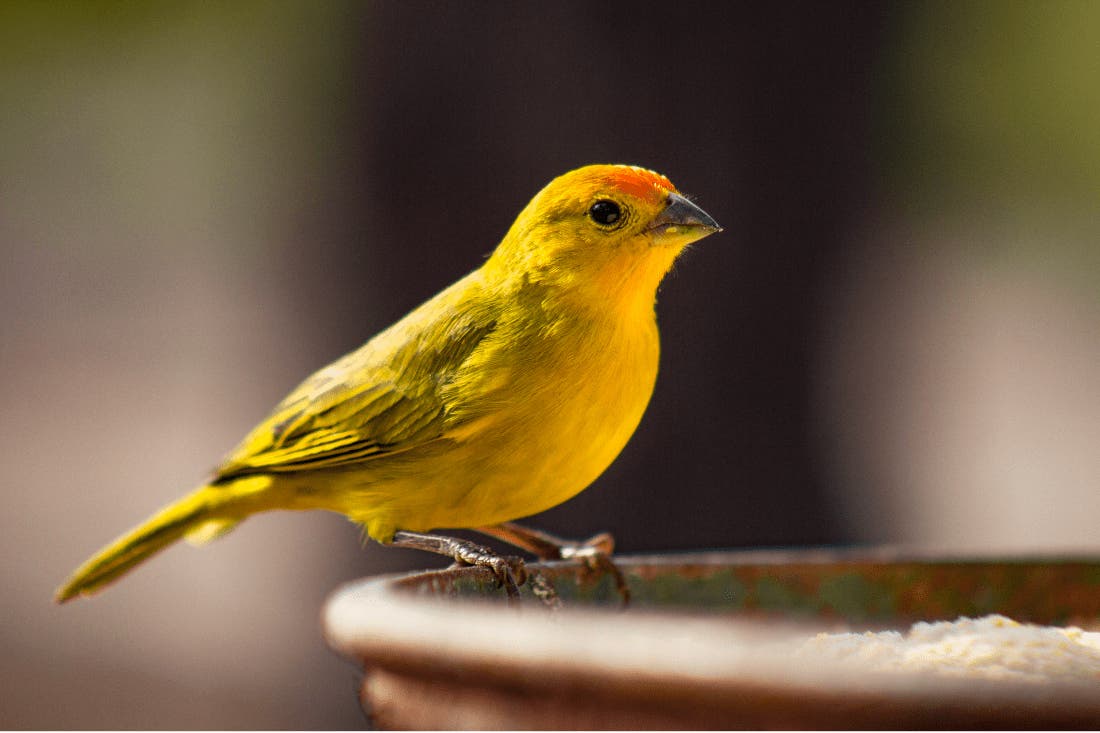
Canary
ಕ್ಯಾನರಿ
Syllable: ಕ್ಯಾ-ನ-ರಿ
Pronunciation: Canary
- The canary sings sweetly. – ಕ್ಯಾನರಿ ಮಧುರವಾಗಿ ಹಾಡುತ್ತದೆ.
- It is a popular pet bird. – ಇದು ಜನಪ್ರಿಯ ಸಾಕು ಹಕ್ಕಿ.
- My friend has a canary. – ನನ್ನ ಸ್ನೇಹಿತನ ಬಳಿ ಕ್ಯಾನರಿ ಇದೆ.
/https://tf-cmsv2-smithsonianmag-media.s3.amazonaws.com/filer_public/2a/95/2a951379-be49-435b-b0a9-eddb9e834884/5210582753_c660d548d8_o.jpg)
Lovebird
ಲವ್ಬರ್ಡ್
Syllable: ಲವ್-ಬರ್ಡ್
Pronunciation: Lovebird
- The lovebird is colorful. – ಲವ್ಬರ್ಡ್ ಬಣ್ಣಬಣ್ಣವಾಗಿದೆ.
- Lovebirds live in pairs. – ಲವ್ಬರ್ಡ್ಗಳು ಜೋಡಿಯಾಗಿ ವಾಸಿಸುತ್ತವೆ.
- I saw a lovebird in a cage. – ನಾನು ಗೂಡಿನಲ್ಲಿ ಲವ್ಬರ್ಡ್ ನೋಡಿದೆ.

Mule
ಹೇಸರಗತ್ತೆ
Syllable: ಹೇ-ಸ-ರ-ಗ-ತ್ತೆ
Pronunciation: Hesaragatte
- A mule is strong and hardworking. – ಹೇಸರಗತ್ತೆ ಬಲಿಷ್ಠ ಮತ್ತು ದುಡಿಯುವ ಪ್ರಾಣಿ.
- Mules carry heavy loads. – ಹೇಸರಗತ್ತೆಗಳು ಭಾರವಾದ ವಸ್ತುಗಳನ್ನು ಹೊರುತ್ತವೆ.
- I saw a mule on the farm. – ನಾನು ಕೃಷಿ ತೋಟದಲ್ಲಿ ಹೇಸರಗತ್ತೆಯನ್ನು ನೋಡಿದೆ.

Yak
ಯಾಕ್
Syllable: ಯಾಕ್
Pronunciation: Yak
- The yak lives in cold mountains. – ಯಾಕ್ ಚಳಿಯ ಪರ್ವತಗಳಲ್ಲಿ ವಾಸಿಸುತ್ತದೆ.
- Yaks have thick fur. – ಯಾಕ್ಗಳಿಗೆ ದಪ್ಪ ಕೂದಲು ಇರುತ್ತದೆ.
- I saw a yak in a picture. – ನಾನು ಚಿತ್ರದಲ್ಲಿ ಯಾಕ್ ನೋಡಿದೆ.

Llama
ಲಾಮಾ
Syllable: ಲಾ-ಮಾ
Pronunciation: Llama
- The llama is a gentle animal. – ಲಾಮಾ ಶಾಂತ ಪ್ರಾಣಿ.
- Llamas can carry loads. – ಲಾಮಾಗಳು ಭಾರ ಹೊರುತ್ತವೆ.
- I learned about llamas today. – ನಾನು ಇಂದು ಲಾಮಾ ಬಗ್ಗೆ ತಿಳಿದುಕೊಂಡೆ.

Alpaca
ಅಲ್ಪಾಕಾ
Syllable: ಅಲ್-ಪಾ-ಕಾ
Pronunciation: Alpaca
- Alpacas have soft wool. – ಅಲ್ಪಾಕಾಗಳಿಗೆ ಮೃದುವಾದ ಉಣ್ಣೆ ಇರುತ್ತದೆ.
- The alpaca is related to the llama. – ಅಲ್ಪಾಕಾ ಲಾಮಾಗೆ ಸಂಬಂಧಿಸಿದೆ.
- I saw an alpaca in a zoo. – ನಾನು ಮೃಗಾಲಯದಲ್ಲಿ ಅಲ್ಪಾಕಾವನ್ನು ನೋಡಿದೆ.

Guinea Pig
ಗಿನಿಪಿಗ್
Syllable: ಗಿ-ನಿ-ಪಿಗ್
Pronunciation: Guinea Pig
- The guinea pig is a small pet. – ಗಿನಿಪಿಗ್ ಒಂದು ಚಿಕ್ಕ ಸಾಕುಪ್ರಾಣಿ.
- It likes vegetables. – ಅದಕ್ಕೆ ತರಕಾರಿಗಳು ಇಷ್ಟ.
- My friend keeps a guinea pig. – ನನ್ನ ಸ್ನೇಹಿತ ಗಿನಿಪಿಗ್ ಸಾಕಿದ್ದಾನೆ.

Hamster
ಹ್ಯಾಮ್ಸ್ಟರ್
Syllable: ಹ್ಯಾಮ್-ಸ್ಟರ್
Pronunciation: Hamster
- The hamster runs on a wheel. – ಹ್ಯಾಮ್ಸ್ಟರ್ ಚಕ್ರದಲ್ಲಿ ಓಡುತ್ತದೆ.
- It is a popular pet. – ಇದು ಜನಪ್ರಿಯ ಸಾಕುಪ್ರಾಣಿ.
- I saw a hamster in a pet shop. – ನಾನು ಸಾಕುಪ್ರಾಣಿ ಅಂಗಡಿಯಲ್ಲಿ ಹ್ಯಾಮ್ಸ್ಟರ್ ನೋಡಿದೆ.

Ferret
ಫೆರೆಟ್
Syllable: ಫೆ-ರೆಟ್
Pronunciation: Ferret
- The ferret is playful. – ಫೆರೆಟ್ ಆಟವಾಡಲು ಇಷ್ಟಪಡುತ್ತದೆ.
- It moves very quickly. – ಇದು ತುಂಬಾ ವೇಗವಾಗಿ ಚಲಿಸುತ್ತದೆ.
- I saw a ferret online. – ನಾನು ಫೆರೆಟ್ ಅನ್ನು ಅಂತರ್ಜಾಲದಲ್ಲಿ ನೋಡಿದೆ.

Pony
ಸಣ್ಣ ಕುದುರೆ
Syllable: ಸ-ಣ್ಣ ಕು-ದು-ರೆ
Pronunciation: Sanna Kudure
- A pony is smaller than a horse. – ಸಣ್ಣ ಕುದುರೆ ಕುದುರೆಯಿಗಿಂತ ಚಿಕ್ಕದು.
- Children enjoy riding ponies. – ಮಕ್ಕಳು ಸಣ್ಣ ಕುದುರೆಯ ಸವಾರಿ ಇಷ್ಟಪಡುತ್ತಾರೆ.
- I saw a pony at the fair. – ನಾನು ಜಾತ್ರೆಯಲ್ಲಿ ಸಣ್ಣ ಕುದುರೆಯನ್ನು ನೋಡಿದೆ.

Reindeer
ಹಿಮಜಿಂಕೆ
Syllable: ಹಿ-ಮ-ಜಿಂ-ಕೆ
Pronunciation: Himajinke
- The reindeer lives in cold regions. – ಹಿಮಜಿಂಕೆ ಚಳಿಯ ಪ್ರದೇಶಗಳಲ್ಲಿ ವಾಸಿಸುತ್ತದೆ.
- Reindeer have antlers. – ಹಿಮಜಿಂಕೆಗೆ ಕೊಂಬುಗಳಿರುತ್ತವೆ.
- I saw a reindeer in a documentary. – ನಾನು ಸಾಕ್ಷ್ಯಚಿತ್ರದಲ್ಲಿ ಹಿಮಜಿಂಕೆಯನ್ನು ನೋಡಿದೆ.

Dove
ಪಾರಿವಾಳ
Syllable: ಪಾ-ರಿ-ವಾ-ಳ
Pronunciation: Parivaala
- The dove is a symbol of peace. – ಪಾರಿವಾಳ ಶಾಂತಿಯ ಸಂಕೇತವಾಗಿದೆ.
- A dove flew across the sky. – ಒಂದು ಪಾರಿವಾಳ ಆಕಾಶದಲ್ಲಿ ಹಾರಿತು.
- I saw a white dove. – ನಾನು ಬಿಳಿ ಪಾರಿವಾಳವನ್ನು ನೋಡಿದೆ.

Budgerigar
ಬಡ್ಜರಿಗಾರ್
Syllable: ಬಡ್-ಜ-ರಿ-ಗಾರ್
Pronunciation: Budgerigar
- The budgerigar is a small parrot. – ಬಡ್ಜರಿಗಾರ್ ಒಂದು ಚಿಕ್ಕ ಗಿಳಿ.
- It is colorful and friendly. – ಇದು ಬಣ್ಣಬಣ್ಣದ ಮತ್ತು ಸ್ನೇಹಪರವಾಗಿದೆ.
- I saw a budgerigar in a pet store. – ನಾನು ಸಾಕುಪ್ರಾಣಿ ಅಂಗಡಿಯಲ್ಲಿ ಬಡ್ಜರಿಗಾರ್ ನೋಡಿದೆ.

Zebra Finch
ಜೀಬ್ರಾ ಫಿಂಚ್
Syllable: ಜೀ-ಬ್ರಾ ಫಿಂಚ್
Pronunciation: Zebra Finch
- The zebra finch is a tiny bird. – ಜೀಬ್ರಾ ಫಿಂಚ್ ಒಂದು ಸಣ್ಣ ಹಕ್ಕಿ.
- It chirps sweetly. – ಇದು ಮಧುರವಾಗಿ ಚಿಲಿಪಿಲಿ ಮಾಡುತ್ತದೆ.
- I watched a zebra finch today. – ನಾನು ಇಂದು ಜೀಬ್ರಾ ಫಿಂಚ್ ನೋಡಿದೆ.

Cockatiel
ಕಾಕಟೀಲ್
Syllable: ಕಾ-ಕ-ಟೀಲ್
Pronunciation: Cockatiel
- The cockatiel is a pet bird. – ಕಾಕಟೀಲ್ ಒಂದು ಸಾಕು ಹಕ್ಕಿ.
- It has a crest on its head. – ಇದಕ್ಕೆ ತಲೆಯ ಮೇಲೆ ಚಿಕ್ಕ ಶಿಖರವಿದೆ.
- My cousin owns a cockatiel. – ನನ್ನ ಸಂಬಂಧಿಯ ಬಳಿ ಕಾಕಟೀಲ್ ಇದೆ.
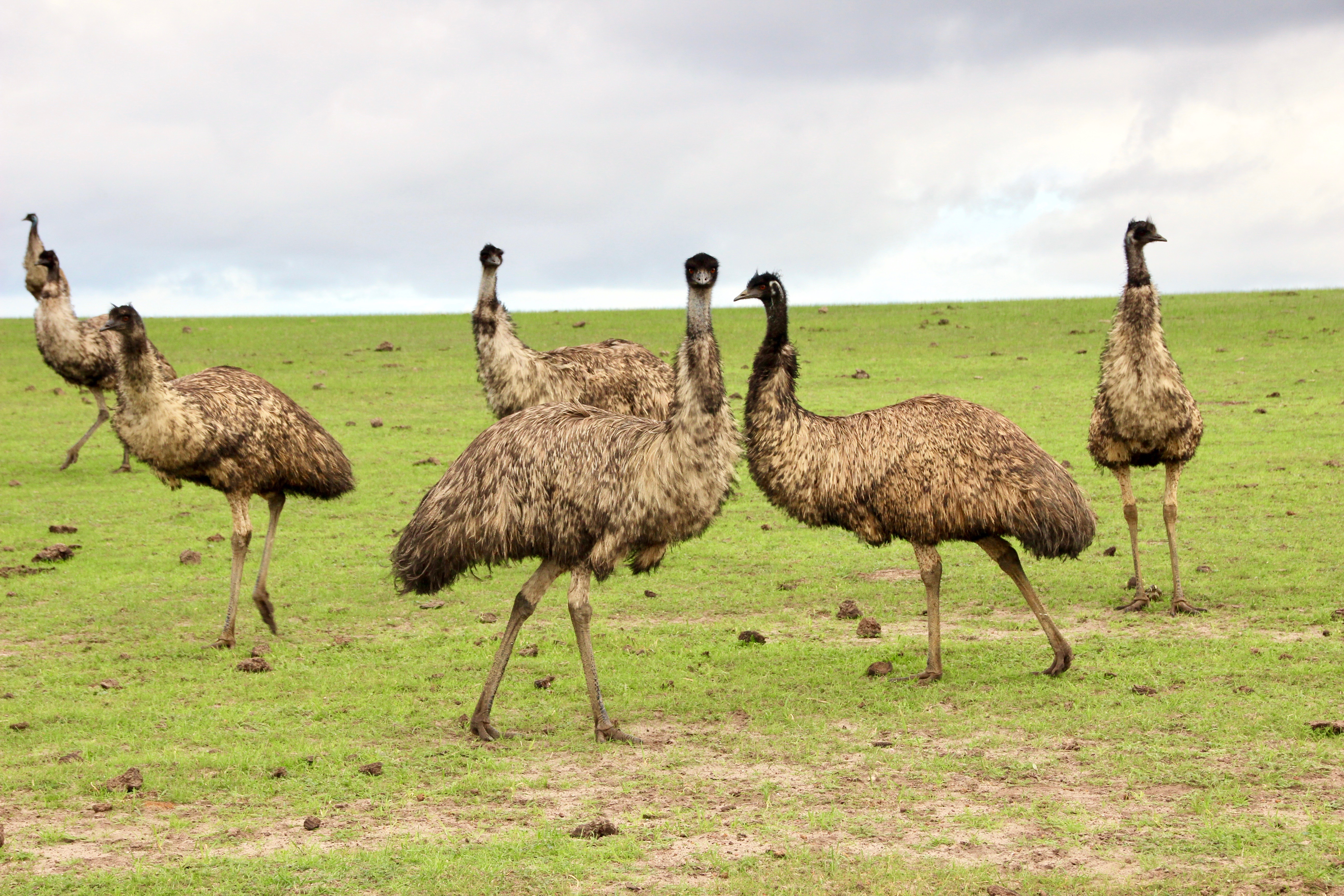
Emu
ಎಮು
Syllable: ಎ-ಮು
Pronunciation: Emu
- The emu is a large bird. – ಎಮು ದೊಡ್ಡ ಹಕ್ಕಿ.
- It cannot fly. – ಇದು ಹಾರಲು ಸಾಧ್ಯವಿಲ್ಲ.
- I saw an emu in a zoo. – ನಾನು ಮೃಗಾಲಯದಲ್ಲಿ ಎಮುವನ್ನು ನೋಡಿದೆ.
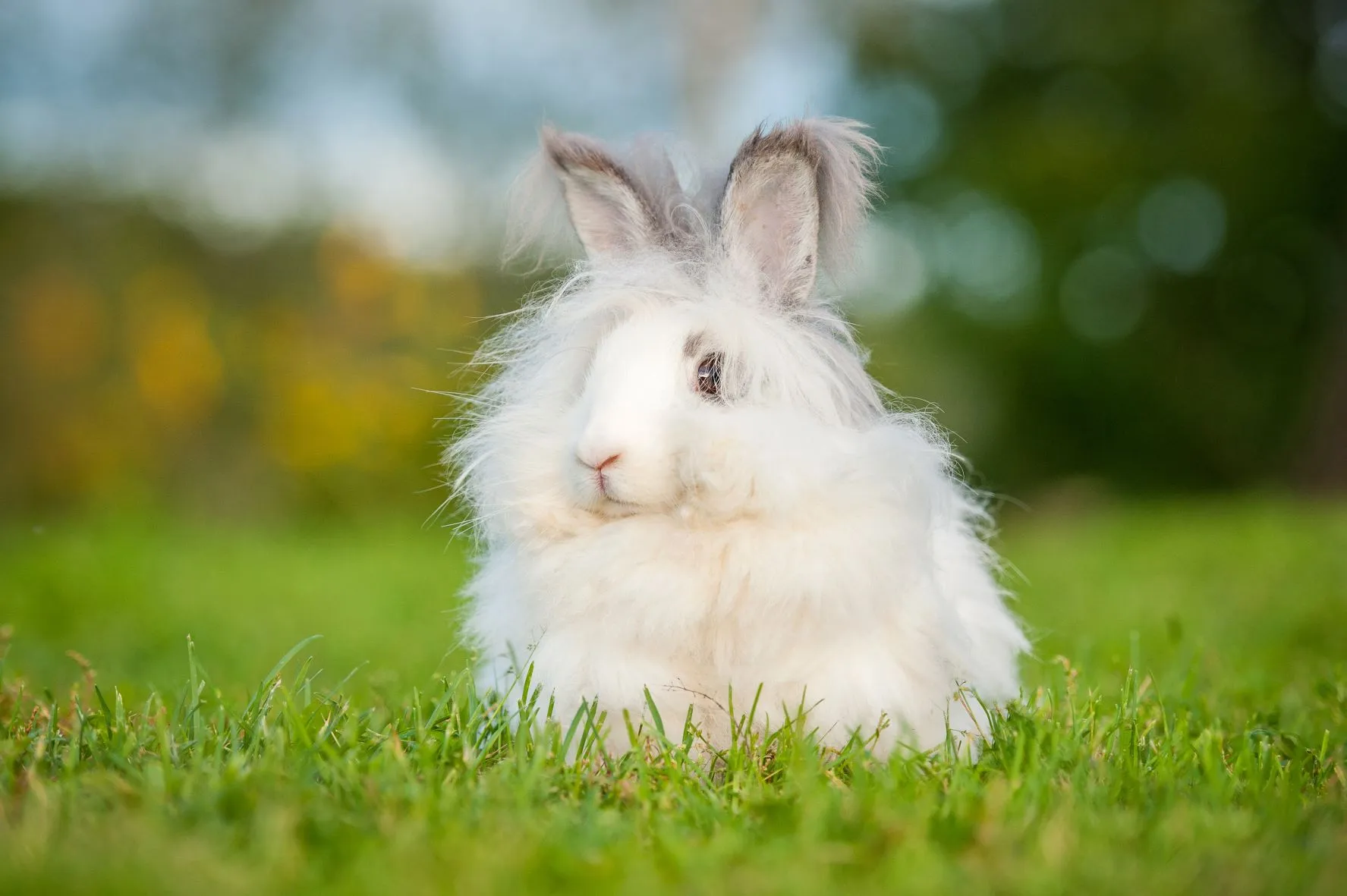
Angora Rabbit
ಅಂಗೋರಾ ಮೊಲ
Syllable: ಅಂ-ಗೋ-ರಾ ಮೊ-ಲ
Pronunciation: Angora Mola
- The Angora rabbit has long fur. – ಅಂಗೋರಾ ಮೊಲಕ್ಕೆ ಉದ್ದವಾದ ಕೂದಲು ಇರುತ್ತದೆ.
- It looks very fluffy. – ಇದು ತುಂಬಾ ಮೃದುವಾಗಿ ಕಾಣುತ್ತದೆ.
- I saw an Angora rabbit in a pet show. – ನಾನು ಸಾಕುಪ್ರಾಣಿ ಪ್ರದರ್ಶನದಲ್ಲಿ ಅಂಗೋರಾ ಮೊಲವನ್ನು ನೋಡಿದೆ.

Persian Cat
ಪರ್ಶಿಯನ್ ಬೆಕ್ಕು
Syllable: ಪರ್-ಶಿ-ಯನ್ ಬೆ-ಕ್ಕು
Pronunciation: Persian Bekku
- The Persian cat has long hair. – ಪರ್ಶಿಯನ್ ಬೆಕ್ಕಿಗೆ ಉದ್ದ ಕೂದಲು ಇರುತ್ತದೆ.
- It is a popular pet cat. – ಇದು ಜನಪ್ರಿಯ ಸಾಕು ಬೆಕ್ಕು.
- I saw a Persian cat yesterday. – ನಾನು ನಿನ್ನೆ ಪರ್ಶಿಯನ್ ಬೆಕ್ಕನ್ನು ನೋಡಿದೆ.

Aseel Chicken
ಅಸೀಲ್ ಕೋಳಿ
Syllable: ಅ-ಸೀಲ್ ಕೋ-ಳಿ
Pronunciation: Aseel Koli
- The Aseel chicken is strong. – ಅಸೀಲ್ ಕೋಳಿ ಬಲಿಷ್ಠವಾಗಿದೆ.
- It is known for its strength. – ಇದು ತನ್ನ ಶಕ್ತಿಗೆ ಪ್ರಸಿದ್ಧವಾಗಿದೆ.
- I saw an Aseel chicken on a farm. – ನಾನು ಕೃಷಿ ತೋಟದಲ್ಲಿ ಅಸೀಲ್ ಕೋಳಿಯನ್ನು ನೋಡಿದೆ.
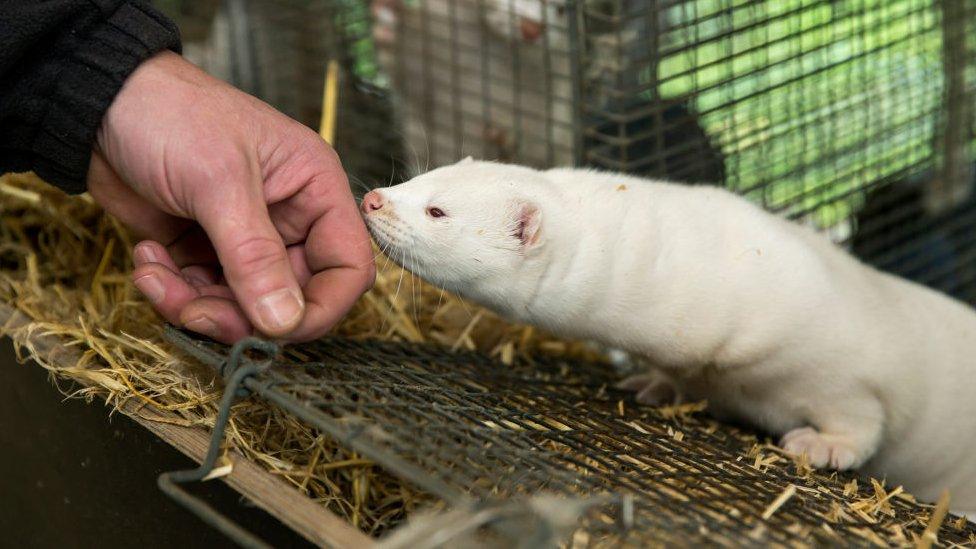
Mink
ಮಿಂಕ್
Syllable: ಮಿಂಕ್
Pronunciation: Mink
- The mink has soft fur. – ಮಿಂಕ್ಗೆ ಮೃದುವಾದ ಕೂದಲು ಇರುತ್ತದೆ.
- It is a small mammal. – ಇದು ಒಂದು ಸಣ್ಣ ಸಸ್ತನಿಯಾಗಿದೆ.
- I learned about minks today. – ನಾನು ಇಂದು ಮಿಂಕ್ ಬಗ್ಗೆ ತಿಳಿದುಕೊಂಡೆ.
Domestic Animal Names in Kannada
| # | English Name | Kannada Name | Pronunciation |
|---|---|---|---|
| 1 | Cow | ಹಸು | Hasu |
| 2 | Buffalo | ಎಮ್ಮೆ | Emme |
| 3 | Ox | ಎತ್ತು | Ettu |
| 4 | Dog | ನಾಯಿ | Naayi |
| 5 | Cat | ಬೆಕ್ಕು | Bekku |
| 6 | Goat | ಮೇಕೆ | Meke |
| 7 | Sheep | ಕುರಿ | Kuri |
| 8 | Horse | ಕುದುರೆ | Kudure |
| 9 | Donkey | ಕತ್ತೆ | Katte |
| 10 | Camel | ಒಂಟೆ | Onte |
| 11 | Foal | ಕುದುರೆ ಮರಿ | Kudure Mari |
| 12 | Rabbit | ಮೊಲ | Mola |
| 13 | Hen | ಕೋಳಿ | Koli |
| 14 | Rooster | ಕೋಳಿ ಗಂಡು | Koli Gandu |
| 15 | Duck | ಬಾತುಕೋಳಿ | Baatukoli |
| 16 | Goose | ಹಂಸ | Hamsa |
| 17 | Turkey | ಟರ್ಕಿ | Tarki |
| 18 | Pigeon | ಪಾರಿವಾಳ | Parivaala |
| 19 | Parrot | ಗಿಳಿ | Gili |
| 20 | Canary | ಕ್ಯಾನರಿ | Canary |
| 21 | Lovebird | ಲವ್ಬರ್ಡ್ | Lovebird |
| 22 | Mule | ಹೇಸರಗತ್ತೆ | Hesaragatte |
| 23 | Yak | ಯಾಕ್ | Yak |
| 24 | Llama | ಲಾಮಾ | Llama |
| 25 | Alpaca | ಅಲ್ಪಾಕಾ | Alpaca |
| 26 | Guinea Pig | ಗಿನಿಪಿಗ್ | Guinea Pig |
| 27 | Hamster | ಹ್ಯಾಮ್ಸ್ಟರ್ | Hamster |
| 28 | Ferret | ಫೆರೆಟ್ | Ferret |
| 29 | Pony | ಸಣ್ಣ ಕುದುರೆ | Sanna Kudure |
| 30 | Reindeer | ಹಿಮಜಿಂಕೆ | Himajinke |
| 31 | Dove | ಪಾರಿವಾಳ | Parivaala |
| 32 | Budgerigar | ಬಡ್ಜರಿಗಾರ್ | Budgerigar |
| 33 | Zebra Finch | ಜೀಬ್ರಾ ಫಿಂಚ್ | Zebra Finch |
| 34 | Cockatiel | ಕಾಕಟೀಲ್ | Cockatiel |
| 35 | Emu | ಎಮು | Emu |
| 36 | Angora Rabbit | ಅಂಗೋರಾ ಮೊಲ | Angora Mola |
| 37 | Persian Cat | ಪರ್ಶಿಯನ್ ಬೆಕ್ಕು | Persian Bekku |
| 38 | Aseel Chicken | ಅಸೀಲ್ ಕೋಳಿ | Aseel Koli |
| 39 | Mink | ಮಿಂಕ್ | Mink |
Quiz
Easy Ways to Remember Kannada Domestic Animal Names
One useful technique is to connect each animal with its role or behavior. A dog can be remembered through its loyalty, a horse through transportation, and a cow through farming activities. These associations help create stronger memory connections.
Picture books, farm visits, and illustrated charts can also support learning. Seeing the animal while reading its Kannada name makes vocabulary easier to remember than studying words alone.
Learners may also group animals into categories such as farm animals, household animals, and working animals. Studying smaller groups often makes vocabulary practice more manageable.
Simple Practice Ideas
- Use animal flashcards with Kannada names.
- Learn a few new animals each week.
- Draw domestic animals and label them.
- Visit a farm and identify animals in Kannada.
- Watch Kannada educational videos about animals.
- Create an animal vocabulary notebook.
- Match pictures with their Kannada names.
- Practice pronunciation aloud.
- Use animal names in simple sentences.
- Review previously learned words regularly.
- Observe animals in your surroundings.
- Ask family members to test your knowledge.
Frequent exposure and simple practice activities can make animal vocabulary much easier to retain.
Growing Your Kannada Vocabulary Through Everyday Animals
Domestic animals provide a natural bridge between language learning and real-life experiences. Because learners encounter these animals in stories, conversations, farms, and neighborhoods, the vocabulary feels familiar and useful from the beginning.
As you continue building your Kannada vocabulary, animal-related topics can open the door to many new words connected to nature and daily life.
Which domestic animal do you see most often? Have you learned a Kannada animal name today that you didn’t know before? Share your thoughts in the comments and join the conversation with fellow learners.