The letter K introduces one of the most delightful collections of authentic Danish foods, featuring refreshing summer desserts, crispy biscuits, traditional meat dishes, and festive cakes. From creamy Koldskål and crunchy Kammerjunkere to juicy Krebinetter and elegant Kransekage, these specialties showcase Denmark’s rich culinary heritage and timeless Nordic traditions.
Alongside favorites like Smørrebrød, Frikadeller, Rugbrød, and Flæskesteg, the foods beginning with K offer another exciting opportunity to explore authentic Danish cuisine.
This guide explores Danish foods that start with K, introducing traditional recipes, regional specialties, and classic dishes enjoyed throughout Denmark.
K Keeps Denmark’s Culinary Traditions Alive
The letter K contains many authentic Danish food names that represent Denmark’s love for dairy-based desserts, handcrafted pastries, hearty meat dishes, and festive celebrations.
One of the best-known examples is Koldskål, a refreshing cold buttermilk dessert made with buttermilk, eggs, vanilla, lemon, and sugar. It is traditionally enjoyed during the summer and served with Kammerjunkere, making it one of Denmark’s most iconic seasonal treats.
Another beloved specialty is Kammerjunkere, crisp twice-baked biscuits that are broken into pieces and added to Koldskål. These lightly sweet biscuits provide a satisfying crunch and are a staple of Danish summertime.
Meat lovers may already know Krebinetter, breaded pork cutlets made from minced pork that are coated in breadcrumbs and pan-fried until golden brown. They are commonly served with potatoes, vegetables, and gravy as a comforting family meal.
You’ll also encounter Kransekage, Denmark’s famous marzipan ring cake. Made primarily from almond paste, sugar, and egg whites, the cake is stacked into decorative rings and traditionally served at weddings, New Year’s Eve celebrations, and other festive occasions.
Other authentic Danish foods beginning with K include Karrysild (curried herring), Kartoffelsalat (potato salad), Karrysuppe (curry soup), Kanelsnegle (cinnamon rolls), Kærnemælksbrød (buttermilk bread), Kirsebærsauce (cherry sauce), Kålrouletter (stuffed cabbage rolls), and Kylling i Asparges (chicken in asparagus sauce).
These foods show that the letter K offers an excellent introduction to authentic Danish cuisine.
Benefits of Learning Danish Foods Beginning With K
- Complete your Danish food vocabulary from A to Z.
- Discover authentic regional Danish specialties.
- Learn about traditional Nordic cooking.
- Explore desserts, pastries, seafood, meat dishes, and breads.
- Recognize iconic foods served across Denmark.
- Improve confidence when reading Danish restaurant menus.
- Strengthen memory through alphabetical learning.
- Prepare for travel by identifying local specialties.
- Support classroom and worksheet activities.
- Learn about Denmark’s rich culinary heritage.
- Find inspiration for cooking authentic Danish recipes at home.
- Experience both sweet and savory Danish foods.
- Develop a deeper appreciation for Danish cuisine.
Danish Foods That Start With K
The list below features Danish foods beginning with the letter K, including desserts, pastries, seafood specialties, breads, and regional favorites enjoyed throughout Denmark.
The letter K represents one of the most diverse collections of Danish culinary traditions. You’ll find buttermilk, almonds, pork, potatoes, curry, cherries, asparagus, cinnamon, butter, and fresh seasonal ingredients appearing throughout the collection.
Many of these dishes have been enjoyed for generations and remain favorites in Danish homes, cafés, bakeries, and holiday celebrations. Their enduring popularity reflects Denmark’s appreciation for simple ingredients, quality craftsmanship, and comforting recipes.
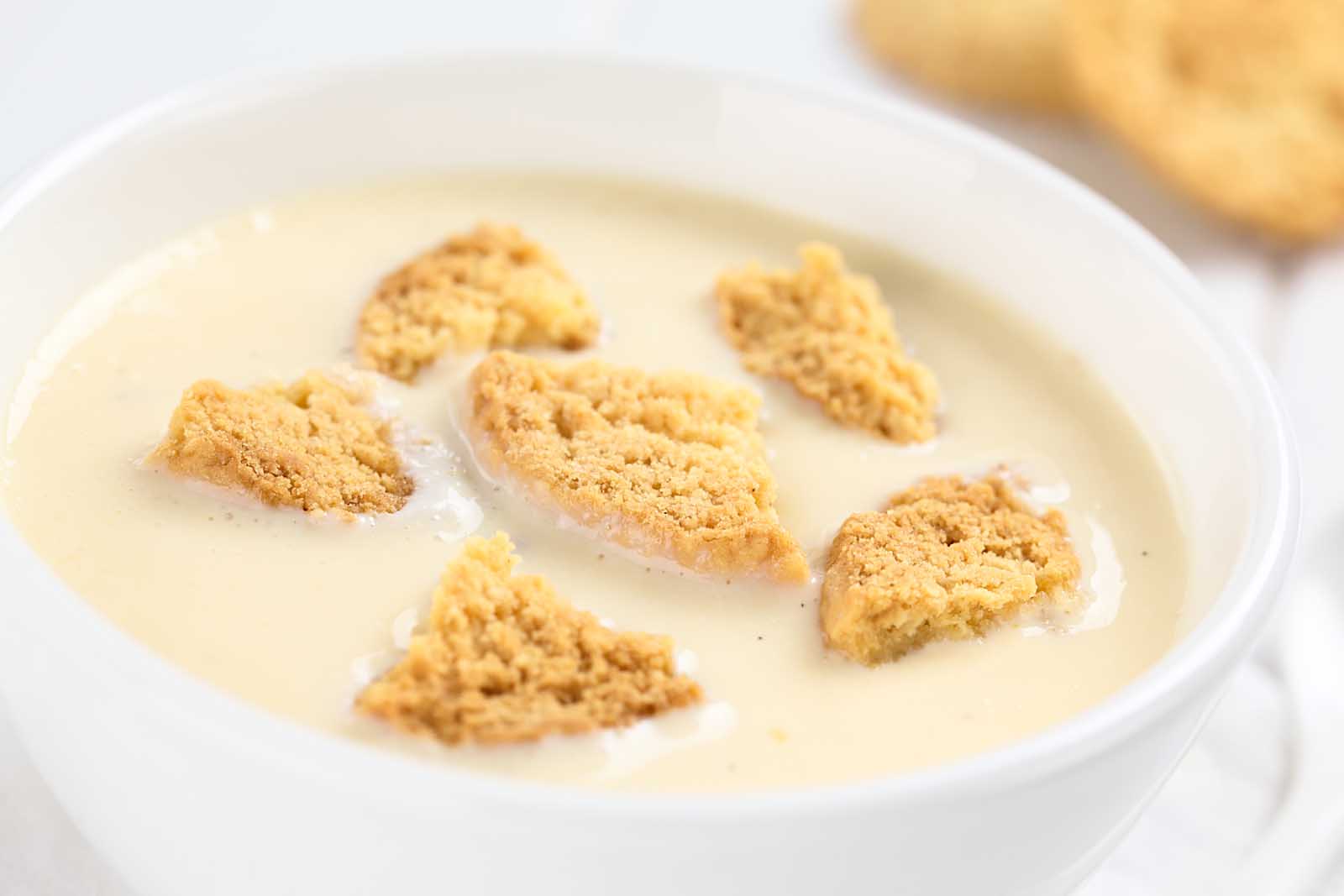
Danish Buttermilk Dessert
Koldskål
Syllable: KOL-skoal
Pronunciation: Koldskål
- Danish buttermilk dessert is cold and refreshing. – Koldskål er kold og forfriskende.
- We enjoyed koldskål on a warm afternoon. – Vi nød koldskål på en varm eftermiddag.
- My family eats koldskål every summer. – Min familie spiser koldskål hver sommer.

Cinnamon Roll
Kanelsnegl
Syllable: kah-NEL-snyl
Pronunciation: Kanelsnegl
- A cinnamon roll is soft and sweet. – En kanelsnegl er blød og sød.
- We bought fresh cinnamon rolls this morning. – Vi købte friske kanelsnegle i morges.
- My sister loves warm cinnamon rolls. – Min søster elsker varme kanelsnegle.

Almond Ring Cake
Kransekage
Syllable: KRAHN-seh-kay
Pronunciation: Kransekage
- Almond ring cake is a traditional Danish dessert. – Kransekage er en traditionel dansk dessert.
- We served almond ring cake at the celebration. – Vi serverede kransekage til festen.
- My grandmother bakes kransekage for special occasions. – Min bedstemor bager kransekage til særlige lejligheder.
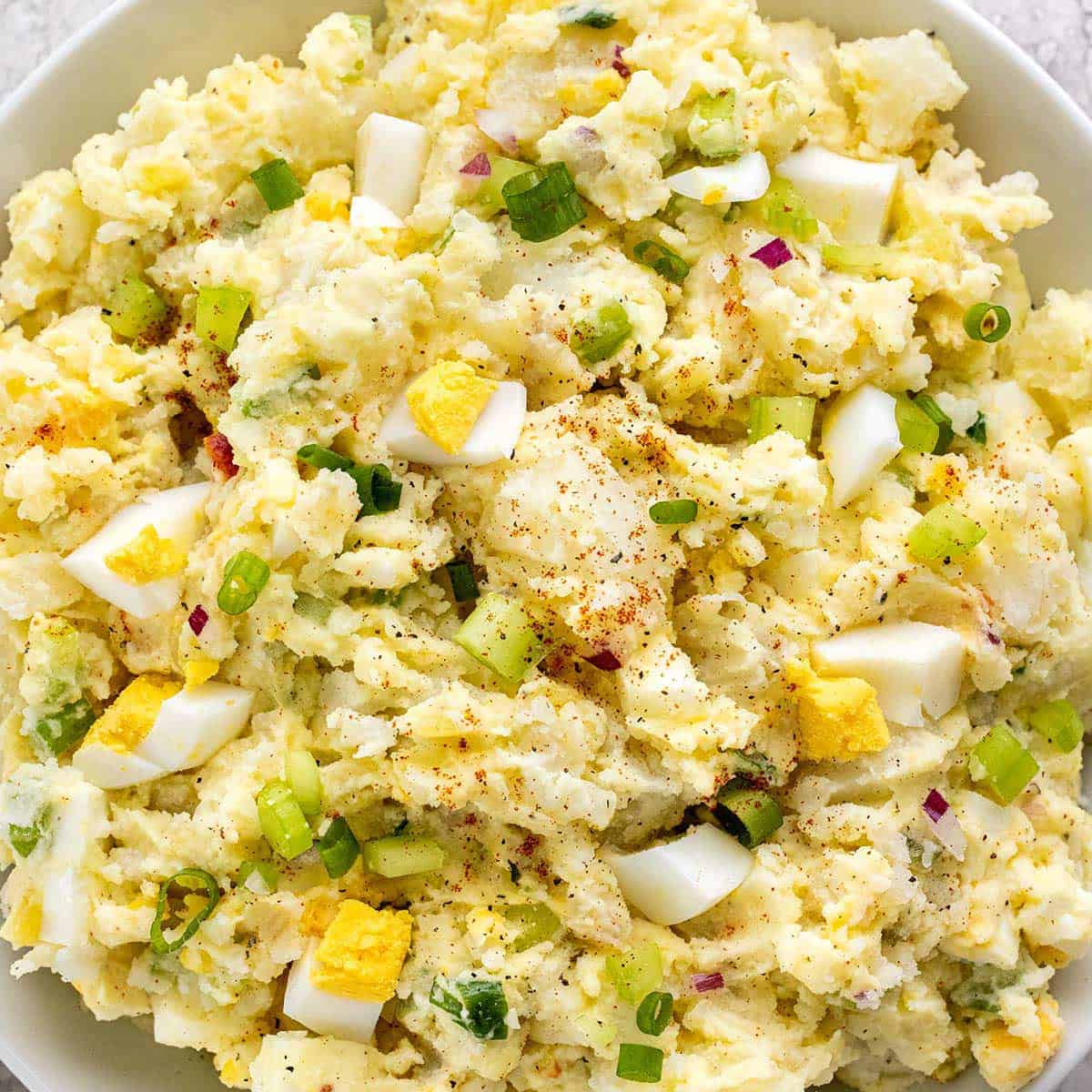
Potato Salad
Kartoffelsalat
Syllable: kar-TOF-el-sa-lat
Pronunciation: Kartoffelsalat
- Potato salad is creamy and delicious. – Kartoffelsalat er cremet og lækker.
- We served potato salad with dinner. – Vi serverede kartoffelsalat til aftensmad.
- My mother makes potato salad every weekend. – Min mor laver kartoffelsalat hver weekend.
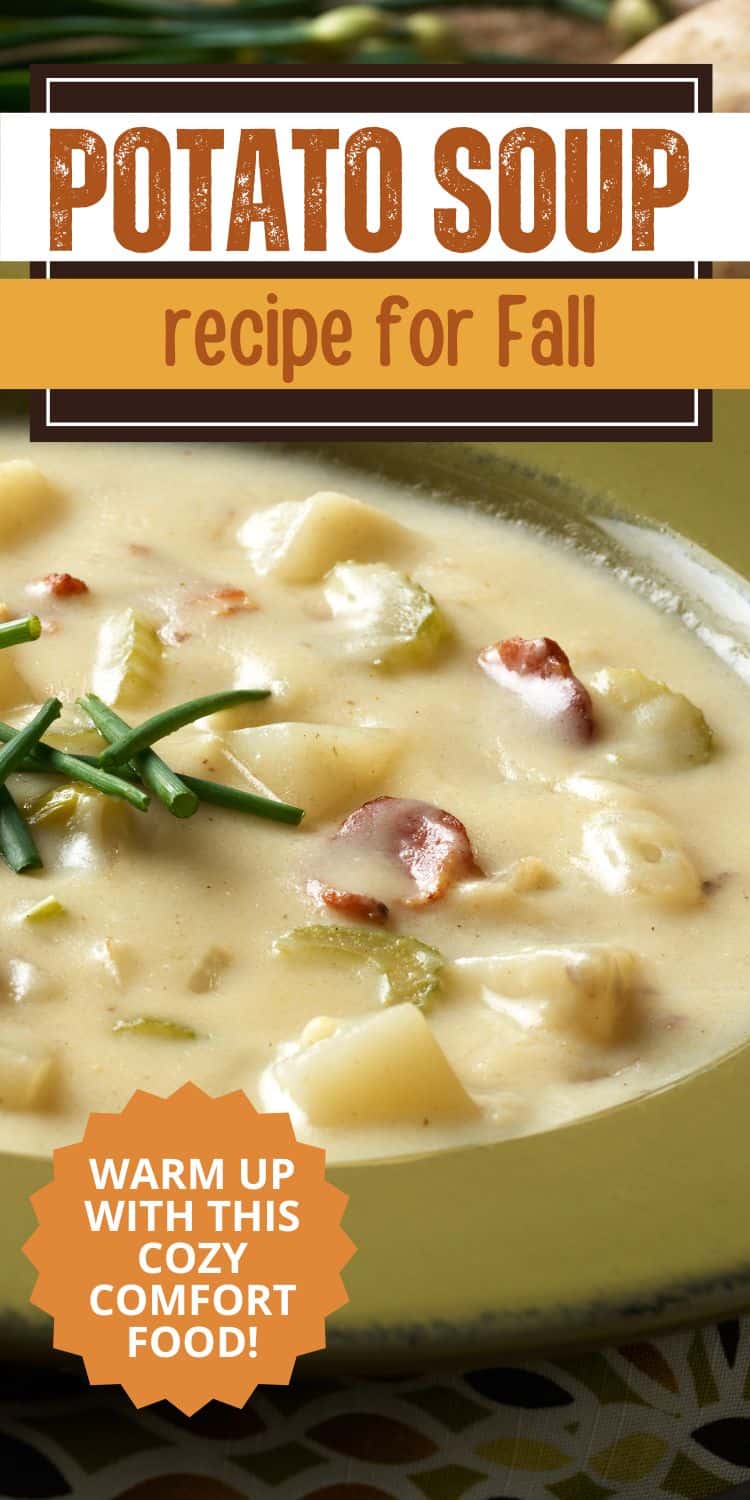
Potato Soup
Kartoffelsuppe
Syllable: kar-TOF-el-soo-buh
Pronunciation: Kartoffelsuppe
- Potato soup is warm and comforting. – Kartoffelsuppe er varm og fyldig.
- We had potato soup for lunch. – Vi fik kartoffelsuppe til frokost.
- My grandmother cooks potato soup in winter. – Min bedstemor laver kartoffelsuppe om vinteren.

Mashed Potatoes
Kartoffelmos
Syllable: kar-TOF-el-mohs
Pronunciation: Kartoffelmos
- Mashed potatoes are soft and creamy. – Kartoffelmos er blød og cremet.
- We served mashed potatoes with dinner. – Vi serverede kartoffelmos til aftensmad.
- My family enjoys mashed potatoes every week. – Min familie nyder kartoffelmos hver uge.
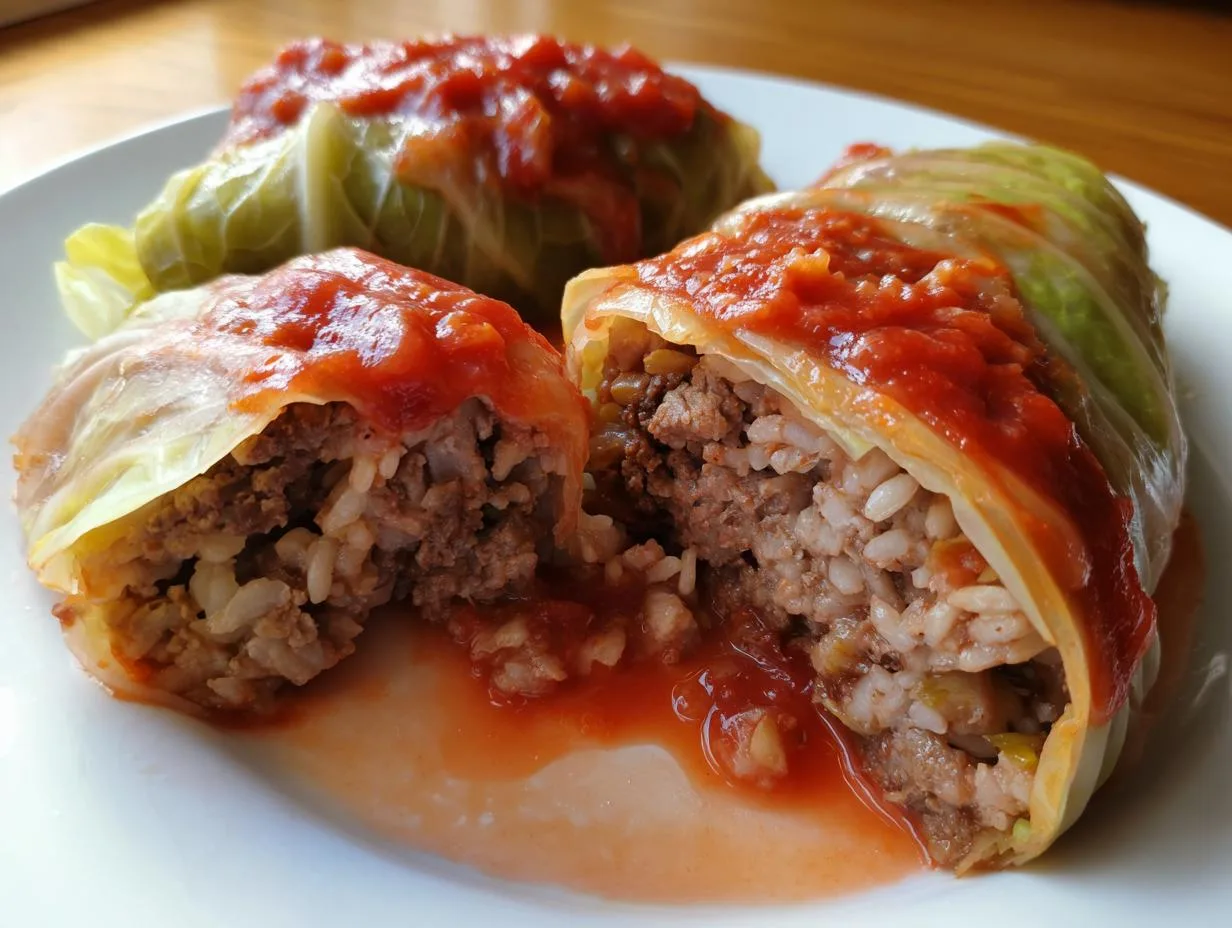
Cabbage Rolls (Beef version)
Kålroulader
Syllable: KAWL-roo-LAH-thuh
Pronunciation: Kålroulader
- Cabbage rolls are hearty and flavorful. – Kålroulader er fyldige og velsmagende.
- We served beef cabbage rolls for dinner. – Vi serverede kålroulader til aftensmad.
- My father enjoys homemade cabbage rolls. – Min far kan godt lide hjemmelavede kålroulader.

Cherry Porridge
Kirsebærgrød
Syllable: KEER-seh-bair-gruth
Pronunciation: Kirsebærgrød
- Cherry porridge is sweet and fruity. – Kirsebærgrød er sød og frugtig.
- We ate cherry porridge for breakfast. – Vi spiste kirsebærgrød til morgenmad.
- My children love cherry porridge. – Mine børn elsker kirsebærgrød.
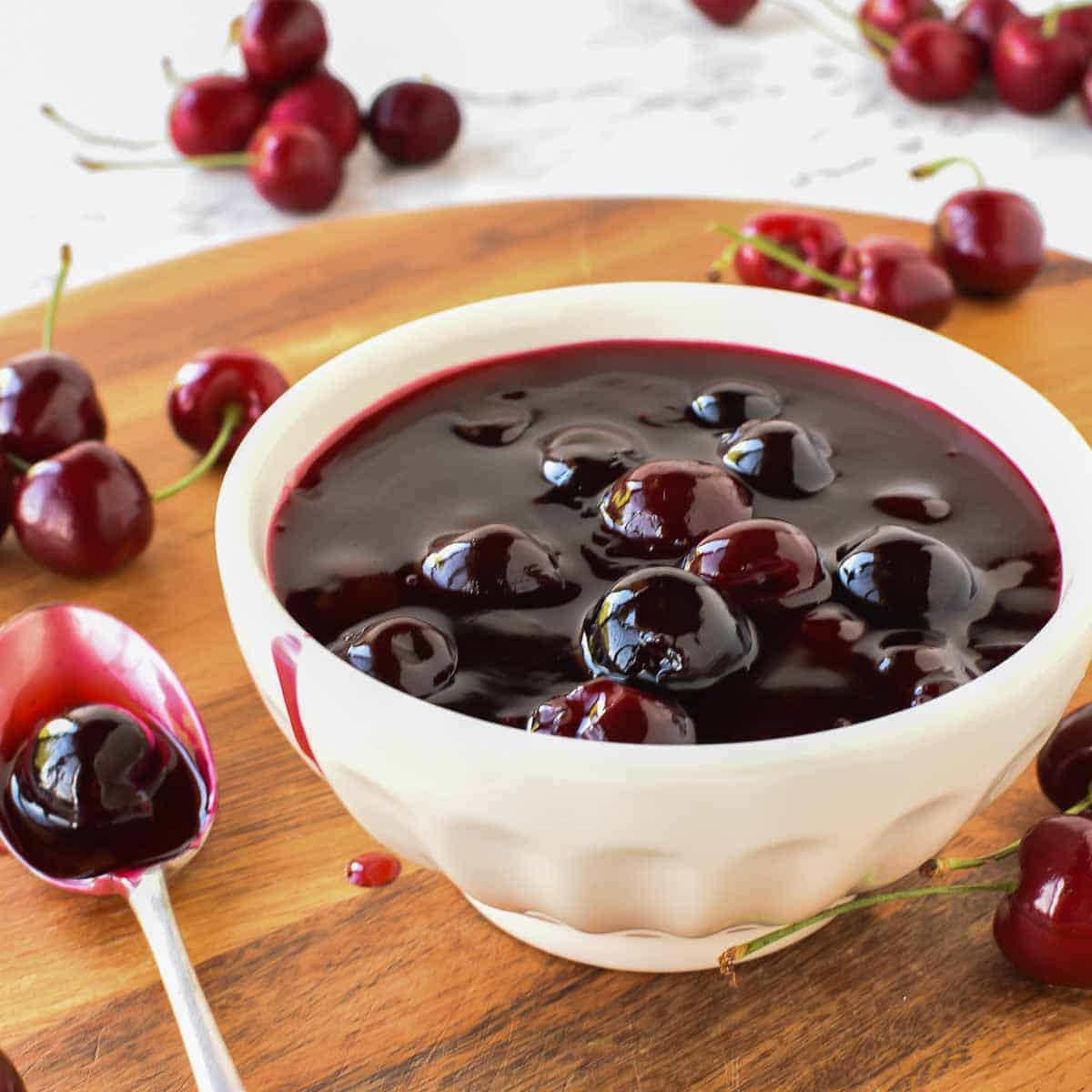
Cherry Sauce
Kirsebærsauce
Syllable: KEER-seh-bair-sow-suh
Pronunciation: Kirsebærsauce
- Cherry sauce is sweet and flavorful. – Kirsebærsauce er sød og velsmagende.
- We served cherry sauce with dessert. – Vi serverede kirsebærsauce til desserten.
- My mother makes homemade cherry sauce. – Min mor laver hjemmelavet kirsebærsauce.
Danish Cuisine Blends Simplicity With Celebration
One of the defining strengths of Danish cuisine is its ability to transform everyday ingredients into memorable dishes that suit both daily life and festive occasions.
Koldskål represents Denmark’s refreshing summer traditions, while Kammerjunkere provide the perfect companion to this classic dessert. Krebinetter highlight hearty Danish home cooking, and Kransekage reflects the country’s rich celebration and baking traditions.
Together, these specialties demonstrate how Danish cuisine blends Nordic simplicity, fresh ingredients, and centuries-old traditions into unforgettable meals and desserts.
Practice Activities
- Learn five Danish foods beginning with K.
- Practice pronouncing each food name aloud.
- Create flashcards with food pictures.
- Match foods with their main ingredients.
- Read authentic Danish recipes.
- Watch Danish cooking videos featuring traditional specialties.
- Organize foods into desserts, pastries, seafood, breads, and meat dishes.
- Research the history of Koldskål and Kransekage.
- Visit a Danish restaurant or bakery and identify foods beginning with K.
- Keep a notebook of Danish culinary terms.
- Try making Koldskål or Kammerjunkere at home.
- Review your favorite foods from every alphabet letter.
- Share your discoveries with family or friends.
- Test your knowledge using the worksheet.
Continue Your Danish Food Alphabet Journey!
The letter K introduces another memorable collection of authentic Danish foods. From refreshing Koldskål and crunchy Kammerjunkere to hearty Krebinetter and festive Kransekage, these specialties celebrate Denmark’s rich culinary heritage, seasonal ingredients, and timeless Nordic traditions.
Now we’d love to hear from you! Which Danish food beginning with K caught your attention the most, or is there another authentic K specialty we should include? Share your recommendation in the comments, tell us your favorite Danish dish, and pass this worksheet along to anyone who enjoys discovering delicious foods from around the world.