The letter G introduces a wonderful collection of authentic Danish foods, featuring hearty winter dishes, aged cheeses, traditional soups, and classic desserts. From comforting Grønlangkål and bold Gammel Ost to nourishing Gule Ærter and delicious Gammeldags Æblekage, these specialties showcase Denmark’s rich culinary heritage and timeless Nordic traditions.
Alongside favorites like Smørrebrød, Frikadeller, Rugbrød, and Flæskesteg, the foods beginning with G offer another exciting opportunity to explore authentic Danish cuisine.
This guide explores Danish foods that start with G, introducing traditional recipes, regional specialties, and classic dishes enjoyed throughout Denmark.
G Gives a Taste of Denmark’s Traditional Home Cooking
The letter G contains many authentic Danish food names that represent Denmark’s appreciation for seasonal vegetables, hearty soups, artisan dairy products, and comforting homemade desserts.
One of the best-known examples is Grønlangkål, a traditional Jutland dish made from finely chopped kale slowly cooked with butter, cream, and seasonings. It is commonly served with ham, sausages, or roast pork during the Christmas season and throughout the winter months.
Another iconic specialty is Gammel Ost, meaning “old cheese.” This strong, aged Danish cheese is known for its bold aroma and rich flavor. It is traditionally enjoyed on rye bread with raw onion, egg yolk, or pork fat, making it a favorite among cheese lovers.
Soup lovers may already know Gule Ærter, Denmark’s classic yellow pea soup. Prepared with split yellow peas, carrots, onions, herbs, and smoked pork or ham, this hearty soup has been a comforting winter meal for generations.
You’ll also encounter Gammeldags Æblekage, an old-fashioned Danish apple dessert made by layering stewed apples with toasted breadcrumbs, butter, sugar, and whipped cream. Despite its name, it is not actually a cake but one of Denmark’s most beloved traditional desserts.
Other authentic Danish foods beginning with G include Gravad Laks (cured salmon), Grønkålssalat (kale salad), Gærkringle (yeast pastry), Grydestegt Kylling (pot-roasted chicken), Grønærtesuppe (green pea soup), Gulerodskage (carrot cake), Grahamsboller (whole wheat rolls), and Grønlangkål med Flæsk (kale with pork).
These foods show that the letter G offers an excellent introduction to authentic Danish cuisine.
Benefits of Learning Danish Foods Beginning With G
- Complete your Danish food vocabulary from A to Z.
- Discover authentic regional Danish specialties.
- Learn about traditional Nordic cooking.
- Explore soups, vegetables, cheeses, seafood, and desserts.
- Recognize iconic foods served across Denmark.
- Improve confidence when reading Danish restaurant menus.
- Strengthen memory through alphabetical learning.
- Prepare for travel by identifying local specialties.
- Support classroom and worksheet activities.
- Learn about Denmark’s rich culinary heritage.
- Find inspiration for cooking authentic Danish recipes at home.
- Experience both sweet and savory Danish foods.
- Develop a deeper appreciation for Danish cuisine.
Danish Foods That Start With G
The list below features Danish foods beginning with the letter G, including soups, vegetable dishes, cheeses, seafood, desserts, and regional favorites enjoyed throughout Denmark.
The letter G represents a delicious variety of Danish culinary traditions. You’ll find kale, apples, yellow peas, smoked pork, salmon, butter, cream, onions, rye bread, and fresh seasonal ingredients appearing throughout the collection.
Many of these dishes have been enjoyed for generations and remain closely connected to Denmark’s family traditions, holiday celebrations, countryside cooking, and everyday meals. Their enduring popularity reflects the country’s appreciation for wholesome ingredients and time-honored recipes.
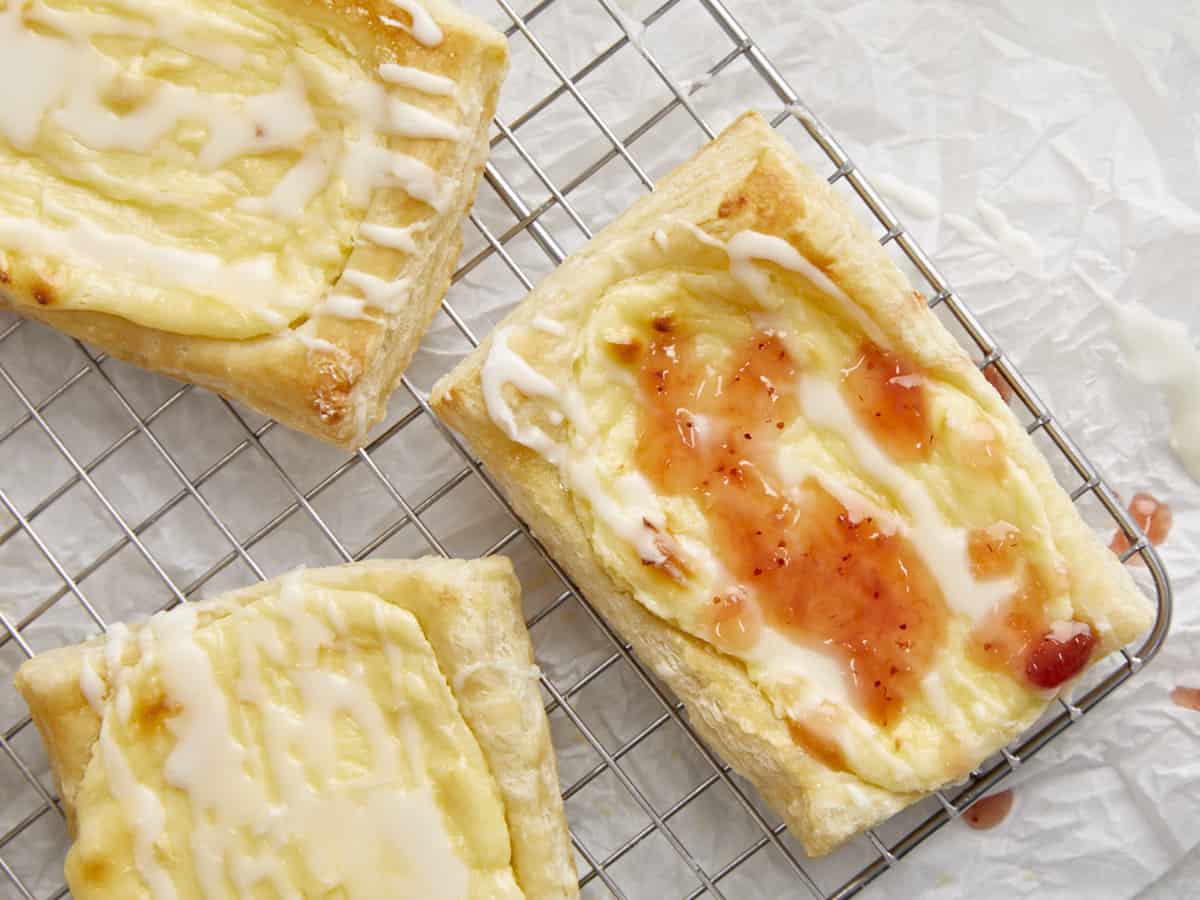
Aged Danish Sour Milk Cheese
Gammelost
Syllable: GAM-el-ost
Pronunciation: Gammelost
- Aged Danish sour milk cheese has a strong flavor. – Gammelost har en kraftig smag.
- We served gammelost with rye bread. – Vi serverede gammelost med rugbrød.
- My grandfather enjoys gammelost for lunch. – Min bedstefar kan godt lide gammelost til frokost.

Carrot Cake
Gulerodskage
Syllable: GOO-leh-roth-skay
Pronunciation: Gulerodskage
- Carrot cake is moist and delicious. – Gulerodskage er saftig og lækker.
- We enjoyed carrot cake after dinner. – Vi nød gulerodskage efter aftensmaden.
- My mother baked a fresh carrot cake. – Min mor bagte en frisk gulerodskage.

Carrot Soup
Gulerodssuppe
Syllable: GOO-leh-roth-soo-buh
Pronunciation: Gulerodssuppe
- Carrot soup is warm and creamy. – Gulerodssuppe er varm og cremet.
- We had carrot soup for lunch. – Vi fik gulerodssuppe til frokost.
- My grandmother makes carrot soup every autumn. – Min bedstemor laver gulerodssuppe hvert efterår.

Carrot Salad
Gulerodssalat
Syllable: GOO-leh-roth-sa-lat
Pronunciation: Gulerodssalat
- Carrot salad is fresh and healthy. – Gulerodssalat er frisk og sund.
- We served carrot salad with dinner. – Vi serverede gulerodssalat til aftensmad.
- My sister prepares carrot salad every week. – Min søster laver gulerodssalat hver uge.

Creamed Kale
Grønlangkål
Syllable: GRUHN-lang-kohl
Pronunciation: Grønlangkål
- Creamed kale is rich and flavorful. – Grønlangkål er cremet og velsmagende.
- We served creamed kale with dinner. – Vi serverede grønlangkål til aftensmad.
- My family enjoys grønlangkål during winter. – Min familie nyder grønlangkål om vinteren.

Kale Soup
Grønkålssuppe
Syllable: GRUHN-kohl-soo-buh
Pronunciation: Grønkålssuppe
- Kale soup is warm and nutritious. – Grønkålssuppe er varm og nærende.
- We ate kale soup for lunch. – Vi spiste grønkålssuppe til frokost.
- My mother cooks kale soup in winter. – Min mor laver grønkålssuppe om vinteren.
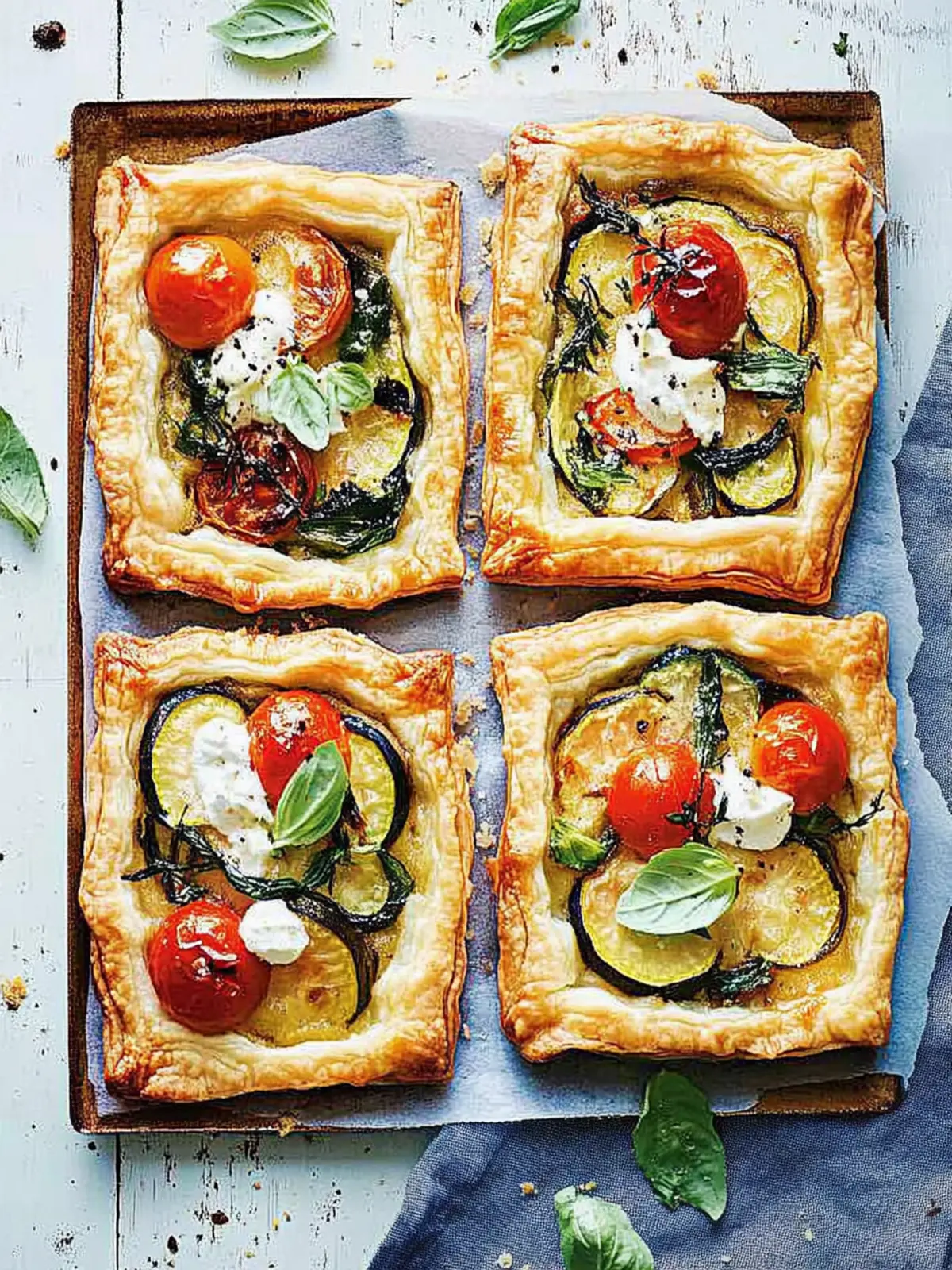
Vegetable Tart
Grøntsagstærte
Syllable: GRUHN-sags-tair-tuh
Pronunciation: Grøntsagstærte
- Vegetable tart is colorful and tasty. – Grøntsagstærte er farverig og lækker.
- We served vegetable tart for lunch. – Vi serverede grøntsagstærte til frokost.
- My sister baked a vegetable tart yesterday. – Min søster bagte en grøntsagstærte i går.
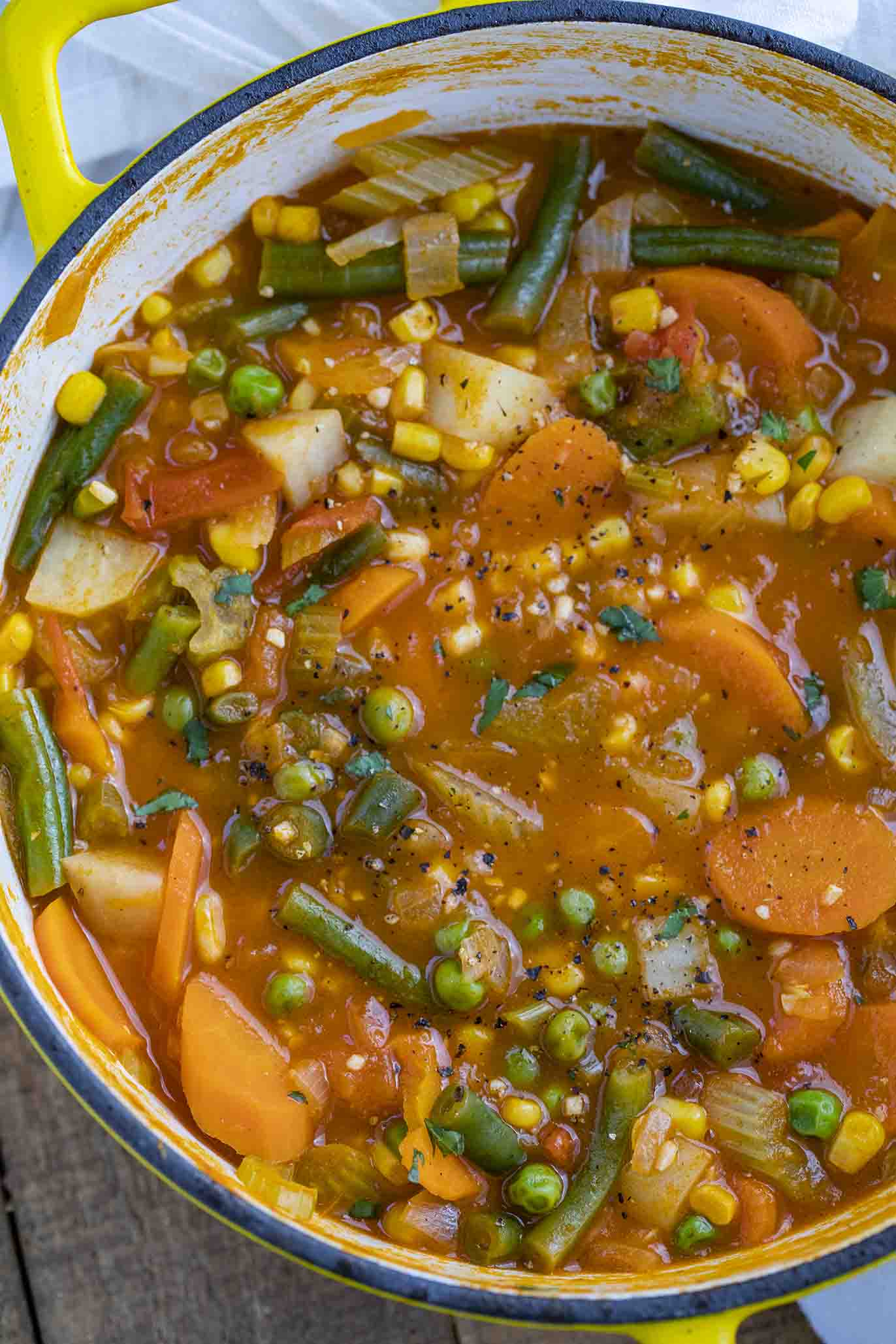
Vegetable Soup
Grøntsagssuppe
Syllable: GRUHN-sags-soo-buh
Pronunciation: Grøntsagssuppe
- Vegetable soup is healthy and comforting. – Grøntsagssuppe er sund og fyldig.
- We enjoyed vegetable soup for dinner. – Vi nød grøntsagssuppe til aftensmad.
- My grandmother makes vegetable soup every week. – Min bedstemor laver grøntsagssuppe hver uge.
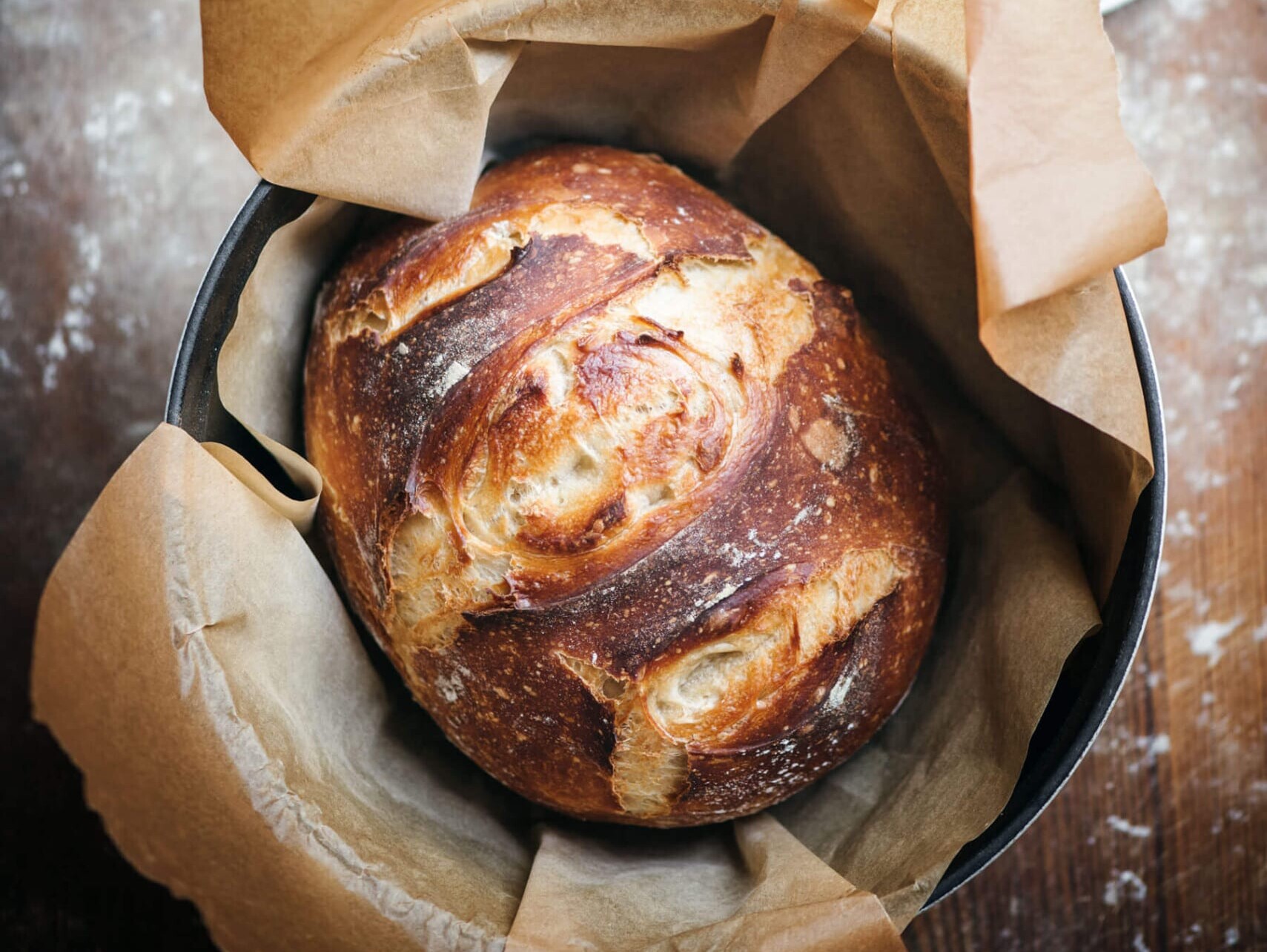
Dutch Oven Bread
Grydebrød
Syllable: GRY-theh-broth
Pronunciation: Grydebrød
- Dutch oven bread has a crispy crust. – Grydebrød har en sprød skorpe.
- We baked Dutch oven bread at home. – Vi bagte grydebrød derhjemme.
- My family enjoys fresh grydebrød every weekend. – Min familie nyder frisk grydebrød hver weekend.

Whole Grain Bread Roll
Grovbolle
Syllable: GROV-bol-uh
Pronunciation: Grovbolle
- Whole grain bread rolls are healthy and filling. – Grovboller er sunde og mættende.
- We ate whole grain bread rolls for breakfast. – Vi spiste grovboller til morgenmad.
- My father buys fresh grovboller every week. – Min far køber friske grovboller hver uge.
Danish Cuisine Celebrates Seasonal Ingredients and Simplicity
One of the defining strengths of Danish cuisine is its ability to transform simple local ingredients into comforting meals through traditional Nordic cooking techniques.
Grønlangkål showcases Denmark’s winter vegetable traditions, while Gammel Ost reflects the country’s rich dairy heritage. Gule Ærter highlights hearty family meals enjoyed during colder months, and Gammeldags Æblekage demonstrates Denmark’s love for simple yet satisfying desserts.
Together, these specialties illustrate how Danish cuisine blends seasonal ingredients, practical cooking methods, and centuries-old traditions into unforgettable dishes.
Practice Activities
- Learn five Danish foods beginning with G.
- Practice pronouncing each food name aloud.
- Create flashcards with food pictures.
- Match foods with their main ingredients.
- Read authentic Danish recipes.
- Watch Danish cooking videos featuring traditional specialties.
- Organize foods into soups, vegetable dishes, cheeses, seafood, and desserts.
- Research the history of Grønlangkål and Gule Ærter.
- Visit a Danish restaurant and identify foods beginning with G.
- Keep a notebook of Danish culinary terms.
- Try making Gammeldags Æblekage or Grønlangkål at home.
- Review your favorite foods from every alphabet letter.
- Share your discoveries with family or friends.
- Test your knowledge using the worksheet.
Continue Your Danish Food Alphabet Journey!
The letter G introduces another memorable collection of authentic Danish foods. From hearty Grønlangkål and bold Gammel Ost to comforting Gule Ærter and delicious Gammeldags Æblekage, these dishes celebrate Denmark’s rich culinary heritage, seasonal ingredients, and timeless Nordic traditions.
Now we’d love to hear from you! Which Danish food beginning with G caught your attention the most, or is there another authentic G specialty we should include? Share your recommendation in the comments, tell us your favorite Danish dish, and pass this worksheet along to anyone who enjoys discovering delicious foods from around the world.