The letter F introduces one of the richest collections of authentic Danish foods, featuring famous meatballs, crispy roast pork, chocolate-covered treats, and traditional seafood dishes. From iconic Frikadeller and crispy Flæskesteg to sweet Flødeboller and flavorful Fiskefrikadeller, these specialties showcase Denmark’s rich culinary heritage and timeless Nordic traditions.
Alongside favorites like Smørrebrød, Rugbrød, Leverpostej, and Æbleskiver, the foods beginning with F offer another exciting opportunity to explore authentic Danish cuisine.
This guide explores Danish foods that start with F, introducing traditional recipes, regional specialties, and classic dishes enjoyed throughout Denmark.
F Features Denmark’s Most Famous Traditional Foods
The letter F contains many authentic Danish food names that represent Denmark’s love for hearty meats, fresh seafood, artisan baking, and comforting family meals.
One of the best-known examples is Frikadeller, Denmark’s famous pan-fried pork meatballs. Made with ground pork, onions, eggs, milk, flour or breadcrumbs, and simple seasonings, Frikadeller are served with boiled potatoes, brown gravy, and red cabbage or enjoyed cold on Smørrebrød.
Another iconic specialty is Flæskesteg, traditional Danish roast pork with crispy crackling. Seasoned simply with salt and bay leaves before slow roasting, it is the centerpiece of many Christmas dinners and is commonly served with caramelized potatoes, red cabbage, and rich gravy.
Dessert lovers may already know Flødeboller, one of Denmark’s most beloved sweet treats. These confections feature a light marshmallow filling placed on a wafer or marzipan base and coated in dark or milk chocolate. Flødeboller are popular year-round and come in many artisan varieties.
Seafood enthusiasts will also recognize Fiskefrikadeller, Danish fish cakes prepared with cod, pollock, or other white fish mixed with onions, eggs, flour, milk, and herbs before being pan-fried until golden. They are commonly served with remoulade, rye bread, potatoes, or fresh salad.
Other authentic Danish foods beginning with F include Forloren Hare (mock hare meatloaf), Flæsk med Persillesovs (pork with parsley sauce), Fynsk Rygeost (smoked cheese from Funen), Flødekartofler (creamy scalloped potatoes), Fastelavnsboller (cream-filled carnival buns), Frugtgrød (fruit porridge), Flæskeæggekage (bacon omelet), and Fiskesuppe (fish soup).
These foods show that the letter F offers an outstanding introduction to authentic Danish cuisine.
Benefits of Learning Danish Foods Beginning With F
- Complete your Danish food vocabulary from A to Z.
- Discover authentic regional Danish specialties.
- Learn about traditional Nordic cooking.
- Explore meat dishes, seafood, desserts, cheeses, and baked goods.
- Recognize iconic foods served across Denmark.
- Improve confidence when reading Danish restaurant menus.
- Strengthen memory through alphabetical learning.
- Prepare for travel by identifying local specialties.
- Support classroom and worksheet activities.
- Learn about Denmark’s rich culinary heritage.
- Find inspiration for cooking authentic Danish recipes at home.
- Experience both sweet and savory Danish foods.
- Develop a deeper appreciation for Danish cuisine.
Danish Foods That Start With F
The list below features Danish foods beginning with the letter F, including meat dishes, seafood specialties, desserts, cheeses, and regional favorites enjoyed throughout Denmark.
The letter F represents one of the most diverse collections of Danish culinary traditions. You’ll find pork, fish, potatoes, cream, chocolate, cabbage, onions, herbs, dairy products, and seasonal ingredients appearing throughout the collection.
Many of these dishes have been enjoyed for generations and remain staples in Danish homes, restaurants, bakeries, and festive celebrations. Their enduring popularity reflects Denmark’s appreciation for high-quality local ingredients, simple recipes, and comforting meals.
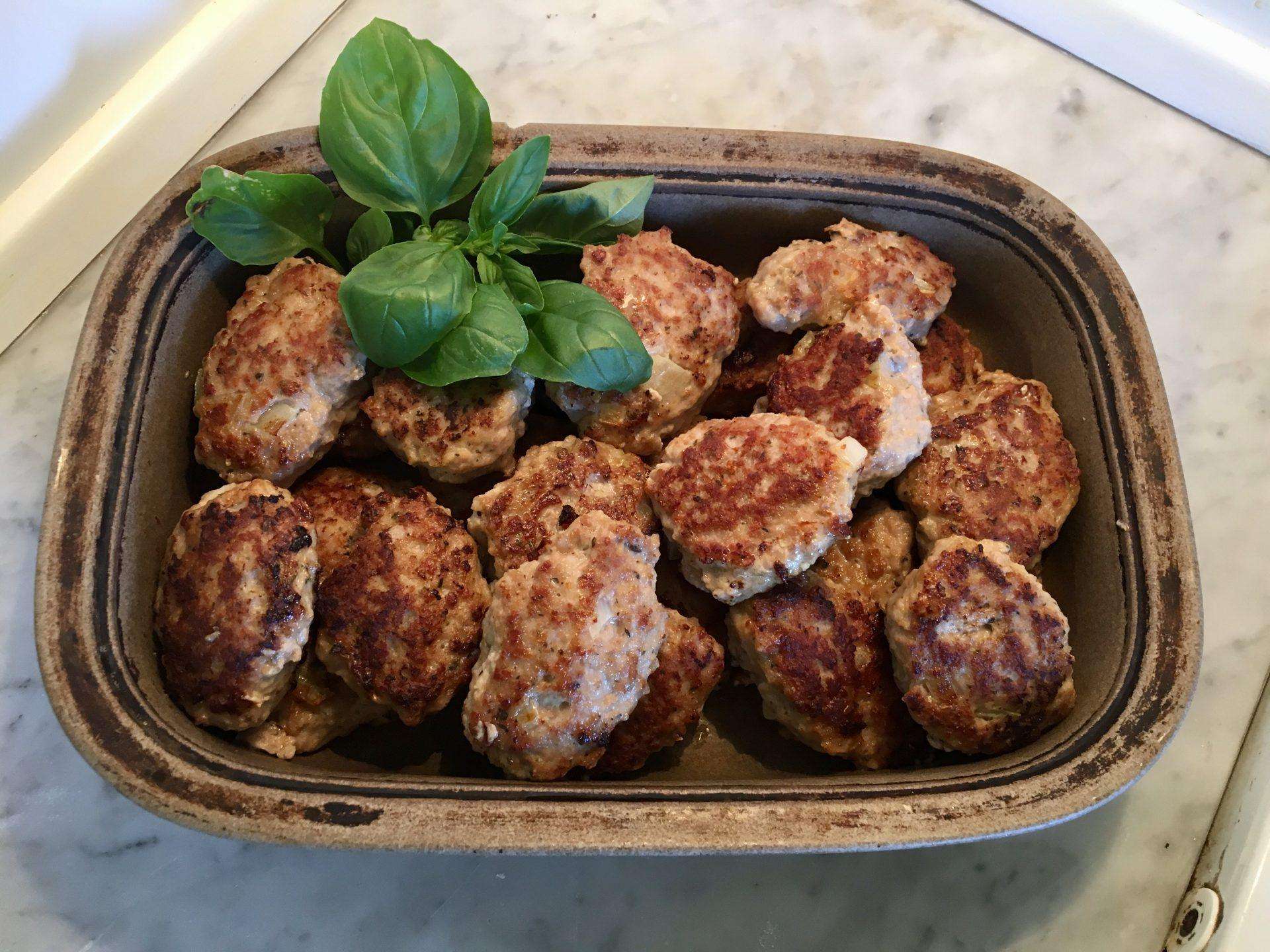
Danish Meatballs
Frikadeller
Syllable: free-ka-DEL-er
Pronunciation: Frikadeller
- Danish meatballs are juicy and flavorful. – Frikadeller er saftige og velsmagende.
- We served frikadeller for dinner. – Vi serverede frikadeller til aftensmad.
- My grandmother makes delicious frikadeller. – Min bedstemor laver lækre frikadeller.

Creamed Potatoes
Flødekartofler
Syllable: FLUH-theh-kar-TOF-ler
Pronunciation: Flødekartofler
- Creamed potatoes are rich and creamy. – Flødekartofler er cremede og lækre.
- We ate creamed potatoes with dinner. – Vi spiste flødekartofler til aftensmad.
- My family enjoys flødekartofler on weekends. – Min familie nyder flødekartofler i weekenden.
:max_bytes(150000):strip_icc()/8462462-proper-british-fish-cakes-VAT-hero-2x1-c459be2dc72f4ab887dafc0562fe3381.jpg)
Fish Cakes
Fiskefrikadeller
Syllable: FIS-keh-free-ka-DEL-er
Pronunciation: Fiskefrikadeller
- Fish cakes are crispy outside and soft inside. – Fiskefrikadeller er sprøde udenpå og bløde indeni.
- We cooked fish cakes for lunch. – Vi lavede fiskefrikadeller til frokost.
- My father likes homemade fish cakes. – Min far kan godt lide hjemmelavede fiskefrikadeller.
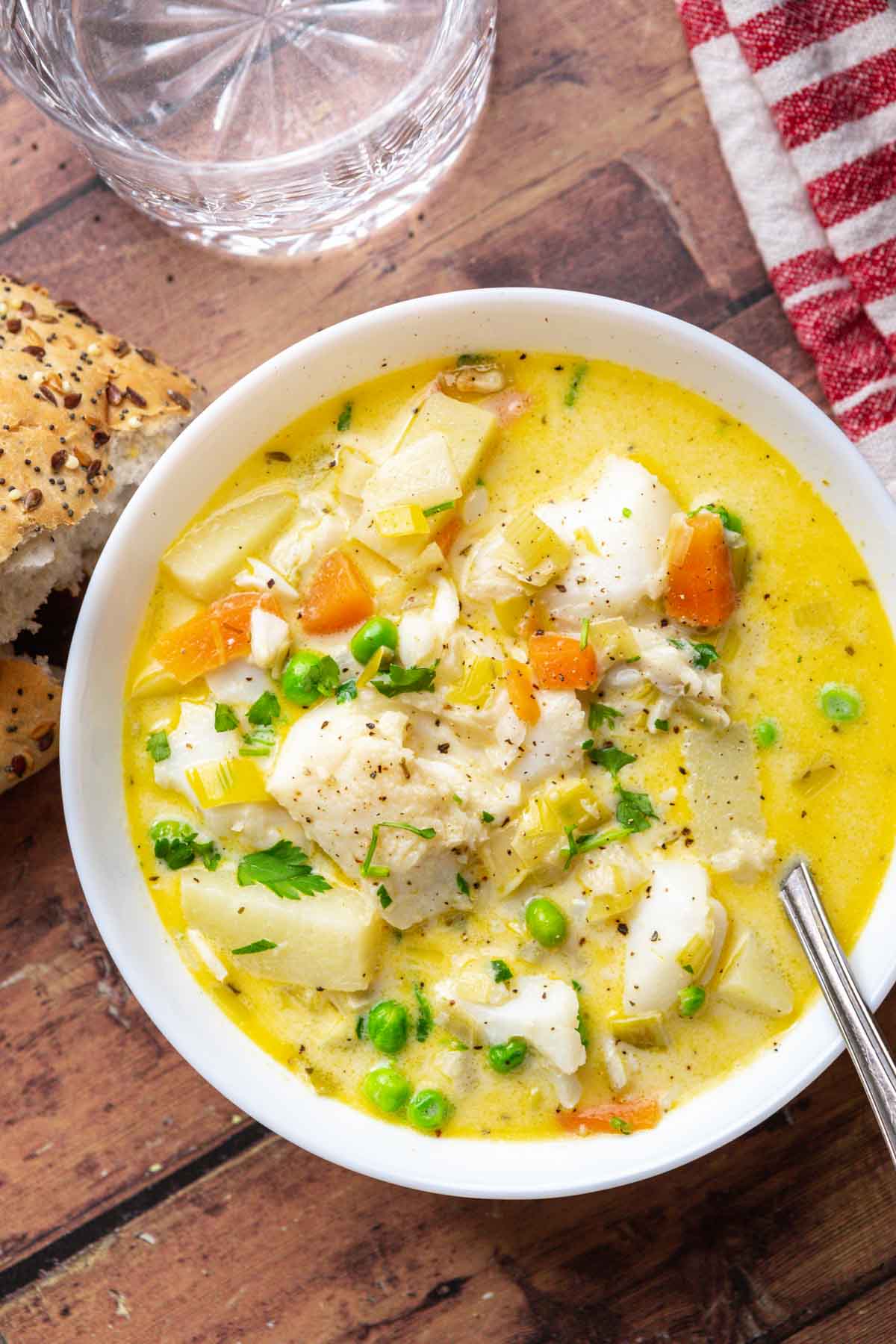
Fish Soup
Fiskesuppe
Syllable: FIS-keh-soo-buh
Pronunciation: Fiskesuppe
- Fish soup is warm and comforting. – Fiskesuppe er varm og fyldig.
- We had fish soup for lunch. – Vi fik fiskesuppe til frokost.
- My mother makes fish soup every winter. – Min mor laver fiskesuppe hver vinter.
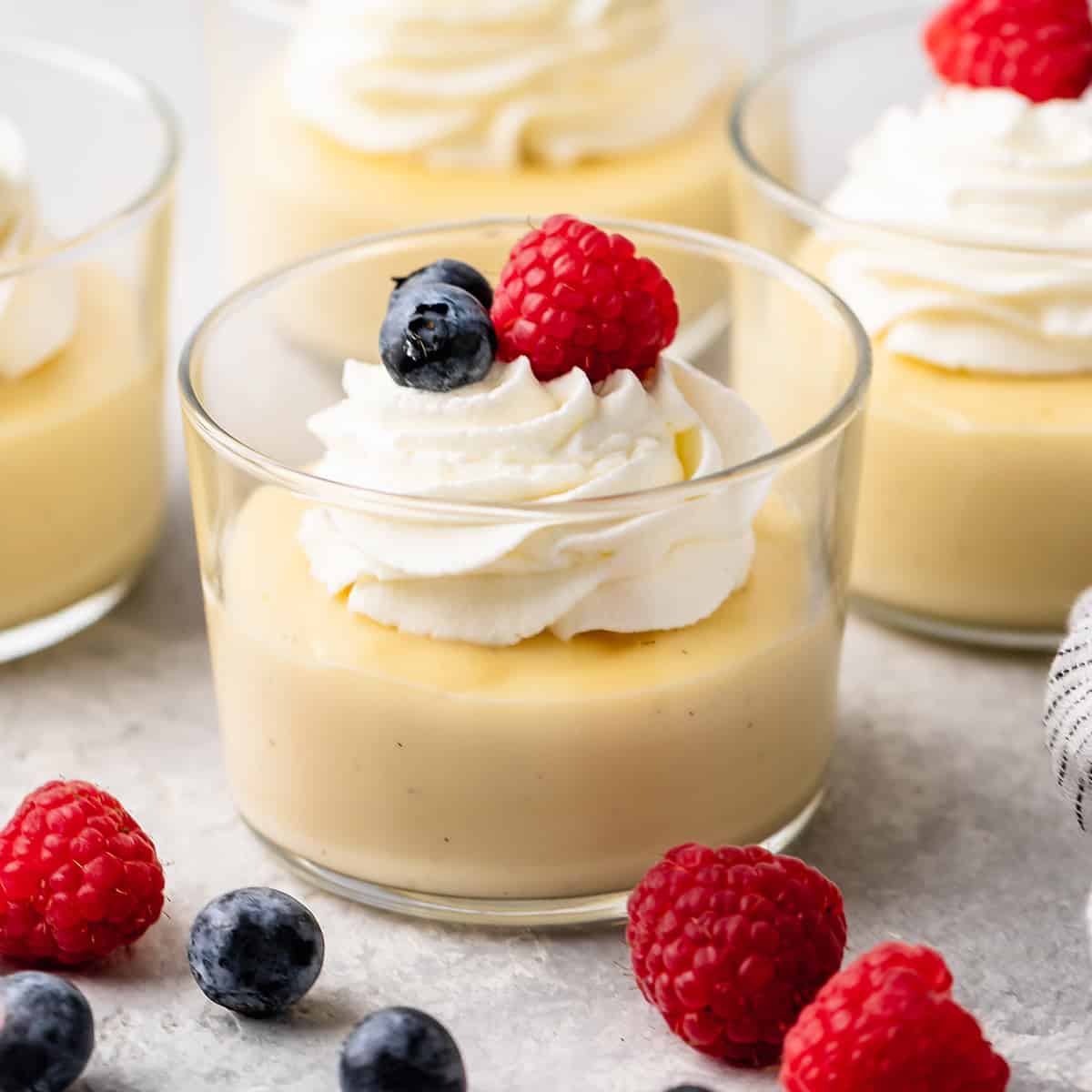
Cream Pudding
Fløderand
Syllable: FLUH-theh-rand
Pronunciation: Fløderand
- Cream pudding is smooth and creamy. – Fløderand er blød og cremet.
- We enjoyed cream pudding for dessert. – Vi nød fløderand til dessert.
- My children love cream pudding. – Mine børn elsker fløderand.

Fruit Salad
Frugtsalat
Syllable: FROOKT-sa-lat
Pronunciation: Frugtsalat
- Fruit salad is colorful and refreshing. – Frugtsalat er farverig og frisk.
- We served fruit salad after lunch. – Vi serverede frugtsalat efter frokost.
- My sister makes fresh fruit salad. – Min søster laver frisk frugtsalat.
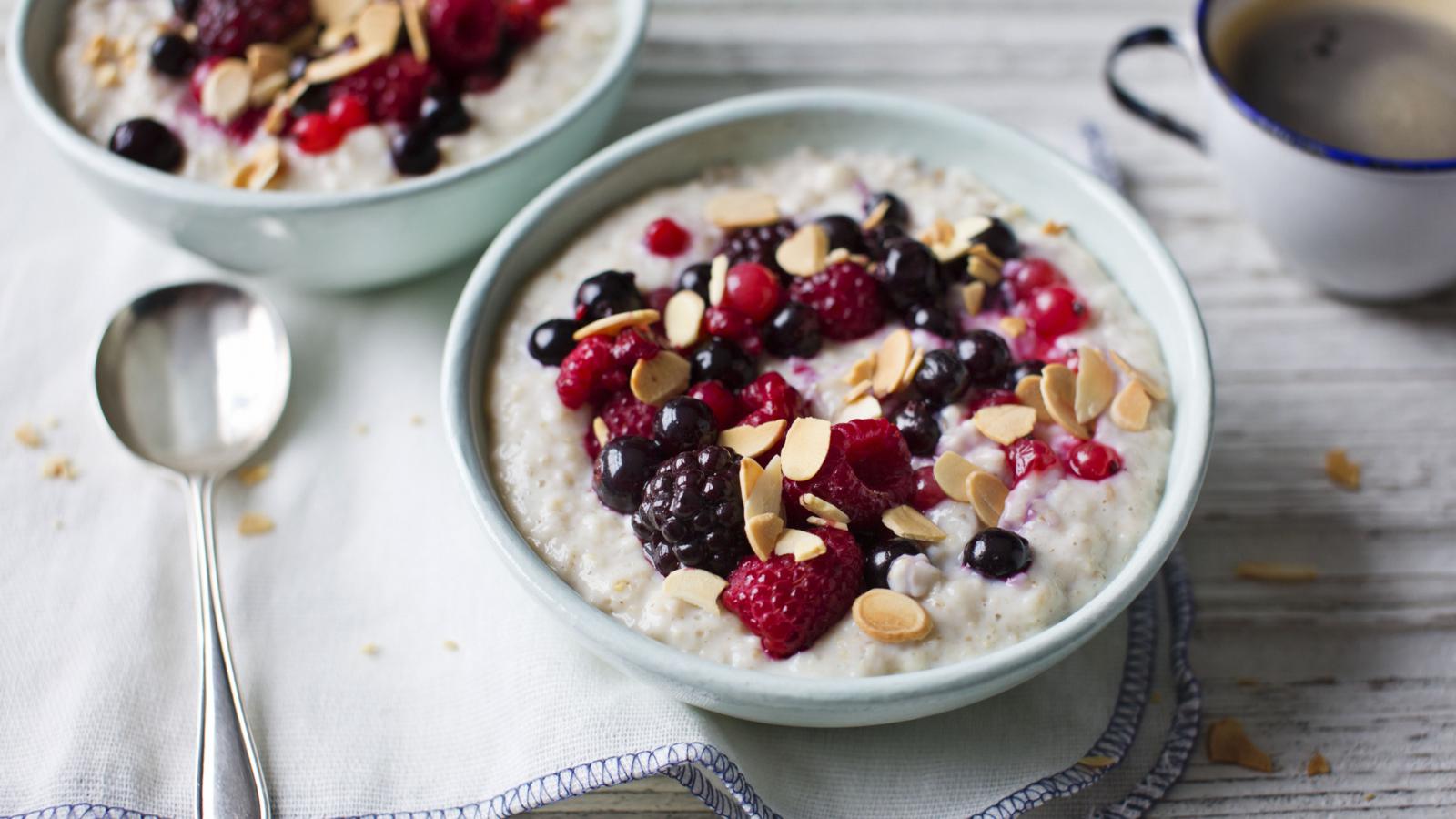
Fruit Porridge
Frugtgrød
Syllable: FROOKT-gruth
Pronunciation: Frugtgrød
- Fruit porridge is sweet and healthy. – Frugtgrød er sød og sund.
- We ate fruit porridge for breakfast. – Vi spiste frugtgrød til morgenmad.
- My grandmother prepares fruit porridge often. – Min bedstemor laver frugtgrød ofte.

Danish White Bread
Franskbrød
Syllable: FRANSK-broth
Pronunciation: Franskbrød
- Danish white bread is soft and fresh. – Franskbrød er blødt og frisk.
- We sliced white bread for breakfast. – Vi skar franskbrød til morgenmad.
- My family buys fresh franskbrød every week. – Min familie køber frisk franskbrød hver uge.
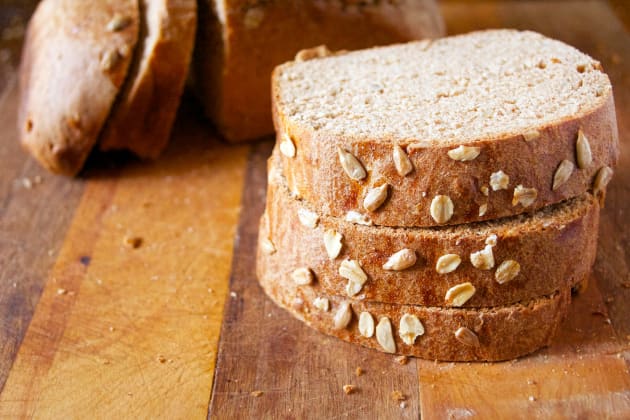
Whole Grain Bread
Fuldkornsbrød
Syllable: FOOL-korns-broth
Pronunciation: Fuldkornsbrød
- Whole grain bread is healthy and filling. – Fuldkornsbrød er sundt og mættende.
- We eat whole grain bread every morning. – Vi spiser fuldkornsbrød hver morgen.
- My father prefers whole grain bread. – Min far foretrækker fuldkornsbrød.

Seed Twist Pastry
Frøsnapper
Syllable: FRUH-snap-er
Pronunciation: Frøsnapper
- Seed twist pastry is flaky and delicious. – Frøsnapper er sprød og lækker.
- We enjoyed seed twist pastries with coffee. – Vi nød frøsnappere til kaffen.
- My grandmother bakes frøsnappere on weekends. – Min bedstemor bager frøsnappere i weekenden.
Danish Cuisine Combines Simplicity With Lasting Tradition
One of the defining strengths of Danish cuisine is its ability to transform fresh local ingredients into memorable dishes through practical cooking methods and generations of family traditions.
Frikadeller represent Denmark’s everyday comfort food, while Flæskesteg showcases the country’s festive holiday traditions. Flødeboller highlight Denmark’s love of handcrafted sweets, and Fiskefrikadeller reflect the nation’s strong connection to the sea.
Together, these specialties demonstrate how Danish cuisine blends Nordic simplicity, fresh ingredients, and centuries-old traditions into unforgettable meals.
Practice Activities
- Learn five Danish foods beginning with F.
- Practice pronouncing each food name aloud.
- Create flashcards with food pictures.
- Match foods with their main ingredients.
- Read authentic Danish recipes.
- Watch Danish cooking videos featuring traditional specialties.
- Organize foods into meat dishes, seafood, desserts, cheeses, and baked goods.
- Research the history of Frikadeller and Flæskesteg.
- Visit a Danish restaurant and identify foods beginning with F.
- Keep a notebook of Danish culinary terms.
- Try making Frikadeller or Flødeboller at home.
- Review your favorite foods from every alphabet letter.
- Share your discoveries with family or friends.
- Test your knowledge using the worksheet.
Continue Your Danish Food Alphabet Journey!
The letter F introduces one of the most memorable collections of authentic Danish foods. From classic Frikadeller and crispy Flæskesteg to delicious Flødeboller and flavorful Fiskefrikadeller, these specialties celebrate Denmark’s rich culinary heritage, seasonal ingredients, and timeless Nordic traditions.
Now we’d love to hear from you! Which Danish food beginning with F caught your attention the most, or is there another authentic F specialty we should include? Share your recommendation in the comments, tell us your favorite Danish dish, and pass this worksheet along to anyone who enjoys discovering delicious foods from around the world.