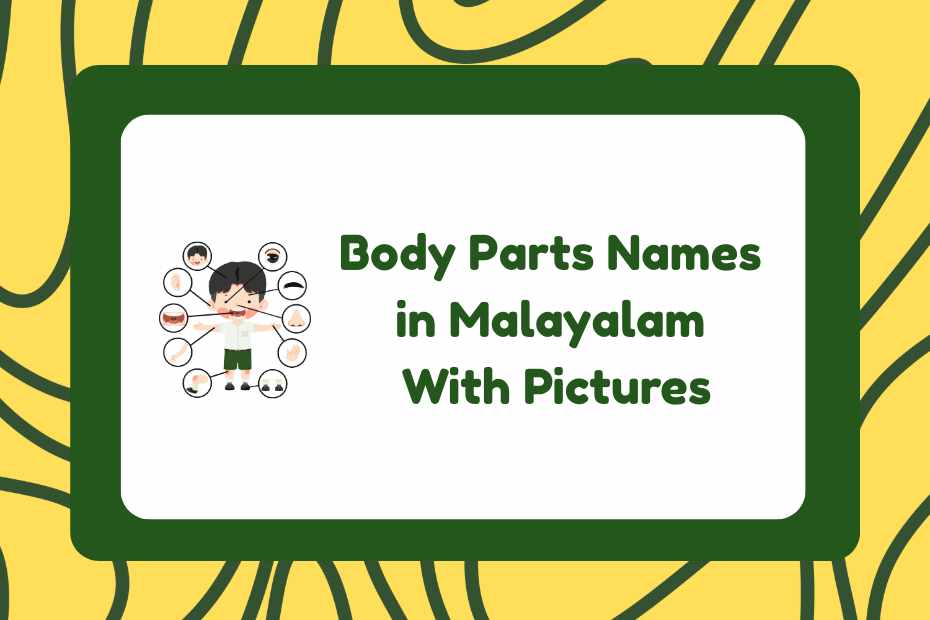
Every activity we perform during the day involves different parts of the body. We use our eyes to read, our ears to listen, our hands to write, and our legs to walk from one place to another. Because these words are connected to actions we perform naturally, body part names are often among the first vocabulary topics learners understand easily.
In schools and homes across Kerala, children are commonly introduced to body parts through songs, classroom activities, charts, and picture books. Since learners can instantly identify the body parts being discussed, the connection between the word and its meaning becomes clear and memorable.
This worksheet introduces common body part names in Malayalam, helping learners build a strong foundation of everyday vocabulary that can be used in conversations, classroom learning, and daily communication.
Why Learning Body Parts Names in Malayalam Matters
Body part names appear in everyday conversations, classroom instructions, health discussions, sports activities, and educational materials. Learning these words in Malayalam helps learners understand and respond to common situations more effectively.
For young learners, body parts offer a simple way to learn vocabulary because the objects are always available for reference. A child can point to their nose, hand, or shoulder while saying the Malayalam word, creating a direct and meaningful learning experience.
These words are also important for communication. Whether describing an injury, following instructions, participating in games, or learning about health and hygiene, body part vocabulary plays a practical role in daily life.
Benefits of Learning Malayalam Body Parts Names
- Builds a strong foundation of everyday vocabulary.
- Helps learners understand basic instructions.
- Supports reading and speaking activities.
- Improves pronunciation and word recognition.
- Makes classroom learning easier.
- Helps children connect words with real objects.
- Expands health-related vocabulary.
- Supports worksheets and educational activities.
- Encourages active participation in lessons.
- Creates opportunities for daily language practice.
- Makes communication more effective.
- Strengthens memory through direct association.
Another advantage is that learners can practice these words anytime without needing special materials or resources.
Lets Understand the Human Body Through Malayalam Vocabulary
From the head at the top of the body to the feet that help us move, every body part has a specific name and function. The list below includes commonly known body parts along with their Malayalam names, making it easier for learners to connect familiar concepts with useful vocabulary.
:watermark(/images/watermark_5000_10percent.png,0,0,0):watermark(/images/logo_url.png,-10,-10,0):format(jpeg)/images/overview_image/2965/RGS4A0cAP5dMqqvXFQoJVg_regions-of-the-head-and-face_en.jpg)
Head
തല
Syllable: ത-ല
Pronunciation: Thala
- The head protects the brain. – തല തലച്ചോറിനെ സംരക്ഷിക്കുന്നു.
- He nodded his head. – അവൻ തല കുലുക്കി.
- My head hurts today. – എന്റെ തല ഇന്ന് വേദനിക്കുന്നു.

Hair
മുടി
Syllable: മു-ടി
Pronunciation: Mudi
- Her hair is long. – അവളുടെ മുടി നീളമുള്ളതാണ്.
- I comb my hair every day. – ഞാൻ എല്ലാ ദിവസവും മുടി ചീകുന്നു.
- His hair is black. – അവന്റെ മുടി കറുപ്പാണ്.

Forehead
നെറ്റി
Syllable: നെ-റ്റി
Pronunciation: Netti
- She touched her forehead. – അവൾ തന്റെ നെറ്റിയിൽ സ്പർശിച്ചു.
- His forehead is warm. – അവന്റെ നെറ്റി ചൂടാണ്.
- The child kissed his mother\’s forehead. – കുഞ്ഞ് അമ്മയുടെ നെറ്റിയിൽ ചുംബിച്ചു.

Eye
കണ്ണ്
Syllable: ക-ണ്ണ്
Pronunciation: Kannu
- The eye helps us see. – കണ്ണ് നമ്മെ കാണാൻ സഹായിക്കുന്നു.
- Her eyes are beautiful. – അവളുടെ കണ്ണുകൾ മനോഹരമാണ്.
- Dust entered my eye. – എന്റെ കണ്ണിൽ പൊടി വീണു.

Eyebrow
പുരികം
Syllable: പു-രി-കം
Pronunciation: Purikam
- He raised his eyebrow. – അവൻ പുരികം ഉയർത്തി.
- Her eyebrows are thick. – അവളുടെ പുരികങ്ങൾ കട്ടിയുള്ളതാണ്.
- The eyebrow protects the eyes. – പുരികം കണ്ണുകളെ സംരക്ഷിക്കുന്നു.

Eyelashes
കൺപീലികൾ
Syllable: കൻ-പീ-ലി-കൾ
Pronunciation: Kanpeelikal
- Eyelashes protect the eyes. – കൺപീലികൾ കണ്ണുകളെ സംരക്ഷിക്കുന്നു.
- She has long eyelashes. – അവൾക്ക് നീളമുള്ള കൺപീലികളുണ്ട്.
- Dust got stuck in my eyelashes. – എന്റെ കൺപീലികളിൽ പൊടി കുടുങ്ങി.
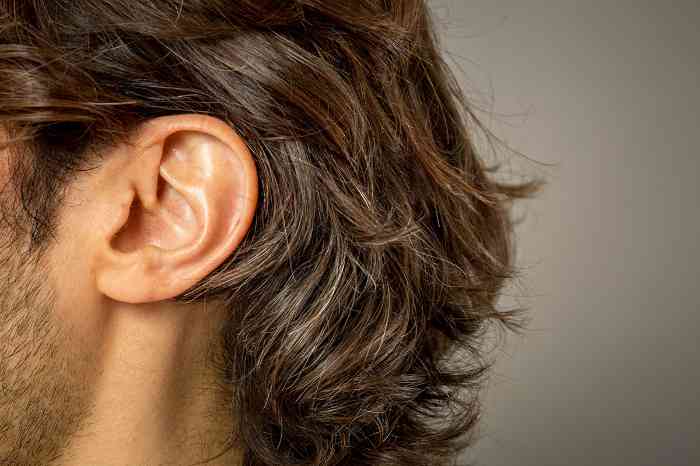
Ear
ചെവി
Syllable: ചെ-വി
Pronunciation: Chevi
- The ear helps us hear. – ചെവി കേൾക്കാൻ സഹായിക്കുന്നു.
- My ear is hurting. – എന്റെ ചെവി വേദനിക്കുന്നു.
- She whispered in my ear. – അവൾ എന്റെ ചെവിയിൽ പതുക്കെ പറഞ്ഞു.
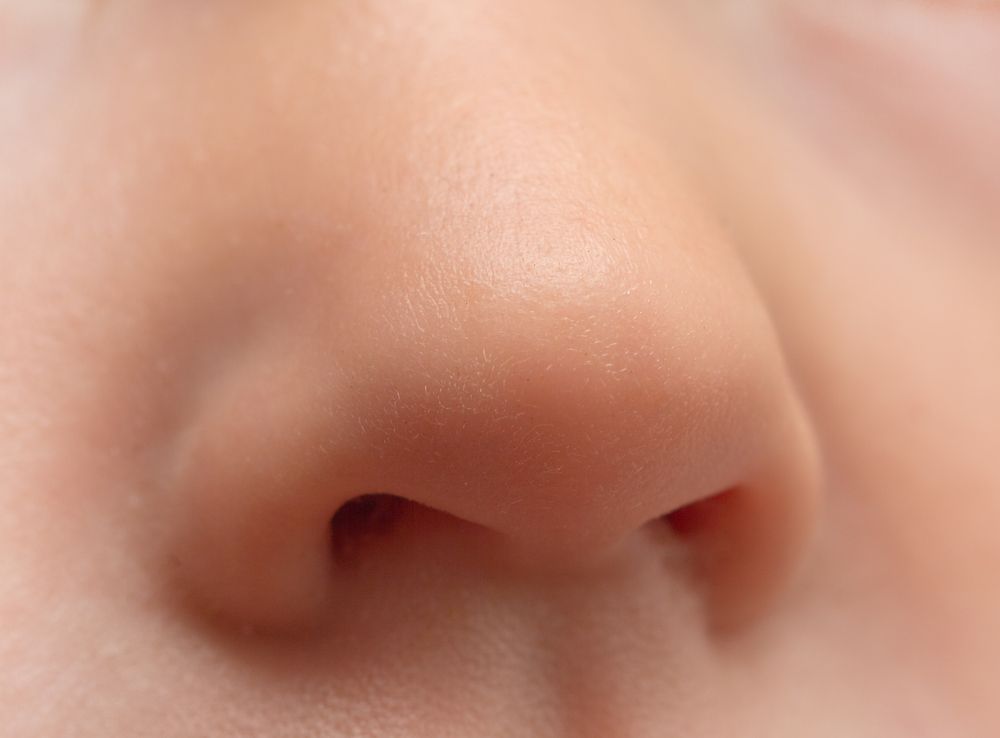
Nose
മൂക്ക്
Syllable: മൂ-ക്ക്
Pronunciation: Mookku
- The nose helps us smell. – മൂക്ക് മണക്കാൻ സഹായിക്കുന്നു.
- His nose is small. – അവന്റെ മൂക്ക് ചെറുതാണ്.
- I touched my nose. – ഞാൻ എന്റെ മൂക്കിൽ തൊട്ടു.
Nostril
മൂക്കുതുള
Syllable: മൂ-ക്കു-തു-ള
Pronunciation: Mookkuthula
- Air passes through the nostrils. – മൂക്കുതുളകളിലൂടെ വായു കടക്കുന്നു.
- My nostril is blocked. – എന്റെ മൂക്കുതുള അടഞ്ഞിരിക്കുന്നു.
- The doctor checked his nostrils. – ഡോക്ടർ അവന്റെ മൂക്കുതുളകൾ പരിശോധിച്ചു.
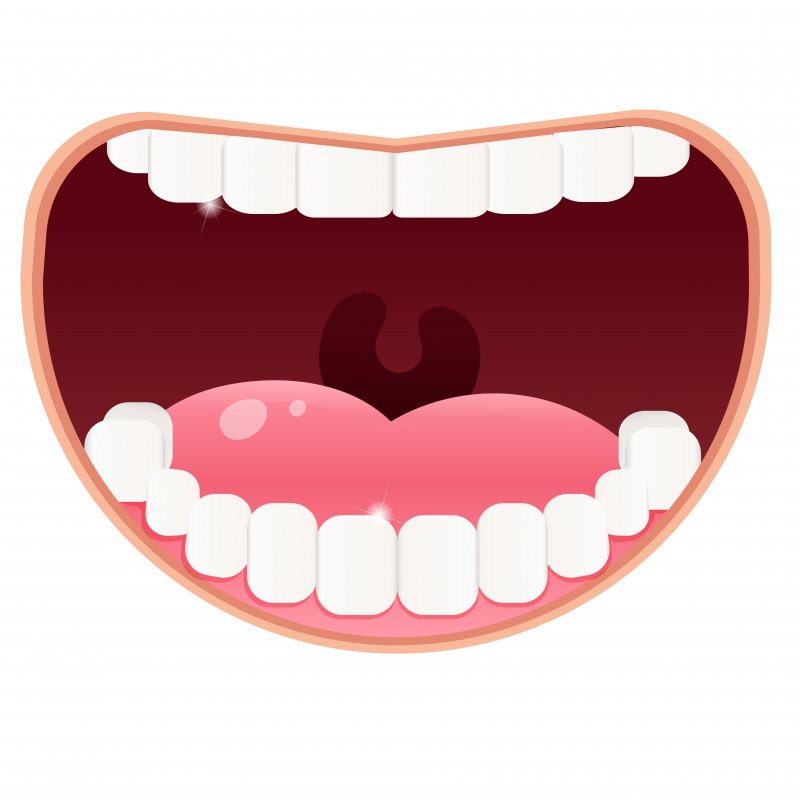
Mouth
വായ്
Syllable: വാ-യ്
Pronunciation: Vaay
- The mouth is used for eating. – വായ് ഭക്ഷണം കഴിക്കാൻ ഉപയോഗിക്കുന്നു.
- Open your mouth wide. – നിന്റെ വായ് നന്നായി തുറക്കൂ.
- The baby smiled with an open mouth. – കുഞ്ഞ് വായ് തുറന്ന് ചിരിച്ചു.

Lips
ചുണ്ട്
Syllable: ചു-ണ്ട്
Pronunciation: Chundu
- Her lips are dry. – അവളുടെ ചുണ്ട് വരണ്ടിരിക്കുന്നു.
- He smiled with his lips closed. – അവൻ ചുണ്ട് അടച്ച് ചിരിച്ചു.
- The child bit his lip. – കുഞ്ഞ് തന്റെ ചുണ്ട് കടിച്ചു.

Teeth
പല്ലുകൾ
Syllable: പ-ല്ലു-കൾ
Pronunciation: Pallukal
- Teeth help us chew food. – പല്ലുകൾ ഭക്ഷണം ചവയ്ക്കാൻ സഹായിക്കുന്നു.
- Brush your teeth twice a day. – ദിവസത്തിൽ രണ്ടുതവണ പല്ലുതേക്കുക.
- The baby has new teeth. – കുഞ്ഞിന് പുതിയ പല്ലുകൾ വന്നിട്ടുണ്ട്.

Tongue
നാവ്
Syllable: നാ-വ്
Pronunciation: Naavu
- The tongue helps us taste food. – നാവ് ഭക്ഷണത്തിന്റെ രുചി അറിയാൻ സഹായിക്കുന്നു.
- Stick out your tongue. – നാവ് പുറത്തേക്ക് നീട്ടൂ.
- My tongue feels sore. – എന്റെ നാവ് വേദനിക്കുന്നു.
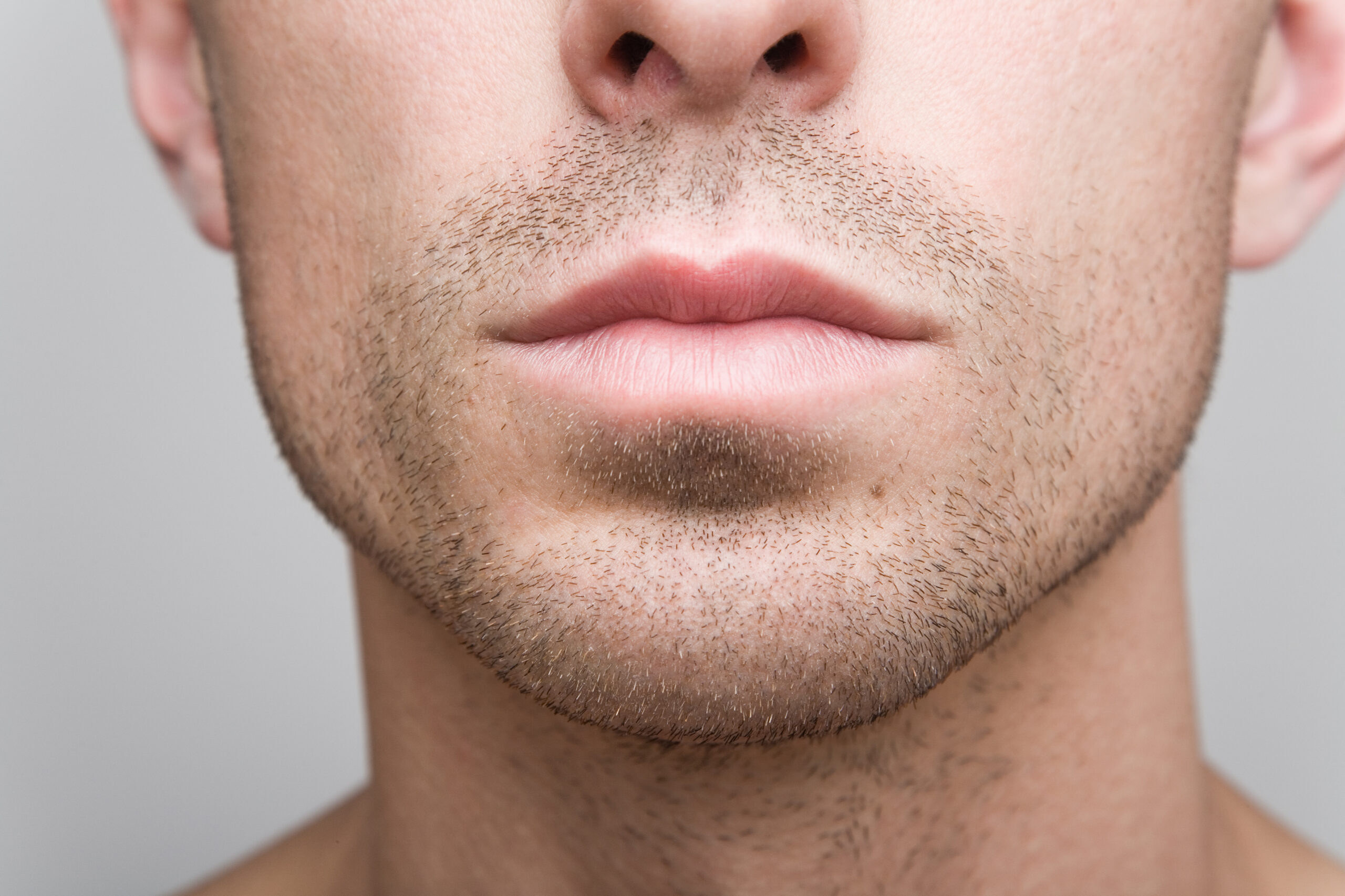
Cheek
കവിൾ
Syllable: ക-വിൾ
Pronunciation: Kavil
- The baby\’s cheeks are soft. – കുഞ്ഞിന്റെ കവിളുകൾ മൃദുവാണ്.
- She kissed his cheek. – അവൾ അവന്റെ കവിളിൽ ചുംബിച്ചു.
- His cheek turned red. – അവന്റെ കവിൾ ചുവന്നു.

Neck
കഴുത്ത്
Syllable: ക-ഴു-ത്ത്
Pronunciation: Kazhuthu
- The neck connects the head to the body. – കഴുത്ത് തലയും ശരീരവും ബന്ധിപ്പിക്കുന്നു.
- She wore a necklace around her neck. – അവൾ കഴുത്തിൽ ഒരു മാല ധരിച്ചു.
- My neck feels stiff. – എന്റെ കഴുത്ത് മുറുകിയിരിക്കുന്നു.
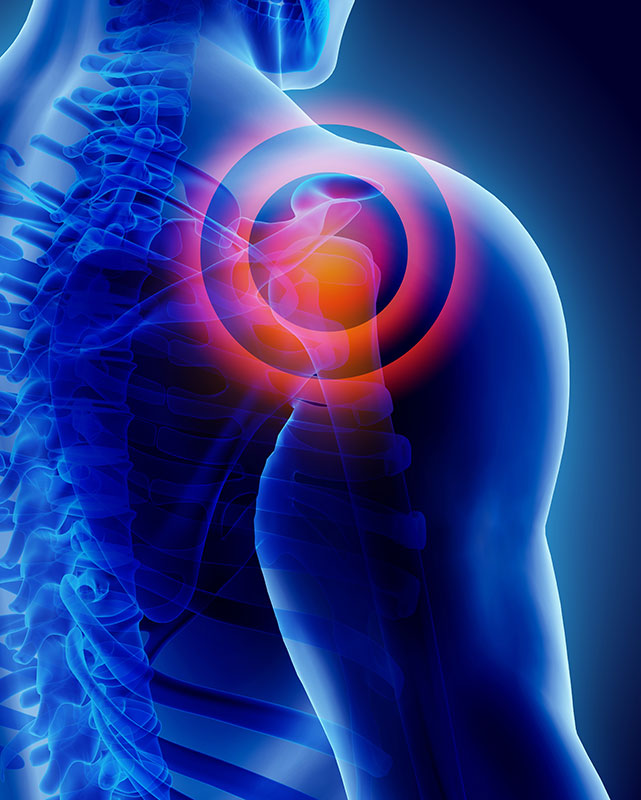
Shoulder
തോൾ
Syllable: തോൾ
Pronunciation: Thol
- He carried the bag on his shoulder. – അവൻ ബാഗ് തോളിൽ ചുമന്നു.
- My shoulder hurts after exercise. – വ്യായാമത്തിന് ശേഷം എന്റെ തോൾ വേദനിക്കുന്നു.
- She touched my shoulder. – അവൾ എന്റെ തോളിൽ തൊട്ടു.

Arm
കൈ
Syllable: കൈ
Pronunciation: Kai
- He raised his arm. – അവൻ തന്റെ കൈ ഉയർത്തി.
- My arm is strong. – എന്റെ കൈ ശക്തമാണ്.
- The child waved his arm. – കുഞ്ഞ് കൈ വീശി.
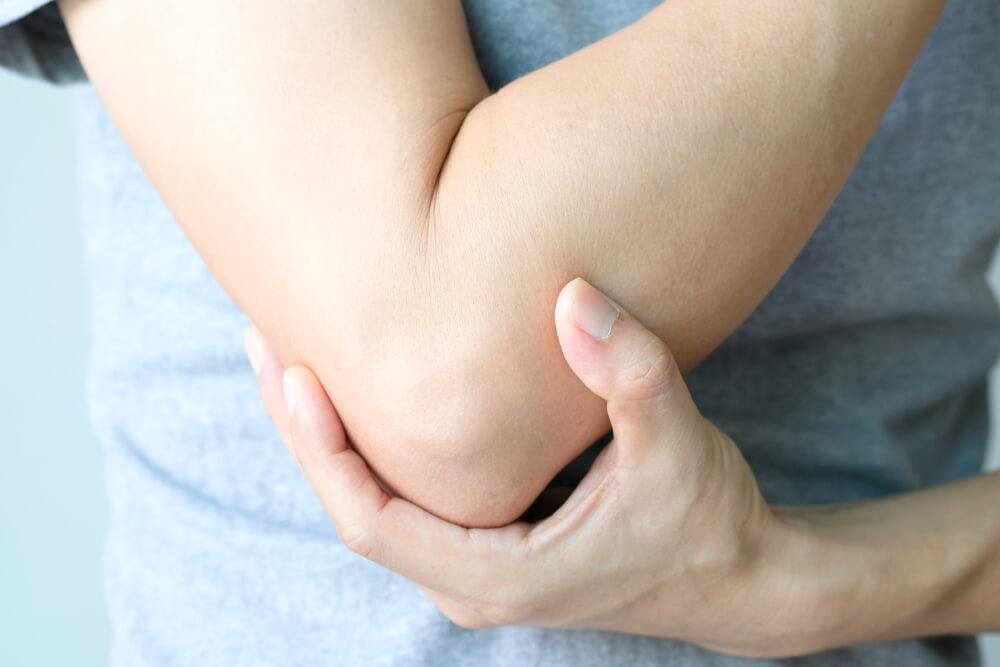
Elbow
മുട്ടുകൈ
Syllable: മു-ട്ടു-കൈ
Pronunciation: Muttukai
- I hurt my elbow yesterday. – ഇന്നലെ എന്റെ മുട്ടുകൈയ്ക്ക് പരിക്കേറ്റു.
- Rest your elbow on the table. – മുട്ടുകൈ മേശപ്പുറത്ത് വയ്ക്കൂ.
- His elbow is swollen. – അവന്റെ മുട്ടുകൈ വീർന്നിരിക്കുന്നു.
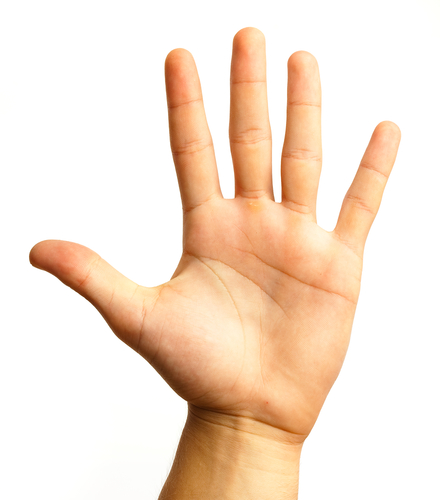
Hand
കൈപ്പത്തി
Syllable: കൈ-പ്പ-ത്തി
Pronunciation: Kaippathi
- Wash your hands before eating. – ഭക്ഷണം കഴിക്കുന്നതിന് മുമ്പ് കൈകൾ കഴുകുക.
- She held my hand. – അവൾ എന്റെ കൈ പിടിച്ചു.
- My hands are clean. – എന്റെ കൈകൾ വൃത്തിയുള്ളതാണ്.

Finger
വിരൽ
Syllable: വി-രൽ
Pronunciation: Viral
- He pointed with his finger. – അവൻ വിരൽ ചൂണ്ടിക്കാട്ടി.
- My finger is injured. – എന്റെ വിരലിന് പരിക്കേറ്റു.
- The ring is on her finger. – മോതിരം അവളുടെ വിരലിലാണ്.

Thumb
തള്ളവിരൽ
Syllable: ത-ള്ള-വി-രൽ
Pronunciation: Thallaviral
- Show me your thumb. – നിന്റെ തള്ളവിരൽ കാണിക്കൂ.
- My thumb is sore. – എന്റെ തള്ളവിരൽ വേദനിക്കുന്നു.
- The baby sucked its thumb. – കുഞ്ഞ് തള്ളവിരൽ വായിലിട്ടു.

Chest
നെഞ്ച്
Syllable: നെ-ഞ്ച്
Pronunciation: Nenchu
- The chest protects vital organs. – നെഞ്ച് പ്രധാന അവയവങ്ങളെ സംരക്ഷിക്കുന്നു.
- He touched his chest. – അവൻ തന്റെ നെഞ്ചിൽ തൊട്ടു.
- My chest hurts when I cough. – ചുമയ്ക്കുമ്പോൾ എന്റെ നെഞ്ച് വേദനിക്കുന്നു.

Heart
ഹൃദയം
Syllable: ഹൃ-ദ-യം
Pronunciation: Hridayam
- The heart pumps blood. – ഹൃദയം രക്തം പമ്പ് ചെയ്യുന്നു.
- A healthy heart is important. – ആരോഗ്യമുള്ള ഹൃദയം പ്രധാനമാണ്.
- The doctor checked my heart. – ഡോക്ടർ എന്റെ ഹൃദയം പരിശോധിച്ചു.

Stomach
ആമാശയം
Syllable: ആ-മാ-ശ-യം
Pronunciation: Aamashayam
- The stomach digests food. – ആമാശയം ഭക്ഷണം ദഹിപ്പിക്കുന്നു.
- My stomach feels full. – എന്റെ ആമാശയം നിറഞ്ഞതായി തോന്നുന്നു.
- I have a stomach ache. – എനിക്ക് വയറുവേദനയുണ്ട്.
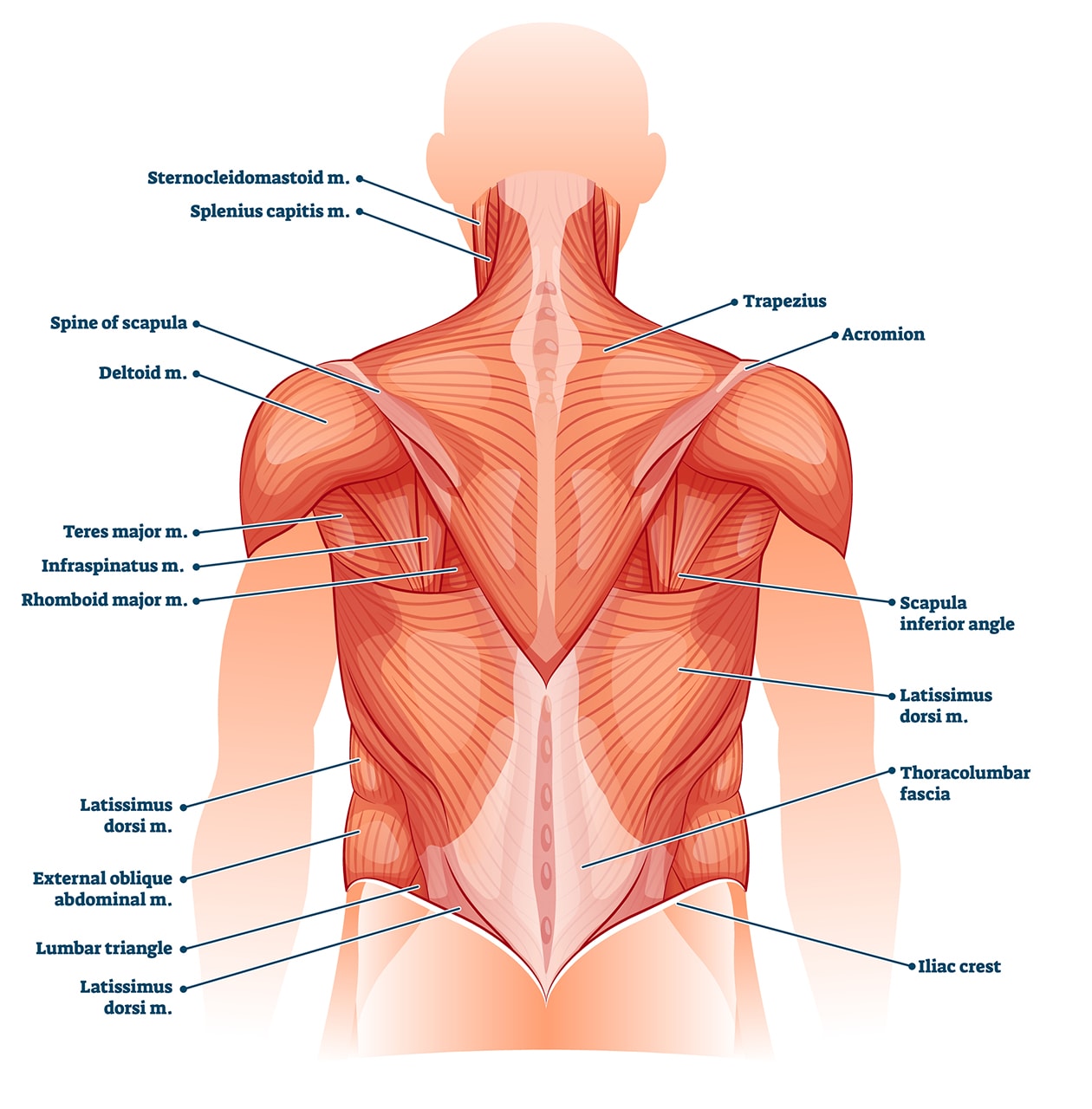
Back
പുറം
Syllable: പു-റം
Pronunciation: Puram
- My back hurts after work. – ജോലിക്ക് ശേഷം എന്റെ പുറം വേദനിക്കുന്നു.
- He lay on his back. – അവൻ പുറംകിടന്ന് കിടന്നു.
- Keep your back straight. – നിന്റെ പുറം നേരെ നിർത്തൂ.

Waist
അര
Syllable: അ-ര
Pronunciation: Ara
- The belt is around my waist. – എന്റെ അരയിൽ ബെൽറ്റ് ഉണ്ട്.
- She measured her waist. – അവൾ തന്റെ അര അളന്നു.
- My waist feels stiff today. – ഇന്ന് എന്റെ അരയ്ക്ക് മുറുക്കമുണ്ട്.
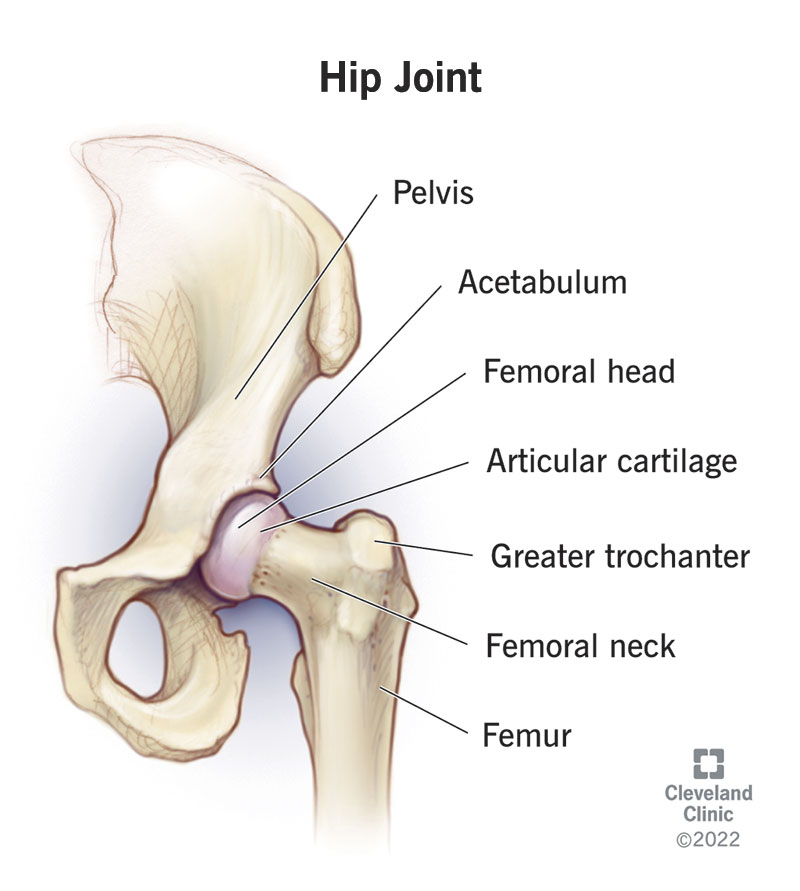
Hip
ഇടുപ്പ്
Syllable: ഇ-ടു-പ്പ്
Pronunciation: Iduppu
- The hip supports body movement. – ഇടുപ്പ് ശരീരചലനത്തെ സഹായിക്കുന്നു.
- He injured his hip. – അവന്റെ ഇടുപ്പിന് പരിക്കേറ്റു.
- My hip hurts when I walk. – ഞാൻ നടക്കുമ്പോൾ എന്റെ ഇടുപ്പ് വേദനിക്കുന്നു.
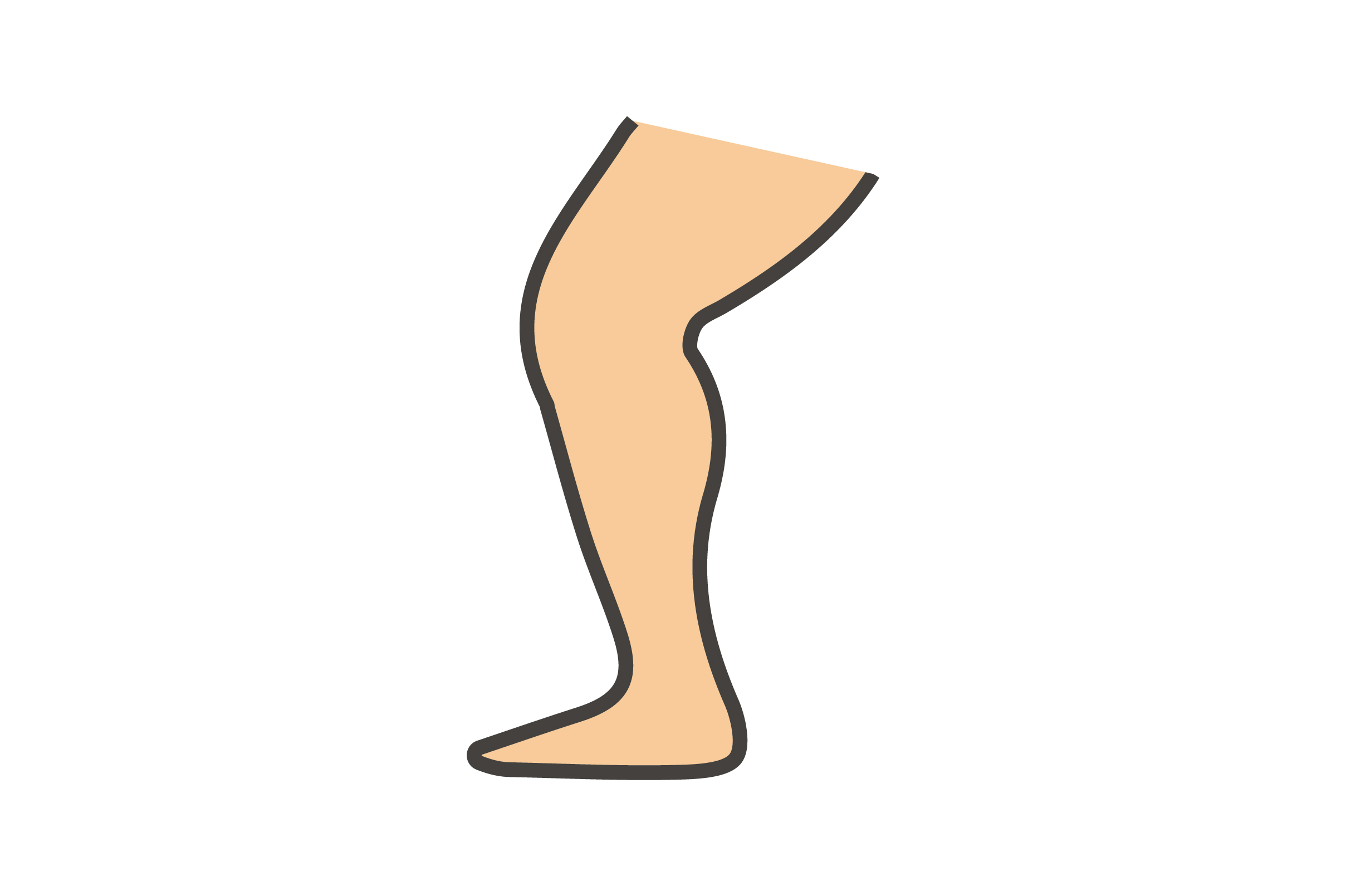
Leg
കാൽ
Syllable: കാൽ
Pronunciation: Kaal
- The leg helps us walk. – കാൽ നടക്കാൻ സഹായിക്കുന്നു.
- His leg is strong. – അവന്റെ കാൽ ശക്തമാണ്.
- I hurt my leg while playing. – കളിക്കുമ്പോൾ എന്റെ കാലിന് പരിക്കേറ്റു.

Knee
മുട്ട്
Syllable: മു-ട്ട്
Pronunciation: Muttu
- The knee bends when we walk. – നടക്കുമ്പോൾ മുട്ട് വളയുന്നു.
- My knee is sore today. – ഇന്ന് എന്റെ മുട്ട് വേദനിക്കുന്നു.
- He fell and hurt his knee. – അവൻ വീണ് മുട്ടിന് പരിക്കേറ്റു.

Foot
പാദം
Syllable: പാ-ദം
Pronunciation: Paadam
- The foot helps us stand. – പാദം നിൽക്കാൻ സഹായിക്കുന്നു.
- Wash your feet before bed. – ഉറങ്ങുന്നതിന് മുമ്പ് കാലുകൾ കഴുകുക.
- My foot is tired after walking. – നടന്നതിന് ശേഷം എന്റെ പാദം ക്ഷീണിച്ചു.

Toes
കാൽവിരലുകൾ
Syllable: കാൽ-വി-ര-ലു-കൾ
Pronunciation: Kaalviralukal
- My toes are cold. – എന്റെ കാൽവിരലുകൾ തണുത്തിരിക്കുന്നു.
- The child counted his toes. – കുഞ്ഞ് തന്റെ കാൽവിരലുകൾ എണ്ണി.
- I moved my toes slowly. – ഞാൻ എന്റെ കാൽവിരലുകൾ പതുക്കെ ചലിപ്പിച്ചു.

Nail
നഖം
Syllable: ന-ഖം
Pronunciation: Nakham
- My nail is clean. – എന്റെ നഖം വൃത്തിയുള്ളതാണ്.
- She painted her nails. – അവൾ തന്റെ നഖങ്ങളിൽ നിറം പൂശി.
- Do not bite your nails. – നഖം കടിക്കരുത്.

Skin
ത്വക്ക്
Syllable: ത്വ-ക്ക്
Pronunciation: Thvakku
- Skin protects the body. – ത്വക്ക് ശരീരത്തെ സംരക്ഷിക്കുന്നു.
- My skin is dry today. – ഇന്ന് എന്റെ ത്വക്ക് വരണ്ടിരിക്കുന്നു.
- Use lotion for healthy skin. – ആരോഗ്യമുള്ള ത്വക്കിന് ലോഷൻ ഉപയോഗിക്കുക.

Bone
അസ്ഥി
Syllable: അ-സ്ഥി
Pronunciation: Asthi
- Bones support the body. – അസ്ഥികൾ ശരീരത്തെ താങ്ങുന്നു.
- He broke a bone in his arm. – അവന്റെ കൈയിലെ ഒരു അസ്ഥി ഒടിഞ്ഞു.
- Milk helps keep bones strong. – പാൽ അസ്ഥികളെ ശക്തമാക്കുന്നു.

Brain
മസ്തിഷ്കം
Syllable: മ-സ്തി-ഷ്കം
Pronunciation: Masthishkam
- The brain controls the body. – മസ്തിഷ്കം ശരീരത്തെ നിയന്ത്രിക്കുന്നു.
- Reading exercises the brain. – വായന മസ്തിഷ്കത്തിന് പരിശീലനമാണ്.
- The brain processes information. – മസ്തിഷ്കം വിവരങ്ങൾ പ്രക്രിയ ചെയ്യുന്നു.

Lung
ശ്വാസകോശം
Syllable: ശ്വാ-സ-കോ-ശം
Pronunciation: Shwasakosham
- The lungs help us breathe. – ശ്വാസകോശങ്ങൾ ശ്വസിക്കാൻ സഹായിക്കുന്നു.
- Smoking harms the lungs. – പുകവലി ശ്വാസകോശങ്ങളെ ദോഷകരമായി ബാധിക്കുന്നു.
- Take deep breaths for healthy lungs. – ആരോഗ്യമുള്ള ശ്വാസകോശങ്ങൾക്ക് ആഴത്തിൽ ശ്വസിക്കുക.

Liver
കരൾ
Syllable: ക-റൾ
Pronunciation: Karal
- The liver cleans the blood. – കരൾ രക്തം ശുദ്ധീകരിക്കുന്നു.
- The doctor checked his liver. – ഡോക്ടർ അവന്റെ കരൾ പരിശോധിച്ചു.
- A healthy diet supports the liver. – ആരോഗ്യകരമായ ഭക്ഷണം കരളിനെ സഹായിക്കുന്നു.

Kidney
വൃക്ക
Syllable: വൃ-ക്ക
Pronunciation: Vrikka
- The kidneys filter waste. – വൃക്കകൾ മാലിന്യങ്ങൾ അരിച്ചെടുക്കുന്നു.
- Drink water to keep kidneys healthy. – വൃക്കകൾ ആരോഗ്യകരമാക്കാൻ വെള്ളം കുടിക്കുക.
- Her kidney function is normal. – അവളുടെ വൃക്കയുടെ പ്രവർത്തനം സാധാരണമാണ്.

Blood
രക്തം
Syllable: ര-ക്തം
Pronunciation: Raktham
- Blood carries oxygen. – രക്തം ഓക്സിജൻ വഹിക്കുന്നു.
- The nurse took a blood sample. – നഴ്സ് രക്തസാമ്പിൾ എടുത്തു.
- Blood flows through the body. – രക്തം ശരീരത്തിലുടനീളം ഒഴുകുന്നു.

Muscle
പേശി
Syllable: പേ-ശി
Pronunciation: Peshi
- Exercise strengthens muscles. – വ്യായാമം പേശികളെ ശക്തമാക്കുന്നു.
- His arm muscles are strong. – അവന്റെ കൈയിലെ പേശികൾ ശക്തമാണ്.
- Muscles help us move. – പേശികൾ നമ്മെ ചലിക്കാൻ സഹായിക്കുന്നു.

Skeleton
അസ്ഥികൂടം
Syllable: അ-സ്ഥി-കൂ-ടം
Pronunciation: Asthikoodam
- The skeleton supports the body. – അസ്ഥികൂടം ശരീരത്തെ താങ്ങുന്നു.
- The skeleton has many bones. – അസ്ഥികൂടത്തിൽ നിരവധി അസ്ഥികളുണ്ട്.
- Students studied a skeleton model. – വിദ്യാർത്ഥികൾ അസ്ഥികൂടത്തിന്റെ മാതൃക പഠിച്ചു.
Easy Ways to Remember Malayalam Body Parts Names
Movement-based learning can be especially helpful for this topic. Instead of simply reading a list, learners can point to different body parts while saying their Malayalam names aloud. Combining actions with vocabulary often improves recall.
Visual learning methods also work well. Charts, diagrams, and labeled illustrations help learners see the body part and its Malayalam name together. Repeated exposure to these visuals can strengthen memory over time.
Another useful strategy is learning body parts in groups, such as facial features, upper body parts, and lower body parts. Breaking the vocabulary into smaller sections can make learning feel more manageable.
Simple Practice Ideas
- Use body part charts with Malayalam labels.
- Point to body parts while saying their names.
- Learn a few new words each week.
- Practice pronunciation aloud.
- Draw a human figure and label the body parts.
- Watch Malayalam educational videos.
- Create flashcards with pictures and vocabulary.
- Use body part names in simple sentences.
- Review previously learned words regularly.
- Play body-part identification games.
- Keep a notebook for vocabulary practice.
- Ask family members to test your knowledge.
Regular review and practical use can help learners remember body part names quickly and confidently.
Body Parts Names in Malayalam At a Glance
| # | English Name | Malayalam Name | Pronunciation |
|---|---|---|---|
| 1 | Head | തല | Thala |
| 2 | Hair | മുടി | Mudi |
| 3 | Forehead | നെറ്റി | Netti |
| 4 | Eye | കണ്ണ് | Kannu |
| 5 | Eyebrow | പുരികം | Purikam |
| 6 | Eyelashes | കൺപീലികൾ | Kanpeelikal |
| 7 | Ear | ചെവി | Chevi |
| 8 | Nose | മൂക്ക് | Mookku |
| 9 | Nostril | മൂക്കുതുള | Mookkuthula |
| 10 | Mouth | വായ് | Vaay |
| 11 | Lips | ചുണ്ട് | Chundu |
| 12 | Teeth | പല്ലുകൾ | Pallukal |
| 13 | Tongue | നാവ് | Naavu |
| 14 | Cheek | കവിൾ | Kavil |
| 15 | Neck | കഴുത്ത് | Kazhuthu |
| 16 | Shoulder | തോൾ | Thol |
| 17 | Arm | കൈ | Kai |
| 18 | Elbow | മുട്ടുകൈ | Muttukai |
| 19 | Hand | കൈപ്പത്തി | Kaippathi |
| 20 | Finger | വിരൽ | Viral |
| 21 | Thumb | തള്ളവിരൽ | Thallaviral |
| 22 | Chest | നെഞ്ച് | Nenchu |
| 23 | Heart | ഹൃദയം | Hridayam |
| 24 | Stomach | ആമാശയം | Aamashayam |
| 25 | Back | പുറം | Puram |
| 26 | Waist | അര | Ara |
| 27 | Hip | ഇടുപ്പ് | Iduppu |
| 28 | Leg | കാൽ | Kaal |
| 29 | Knee | മുട്ട് | Muttu |
| 30 | Foot | പാദം | Paadam |
| 31 | Toes | കാൽവിരലുകൾ | Kaalviralukal |
| 32 | Nail | നഖം | Nakham |
| 33 | Skin | ത്വക്ക് | Thvakku |
| 34 | Bone | അസ്ഥി | Asthi |
| 35 | Brain | മസ്തിഷ്കം | Masthishkam |
| 36 | Lung | ശ്വാസകോശം | Shwasakosham |
| 37 | Liver | കരൾ | Karal |
| 38 | Kidney | വൃക്ക | Vrikka |
| 39 | Blood | രക്തം | Raktham |
| 40 | Muscle | പേശി | Peshi |
| 41 | Skeleton | അസ്ഥികൂടം | Asthikoodam |
Malayalam Body Parts Quiz
Practice Malayalam body parts vocabulary with this interactive multiple-choice quiz.
A Strong Foundation for Everyday Malayalam
Body part names are some of the most useful words learners can acquire because they appear in daily conversations and educational settings from an early age. Their connection to real-life actions makes them easier to understand and remember compared to many other vocabulary topics.
As you continue learning Malayalam, these words can help you explore related topics such as health, fitness, appearance, and personal care.
Which body part name was the easiest for you to learn? Were there any Malayalam words in the list that you had never heard before? Share your thoughts in the comments and join the discussion with other learners.