Before children learn long sentences, they usually learn words connected to themselves. They point to their eyes when asked to look, raise their hands in class, and run using their legs during playtime. Because body parts are involved in almost every activity, their names become some of the most useful words in any language.
In Kannada-speaking households and schools, body part vocabulary is often introduced through action games, picture charts, and simple classroom exercises. Since learners can immediately identify each body part, the learning process feels natural rather than complicated.
This worksheet helps learners discover common body parts in Kannada while building vocabulary that can be used in everyday communication, school lessons, and basic health-related discussions.
Why Learning Body Parts Names in Kannada Matters
Body part vocabulary is more than a classroom topic. These words appear in daily instructions, sports activities, health education, conversations, and children’s learning materials. Knowing them in Kannada helps learners understand and respond more confidently in everyday situations.
For young learners, body parts offer an immediate connection between language and reality. Unlike abstract vocabulary, these words can be practiced through movement and observation. A learner can point to a shoulder, knee, or ear while saying the Kannada name, creating a strong memory link.
Body part names also support communication in practical situations. Whether explaining discomfort, following directions, participating in games, or learning about personal care, these words are frequently used.
Benefits of Learning Kannada Body Parts Names
- Develops essential everyday vocabulary.
- Helps learners follow basic instructions.
- Improves speaking and reading skills.
- Strengthens word recognition.
- Supports classroom learning activities.
- Encourages interactive learning.
- Helps children connect language with real-life objects.
- Expands health and wellness vocabulary.
- Builds confidence in communication.
- Supports worksheets and educational exercises.
- Makes language practice more practical.
- Creates a strong foundation for future vocabulary learning.
Because learners use their body parts every day, they have endless opportunities to review these words without needing extra study materials.
The Building Blocks of the Human Body
Every part of the body has a specific role, whether it helps us see, hear, move, speak, or interact with the world around us. The list below introduces commonly known body parts along with their Kannada names, making learning both practical and engaging.
:watermark(/images/watermark_5000_10percent.png,0,0,0):watermark(/images/logo_url.png,-10,-10,0):format(jpeg)/images/overview_image/2965/RGS4A0cAP5dMqqvXFQoJVg_regions-of-the-head-and-face_en.jpg)
Head
ತಲೆ
Syllable: ತ-ಲೆ
Pronunciation: Tale
- The head is on top of the body. – ತಲೆ ದೇಹದ ಮೇಲ್ಭಾಗದಲ್ಲಿದೆ.
- He nodded his head. – ಅವನು ತನ್ನ ತಲೆಯನ್ನು ಆಡಿಸಿದನು.
- Protect your head while riding. – ಸವಾರಿ ಮಾಡುವಾಗ ನಿಮ್ಮ ತಲೆಯನ್ನು ರಕ್ಷಿಸಿ.

Hair
ಕೂದಲು
Syllable: ಕೂ-ದ-ಲು
Pronunciation: Koodalu
- Her hair is long and black. – ಅವಳ ಕೂದಲು ಉದ್ದವಾಗಿದ್ದು ಕಪ್ಪಾಗಿದೆ.
- I comb my hair every morning. – ನಾನು ಪ್ರತಿದಿನ ಬೆಳಿಗ್ಗೆ ಕೂದಲು ಬಾಚುತ್ತೇನೆ.
- Healthy hair looks shiny. – ಆರೋಗ್ಯಕರ ಕೂದಲು ಹೊಳೆಯುತ್ತದೆ.

Forehead
ನೆತ್ತಿ
Syllable: ನೆ-ತ್ತಿ
Pronunciation: Nethi
- He touched his forehead. – ಅವನು ತನ್ನ ನೆತ್ತಿಯನ್ನು ಮುಟ್ಟಿದನು.
- The forehead was sweaty. – ನೆತ್ತಿಯಲ್ಲಿ ಬೆವರು ಇತ್ತು.
- She placed a mark on her forehead. – ಅವಳು ತನ್ನ ನೆತ್ತಿಯ ಮೇಲೆ ಗುರುತು ಹಾಕಿದಳು.

Eye
ಕಣ್ಣು
Syllable: ಕ-ಣ್ಣು
Pronunciation: Kannu
- We see with our eyes. – ನಾವು ಕಣ್ಣುಗಳಿಂದ ನೋಡುತ್ತೇವೆ.
- Her eyes are beautiful. – ಅವಳ ಕಣ್ಣುಗಳು ಸುಂದರವಾಗಿವೆ.
- Close your eyes and rest. – ನಿಮ್ಮ ಕಣ್ಣುಗಳನ್ನು ಮುಚ್ಚಿ ವಿಶ್ರಾಂತಿ ಮಾಡಿ.

Eyebrow
ಹುಬ್ಬು
Syllable: ಹು-ಬ್ಬು
Pronunciation: Hubbu
- His eyebrows are thick. – ಅವನ ಹುಬ್ಬುಗಳು ದಟ್ಟವಾಗಿವೆ.
- The eyebrow protects the eye. – ಹುಬ್ಬು ಕಣ್ಣನ್ನು ರಕ್ಷಿಸುತ್ತದೆ.
- She raised her eyebrow in surprise. – ಅವಳು ಆಶ್ಚರ್ಯದಿಂದ ಹುಬ್ಬನ್ನು ಎತ್ತಿದಳು.

Eyelashes
ಕಣ್ಣುರೆಪ್ಪೆಗಳು
Syllable: ಕ-ಣ್ಣು-ರೆ-ಪ್ಪೆ-ಗ-ಳು
Pronunciation: Kannureppegalu
- Long eyelashes look attractive. – ಉದ್ದವಾದ ಕಣ್ಣುರೆಪ್ಪೆಗಳು ಆಕರ್ಷಕವಾಗಿ ಕಾಣುತ್ತವೆ.
- Eyelashes protect the eyes. – ಕಣ್ಣುರೆಪ್ಪೆಗಳು ಕಣ್ಣುಗಳನ್ನು ರಕ್ಷಿಸುತ್ತವೆ.
- She has long eyelashes. – ಅವಳಿಗೆ ಉದ್ದವಾದ ಕಣ್ಣುರೆಪ್ಪೆಗಳಿವೆ.
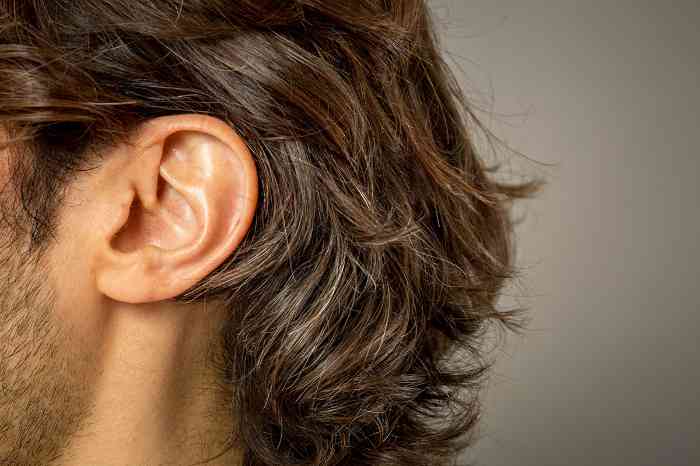
Ear
ಕಿವಿ
Syllable: ಕಿ-ವಿ
Pronunciation: Kivi
- We hear with our ears. – ನಾವು ಕಿವಿಗಳಿಂದ ಕೇಳುತ್ತೇವೆ.
- My ear hurts today. – ಇಂದು ನನ್ನ ಕಿವಿ ನೋವುಂಟಾಗಿದೆ.
- Keep your ears clean. – ನಿಮ್ಮ ಕಿವಿಗಳನ್ನು ಸ್ವಚ್ಛವಾಗಿಡಿ.
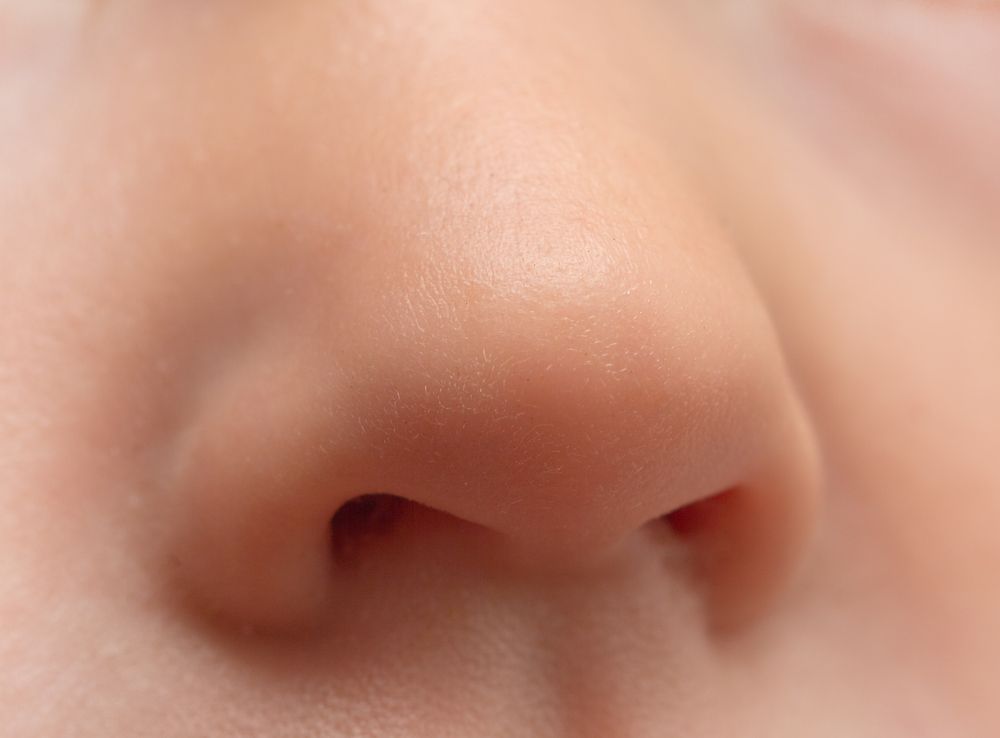
Nose
ಮೂಗು
Syllable: ಮೂ-ಗು
Pronunciation: Moogu
- The nose helps us smell. – ಮೂಗು ನಮಗೆ ವಾಸನೆ ತಿಳಿಯಲು ಸಹಾಯ ಮಾಡುತ್ತದೆ.
- His nose is red. – ಅವನ ಮೂಗು ಕೆಂಪಾಗಿದೆ.
- She touched her nose. – ಅವಳು ತನ್ನ ಮೂಗನ್ನು ಮುಟ್ಟಿದಳು.
Nostril
ಮೂಗಿನ ರಂಧ್ರ
Syllable: ಮೂ-ಗಿ-ನ ರಂ-ಧ್ರ
Pronunciation: Moogina Randhra
- Air enters through the nostrils. – ಗಾಳಿ ಮೂಗಿನ ರಂಧ್ರಗಳ ಮೂಲಕ ಒಳಗೆ ಹೋಗುತ್ತದೆ.
- Keep your nostrils clean. – ನಿಮ್ಮ ಮೂಗಿನ ರಂಧ್ರಗಳನ್ನು ಸ್ವಚ್ಛವಾಗಿಡಿ.
- He covered his nostrils. – ಅವನು ತನ್ನ ಮೂಗಿನ ರಂಧ್ರಗಳನ್ನು ಮುಚ್ಚಿದನು.
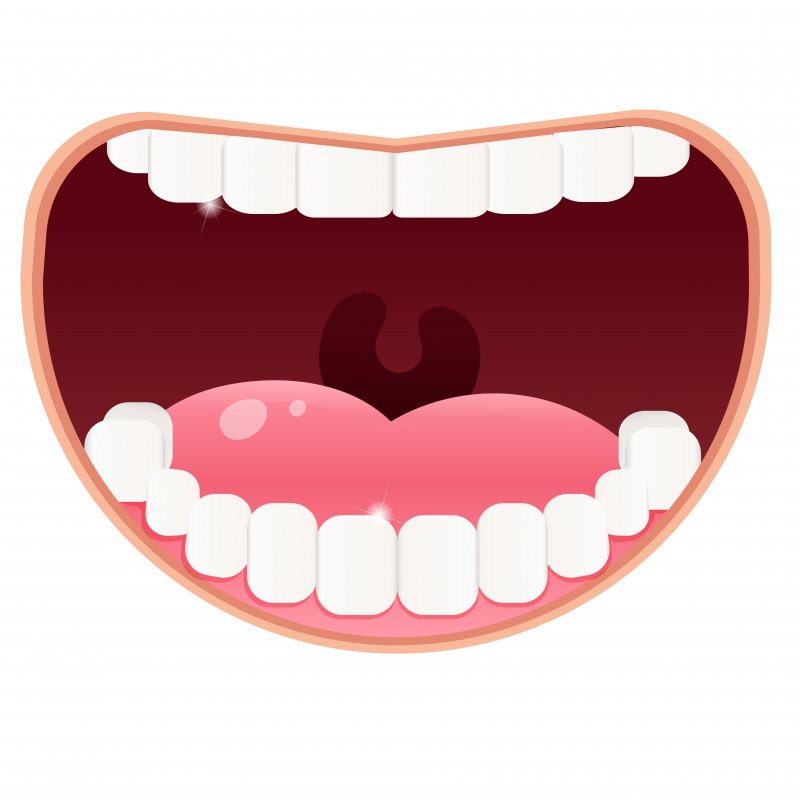
Mouth
ಬಾಯಿ
Syllable: ಬಾ-ಯಿ
Pronunciation: Baayi
- The mouth is used for speaking. – ಬಾಯಿ ಮಾತನಾಡಲು ಬಳಸಲಾಗುತ್ತದೆ.
- Open your mouth wide. – ನಿಮ್ಮ ಬಾಯಿಯನ್ನು ಅಗಲವಾಗಿ ತೆರೆಯಿರಿ.
- The baby smiled with its mouth open. – ಮಗು ಬಾಯಿ ತೆರೆದು ನಗಿತು.

Lips
ತುಟಿಗಳು
Syllable: ತು-ಟಿ-ಗ-ಳು
Pronunciation: Tutigalu
- Her lips are pink. – ಅವಳ ತುಟಿಗಳು ಗುಲಾಬಿ ಬಣ್ಣದಲ್ಲಿವೆ.
- He smiled with his lips closed. – ಅವನು ತುಟಿಗಳನ್ನು ಮುಚ್ಚಿ ನಗಿದನು.
- Apply lip balm on dry lips. – ಒಣ ತುಟಿಗಳಿಗೆ ಲಿಪ್ ಬಾಮ್ ಹಚ್ಚಿ.

Teeth
ಹಲ್ಲುಗಳು
Syllable: ಹ-ಲ್ಲು-ಗ-ಳು
Pronunciation: Hallugalu
- Brush your teeth twice a day. – ದಿನಕ್ಕೆ ಎರಡು ಬಾರಿ ಹಲ್ಲು ತೊಳೆಯಿರಿ.
- Her teeth are very white. – ಅವಳ ಹಲ್ಲುಗಳು ತುಂಬಾ ಬಿಳಿಯಾಗಿವೆ.
- Healthy teeth are important. – ಆರೋಗ್ಯಕರ ಹಲ್ಲುಗಳು ಮುಖ್ಯ.
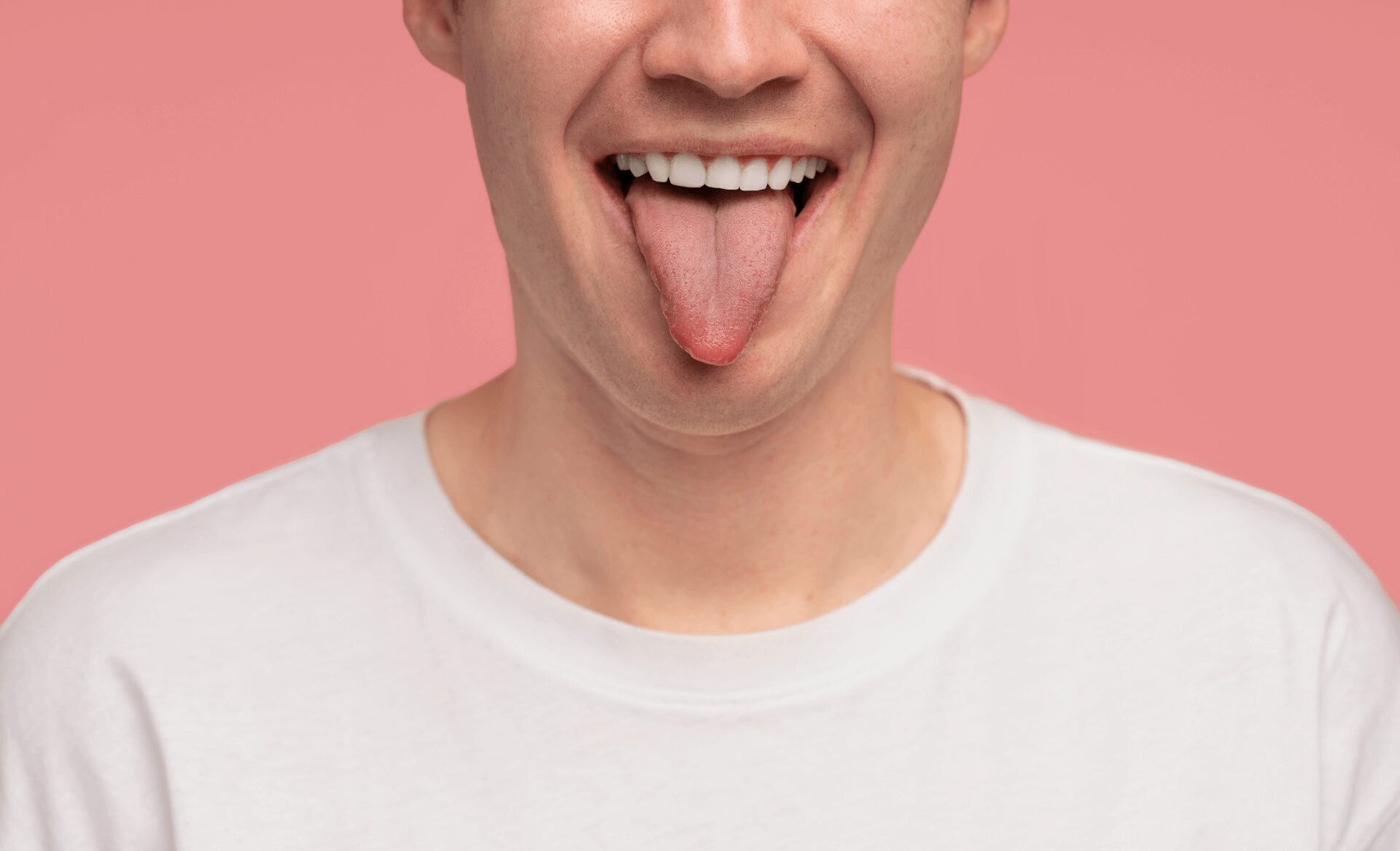
Tongue
ನಾಲಿಗೆ
Syllable: ನಾ-ಲಿ-ಗೆ
Pronunciation: Naalige
- The tongue helps us taste food. – ನಾಲಿಗೆ ಆಹಾರದ ರುಚಿ ತಿಳಿಯಲು ಸಹಾಯ ಮಾಡುತ್ತದೆ.
- Stick out your tongue. – ನಿಮ್ಮ ನಾಲಿಗೆಯನ್ನು ಹೊರಗೆ ತೋರಿಸಿ.
- Her tongue was stained red. – ಅವಳ ನಾಲಿಗೆ ಕೆಂಪಾಗಿತ್ತು.
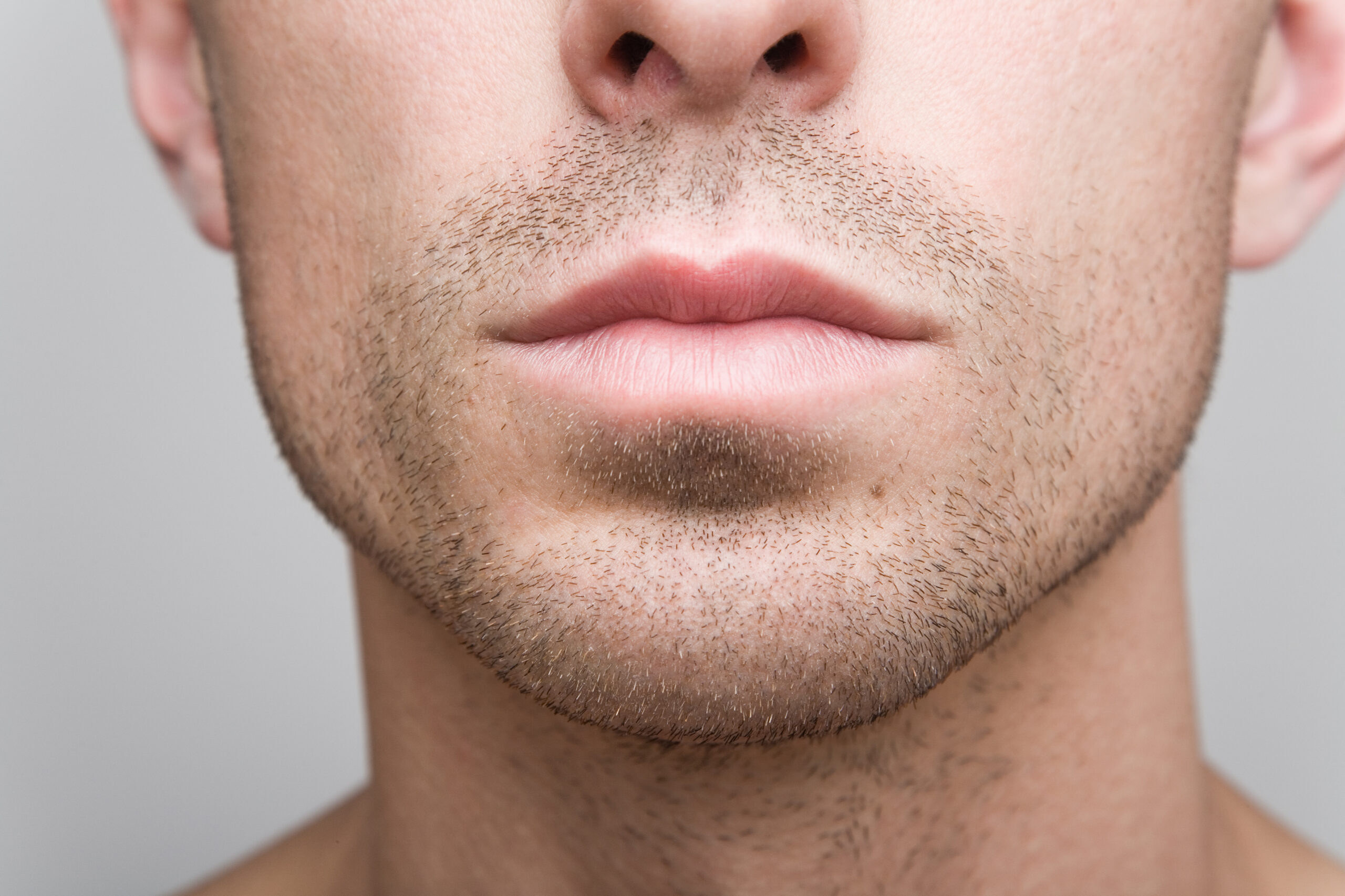
Cheek
ಗಲ್ಲ
Syllable: ಗ-ಲ್ಲ
Pronunciation: Galla
- The child has round cheeks. – ಮಗುವಿಗೆ ಗೋಳಾಕಾರದ ಗಲ್ಲಗಳಿವೆ.
- She kissed the baby on the cheek. – ಅವಳು ಮಗುವಿನ ಗಲ್ಲಕ್ಕೆ ಮುತ್ತಿಟ್ಟಳು.
- His cheek turned red. – ಅವನ ಗಲ್ಲ ಕೆಂಪಾಯಿತು.

Neck
ಕುತ್ತಿಗೆ
Syllable: ಕು-ತ್ತಿ-ಗೆ
Pronunciation: Kuttige
- My neck hurts after sleeping badly. – ತಪ್ಪಾಗಿ ಮಲಗಿದ ಕಾರಣ ನನ್ನ ಕುತ್ತಿಗೆ ನೋವುಂಟಾಗಿದೆ.
- She wore a scarf around her neck. – ಅವಳು ಕುತ್ತಿಗೆಯ ಸುತ್ತ ಶಾಲು ಧರಿಸಿದ್ದಳು.
- The neck connects the head to the body. – ಕುತ್ತಿಗೆ ತಲೆಯನ್ನು ದೇಹಕ್ಕೆ ಸಂಪರ್ಕಿಸುತ್ತದೆ.
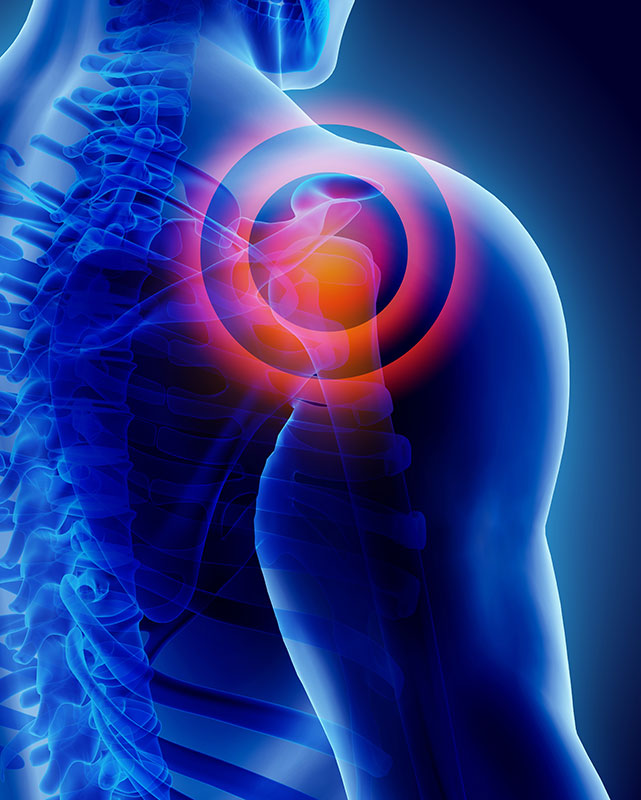
Shoulder
ಭುಜ
Syllable: ಭು-ಜ
Pronunciation: Bhuja
- He carried the bag on his shoulder. – ಅವನು ಚೀಲವನ್ನು ಭುಜದ ಮೇಲೆ ಹೊತ್ತನು.
- My shoulder feels stiff. – ನನ್ನ ಭುಜ ಗಟ್ಟಿಯಾಗಿರುವಂತೆ ಅನಿಸುತ್ತದೆ.
- The bird sat on her shoulder. – ಹಕ್ಕಿ ಅವಳ ಭುಜದ ಮೇಲೆ ಕುಳಿತಿತ್ತು.

Arm
ತೋಳು
Syllable: ತೋ-ಳು
Pronunciation: Tholu
- He raised his arm. – ಅವನು ತನ್ನ ತೋಳನ್ನು ಎತ್ತಿದನು.
- My arm is strong. – ನನ್ನ ತೋಳು ಬಲವಾಗಿದೆ.
- The baby held my arm. – ಮಗು ನನ್ನ ತೋಳನ್ನು ಹಿಡಿದಿತು.
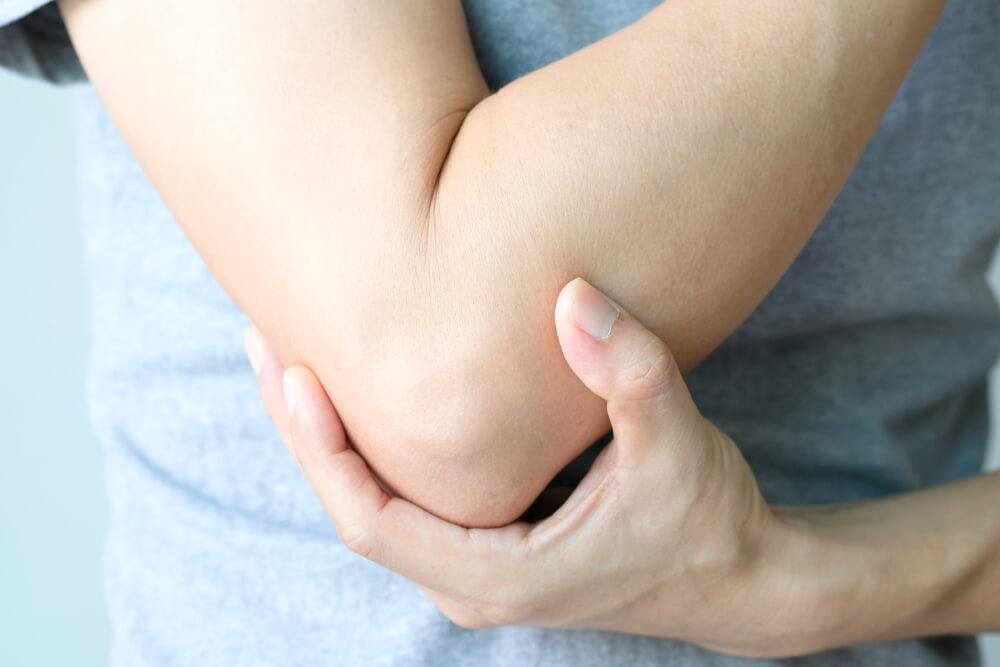
Elbow
ಮೊಣಕೈ
Syllable: ಮೊ-ಣ-ಕೈ
Pronunciation: Monakai
- He hurt his elbow while playing. – ಆಡುತ್ತಿದ್ದಾಗ ಅವನ ಮೊಣಕೈಗೆ ಗಾಯವಾಯಿತು.
- Rest your elbow on the table. – ನಿಮ್ಮ ಮೊಣಕೈಯನ್ನು ಮೇಜಿನ ಮೇಲೆ ಇಡಿ.
- The elbow bends easily. – ಮೊಣಕೈ ಸುಲಭವಾಗಿ ಮಡಿಯುತ್ತದೆ.
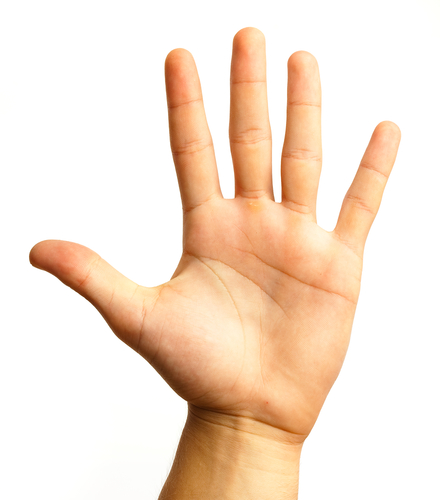
Hand
ಕೈ
Syllable: ಕೈ
Pronunciation: Kai
- Wash your hands before eating. – ಊಟದ ಮೊದಲು ಕೈ ತೊಳೆಯಿರಿ.
- She waved her hand. – ಅವಳು ಕೈ ಬೀಸಿದಳು.
- My hand is cold. – ನನ್ನ ಕೈ ತಣ್ಣಗಿದೆ.

Finger
ಬೆರಳು
Syllable: ಬೆ-ರ-ಳು
Pronunciation: Beralu
- He pointed with his finger. – ಅವನು ತನ್ನ ಬೆರಳಿನಿಂದ ತೋರಿಸಿದನು.
- My finger is injured. – ನನ್ನ ಬೆರಳಿಗೆ ಗಾಯವಾಗಿದೆ.
- Count on your fingers. – ನಿಮ್ಮ ಬೆರಳುಗಳ ಮೇಲೆ ಎಣಿಸಿ.

Thumb
ಬೊಟ್ಟೆ ಬೆರಳು
Syllable: ಬೊ-ಟ್ಟೆ ಬೆ-ರ-ಳು
Pronunciation: Botte Beralu
- Show me your thumb. – ನಿಮ್ಮ ಬೊಟ್ಟೆ ಬೆರಳನ್ನು ತೋರಿಸಿ.
- The baby sucked its thumb. – ಮಗು ತನ್ನ ಬೊಟ್ಟೆ ಬೆರಳನ್ನು ಹೀರಿತು.
- A thumbs-up means good. – ಬೊಟ್ಟೆ ಬೆರಳು ಮೇಲಕ್ಕೆ ತೋರಿಸುವುದು ಒಳ್ಳೆಯದು ಎಂದರ್ಥ.

Chest
ಎದೆ
Syllable: ಎ-ದೆ
Pronunciation: Ede
- The chest protects important organs. – ಎದೆ ಪ್ರಮುಖ ಅಂಗಗಳನ್ನು ರಕ್ಷಿಸುತ್ತದೆ.
- He touched his chest. – ಅವನು ತನ್ನ ಎದೆಯನ್ನು ಮುಟ್ಟಿದನು.
- My chest feels heavy. – ನನ್ನ ಎದೆ ಭಾರವಾಗಿರುವಂತೆ ಅನಿಸುತ್ತದೆ.

Heart
ಹೃದಯ
Syllable: ಹೃ-ದ-ಯ
Pronunciation: Hrudaya
- The heart pumps blood throughout the body. – ಹೃದಯವು ದೇಹದಾದ್ಯಂತ ರಕ್ತವನ್ನು ಪಂಪ್ ಮಾಡುತ್ತದೆ.
- A healthy heart is important. – ಆರೋಗ್ಯಕರ ಹೃದಯ ಬಹಳ ಮುಖ್ಯ.
- Her heart beats fast when she runs. – ಅವಳು ಓಡಿದಾಗ ಅವಳ ಹೃದಯ ವೇಗವಾಗಿ ಬಡಿತ ಮಾಡುತ್ತದೆ.

Stomach
ಹೊಟ್ಟೆ
Syllable: ಹೊ-ಟ್ಟೆ
Pronunciation: Hotte
- The stomach digests food. – ಹೊಟ್ಟೆ ಆಹಾರವನ್ನು ಜೀರ್ಣಿಸುತ್ತದೆ.
- My stomach is full. – ನನ್ನ ಹೊಟ್ಟೆ ತುಂಬಿದೆ.
- He has a stomach ache. – ಅವನಿಗೆ ಹೊಟ್ಟೆ ನೋವು ಇದೆ.
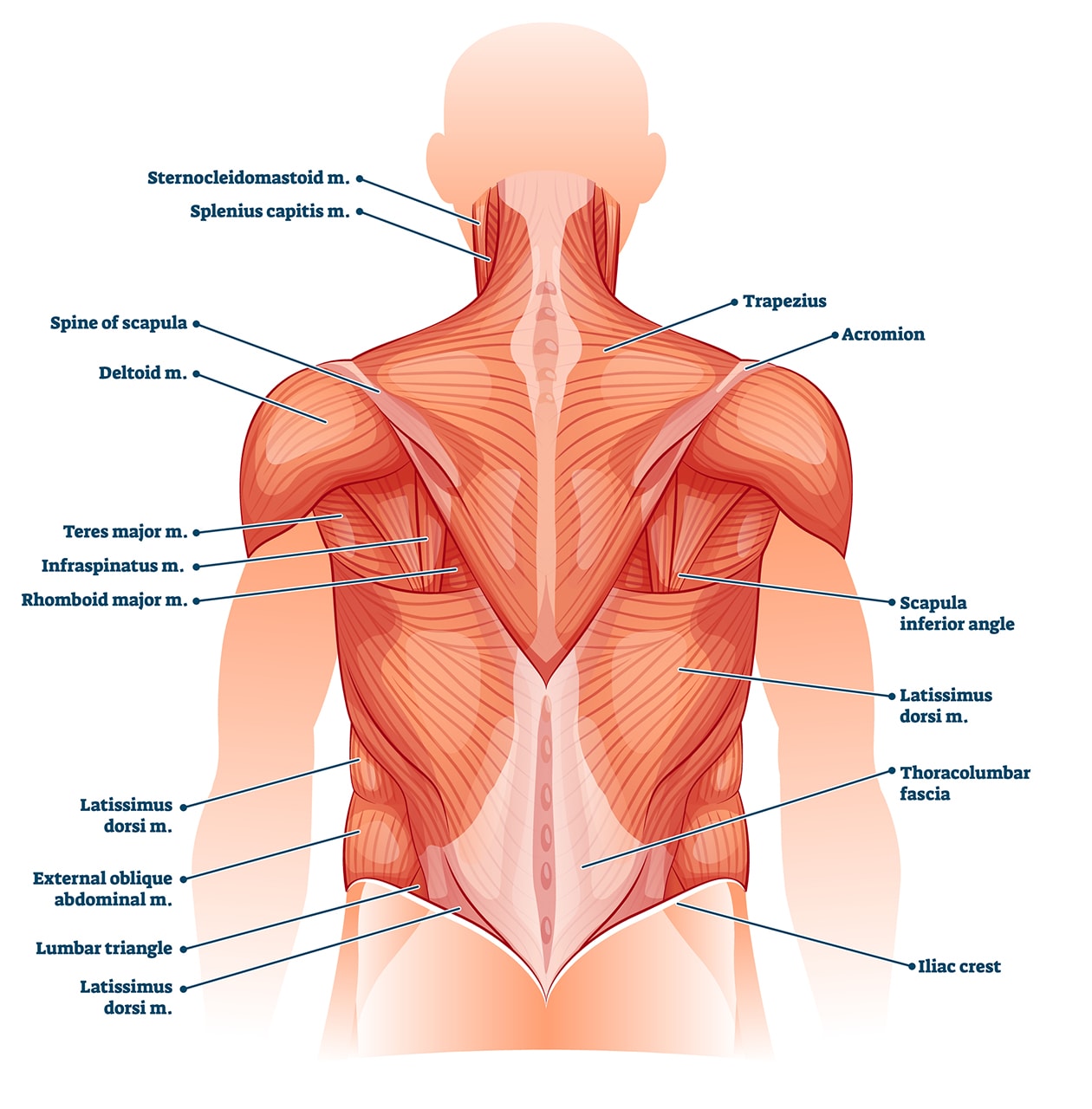
Back
ಬೆನ್ನು
Syllable: ಬೆ-ನ್ನು
Pronunciation: Bennu
- My back hurts after lifting boxes. – ಪೆಟ್ಟಿಗೆಗಳನ್ನು ಎತ್ತಿದ ನಂತರ ನನ್ನ ಬೆನ್ನು ನೋವುಂಟಾಗಿದೆ.
- She lay on her back. – ಅವಳು ಬೆನ್ನಿನ ಮೇಲೆ ಮಲಗಿದಳು.
- Keep your back straight. – ನಿಮ್ಮ ಬೆನ್ನನ್ನು ನೇರವಾಗಿ ಇಡಿ.

Waist
ಸೊಂಟ
Syllable: ಸೊಂ-ಟ
Pronunciation: Sonta
- He tied a belt around his waist. – ಅವನು ತನ್ನ ಸೊಂಟಕ್ಕೆ ಬೆಲ್ಟ್ ಕಟ್ಟಿದನು.
- My waist measurement is small. – ನನ್ನ ಸೊಂಟದ ಅಳತೆ ಚಿಕ್ಕದಾಗಿದೆ.
- She placed her hands on her waist. – ಅವಳು ತನ್ನ ಕೈಗಳನ್ನು ಸೊಂಟದ ಮೇಲೆ ಇಟ್ಟಳು.
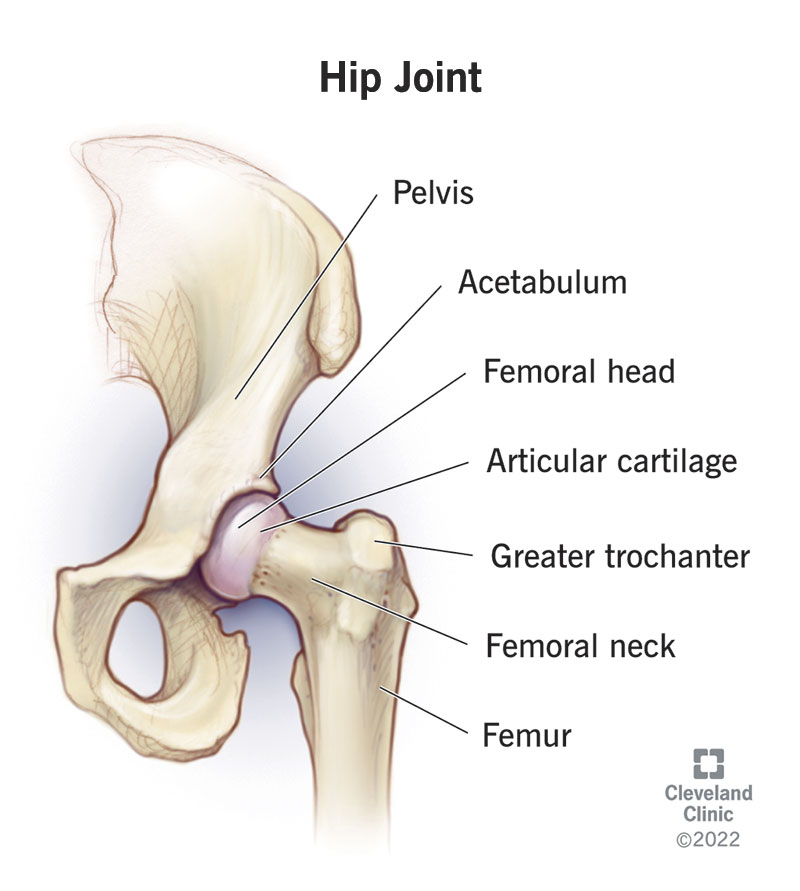
Hip
ಸೊಂಟದ ಮೂಳೆ
Syllable: ಸೊಂ-ಟ-ದ ಮೂ-ಳೆ
Pronunciation: Sontada Moole
- The hip helps us walk and run. – ಸೊಂಟದ ಮೂಳೆ ನಮಗೆ ನಡೆಯಲು ಮತ್ತು ಓಡಲು ಸಹಾಯ ಮಾಡುತ್ತದೆ.
- He injured his hip in the game. – ಆಟದಲ್ಲಿ ಅವನ ಸೊಂಟದ ಮೂಳೆಗೆ ಗಾಯವಾಯಿತು.
- The doctor checked her hip. – ವೈದ್ಯರು ಅವಳ ಸೊಂಟದ ಮೂಳೆಯನ್ನು ಪರಿಶೀಲಿಸಿದರು.
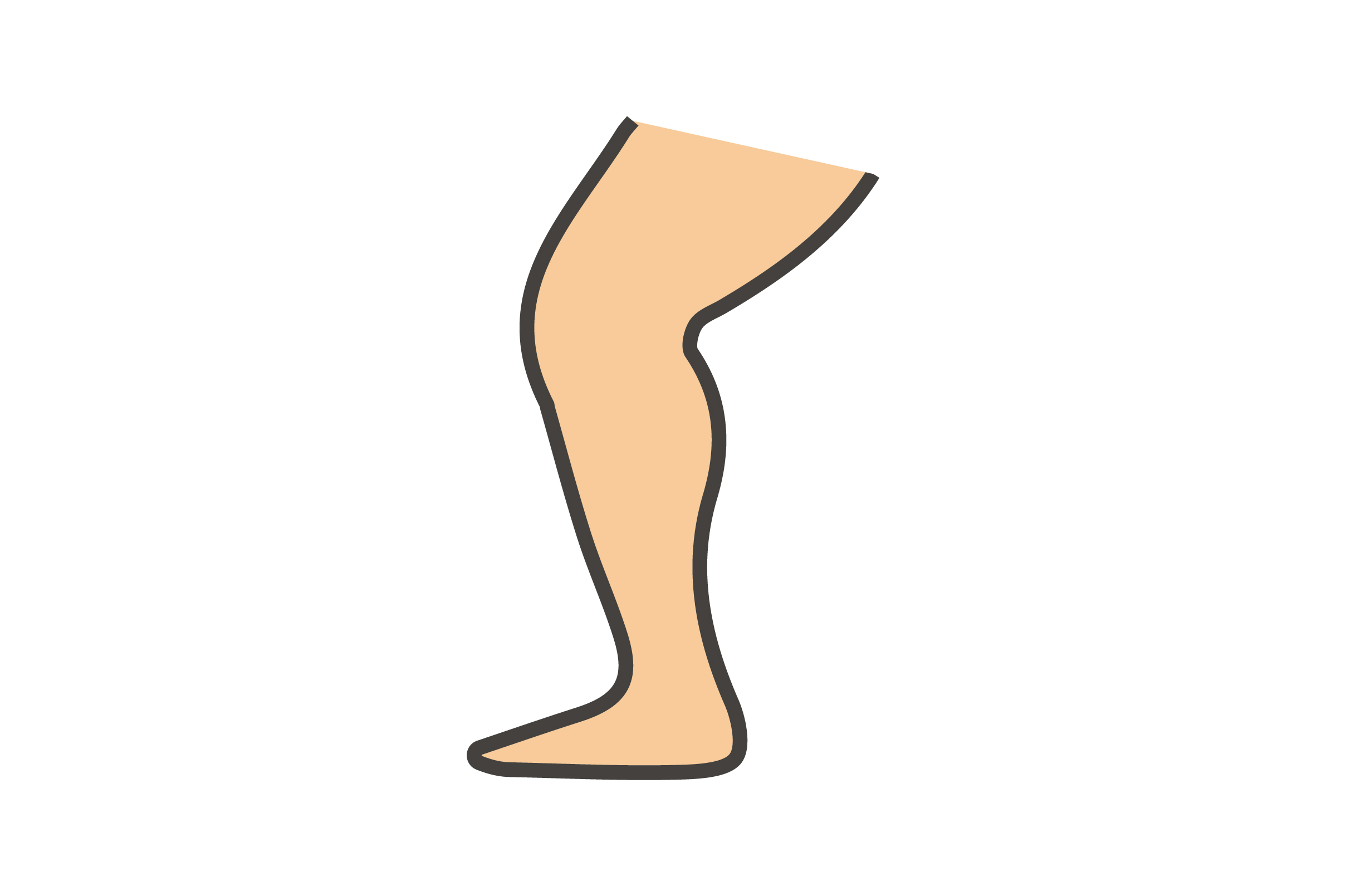
Leg
ಕಾಲು
Syllable: ಕಾ-ಲು
Pronunciation: Kaalu
- My legs are tired after walking. – ನಡೆದ ನಂತರ ನನ್ನ ಕಾಲುಗಳು ದಣಿದಿವೆ.
- He kicked the ball with his leg. – ಅವನು ತನ್ನ ಕಾಲಿನಿಂದ ಚೆಂಡನ್ನು ಒದ್ದನು.
- The child has strong legs. – ಮಗುವಿಗೆ ಬಲವಾದ ಕಾಲುಗಳಿವೆ.

Knee
ಮೊಣಕಾಲು
Syllable: ಮೊ-ಣ-ಕಾ-ಲು
Pronunciation: Monakaalu
- She fell and hurt her knee. – ಅವಳು ಬಿದ್ದು ತನ್ನ ಮೊಣಕಾಲಿಗೆ ಗಾಯ ಮಾಡಿಕೊಂಡಳು.
- Bend your knee slowly. – ನಿಮ್ಮ ಮೊಣಕಾಲನ್ನು ನಿಧಾನವಾಗಿ ಮಡಿಸಿ.
- The knee joint is flexible. – ಮೊಣಕಾಲಿನ ಸಂಧಿ ಬಾಗುವ ಗುಣ ಹೊಂದಿದೆ.

Foot
ಪಾದ
Syllable: ಪಾ-ದ
Pronunciation: Paada
- My foot is dirty. – ನನ್ನ ಪಾದ ಮಣ್ಣಾಗಿದೆ.
- Wash your feet before entering. – ಒಳಗೆ ಬರುವ ಮೊದಲು ನಿಮ್ಮ ಪಾದಗಳನ್ನು ತೊಳೆಯಿರಿ.
- He stepped on my foot. – ಅವನು ನನ್ನ ಪಾದದ ಮೇಲೆ ಕಾಲಿಟ್ಟನು.

Toes
ಕಾಲಿನ ಬೆರಳುಗಳು
Syllable: ಕಾ-ಲಿ-ನ ಬೆ-ರ-ಳು-ಗ-ಳು
Pronunciation: Kaalina Beralugalu
- I can wiggle my toes. – ನಾನು ನನ್ನ ಕಾಲಿನ ಬೆರಳುಗಳನ್ನು ಅಲುಗಾಡಿಸಬಹುದು.
- My toes feel cold. – ನನ್ನ ಕಾಲಿನ ಬೆರಳುಗಳು ತಣ್ಣಗಾಗಿವೆ.
- She painted her toes. – ಅವಳು ತನ್ನ ಕಾಲಿನ ಬೆರಳುಗಳಿಗೆ ಬಣ್ಣ ಹಚ್ಚಿದಳು.

Nails
ಉಗುರುಗಳು
Syllable: ಉ-ಗು-ರು-ಗ-ಳು
Pronunciation: Ugurugalu
- Keep your nails clean. – ನಿಮ್ಮ ಉಗುರುಗಳನ್ನು ಸ್ವಚ್ಛವಾಗಿಡಿ.
- He cut his nails yesterday. – ಅವನು ನಿನ್ನೆ ತನ್ನ ಉಗುರುಗಳನ್ನು ಕತ್ತರಿಸಿದನು.
- Long nails can break easily. – ಉದ್ದವಾದ ಉಗುರುಗಳು ಸುಲಭವಾಗಿ ಮುರಿಯಬಹುದು.

Brain
ಮೆದುಳು
Syllable: ಮೆ-ದು-ಳು
Pronunciation: Medulu
- The brain controls the body. – ಮೆದುಳು ದೇಹವನ್ನು ನಿಯಂತ್ರಿಸುತ್ತದೆ.
- Studying helps the brain grow. – ಓದುವುದು ಮೆದುಳಿನ ಬೆಳವಣಿಗೆಗೆ ಸಹಾಯ ಮಾಡುತ್ತದೆ.
- The brain is an important organ. – ಮೆದುಳು ಪ್ರಮುಖ ಅಂಗವಾಗಿದೆ.

Lungs
ಶ್ವಾಸಕೋಶಗಳು
Syllable: ಶ್ವಾ-ಸ-ಕೋ-ಶ-ಗ-ಳು
Pronunciation: Shwasakoshagalu
- The lungs help us breathe. – ಶ್ವಾಸಕೋಶಗಳು ನಮಗೆ ಉಸಿರಾಡಲು ಸಹಾಯ ಮಾಡುತ್ತವೆ.
- Healthy lungs are important. – ಆರೋಗ್ಯಕರ ಶ್ವಾಸಕೋಶಗಳು ಮುಖ್ಯ.
- Smoking harms the lungs. – ಧೂಮಪಾನವು ಶ್ವಾಸಕೋಶಗಳಿಗೆ ಹಾನಿ ಮಾಡುತ್ತದೆ.
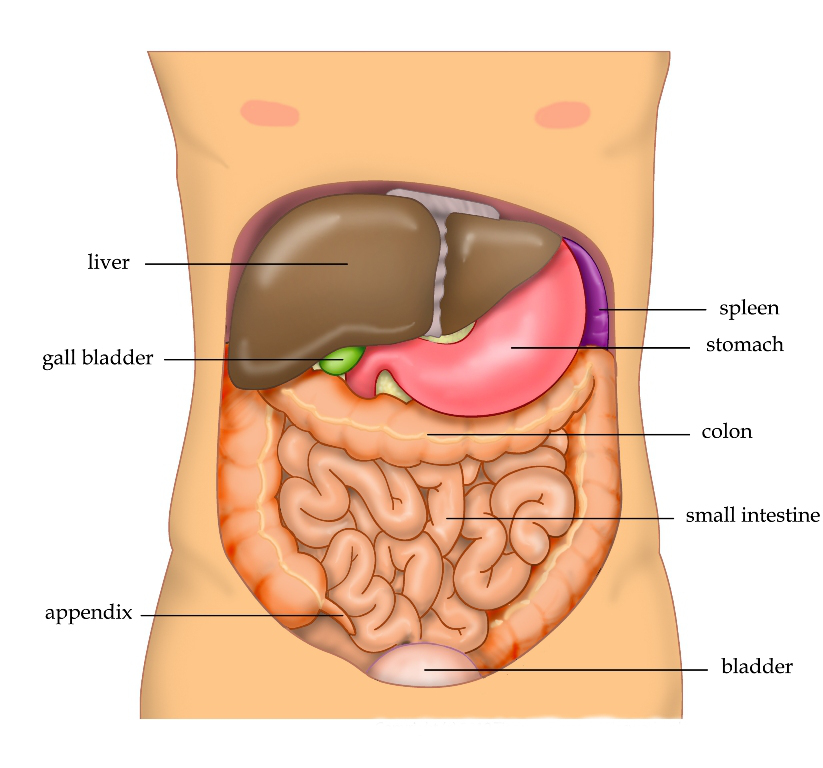
Abdomen
ಉದರ
Syllable: ಉ-ದ-ರ
Pronunciation: Udara
- The abdomen contains many organs. – ಉದರದಲ್ಲಿ ಅನೇಕ ಅಂಗಗಳಿವೆ.
- The doctor examined his abdomen. – ವೈದ್ಯರು ಅವನ ಉದರವನ್ನು ಪರೀಕ್ಷಿಸಿದರು.
- He felt pain in his abdomen. – ಅವನಿಗೆ ಉದರದಲ್ಲಿ ನೋವು ಅನುಭವವಾಯಿತು.
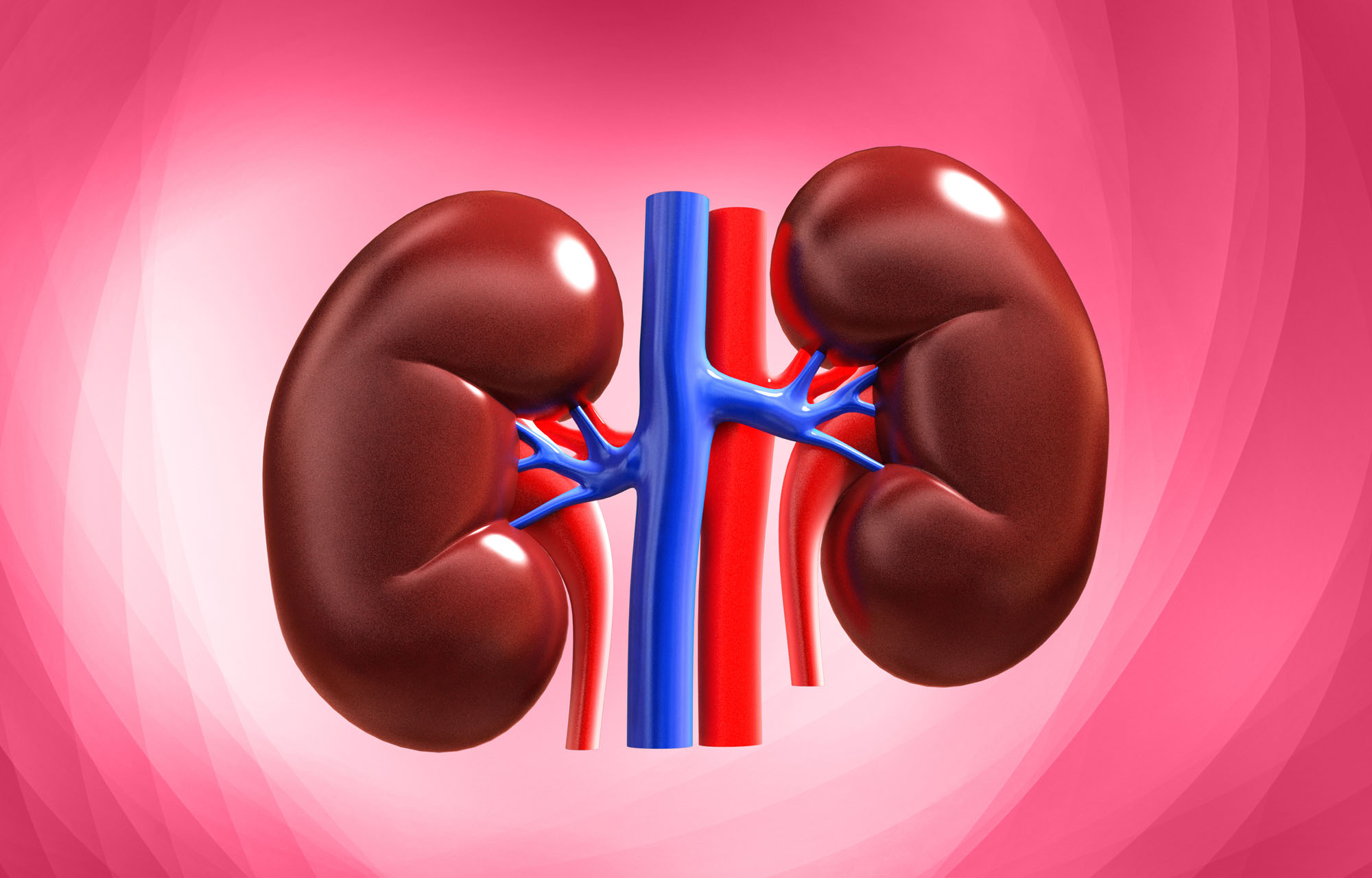
Kidney
ಮೂತ್ರಪಿಂಡ
Syllable: ಮೂ-ತ್ರ-ಪಿಂ-ಡ
Pronunciation: Mootrapinda
- The kidneys filter waste from the blood. – ಮೂತ್ರಪಿಂಡಗಳು ರಕ್ತದಲ್ಲಿನ ತ್ಯಾಜ್ಯವನ್ನು ಶೋಧಿಸುತ್ತವೆ.
- Drinking water helps the kidneys. – ನೀರು ಕುಡಿಯುವುದು ಮೂತ್ರಪಿಂಡಗಳಿಗೆ ಸಹಾಯ ಮಾಡುತ್ತದೆ.
- The doctor checked his kidneys. – ವೈದ್ಯರು ಅವನ ಮೂತ್ರಪಿಂಡಗಳನ್ನು ಪರಿಶೀಲಿಸಿದರು.

Skin
ಚರ್ಮ
Syllable: ಚ-ರ್ಮ
Pronunciation: Charma
- The skin protects the body. – ಚರ್ಮವು ದೇಹವನ್ನು ರಕ್ಷಿಸುತ್ತದೆ.
- My skin feels dry today. – ಇಂದು ನನ್ನ ಚರ್ಮ ಒಣಗಿದಂತೆ ಅನಿಸುತ್ತದೆ.
- Healthy skin looks bright. – ಆರೋಗ್ಯಕರ ಚರ್ಮ ಹೊಳೆಯುತ್ತದೆ.
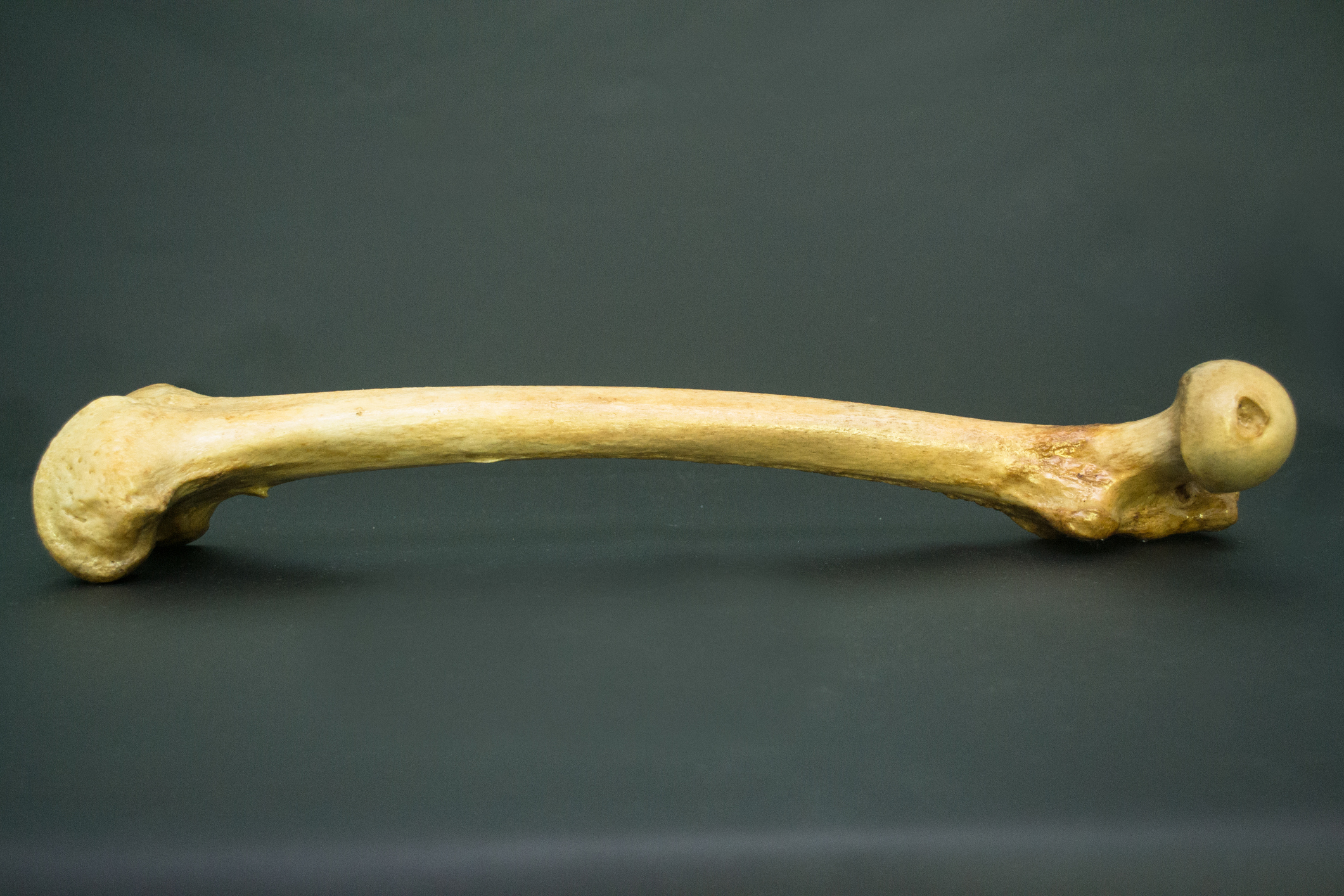
Bone
ಮೂಳೆ
Syllable: ಮೂ-ಳೆ
Pronunciation: Moole
- Bones support the body. – ಮೂಳೆಗಳು ದೇಹಕ್ಕೆ ಆಧಾರವಾಗಿವೆ.
- He broke a bone in his arm. – ಅವನ ತೋಳಿನ ಒಂದು ಮೂಳೆ ಮುರಿಯಿತು.
- Strong bones are important. – ಬಲವಾದ ಮೂಳೆಗಳು ಮುಖ್ಯ.

Skeleton
ಅಸ್ಥಿಪಂಜರ
Syllable: ಅ-ಸ್ಥಿ-ಪಂ-ಜ-ರ
Pronunciation: Asthipanjara
- The skeleton gives shape to the body. – ಅಸ್ಥಿಪಂಜರವು ದೇಹಕ್ಕೆ ಆಕಾರ ನೀಡುತ್ತದೆ.
- We studied the skeleton in science class. – ನಾವು ವಿಜ್ಞಾನ ತರಗತಿಯಲ್ಲಿ ಅಸ್ಥಿಪಂಜರವನ್ನು ಅಧ್ಯಯನ ಮಾಡಿದೆವು.
- The skeleton is made of bones. – ಅಸ್ಥಿಪಂಜರವು ಮೂಳೆಗಳಿಂದ ನಿರ್ಮಿತವಾಗಿದೆ.
Easy Ways to Remember Kannada Body Parts Names
Instead of memorizing a list, learners can turn body part vocabulary into an activity. Pointing to each body part while saying its Kannada name helps reinforce learning through movement. This approach works particularly well for younger children.
Visual learning is another effective method. Human body diagrams, labeled charts, and picture worksheets help learners see the word and the body part together. Repeated exposure makes recognition much faster over time.
Some learners prefer studying body parts in sections. For example, learning facial features first, followed by arms and hands, and then legs and feet. Breaking the topic into smaller groups can make it feel easier to manage.
Simple Practice Ideas
- Point to body parts while saying their Kannada names.
- Use illustrated body charts for revision.
- Learn five new words at a time.
- Draw a person and label the body parts.
- Watch Kannada educational videos for children.
- Practice vocabulary in front of a mirror.
- Create flashcards with pictures and names.
- Use body part names in simple sentences.
- Play guessing games with family members.
- Review older words before learning new ones.
- Keep a notebook for vocabulary practice.
- Complete worksheet activities regularly.
Short daily practice sessions often help learners remember vocabulary better than long study sessions done occasionally.
Body Parts Names in Kannada At a Glance
| # | English Name | Kannada Name | Pronunciation |
|---|---|---|---|
| 1 | Head | ತಲೆ | Tale |
| 2 | Hair | ಕೂದಲು | Koodalu |
| 3 | Forehead | ನೆತ್ತಿ | Nethi |
| 4 | Eye | ಕಣ್ಣು | Kannu |
| 5 | Eyebrow | ಹುಬ್ಬು | Hubbu |
| 6 | Eyelashes | ಕಣ್ಣುರೆಪ್ಪೆಗಳು | Kannureppegalu |
| 7 | Ear | ಕಿವಿ | Kivi |
| 8 | Nose | ಮೂಗು | Moogu |
| 9 | Nostril | ಮೂಗಿನ ರಂಧ್ರ | Moogina Randhra |
| 10 | Mouth | ಬಾಯಿ | Baayi |
| 11 | Lips | ತುಟಿಗಳು | Tutigalu |
| 12 | Teeth | ಹಲ್ಲುಗಳು | Hallugalu |
| 13 | Tongue | ನಾಲಿಗೆ | Naalige |
| 14 | Cheek | ಗಲ್ಲ | Galla |
| 15 | Neck | ಕುತ್ತಿಗೆ | Kuttige |
| 16 | Shoulder | ಭುಜ | Bhuja |
| 17 | Arm | ತೋಳು | Tholu |
| 18 | Elbow | ಮೊಣಕೈ | Monakai |
| 19 | Hand | ಕೈ | Kai |
| 20 | Finger | ಬೆರಳು | Beralu |
| 21 | Thumb | ಬೊಟ್ಟೆ ಬೆರಳು | Botte Beralu |
| 22 | Chest | ಎದೆ | Ede |
| 23 | Heart | ಹೃದಯ | Hrudaya |
| 24 | Stomach | ಹೊಟ್ಟೆ | Hotte |
| 25 | Back | ಬೆನ್ನು | Bennu |
| 26 | Waist | ಸೊಂಟ | Sonta |
| 27 | Hip | ಸೊಂಟದ ಮೂಳೆ | Sontada Moole |
| 28 | Leg | ಕಾಲು | Kaalu |
| 29 | Knee | ಮೊಣಕಾಲು | Monakaalu |
| 30 | Foot | ಪಾದ | Paada |
| 31 | Toes | ಕಾಲಿನ ಬೆರಳುಗಳು | Kaalina Beralugalu |
| 32 | Nails | ಉಗುರುಗಳು | Ugurugalu |
| 33 | Brain | ಮೆದುಳು | Medulu |
| 34 | Lungs | ಶ್ವಾಸಕೋಶಗಳು | Shwasakoshagalu |
| 35 | Abdomen | ಉದರ | Udara |
| 36 | Kidney | ಮೂತ್ರಪಿಂಡ | Mootrapinda |
| 37 | Skin | ಚರ್ಮ | Charma |
| 38 | Bone | ಮೂಳೆ | Moole |
| 39 | Skeleton | ಅಸ್ಥಿಪಂಜರ | Asthipanjara |
Kannada Body Parts Quiz
From Head to Toe: Growing Your Kannada Vocabulary
Body part names form an important foundation for language learning because they connect directly to everyday experiences. Once learners know these words, they can move on to related topics such as health, exercise, appearance, and personal care with greater confidence.
As you work through the list, see how many body parts you can already identify without looking at the answers. Did any Kannada words surprise you?
Share your thoughts in the comments and let other learners know which body part name was the easiest—or the trickiest—to remember.