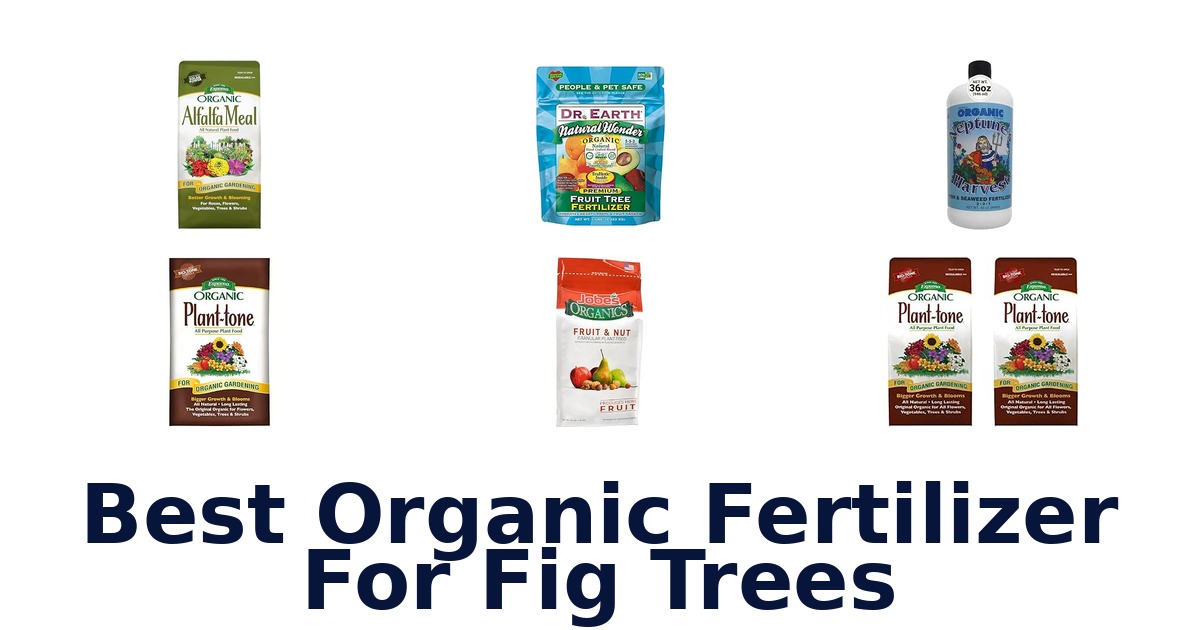
A strong choice for fig trees supplies fruit-tree-appropriate nutrients in a form you can apply consistently, whether you grow a backyard tree or a container fig. For an organic-focused shortlist, Dr. Earth Natural Wonder and Jobe’s Organics Fruit and Nut stand out because they are formulated for fruit-bearing plants; Jobe’s is also OMRI listed.
Espoma Tree-tone is another tree-specific option, while fish-based liquids suit gardeners who prefer mixing feed with water. The products here vary in nutrient analysis, form, and directions, so a dedicated fig label is not the only useful distinction.
Match the fertilizer to your tree’s setting and your preferred application routine, then follow its package directions rather than assuming products can be dosed alike.
Dr. Earth Natural Wonder is the leading pick for fig growers seeking an explicitly organic fruit-tree fertilizer. Its 5-5-2 granular formula is described as 100% organic and natural, and the product is intended for fruit trees and berries in containers or backyard soils.
It also promotes healthy roots and fruit growth and feeds plants for up to two months. Jobe’s Organics Fruit and Nut is a strong alternative if OMRI listing and a 3-5-5 analysis are priorities.
Our Top Picks
 Best Overall
Its 5-5-2 organic granular blend is formulated for fruit trees and berries, including containers, and feeds plants for up to two months.
View on Amazon Best OMRI Listed
This OMRI-listed 3-5-5 organic fertilizer is specifically formulated for fruit and nut plants and trees, with application every 4–8 weeks.
View on Amazon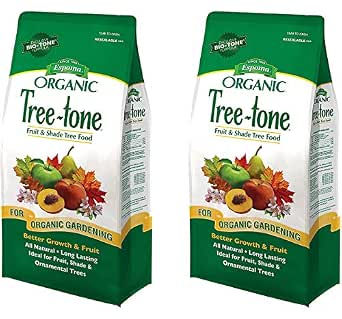 Best Tree Formula
Its organic 6-3-2 analysis includes 5% calcium and is designed for fruit trees; directions recommend spring and fall applications.
View on Amazon- Best Fig Specific TPS Nutrients Fig Tree Fertilizer
- Best Fish and Seaweed Neptune’s Harvest Fish and Seaweed
Compare These Fig Tree Fertilizer Options
| # | Product | Form | Weight | Buy |
|---|---|---|---|---|
| 1 | 1. Dr. Earth Natural WonderBest Overall | Granules | 16 oz | View on Amazon |
| 2 | 2. Jobe’s Organics Fruit and NutBest OMRI Listed | Granules | 4 lb | View on Amazon |
| 3 | 3. Espoma Tree-toneBest Tree Formula | Powder | 4 lb | View on Amazon |
| 4 |  4. TPS Nutrients Fig Tree FertilizerBest Fig Specific | Liquid | — | View on Amazon |
| 5 |  5. Neptune’s Harvest Fish and SeaweedBest Fish and Seaweed | Liquid | 2.3 lb | View on Amazon |
| 6 |  6. Neptune’s Harvest Fish FertilizerFish-hydrolysate liquid users | Liquid | 2.3 lb | View on Amazon |
| 7 | 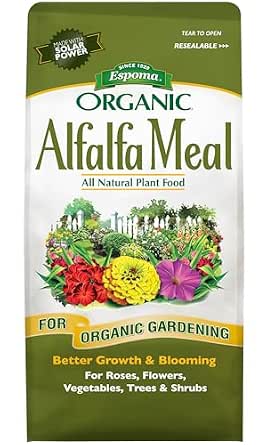 7. Espoma Alfalfa MealAlfalfa-based organic feeding | Granules | 3 lb | View on Amazon |
| 8 |  8. Espoma Plant-tone 4 lbSeasonal all-purpose tree feeding | Granules | 4 lb | View on Amazon |
| 9 |  9. Espoma Plant-tone 36 lbLarge mixed-garden plantings | Bagged | 36 lb | View on Amazon |
| 10 |  10. FOOP Garden Liquid Plant FoodBroad-spectrum liquid garden feeding | Liquid | 2 lb | View on Amazon |
Detailed Reviews: Best Organic Fertilizer For Fig Trees
#1 · Best Overall
1. Dr. Earth Natural Wonder
- Form: Granules
- Weight: 16 oz
Best for: Organic mixed-fruit gardens.
Why it ranks #1: Its 5-5-2 organic granular blend is formulated for fruit trees and berries, including containers, and feeds plants for up to two months.
A 100% organic and natural granular blend for fruit trees, berries, and fruiting vines gives this Dr. Earth fertilizer unusually broad orchard relevance. Its stated feeding period of up to two months can simplify routines for gardeners tending several kinds of edible plants.
The granular form suits application to backyard soils or containers, and the directions specify coverage of 15 square feet, helping growers plan a defined area. Dr. Earth says it feeds plants for up to two months and promotes hearty roots and fruit growth. Its listed fit for citrus, apples, peaches, nut trees, berries, avocados, and grapes makes it a practical option when figs share space with other fruiting plants.
- 100% organic and natural blend
- Suitable for fruit trees, berries, and fruiting vines
- Feeds plants for up to two months
- Listed coverage is 15 square feet
- The stated coverage is limited to 15 square feet per application.
Skip it if you want a fig-specific liquid you can apply with a hose-end spray; TPS Nutrients Fig Tree Fertilizer offers that format.
Choose it if your fig tree is part of a mixed fruit garden and you want one organic granular product for several crops. Its 15-square-foot coverage makes area planning relevant.
Full product details
| Brand | Dr. Earth |
|---|---|
| Included Components | Dr. Earth – 70656 |
| Item Form | Granules |
| Item Weight | 16 ounces |
| Manufacturer | Dr. Earth |
| Model Number | Dr. Earth – 70656 |
| Warranty Description | Warranty |
| Additional Information | Important information Safety Information B01MRJIYVM Ingredients 100 % Organic Directions Use on citrus, apples, peaches, nut trees, berries, avocados and grapes; feeds plants up to 2 months and covers 15 sq. ft. |
Listed on Amazon as: Dr. Earth 70656 1 lb 5-5-2 MINIS Natural Wonder Fruit Tree Fertilizer
View on Amazon#2 · Best OMRI Listed
2. Jobe’s Organics Fruit and Nut
- Form: Granules
- Weight: 4 lb
Best for: Organic fruit-tree bed gardeners.
Why it ranks #2: This OMRI-listed 3-5-5 organic fertilizer is specifically formulated for fruit and nut plants and trees, with application every 4–8 weeks.
An OMRI-listed 3-5-5 granular formula for fruit and nut plants gives Jobe’s Organics a clear role in organic fig-tree care. The four-pound bag and four-to-eight-week application interval suit growers who want a dry product and a recurring schedule.
The granular form avoids the need to mix a liquid feed, while the listed application interval of every four to eight weeks gives growers a repeatable maintenance rhythm. Jobe’s says the formula is made without synthetic chemicals and is OMRI listed for organic gardening. Its 3-5-5 analysis is formulated for fruit and nut plants and trees, making it a reasonable fit for figs within a broader edible planting.
- OMRI listed for organic gardening
- 3-5-5 fertilizer analysis
- Formulated for fruit and nut plants and trees
- Four-pound quantity with a stated four-to-eight-week application interval
- The product calls for repeat applications every four to eight weeks.
Skip it if you prefer spring-and-fall feeding without mixing; Espoma Tree-Tone is ready to use and requires no mixing.
This granular option suits fig growers maintaining fruit and nut plants under organic gardening practices. Its recurring four-to-eight-week schedule is a relevant consideration if you prefer fewer applications.
Full product details
| Brand | Jobe's Organics |
|---|---|
| Included Components | 4lbs Granular Fertilizer |
| Item Form | Granules |
| Item Weight | 4 pounds |
| Manufacturer | Easy Gardener, Inc. |
| Model Number | 9227 |
| Warranty Description | Warranty |
Listed on Amazon as: Jobe’s Organics Granular Garden Fertilizer, Easy Plant Care Fertilizer for Fruit and Nut Plants and Trees, 4 lbs Bag
View on Amazon#3 · Best Tree Formula
3. Espoma Tree-tone
- Form: Powder
- Weight: 4 lb
Best for: Low-prep tree feeding.
Why it ranks #3: Its organic 6-3-2 analysis includes 5% calcium and is designed for fruit trees; directions recommend spring and fall applications.
Ready-to-use granules that require no mixing are the practical draw of Espoma Tree-Tone. Its stated use on fruit trees, combined with spring and fall timing, makes it a straightforward choice for fig growers who want a seasonal routine.
Tree-Tone’s 6-3-2 analysis and 5% calcium are specified alongside a blend of natural and organic ingredients enhanced with Bio-tone. Because the product is ready to use, feeding does not require preparing a liquid solution. Espoma recommends spring and fall use and lists fruit trees among its applications, offering a defined seasonal approach for a fig tree in a larger planting or garden.
- Ready to use with no mixing required
- 6-3-2 analysis with 5% calcium
- Natural and organic ingredients enhanced with Bio-tone
- Listed for fruit trees with spring and fall timing
- Its recommended feeding schedule is limited to spring and fall.
Skip it if you want a liquid fish-and-seaweed feed for a broader range of plants; Neptune’s Harvest 2-3-1 Fish & Seaweed is a liquid option.
Tree-Tone fits fig growers who value ready-to-use granules and seasonal feeding across fruit and ornamental trees. Its spring-and-fall schedule is the key fit consideration for your routine.
Full product details
| Brand | Espoma |
|---|---|
| Item Form | Powder |
| Item Weight | 4 pounds |
| Manufacturer | Espoma Company The |
| Model Number | TR4 |
| Additional Information | Important information Ingredients organic ingredients Directions Best to use Tree-tone fertilizer spring and fall. Tree-tone is ready to use and requires no mixing. |
Listed on Amazon as: Espoma Organic Tree-Tone 6-3-2 Natural & Organic Fertilizer and Plant Food; 4 lb. Bag; Pack of 2
View on Amazon#4 · Best Fig Specific
4. TPS Nutrients Fig Tree Fertilizer
- Form: Liquid
Best for: Container and backyard fig growers.
Why it ranks #4: This liquid plant food explicitly targets fig trees and supports fruit development, foliage, shoots, and root growth, for garden or container use.
Fig-specific liquid plant food is the clearest differentiator here, supporting vigorous branches, healthy foliage, and fig fruit development in one product. Its stated fit for both garden and container figs makes it relevant to patio growers as well as backyard tree owners.
The liquid form can be mixed with water during regular watering or applied with a hose-end spray, giving growers two ways to work feeding into an existing routine. Its stated support for stronger shoots, denser foliage, and deep roots connects feeding with fuller growth and water and nutrient uptake. The product is explicitly positioned for container and garden figs, so it suits those settings without requiring a broader fruit-tree use case.
- Formulated specifically for fig trees
- Supports branch growth and fruit development
- Supports denser green foliage and stronger shoots
- Can be mixed with water or applied with a hose-end spray
- The 8-ounce bottle is a small quantity for treating multiple trees.
Skip it if you need fertilizer for a broad range of fruit trees; Dr. Earth's Natural Wonder covers fruit trees, berries, and fruiting vines.
Fig growers seeking liquid feeding for a patio container or backyard tree will find the fig-specific focus useful. Consider the 8-ounce bottle size if you plan to treat several trees or a larger planting.
Full product details
| Brand | TPS NUTRIENTS |
|---|---|
| Item Form | Liquid |
| Manufacturer | TPS Nutrients |
| Additional Information | Important information Safety Information Handle with standard precautions. Keep out of reach of children and pets. Do not ingest. If ingested, seek medical attention immediately. Directions Mix with water during regular watering or apply using a hose-end sprayer from early spring to late summer. |
Listed on Amazon as: Fig Tree Fertilizer – Liquid Plant Food for Bigger Harvests, 8 oz
View on Amazon#5 · Best Fish and Seaweed
5. Neptune’s Harvest Fish and Seaweed
- Form: Liquid
- Weight: 2.3 lb
Best for: Liquid feeding for mixed gardens.
Why it ranks #5: The 2-3-1 liquid combines 75% fish and 25% seaweed and is listed for fruit and trees, making it a versatile liquid option.
A liquid blend containing 75% fish and 25% seaweed gives Neptune’s Harvest a distinct all-purpose profile for fig trees among many other plantings. It is listed for trees, indoor plants, vegetables, flowers, and lawns, suiting growers who feed beyond the orchard.
The liquid form supports a consistent feeding routine across mixed garden areas, while the fish-and-seaweed blend provides one product for trees and a range of other plants. The label says to shake well before use, a simple preparation step before applying. Its 2-3-1 analysis and broad listed use make it an option for gardeners who want a single liquid fertilizer serving figs alongside vegetables, flowers, or indoor plants.
- Liquid fertilizer for trees and a broad range of plants
- Contains 75% fish and 25% seaweed
- 2-3-1 fertilizer analysis
- Suitable for indoor and outdoor plants
- The directions require shaking well before each use.
Skip it if you want a fish-only liquid made with a cold process; Neptune’s Harvest 2-4-1 Fish Fertilizer is the fish hydrolysate option.
Pick this for a fig tree in a mixed indoor and outdoor garden where one liquid feed can serve several plant types. Its broad-purpose formulation is less fig-specific than a dedicated fig fertilizer.
Full product details
| Brand | Neptune's Harvest |
|---|---|
| Included Components | Product |
| Item Form | Liquid |
| Item Weight | 2.3 pounds |
| Manufacturer | Neptune's Harvest |
| Model Number | FS136 |
Listed on Amazon as: Neptune's Harvest Fish & Seaweed Liquid Fertilizer (2-3-1) – 36oz Bottle – Plant Food for Garden – Indoor & Outdoor Organic Plant Fertilizer for Vegetables, Flowers, Fruit, Trees & Lawns
View on Amazon#6
6. Neptune’s Harvest Fish Fertilizer
- Form: Liquid
- Weight: 2.3 lb
Best for: Fish-hydrolysate liquid users.
Why it ranks #6: Its 2-4-1 fish hydrolysate liquid is listed for fruit and trees, and the cold process is described as protecting vitamins, amino acids, and enzymes.
A cold-process fish hydrolysate is the defining feature of Neptune’s Harvest 2-4-1 Fish Fertilizer; the process is stated to protect vitamins, amino acids, enzymes, and growth hormones. Its use for trees and multiple other plant types suits gardeners who favor fish-based liquid feeding.
The 2-4-1 analysis gives this liquid fish fertilizer a specified nutrient profile, while the directions to shake well and prepare only one application at a time shape its mixing routine. Neptune’s Harvest says its cold process protects naturally occurring vitamins, amino acids, enzymes, and growth hormones. The listed uses include fruit, trees, vegetables, flowers, grass, and indoor plants, giving fig growers flexibility across a mixed garden.
- 2-4-1 fertilizer analysis
- Made using a cold process that protects listed natural components
- Suitable for fruit and trees as well as other plants
- Liquid fish hydrolysate fertilizer
- Diluted fertilizer must not be stored for later use.
Skip it if you want a fish-and-seaweed liquid blend; Neptune’s Harvest Fish & Seaweed 2-3-1 combines both ingredients in one formula.
Consider this for fig trees in a mixed planting if you prefer liquid fish hydrolysate. Prepare only the amount needed for one application, since the directions say not to store diluted fertilizer.
Full product details
| Brand | Neptune's Harvest |
|---|---|
| Included Components | Neptune's Harvest Fish Fertilizer Quart |
| Item Form | Liquid |
| Item Weight | 2.3 pounds |
| Manufacturer | Neptune's Harvest |
| Model Number | HF136 |
Listed on Amazon as: Neptune's Harvest Fish Fertilizer (2-4-1) – Organic Liquid Plant Fertilizer – Fish Hydrolysate for Vegetables, Flowers, Fruit, Trees, Grass – Indoor and Outdoor Plant Food (Quart)
View on Amazon#7
7. Espoma Alfalfa Meal
- Form: Granules
- Weight: 3 lb
Best for: Alfalfa-based organic feeding.
Why it ranks #7: This all-natural 2-0-2 meal supplies nitrogen and potassium and can be sprinkled around trees or mixed with water as fertilizer tea.
Espoma Alfalfa Meal uses 100% all-natural alfalfa with no fillers or additives, supplying nitrogen and potassium for organic gardening. Its soil-application or tea-making options give fig growers a choice between a granular treatment and a prepared liquid feed.
The 2-0-2 analysis supplies nitrogen and potassium, while the listed use includes trees and shrubs alongside roses, flowers, and vegetables. Growers can sprinkle the meal onto soil around plants or mix it with water to make fertilizer tea. The product is approved for organic gardening and registered as an Organic Input Material, making it a targeted alternative for gardeners seeking an alfalfa-based feed rather than a complete multi-nutrient formula.
- 100% all-natural alfalfa meal with no fillers or additives
- 2-0-2 analysis provides nitrogen and potassium
- Can be applied to soil or made into fertilizer tea
- Approved for organic gardening and registered as an Organic Input Material
- The 2-0-2 analysis lists nitrogen and potassium but no phosphorus.
Skip it if you want a 5-3-3 all-purpose granular for trees and shrubs; Espoma Plant-Tone 4 lb provides that broader listed analysis.
Choose Alfalfa Meal if you want an organic alfalfa-based option for a fig tree and value soil application or fertilizer tea. Its 2-0-2 analysis is a key fit consideration.
Full product details
| Brand | Espoma |
|---|---|
| Included Components | Espoma – AL3 |
| Item Form | Granules |
| Item Weight | 3 pounds |
| Manufacturer | Espoma |
| Model Number | Espoma – AL3 |
| Warranty Description | Warranty |
| Additional Information | Important information Ingredients ingredients Directions Sprinkle the alfalfa meal onto the soil around your plants or mix it with water to create a liquid fertilizer tea. |
Listed on Amazon as: Espoma Organic Alfalfa Meal Fertilizer 2-0-2. All-Natural Plant Food Source of Nitrogen and Potassium for Organic Gardening. Use for Roses, Flowers, Veggies, Trees & Shrubs. 3 lb. Bag.
View on Amazon#8
8. Espoma Plant-tone 4 lb
- Form: Granules
- Weight: 4 lb
Best for: Seasonal all-purpose tree feeding.
Why it ranks #8: The organic 5-3-3 all-purpose plant food is suitable for trees and shrubs and breaks down slowly; directions favor spring and fall feeding.
Espoma Plant-Tone’s natural organics break down slowly, providing a long-lasting reservoir of nutrients for trees and shrubs as well as flowers and vegetables. That broad scope makes it useful for fig growers maintaining several kinds of plants with one granular feed.
The 5-3-3 formula is enhanced with Espoma’s Bio-tone blend, and its granules provide a dry application rather than a liquid mixing routine. The product is listed for trees and shrubs, with spring and fall timing specified for trees. For a fig grower with a mixed garden, the same all-purpose plant food can serve vegetables and flowers too, while the slow breakdown supports an extended nutrient reservoir.
- 5-3-3 fertilizer analysis
- Natural organics break down slowly
- Enhanced with Bio-tone
- Listed for trees, shrubs, vegetables, and flowers
- The listed tree-feeding schedule is spring and fall.
Skip it if you need a 36-pound bag for extensive plantings; Espoma Plant-Tone 36 lb offers the same 5-3-3 formula in a larger quantity.
Plant-Tone suits fig growers who also feed other garden plants and prefer granules with a slow nutrient breakdown. Its spring-and-fall tree schedule should match your seasonal care routine.
Full product details
| Brand | Espoma |
|---|---|
| Item Form | Granules |
| Item Weight | 4 pounds |
| Manufacturer | The Espoma Company |
| Model Number | PT4 |
Listed on Amazon as: Espoma Organic Plant-Tone 5-3-3 Natural & Organic All Purpose Plant Food; 4 lb. Bag; Organic Fertilizer for All Flowers, Vegetables, Trees, and Shrubs. Pack of 2
View on Amazon#9
9. Espoma Plant-tone 36 lb
- Form: Bagged
- Weight: 36 lb
Best for: Large mixed-garden plantings.
Why it ranks #9: This 5-3-3 organic all-purpose fertilizer includes trees among its uses and breaks down slowly, but it is not specifically formulated for fruit trees.
The 36-pound bag makes Espoma Plant-Tone the large-quantity version of its all-purpose 5-3-3 organic fertilizer. Its slow-breaking natural organics and listed use on trees, shrubs, vegetables, and flowers suit gardeners feeding figs alongside an established mixed planting.
Plant-Tone’s natural organics break down slowly to provide a long-lasting nutrient reservoir, which complements its 5-3-3 analysis and Bio-tone formula. The product is listed for trees and shrubs as well as flowers and vegetables, so the large bag can serve multiple parts of a garden. Espoma recommends spring and fall use for trees; the 36-pound quantity is the main practical consideration for storage and handling.
- 36-pound quantity for larger plantings
- 5-3-3 fertilizer analysis
- Natural organics provide a slow-breaking nutrient reservoir
- Listed for trees, shrubs, vegetables, and flowers
- The 36-pound bag is a large quantity to store and handle.
Skip it if you need a four-pound bag for a smaller garden; Espoma Plant-Tone 4 lb provides the same 5-3-3 formula in a smaller quantity.
This Plant-Tone size suits gardeners feeding fig trees alongside many other plants and able to store and handle a 36-pound bag. Its spring-and-fall tree timing supports a seasonal routine.
Full product details
| Brand | Espoma |
|---|---|
| Included Components | …. |
| Item Form | Bagged |
| Item Weight | 36 pounds |
| Manufacturer | ESPOMA COMPANY THE |
| Model Number | 36 pound |
| Warranty Description | Warranty |
Listed on Amazon as: Espoma Organic Plant-Tone 5-3-3 Natural & Organic All Purpose Plant Food; 36 lb. Bag; The Original Organic Fertilizer for All Flowers, Vegetables, Trees, and Shrubs
View on Amazon#10
10. FOOP Garden Liquid Plant Food
- Form: Liquid
- Weight: 2 lb
Best for: Broad-spectrum liquid garden feeding.
Why it ranks #10: This general-purpose liquid includes trees among its uses, but its listed description does not specifically identify fruit trees or fig trees.
FOOP’s liquid plant food combines fish emulsion, kelp, mycorrhizae, and fish manure, setting it apart from simpler single-source feeds. Its broad-spectrum organic nutrients are listed for trees alongside vegetables, herbs, flowers, and houseplants, including a fig in a varied garden.
The listed nutrient range includes nitrogen, phosphorus, potassium, calcium, magnesium, and silica, giving this general-purpose formula a wide nutrient profile for varied plantings. Because it is a liquid, it can fit growers who prefer liquid plant food over granules; its directions refer users to the packaging for quantity and application details. The product is approved for organic use and listed for both indoor and outdoor plants, including trees and shrubs.
- Contains fish emulsion, kelp, mycorrhizae, and fish manure
- Lists six essential nutrients, including calcium and magnesium
- Approved for organic use
- Suitable for indoor and outdoor plants, including trees
- Specific application quantities are not provided in the supplied directions.
Skip it if you want an explicitly fig-specific product with stated water-mixing directions; TPS Nutrients Fig Tree Fertilizer is formulated for figs.
FOOP suits growers who want a broad-spectrum liquid for a fig tree alongside other indoor or outdoor plants. Check the package directions for application quantities, which are not specified here.
Full product details
| Brand | FOOP |
|---|---|
| Item Form | Liquid |
| Item Weight | 2 pounds |
| Manufacturer | FOOP Organic Biosciences |
| Additional Information | Important information Safety Information No specific safety warning; refer to general fertilizer precautions. Directions Refer to product packaging for specific directions, including determining appropriate quantity, mixing with water if necessary, and applying to plant soil. |
Avoid treating fertilizer formats as interchangeable
The main application trap is assuming that a liquid and a granular fertilizer can be substituted dose for dose. The products span water-mixed liquids, ready-to-use granules, and a powder, with directions that differ: TPS Nutrients Fig Tree Fertilizer is mixed with water during watering or applied with a hose-end spray, while Espoma Tree-tone is ready to use with no mixing. Jobe’s Organics Fruit and Nut gives a 4–8 week application interval, and Dr.
Earth Natural Wonder says it feeds for up to two months. These intervals are product-specific, not a shared fig-tree schedule.
Overlapping feeding without accounting for the product directions can mean applying more often than intended. Pick a single product and follow its package instructions; don’t transfer rates or timing from another formula just because both are organic or intended for fruit trees.
Container figs need attention to label coverage and routine
For container figs, check whether the product explicitly includes container-grown fruit trees and whether its directions fit your watering routine. Dr. Earth Natural Wonder is described for fruit trees and berries in containers as well as backyard soils, while TPS Nutrients Fig Tree Fertilizer specifically lists patio containers and mixes with water.
Those details make them easier to match to a potted tree than a general tree-and-shrub fertilizer. Jobe’s Organics Fruit and Nut is formulated for fruit-bearing plants, but its supplied details do not specify a container rate.
A product’s general suitability is not the same as a pot-specific dose. Container size, plant condition, and label directions matter, so do not infer an amount from the product’s bag weight or apply a garden-bed rate to a pot. Check the package for a rate that matches your actual use.
How to Choose Fig Tree Fertilizer
Fruit-tree and fig-tree fit
Look first for a label that names fruit trees, fruit-bearing plants, or figs rather than relying on an all-purpose description. Dr. Earth Natural Wonder covers fruit trees and berries, including containers and backyard soils; Jobe’s Organics Fruit and Nut targets fruit and nut plants and trees.
Espoma Tree-tone is for shade, fruit, and ornamental trees, while TPS Nutrients Fig Tree Fertilizer is the most explicitly fig-specific and names garden and container figs. General formulas such as Plant-tone include trees and shrubs but do not specify fruit trees in the supplied details.
Fruit-tree growers may prefer a dedicated fruit formula; those seeking a fig-named product can consider the TPS liquid, while checking whether its organic status is established on the label.
Nutrient analysis and formula
Compare the listed NPK analysis when one is provided, but don’t treat a higher number as proof of better results for figs. Dr. Earth Natural Wonder is 5-5-2, Jobe’s Organics Fruit and Nut is 3-5-5, Espoma Tree-tone is 6-3-2 with 5% calcium, Neptune’s Harvest Fish and Seaweed is 2-3-1, and Neptune’s Harvest Fish Fertilizer is 2-4-1.
Other products, including TPS Nutrients Fig Tree Fertilizer, do not list an analysis in the supplied details. A buyer wanting a stated, fruit-tree-specific granular ratio can compare the first two; someone who prefers liquid feeding can look at the Neptune’s Harvest options.
Use the product label and your growing conditions to guide selection rather than selecting by one NPK number alone.
Form and feeding interval
Choose a form that fits the way you water and feed your tree. Granules include Dr. Earth Natural Wonder and Jobe’s Organics Fruit and Nut; Jobe’s directions say to apply every 4–8 weeks, while Dr.
Earth says it feeds for up to two months. Espoma Tree-tone is a ready-to-use powder with spring and fall timing.
Liquids include the two Neptune’s Harvest products and TPS Nutrients Fig Tree Fertilizer, which is mixed with water or used with a hose-end spray. Granules or powder may suit gardeners who prefer not to mix fertilizer at each application; liquids suit those who already feed during watering. The labels provide different timing and application methods, so choose the routine you can follow and stick with that product’s directions.
Which fertilizer should I choose for my fig tree?
Choose Dr. Earth Natural Wonder if you want an explicitly organic fruit-tree blend that works in containers and backyard soils and feeds for up to two months. Pick Jobe’s Organics Fruit and Nut if OMRI listing, a 3-5-5 analysis, and an every-4–8-week granular routine suit your garden.
For a formula made specifically for figs, TPS Nutrients Fig Tree Fertilizer is the liquid option, with directions for garden and container trees. Choose Espoma Tree-tone if you want a tree-focused 6-3-2 organic formula with spring and fall directions.
If you prefer fish-based liquid feeding, consider Neptune’s Harvest Fish and Seaweed for its 2-3-1 analysis, or Neptune’s Harvest Fish Fertilizer for its 2-4-1 formula. Always follow the selected product’s label.
Related Buying Guides
Frequently Asked Questions
When should I fertilize a fig tree during the growing season?
Follow the directions for the fertilizer you choose, since schedules vary by product. The supplied guidance gives Espoma Tree-tone spring and fall directions, while Jobe’s Organics Fruit and Nut suits an every-4–8-week granular routine. Avoid applying products on a schedule that conflicts with their labels or your tree’s growing conditions.
How much fertilizer should I apply to a potted fig tree?
Use the selected fertilizer’s label directions for container-grown trees; the supplied information does not specify a universal dose. Dr. Earth Natural Wonder is intended for fruit trees in containers as well as backyard soils, and TPS Nutrients Fig Tree Fertilizer includes directions for container trees.
Do not guess at an amount.
Can I use fish-based fertilizer on a fig tree?
Yes. The listed Neptune’s Harvest fish-based options are presented for fruit trees, and the Fish and Seaweed formula has a 2-3-1 analysis while Fish Fertilizer has a 2-4-1 analysis. Follow the chosen product’s label for application and dilution directions, especially for container-grown trees.
Should I choose granular or liquid fertilizer for a fig tree?
Either format can fit, depending on your preferences and the product’s directions. Dr. Earth Natural Wonder and Jobe’s Organics Fruit and Nut are granular options; TPS Nutrients Fig Tree Fertilizer and the Neptune’s Harvest products are liquids.
Choose a formula intended for fruit trees and follow its label.
What should I look for in an organic fertilizer for figs?
Consider whether you want an explicitly organic fruit-tree blend, an OMRI-listed option, or a formula made specifically for figs. Dr. Earth Natural Wonder is described as 100% organic and natural; Jobe’s Organics Fruit and Nut is an alternative if OMRI listing matters; TPS Nutrients is formulated specifically for fig trees.
Final Words
For an explicitly organic fruit-tree fertilizer suited to both containers and backyard soils, Dr. Earth Natural Wonder is the leading choice, with feeding lasting up to two months. Jobe’s Organics Fruit and Nut is a strong alternative if OMRI listing and its every-4–8-week routine appeal.
For a fig-specific liquid, consider TPS Nutrients; for fish-based feeding, choose between Neptune’s Harvest formulas. Follow the selected product’s label.