A handful of almonds during study time, raisins mixed into desserts, or cashews added to special dishes—dry fruits are a familiar part of many kitchens across Karnataka. These foods are easy to store, commonly available in markets, and used in a wide variety of recipes, making them recognizable to learners of all ages.
Because dry fruits are often seen in homes, grocery stores, and food packaging, they offer an easy way to connect language learning with everyday experiences. Instead of memorizing unfamiliar words, learners can build vocabulary around foods they already know and enjoy.
This worksheet introduces common dry fruit names in Kannada, helping learners expand their food-related vocabulary through ingredients they encounter regularly.
Why Learning Dry Fruits Names in Kannada Matters
Food vocabulary is one of the most useful categories in language learning because it appears in daily conversations, shopping trips, recipes, and household activities. Dry fruit names are especially valuable because they are commonly used and easily recognized.
For children and beginners, learning becomes easier when vocabulary is linked to familiar objects. A learner who already knows what a walnut, pistachio, or date looks like only needs to connect the Kannada word with the item. This often leads to faster understanding and better retention.
Dry fruit names are also useful when reading ingredient labels, following cooking instructions, or discussing food preferences. These practical situations give learners many opportunities to use the vocabulary naturally.
Benefits of Learning Kannada Dry Fruits Names
- Builds useful food-related vocabulary.
- Helps learners identify common dry fruits in Kannada.
- Supports reading and speaking activities.
- Improves pronunciation and word recognition.
- Makes shopping conversations easier.
- Helps learners understand ingredient lists.
- Supports classroom lessons and worksheets.
- Expands kitchen-related vocabulary.
- Creates opportunities for practical language use.
- Encourages observation during daily activities.
- Makes learning more relatable and enjoyable.
- Strengthens memory through familiar foods.
Another advantage is that learners can practice these words repeatedly at home without needing special learning resources.
Popular Dry Fruits Found in Everyday Kitchens
Some dry fruits are enjoyed as quick snacks, while others are added to sweets, baked items, drinks, and traditional recipes. The list below includes commonly known dry fruits along with their Kannada names, helping learners connect familiar foods with practical vocabulary.

Almond
ಬಾದಾಮಿ
Syllable: ಬಾ-ದಾ-ಮಿ
Pronunciation: Baadaami
- Almonds are healthy. – ಬಾದಾಮಿ ಆರೋಗ್ಯಕರವಾಗಿದೆ.
- I eat almonds every morning. – ನಾನು ಪ್ರತಿದಿನ ಬೆಳಿಗ್ಗೆ ಬಾದಾಮಿ ತಿನ್ನುತ್ತೇನೆ.
- She added almonds to the dessert. – ಅವಳು ಸಿಹಿತಿಂಡಿಗೆ ಬಾದಾಮಿ ಸೇರಿಸಿದಳು.

Cashew
ಗೋಡಂಬಿ
Syllable: ಗೋ-ಡಂ-ಬಿ
Pronunciation: Godambi
- Cashews taste delicious. – ಗೋಡಂಬಿ ರುಚಿಕರವಾಗಿದೆ.
- I bought some cashews. – ನಾನು ಕೆಲವು ಗೋಡಂಬಿ ಖರೀದಿಸಿದೆ.
- Cashews are used in sweets. – ಗೋಡಂಬಿಯನ್ನು ಸಿಹಿತಿಂಡಿಗಳಲ್ಲಿ ಬಳಸುತ್ತಾರೆ.

Pistachio
ಪಿಸ್ತಾ
Syllable: ಪಿ-ಸ್ತಾ
Pronunciation: Pistaa
- Pistachios are nutritious. – ಪಿಸ್ತಾ ಪೌಷ್ಟಿಕವಾಗಿದೆ.
- The ice cream contains pistachios. – ಐಸ್ಕ್ರೀಮ್ನಲ್ಲಿ ಪಿಸ್ತಾ ಇದೆ.
- I like pistachio flavor. – ನನಗೆ ಪಿಸ್ತಾ ರುಚಿ ಇಷ್ಟ.

Walnut
ಅಖರೋಟ್
Syllable: ಅ-ಖ-ರೋಟ್
Pronunciation: Akharot
- Walnuts are good for the brain. – ಅಖರೋಟ್ ಮೆದುಳಿಗೆ ಒಳ್ಳೆಯದು.
- I ate two walnuts. – ನಾನು ಎರಡು ಅಖರೋಟ್ ತಿಂದೆ.
- Walnuts contain healthy fats. – ಅಖರೋಟ್ ಆರೋಗ್ಯಕರ ಕೊಬ್ಬನ್ನು ಹೊಂದಿದೆ.

Raisin
ಒಣದ್ರಾಕ್ಷಿ
Syllable: ಒ-ಣ-ದ್ರಾ-ಕ್ಷಿ
Pronunciation: Onadraakshi
- Raisins are sweet. – ಒಣದ್ರಾಕ್ಷಿ ಸಿಹಿಯಾಗಿರುತ್ತದೆ.
- I added raisins to the cake. – ನಾನು ಕೇಕ್ಗೆ ಒಣದ್ರಾಕ್ಷಿ ಸೇರಿಸಿದೆ.
- Children like raisins. – ಮಕ್ಕಳು ಒಣದ್ರಾಕ್ಷಿ ಇಷ್ಟಪಡುತ್ತಾರೆ.
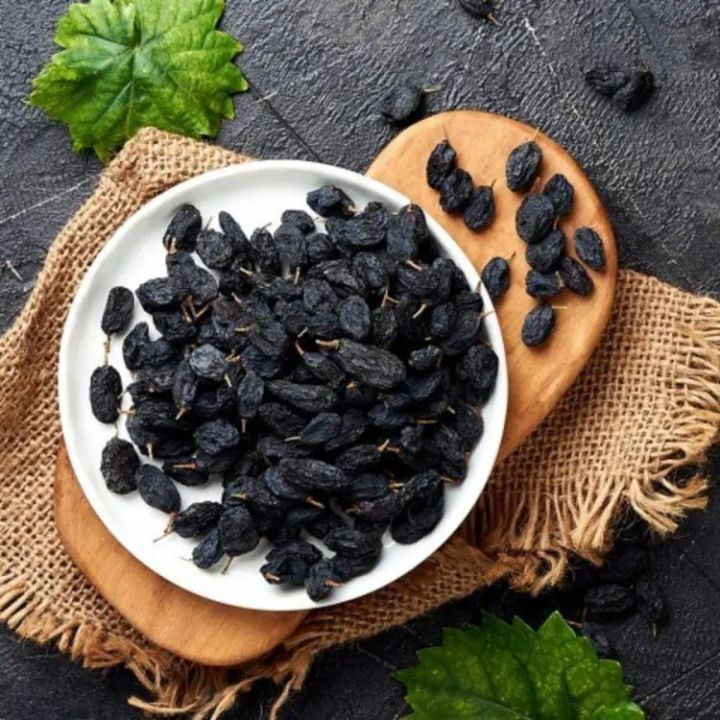
Dry Grapes
ಒಣ ದ್ರಾಕ್ಷಿ
Syllable: ಒ-ಣ ದ್ರಾ-ಕ್ಷಿ
Pronunciation: Ona Draakshi
- Dry grapes are nutritious. – ಒಣ ದ್ರಾಕ್ಷಿ ಪೌಷ್ಟಿಕವಾಗಿದೆ.
- My grandmother eats dry grapes daily. – ನನ್ನ ಅಜ್ಜಿ ಪ್ರತಿದಿನ ಒಣ ದ್ರಾಕ್ಷಿ ತಿನ್ನುತ್ತಾರೆ.
- Dry grapes are used in desserts. – ಒಣ ದ್ರಾಕ್ಷಿಯನ್ನು ಸಿಹಿತಿಂಡಿಗಳಲ್ಲಿ ಬಳಸುತ್ತಾರೆ.

Dates
ಖರ್ಜೂರ
Syllable: ಖ-ರ್ಜೂ-ರ
Pronunciation: Kharjoora
- Dates are naturally sweet. – ಖರ್ಜೂರ ಸ್ವಾಭಾವಿಕವಾಗಿ ಸಿಹಿಯಾಗಿದೆ.
- I eat dates during fasting. – ನಾನು ಉಪವಾಸದ ಸಮಯದಲ್ಲಿ ಖರ್ಜೂರ ತಿನ್ನುತ್ತೇನೆ.
- Dates provide energy. – ಖರ್ಜೂರ ಶಕ್ತಿ ನೀಡುತ್ತದೆ.
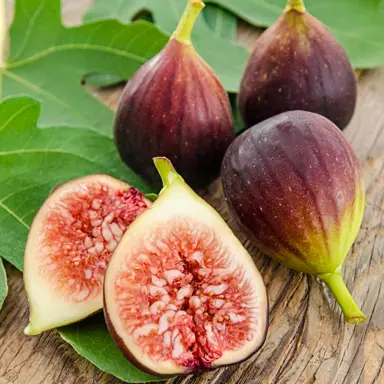
Fig
ಅಂಜೂರ
Syllable: ಅಂ-ಜೂ-ರ
Pronunciation: Anjoora
- Figs are rich in fiber. – ಅಂಜೂರದಲ್ಲಿ ನಾರಿನಾಂಶ ಹೆಚ್ಚಿದೆ.
- I bought dried figs. – ನಾನು ಒಣ ಅಂಜೂರ ಖರೀದಿಸಿದೆ.
- Figs are healthy snacks. – ಅಂಜೂರ ಆರೋಗ್ಯಕರ ತಿಂಡಿಯಾಗಿದೆ.

Dried Apricot
ಒಣ ಏಪ್ರಿಕಾಟ್
Syllable: ಒ-ಣ ಏ-ಪ್ರಿ-ಕಾಟ್
Pronunciation: Ona Apricot
- Dried apricots are tasty. – ಒಣ ಏಪ್ರಿಕಾಟ್ ರುಚಿಕರವಾಗಿದೆ.
- I packed dried apricots for travel. – ನಾನು ಪ್ರಯಾಣಕ್ಕೆ ಒಣ ಏಪ್ರಿಕಾಟ್ ತೆಗೆದುಕೊಂಡೆ.
- They are rich in nutrients. – ಅವು ಪೌಷ್ಟಿಕಾಂಶಗಳಿಂದ ಸಮೃದ್ಧವಾಗಿವೆ.

Peanut
ಕಡಲೆಕಾಯಿ
Syllable: ಕ-ಡ-ಲೆ-ಕಾ-ಯಿ
Pronunciation: Kadalekaayi
- Peanuts are inexpensive. – ಕಡಲೆಕಾಯಿ ಅಗ್ಗವಾಗಿದೆ.
- I roasted some peanuts. – ನಾನು ಕೆಲವು ಕಡಲೆಕಾಯಿ ಹುರಿದಿದೆ.
- Peanuts contain protein. – ಕಡಲೆಕಾಯಿಯಲ್ಲಿ ಪ್ರೋಟೀನ್ ಇದೆ.
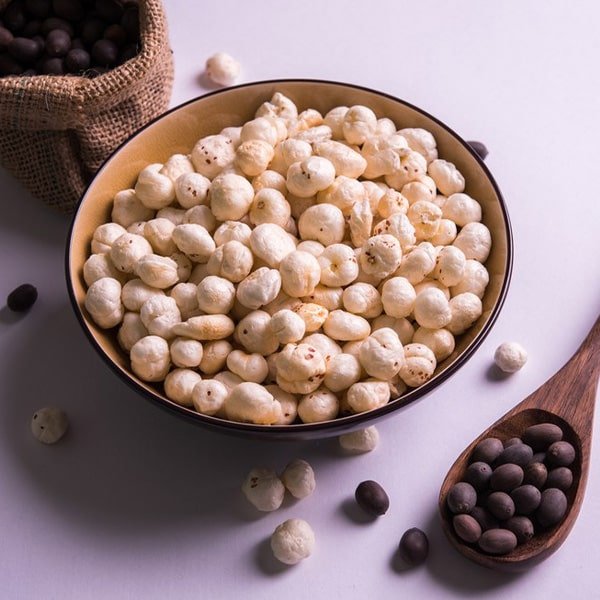
Fox Nut
ಮಖಾನಾ
Syllable: ಮ-ಖಾ-ನಾ
Pronunciation: Makhaana
- Fox nuts are light snacks. – ಮಖಾನಾ ಹಗುರವಾದ ತಿಂಡಿಯಾಗಿದೆ.
- I like roasted fox nuts. – ನನಗೆ ಹುರಿದ ಮಖಾನಾ ಇಷ್ಟ.
- Fox nuts are healthy. – ಮಖಾನಾ ಆರೋಗ್ಯಕರವಾಗಿದೆ.

Pine Nut
ಪೈನ್ ಕಾಯಿ
Syllable: ಪೈನ್ ಕಾ-ಯಿ
Pronunciation: Pine Kaayi
- Pine nuts are used in cooking. – ಪೈನ್ ಕಾಯಿಯನ್ನು ಅಡುಗೆಯಲ್ಲಿ ಬಳಸುತ್ತಾರೆ.
- I added pine nuts to pasta. – ನಾನು ಪಾಸ್ತಾಗೆ ಪೈನ್ ಕಾಯಿ ಸೇರಿಸಿದೆ.
- Pine nuts have a rich flavor. – ಪೈನ್ ಕಾಯಿ ಉತ್ತಮ ರುಚಿ ಹೊಂದಿದೆ.

Brazil Nut
ಬ್ರೆಜಿಲ್ ಕಾಯಿ
Syllable: ಬ್ರೆ-ಜಿಲ್ ಕಾ-ಯಿ
Pronunciation: Brazil Kaayi
- Brazil nuts are nutritious. – ಬ್ರೆಜಿಲ್ ಕಾಯಿ ಪೌಷ್ಟಿಕವಾಗಿದೆ.
- I tasted a Brazil nut today. – ನಾನು ಇಂದು ಬ್ರೆಜಿಲ್ ಕಾಯಿ ರುಚಿ ನೋಡಿದೆ.
- Brazil nuts are rich in minerals. – ಬ್ರೆಜಿಲ್ ಕಾಯಿಯಲ್ಲಿ ಖನಿಜಾಂಶಗಳಿವೆ.

Hazelnut
ಹೇಜಲ್ನಟ್
Syllable: ಹೇ-ಜಲ್-ನಟ್
Pronunciation: Hazelnut
- Hazelnuts are used in chocolates. – ಹೇಜಲ್ನಟ್ ಚಾಕೊಲೇಟ್ನಲ್ಲಿ ಬಳಸುತ್ತಾರೆ.
- I enjoy hazelnut coffee. – ನನಗೆ ಹೇಜಲ್ನಟ್ ಕಾಫಿ ಇಷ್ಟ.
- Hazelnuts taste great. – ಹೇಜಲ್ನಟ್ ರುಚಿ ಚೆನ್ನಾಗಿದೆ.

Macadamia Nut
ಮ್ಯಾಕಡಾಮಿಯಾ ಕಾಯಿ
Syllable: ಮ್ಯಾ-ಕ-ಡಾ-ಮಿ-ಯಾ ಕಾ-ಯಿ
Pronunciation: Macadamia Kaayi
- Macadamia nuts are crunchy. – ಮ್ಯಾಕಡಾಮಿಯಾ ಕಾಯಿ ಕರಕರೆಯಾಗಿರುತ್ತದೆ.
- I tried macadamia nuts. – ನಾನು ಮ್ಯಾಕಡಾಮಿಯಾ ಕಾಯಿ ತಿಂದೆ.
- They are expensive nuts. – ಅವು ದುಬಾರಿ ಕಾಯಿಗಳಾಗಿವೆ.

Chestnut
ಚೆಸ್ಟ್ನಟ್
Syllable: ಚೆಸ್ಟ್-ನಟ್
Pronunciation: Chestnut
- Chestnuts are edible nuts. – ಚೆಸ್ಟ್ನಟ್ ತಿನ್ನಬಹುದಾದ ಕಾಯಿ.
- Roasted chestnuts are popular. – ಹುರಿದ ಚೆಸ್ಟ್ನಟ್ ಜನಪ್ರಿಯವಾಗಿದೆ.
- I bought chestnuts from the market. – ನಾನು ಮಾರುಕಟ್ಟೆಯಿಂದ ಚೆಸ್ಟ್ನಟ್ ಖರೀದಿಸಿದೆ.
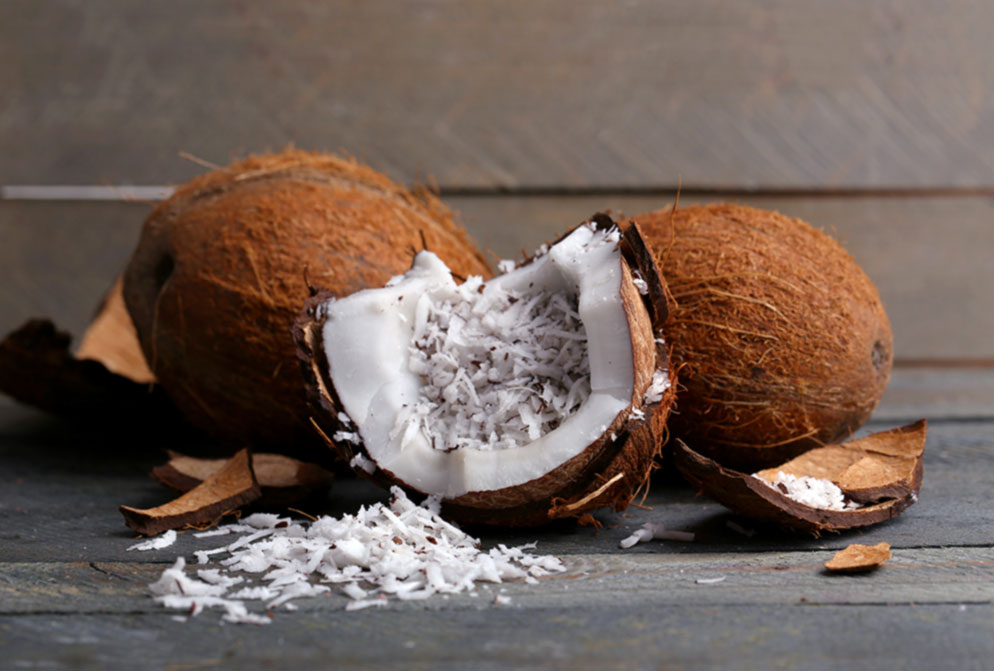
Dry Coconut
ಒಣ ತೆಂಗಿನಕಾಯಿ
Syllable: ಒ-ಣ ತೆಂ-ಗಿ-ನ-ಕಾ-ಯಿ
Pronunciation: Ona Tenginakaayi
- Dry coconut is used in cooking. – ಒಣ ತೆಂಗಿನಕಾಯಿಯನ್ನು ಅಡುಗೆಯಲ್ಲಿ ಬಳಸುತ್ತಾರೆ.
- My mother grated dry coconut. – ನನ್ನ ತಾಯಿ ಒಣ ತೆಂಗಿನಕಾಯಿ ತುರಿದಳು.
- Dry coconut adds flavor. – ಒಣ ತೆಂಗಿನಕಾಯಿ ರುಚಿ ಹೆಚ್ಚಿಸುತ್ತದೆ.

Areca Nut
ಅಡಿಕೆ
Syllable: ಅ-ಡಿ-ಕೆ
Pronunciation: Adike
- Areca nut grows on tall trees. – ಅಡಿಕೆ ಎತ್ತರದ ಮರಗಳಲ್ಲಿ ಬೆಳೆಯುತ್ತದೆ.
- Farmers cultivate areca nut. – ರೈತರು ಅಡಿಕೆ ಬೆಳೆಸುತ್ತಾರೆ.
- Areca nut is an important crop. – ಅಡಿಕೆ ಒಂದು ಪ್ರಮುಖ ಬೆಳೆ.

Lotus Seeds
ಕಮಲ ಬೀಜ
Syllable: ಕ-ಮ-ಲ ಬೀ-ಜ
Pronunciation: Kamala Beeja
- Lotus seeds are nutritious. – ಕಮಲ ಬೀಜ ಪೌಷ್ಟಿಕವಾಗಿದೆ.
- I ate lotus seeds as a snack. – ನಾನು ಕಮಲ ಬೀಜವನ್ನು ತಿಂಡಿಯಾಗಿ ತಿಂದೆ.
- Lotus seeds are light and healthy. – ಕಮಲ ಬೀಜ ಹಗುರ ಮತ್ತು ಆರೋಗ್ಯಕರವಾಗಿದೆ.

Pumpkin Seeds
ಕುಂಬಳಕಾಯಿ ಬೀಜ
Syllable: ಕುಂ-ಬ-ಳ-ಕಾ-ಯಿ ಬೀ-ಜ
Pronunciation: Kumbalakayi Beeja
- Pumpkin seeds are healthy. – ಕುಂಬಳಕಾಯಿ ಬೀಜ ಆರೋಗ್ಯಕರವಾಗಿದೆ.
- I sprinkle pumpkin seeds on salad. – ನಾನು ಸಲಾಡ್ ಮೇಲೆ ಕುಂಬಳಕಾಯಿ ಬೀಜ ಹಾಕುತ್ತೇನೆ.
- Pumpkin seeds contain nutrients. – ಕುಂಬಳಕಾಯಿ ಬೀಜದಲ್ಲಿ ಪೌಷ್ಟಿಕಾಂಶಗಳಿವೆ.
English
Kannada
Syllable: Kannada Syllables
Pronunciation: Roman Kannada
- English Sentence 1 – Kannada Sentence 1
- English Sentence 2 – Kannada Sentence 2
- English Sentence 3 – Kannada Sentence 3

Sunflower Seeds
ಸೂರ್ಯಕಾಂತಿ ಬೀಜ
Syllable: ಸೂ-ರ್ಯ-ಕಾಂ-ತಿ ಬೀ-ಜ
Pronunciation: Sooryakaanti Beeja
- Sunflower seeds are nutritious. – ಸೂರ್ಯಕಾಂತಿ ಬೀಜ ಪೌಷ್ಟಿಕವಾಗಿದೆ.
- I eat sunflower seeds as a snack. – ನಾನು ಸೂರ್ಯಕಾಂತಿ ಬೀಜವನ್ನು ತಿಂಡಿಯಾಗಿ ತಿನ್ನುತ್ತೇನೆ.
- Sunflower seeds contain healthy fats. – ಸೂರ್ಯಕಾಂತಿ ಬೀಜದಲ್ಲಿ ಆರೋಗ್ಯಕರ ಕೊಬ್ಬುಗಳಿವೆ.

Flax Seeds
ಅಗಸೆ ಬೀಜ
Syllable: ಅ-ಗ-ಸೆ ಬೀ-ಜ
Pronunciation: Agase Beeja
- Flax seeds are rich in fiber. – ಅಗಸೆ ಬೀಜದಲ್ಲಿ ನಾರಿನಾಂಶ ಹೆಚ್ಚು.
- I add flax seeds to smoothies. – ನಾನು ಸ್ಮೂದಿಗೆ ಅಗಸೆ ಬೀಜ ಸೇರಿಸುತ್ತೇನೆ.
- Flax seeds are good for health. – ಅಗಸೆ ಬೀಜ ಆರೋಗ್ಯಕ್ಕೆ ಒಳ್ಳೆಯದು.

Chia Seeds
ಚಿಯಾ ಬೀಜ
Syllable: ಚಿ-ಯಾ ಬೀ-ಜ
Pronunciation: Chia Beeja
- Chia seeds absorb water quickly. – ಚಿಯಾ ಬೀಜ ನೀರನ್ನು ಬೇಗ ಹೀರಿಕೊಳ್ಳುತ್ತದೆ.
- I use chia seeds in drinks. – ನಾನು ಪಾನೀಯಗಳಲ್ಲಿ ಚಿಯಾ ಬೀಜ ಬಳಸುತ್ತೇನೆ.
- Chia seeds are healthy. – ಚಿಯಾ ಬೀಜ ಆರೋಗ್ಯಕರವಾಗಿದೆ.

Sesame Seeds
ಎಳ್ಳು
Syllable: ಎ-ಳ್ಳು
Pronunciation: Ellu
- Sesame seeds are tiny. – ಎಳ್ಳು ಸಣ್ಣದಾಗಿದೆ.
- My mother uses sesame seeds in sweets. – ನನ್ನ ತಾಯಿ ಸಿಹಿತಿಂಡಿಯಲ್ಲಿ ಎಳ್ಳು ಬಳಸುತ್ತಾರೆ.
- Sesame seeds are rich in nutrients. – ಎಳ್ಳು ಪೌಷ್ಟಿಕಾಂಶಗಳಿಂದ ಸಮೃದ್ಧವಾಗಿದೆ.

Watermelon Seeds
ಕಲ್ಲಂಗಡಿ ಬೀಜ
Syllable: ಕ-ಲ್ಲಂ-ಗ-ಡಿ ಬೀ-ಜ
Pronunciation: Kallangadi Beeja
- Watermelon seeds are edible. – ಕಲ್ಲಂಗಡಿ ಬೀಜ ತಿನ್ನಬಹುದು.
- I roasted watermelon seeds. – ನಾನು ಕಲ್ಲಂಗಡಿ ಬೀಜ ಹುರಿದೆ.
- Watermelon seeds contain protein. – ಕಲ್ಲಂಗಡಿ ಬೀಜದಲ್ಲಿ ಪ್ರೋಟೀನ್ ಇದೆ.

Melon Seeds
ಖರ್ಬೂಜ ಬೀಜ
Syllable: ಖರ್-ಬೂ-ಜ ಬೀ-ಜ
Pronunciation: Kharbooja Beeja
- Melon seeds are nutritious. – ಖರ್ಬೂಜ ಬೀಜ ಪೌಷ್ಟಿಕವಾಗಿದೆ.
- I added melon seeds to dessert. – ನಾನು ಸಿಹಿತಿಂಡಿಗೆ ಖರ್ಬೂಜ ಬೀಜ ಸೇರಿಸಿದೆ.
- Melon seeds are commonly used in sweets. – ಖರ್ಬೂಜ ಬೀಜವನ್ನು ಸಿಹಿತಿಂಡಿಗಳಲ್ಲಿ ಬಳಸುತ್ತಾರೆ.

Poppy Seeds
ಗಸಗಸೆ
Syllable: ಗ-ಸ-ಗ-ಸೆ
Pronunciation: Gasagase
- Poppy seeds are used in cooking. – ಗಸಗಸೆಯನ್ನು ಅಡುಗೆಯಲ್ಲಿ ಬಳಸುತ್ತಾರೆ.
- Gasagase payasa is delicious. – ಗಸಗಸೆ ಪಾಯಸ ರುಚಿಕರವಾಗಿದೆ.
- Poppy seeds have a unique flavor. – ಗಸಗಸೆಗೆ ವಿಶಿಷ್ಟ ರುಚಿಯಿದೆ.
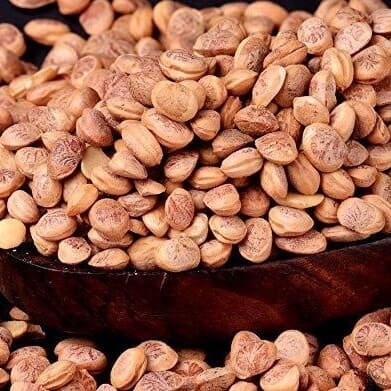
Charoli
ಚಾರೋಳಿ
Syllable: ಚಾ-ರೋ-ಳಿ
Pronunciation: Chaaroli
- Charoli is used in desserts. – ಚಾರೋಳಿಯನ್ನು ಸಿಹಿತಿಂಡಿಯಲ್ಲಿ ಬಳಸುತ್ತಾರೆ.
- I saw charoli in the market. – ನಾನು ಮಾರುಕಟ್ಟೆಯಲ್ಲಿ ಚಾರೋಳಿ ನೋಡಿದೆ.
- Charoli adds richness to dishes. – ಚಾರೋಳಿ ಆಹಾರಕ್ಕೆ ಸಮೃದ್ಧ ರುಚಿ ನೀಡುತ್ತದೆ.
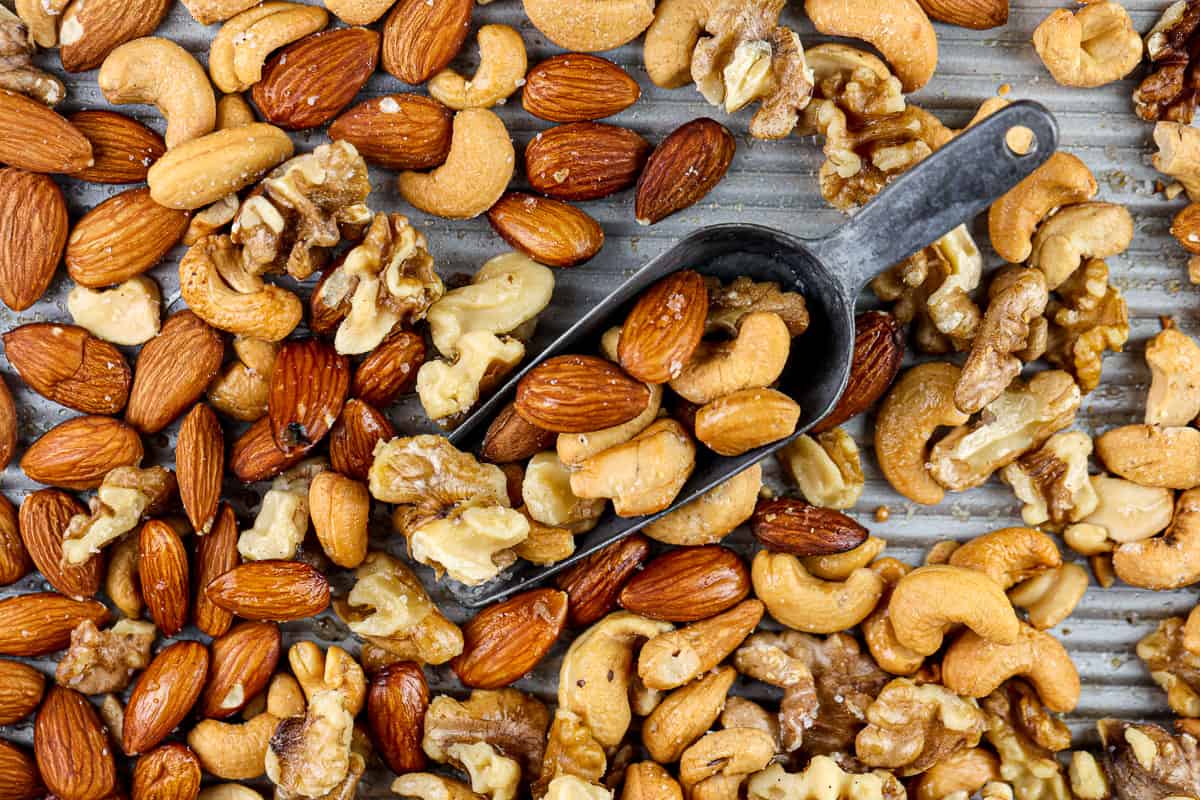
Mixed Nuts
ಮಿಶ್ರ ಕಾಯಿಗಳು
Syllable: ಮಿ-ಶ್ರ ಕಾ-ಯಿ-ಗ-ಳು
Pronunciation: Mishra Kaayigalu
- Mixed nuts are healthy snacks. – ಮಿಶ್ರ ಕಾಯಿಗಳು ಆರೋಗ್ಯಕರ ತಿಂಡಿಗಳಾಗಿವೆ.
- I carry mixed nuts while traveling. – ನಾನು ಪ್ರಯಾಣದ ವೇಳೆ ಮಿಶ್ರ ಕಾಯಿಗಳನ್ನು ತೆಗೆದುಕೊಂಡು ಹೋಗುತ್ತೇನೆ.
- Mixed nuts provide energy. – ಮಿಶ್ರ ಕಾಯಿಗಳು ಶಕ್ತಿ ನೀಡುತ್ತವೆ.
Dry Fruits Names in Kannada
| # | English Name | Kannada Name | Pronunciation |
|---|---|---|---|
| 1 | Almond | ಬಾದಾಮಿ | Baadaami |
| 2 | Cashew | ಗೋಡಂಬಿ | Godambi |
| 3 | Pistachio | ಪಿಸ್ತಾ | Pistaa |
| 4 | Walnut | ಅಖರೋಟ್ | Akharot |
| 5 | Raisin | ಒಣದ್ರಾಕ್ಷಿ | Onadraakshi |
| 6 | Dry Grapes | ಒಣ ದ್ರಾಕ್ಷಿ | Ona Draakshi |
| 7 | Dates | ಖರ್ಜೂರ | Kharjoora |
| 8 | Fig | ಅಂಜೂರ | Anjoora |
| 9 | Dried Apricot | ಒಣ ಏಪ್ರಿಕಾಟ್ | Ona Apricot |
| 10 | Peanut | ಕಡಲೆಕಾಯಿ | Kadalekaayi |
| 11 | Fox Nut | ಮಖಾನಾ | Makhaana |
| 12 | Pine Nut | ಪೈನ್ ಕಾಯಿ | Pine Kaayi |
| 13 | Brazil Nut | ಬ್ರೆಜಿಲ್ ಕಾಯಿ | Brazil Kaayi |
| 14 | Hazelnut | ಹೇಜಲ್ನಟ್ | Hazelnut |
| 15 | Macadamia Nut | ಮ್ಯಾಕಡಾಮಿಯಾ ಕಾಯಿ | Macadamia Kaayi |
| 16 | Chestnut | ಚೆಸ್ಟ್ನಟ್ | Chestnut |
| 17 | Dry Coconut | ಒಣ ತೆಂಗಿನಕಾಯಿ | Ona Tenginakaayi |
| 18 | Areca Nut | ಅಡಿಕೆ | Adike |
| 19 | Lotus Seeds | ಕಮಲ ಬೀಜ | Kamala Beeja |
| 20 | Pumpkin Seeds | ಕುಂಬಳಕಾಯಿ ಬೀಜ | Kumbalakayi Beeja |
| 21 | Sunflower Seeds | ಸೂರ್ಯಕಾಂತಿ ಬೀಜ | Sooryakaanti Beeja |
| 22 | Flax Seeds | ಅಗಸೆ ಬೀಜ | Agase Beeja |
| 23 | Chia Seeds | ಚಿಯಾ ಬೀಜ | Chia Beeja |
| 24 | Sesame Seeds | ಎಳ್ಳು | Ellu |
| 25 | Watermelon Seeds | ಕಲ್ಲಂಗಡಿ ಬೀಜ | Kallangadi Beeja |
| 26 | Melon Seeds | ಖರ್ಬೂಜ ಬೀಜ | Kharbooja Beeja |
| 27 | Poppy Seeds | ಗಸಗಸೆ | Gasagase |
| 28 | Charoli | ಚಾರೋಳಿ | Chaaroli |
| 29 | Mixed Nuts | ಮಿಶ್ರ ಕಾಯಿಗಳು | Mishra Kaayigalu |
Quiz
Easy Ways to Remember Kannada Dry Fruits Names
One effective strategy is to study the vocabulary while looking at the actual dry fruits. The shape of a cashew, the texture of a walnut, or the appearance of raisins can help create strong visual associations.
Learners may also organize dry fruits into smaller groups. Nuts such as almonds and pistachios can be studied together, while dried fruits such as dates and raisins can form another category. Breaking the topic into smaller sections often makes learning easier.
Food packaging can also become a learning tool. Reading labels and identifying Kannada names while shopping helps reinforce vocabulary through real-world exposure.
Simple Practice Ideas
- Use flashcards with dry fruit pictures and Kannada names.
- Learn a few new names every week.
- Label containers at home with Kannada vocabulary.
- Practice pronunciation aloud.
- Draw dry fruits and write their names underneath.
- Create a notebook for food-related words.
- Match pictures with their Kannada names.
- Use dry fruit names in simple sentences.
- Review previously learned vocabulary regularly.
- Identify dry fruits during shopping trips.
- Watch Kannada food-related educational videos.
- Ask family members to test your memory.
Consistent practice with familiar foods can make vocabulary learning feel natural and enjoyable.
Turning Everyday Snacks into Kannada Learning
Dry fruits may be small in size, but they provide an excellent opportunity to build practical Kannada vocabulary. Because learners encounter them in homes, stores, and recipes, these words remain useful long after they are first learned.
As you continue exploring Kannada vocabulary, food-related topics can introduce many words that are relevant to daily life. Which dry fruit do you enjoy eating the most?
Did you come across a Kannada name that was completely new to you? Share your thoughts in the comments and see what other learners found interesting.