
Before a child knows the name of their street or their city or their state, they know their own body. The hands that reach for things. The eyes that follow movement. The feet that figure out, one uncertain step at a time, how walking works. The human body is the original vocabulary lesson — and in Telugu, the names for its parts are among the oldest, most deeply embedded words the language carries.
This is not exotic vocabulary. It is not vocabulary for special occasions or specific contexts. Body part names in Telugu are words that come up every single day — when something hurts, when a doctor asks a question, when a parent tends to a child’s injury, when someone describes how tired they are after a long day of work. These words are so woven into the fabric of daily Telugu speech that most native speakers never stop to think about them at all. They are simply there, available, automatic.
For a learner, making them equally automatic is one of the most valuable investments in Telugu fluency available. Everything else in the language becomes easier when the vocabulary of the human body is solid.
What Makes This Vocabulary Different
There is a version of vocabulary learning that is essentially preparation — words stored up for situations that might occur someday. And then there is vocabulary that is needed right now, today, in the most immediate and personal contexts imaginable. Body part names in Telugu belong entirely to the second category.
Consider how often body part vocabulary appears in a single ordinary day. Getting dressed involves it. Describing how you feel involves it. A conversation with a doctor, a pharmacist, or a nurse involves it. Physical exercise involves it. Looking in a mirror involves it. Helping a child with a minor injury involves it. The human body is present in every single one of these moments and the language of the body needs to be equally present and equally ready.
For children this vocabulary has an additional dimension that makes it particularly powerful as a language learning entry point. Body parts are immediately, tangibly present — you can point to them, touch them, see them. There is no abstraction involved, no need to imagine or infer. The word Cheyyi means hand and the hand is right there. That directness creates a learning condition that more abstract vocabulary categories simply cannot replicate.
- It provides vocabulary needed every single day in the most personal and immediate contexts of Telugu life
- It enables genuine communication with Telugu-speaking healthcare providers — doctors, nurses, pharmacists, traditional healers
- It gives children a direct, tangible, zero-abstraction entry point into Telugu vocabulary learning
- It unlocks the Telugu idiom tradition where body part imagery is used constantly to express complex ideas about character and emotion
- It supports Telugu medium students across health education, biology, physical education, and general language
- It builds the kind of foundational fluency that makes every other area of Telugu vocabulary easier to acquire and retain
Explore Body Parts Names In Telugu
:watermark(/images/watermark_5000_10percent.png,0,0,0):watermark(/images/logo_url.png,-10,-10,0):format(jpeg)/images/overview_image/2965/RGS4A0cAP5dMqqvXFQoJVg_regions-of-the-head-and-face_en.jpg)
Head
తల
Syllable: త-ల
Pronunciation: Tala
- Head moves – తల కదులుతుంది
- Head protection – తలకు రక్షణ
- Head injury – తల గాయం

Hair
జుట్టు
Syllable: జు-ట్టు
Pronunciation: Juttu
- Hair grows – జుట్టు పెరుగుతుంది
- Hair combing – జుట్టు దువ్వడం
- Hair washing – జుట్టు కడగడం

Forehead
నుదురు
Syllable: ను-దు-రు
Pronunciation: Nuduru
- Forehead sweat – నుదుటిపై చెమట
- Forehead touch – నుదుటి స్పర్శ
- Forehead mark – నుదుటి గుర్తు

Eye
కన్ను
Syllable: క-న్ను
Pronunciation: Kannu
- Eye sees – కన్ను చూస్తుంది
- Eye blink – కన్ను రెప్పవేస్తుంది
- Eye care – కంటి సంరక్షణ

Eyebrow
కనుబొమ్మ
Syllable: క-ను-బొ-మ్మ
Pronunciation: Kanubomma
- Eyebrow shape – కనుబొమ్మ ఆకారం
- Eyebrow movement – కనుబొమ్మ కదలిక
- Eyebrow hair – కనుబొమ్మ వెంట్రుకలు

Eyelashes
కంటి రెప్పలు
Syllable: కం-టి-రె-ప్ప-లు
Pronunciation: Kanti Reppalu
- Eyelashes protect eyes – కంటి రెప్పలు కళ్లను కాపాడతాయి
- Eyelashes blink – రెప్పలు మూసుకుంటాయి
- Eyelashes grow – రెప్పలు పెరుగుతాయి
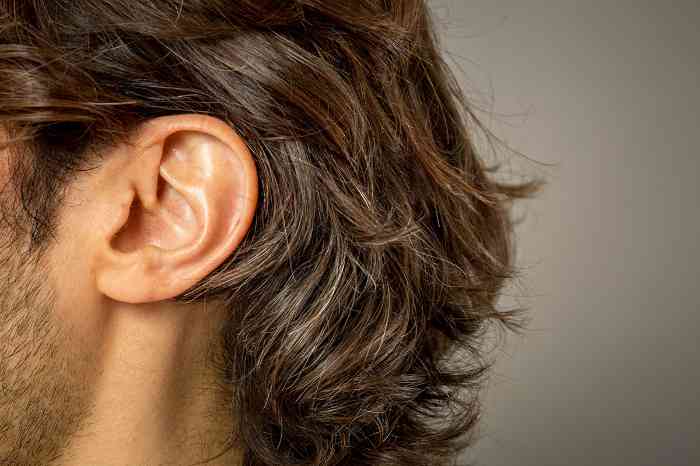
Ear
చెవి
Syllable: చె-వి
Pronunciation: Chevi
- Ear hears sound – చెవి శబ్దం వింటుంది
- Ear cleaning – చెవి శుభ్రపరచడం
- Ear pain – చెవి నొప్పి
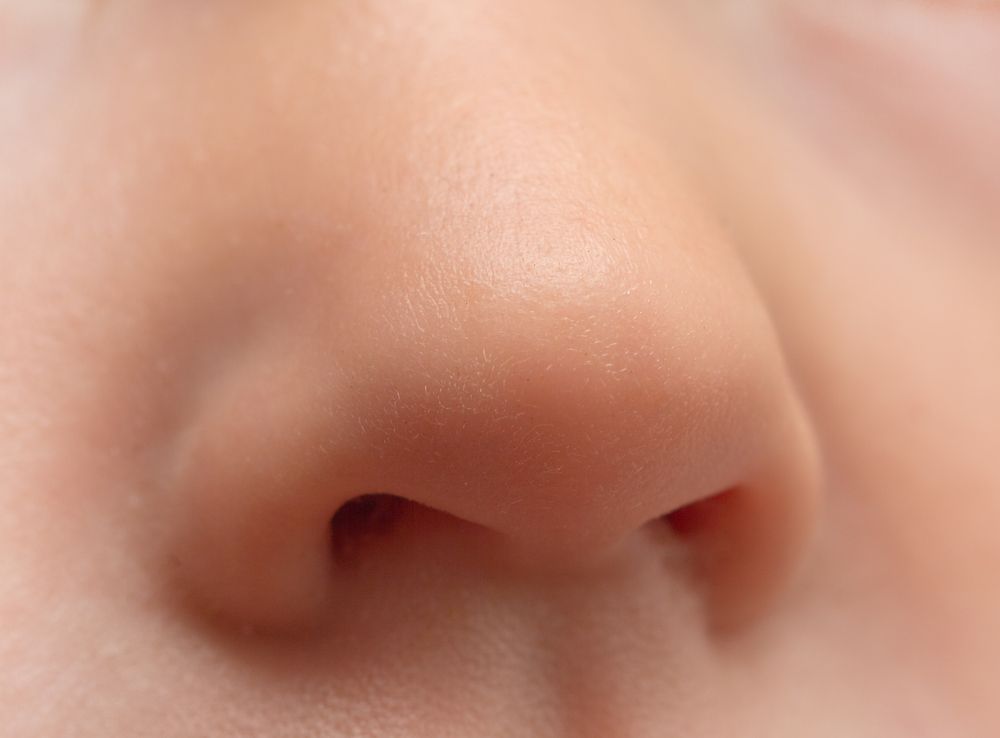
Nose
ముక్కు
Syllable: ము-క్కు
Pronunciation: Mukku
- Nose smells – ముక్కు వాసన చూస్తుంది
- Nose breathing – ముక్కుతో శ్వాస
- Nose shape – ముక్కు ఆకారం
Nostril
ముక్కురంధ్రం
Syllable: ము-క్కు-రంధ్రం
Pronunciation: Mukku Randhram
- Nostril breathing – ముక్కురంధ్రం ద్వారా శ్వాస
- Nostril cleaning – ముక్కురంధ్రం శుభ్రత
- Nostril airflow – గాలి ప్రవాహం
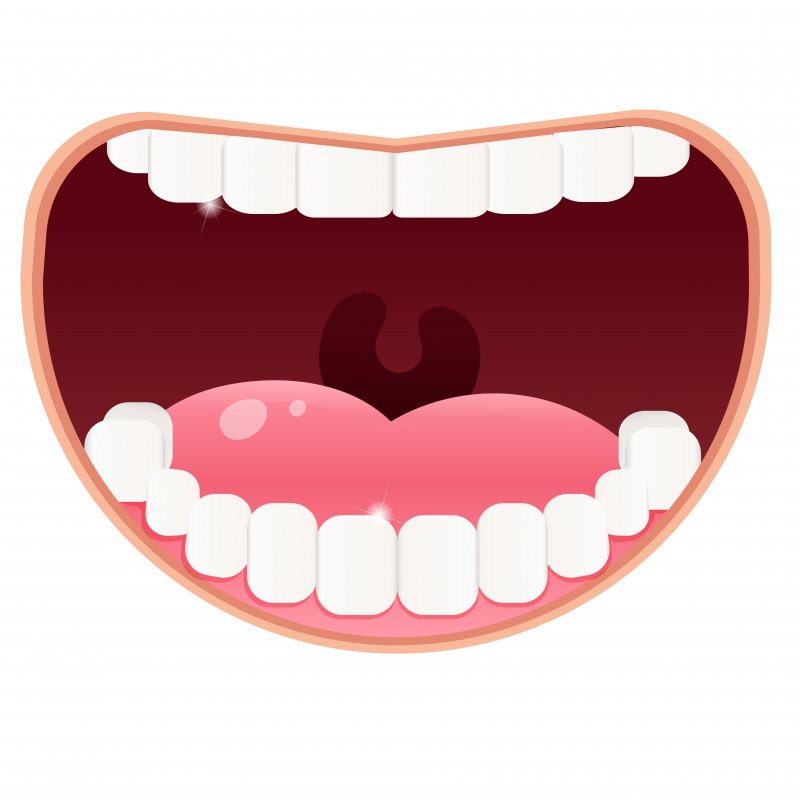
Mouth
నోరు
Syllable: నో-రు
Pronunciation: Noru
- Mouth speaks – నోరు మాట్లాడుతుంది
- Mouth opens – నోరు తెరుచుకుంటుంది
- Mouth eating – నోరు తింటుంది

Lips
పెదవులు
Syllable: పె-ద-వు-లు
Pronunciation: Pedavulu
- Lips smile – పెదవులు నవ్వుతాయి
- Lips speak – పెదవులు మాట్లాడతాయి
- Lips move – పెదవులు కదులుతాయి

Teeth
పళ్లు
Syllable: ప-ళ్లు
Pronunciation: Pallu
- Teeth bite – పళ్లు కొరుకుతాయి
- Teeth brushing – పళ్లు తోమడం
- Teeth cleaning – పళ్ల శుభ్రత

Tongue
నాలుక
Syllable: నా-లు-క
Pronunciation: Naluka
- Tongue tastes food – నాలుక రుచి చూస్తుంది
- Tongue speaking – నాలుక మాట్లాడుతుంది
- Tongue movement – నాలుక కదలిక
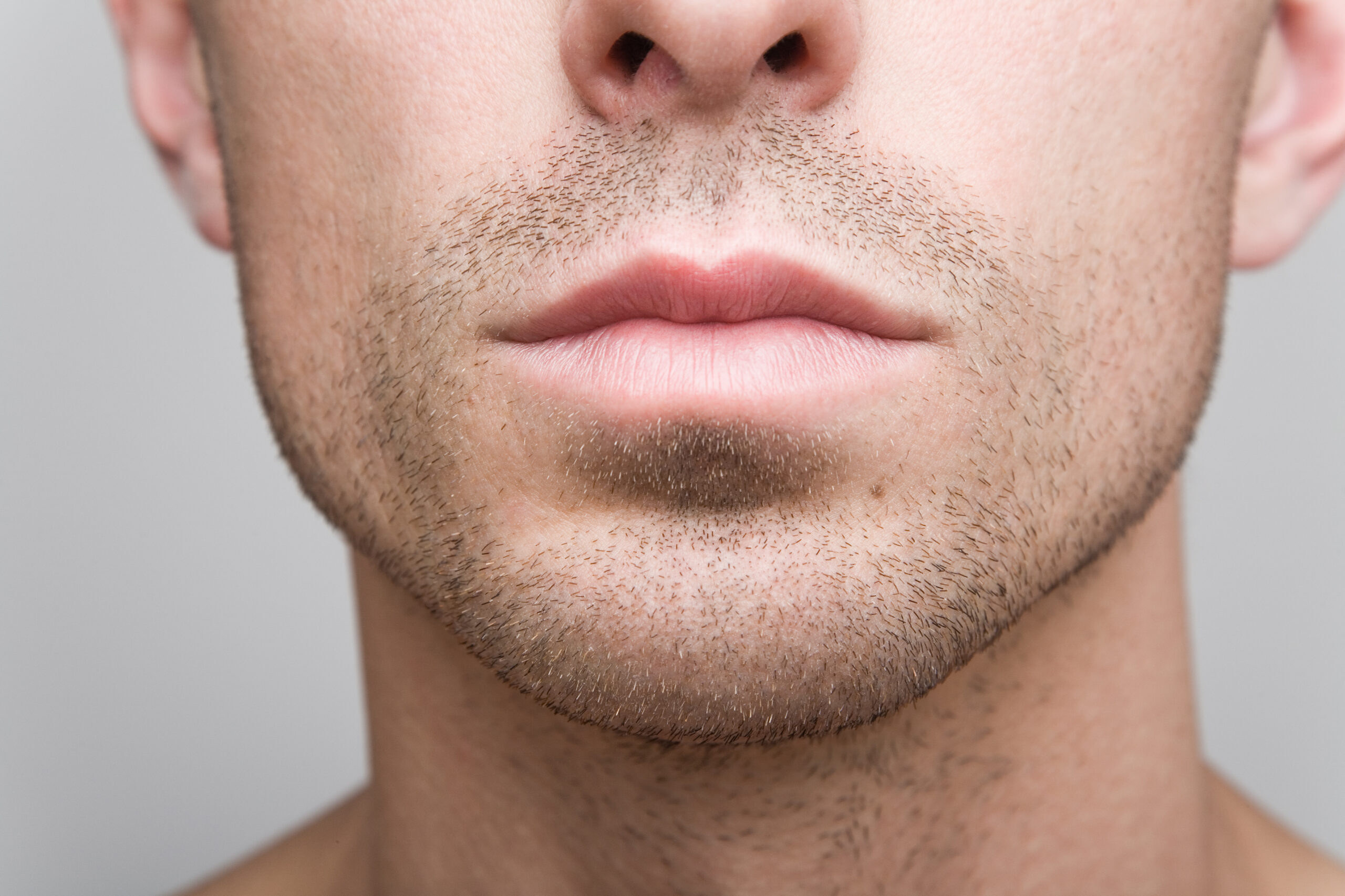
Cheek
చెంప
Syllable: చెం-ప
Pronunciation: Chempa
- Cheek smile – చెంపపై నవ్వు
- Cheek touch – చెంప తాకడం
- Cheek blush – చెంప ఎర్రబడటం

Neck
మెడ
Syllable: మె-డ
Pronunciation: Meda
- Neck turns – మెడ తిరుగుతుంది
- Neck pain – మెడ నొప్పి
- Neck movement – మెడ కదలిక
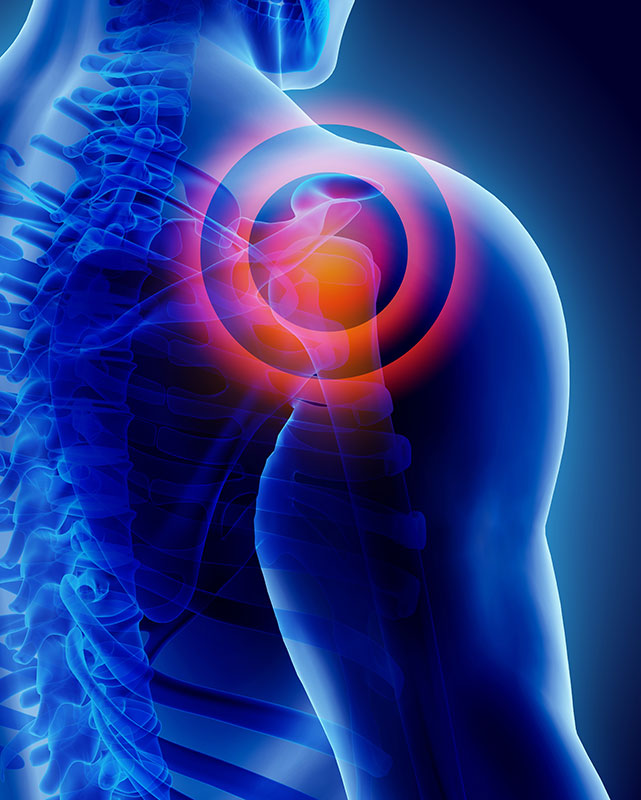
Shoulder
భుజం
Syllable: భు-జం
Pronunciation: Bhujam
- Shoulder lift – భుజం ఎత్తడం
- Shoulder pain – భుజం నొప్పి
- Shoulder movement – భుజం కదలిక

Arm
చేయి
Syllable: చే-యి
Pronunciation: Cheyi
- Arm lifting – చేయి ఎత్తడం
- Arm movement – చేయి కదలిక
- Arm strength – చేయి బలం
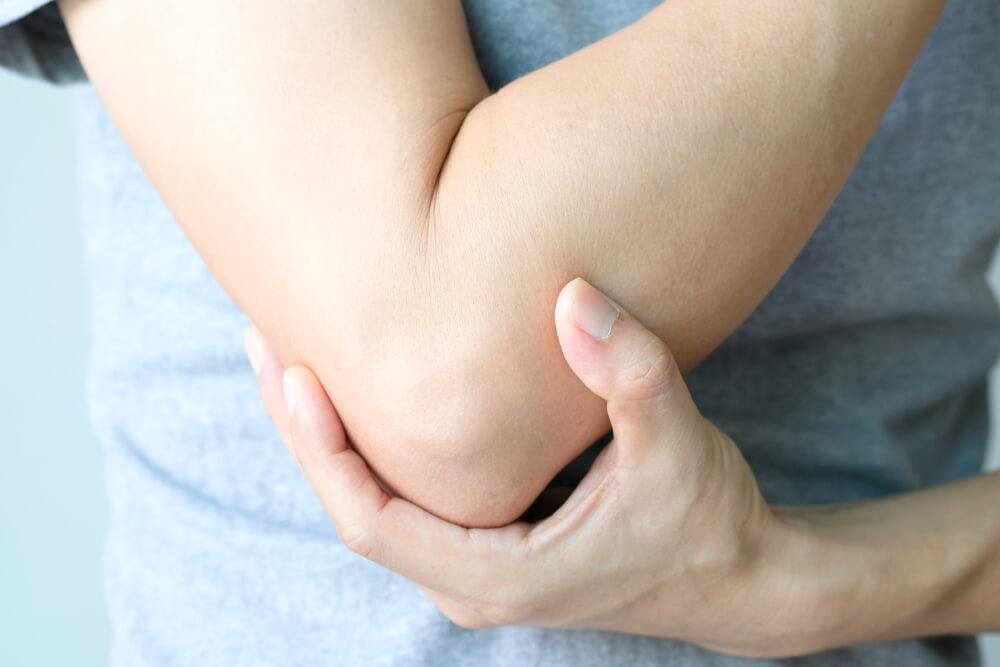
Elbow
మోచేయి
Syllable: మో-చే-యి
Pronunciation: Mocheyi
- Elbow bend – మోచేయి వంగుతుంది
- Elbow support – మోచేయి ఆధారం
- Elbow movement – మోచేయి కదలిక
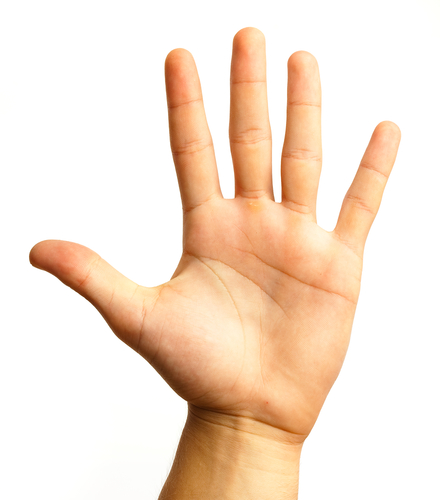
Hand
చేతి
Syllable: చే-తి
Pronunciation: Cheti
- Hand writes – చేతి వ్రాస్తుంది
- Hand holds – చేతి పట్టుకుంటుంది
- Hand wave – చేతి ఊపుతుంది

Finger
వేలు
Syllable: వే-లు
Pronunciation: Velu
- Finger points – వేలు చూపిస్తుంది
- Finger touch – వేలు తాకుతుంది
- Finger counting – వేళ్లతో లెక్కింపు

Thumb
బొటనవేలు
Syllable: బొ-ట-న-వే-లు
Pronunciation: Botanavelu
- Thumb up – బొటనవేలు పైకి
- Thumb print – బొటనవేలు ముద్ర
- Thumb grip – బొటనవేలు పట్టింపు

Chest
ఛాతీ
Syllable: ఛా-తీ
Pronunciation: Chati
- Chest breathing – ఛాతీ శ్వాస
- Chest pain – ఛాతీ నొప్పి
- Chest expansion – ఛాతీ విస్తరణ

Heart
గుండె
Syllable: గుం-డె
Pronunciation: Gunde
- Heart beats – గుండె కొట్టుకుంటుంది
- Heart health – గుండె ఆరోగ్యం
- Heart pumping – గుండె రక్తం పంపుతుంది

Stomach
కడుపు
Syllable: క-డు-పు
Pronunciation: Kadupu
- Stomach digests food – కడుపు ఆహారం జీర్ణం చేస్తుంది
- Stomach pain – కడుపు నొప్పి
- Stomach fullness – కడుపు నిండుతుంది
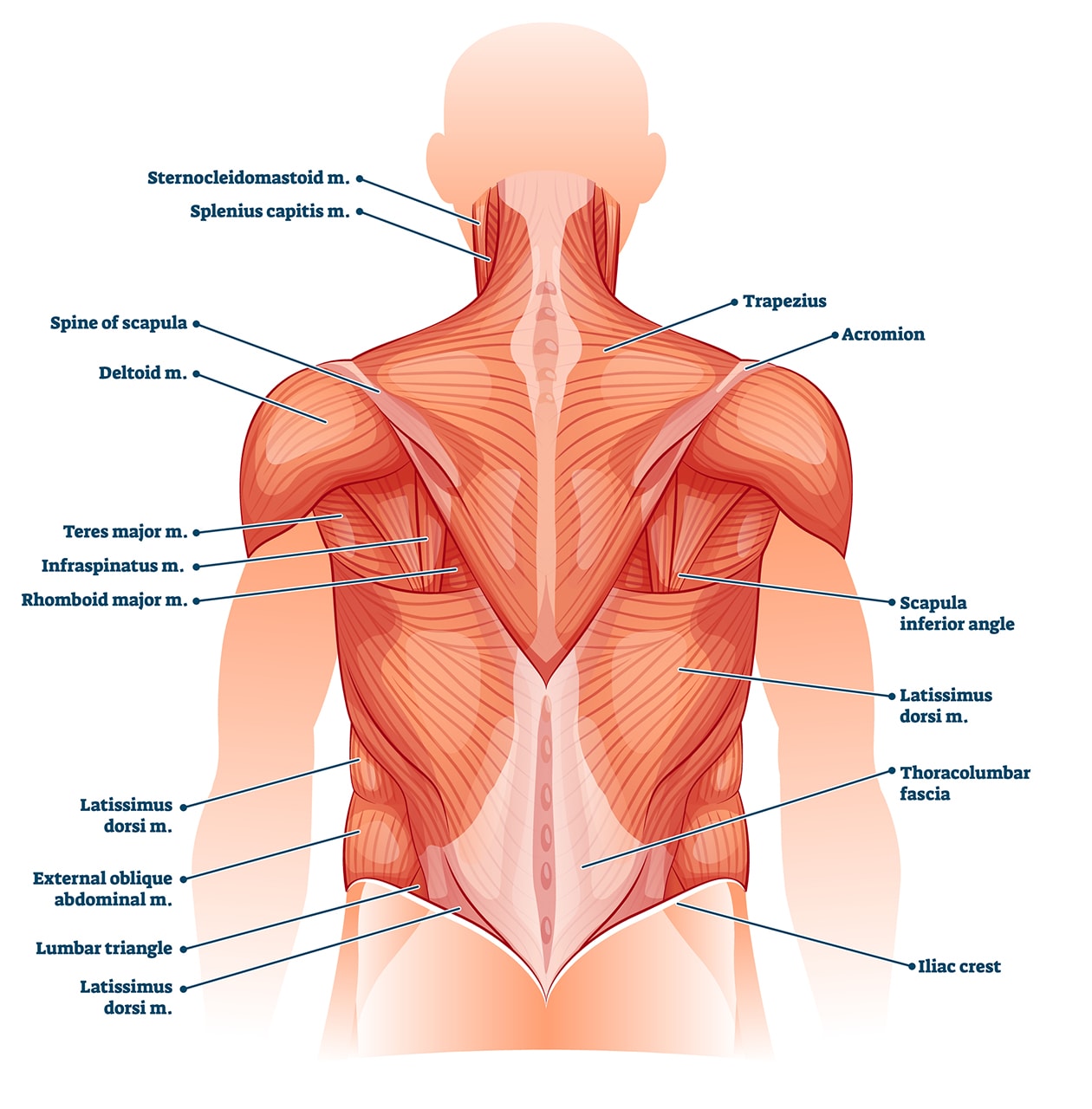
Back
వెన్ను
Syllable: వె-న్ను
Pronunciation: Vennu
- Back support – వెన్ను ఆధారం
- Back pain – వెన్ను నొప్పి
- Back movement – వెన్ను కదలిక

Waist
నడుము
Syllable: న-డు-ము
Pronunciation: Nadumu
- Waist bending – నడుము వంగడం
- Waist pain – నడుము నొప్పి
- Waist size – నడుము పరిమాణం
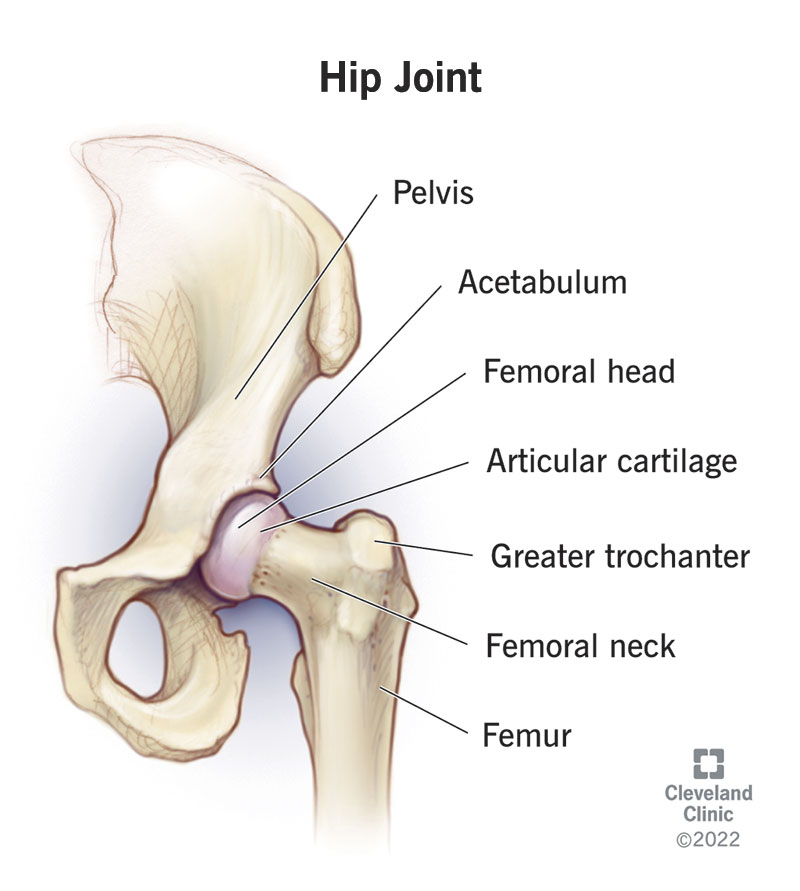
Hip
తుంటి
Syllable: తుం-టి
Pronunciation: Tunti
- Hip joint – తుంటి కీలు
- Hip movement – తుంటి కదలిక
- Hip support – తుంటి ఆధారం
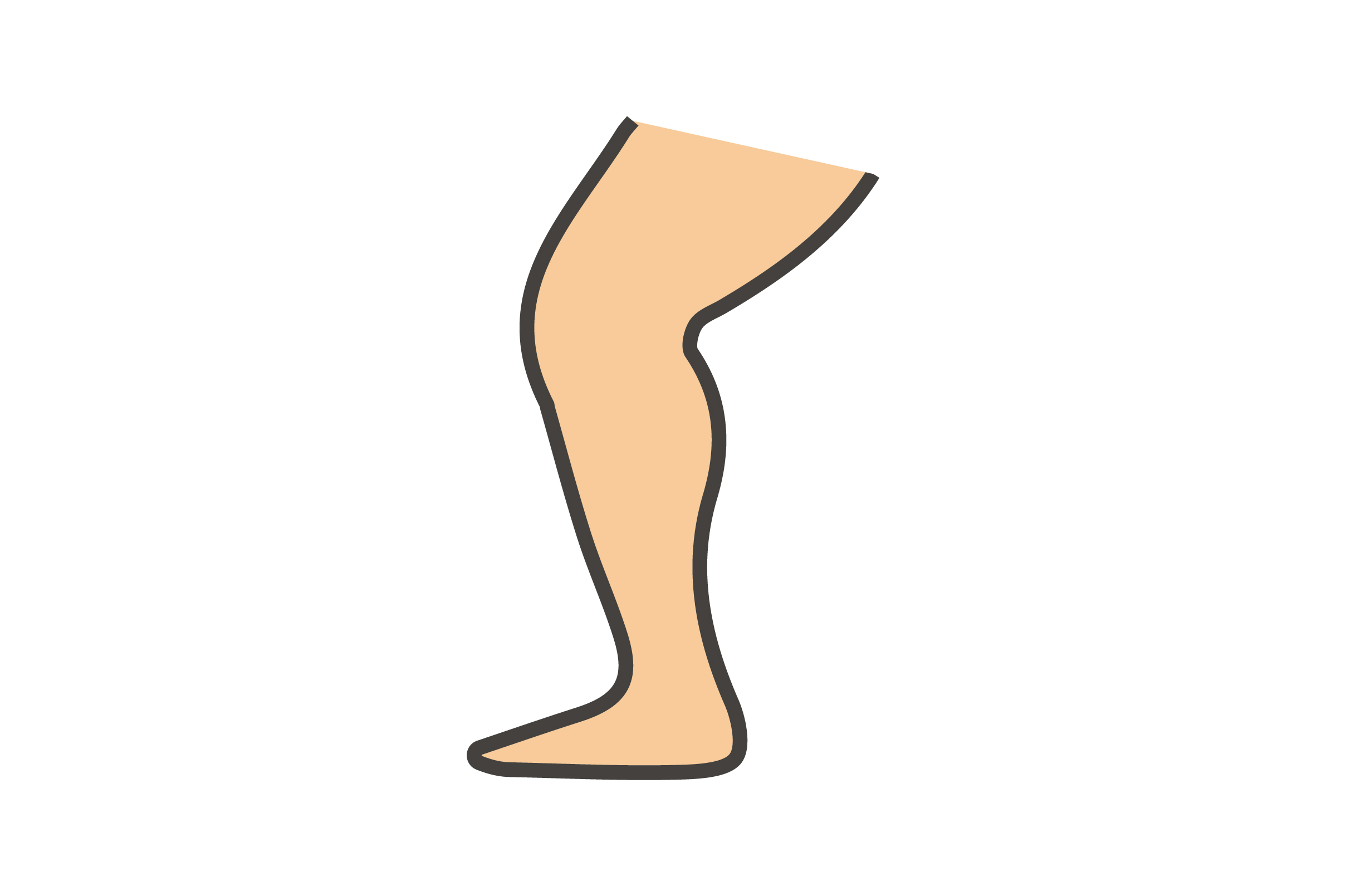
Leg
కాలు
Syllable: కా-లు
Pronunciation: Kalu
- Leg walking – కాలు నడుస్తుంది
- Leg running – కాలు పరుగెడుతుంది
- Leg strength – కాలు బలం

Knee
మోకాలు
Syllable: మో-కా-లు
Pronunciation: Mokalu
- Knee bending – మోకాలు వంగుతుంది
- Knee pain – మోకాలి నొప్పి
- Knee joint – మోకాలి కీలు

Foot
పాదం
Syllable: పా-దం
Pronunciation: Padam
- Foot walking – పాదం నడుస్తుంది
- Foot step – పాదం అడుగు
- Foot balance – పాదం సమతుల్యం

Toes
కాలివేళ్లు
Syllable: కా-లి-వే-ళ్లు
Pronunciation: Kalivelu
- Toes move – కాలివేళ్లు కదులుతాయి
- Toes balance – కాలివేళ్లు సమతుల్యం ఇస్తాయి
- Toes grip – కాలివేళ్లు పట్టుకుంటాయి

Nails
గోర్లు
Syllable: గో-ర్లు
Pronunciation: Gorlu
- Nails grow – గోర్లు పెరుగుతాయి
- Nails cut – గోర్లు కత్తిరిస్తారు
- Nails cleaning – గోర్లు శుభ్రపరచడం

Brain
మెదడు
Syllable: మె-ద-డు
Pronunciation: Medadu
- Brain thinks – మెదడు ఆలోచిస్తుంది
- Brain controls body – మెదడు శరీరాన్ని నియంత్రిస్తుంది
- Brain memory – మెదడు జ్ఞాపకం ఉంచుతుంది

Lungs
ఊపిరితిత్తులు
Syllable: ఊ-పి-రి-తి-త్తు-లు
Pronunciation: Oopirithittulu
- Lungs breathe – ఊపిరితిత్తులు శ్వాస తీసుకుంటాయి
- Lungs oxygen supply – ఊపిరితిత్తులు ఆక్సిజన్ అందిస్తాయి
- Lungs health – ఊపిరితిత్తుల ఆరోగ్యం
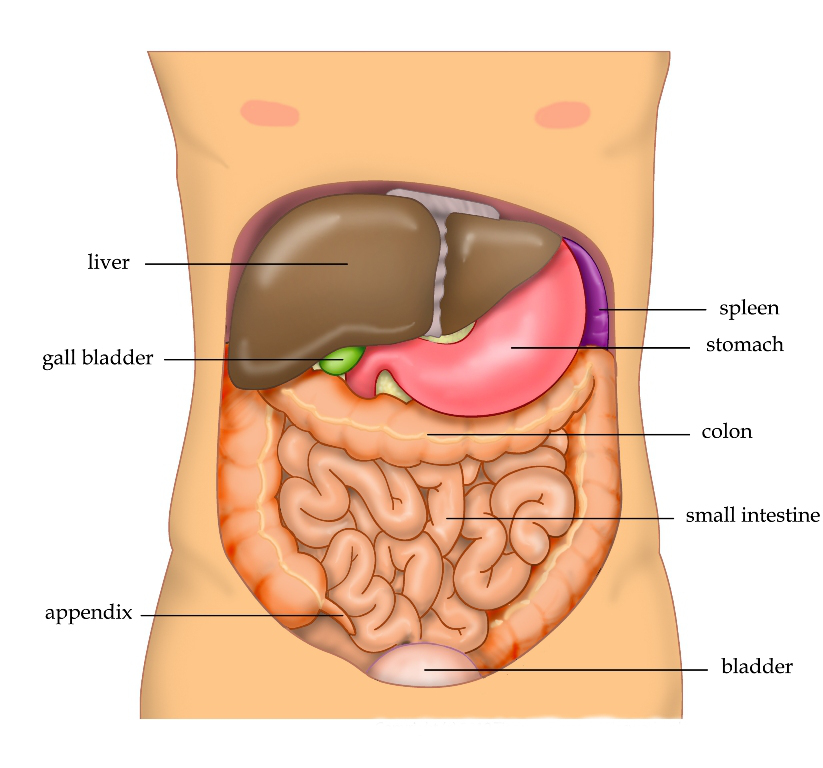
Abdomen
ఉదరం
Syllable: ఉ-ద-రం
Pronunciation: Udaram
- Abdomen protects organs – ఉదరం అవయవాలను కాపాడుతుంది
- Abdomen muscles – ఉదర కండరాలు
- Abdomen movement – ఉదర కదలిక
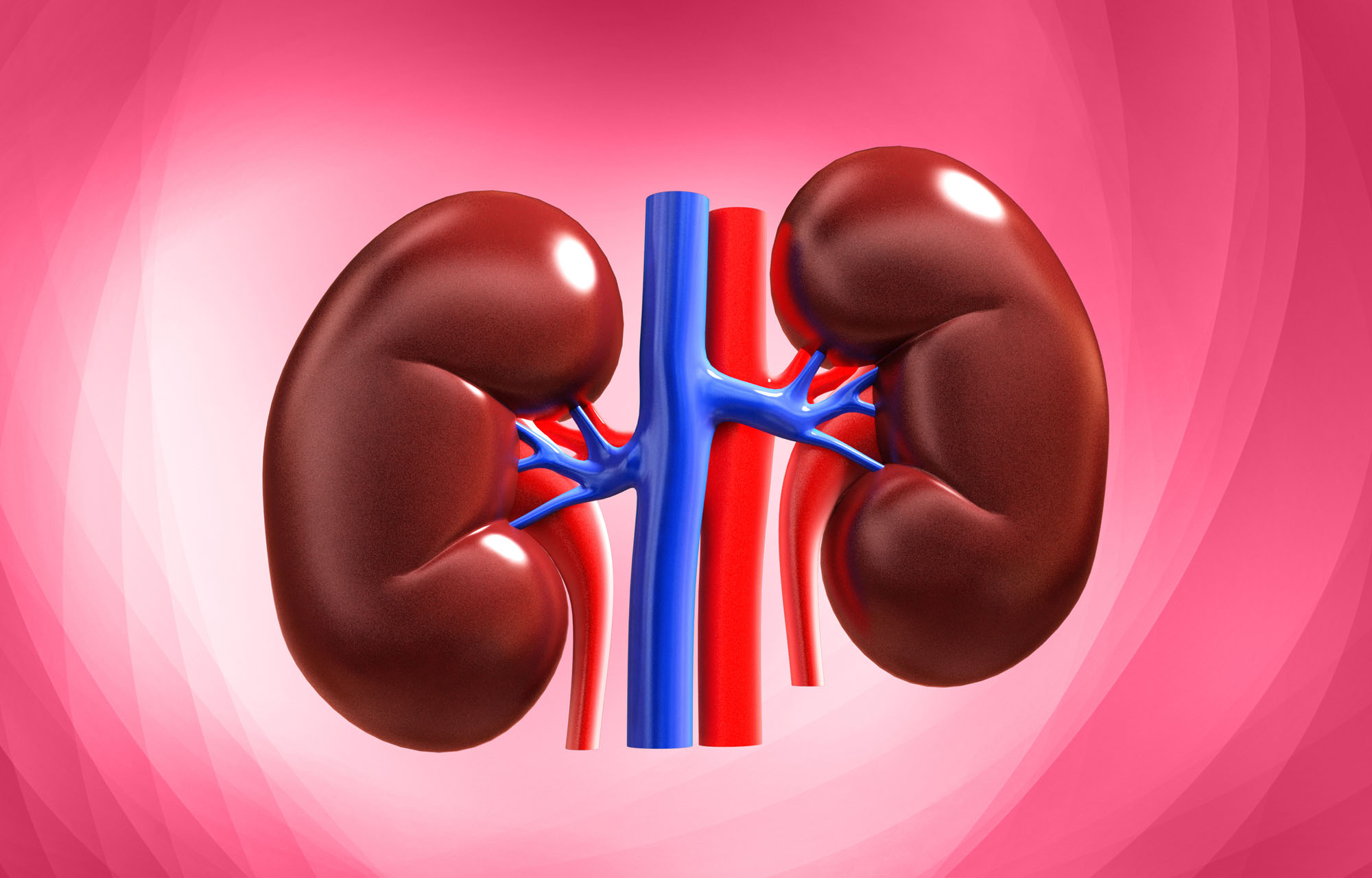
Kidney
మూత్రపిండం
Syllable: మూ-త్ర-పిం-డం
Pronunciation: Moothrapindam
- Kidney filters blood – మూత్రపిండం రక్తాన్ని శుద్ధి చేస్తుంది
- Kidney health – మూత్రపిండ ఆరోగ్యం
- Kidney function – మూత్రపిండ పనితీరు

Skin
చర్మం
Syllable: చ-ర్మం
Pronunciation: Charmam
- Skin protects body – చర్మం శరీరాన్ని కాపాడుతుంది
- Skin touch – చర్మ స్పర్శ
- Skin care – చర్మ సంరక్షణ
Blood
రక్తం
Syllable: ర-క్తం
Pronunciation: Raktam
- Blood flows – రక్తం ప్రవహిస్తుంది
- Blood circulation – రక్త ప్రసరణ
- Blood donation – రక్తదానం

Skeleton
అస్థిపంజరం
Syllable: అ-స్థి-పం-జ-రం
Pronunciation: Asthipanjaram
- Skeleton supports body – అస్థిపంజరం శరీరానికి ఆధారం
- Skeleton bones – అస్థిపంజర ఎముకలు
- Skeleton structure – అస్థిపంజర నిర్మాణం
Body Parts Names in Telugu At a Glance
| # | English Name | Telugu Name | Pronunciation |
|---|---|---|---|
| 1 | Head | తల | Tala |
| 2 | Hair | జుట్టు | Juttu |
| 3 | Forehead | నుదురు | Nuduru |
| 4 | Eye | కన్ను | Kannu |
| 5 | Eyebrow | కనుబొమ్మ | Kanubomma |
| 6 | Eyelashes | కంటి రెప్పలు | Kanti Reppalu |
| 7 | Ear | చెవి | Chevi |
| 8 | Nose | ముక్కు | Mukku |
| 9 | Nostril | ముక్కురంధ్రం | Mukku Randhram |
| 10 | Mouth | నోరు | Noru |
| 11 | Lips | పెదవులు | Pedavulu |
| 12 | Teeth | పళ్లు | Pallu |
| 13 | Tongue | నాలుక | Naluka |
| 14 | Cheek | చెంప | Chempa |
| 15 | Neck | మెడ | Meda |
| 16 | Shoulder | భుజం | Bhujam |
| 17 | Arm | చేయి | Cheyi |
| 18 | Elbow | మోచేయి | Mocheyi |
| 19 | Hand | చేతి | Cheti |
| 20 | Finger | వేలు | Velu |
| 21 | Thumb | బొటనవేలు | Botanavelu |
| 22 | Chest | ఛాతీ | Chati |
| 23 | Heart | గుండె | Gunde |
| 24 | Stomach | కడుపు | Kadupu |
| 25 | Back | వెన్ను | Vennu |
| 26 | Waist | నడుము | Nadumu |
| 27 | Hip | తుంటి | Tunti |
| 28 | Leg | కాలు | Kalu |
| 29 | Knee | మోకాలు | Mokalu |
| 30 | Foot | పాదం | Padam |
| 31 | Toes | కాలివేళ్లు | Kalivelu |
| 32 | Nails | గోర్లు | Gorlu |
| 33 | Brain | మెదడు | Medadu |
| 34 | Lungs | ఊపిరితిత్తులు | Oopirithittulu |
| 35 | Abdomen | ఉదరం | Udaram |
| 36 | Kidney | మూత్రపిండం | Moothrapindam |
| 37 | Skin | చర్మం | Charmam |
| 38 | Blood | రక్తం | Raktam |
| 39 | Skeleton | అస్థిపంజరం | Asthipanjaram |
Telugu Body Parts Quiz
Six Approaches That Actually Work
- Point and name during daily routines — While washing your face say Mukham. While washing your hands say Cheyyi. While putting on shoes say Paadalu. The combination of physical action, sensory presence, and spoken Telugu word creates a memory that requires no revision and no effort to maintain.
- Describe physical sensations in Telugu — When your head aches say Tala noppi in Telugu. When your back hurts say Naddumu noppi. Real health communication in your own language builds vocabulary through genuine motivated use that is more powerful than any exercise.
- Learn three Telugu idioms built on body part words — Find three expressions using Cheyyi, Naoru, or Kallu and learn them properly — meaning, context, and usage. A single idiom gives you the body part word plus a whole dimension of cultural understanding simultaneously.
- Use body part vocabulary with children during play — Simple games involving pointing to and naming body parts in Telugu are among the most naturally effective vocabulary activities available for young learners. The physical engagement, the laughter, and the repetition that games generate build retention faster than any formal exercise.
- Watch Telugu health and wellness content — Telugu YouTube channels covering yoga, exercise, traditional medicine, and health education use body part vocabulary naturally and constantly in contextually rich ways that build authentic exposure to how these words actually function in real Telugu speech.
- Worksheet practice — Label a body diagram with Telugu names, write names from memory, match Telugu body part words to their English equivalents, complete simple sentences about physical sensations. Brief and weekly. That formula works.
You Already Know This Territory
The body you are learning to name in Telugu is the one you have lived in your entire life. Every word in this vocabulary refers to something immediately present, immediately familiar, and immediately personal. That makes body part vocabulary in Telugu uniquely learnable — not because it is simple, but because the subject matter is already known.
The language is the only new thing. And once the language catches up to the knowledge you already have, these words stop feeling like vocabulary and start feeling like the only names these parts of you were ever supposed to have.
Which Telugu body part word surprised you most with its idiomatic richness — or which expression built around a body part do you think captures something that English simply cannot? Tell us in the comments. We are genuinely curious what you find.