There is a particular kind of relationship that develops between a family and an animal that lives inside the boundary of the home. Not the relationship with the cow in the field or the goat on the hillside — something closer and more personal than that. The dog that knows the sound of your footstep before you reach the gate. The cat that has claimed the warmest corner of the house as entirely its own. The parrot that has learned your name and uses it at the most inconvenient moments.
Pet animals in Telugu-speaking households exist across a wider spectrum than the word pet might initially suggest. In urban Hyderabad and Vijayawada, pet keeping looks increasingly familiar — dogs walked in apartment complexes, cats fed on kitchen windowsills, fish tanks glowing in living rooms. In rural Andhra and Telangana, the boundary between pet and working animal is more fluid — a dog that guards the farm is also genuinely loved, a hen that lives in the courtyard is both practical and companionable in the particular way that creatures who share your daily space inevitably become.
What holds across all of these contexts is the language. Telugu has names for every one of these animals — names that carry the warmth, the daily familiarity, and the particular affection that comes from sharing your life with a creature that cannot speak your language but somehow understands you anyway.
Why These Words Feel Different From Other Vocabulary
Most vocabulary categories ask you to learn words for things that exist at some distance from your immediate personal experience. Pet animal names are different. For anyone who has ever had an animal companion, these words connect directly to memory — to specific animals with specific personalities, to the particular texture of daily life that a pet creates around itself without effort or intention.
That emotional charge is one of the most powerful memory tools available in language learning. A vocabulary word attached to genuine feeling is a vocabulary word that does not need to be revised. It stays because something real is holding it in place.
For children the connection is even more direct. A child who has a dog at home already has a relationship with that animal that is among the most significant in their daily life. Teaching them that the dog is Kukka (కుక్క) in Telugu is not introducing an abstract label — it is giving a name in their language to something they already love. That is a completely different cognitive and emotional experience from learning that a table is Meja or that a book is Pustakam. The word lands differently because the relationship it names already exists and already matters.
- It gives learners vocabulary anchored in genuine emotional experience rather than abstract categorisation
- It connects children to Telugu through the animals they already know, already name, and already care about
- It builds a natural and personally motivated relationship with the language that other vocabulary categories rarely achieve
- It supports Telugu medium students with vocabulary that appears across language, science, and general knowledge subjects
- It reflects the full range of Telugu pet keeping culture from urban apartment dogs to rural courtyard companions
- It makes the language feel warm, personal, and connected to the most immediate and affectionate corners of daily life
Explore Pet Animal Names In Telugu

Dog
కుక్క
Syllable: కు-క్క
Pronunciation: Kukka
- Dog barks – కుక్క మొరుగుతుంది
- Dog guards house – కుక్క ఇంటిని కాపాడుతుంది
- Dog plays with owner – కుక్క యజమానితో ఆడుతుంది

Cat
పిల్లి
Syllable: పి-ల్లి
Pronunciation: Pilli
- Cat drinks milk – పిల్లి పాలు తాగుతుంది
- Cat catches mice – పిల్లి ఎలుకలను పట్టుతుంది
- Cat sleeps often – పిల్లి తరచూ నిద్రపోతుంది

Rabbit
కుందేలు
Syllable: కుం-దే-లు
Pronunciation: Kundelu
- Rabbit eats carrots – కుందేలు క్యారెట్ తింటుంది
- Rabbit runs fast – కుందేలు వేగంగా పరుగెడుతుంది
- Rabbit has long ears – కుందేలుకు పొడవైన చెవులు ఉంటాయి

Parrot
చిలుక
Syllable: చి-లు-క
Pronunciation: Chiluka
- Parrot talks – చిలుక మాట్లాడుతుంది
- Parrot eats fruits – చిలుక పండ్లు తింటుంది
- Parrot sits on perch – చిలుక కర్రపై కూర్చుంటుంది
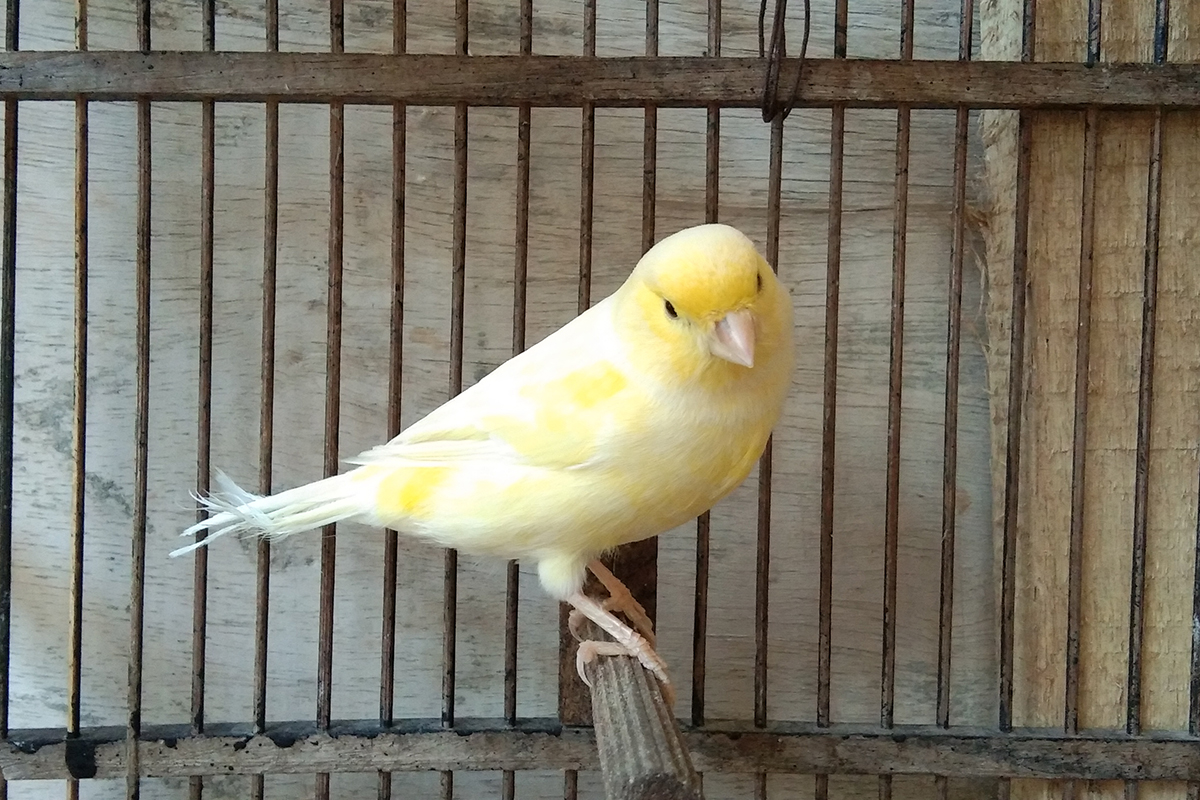
Canary
కెనరీ
Syllable: కె-న-రీ
Pronunciation: Canary
- Canary sings sweetly – కెనరీ మధురంగా పాడుతుంది
- Canary lives in cage – కెనరీ పంజరంలో ఉంటుంది
- Canary has yellow feathers – కెనరీకి పసుపు ఈకలు ఉంటాయి

Lovebird
లవ్బర్డ్
Syllable: లవ్-బర్డ్
Pronunciation: Lovebird
- Lovebird lives in pairs – లవ్బర్డ్ జంటగా ఉంటుంది
- Lovebird chirps softly – లవ్బర్డ్ మృదువుగా కూత పెడుతుంది
- Lovebird is colorful – లవ్బర్డ్ రంగురంగులుగా ఉంటుంది

Budgerigar
బడ్జిరిగార్
Syllable: బడ్జి-రి-గార్
Pronunciation: Budgerigar
- Budgerigar talks – బడ్జిరిగార్ మాట్లాడుతుంది
- Budgerigar eats seeds – బడ్జిరిగార్ గింజలు తింటుంది
- Budgerigar likes company – బడ్జిరిగార్ తోడును ఇష్టపడుతుంది

Cockatiel
కాకటియల్
Syllable: కా-క-టి-యల్
Pronunciation: Cockatiel
- Cockatiel whistles – కాకటియల్ ఈల వేస్తుంది
- Cockatiel eats seeds – కాకటియల్ గింజలు తింటుంది
- Cockatiel is friendly – కాకటియల్ స్నేహపూర్వకంగా ఉంటుంది

Zebra Finch
జీబ్రా ఫించ్
Syllable: జీ-బ్రా-ఫించ్
Pronunciation: Zebra Finch
- Zebra Finch sings – జీబ్రా ఫించ్ పాడుతుంది
- Zebra Finch lives in cage – జీబ్రా ఫించ్ పంజరంలో ఉంటుంది
- Zebra Finch is small – జీబ్రా ఫించ్ చిన్నగా ఉంటుంది

Hamster
హ్యాంస్టర్
Syllable: హ్యాం-స్టర్
Pronunciation: Hamster
- Hamster runs on wheel – హ్యాంస్టర్ చక్రంపై పరుగెడుతుంది
- Hamster stores food – హ్యాంస్టర్ ఆహారం నిల్వ చేస్తుంది
- Hamster is tiny – హ్యాంస్టర్ చిన్నగా ఉంటుంది

Guinea Pig
గినియా పంది
Syllable: గి-ని-యా-పం-ది
Pronunciation: Guinea Pig
- Guinea Pig eats vegetables – గినియా పంది కూరగాయలు తింటుంది
- Guinea Pig is gentle – గినియా పంది మృదువుగా ఉంటుంది
- Guinea Pig likes company – గినియా పంది తోడును ఇష్టపడుతుంది

Ferret
ఫెరెట్
Syllable: ఫె-రెట్
Pronunciation: Ferret
- Ferret explores tunnels – ఫెరెట్ సొరంగాలు వెతుకుతుంది
- Ferret plays actively – ఫెరెట్ చురుకుగా ఆడుతుంది
- Ferret is curious – ఫెరెట్ ఆసక్తిగా ఉంటుంది

Goldfish
గోల్డ్ ఫిష్
Syllable: గోల్డ్-ఫిష్
Pronunciation: Goldfish
- Goldfish swims in tank – గోల్డ్ ఫిష్ ట్యాంకులో ఈదుతుంది
- Goldfish eats fish food – గోల్డ్ ఫిష్ చేపల ఆహారం తింటుంది
- Goldfish is colorful – గోల్డ్ ఫిష్ రంగురంగులుగా ఉంటుంది

Betta Fish
బెట్టా చేప
Syllable: బెట్-టా-చే-ప
Pronunciation: Betta Fish
- Betta Fish swims alone – బెట్టా చేప ఒంటరిగా ఈదుతుంది
- Betta Fish has bright colors – బెట్టా చేపకు ప్రకాశవంతమైన రంగులు ఉంటాయి
- Betta Fish lives in aquarium – బెట్టా చేప అక్వేరియంలో ఉంటుంది

Angelfish
ఏంజెల్ ఫిష్
Syllable: ఏం-జెల్-ఫిష్
Pronunciation: Angelfish
- Angelfish swims gracefully – ఏంజెల్ ఫిష్ అందంగా ఈదుతుంది
- Angelfish lives in aquarium – ఏంజెల్ ఫిష్ అక్వేరియంలో ఉంటుంది
- Angelfish has long fins – ఏంజెల్ ఫిష్కు పొడవైన రెక్కలు ఉంటాయి

Molly Fish
మాలీ చేప
Syllable: మా-లీ-చే-ప
Pronunciation: Molly Fish
- Molly Fish swims quickly – మాలీ చేప వేగంగా ఈదుతుంది
- Molly Fish lives in tank – మాలీ చేప ట్యాంకులో ఉంటుంది
- Molly Fish is colorful – మాలీ చేప రంగురంగులుగా ఉంటుంది

Guppy
గప్పీ చేప
Syllable: గప్-పీ-చే-ప
Pronunciation: Guppy
- Guppy Fish swims actively – గప్పీ చేప చురుకుగా ఈదుతుంది
- Guppy Fish breeds easily – గప్పీ చేప సులభంగా సంతానం పెంచుతుంది
- Guppy Fish has bright colors – గప్పీ చేపకు ప్రకాశవంతమైన రంగులు ఉంటాయి

Turtle
తాబేలు
Syllable: తా-బే-లు
Pronunciation: Tabelu
- Turtle swims slowly – తాబేలు నెమ్మదిగా ఈదుతుంది
- Turtle hides in shell – తాబేలు తన చిప్పలో దాక్కుంటుంది
- Turtle lives long – తాబేలు ఎక్కువ కాలం జీవిస్తుంది

Tortoise
భూమి తాబేలు
Syllable: భూ-మి-తా-బే-లు
Pronunciation: Bhoomi Tabelu
- Tortoise walks slowly – భూమి తాబేలు నెమ్మదిగా నడుస్తుంది
- Tortoise carries shell – భూమి తాబేలు చిప్పను మోస్తుంది
- Tortoise lives long – భూమి తాబేలు ఎక్కువ కాలం జీవిస్తుంది

Mouse
ఎలుక
Syllable: ఎ-లు-క
Pronunciation: Eluka
- Mouse eats grains – ఎలుక గింజలు తింటుంది
- Mouse runs quickly – ఎలుక వేగంగా పరుగెడుతుంది
- Mouse hides in holes – ఎలుక రంధ్రాల్లో దాక్కుంటుంది
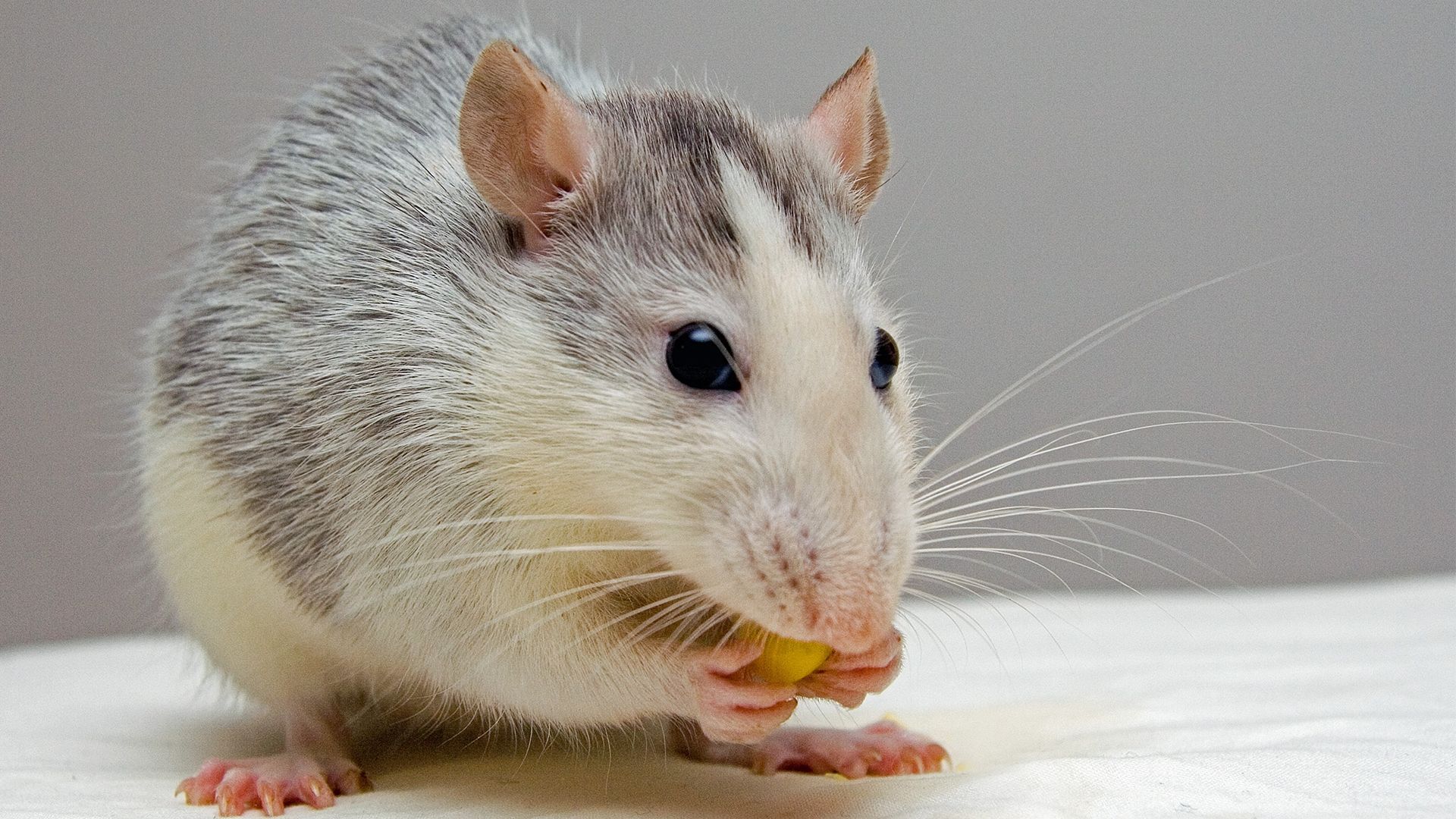
Rat
పెద్ద ఎలుక
Syllable: పె-ద్ద-ఎ-లు-క
Pronunciation: Pedda Eluka
- Rat searches food – పెద్ద ఎలుక ఆహారం వెతుకుతుంది
- Rat lives in burrows – పెద్ద ఎలుక బొరియల్లో ఉంటుంది
- Rat runs fast – పెద్ద ఎలుక వేగంగా పరుగెడుతుంది
Chinchilla
చించిల్లా
Syllable: చిం-చిల్-లా
Pronunciation: Chinchilla
- Chinchilla has soft fur – చించిల్లాకు మృదువైన బొచ్చు ఉంటుంది
- Chinchilla jumps high – చించిల్లా ఎత్తుగా దూకుతుంది
- Chinchilla is active at night – చించిల్లా రాత్రి చురుకుగా ఉంటుంది

Hedgehog
ముళ్ల పంది
Syllable: ము-ళ్ళ-పం-ది
Pronunciation: Mulla Pandi
- Hedgehog rolls into ball – ముళ్ల పంది బంతిలా ముడుచుకుంటుంది
- Hedgehog eats insects – ముళ్ల పంది కీటకాలు తింటుంది
- Hedgehog has spines – ముళ్ల పందికి ముళ్లు ఉంటాయి
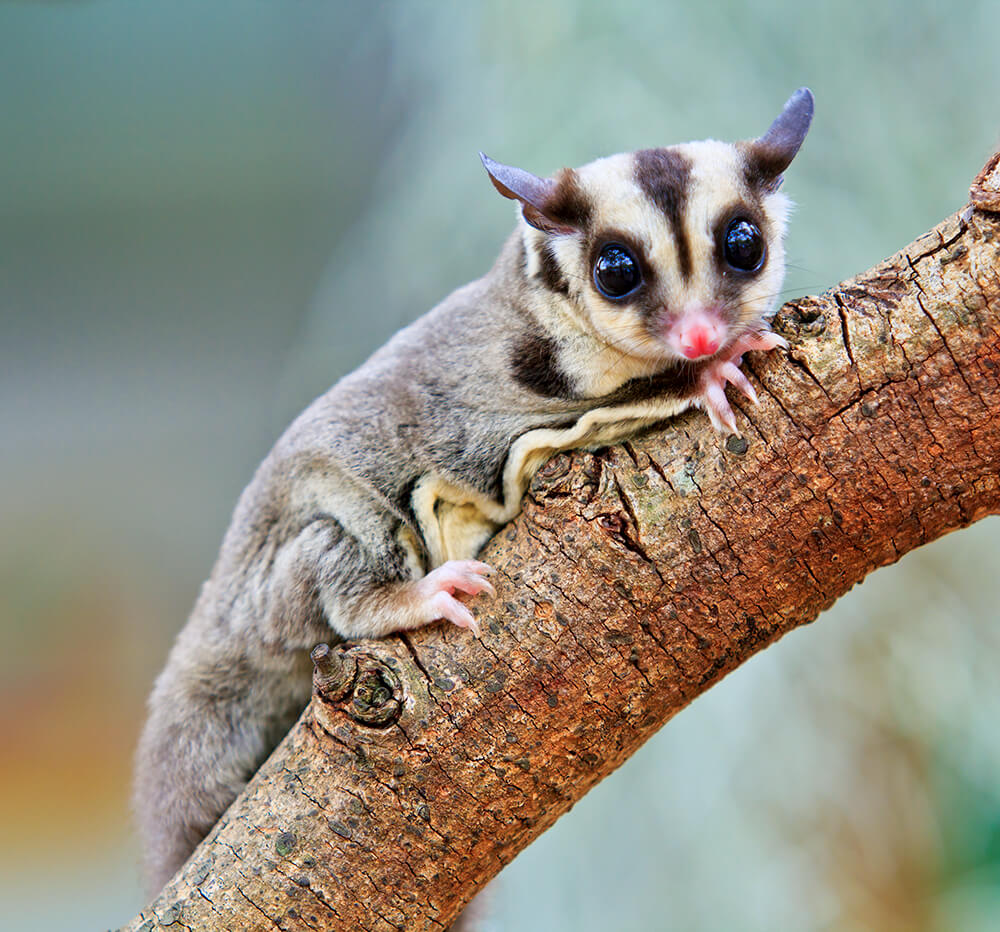
Sugar Glider
షుగర్ గ్లైడర్
Syllable: షు-గర్-గ్లై-డర్
Pronunciation: Sugar Glider
- Sugar Glider glides – షుగర్ గ్లైడర్ గాలిలో జారుతుంది
- Sugar Glider climbs trees – షుగర్ గ్లైడర్ చెట్లు ఎక్కుతుంది
- Sugar Glider is nocturnal – షుగర్ గ్లైడర్ రాత్రి చురుకుగా ఉంటుంది
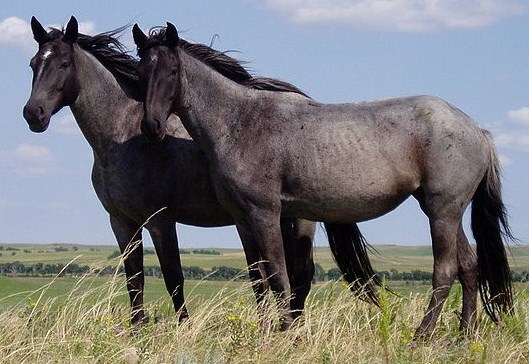
Horse
గుర్రం
Syllable: గు-ర్రం
Pronunciation: Gurram
- Horse runs fast – గుర్రం వేగంగా పరుగెడుతుంది
- Horse carries rider – గుర్రం స్వారీని మోస్తుంది
- Horse is strong – గుర్రం బలంగా ఉంటుంది

Persian Cat
పర్షియన్ పిల్లి
Syllable: పర్-షి-యన్-పి-ల్లి
Pronunciation: Persian Cat
- Persian Cat has long fur – పర్షియన్ పిల్లికి పొడవైన బొచ్చు ఉంటుంది
- Persian Cat likes rest – పర్షియన్ పిల్లి విశ్రాంతిని ఇష్టపడుతుంది
- Persian Cat is beautiful – పర్షియన్ పిల్లి అందంగా ఉంటుంది

Siamese Cat
సియామీస్ పిల్లి
Syllable: సి-యా-మీస్-పి-ల్లి
Pronunciation: Siamese Cat
- Siamese Cat meows loudly – సియామీస్ పిల్లి గట్టిగా మ్యావ్ అంటుంది
- Siamese Cat is intelligent – సియామీస్ పిల్లి తెలివైనది
- Siamese Cat likes people – సియామీస్ పిల్లి మనుషులను ఇష్టపడుతుంది

Maine Coon
మేన్ కూన్ పిల్లి
Syllable: మేన్-కూన్-పి-ల్లి
Pronunciation: Maine Coon
- Maine Coon is large – మేన్ కూన్ పిల్లి పెద్దగా ఉంటుంది
- Maine Coon has thick fur – మేన్ కూన్ పిల్లికి మందమైన బొచ్చు ఉంటుంది
- Maine Coon is friendly – మేన్ కూన్ పిల్లి స్నేహపూర్వకంగా ఉంటుంది
Pet Animal Names in Telugu At a Glance
| # | English Name | Telugu Name | Pronunciation |
|---|---|---|---|
| 1 | Dog | కుక్క | Kukka |
| 2 | Cat | పిల్లి | Pilli |
| 3 | Rabbit | కుందేలు | Kundelu |
| 4 | Parrot | చిలుక | Chiluka |
| 5 | Canary | కెనరీ | Canary |
| 6 | Lovebird | లవ్బర్డ్ | Lovebird |
| 7 | Budgerigar | బడ్జిరిగార్ | Budgerigar |
| 8 | Cockatiel | కాకటియల్ | Cockatiel |
| 9 | Zebra Finch | జీబ్రాఫించ్ | Zebra Finch |
| 10 | Hamster | హ్యాంస్టర్ | Hamster |
| 11 | Guinea Pig | గినియా పంది | Guinea Pig |
| 12 | Ferret | ఫెరెట్ | Ferret |
| 13 | Goldfish | గోల్డ్ఫిష్ | Goldfish |
| 14 | Betta Fish | బెట్టా చేప | Betta Fish |
| 15 | Angelfish | ఏంజెల్ ఫిష్ | Angelfish |
| 16 | Molly Fish | మాలీ చేప | Molly Fish |
| 17 | Guppy | గప్పీ చేప | Guppy |
| 18 | Turtle | తాబేలు | Tabelu |
| 19 | Tortoise | భూమి తాబేలు | Bhoomi Tabelu |
| 20 | Mouse | ఎలుక | Eluka |
| 21 | Rat | పెద్దఎలుక | Pedda Eluka |
| 22 | Chinchilla | చించిల్లా | Chinchilla |
| 23 | Hedgehog | ముళ్లపంది | Mulla Pandi |
| 24 | Sugar Glider | షుగర్ గ్లైడర్ | Sugar Glider |
| 25 | Horse | గుర్రం | Gurram |
| 26 | Persian Cat | పర్షియన్ పిల్లి | Persian Cat |
| 27 | Siamese Cat | సియామీస్ పిల్లి | Siamese Cat |
| 28 | Maine Coon | మేన్ కూన్ పిల్లి | Maine Coon |
Telugu Pet Animals Quiz
Pets in Telugu Households Across Two States
The pet culture of Andhra Pradesh and Telangana is not a single thing — it varies enormously between urban and rural settings, between coastal and inland communities, between the traditional and the contemporary, in ways that make the Telugu pet vocabulary a surprisingly rich and socially revealing set of words.
In Hyderabad’s rapidly expanding apartment culture, pet keeping has transformed over the past two decades in ways that mirror broader changes in urban Telugu life. Dogs — particularly breeds like Labradors, German Shepherds, and Indie dogs — have become central to the social life of housing complexes in a way that has created entirely new contexts for the word Kukka to appear in Telugu conversation. Dog walkers, veterinary clinics, pet food shops, and the morning and evening rituals of apartment-complex dog walking have generated a new layer of Telugu pet vocabulary that sits alongside the older rural vocabulary with its own distinctive character and social meaning.
In rural and semi-urban communities across both states, the relationship with pets is older, more integrated, and in many ways more practically sophisticated. The dog that guards a farm in Warangal district, the parrot kept in a cage in a Guntur household, the cat that controls the mouse population of a village home in East Godavari — these are animals whose presence is both valued and understood in a way that comes from generations of close daily observation. The vocabulary used to talk about these animals in these settings carries that accumulated understanding in a way that newer urban pet culture vocabulary has not yet had time to develop.
The aquarium culture of urban Telugu households is a more recent phenomenon but one that has generated its own specific Telugu vocabulary around fish species, tank maintenance, and the aesthetics of aquatic keeping. Telugu speakers who maintain aquariums have absorbed specific names for popular aquarium fish species into their everyday Telugu conversation — a small but revealing example of how the language continuously absorbs new experiences and generates new vocabulary to describe them.
Making Pet Vocabulary Personal
- Use the Telugu name for your own pet — If you have a dog, start calling it Kukka in Telugu conversation. If you have a cat, use Pilli. The word attached to an animal you actually know and care about is a word that will never require revision.
- Teach children through their own pets — A child who already loves their pet rabbit will learn Koondeli in approximately thirty seconds if you introduce the word while they are holding the animal. Emotional context is the most powerful vocabulary teaching tool available and pets provide it naturally.
- Read Telugu folk stories featuring the Chiluka and the Pilli — The parrot and the cat are recurring characters in Telugu folk literature whose stories are entertaining, culturally illuminating, and full of the kind of repeated vocabulary use that builds retention without feeling like study.
- Visit a pet market with Telugu names in mind — Telugu cities have well-established pet markets where animals, supplies, and expertise are available — and where the Telugu names for animals are used naturally in commercial conversation. A single visit with vocabulary awareness builds more than a week of desk study.
- Worksheet practice — Match pet images to Telugu names, write names from memory, complete simple sentences about pets and their characteristics. Keep it short, keep it regular, and let the emotional connection to the subject do the heavy lifting that pure repetition cannot.
Home Has Always Had Room for One More
The Kukka at the gate, the Pilli in the corner, the Chiluka calling your name from its perch — these are the animals that have always shared the Telugu domestic world and the Telugu language has always had room for them. Learning their names is not just vocabulary practice.
It is acknowledging the animals that have been part of Telugu households across generations — present in the daily rhythm of the home, in the folk stories told at night, and in the particular warmth that a language develops when it names with affection the creatures it has chosen to keep close.
Which Telugu pet animal name felt most personal to you today — or do you have a pet at home whose Telugu name you are going to start using from right now? Tell us in the comments. We would genuinely love to hear about the animals in your life.