Where the Forest Begins, Telugu Has Always Been Listening.
The Eastern Ghats run like a spine through the heart of Andhra Pradesh and Telangana — ancient, forested, and full of creatures that Telugu communities have been naming and watching for as long as anyone can remember. A tiger moving through the teak forests of Nagarjunasagar. A sloth bear turning over rocks in the scrubland of Nallamala. A giant squirrel leaping between the canopy trees of the Godavari valley. These are not distant wilderness scenes — they are the living backyard of the Telugu-speaking world.
Andhra Pradesh and Telangana together contain some of South India’s most significant wildlife habitats. The Nallamala forest system — one of the largest contiguous forest blocks in peninsular India — stretches across several districts of both states and supports populations of tigers, leopards, wolves, and hundreds of other species. The Godavari and Krishna river systems create rich riparian habitats, and the coastal mangroves of the delta support wildlife that exists nowhere else in quite the same form.
Telugu communities living near these forests have always maintained a detailed and practical knowledge of wild animals — their behaviour, their seasonal movements, their relationship to the agricultural land at the forest edge. That knowledge lives in the Telugu language, encoded in animal names, proverbs, and the oral traditions of forest-edge communities across both states.
Why Forest Vocabulary Is Kitchen Table Vocabulary Too
Wild animal names in Telugu are not confined to wildlife reserves and nature documentaries. They live in the everyday speech of rural communities, in the proverbs that Telugu grandparents use to teach children about courage and cunning, in the names of villages and rivers and geographical features across both states, and in the folk literature that has shaped Telugu cultural identity across centuries of storytelling.
A farming family in Kurnool whose crops are raided by wild boar at night discusses the problem using precise Telugu animal vocabulary. A shepherd in Prakasam district who loses a goat to a leopard describes the event with words that have been used in exactly that context for generations.
A fisherman in the Godavari delta who spots a mugger crocodile surfacing near his boat reaches for a Telugu name that his grandfather used and his grandfather before him. This is vocabulary with genuine stakes attached — words that matter because the animals they name matter.
For children in urban areas, wild animal vocabulary opens a window into a part of their own cultural and natural heritage that urbanisation has placed at a distance but not erased. Learning that a tiger is Puli (పులి) in Telugu, or that a bear is Eluka (ఎలుక) in Telugu connects a city child to the forests and the folk traditions that are as much a part of Telugu identity as anything found in a city.
- It connects learners to the rich wildlife heritage of the Eastern Ghats and the Godavari-Krishna forest systems
- It unlocks Telugu proverbs, folk tales, and oral traditions where wild animals play central roles
- It gives rural learners vocabulary that is genuinely practical in forest-edge community contexts
- It builds environmental awareness and appreciation for the wildlife that shares the Telugu-speaking landscape
- It opens access to the specialised knowledge of tribal and forest communities whose Telugu is shaped by daily contact with wildlife
- It makes the language feel wild, alive, and rooted in the natural world rather than confined to classroom and city
Explore Wild Animal Names In Telugu

Lion
సింహం
Syllable: సిం-హం
Pronunciation: Simham
- Lion roars – సింహం గర్జిస్తుంది
- Lion hunts animals – సింహం జంతువులను వేటాడుతుంది
- Lion lives in forest – సింహం అడవిలో ఉంటుంది

Tiger
పులి
Syllable: పు-లి
Pronunciation: Puli
- Tiger hunts prey – పులి వేటాడుతుంది
- Tiger runs fast – పులి వేగంగా పరుగెడుతుంది
- Tiger lives in jungle – పులి అడవిలో ఉంటుంది

Leopard
చిరుతపులి
Syllable: చి-రు-త-పు-లి
Pronunciation: Chiruthapuli
- Leopard climbs trees – చిరుతపులి చెట్లు ఎక్కుతుంది
- Leopard hunts deer – చిరుతపులి జింకలను వేటాడుతుంది
- Leopard runs swiftly – చిరుతపులి వేగంగా పరుగెడుతుంది

Cheetah
చీతా
Syllable: చీ-తా
Pronunciation: Cheetah
- Cheetah runs fastest – చీతా అత్యంత వేగంగా పరుగెడుతుంది
- Cheetah hunts animals – చీతా జంతువులను వేటాడుతుంది
- Cheetah lives in grasslands – చీతా గడ్డి మైదానాల్లో ఉంటుంది

Elephant
ఏనుగు
Syllable: ఏ-ను-గు
Pronunciation: Enugu
- Elephant has a trunk – ఏనుగుకు తొండం ఉంటుంది
- Elephant eats leaves – ఏనుగు ఆకులు తింటుంది
- Elephant is strong – ఏనుగు బలంగా ఉంటుంది

Rhinoceros
ఖడ్గమృగం
Syllable: ఖడ్-గ-మృ-గం
Pronunciation: Khadgamrugam
- Rhinoceros has a horn – ఖడ్గమృగానికి కొమ్ము ఉంటుంది
- Rhinoceros eats grass – ఖడ్గమృగం గడ్డి తింటుంది
- Rhinoceros is powerful – ఖడ్గమృగం బలంగా ఉంటుంది

Hippopotamus
నీటి గుర్రం
Syllable: నీ-టి-గు-ర్రం
Pronunciation: Neeti Gurram
- Hippopotamus lives in water – నీటి గుర్రం నీటిలో ఉంటుంది
- Hippopotamus is huge – నీటి గుర్రం పెద్దది
- Hippopotamus eats grass – నీటి గుర్రం గడ్డి తింటుంది

Bear
ఎలుగుబంటి
Syllable: ఎ-లు-గు-బం-టి
Pronunciation: Elugubanti
- Bear eats honey – ఎలుగుబంటి తేనె తింటుంది
- Bear climbs trees – ఎలుగుబంటి చెట్లు ఎక్కుతుంది
- Bear lives in forest – ఎలుగుబంటి అడవిలో ఉంటుంది

Wolf
తోడేలు
Syllable: తో-డే-లు
Pronunciation: Todelu
- Wolf hunts in packs – తోడేలు గుంపుగా వేటాడుతుంది
- Wolf howls at night – తోడేలు రాత్రి అరుస్తుంది
- Wolf runs fast – తోడేలు వేగంగా పరుగెడుతుంది

Fox
నక్క
Syllable: న-క్క
Pronunciation: Nakka
- Fox is clever – నక్క తెలివైనది
- Fox hunts small animals – నక్క చిన్న జంతువులను వేటాడుతుంది
- Fox lives in den – నక్క గుహలో ఉంటుంది

Hyena
హైనా
Syllable: హై-నా
Pronunciation: Hyena
- Hyena laughs loudly – హైనా గట్టిగా శబ్దం చేస్తుంది
- Hyena hunts animals – హైనా జంతువులను వేటాడుతుంది
- Hyena lives in groups – హైనా గుంపులుగా ఉంటుంది

Jackal
నక్క
Syllable: న-క్క
Pronunciation: Nakka
- Jackal howls at night – నక్క రాత్రి అరుస్తుంది
- Jackal hunts rodents – నక్క చిన్న జంతువులను వేటాడుతుంది
- Jackal lives in forest – నక్క అడవిలో ఉంటుంది

Deer
జింక
Syllable: జిం-క
Pronunciation: Jinka
- Deer runs swiftly – జింక వేగంగా పరుగెడుతుంది
- Deer eats grass – జింక గడ్డి తింటుంది
- Deer lives in forest – జింక అడవిలో ఉంటుంది

Blackbuck
కృష్ణజింక
Syllable: కృష్ణ-జిం-క
Pronunciation: Krishna Jinka
- Blackbuck runs fast – కృష్ణజింక వేగంగా పరుగెడుతుంది
- Blackbuck eats grass – కృష్ణజింక గడ్డి తింటుంది
- Blackbuck lives in plains – కృష్ణజింక మైదానాల్లో ఉంటుంది
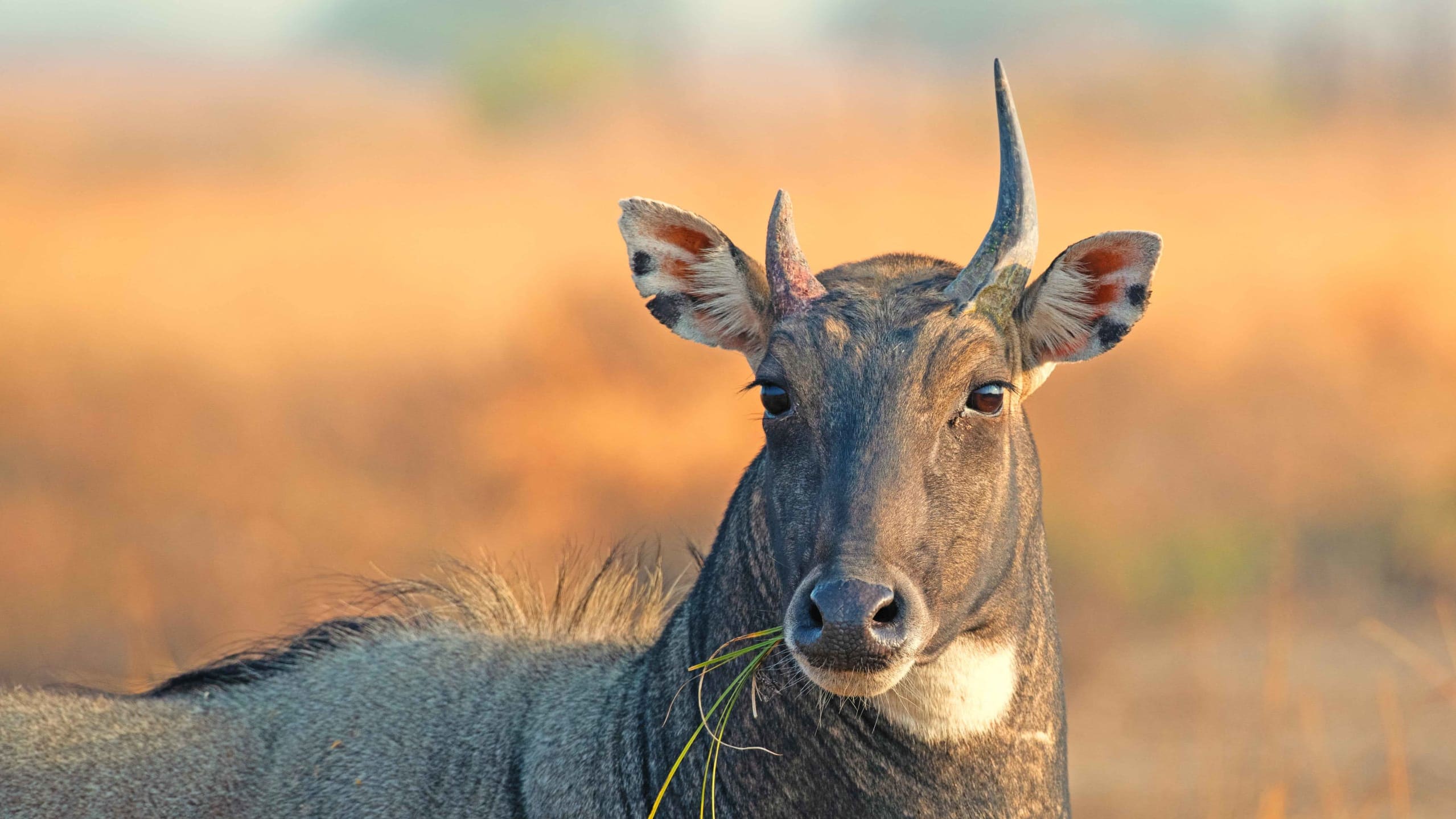
Nilgai
నీలగాయి
Syllable: నీ-ల-గా-యి
Pronunciation: Nilgai
- Nilgai eats leaves – నీలగాయి ఆకులు తింటుంది
- Nilgai runs quickly – నీలగాయి వేగంగా పరుగెడుతుంది
- Nilgai lives in grasslands – నీలగాయి గడ్డి మైదానాల్లో ఉంటుంది

Wild Boar
అడవి పంది
Syllable: అ-డ-వి-పం-ది
Pronunciation: Adavi Pandi
- Wild Boar digs soil – అడవి పంది నేలను తవ్వుతుంది
- Wild Boar searches food – అడవి పంది ఆహారం వెతుకుతుంది
- Wild Boar lives in forest – అడవి పంది అడవిలో ఉంటుంది

Monkey
కోతి
Syllable: కో-తి
Pronunciation: Kothi
- Monkey climbs trees – కోతి చెట్లు ఎక్కుతుంది
- Monkey eats fruits – కోతి పండ్లు తింటుంది
- Monkey jumps quickly – కోతి వేగంగా దూకుతుంది

Langur
లంగూర్
Syllable: లం-గూర్
Pronunciation: Langur
- Langur jumps on trees – లంగూర్ చెట్లపై దూకుతుంది
- Langur eats leaves – లంగూర్ ఆకులు తింటుంది
- Langur lives in groups – లంగూర్ గుంపులుగా ఉంటుంది

Gorilla
గొరిల్లా
Syllable: గొ-రి-ల్లా
Pronunciation: Gorilla
- Gorilla is powerful – గొరిల్లా బలంగా ఉంటుంది
- Gorilla eats fruits – గొరిల్లా పండ్లు తింటుంది
- Gorilla lives in forests – గొరిల్లా అడవుల్లో ఉంటుంది

Chimpanzee
చింపాంజీ
Syllable: చిం-పాం-జీ
Pronunciation: Chimpanzee
- Chimpanzee uses tools – చింపాంజీ పరికరాలు ఉపయోగిస్తుంది
- Chimpanzee climbs trees – చింపాంజీ చెట్లు ఎక్కుతుంది
- Chimpanzee is intelligent – చింపాంజీ తెలివైనది

Giraffe
జిరాఫీ
Syllable: జి-రా-ఫీ
Pronunciation: Jirafi
- Giraffe has long neck – జిరాఫీకి పొడవైన మెడ ఉంటుంది
- Giraffe eats leaves – జిరాఫీ ఆకులు తింటుంది
- Giraffe is tall – జిరాఫీ చాలా ఎత్తుగా ఉంటుంది

Zebra
జీబ్రా
Syllable: జీ-బ్రా
Pronunciation: Zebra
- Zebra has stripes – జీబ్రాకు చారలు ఉంటాయి
- Zebra runs fast – జీబ్రా వేగంగా పరుగెడుతుంది
- Zebra lives in grasslands – జీబ్రా గడ్డి మైదానాల్లో ఉంటుంది
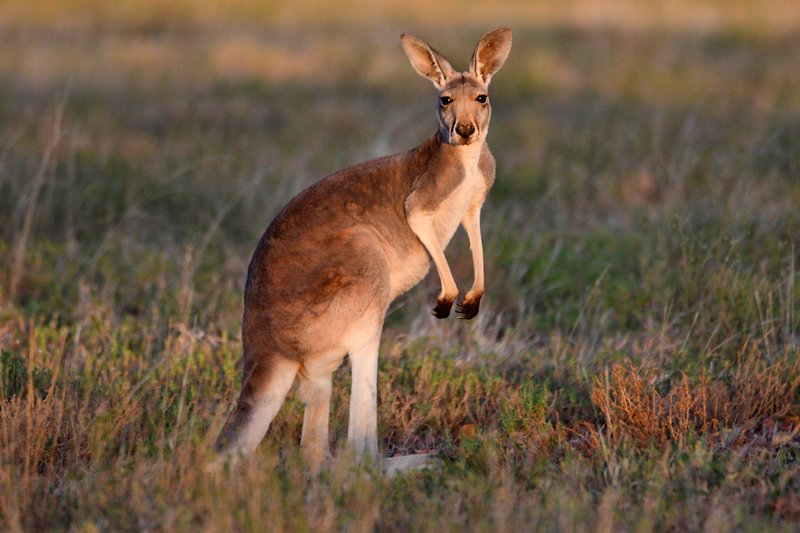
Kangaroo
కంగారు
Syllable: కం-గా-రూ
Pronunciation: Kangaroo
- Kangaroo jumps high – కంగారు ఎత్తుగా దూకుతుంది
- Kangaroo carries baby – కంగారు తన పిల్లను సంచిలో మోస్తుంది
- Kangaroo lives in Australia – కంగారు ఆస్ట్రేలియాలో ఉంటుంది

Panda
పాండా
Syllable: పాం-డా
Pronunciation: Panda
- Panda eats bamboo – పాండా వెదురు తింటుంది
- Panda is gentle – పాండా మృదువుగా ఉంటుంది
- Panda lives in mountains – పాండా పర్వతాల్లో ఉంటుంది

Koala
కోయాలా
Syllable: కో-యా-లా
Pronunciation: Koala
- Koala eats eucalyptus leaves – కోయాలా యూకలిప్టస్ ఆకులు తింటుంది
- Koala sleeps often – కోయాలా ఎక్కువగా నిద్రపోతుంది
- Koala lives on trees – కోయాలా చెట్లపై ఉంటుంది

Bison
బైసన్
Syllable: బై-సన్
Pronunciation: Bison
- Bison grazes grass – బైసన్ గడ్డి మేస్తుంది
- Bison is powerful – బైసన్ బలంగా ఉంటుంది
- Bison lives in plains – బైసన్ మైదానాల్లో ఉంటుంది

Wild Buffalo
అడవి గేదె
Syllable: అ-డ-వి-గే-దె
Pronunciation: Adavi Gede
- Wild Buffalo lives in forests – అడవి గేదె అడవిలో ఉంటుంది
- Wild Buffalo eats grass – అడవి గేదె గడ్డి తింటుంది
- Wild Buffalo is strong – అడవి గేదె బలంగా ఉంటుంది

Porcupine
ముళ్లపంది
Syllable: ముళ్-ళ-పం-ది
Pronunciation: Mullapandi
- Porcupine has quills – ముళ్లపందికి ముళ్లు ఉంటాయి
- Porcupine eats roots – ముళ్లపంది వేర్లు తింటుంది
- Porcupine protects itself – ముళ్లపంది తనను తాను రక్షించుకుంటుంది

Hare
కుందేలు
Syllable: కుం-దే-లు
Pronunciation: Kundelu
- Hare runs fast – కుందేలు వేగంగా పరుగెడుతుంది
- Hare eats grass – కుందేలు గడ్డి తింటుంది
- Hare jumps high – కుందేలు ఎత్తుగా దూకుతుంది

Otter
నీటి కుక్క
Syllable: నీ-టి-కు-క్క
Pronunciation: Neeti Kukka
- Otter swims well – నీటి కుక్క బాగా ఈదుతుంది
- Otter catches fish – నీటి కుక్క చేపలు పట్టుతుంది
- Otter plays in water – నీటి కుక్క నీటిలో ఆడుతుంది

Mongoose
ముంగిస
Syllable: ముం-గి-స
Pronunciation: Mungisa
- Mongoose hunts snakes – ముంగిస పాములను వేటాడుతుంది
- Mongoose runs quickly – ముంగిస వేగంగా పరుగెడుతుంది
- Mongoose lives near fields – ముంగిస పొలాల దగ్గర ఉంటుంది

Squirrel
ఉడుత
Syllable: ఉ-డు-త
Pronunciation: Uduta
- Squirrel climbs trees – ఉడుత చెట్లు ఎక్కుతుంది
- Squirrel stores nuts – ఉడుత గింజలు నిల్వ చేస్తుంది
- Squirrel runs fast – ఉడుత వేగంగా పరుగెడుతుంది
Bat
గబ్బిలం
Syllable: గబ్-బి-లం
Pronunciation: Gabbilam
- Bat flies at night – గబ్బిలం రాత్రి ఎగురుతుంది
- Bat hangs upside down – గబ్బిలం తలకిందులుగా వేలాడుతుంది
- Bat eats fruits – గబ్బిలం పండ్లు తింటుంది

Armadillo
ఆర్మడిల్లో
Syllable: ఆర్-మ-డి-ల్లో
Pronunciation: Armadillo
- Armadillo digs burrows – ఆర్మడిల్లో బిలాలు తవ్వుతుంది
- Armadillo has armor shell – ఆర్మడిల్లోకు గట్టి కవచం ఉంటుంది
- Armadillo eats insects – ఆర్మడిల్లో కీటకాలు తింటుంది

Meerkat
మీర్క్యాట్
Syllable: మీర్-క్యాట్
Pronunciation: Meerkat
- Meerkat stands alert – మీర్క్యాట్ అప్రమత్తంగా నిలుస్తుంది
- Meerkat lives in groups – మీర్క్యాట్ గుంపులుగా ఉంటుంది
- Meerkat digs burrows – మీర్క్యాట్ బిలాలు తవ్వుతుంది

Wolverine
వుల్వరిన్
Syllable: వుల్-వ-రిన్
Pronunciation: Wolverine
- Wolverine is fierce – వుల్వరిన్ ఉగ్రంగా ఉంటుంది
- Wolverine hunts prey – వుల్వరిన్ వేటాడుతుంది
- Wolverine lives in cold regions – వుల్వరిన్ చల్లని ప్రాంతాల్లో ఉంటుంది

Lemur
లీమూర్
Syllable: లీ-మూర్
Pronunciation: Lemur
- Lemur jumps between trees – లీమూర్ చెట్ల మధ్య దూకుతుంది
- Lemur eats fruits – లీమూర్ పండ్లు తింటుంది
- Lemur lives in Madagascar – లీమూర్ మడగాస్కర్లో ఉంటుంది

Tapir
టాపిర్
Syllable: టా-పిర్
Pronunciation: Tapir
- Tapir eats plants – టాపిర్ మొక్కలు తింటుంది
- Tapir lives near rivers – టాపిర్ నదుల దగ్గర ఉంటుంది
- Tapir walks slowly – టాపిర్ నెమ్మదిగా నడుస్తుంది

Sloth
స్లోత్
Syllable: స్లోత్
Pronunciation: Sloth
- Sloth moves slowly – స్లోత్ నెమ్మదిగా కదులుతుంది
- Sloth hangs on trees – స్లోత్ చెట్లపై వేలాడుతుంది
- Sloth eats leaves – స్లోత్ ఆకులు తింటుంది

Jaguar
జాగ్వార్
Syllable: జా-గ్వార్
Pronunciation: Jaguar
- Jaguar hunts animals – జాగ్వార్ జంతువులను వేటాడుతుంది
- Jaguar swims well – జాగ్వార్ బాగా ఈదుతుంది
- Jaguar lives in rainforest – జాగ్వార్ వర్షారణ్యాల్లో ఉంటుంది
Wild Animal Names in Telugu At a Glance
| # | English Name | Telugu Name | Pronunciation |
|---|---|---|---|
| 1 | Lion | సింహం | Simham |
| 2 | Tiger | పులి | Puli |
| 3 | Leopard | చిరుతపులి | Chiruthapuli |
| 4 | Cheetah | చీతా | Cheetah |
| 5 | Elephant | ఏనుగు | Enugu |
| 6 | Rhinoceros | ఖడ్గమృగం | Khadgamrugam |
| 7 | Hippopotamus | నీటి గుర్రం | Neeti Gurram |
| 8 | Bear | ఎలుగుబంటి | Elugubanti |
| 9 | Wolf | తోడేలు | Todelu |
| 10 | Fox | నక్క | Nakka |
| 11 | Hyena | హైనా | Hyena |
| 12 | Jackal | నక్క | Nakka |
| 13 | Deer | జింక | Jinka |
| 14 | Blackbuck | కృష్ణజింక | Krishna Jinka |
| 15 | Nilgai | నీలగాయి | Nilgai |
| 16 | Wild Boar | అడవి పంది | Adavi Pandi |
| 17 | Monkey | కోతి | Kothi |
| 18 | Langur | లంగూర్ | Langur |
| 19 | Gorilla | గొరిల్లా | Gorilla |
| 20 | Chimpanzee | చింపాంజీ | Chimpanzee |
| 21 | Giraffe | జిరాఫీ | Jirafi |
| 22 | Zebra | జీబ్రా | Zebra |
| 23 | Kangaroo | కంగారు | Kangaroo |
| 24 | Panda | పాండా | Panda |
| 25 | Koala | కోయాలా | Koala |
| 26 | Bison | బైసన్ | Bison |
| 27 | Wild Buffalo | అడవి గేదె | Adavi Gede |
| 28 | Porcupine | ముళ్లపంది | Mullapandi |
| 29 | Hare | కుందేలు | Kundelu |
| 30 | Otter | నీటి కుక్క | Neeti Kukka |
| 31 | Mongoose | ముంగిస | Mungisa |
| 32 | Squirrel | ఉడుత | Uduta |
| 33 | Bat | గబ్బిలం | Gabbilam |
| 34 | Armadillo | ఆర్మడిల్లో | Armadillo |
| 35 | Meerkat | మీర్క్యాట్ | Meerkat |
| 36 | Wolverine | వుల్వరిన్ | Wolverine |
| 37 | Lemur | లీమూర్ | Lemur |
| 38 | Tapir | టాపిర్ | Tapir |
| 39 | Sloth | స్లోత్ | Sloth |
| 40 | Jaguar | జాగ్వార్ | Jaguar |
Telugu Wild Animals Quiz
The Eastern Ghats Are Full of Telugu Stories
The forests of the Eastern Ghats are not empty wilderness — they are inhabited landscapes with deep human histories, and the Telugu communities who have lived at their edges and within their boundaries for centuries have built a relationship with wild animals that is encoded in language, story, and practical ecological knowledge of extraordinary depth.
The Chenchu tribal community of the Nallamala forest is one of the most significant forest-dwelling communities in the Telugu-speaking world and has maintained a relationship with the wildlife of the Nallamala system — including tigers, leopards, and bears — that is both practically sophisticated and culturally profound.
The Chenchu’s Telugu is shaped by their forest environment in ways that mainstream Telugu is not, and their wild animal vocabulary reflects a depth of ecological observation that comes only from generations of genuinely intimate contact with the natural world.
The Koya and Kondareddi communities of the Godavari valley have similarly developed a detailed knowledge of the wildlife of the riverine forests they inhabit — knowledge that includes not just the Telugu names of wild animals but a sophisticated understanding of their seasonal movements, their behaviour patterns, and their ecological relationships with the forest environment.
This kind of traditional ecological knowledge, encoded in Telugu animal vocabulary and in the oral traditions that carry it across generations, represents one of the most valuable and most threatened knowledge systems in the entire Telugu-speaking world.
The relationship between Telugu farming communities and wild animals at the agricultural margin is one of constant negotiation — crops versus wild boar, livestock versus leopard, irrigation channels versus crocodile.
This negotiation has generated a specialised vocabulary of wildlife conflict and coexistence that is among the most practically significant and culturally revealing subsets of Telugu wild animal language, reflecting the complex reality of living alongside wildlife in landscapes where the boundary between forest and farm has always been more permeable than any map suggests.
Making These Words Stay
- Attach each animal to its landscape — Puli belongs to the Nallamala teak forest. Tola roams the Telangana plateau grasslands. Mosali surfaces in the Godavari. Placing each Telugu animal name in its actual geographic and ecological home gives the vocabulary a spatial dimension that makes it dramatically easier to retain and recall.
- Read Telugu folk tales featuring wild animals — The Nakka, the Puli, the Elugu — all appear as characters in Telugu folk stories that have been told for centuries. Reading these stories in Telugu gives you the animal name in a narrative context that the brain retains far more reliably than any list.
- Watch Telugu wildlife content — Telugu nature documentaries and wildlife YouTube channels are a genuinely excellent resource. Hearing Puli and Chita and Duppi used naturally by Telugu speakers talking about real animals in real landscapes builds vocabulary through authentic exposure.
- Visit Nagarjunasagar or Papikondalu — Any visit to a Telugu wildlife sanctuary with the specific intention of identifying animals by their Telugu names turns a leisure experience into an immersive language lesson. Real identification in a real environment is the most powerful vocabulary consolidation available.
- Worksheet practice — Match animal images to Telugu names, write names from memory, identify animals from Telugu descriptions. Keep it brief and keep it weekly. Consistency beats intensity every time.
Pay Attention — the Forest Is Still Out There
The Puli still moves through the Nallamala at night. The Nakka still picks its way through the scrubland at dusk. The Mosali still surfaces in the great rivers.
The wild Telugu world is not a thing of the past — it is present, alive, and speaking a language that has names for every creature in it. Learn those names and the forest stops being background. It becomes something you can actually read.
Which Telugu wild animal name surprised you most — or which animal from the forests and rivers of Andhra and Telangana do you find most fascinating? Drop it in the comments below. We are genuinely curious what you think.