The human body is the first map any child learns to read. Long before a child understands the world outside, they discover the world of their own body — the hands that reach and grasp, the feet that take first steps, the eyes that open each morning to a new day. In Marathi, the names of body parts are among the oldest and most fundamental words the language carries.
Across Maharashtra, body part names in Marathi are woven into everyday conversation in ways that go far beyond anatomy. They appear in folk medicine passed from grandmother to grandchild, in the blessings spoken at birth ceremonies, in the proverbs that describe human character through the body, and in the Marathi idioms that bring colour and precision to daily speech. These are words that live in the language at its deepest level.
Learning body part names in Marathi is one of the most practical and foundational steps any learner can take. Whether you are a child just beginning to explore the language, a parent building your child’s Marathi vocabulary, or an adult learner working toward genuine fluency, body part vocabulary gives you a set of words that you will use every single day for the rest of your life.
Why Learning Body Parts Names In Marathi Is Important
Body part vocabulary sits at the absolute foundation of any language’s practical usefulness. The ability to describe the human body — to say where something hurts, to explain a symptom to a doctor, to follow instructions in a yoga class or a physical education lesson, to understand a Marathi proverb or a folk healing tradition — all of these everyday needs depend on a working knowledge of body part names in Marathi. This is vocabulary that serves the learner not in occasional situations but in the continuous, daily experience of being alive in a body and needing to talk about it.
For children, body part names are among the earliest and most naturally acquired vocabulary in any language. Parents point to a child’s nose, their eyes, their hands, and their feet from the first weeks of life, and the names of body parts are therefore among the first words that children associate with real, tangible, immediately present objects.
Teaching these names in Marathi from an early age builds a vocabulary foundation that is both deeply rooted and immediately useful — a child who knows the Marathi names of their own body parts has a personal, embodied connection to the language that no textbook exercise can replicate.
- It builds the most foundational and universally applicable vocabulary in the entire Marathi language
- It enables children and adults to describe physical sensations, injuries, and health symptoms in Marathi with confidence
- It supports children in Marathi medium schools with vocabulary used across science, health education, and physical education
- It connects language learning to the human body — the most immediate and personally relevant subject any learner can engage with
- It builds understanding of Marathi proverbs, idioms, and folk expressions that use body part imagery constantly
- It makes communication with Marathi-speaking doctors, nurses, and healthcare workers genuinely easier and more effective
Explore Body Parts Names In Marathi
:watermark(/images/watermark_5000_10percent.png,0,0,0):watermark(/images/logo_url.png,-10,-10,0):format(jpeg)/images/overview_image/2965/RGS4A0cAP5dMqqvXFQoJVg_regions-of-the-head-and-face_en.jpg)
Head
डोके
Syllable: डो-के
Pronunciation: Doke
- Head Helps Thinking – डोके विचार करण्यास मदत करते
- Head Holds Brain – डोक्यात मेंदू असतो
- Head Supports Face – डोके चेहऱ्याला आधार देते

Hair
केस
Syllable: के-स
Pronunciation: Kes
- Hair Protects Head – केस डोक्याचे संरक्षण करतात
- Hair Covers Scalp – केस टाळू झाकतात
- Hair Improves Appearance – केस सौंदर्य वाढवतात

Forehead
कपाळ
Syllable: क-पा-ळ
Pronunciation: Kapaal
- Forehead Protects Skull – कपाळ कवटीचे संरक्षण करते
- Forehead Shows Expressions – कपाळ भावना दर्शवते
- Forehead Supports Face – कपाळ चेहऱ्याचा भाग आहे

Eye
डोळा
Syllable: डो-ळा
Pronunciation: Dola
- Eye Helps Seeing – डोळा पाहण्यास मदत करतो
- Eye Detects Light – डोळा प्रकाश ओळखतो
- Eye Identifies Colors – डोळा रंग ओळखतो

Eyebrow
भुवई
Syllable: भु-व-ई
Pronunciation: Bhuvai
- Eyebrow Protects Eyes – भुवई डोळ्यांचे संरक्षण करते
- Eyebrow Stops Sweat – भुवई घाम अडवते
- Eyebrow Shows Expression – भुवई भावना दर्शवते

Eyelash
पापणी केस
Syllable: पा-प-णी-के-स
Pronunciation: Papani Kes
- Eyelash Protects Eye – पापणी केस डोळ्याचे संरक्षण करतात
- Eyelash Blocks Dust – पापणी केस धूळ अडवतात
- Eyelash Improves Appearance – पापणी केस सौंदर्य वाढवतात
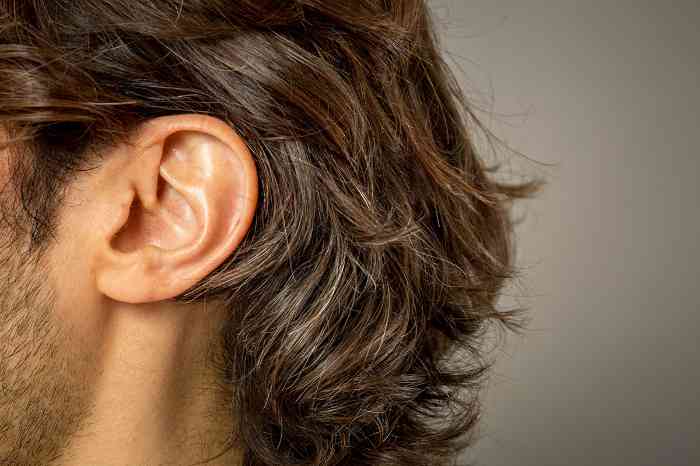
Ear
कान
Syllable: का-न
Pronunciation: Kaan
- Ear Helps Hearing – कान ऐकण्यास मदत करते
- Ear Detects Sound – कान आवाज ओळखते
- Ear Maintains Balance – कान संतुलन राखते
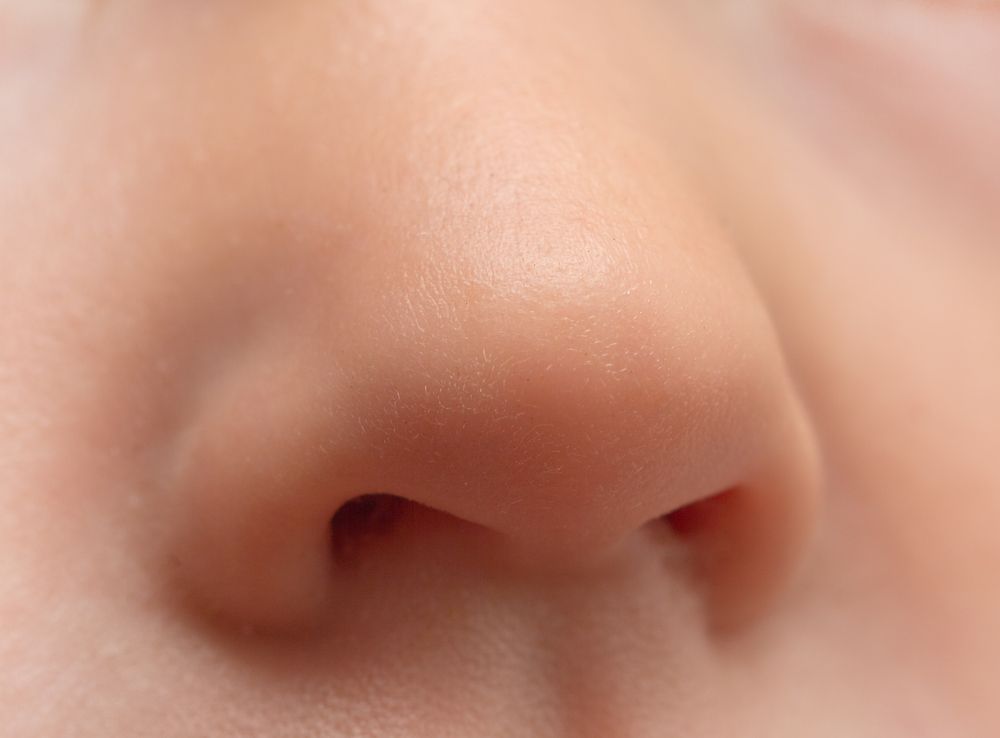
Nose
नाक
Syllable: ना-क
Pronunciation: Naak
- Nose Helps Smelling – नाक वास घेण्यास मदत करते
- Nose Helps Breathing – नाक श्वास घेण्यास मदत करते
- Nose Filters Air – नाक हवा गाळते
Cheek
गाल
Syllable: गा-ल
Pronunciation: Gaal
- Cheek Shapes Face – गाल चेहरा बनवतात
- Cheek Helps Expression – गाल भावना दर्शवतात
- Cheek Supports Mouth – गाल तोंडाला आधार देतात
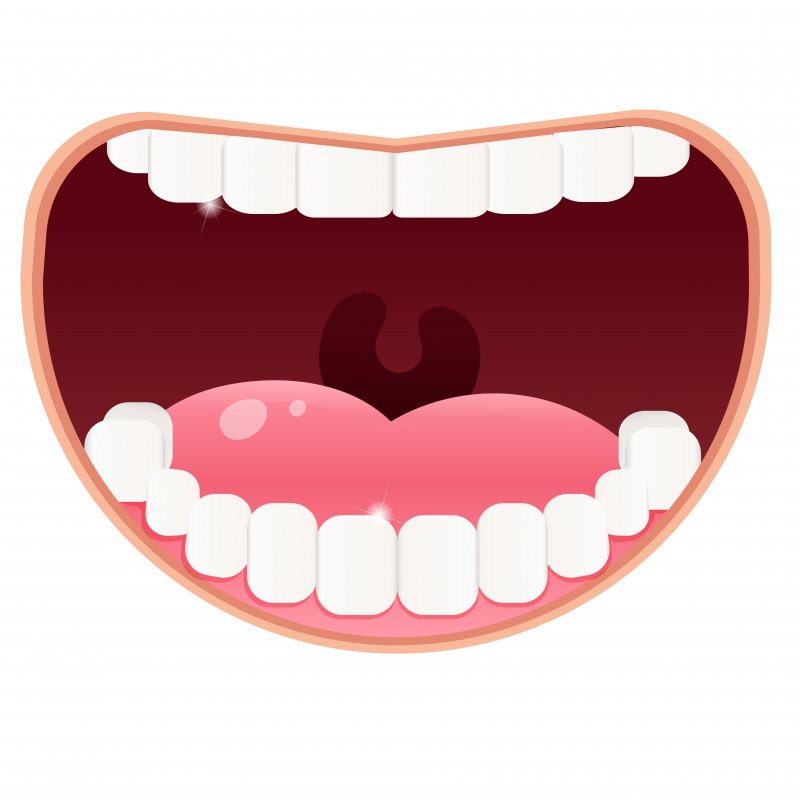
Mouth
तोंड
Syllable: तों-ड
Pronunciation: Tond
- Mouth Helps Eating – तोंड खाण्यास मदत करते
- Mouth Helps Speaking – तोंड बोलण्यास मदत करते
- Mouth Helps Breathing – तोंड श्वास घेण्यास मदत करते

Lips
ओठ
Syllable: ओ-ठ
Pronunciation: Oth
- Lips Help Speaking – ओठ बोलण्यास मदत करतात
- Lips Help Eating – ओठ खाण्यास मदत करतात
- Lips Protect Mouth – ओठ तोंडाचे संरक्षण करतात

Teeth
दात
Syllable: दा-त
Pronunciation: Daat
- Teeth Help Biting – दात चावण्यास मदत करतात
- Teeth Help Chewing – दात चघळण्यास मदत करतात
- Teeth Improve Speech – दात बोलण्यास मदत करतात

Tongue
जीभ
Syllable: जी-भ
Pronunciation: Jibh
- Tongue Helps Tasting – जीभ चव ओळखते
- Tongue Helps Speaking – जीभ बोलण्यास मदत करते
- Tongue Moves Food – जीभ अन्न हलवते
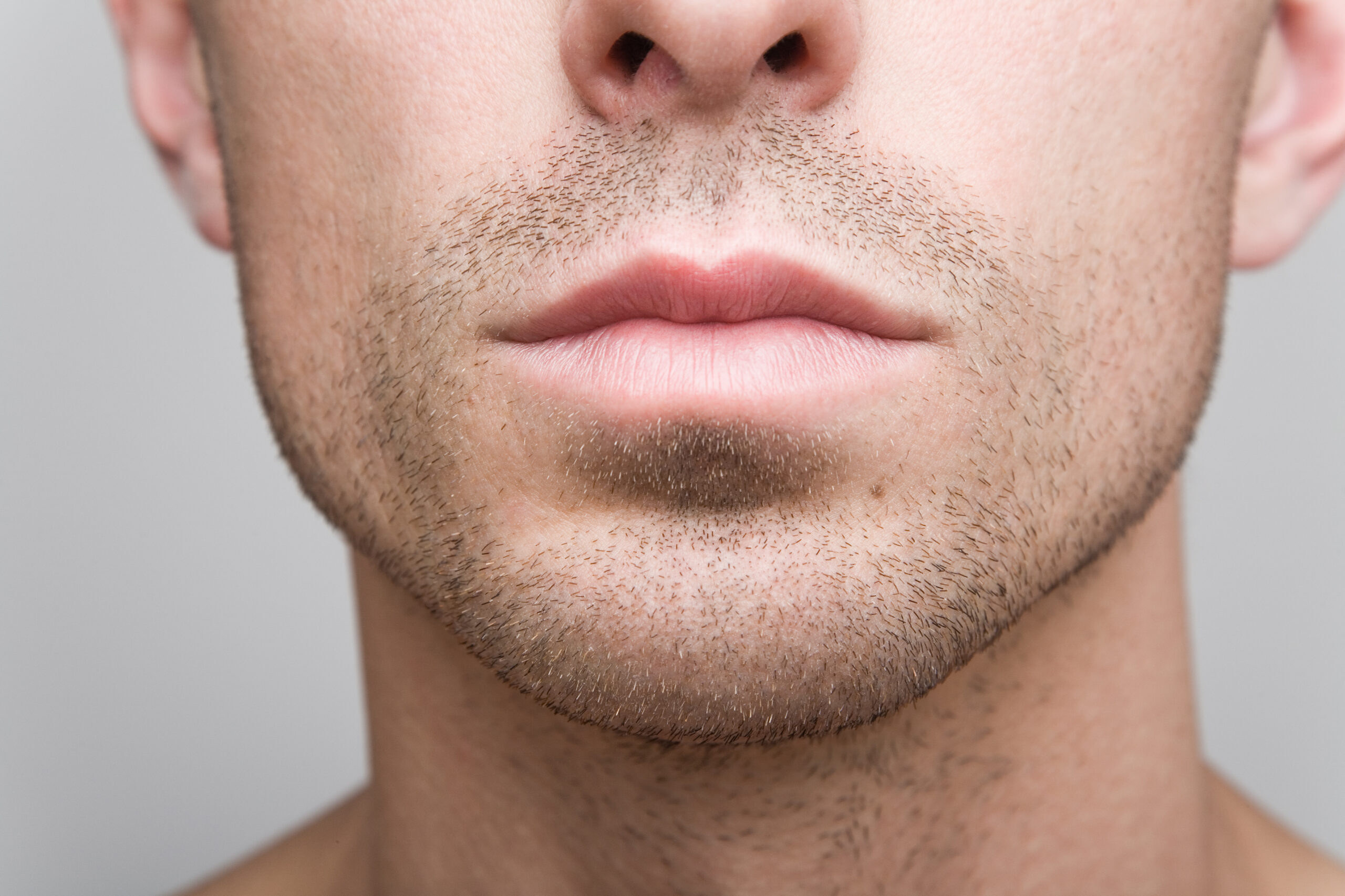
Chin
हनुवटी
Syllable: ह-नु-व-टी
Pronunciation: Hanuvati
- Chin Supports Jaw – हनुवटी जबड्याला आधार देते
- Chin Shapes Face – हनुवटी चेहरा बनवते
- Chin Helps Appearance – हनुवटी सौंदर्य वाढवते

Neck
मान
Syllable: मा-न
Pronunciation: Maan
- Neck Supports Head – मान डोक्याला आधार देते
- Neck Allows Movement – मान हालचाल करू देते
- Neck Connects Body – मान शरीर जोडते
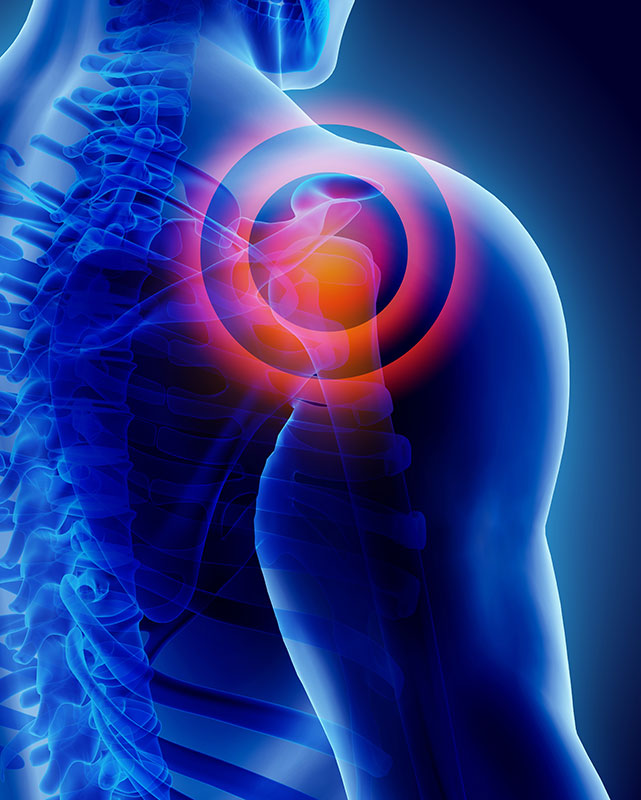
Shoulder
खांदा
Syllable: खां-दा
Pronunciation: Khanda
- Shoulder Supports Arm – खांदा हाताला आधार देतो
- Shoulder Helps Lifting – खांदा उचलण्यास मदत करतो
- Shoulder Enables Movement – खांदा हालचाल करतो

Arm
बाहू
Syllable: बा-हू
Pronunciation: Bahu
- Arm Helps Lifting – बाहू उचलण्यास मदत करतो
- Arm Helps Carrying – बाहू वस्तू वाहतो
- Arm Helps Working – बाहू काम करण्यास मदत करतो
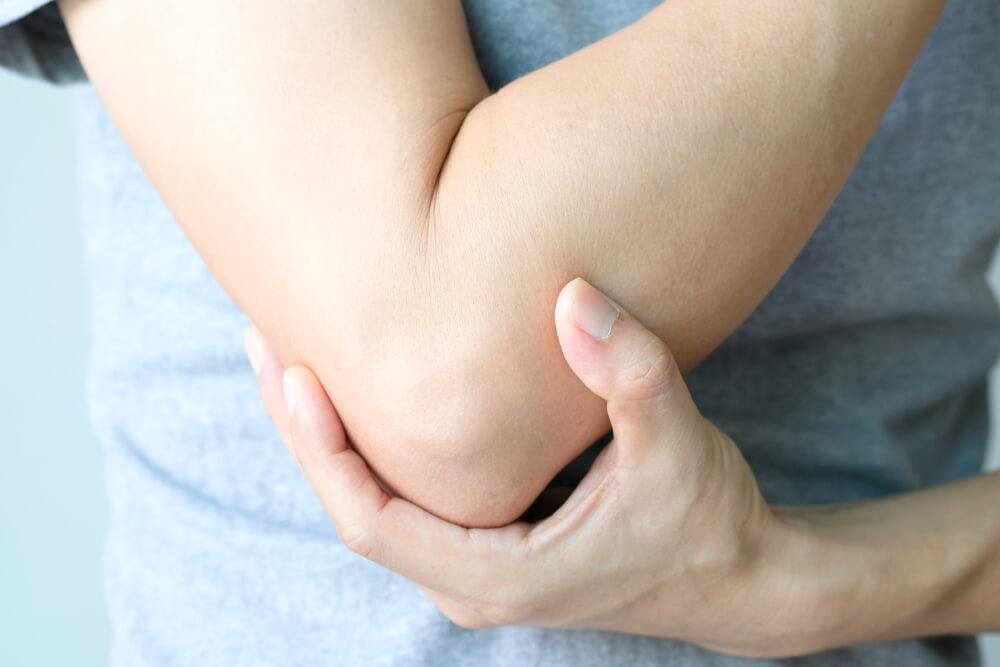
Elbow
कोपर
Syllable: को-प-र
Pronunciation: Kopar
- Elbow Bends Arm – कोपर हात वाकवतो
- Elbow Helps Movement – कोपर हालचाल करतो
- Elbow Supports Arm – कोपर हाताला आधार देतो
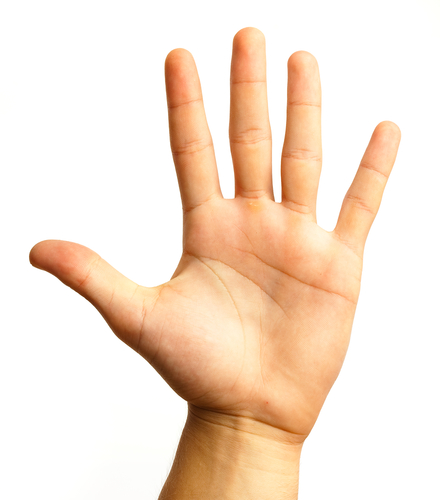
Hand
हात
Syllable: हा-त
Pronunciation: Haat
- Hand Holds Objects – हात वस्तू पकडतो
- Hand Helps Writing – हात लिहिण्यास मदत करतो
- Hand Helps Working – हात काम करतो

Finger
बोट
Syllable: बो-ट
Pronunciation: Bot
- Finger Helps Holding – बोट पकडण्यास मदत करते
- Finger Helps Writing – बोट लिहिण्यास मदत करते
- Finger Helps Touching – बोट स्पर्श करण्यास मदत करते

Thumb
अंगठा
Syllable: अं-ग-ठा
Pronunciation: Angatha
- Thumb Helps Gripping – अंगठा पकडण्यास मदत करतो
- Thumb Supports Hand – अंगठा हाताला मदत करतो
- Thumb Helps Writing – अंगठा लिहिण्यास मदत करतो

Chest
छाती
Syllable: छा-ती
Pronunciation: Chhati
- Chest Protects Heart – छाती हृदयाचे संरक्षण करते
- Chest Helps Breathing – छाती श्वास घेण्यास मदत करते
- Chest Supports Body – छाती शरीराला आधार देते

Heart
हृदय
Syllable: हृ-द-य
Pronunciation: Hriday
- Heart Pumps Blood – हृदय रक्त पंप करते
- Heart Supports Life – हृदय जीवन टिकवते
- Heart Circulates Blood – हृदय रक्ताभिसरण करते

Stomach
पोट
Syllable: पो-ट
Pronunciation: Pot
- Stomach Digests Food – पोट अन्न पचवते
- Stomach Stores Food – पोट अन्न साठवते
- Stomach Supports Digestion – पोट पचनास मदत करते
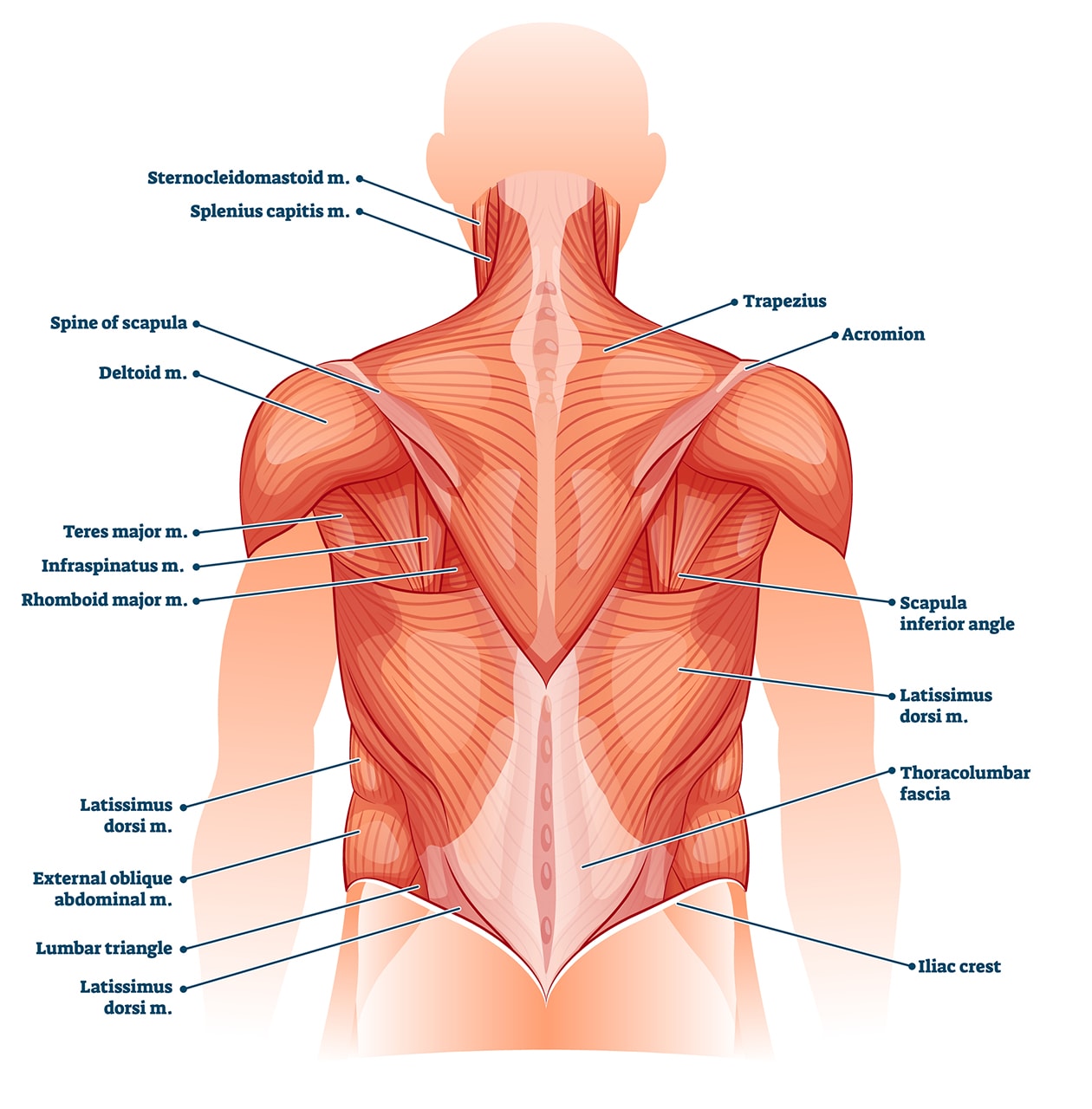
Back
पाठ
Syllable: पा-ठ
Pronunciation: Paath
- Back Supports Body – पाठ शरीराला आधार देते
- Back Helps Standing – पाठ उभे राहण्यास मदत करते
- Back Enables Movement – पाठ हालचाल करते

Waist
कंबर
Syllable: कं-ब-र
Pronunciation: Kambar
- Waist Helps Bending – कंबर वाकण्यास मदत करते
- Waist Supports Body – कंबर शरीराला आधार देते
- Waist Helps Movement – कंबर हालचाल करते
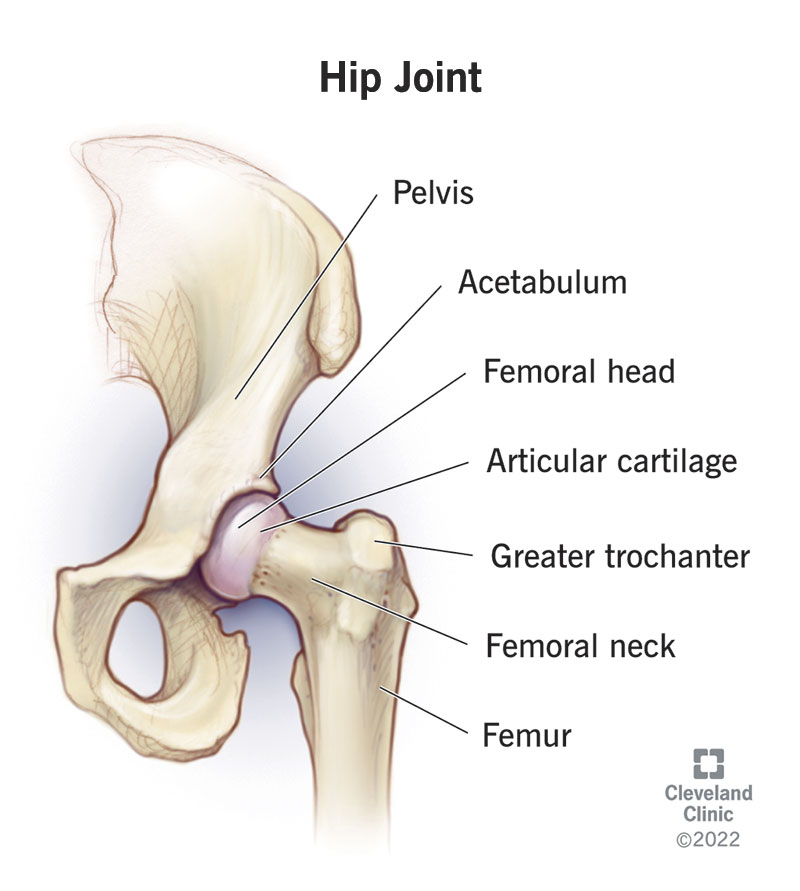
Hip
नितंब
Syllable: नि-तं-ब
Pronunciation: Nitamb
- Hip Supports Walking – नितंब चालण्यास मदत करतात
- Hip Supports Legs – नितंब पायांना आधार देतात
- Hip Helps Balance – नितंब संतुलन राखतात
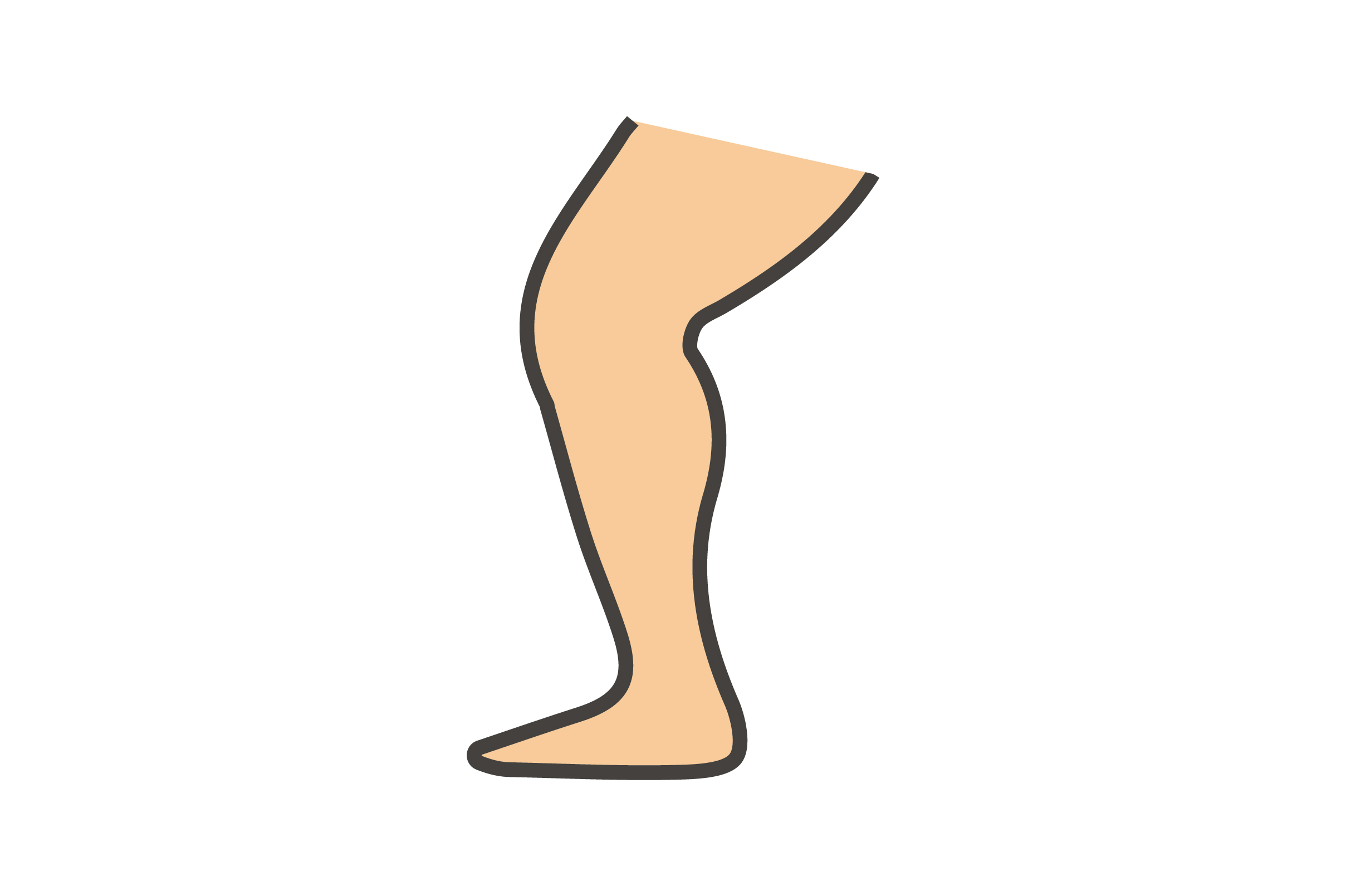
Leg
पाय
Syllable: पा-य
Pronunciation: Paay
- Leg Helps Walking – पाय चालण्यास मदत करतो
- Leg Helps Running – पाय धावण्यास मदत करतो
- Leg Supports Body – पाय शरीराला आधार देतो

Knee
गुडघा
Syllable: गु-ड-घा
Pronunciation: Gudagha
- Knee Helps Walking – गुडघा चालण्यास मदत करतो
- Knee Helps Running – गुडघा धावण्यास मदत करतो
- Knee Bends Leg – गुडघा पाय वाकवतो

Foot
पाऊल
Syllable: पा-ऊ-ल
Pronunciation: Paool
- Foot Helps Walking – पाऊल चालण्यास मदत करते
- Foot Helps Running – पाऊल धावण्यास मदत करते
- Foot Maintains Balance – पाऊल संतुलन राखते

Toe
पायाचे बोट
Syllable: पा-या-चे-बो-ट
Pronunciation: Payache Bot
- Toe Helps Balance – पायाचे बोट संतुलन राखते
- Toe Helps Walking – पायाचे बोट चालण्यास मदत करते
- Toe Supports Foot – पायाचे बोट पायाला आधार देते

Nail
नख
Syllable: न-ख
Pronunciation: Nakh
- Nail Protects Finger – नख बोटाचे संरक्षण करते
- Nail Helps Gripping – नख पकडण्यास मदत करते
- Nail Supports Touch – नख स्पर्शास मदत करते

Brain
मेंदू
Syllable: में-दू
Pronunciation: Mendu
- Brain Controls Body – मेंदू शरीर नियंत्रित करतो
- Brain Helps Thinking – मेंदू विचार करतो
- Brain Stores Memory – मेंदू आठवणी साठवतो

Lung
फुफ्फुस
Syllable: फु-फ्फु-स
Pronunciation: Fuphus
- Lung Helps Breathing – फुफ्फुस श्वास घेण्यास मदत करते
- Lung Supplies Oxygen – फुफ्फुस प्राणवायू पुरवते
- Lung Removes Carbon Dioxide – फुफ्फुस कार्बन डायऑक्साइड बाहेर टाकते
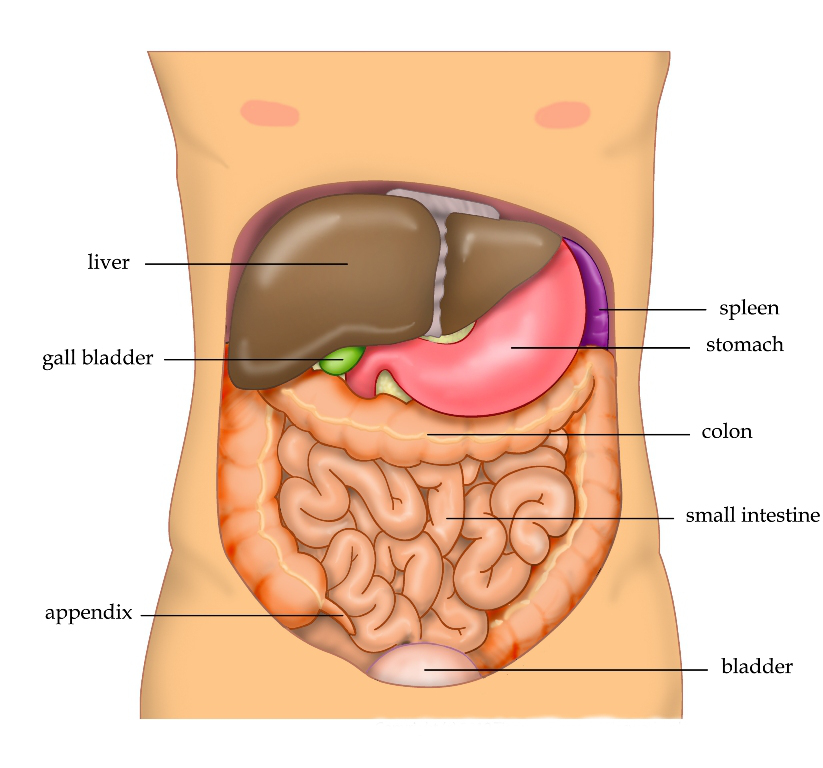
Liver
यकृत
Syllable: य-कृ-त
Pronunciation: Yakrut
- Liver Cleans Blood – यकृत रक्त शुद्ध करते
- Liver Helps Digestion – यकृत पचनास मदत करते
- Liver Stores Nutrients – यकृत पोषकद्रव्ये साठवते
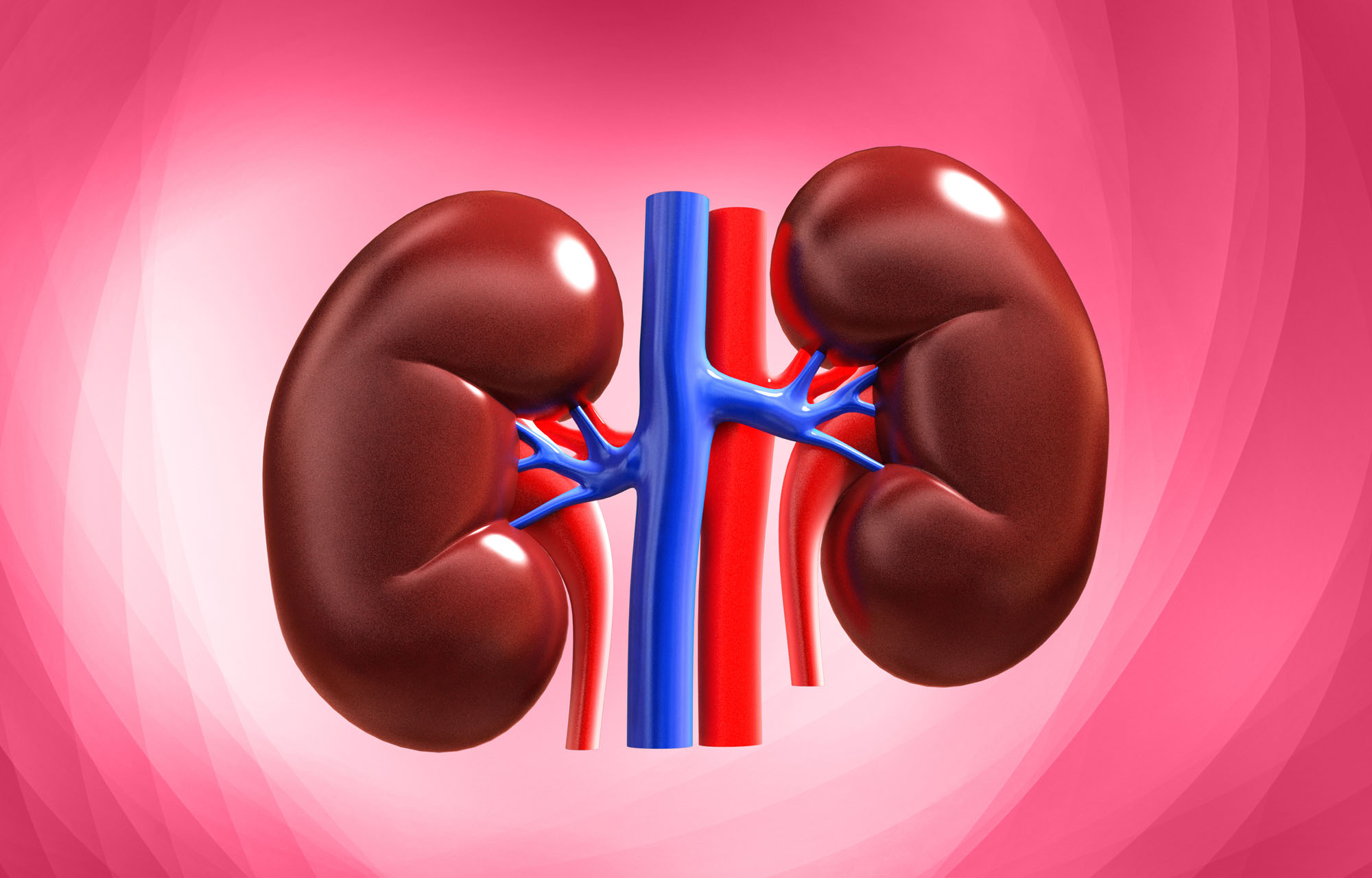
Kidney
मूत्रपिंड
Syllable: मू-त्र-पिं-ड
Pronunciation: Mutrapind
- Kidney Filters Blood – मूत्रपिंड रक्त गाळते
- Kidney Produces Urine – मूत्रपिंड मूत्र तयार करते
- Kidney Removes Waste – मूत्रपिंड घाण काढते

Skin
त्वचा
Syllable: त्व-चा
Pronunciation: Tvacha
- Skin Protects Body – त्वचा शरीराचे संरक्षण करते
- Skin Helps Feeling – त्वचा स्पर्श जाणवते
- Skin Regulates Temperature – त्वचा तापमान नियंत्रित करते
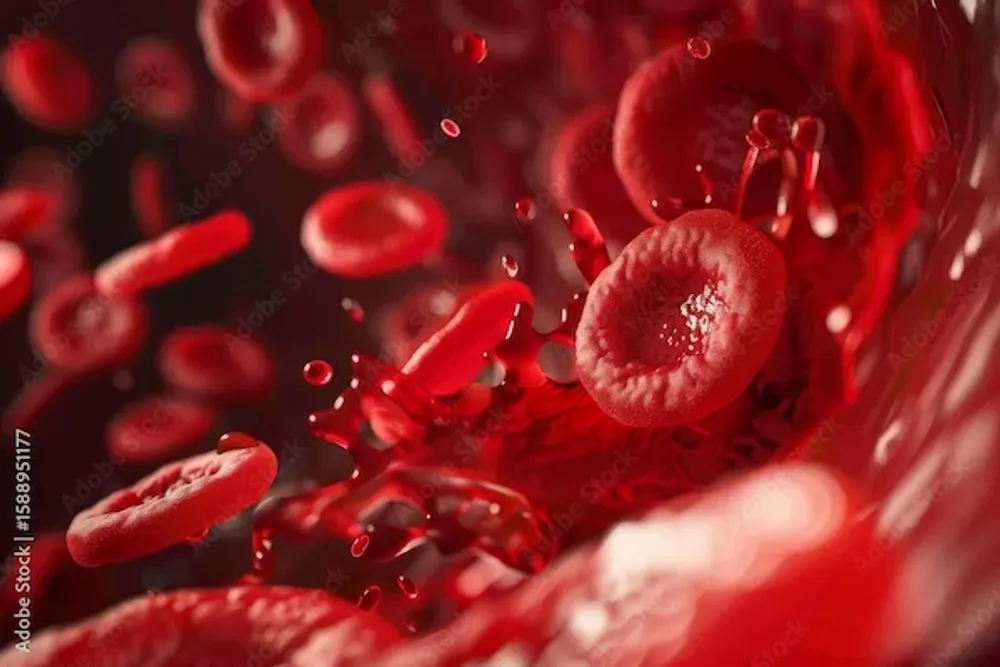
Blood
रक्त
Syllable: र-क्त
Pronunciation: Rakta
- Blood Carries Oxygen – रक्त प्राणवायू वाहते
- Blood Supplies Nutrients – रक्त पोषकद्रव्ये पोहोचवते
- Blood Supports Life – रक्त जीवन टिकवते

Bone
हाड
Syllable: हा-ड
Pronunciation: Haad
- Bone Supports Body – हाड शरीराला आधार देते
- Bone Protects Organs – हाड अवयवांचे संरक्षण करते
- Bone Helps Movement – हाड हालचालीस मदत करते
Easy Tips To Remember Marathi Body Parts Names
- Point and name during daily routines — During bathing, dressing, or morning exercise, point to each body part and say its Marathi name out loud. The combination of physical touch, visual attention, and spoken word creates a triple-reinforced memory that is extraordinarily durable and requires no additional study time.
- Play a touching game with children — Call out a Marathi body part name and ask your child to touch that part as quickly as possible. Reverse the game so the child calls the name and you respond. The physical engagement and competitive energy make this one of the most naturally effective and enjoyable vocabulary games for young Marathi learners.
- Use Marathi body part names when describing aches and pains — Every time you have a headache, say Doké dukhté. Every time your back aches, say Patha dukhté. Real health communication in Marathi builds vocabulary through genuine, motivated use that is far more powerful than any exercise.
- Learn Marathi idioms built on body part words — Marathi has dozens of vivid idioms using body part vocabulary — phrases about Haath, Tond, Kan, and Dola that express complex ideas about character, relationships, and experience in memorable and often humorous ways. Learning an idiom gives you the body part word plus a whole layer of cultural understanding simultaneously.
- Practice with a worksheet — Labelling a body diagram with Marathi names, matching body part images to their Marathi words, writing names from memory, or completing simple Marathi sentences about the body all build active recall far more effectively than passive reading or list memorisation alone.
Body Parts Names At a Glance
| # | English Name | Marathi Name | Pronunciation |
|---|---|---|---|
| 1 | Head | डोके | Doke |
| 2 | Hair | केस | Kes |
| 3 | Forehead | कपाळ | Kapaal |
| 4 | Eye | डोळा | Dola |
| 5 | Eyebrow | भुवई | Bhuvai |
| 6 | Eyelash | पापणी केस | Papani Kes |
| 7 | Ear | कान | Kaan |
| 8 | Nose | नाक | Naak |
| 9 | Cheek | गाल | Gaal |
| 10 | Mouth | तोंड | Tond |
| 11 | Lips | ओठ | Oth |
| 12 | Teeth | दात | Daat |
| 13 | Tongue | जीभ | Jibh |
| 14 | Chin | हनुवटी | Hanuvati |
| 15 | Neck | मान | Maan |
| 16 | Shoulder | खांदा | Khanda |
| 17 | Arm | बाहू | Bahu |
| 18 | Elbow | कोपर | Kopar |
| 19 | Hand | हात | Haat |
| 20 | Finger | बोट | Bot |
| 21 | Thumb | अंगठा | Angatha |
| 22 | Chest | छाती | Chhati |
| 23 | Heart | हृदय | Hriday |
| 24 | Stomach | पोट | Pot |
| 25 | Back | पाठ | Paath |
| 26 | Waist | कंबर | Kambar |
| 27 | Hip | नितंब | Nitamb |
| 28 | Leg | पाय | Paay |
| 29 | Knee | गुडघा | Gudagha |
| 30 | Foot | पाऊल | Paool |
| 31 | Toe | पायाचे बोट | Payache Bot |
| 32 | Nail | नख | Nakh |
| 33 | Brain | मेंदू | Mendu |
| 34 | Lung | फुफ्फुस | Fuphus |
| 35 | Liver | यकृत | Yakrut |
| 36 | Kidney | मूत्रपिंड | Mutrapind |
| 37 | Skin | त्वचा | Tvacha |
| 38 | Blood | रक्त | Rakta |
| 39 | Bone | हाड | Haad |
Marathi Body Parts Quiz
Practice Marathi body parts vocabulary with this interactive multiple-choice quiz.
The Body Has Always Known Its Marathi Name
Every part of the human body has been named in Marathi for as long as the language has existed — and those names have been spoken by every generation of Maharashtrians in their most vulnerable moments of illness, their most joyful moments of celebration, and their most ordinary moments of daily life.
Learning these names is not simply vocabulary acquisition; it is learning to inhabit the Marathi language in the most personal and immediate way possible — through the body you already know better than anything else in the world.
Which Marathi body part name surprised you with its poetic quality or cultural depth — or which idiom built on a body part word do you find most vivid and memorable? Share it in the comments below, we would love to hear from you!