Learning vegetables names in Marathi and English helps students, children, travelers, and language learners improve vocabulary and communication skills.
Vegetables are commonly used during shopping, cooking, and daily conversations. Popular vegetables such as Potato (बटाटा), Onion (कांदा), Tomato (टोमॅटो), and Brinjal (वांगे) are frequently spoken in homes and markets across Maharashtra.
This article includes 20 vegetables names with Marathi meanings and pronunciation syllables for both Marathi and English words.
The vocabulary list helps learners improve pronunciation, spelling, and bilingual language skills naturally. Repeating vegetables names daily helps children and beginners remember words faster. This guide is useful for classroom learning, self-study, vocabulary revision, and Marathi language practice activities.
Explore Vegetables Names In Marathi

Carrot
गाजर
Syllable: गा-जर
Pronunciation: Gaa-Jar
- Carrot Curry – गाजर भाजी
- Carrot Soup – गाजर सूप
- Carrot Halwa – गाजर हलवा

Broccoli
ब्रोकोली
Syllable: ब्रो-को-ली
Pronunciation: Bro-Ko-Lee
- Broccoli Soup – ब्रोकोली सूप
- Broccoli Fry – ब्रोकोली फ्राय
- Broccoli Salad – ब्रोकोली सॅलड

Tomato
टोमॅटो
Syllable: टो-मॅ-टो
Pronunciation: To-Mae-To
- Tomato Soup – टोमॅटो सूप
- Tomato Curry – टोमॅटो भाजी
- Tomato Chutney – टोमॅटो चटणी

Potato
बटाटा
Syllable: ब-टा-टा
Pronunciation: Ba-Taa-Taa
- Potato Curry – बटाटा भाजी
- Potato Fry – बटाटा फ्राय
- Potato Masala – बटाटा करी

Onion
कांदा
Syllable: का-ंदा
Pronunciation: Kaan-Daa
- Onion Pakoda – कांदा भजी
- Onion Masala – कांदा मसाला
- Onion Curry – कांदा करी

Cabbage
कोबी
Syllable: को-बी
Pronunciation: Ko-Bee
- Cabbage Curry – कोबी भाजी
- Cabbage Salad – कोबी कोशिंबीर
- Cabbage Paratha – कोबी पराठा

Cauliflower
फुलकोबी
Syllable: फुल-को-बी
Pronunciation: Phool-Ko-Bee
- Cauliflower Curry – फुलकोबी भाजी
- Cauliflower Fry – फुलकोबी फ्राय
- Cauliflower Soup – फुलकोबी सूप

Eggplant
वांगे
Syllable: वा-ंगे
Pronunciation: Vaan-Gay
- Stuffed Eggplant – भरली वांगी
- Eggplant Curry – वांग्याची भाजी
- Eggplant Fry – वांगे फ्राय

Cucumber
काकडी
Syllable: का-क-डी
Pronunciation: Kaa-Ka-Dee
- Cucumber Salad – काकडी कोशिंबीर
- Cucumber Raita – काकडी रायता
- Cucumber Slices – काकडी तुकडे

Pumpkin
भोपळा
Syllable: भो-प-ळा
Pronunciation: Bho-Pa-Laa
- Pumpkin Curry – भोपळ्याची भाजी
- Pumpkin Soup – भोपळा सूप
- Pumpkin Halwa – भोपळा हलवा

Garlic
लसूण
Syllable: ल-सू-ण
Pronunciation: La-Soon
- Garlic Chutney – लसूण चटणी
- Garlic Fry – लसूण फ्राय
- Garlic Masala – लसूण मसाला

Lettuce
लेट्युस
Syllable: ले-ट्यु-स
Pronunciation: Let-Yoos
- Lettuce Salad – लेट्युस सॅलड
- Lettuce Roll – लेट्युस रोल
- Lettuce Soup – लेट्युस सूप

Radish
मुळा
Syllable: मु-ळा
Pronunciation: Moo-Laa
- Radish Curry – मुळा भाजी
- Radish Salad – मुळा कोशिंबीर
- Radish Paratha – मुळा पराठा

Beetroot
बीट
Syllable: बी-ट
Pronunciation: Beet
- Beetroot Salad – बीट कोशिंबीर
- Beetroot Soup – बीट सूप
- Beetroot Curry – बीट भाजी

Bell Pepper
ढोबळी मिरची
Syllable: ढो-ब-ळी मि-र-ची
Pronunciation: Dho-Ba-Lee Mir-Chee
- Bell Pepper Curry – ढोबळी मिरची भाजी
- Bell Pepper Fry – मिरची फ्राय
- Stuffed Pepper – भरली मिरची
:max_bytes(150000):strip_icc()/Health-GettyImages-493802819-c9ec545eb0864bc2b2188971e0ba7ea5.jpg)
Spinach
पालक
Syllable: पा-लक
Pronunciation: Paa-Lak
- Spinach Curry – पालक भाजी
- Palak Paneer – पालक पनीर
- Spinach Soup – पालक सूप

Peas
मटार
Syllable: म-टार
Pronunciation: Ma-Taar
- Peas Curry – मटार भाजी
- Peas Pulao – मटार पुलाव
- Peas Soup – मटार सूप

Okra
भेंडी
Syllable: भें-डी
Pronunciation: Bhen-Dee
- Okra Fry – भेंडी फ्राय
- Okra Masala – भेंडी मसाला
- Okra Curry – भेंडी भाजी
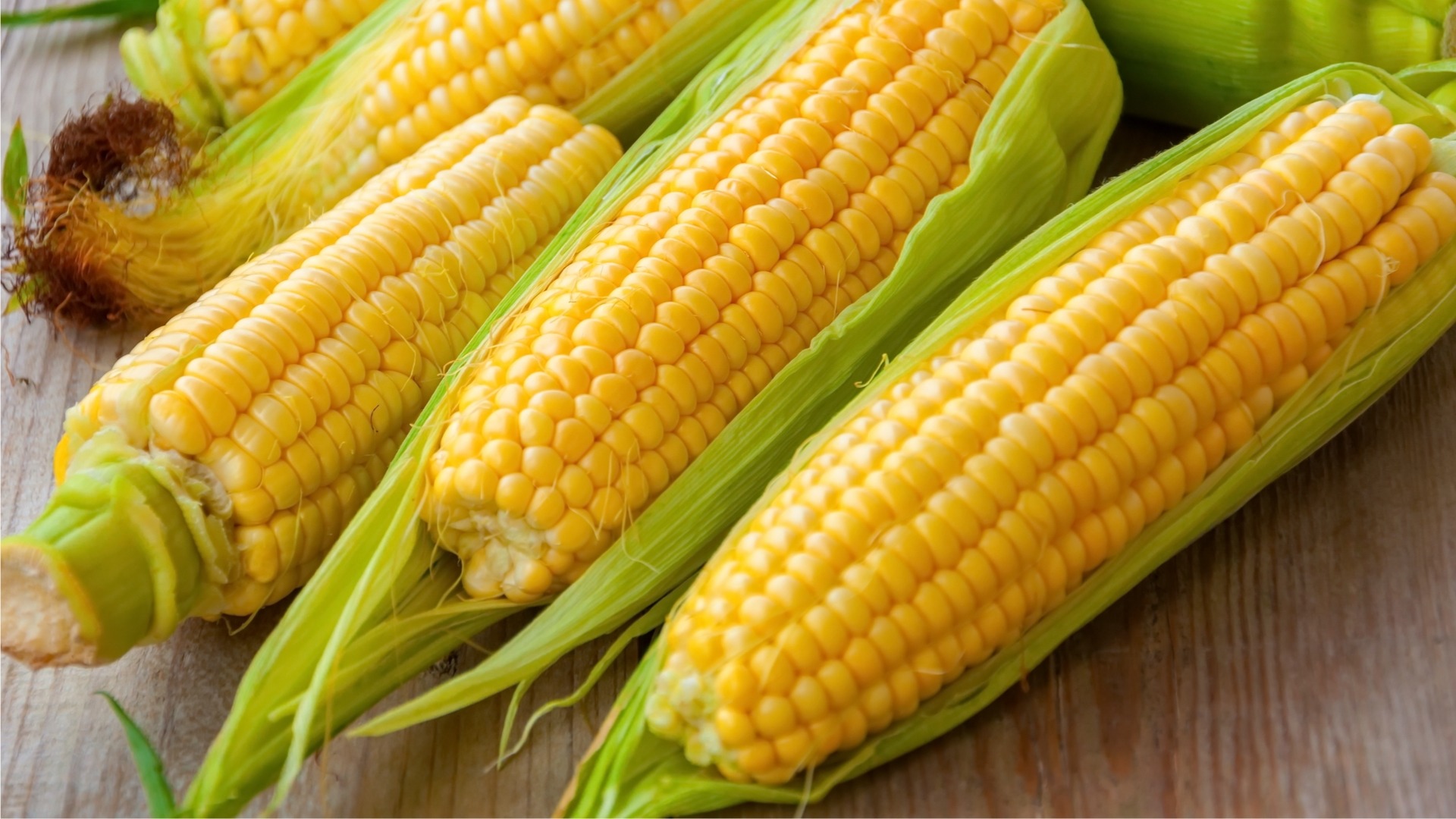
Corn
मका
Syllable: म-का
Pronunciation: Ma-Kaa
- Corn Soup – मका सूप
- Corn Curry – मका भाजी
- Corn Chaat – मका चाट

Zucchini
झुकिनी
Syllable: झु-कि-नी
Pronunciation: Zoo-Kee-Nee
- Zucchini Soup – झुकिनी सूप
- Zucchini Fry – झुकिनी फ्राय
- Zucchini Curry – झुकिनी भाजी
Why Learning Vegetable Names is Important
Learning vegetables names in Marathi and English improves daily communication and vocabulary development. These words are commonly used while shopping in markets, preparing meals, reading recipes, and speaking with family members. Students and beginners who want to learn Marathi can understand everyday food-related conversations more easily through vegetable vocabulary practice.
Vocabulary learning becomes easier when learners practice pronunciation regularly. Marathi and English syllables help children and beginners pronounce words correctly while improving reading confidence. Repeating common vegetable names every day strengthens memory retention and language fluency naturally over time.
- Improves Marathi vocabulary
- Useful during shopping and cooking
- Helps pronunciation practice
- Supports bilingual learning
- Improves reading confidence
Easy Tips to Remember Marathi Vegetable Names
Students and beginners can improve Marathi vocabulary quickly through regular speaking and reading practice. Flashcards, pronunciation exercises, and bilingual vocabulary lists help learners remember vegetable names more effectively. Reading syllables aloud daily also improves pronunciation confidence naturally.
Another useful learning technique is labeling vegetables at home using Marathi and English names together. Watching Marathi cooking videos and visiting local vegetable markets can improve listening and speaking skills. Consistent revision helps learners remember vocabulary for a longer time.
- Practice pronunciation daily
- Read bilingual vocabulary lists
- Use flashcards for revision
- Watch Marathi cooking videos
- Practice speaking regularly
Vegetable Name Practice Sheet
Practice Marathi vegetable vocabulary with this interactive multiple-choice quiz. Choose the correct Marathi answer for each English vegetable name and click the submit button to check your answers instantly. Correct answers turn green while incorrect answers become red. This activity helps improve vocabulary memory, pronunciation confidence, and bilingual learning skills in a fun and engaging way.
Grow Your Marathi Vocabulary with Everyday Vegetables
Learning vegetables names in Marathi and English becomes easier through pronunciation practice and regular vocabulary revision. This colorful guide helps students, children, and beginners improve bilingual language skills in a simple and engaging way.
Share this educational article with friends, students, and language learners who want to improve Marathi vocabulary and pronunciation. Your valuable feedback and suggestions can help create more useful language-learning guides in the future.