Article generation failed: Error code: 402 – {‘error’: {‘message’: ‘Insufficient credits. Add more using https://openrouter.ai/settings/credits’, ‘code’: 402}}
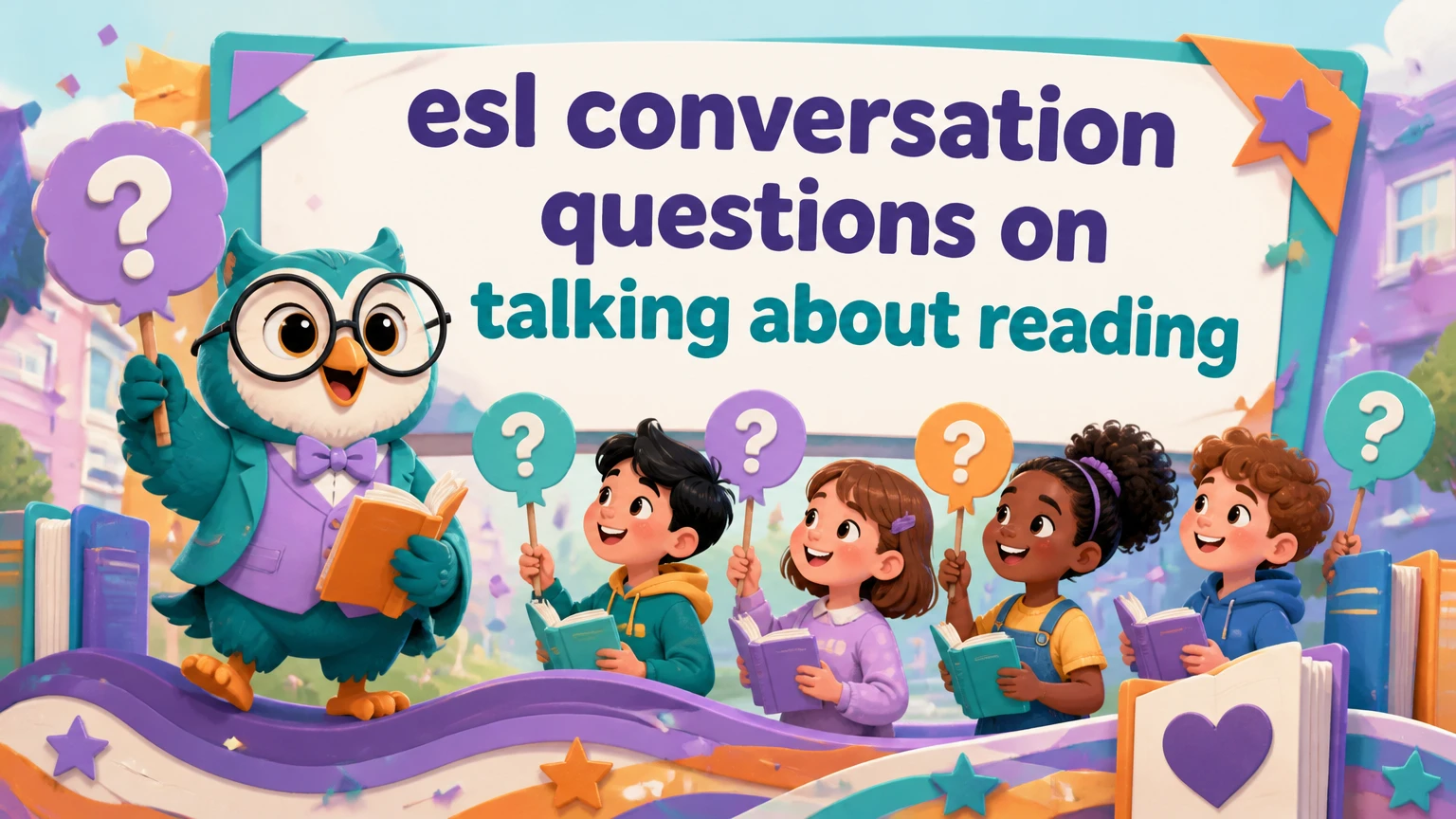
Reading is a fundamental skill and a wonderful pastime that opens doors to new worlds, ideas, and cultures. For ESL learners, discussing books and reading habits is an excellent way to practice descriptive language, express opinions, and share personal experiences. Whether you are a bookworm or a casual reader, these conversation questions are designed to spark engaging discussions in the classroom or during language exchange sessions.
Table of Contents
Personal Reading Habits
Understanding how and when people read can reveal a lot about their lifestyle and personality. Use these questions to start a basic conversation about daily routines.
- How often do you read for pleasure?
- What time of day do you prefer to read? (e.g., before bed, during your commute)
- Where is your favorite place to read?
- What was the last book you finished? Did you enjoy it?
- Are you currently reading anything? If so, what is it about?
- Do you prefer to read alone or in a public place like a library or café?
Genres and Preferences
Everyone has different tastes when it comes to storytelling. These questions help learners practice vocabulary related to different types of literature.
| Genre | Description |
|---|---|
| Fiction | Stories created from the imagination (e.g., novels, short stories). |
| Non-fiction | Writing based on facts, real events, and real people (e.g., biographies). |
| Mystery/Thriller | Stories involving suspense, crimes, or puzzles to solve. |
| Fantasy/Sci-Fi | Stories involving magic, futuristic technology, or space travel. |
- What is your favorite genre of books? Why?
- Who is your favorite author? What makes their writing special?
- Do you prefer stories with a happy ending or a realistic ending?
- Is there a genre that you absolutely dislike?
- If you could write a book, what would it be about?
Books vs. Movies
The “book vs. movie” debate is a classic conversation starter that allows students to compare and contrast different media.
- Do you usually prefer the book or the movie adaptation?
- Can you think of a movie that was better than the book it was based on?
- When you read a book, do you imagine the characters’ voices and faces?
- Does watching a movie first spoil the book for you?
Digital vs. Print Reading
With the rise of e-readers and audiobooks, the way we consume literature has changed significantly.
- Do you prefer physical paper books or e-books (like Kindle)?
- What are the advantages of reading on a digital device?
- Have you ever listened to an audiobook? Did you find it easier or harder than reading?
- Do you think physical libraries will disappear in the future?
Reading for Language Learning
Reading is one of the most effective ways to expand vocabulary and improve grammar in a second language.
- Do you read books or news articles in English?
- What is the most difficult thing about reading in a foreign language?
- Do you prefer reading children’s books or adult novels to practice your English?
- How has reading helped you improve your English skills?
Vocabulary Match-Up
Match the following reading-related terms to their definitions:
- Protagonist – The main character of a story.
- Plot – The sequence of events in a book.
- Bestseller – A book that sells a very large number of copies.
- Cliffhanger – An ending that leaves the reader in suspense.
Frequently Asked Questions
How can I start a book club for ESL learners?
Start with “graded readers,” which are books specifically written for different levels of English learners. Choose a short book and meet once a week to discuss specific chapters using the questions provided above.
Is it better to read aloud or silently?
Reading aloud is excellent for practicing pronunciation and fluency, while reading silently is better for building reading speed and deep comprehension.