Article generation failed: Error code: 402 – {‘error’: {‘message’: ‘Insufficient credits. Add more using https://openrouter.ai/settings/credits’, ‘code’: 402}}
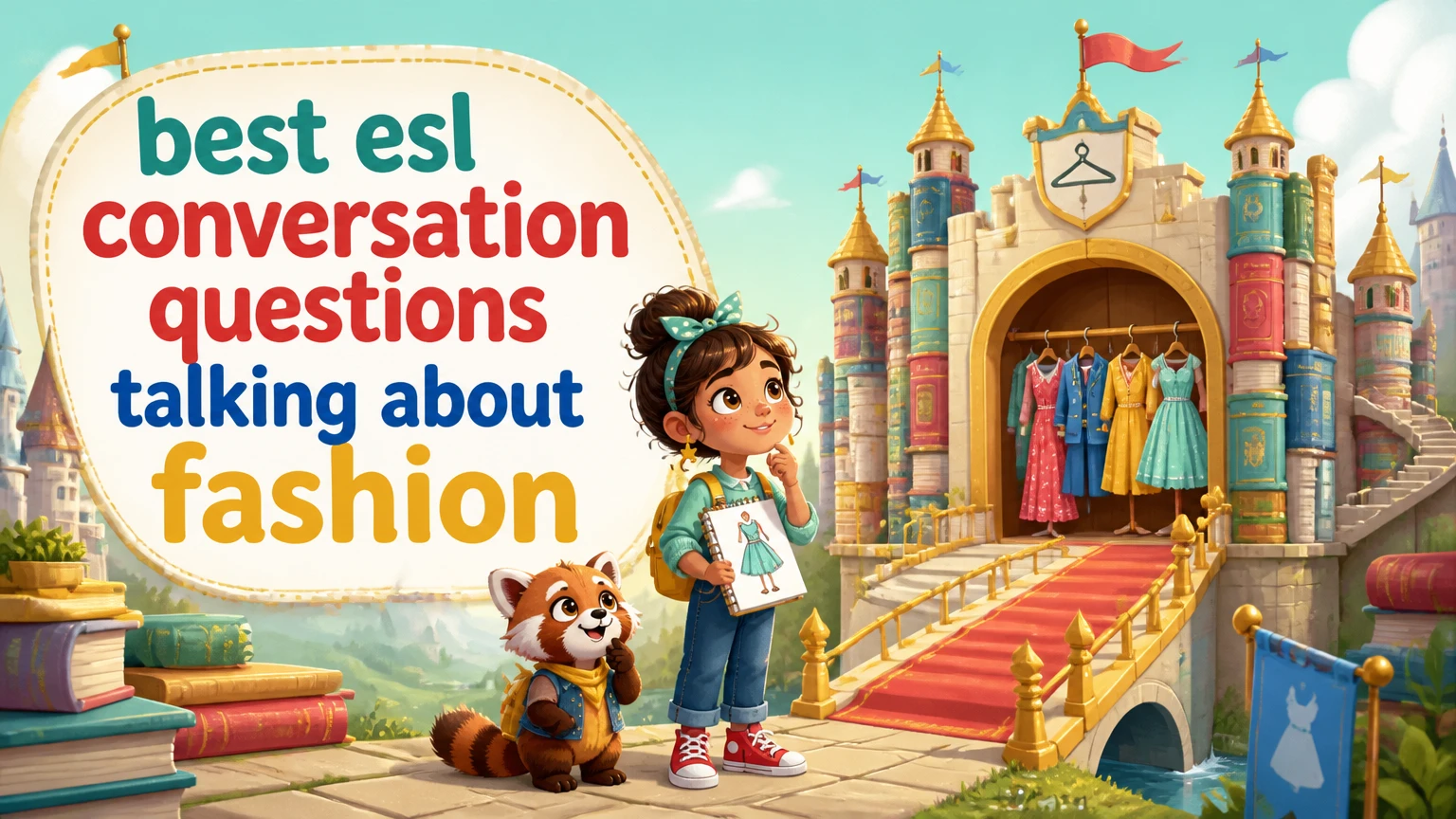
Fashion is a universal language, making it one of the most engaging topics for ESL (English as a Second Language) classrooms. Whether your students are trendsetters or prefer a simple “jeans and t-shirt” look, discussing style allows them to practice descriptive adjectives, express opinions, and explore cultural differences.
Table of Contents
Using the right conversation starters can help students overcome the fear of speaking. Below are curated questions categorized by level and theme to help you facilitate a lively classroom discussion.
Introductory Questions: Personal Style
These questions are perfect for warm-ups or for beginner to intermediate students to get comfortable with basic descriptive language.
- How would you describe your personal style in three words?
- What is your favorite piece of clothing in your wardrobe right now?
- Do you prefer to dress for comfort or for looks? Why?
- How long does it usually take you to get ready in the morning?
- What colors do you think look best on you?
- Do you wear any jewelry or accessories every day?
Shopping Habits and Preferences
Shopping for clothes involves specific vocabulary related to money, sizes, and locations. Use these questions to practice functional English.
- Where do you usually buy your clothes? (Malls, boutiques, or online?)
- Do you enjoy clothes shopping, or do you find it stressful?
- Have you ever bought something expensive but never wore it? What was it?
- Do you prefer to go shopping alone or with friends? Why?
- What is the most important factor when buying clothes: price, brand, or quality?
- Do you ever buy second-hand or “vintage” clothes?
Fashion Trends and Society
For more advanced learners, fashion can be a gateway to discussing social issues, environmental impact, and cultural identity.
- What is a fashion trend from the past that you hope never comes back?
- Do you follow fashion influencers or celebrities for style inspiration?
- How much does someone’s clothing influence your first impression of them?
- What do you think about “fast fashion” and its impact on the environment?
- Is it important to follow the latest trends to be successful in life?
- How has fashion changed in your country over the last 20 years?
Fashion at Work and School
This section focuses on the concept of “dress codes” and the appropriateness of clothing in professional or educational settings.
- Does your workplace or school have a dress code? What is it?
- Do you think school uniforms are a good idea? Why or why not?
- What should a person wear to a job interview in your country?
- Is “Casual Friday” a concept in your culture?
- Do you think people should be allowed to wear whatever they want at work?
Key Vocabulary for Fashion Discussions
To help your students express themselves more accurately, review these common terms during the lesson.
| Term | Definition | Example Sentence |
|---|---|---|
| Trendy | Very fashionable or up-to-date. | “She always wears trendy outfits to the office.” |
| Outdated | No longer fashionable; old-fashioned. | “Bell-bottom jeans were considered outdated for a long time.” |
| To fit | To be the right size or shape for someone. | “These trousers don’t fit me; they are too tight.” |
| To suit | To look good on someone or match their style. | “That blue dress really suits you!” |
| Bargain | Something bought for much less than its usual price. | “I got this leather jacket for $20—it was a real bargain!” |
Quick Practice: Common Mistakes
Correct the following sentences based on common fashion-related errors:
- “I am wearing a blue jean today.”
“I am wearing blue jeans today.” (Jeans are always plural!) - “This shirt really fits you, the color is perfect.”
“This shirt really suits you, the color is perfect.” - “I bought a new cloth for the party.”
“I bought a new outfit/piece of clothing for the party.”
Frequently Asked Questions
How can I make fashion discussions more inclusive for male students?
Focus on topics like “streetwear,” “sneaker culture,” or “functional clothing” (tech-wear). Avoid focusing solely on high-fashion or makeup to ensure everyone feels they can contribute to the conversation.
What if my students have no interest in fashion?
Shift the conversation to “Uniforms vs. Freedom” or “The Cost of Clothing.” Even students who don’t care about trends usually have an opinion on whether they should have to wear a suit to work or how much a pair of shoes should cost.