
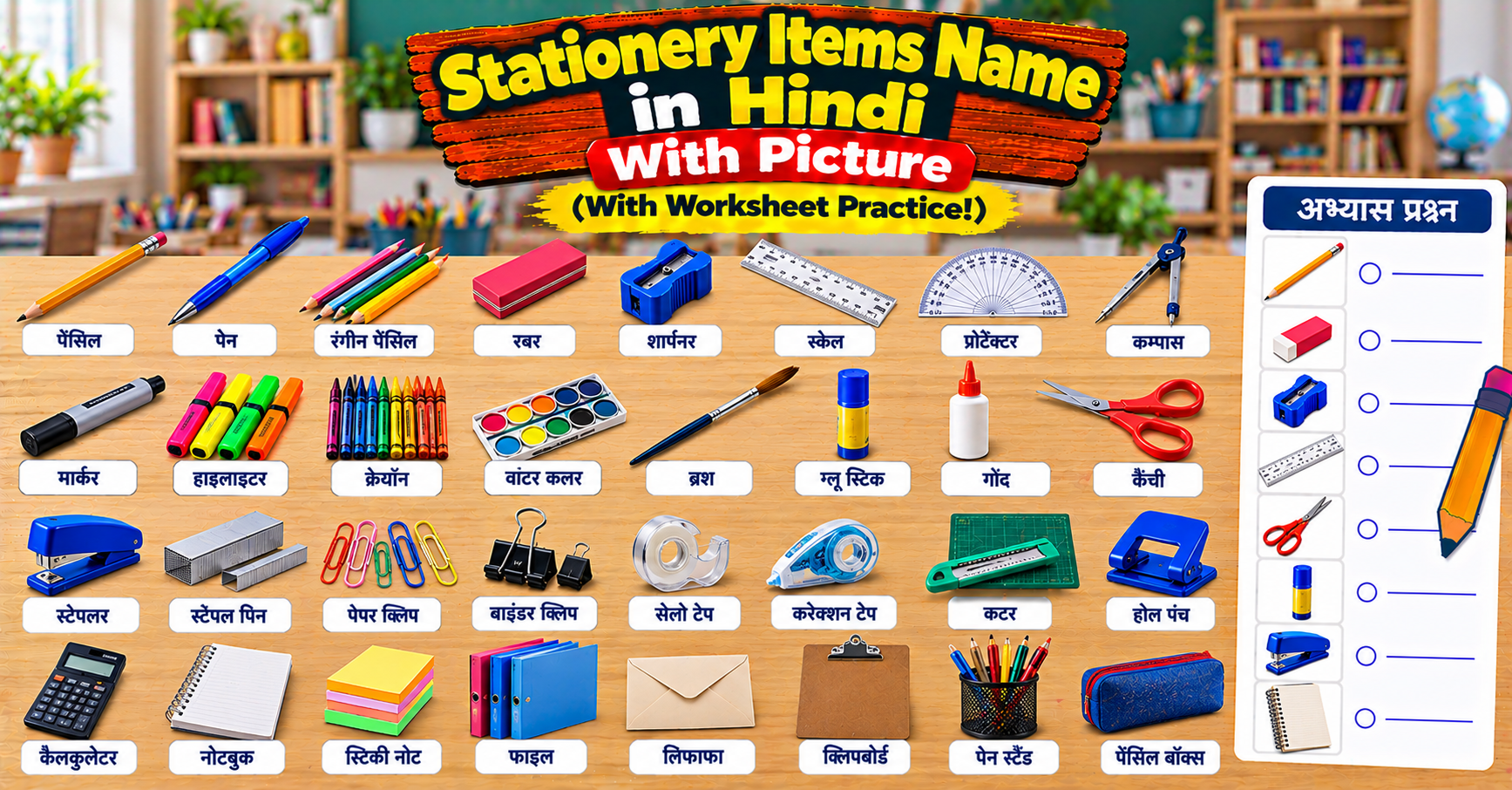
Stationery items are everyday supplies used for writing, drawing, reading, organizing papers, completing assignments, and performing school or office work. Students, teachers, artists, and office workers use different stationery items for many daily activities. Learning stationery items names in Hindi is useful for children, students, Hindi learners, and anyone who wants to improve practical everyday vocabulary.
Common stationery items include कलम, पेंसिल, रबर, पेंसिल शार्पनर, स्केल, कॉपी, कागज़, मार्कर, हाइलाइटर, और पेंसिल बॉक्स. Other useful stationery items include गोंद, कैंची, स्टेपलर, पेपर क्लिप, फाइल, फोल्डर, और नोटपैड.
Learning stationery items with pictures makes it easier to recognize each object and remember its Hindi name. Let us explore useful stationery items names in Hindi with their English meanings and common uses.
Learn Stationery Items Names in Hindi
Stationery vocabulary is frequently used in everyday Hindi conversations. These words are useful when talking about writing, drawing, studying, office work, organizing documents, and school activities.
For example:
- कलम means Pen.
- पेंसिल means Pencil.
- रबर means Eraser.
- पेंसिल शार्पनर means Pencil Sharpener.
- स्केल means Ruler.
- कॉपी means Notebook.
- कागज़ means Paper.
- मार्कर means Marker.
- हाइलाइटर means Highlighter.
- पेंसिल बॉक्स means Pencil Box.
Learning these words helps Hindi learners communicate more naturally about school supplies, writing materials, and everyday stationery.
Benefits of Learning Stationery Items Names
Learning stationery vocabulary helps students develop practical Hindi words connected with education, writing, drawing, and office activities.
Stationery items are particularly useful for children because they see and use many of these objects regularly. Pictures make it easier to connect each Hindi word with the actual object.
This vocabulary also introduces useful words related to writing, erasing, sharpening, measuring, cutting, sticking, highlighting, filing, and organizing papers.
Learning these names can help children describe the objects inside their school bags, pencil boxes, classrooms, or study areas.
Stationery Items Names in Hindi With Pictures
Pictures are a helpful way to learn stationery vocabulary because most stationery items have familiar shapes and appearances.
Some common stationery items to learn include कलम, पेंसिल, रबर, पेंसिल शार्पनर, स्केल, कॉपी, कागज़, मार्कर, हाइलाइटर, पेंसिल बॉक्स, फाइल, फोल्डर, गोंद, और कैंची.
Pictures of these stationery items can be used for classroom lessons, Hindi vocabulary worksheets, flashcards, children’s learning activities, and practical vocabulary practice.
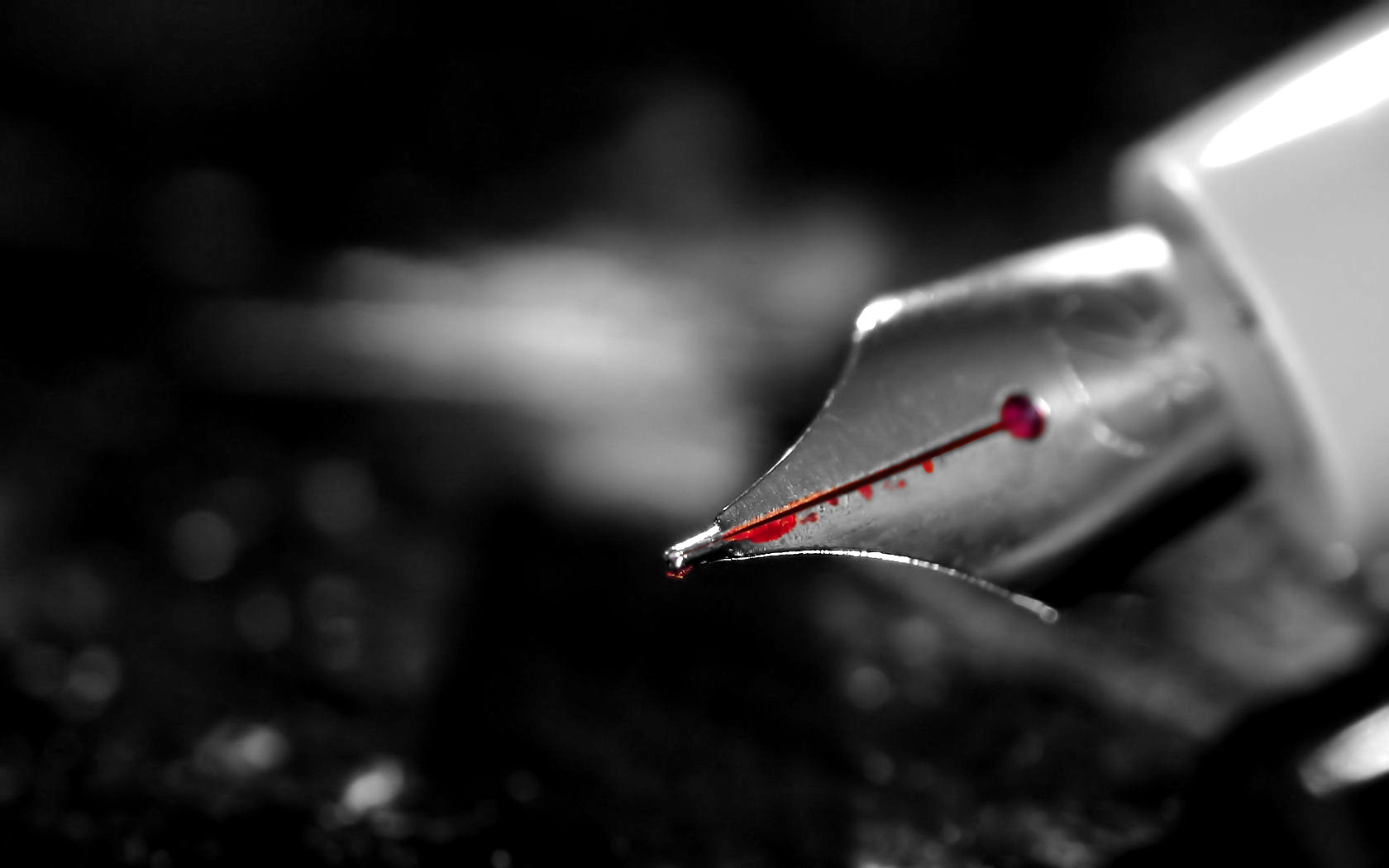
Pen
कलम
Syllable: Pen
Pronunciation: Pen
- I write with a pen. – मैं कलम से लिखता हूँ।
- My pen has blue ink. – मेरी कलम में नीली स्याही है।
- This pen writes smoothly. – यह कलम आसानी से लिखती है।
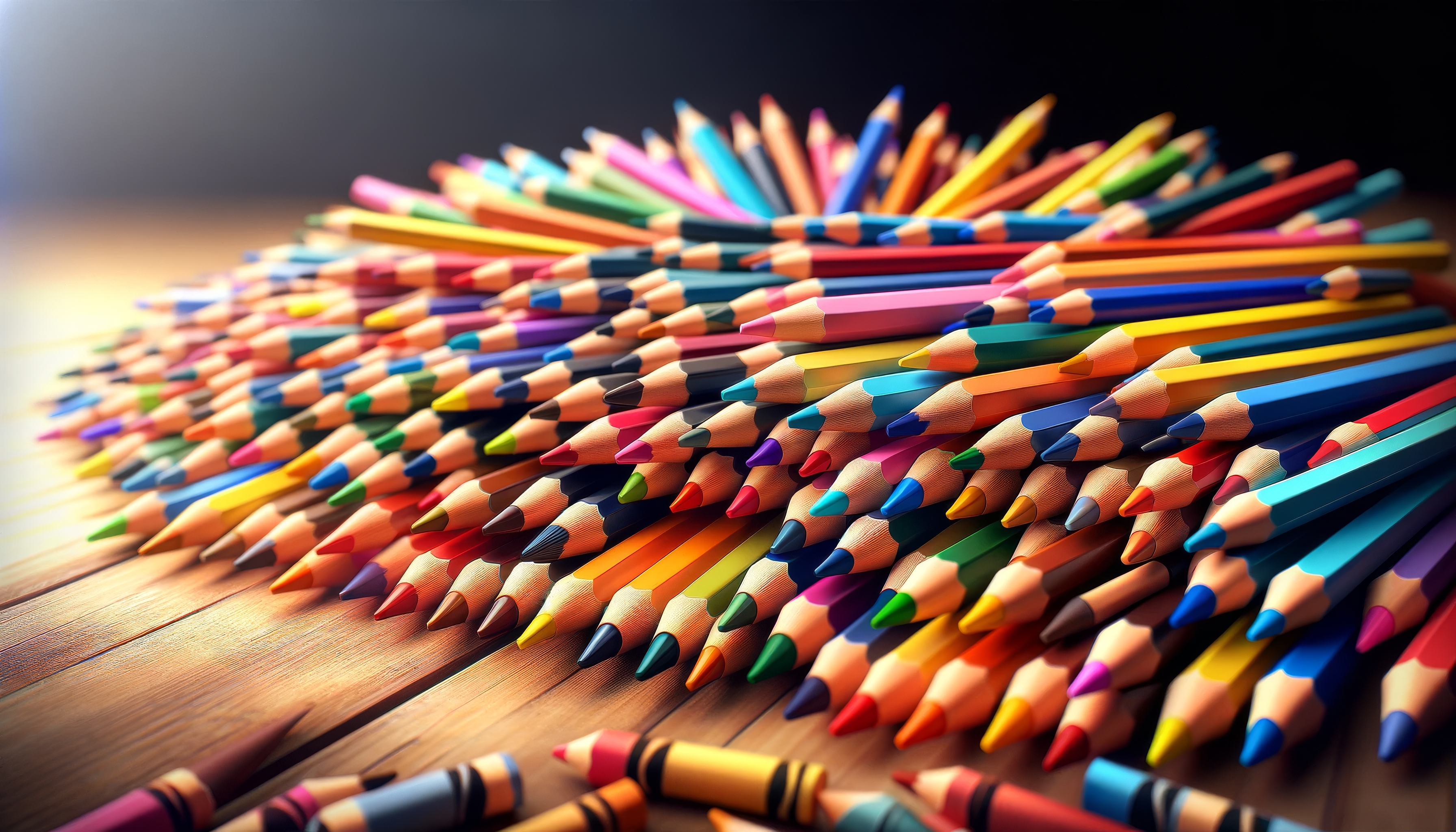
Pencil
पेंसिल
Syllable: Pencil
Pronunciation: Pencil
- I write with a pencil. – मैं पेंसिल से लिखता हूँ।
- My pencil is sharp. – मेरी पेंसिल नुकीली है।
- She gave me a pencil. – उसने मुझे एक पेंसिल दी।
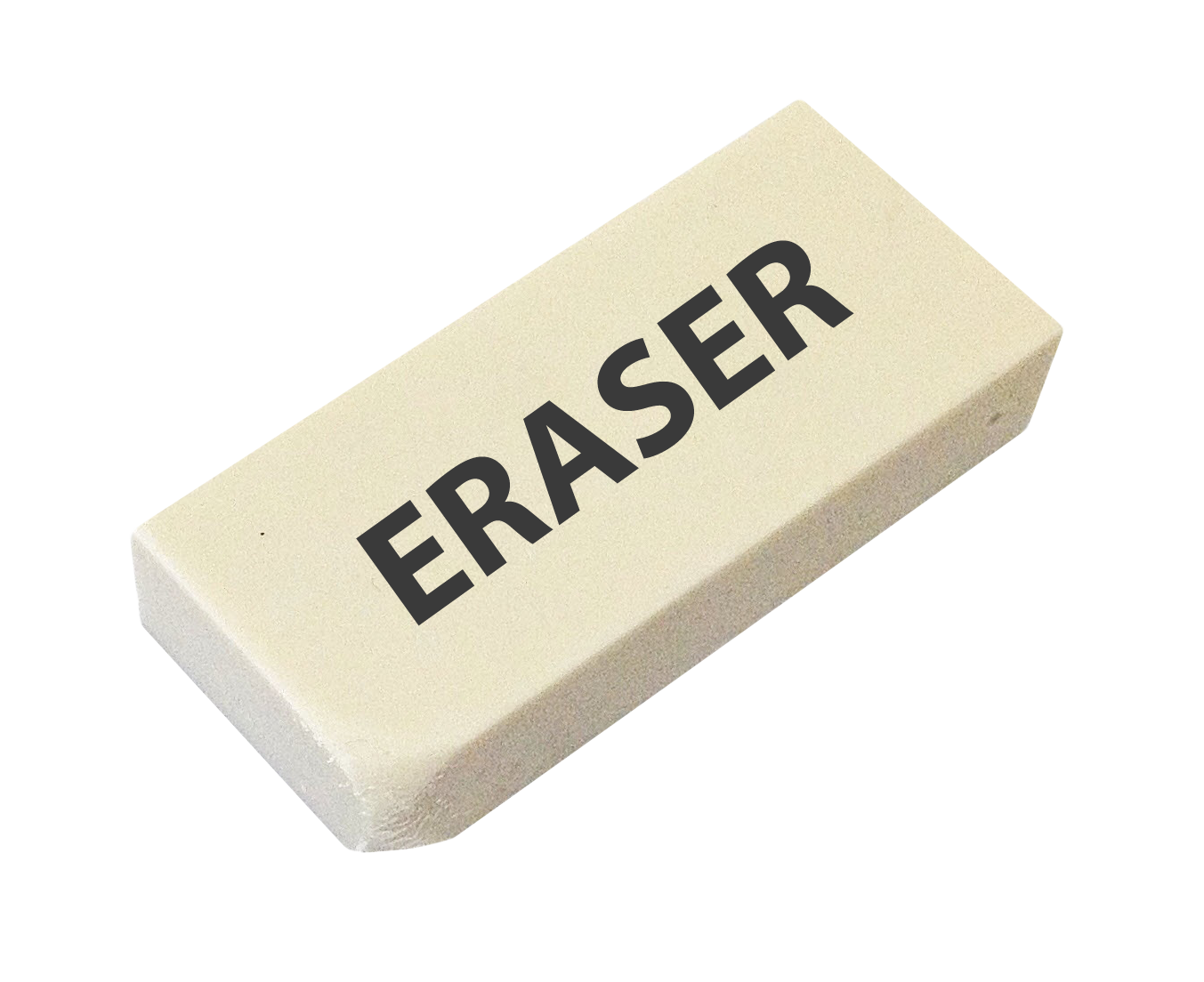
Eraser
रबर
Syllable: Eraser
Pronunciation: Eraser
- I use an eraser to remove mistakes. – मैं गलतियाँ मिटाने के लिए रबर का उपयोग करता हूँ।
- My eraser is small. – मेरा रबर छोटा है।
- The eraser is in my pencil case. – रबर मेरे पेंसिल बॉक्स में है।

Pencil Sharpener
पेंसिल शार्पनर
Syllable: Pencil Sharpener
Pronunciation: Pencil Sharpener
- I need a pencil sharpener. – मुझे पेंसिल शार्पनर चाहिए।
- The sharpener makes my pencil sharp. – शार्पनर मेरी पेंसिल को नुकीला करता है।
- My sharpener is in my bag. – मेरा शार्पनर मेरे बैग में है।

Pencil Case
पेंसिल बॉक्स
Syllable: Pencil Case
Pronunciation: Pencil Case
- My pencils are in the pencil case. – मेरी पेंसिलें पेंसिल बॉक्स में हैं।
- The pencil case is blue. – पेंसिल बॉक्स नीले रंग का है।
- I keep my pens in the pencil case. – मैं अपनी कलमें पेंसिल बॉक्स में रखता हूँ।
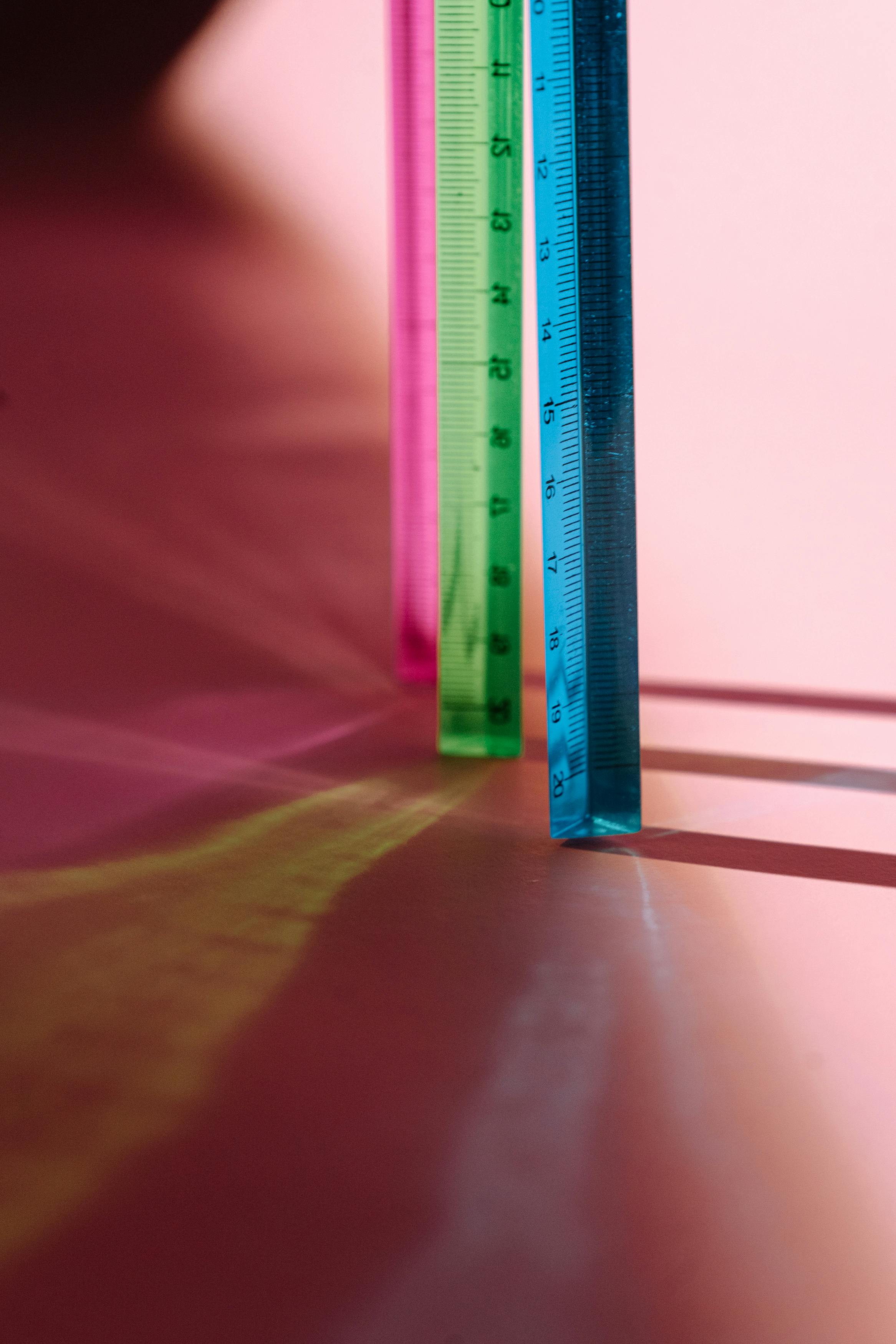
Ruler
स्केल
Syllable: Ruler
Pronunciation: Ruler
- I use a ruler to draw straight lines. – मैं सीधी रेखाएँ खींचने के लिए स्केल का उपयोग करता हूँ।
- The ruler is thirty centimeters long. – स्केल तीस सेंटीमीटर लंबा है।
- My ruler is on the desk. – मेरा स्केल मेज़ पर है।

Notebook
कॉपी
Syllable: Notebook
Pronunciation: Notebook
- I write in my notebook. – मैं अपनी कॉपी में लिखता हूँ।
- My notebook has many pages. – मेरी कॉपी में कई पन्ने हैं।
- The notebook is in my school bag. – कॉपी मेरे स्कूल बैग में है।
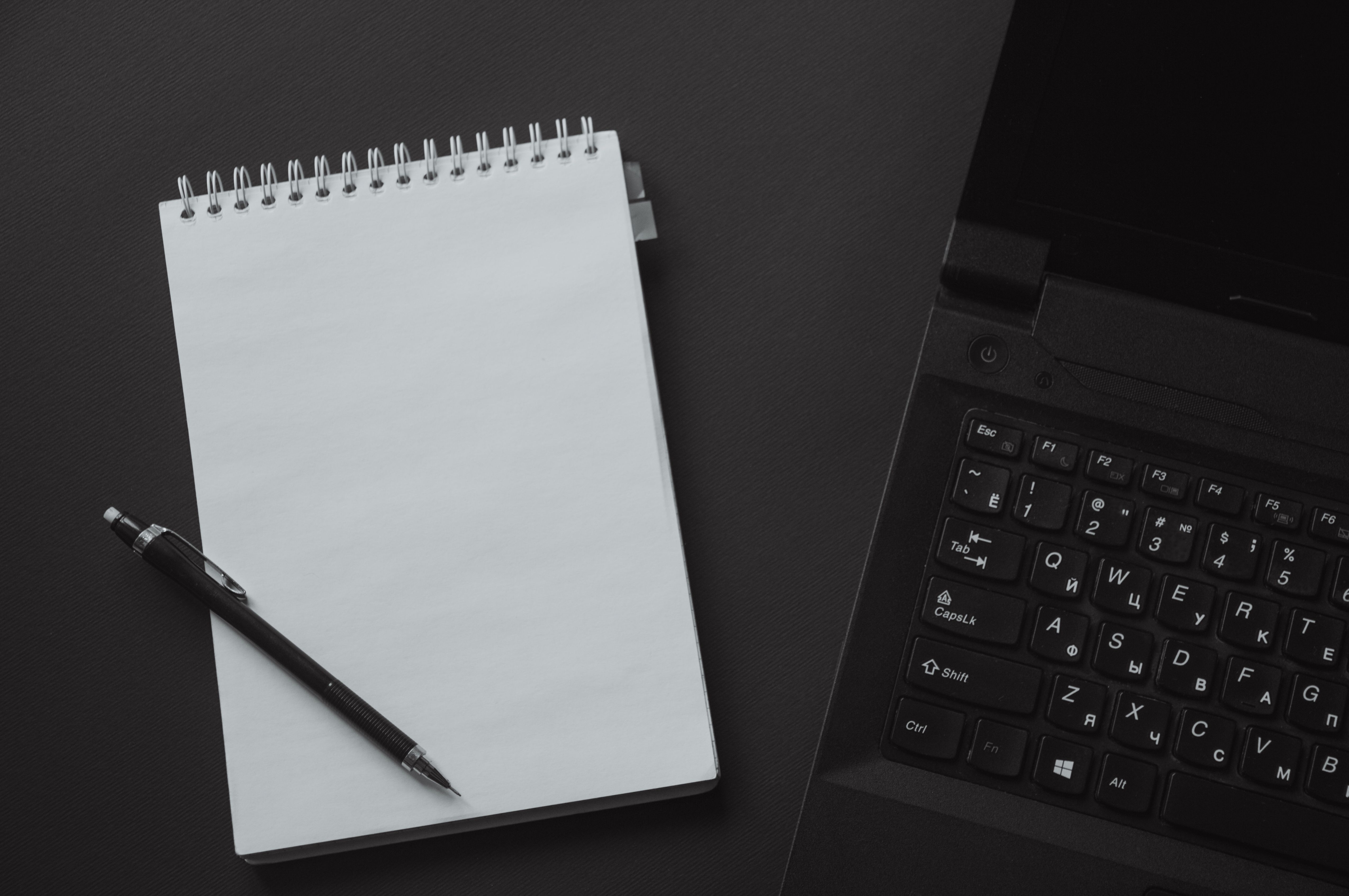
Notepad
नोटपैड
Syllable: Notepad
Pronunciation: Notepad
- I wrote the address on my notepad. – मैंने नोटपैड पर पता लिखा।
- The notepad is on the table. – नोटपैड मेज़ पर है।
- This notepad has small pages. – इस नोटपैड के पन्ने छोटे हैं।

Writing Pad
लेखन पैड
Syllable: Writing Pad
Pronunciation: Writing Pad
- I use a writing pad for notes. – मैं नोट्स के लिए लेखन पैड का उपयोग करता हूँ।
- The writing pad is on my desk. – लेखन पैड मेरी मेज़ पर है।
- She bought a new writing pad. – उसने नया लेखन पैड खरीदा।
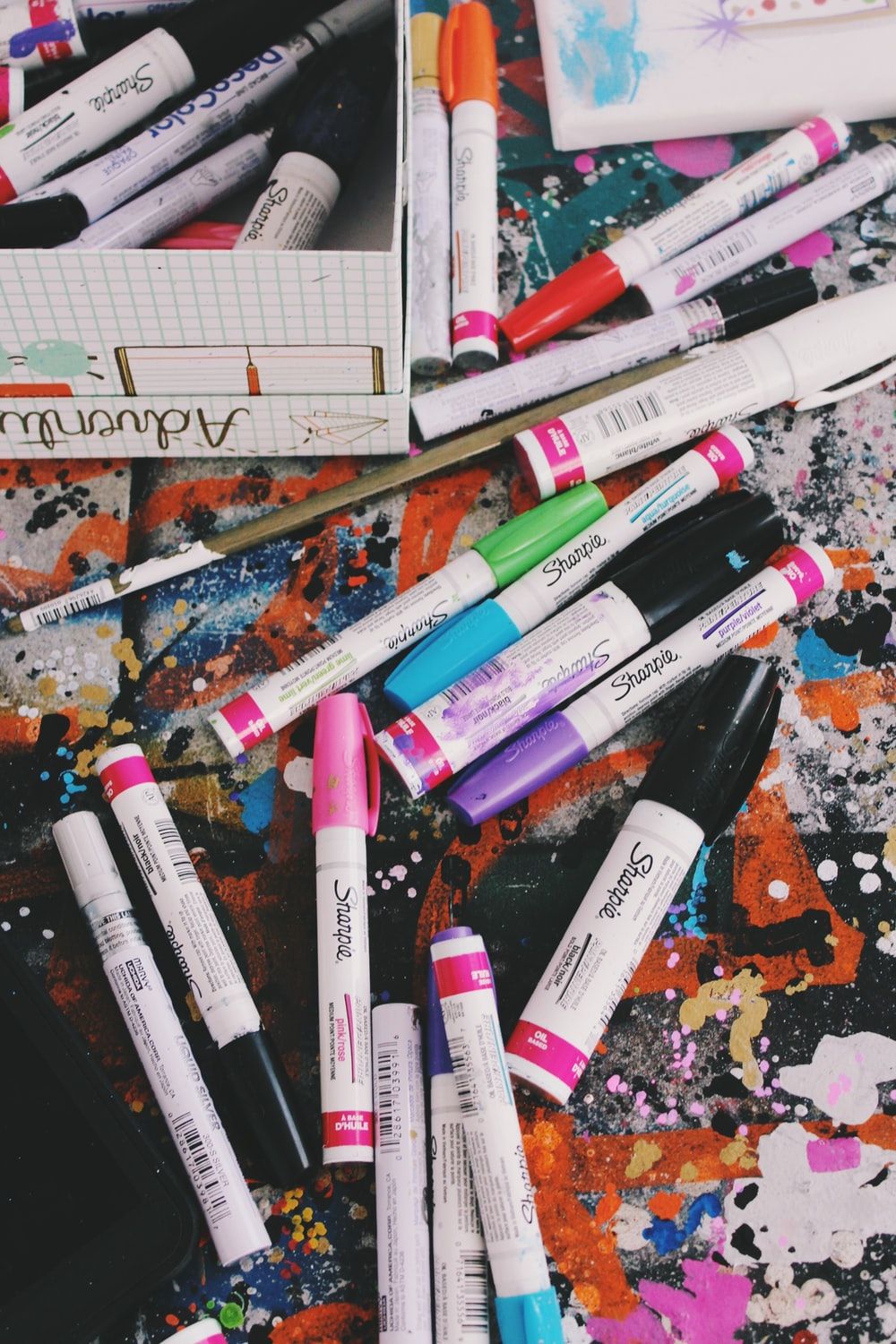
Marker
मार्कर
Syllable: Marker
Pronunciation: Marker
- I use a marker to write on the board. – मैं बोर्ड पर लिखने के लिए मार्कर का उपयोग करता हूँ।
- The marker is black. – मार्कर काले रंग का है।
- This marker writes clearly. – यह मार्कर साफ़ लिखता है।

Highlighter
हाइलाइटर
Syllable: Highlighter
Pronunciation: Highlighter
- I use a highlighter for important words. – मैं महत्वपूर्ण शब्दों के लिए हाइलाइटर का उपयोग करता हूँ।
- The highlighter is yellow. – हाइलाइटर पीले रंग का है।
- She highlighted the important points. – उसने महत्वपूर्ण बिंदुओं को हाइलाइट किया।
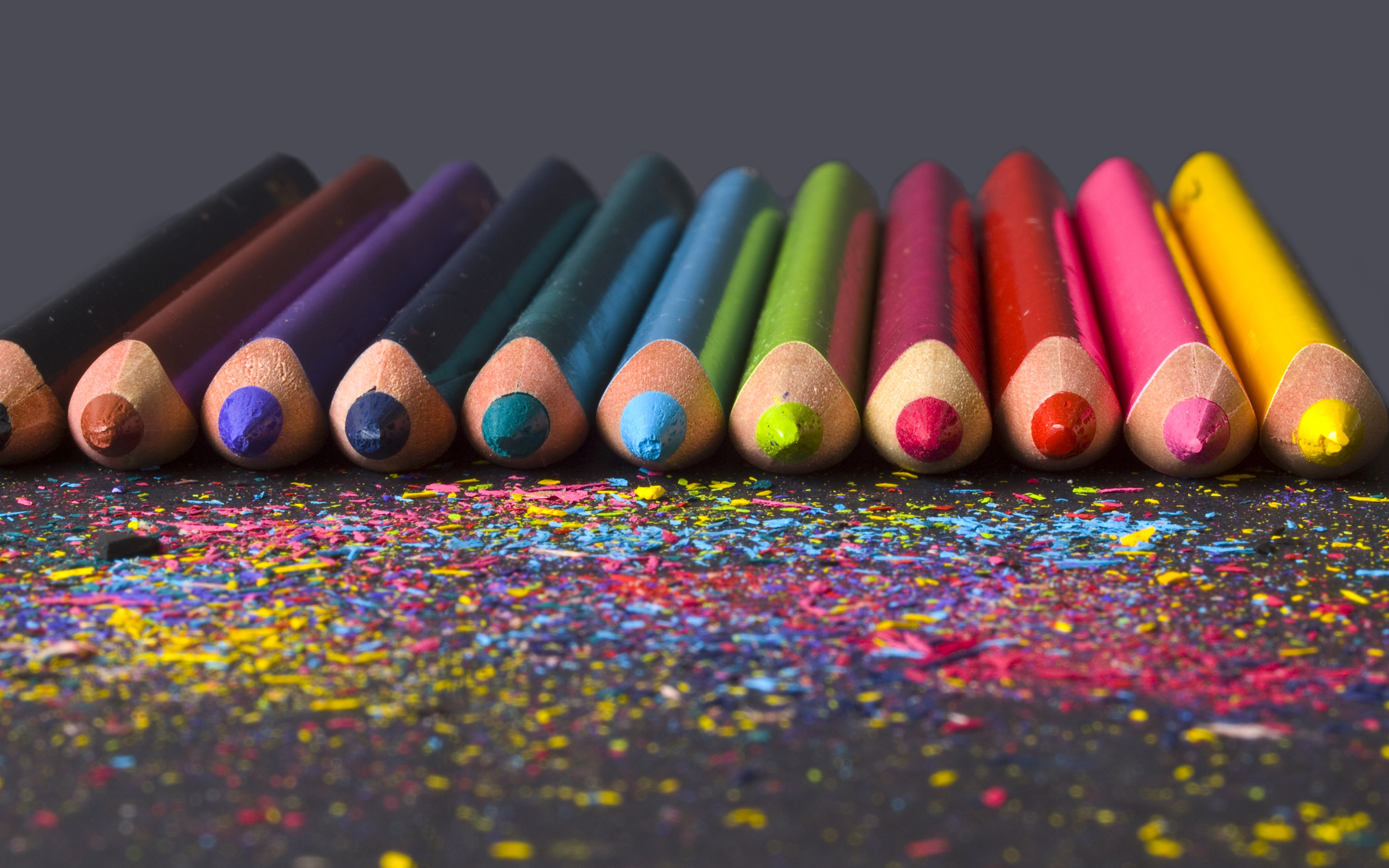
Colored Pencil
रंगीन पेंसिल
Syllable: Colored Pencil
Pronunciation: Colored Pencil
- I use colored pencils for drawing. – मैं चित्र बनाने के लिए रंगीन पेंसिलों का उपयोग करता हूँ।
- The colored pencils are bright. – रंगीन पेंसिलें चमकीली हैं।
- She has a box of colored pencils. – उसके पास रंगीन पेंसिलों का एक डिब्बा है।

Crayon
मोम रंग
Syllable: Crayon
Pronunciation: Crayon
- The child draws with crayons. – बच्चा मोम रंगों से चित्र बनाता है।
- I bought a box of crayons. – मैंने मोम रंगों का एक डिब्बा खरीदा।
- The crayons are colorful. – मोम रंग रंगीन हैं।
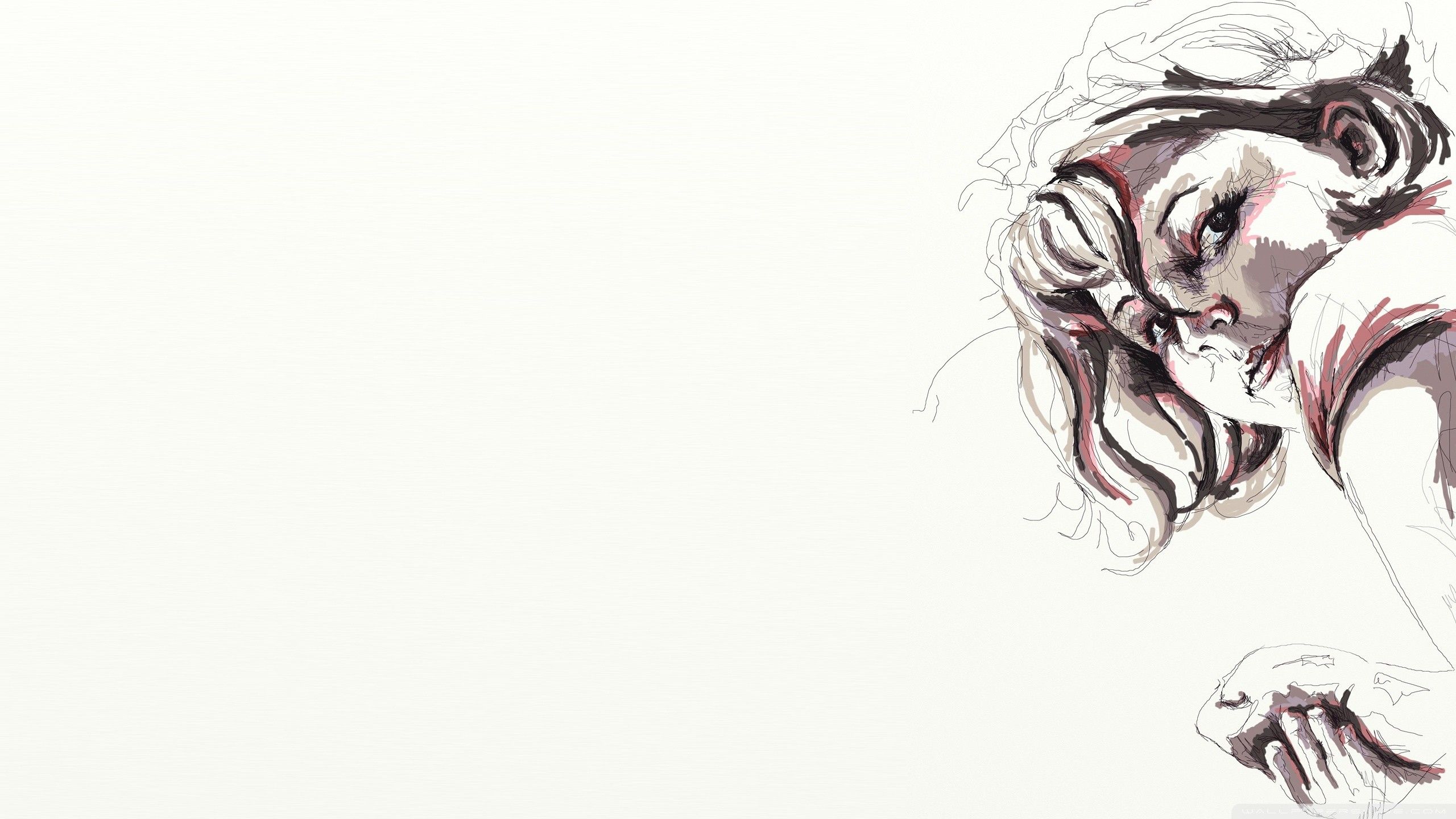
Sketch Pen
स्केच पेन
Syllable: Sketch Pen
Pronunciation: Sketch Pen
- I draw with sketch pens. – मैं स्केच पेन से चित्र बनाता हूँ।
- The sketch pen is red. – स्केच पेन लाल है।
- She has many sketch pens. – उसके पास कई स्केच पेन हैं।

Gel Pen
जेल पेन
Syllable: Gel Pen
Pronunciation: Gel Pen
- This gel pen writes smoothly. – यह जेल पेन आसानी से लिखता है।
- My gel pen has blue ink. – मेरे जेल पेन में नीली स्याही है।
- I like using gel pens. – मुझे जेल पेन इस्तेमाल करना पसंद है।
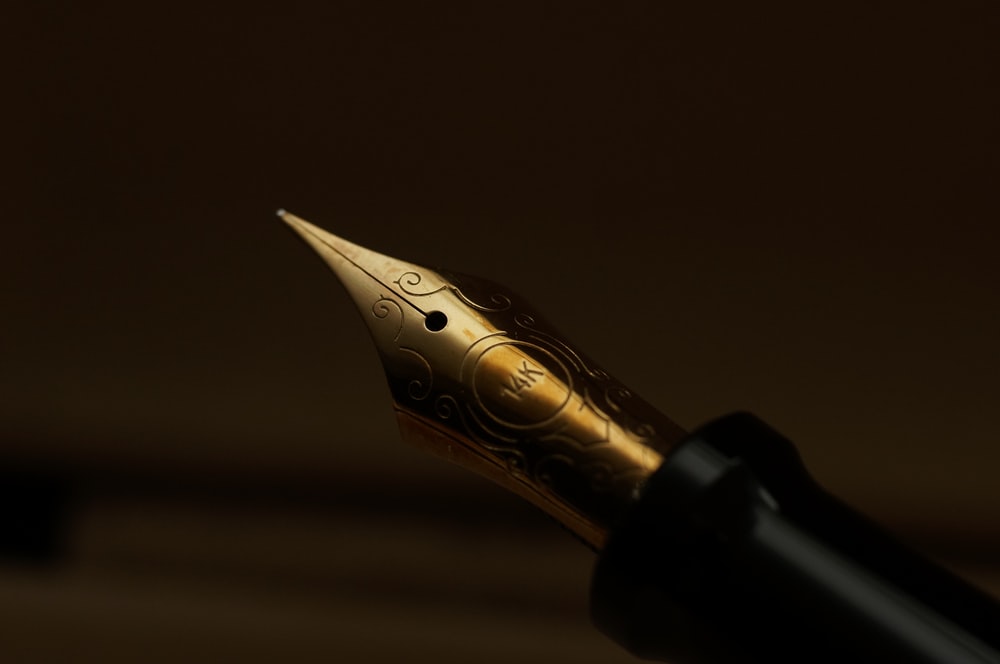
Fountain Pen
फाउंटेन पेन
Syllable: Fountain Pen
Pronunciation: Fountain Pen
- He writes with a fountain pen. – वह फाउंटेन पेन से लिखता है।
- The fountain pen looks beautiful. – फाउंटेन पेन सुंदर दिखता है।
- This fountain pen uses ink. – यह फाउंटेन पेन स्याही का उपयोग करता है।

Ballpoint Pen
बॉलपॉइंट पेन
Syllable: Ballpoint Pen
Pronunciation: Ballpoint Pen
- I use a ballpoint pen at school. – मैं स्कूल में बॉलपॉइंट पेन का उपयोग करता हूँ।
- The ballpoint pen has blue ink. – बॉलपॉइंट पेन में नीली स्याही है।
- This ballpoint pen is cheap. – यह बॉलपॉइंट पेन सस्ता है।

Mechanical Pencil
मैकेनिकल पेंसिल
Syllable: Mechanical Pencil
Pronunciation: Mechanical Pencil
- I use a mechanical pencil for drawing. – मैं चित्र बनाने के लिए मैकेनिकल पेंसिल का उपयोग करता हूँ।
- The mechanical pencil needs lead. – मैकेनिकल पेंसिल में लेड की ज़रूरत होती है।
- She bought a new mechanical pencil. – उसने नई मैकेनिकल पेंसिल खरीदी।
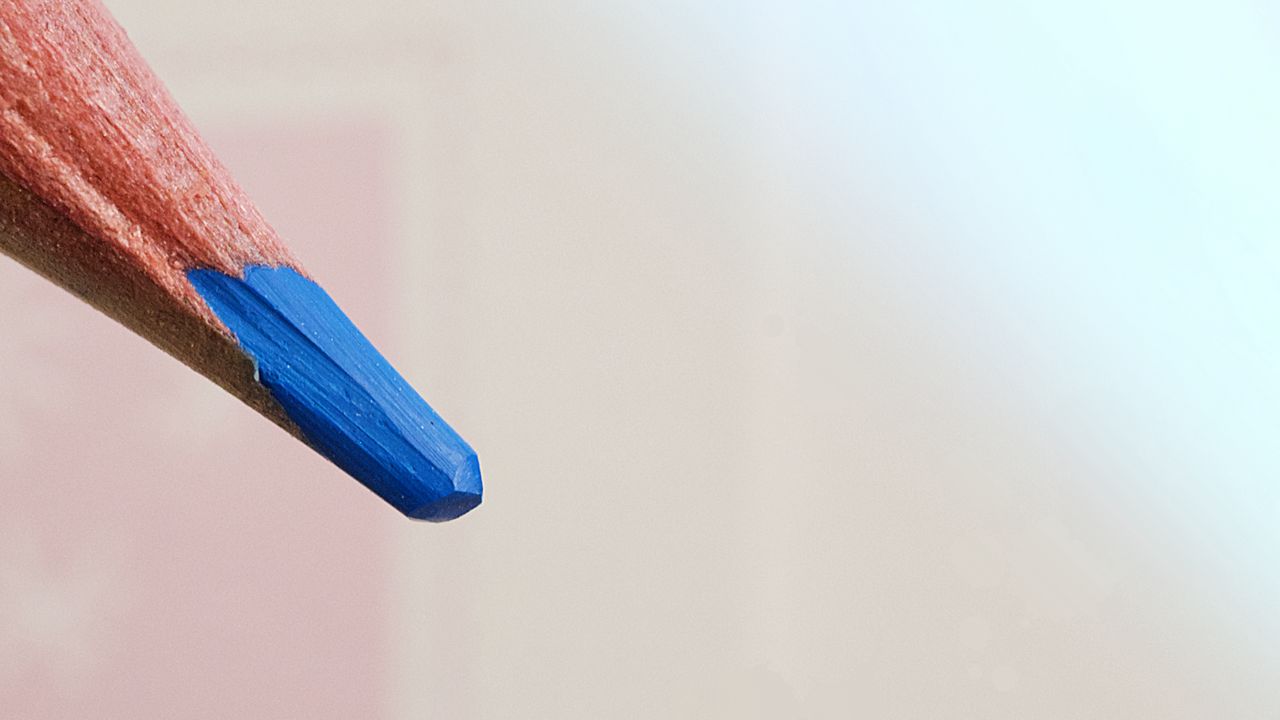
Pencil Lead
पेंसिल लेड
Syllable: Pencil Lead
Pronunciation: Pencil Lead
- My pencil lead broke. – मेरी पेंसिल लेड टूट गई।
- I need extra pencil lead. – मुझे अतिरिक्त पेंसिल लेड चाहिए।
- The pencil lead is very thin. – पेंसिल लेड बहुत पतली है।

Ink
स्याही
Syllable: Ink
Pronunciation: Ink
- The pen has blue ink. – कलम में नीली स्याही है।
- I spilled ink on the paper. – मेरी स्याही कागज़ पर गिर गई।
- This ink dries quickly. – यह स्याही जल्दी सूख जाती है।

Correction Pen
सुधार पेन
Syllable: Correction Pen
Pronunciation: Correction Pen
- I use a correction pen to cover mistakes. – मैं गलतियाँ ढकने के लिए सुधार पेन का उपयोग करता हूँ।
- The correction pen is white. – सुधार पेन सफेद है।
- She bought a correction pen. – उसने सुधार पेन खरीदा।

Correction Tape
सुधार टेप
Syllable: Correction Tape
Pronunciation: Correction Tape
- The correction tape covers mistakes. – सुधार टेप गलतियों को ढकता है।
- I keep correction tape in my pencil case. – मैं सुधार टेप अपने पेंसिल बॉक्स में रखता हूँ।
- This correction tape is easy to use. – यह सुधार टेप इस्तेमाल करना आसान है।

Glue
गोंद
Syllable: Glue
Pronunciation: Glue
- I use glue for my project. – मैं अपने प्रोजेक्ट के लिए गोंद का उपयोग करता हूँ।
- The glue is on the desk. – गोंद मेज़ पर है।
- This glue dries quickly. – यह गोंद जल्दी सूख जाता है।

Glue Stick
गोंद की स्टिक
Syllable: Glue Stick
Pronunciation: Glue Stick
- The glue stick is easy to use. – गोंद की स्टिक इस्तेमाल करना आसान है।
- I keep a glue stick in my bag. – मैं अपने बैग में गोंद की स्टिक रखता हूँ।
- She used the glue stick for her project. – उसने अपने प्रोजेक्ट के लिए गोंद की स्टिक का उपयोग किया।
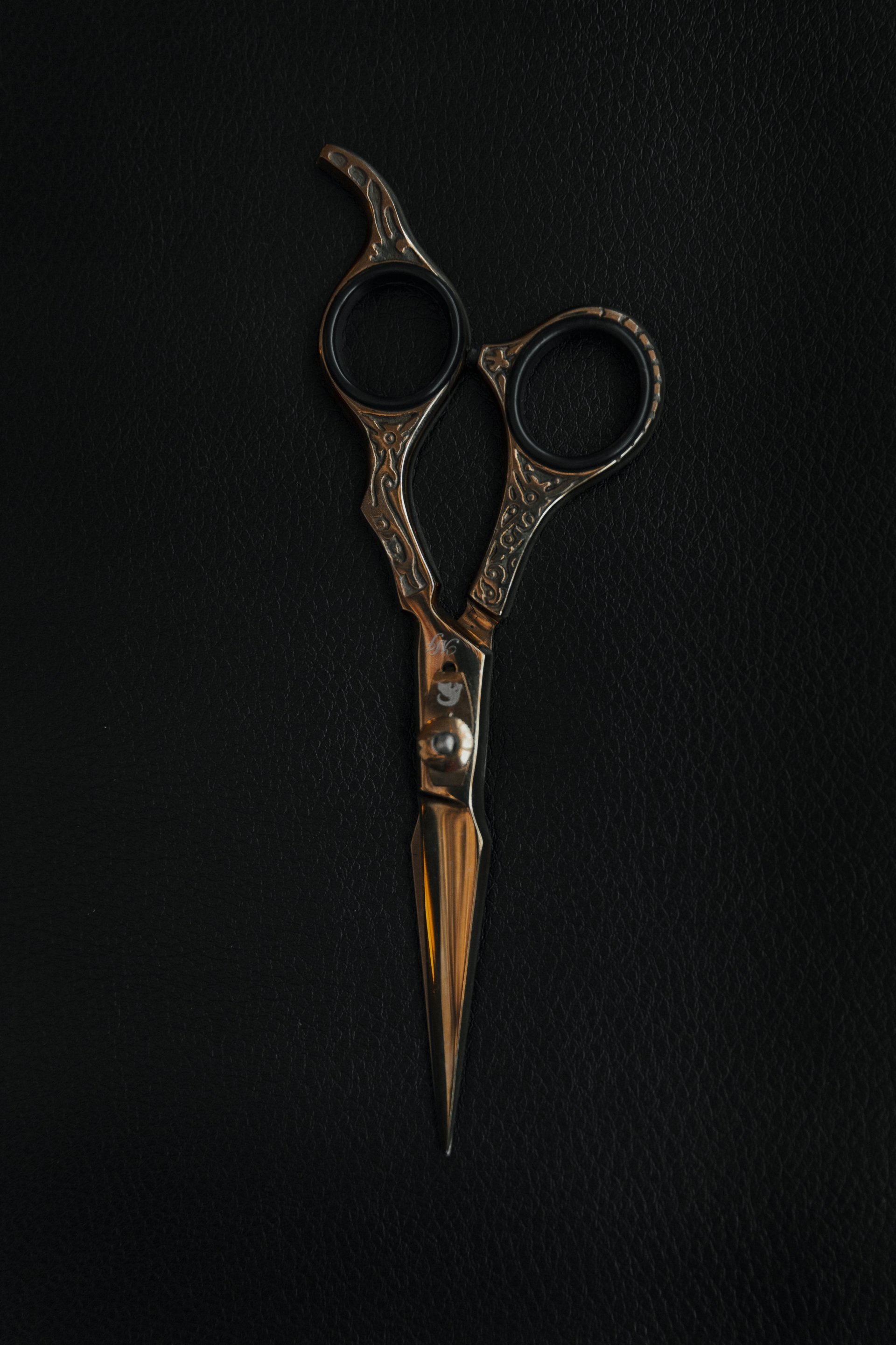
Scissors
कैंची
Syllable: Scissors
Pronunciation: Scissors
- I use scissors to cut paper. – मैं कागज़ काटने के लिए कैंची का उपयोग करता हूँ।
- The scissors are sharp. – कैंची तेज़ है।
- She keeps the scissors in her drawer. – वह कैंची अपनी दराज़ में रखती है।

Stapler
स्टेपलर
Syllable: Stapler
Pronunciation: Stapler
- I use a stapler to join papers. – मैं कागज़ों को जोड़ने के लिए स्टेपलर का उपयोग करता हूँ।
- The stapler is on the desk. – स्टेपलर मेज़ पर है।
- This stapler is easy to use. – यह स्टेपलर इस्तेमाल करना आसान है।

Staple Pins
स्टेपल पिन
Syllable: Staple Pins
Pronunciation: Staple Pins
- The staple pins are in the box. – स्टेपल पिन डिब्बे में हैं।
- I need more staple pins. – मुझे और स्टेपल पिन चाहिए।
- She bought a box of staple pins. – उसने स्टेपल पिन का एक डिब्बा खरीदा।
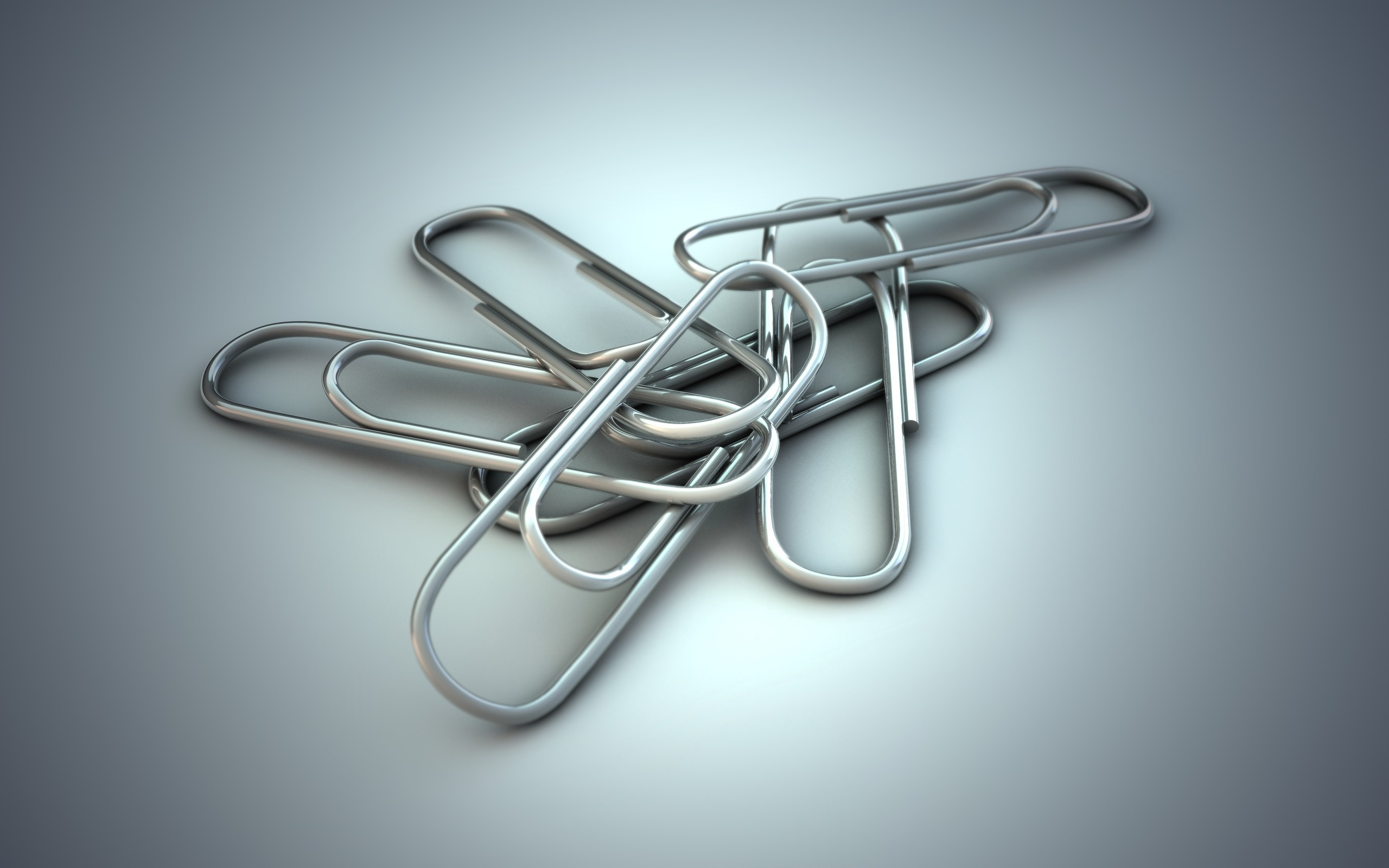
Paper Clip
कागज़ की क्लिप
Syllable: Paper Clip
Pronunciation: Paper Clip
- I used a paper clip to hold the papers. – मैंने कागज़ों को साथ रखने के लिए कागज़ की क्लिप का उपयोग किया।
- The paper clip is small. – कागज़ की क्लिप छोटी है।
- She attached a paper clip to the document. – उसने दस्तावेज़ पर कागज़ की क्लिप लगाई।
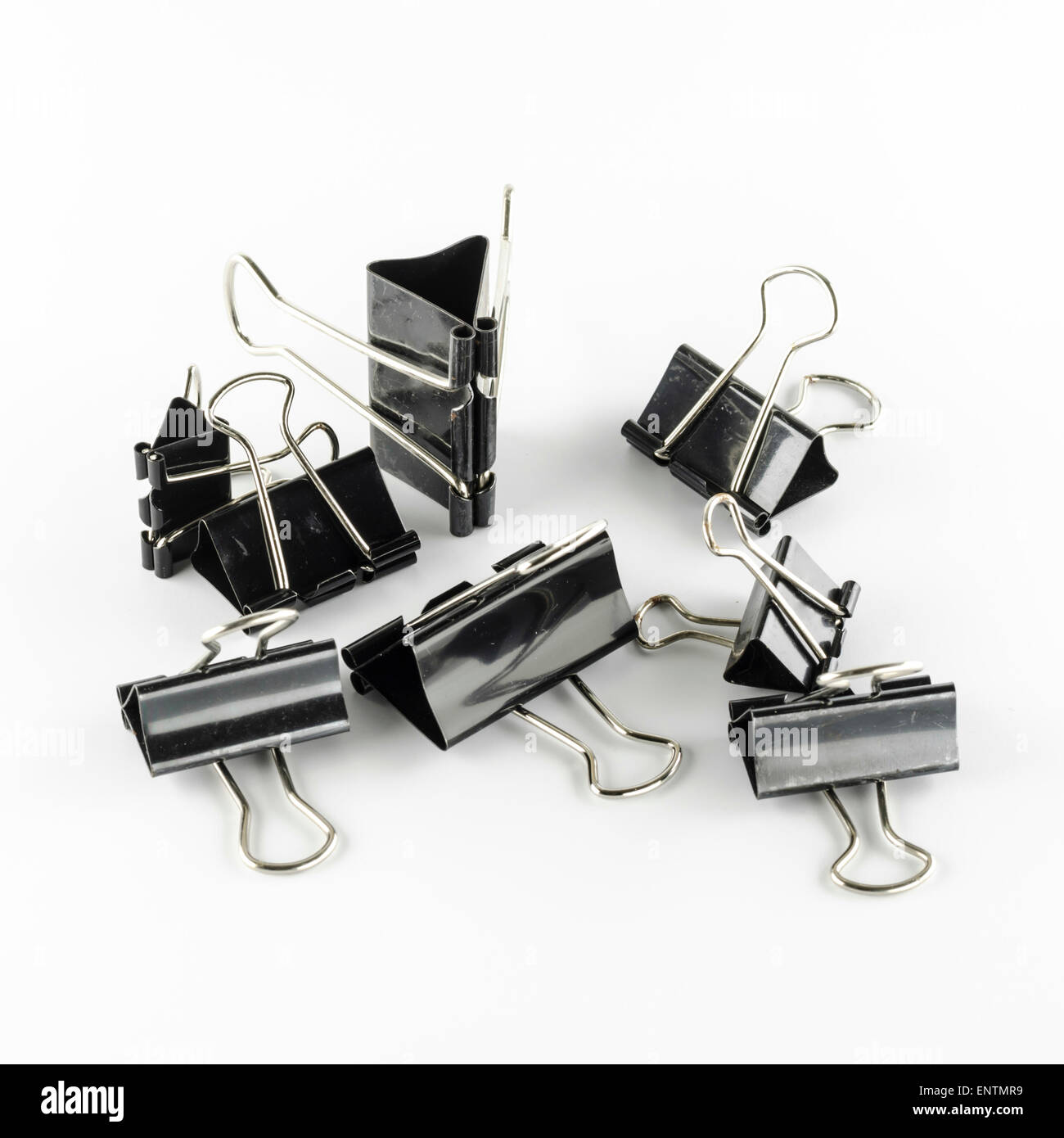
Binder Clip
बाइंडर क्लिप
Syllable: Binder Clip
Pronunciation: Binder Clip
- The binder clip holds the papers together. – बाइंडर क्लिप कागज़ों को एक साथ रखती है।
- I used a binder clip for my notes. – मैंने अपने नोट्स के लिए बाइंडर क्लिप का उपयोग किया।
- The binder clip is black. – बाइंडर क्लिप काली है।
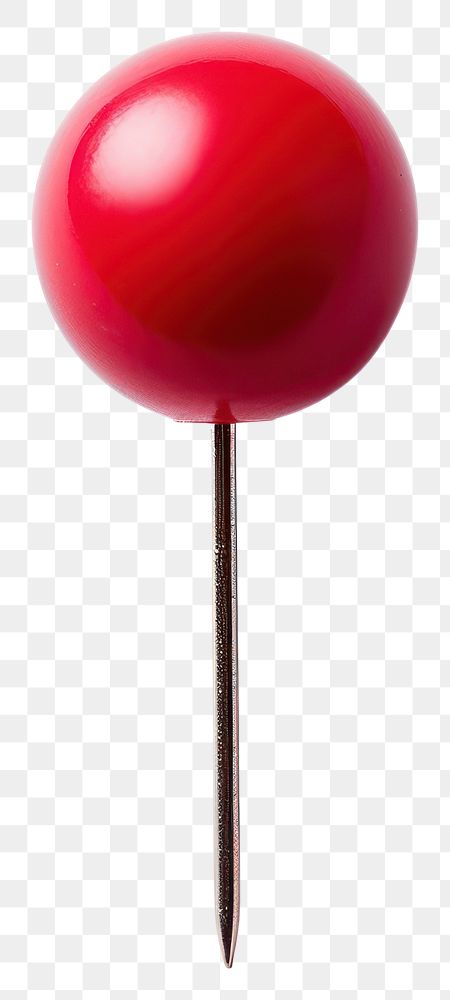
Push Pin
पिन
Syllable: पुश पिन
Pronunciation: Push Pin
- I used a push pin to attach the paper. – मैंने कागज़ लगाने के लिए पिन का उपयोग किया।
- The push pin is on the board. – पिन बोर्ड पर है।
- Be careful with the push pin. – पिन से सावधान रहें।

Thumbtack
अंगूठे की पिन
Syllable: Thumbtack
Pronunciation: Thumbtack
- She used a thumbtack to hold the poster. – उसने पोस्टर लगाने के लिए अंगूठे की पिन का उपयोग किया।
- The thumbtack is small. – अंगूठे की पिन छोटी है।
- He removed the thumbtack from the board. – उसने बोर्ड से अंगूठे की पिन निकाल दी।

File
फ़ाइल
Syllable: File
Pronunciation: File
- I keep my documents in a file. – मैं अपने दस्तावेज़ फ़ाइल में रखता हूँ।
- The file is on my desk. – फ़ाइल मेरी मेज़ पर है।
- She opened the file carefully. – उसने फ़ाइल सावधानी से खोली।
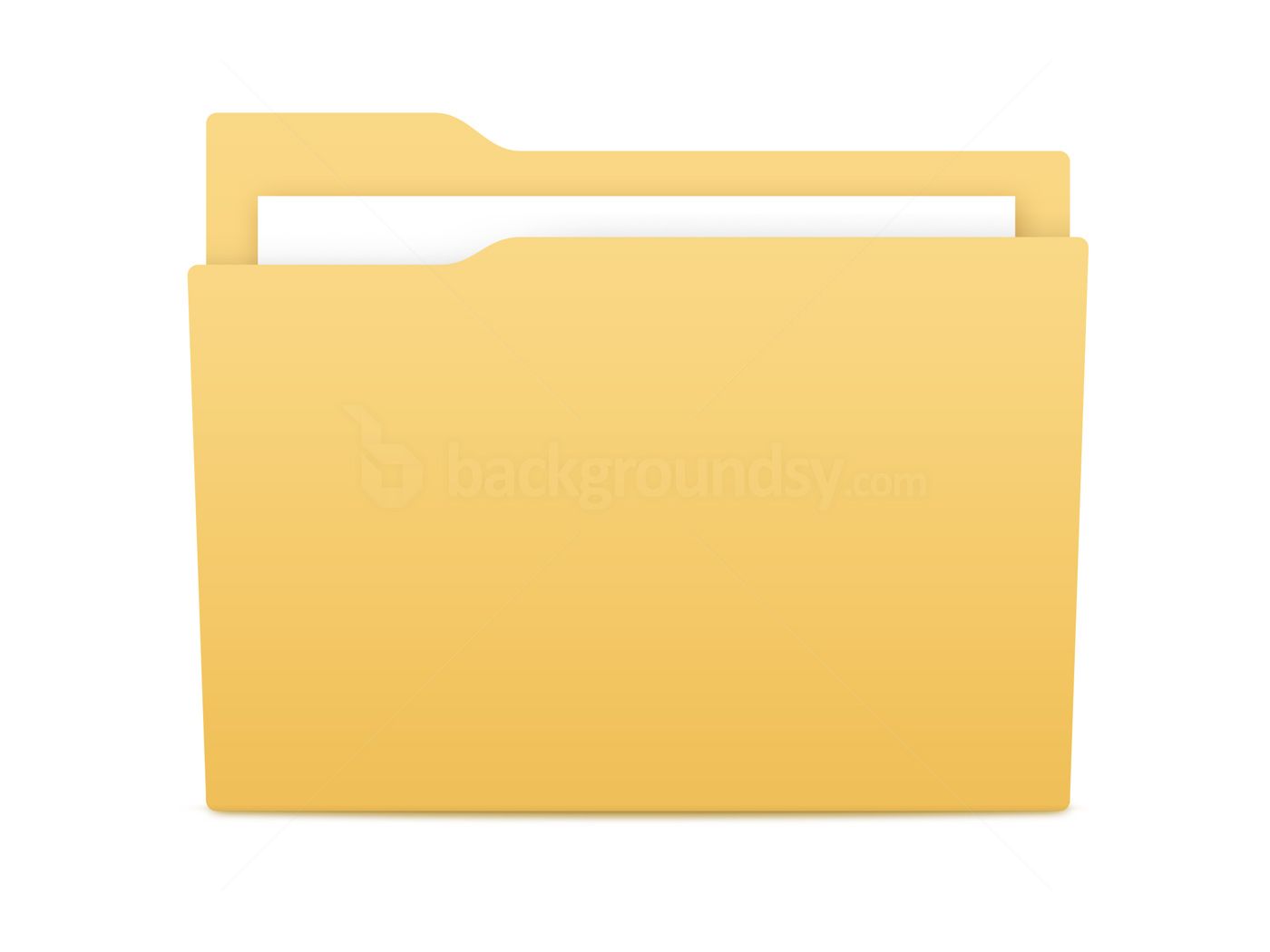
Folder
फ़ोल्डर
Syllable: Folder
Pronunciation: Folder
- I keep my papers in a folder. – मैं अपने कागज़ फ़ोल्डर में रखता हूँ।
- The folder is blue. – फ़ोल्डर नीले रंग का है।
- He put the documents in the folder. – उसने दस्तावेज़ फ़ोल्डर में रखे।

Envelope
लिफ़ाफ़ा
Syllable: Envelope
Pronunciation: Envelope
- I put the letter in an envelope. – मैंने पत्र को लिफ़ाफ़े में रखा।
- The envelope is white. – लिफ़ाफ़ा सफेद है।
- She sealed the envelope. – उसने लिफ़ाफ़ा बंद कर दिया।

Paper
कागज़
Syllable: Paper
Pronunciation: Paper
- I need a sheet of paper. – मुझे कागज़ की एक शीट चाहिए।
- The paper is clean. – कागज़ साफ़ है।
- He wrote his name on the paper. – उसने कागज़ पर अपना नाम लिखा।

Writing Paper
लेखन कागज़
Syllable: Writing Paper
Pronunciation: Writing Paper
- I need some writing paper. – मुझे कुछ लेखन कागज़ चाहिए।
- The writing paper is smooth. – लेखन कागज़ चिकना है।
- She wrote a letter on the writing paper. – उसने लेखन कागज़ पर पत्र लिखा।

Sticky Notes
चिपकने वाली पर्चियाँ
Syllable: Sticky Notes
Pronunciation: Sticky Notes
- I use sticky notes for reminders. – मैं याद रखने के लिए चिपकने वाली पर्चियों का उपयोग करता हूँ।
- The sticky notes are yellow. – चिपकने वाली पर्चियाँ पीली हैं।
- She put a sticky note on the book. – उसने किताब पर एक चिपकने वाली पर्ची लगाई।

Index Card
सूचक कार्ड
Syllable: Index Card
Pronunciation: Index Card
- I wrote the answer on an index card. – मैंने उत्तर सूचक कार्ड पर लिखा।
- The index card is small. – सूचक कार्ड छोटा है।
- Students use index cards for notes. – छात्र नोट्स के लिए सूचक कार्ड का उपयोग करते हैं।
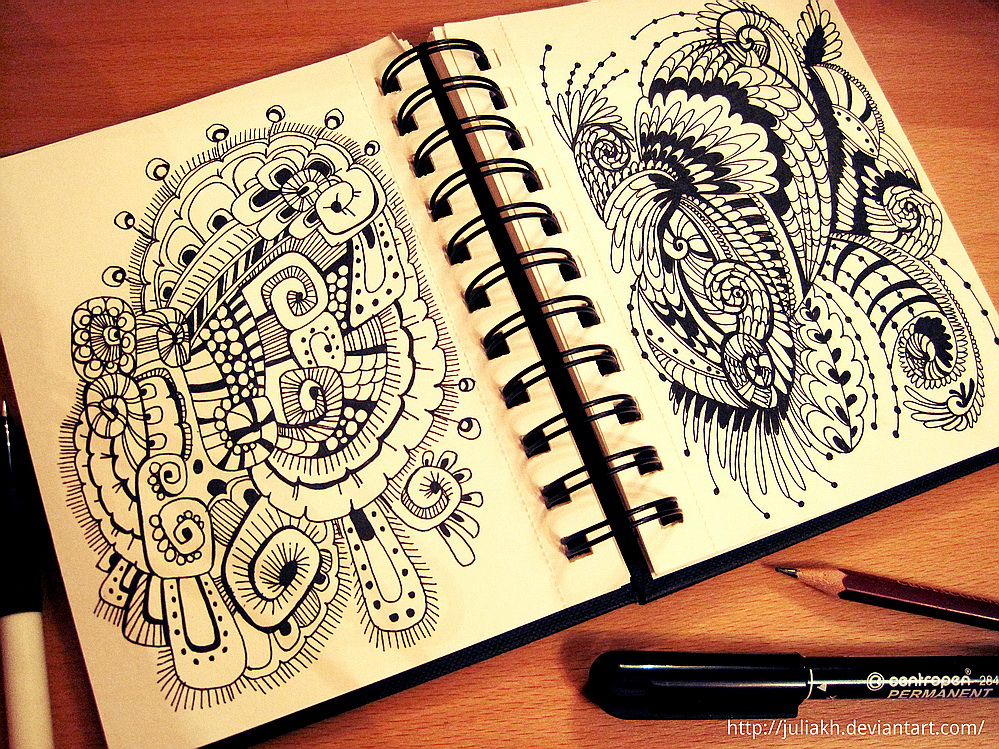
Drawing Book
चित्र पुस्तिका
Syllable: Drawing Book
Pronunciation: Drawing Book
- I draw pictures in my drawing book. – मैं अपनी चित्र पुस्तिका में चित्र बनाता हूँ।
- My drawing book is colorful. – मेरी चित्र पुस्तिका रंगीन है।
- She opened her drawing book. – उसने अपनी चित्र पुस्तिका खोली।

Sketchbook
स्केचबुक
Syllable: Sketchbook
Pronunciation: Sketchbook
- He draws in his sketchbook. – वह अपनी स्केचबुक में चित्र बनाता है।
- My sketchbook has thick paper. – मेरी स्केचबुक में मोटे कागज़ हैं।
- She carries a sketchbook in her bag. – वह अपने बैग में स्केचबुक रखती है।
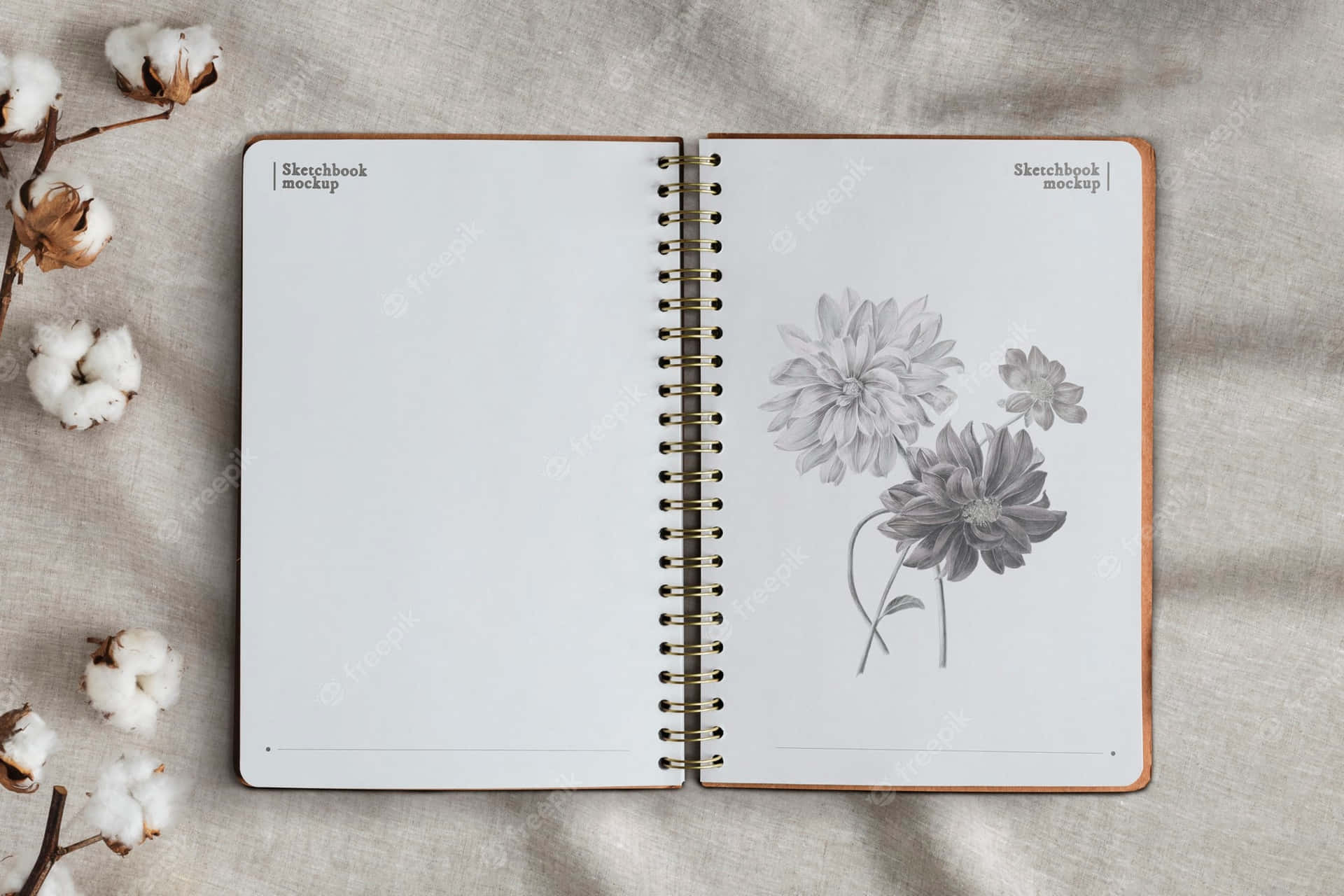
Diary
डायरी
Syllable: Diary
Pronunciation: Diary
- I write in my diary every day. – मैं हर दिन अपनी डायरी में लिखता हूँ।
- My diary is private. – मेरी डायरी निजी है।
- She bought a new diary. – उसने नई डायरी खरीदी।
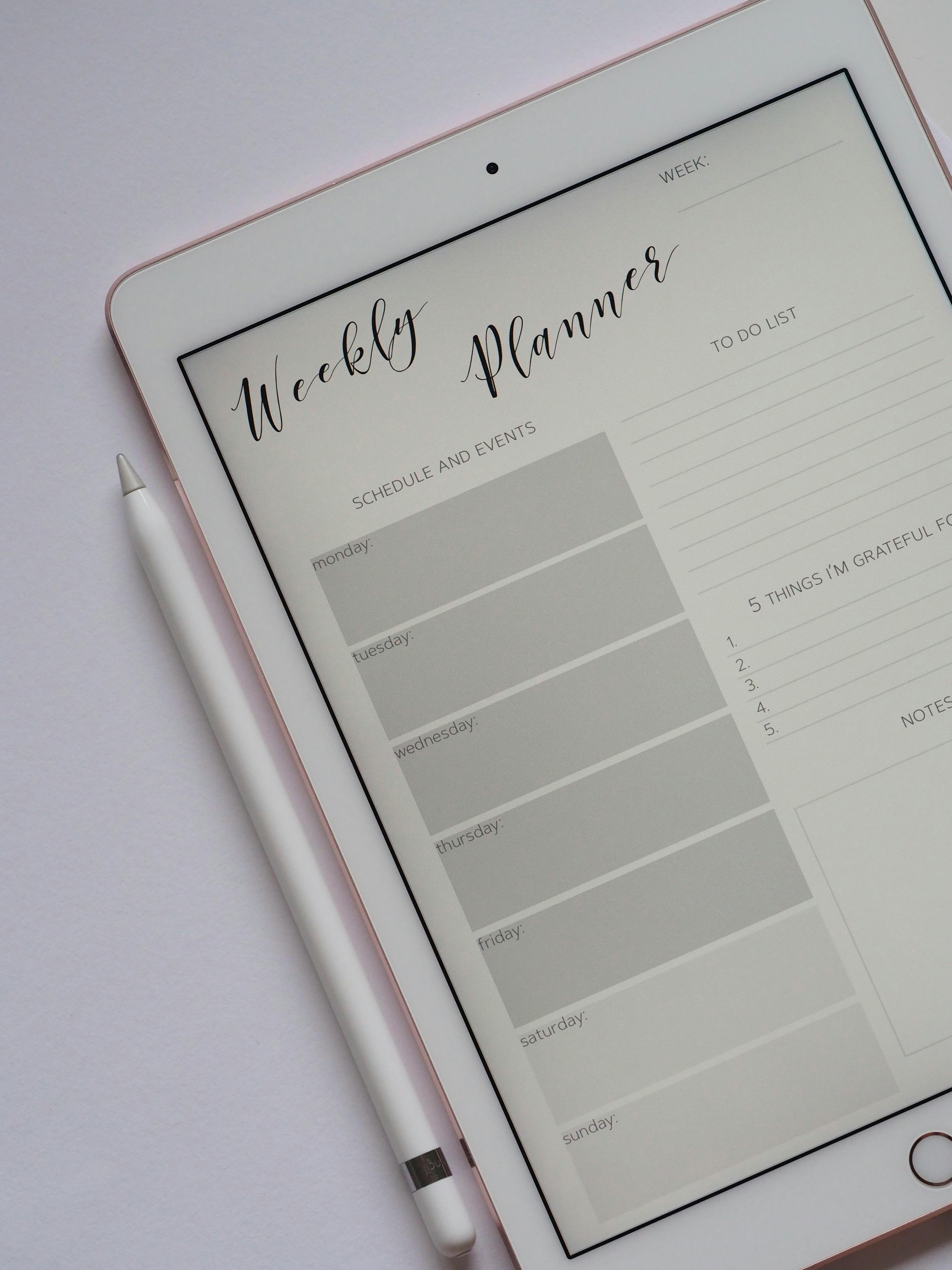
Planner
प्लानर
Syllable: Planner
Pronunciation: Planner
- I use a planner to organize my work. – मैं अपने काम को व्यवस्थित करने के लिए प्लानर का उपयोग करता हूँ।
- My planner is on the desk. – मेरा प्लानर मेज़ पर है।
- She writes her schedule in the planner. – वह प्लानर में अपना कार्यक्रम लिखती है।

Book Cover
किताब का कवर
Syllable: Book Cover
Pronunciation: Book Cover
- I put a cover on my book. – मैं अपनी किताब पर कवर लगाता हूँ।
- The book cover is blue. – किताब का कवर नीला है।
- This book cover protects the book. – यह किताब का कवर किताब की सुरक्षा करता है।
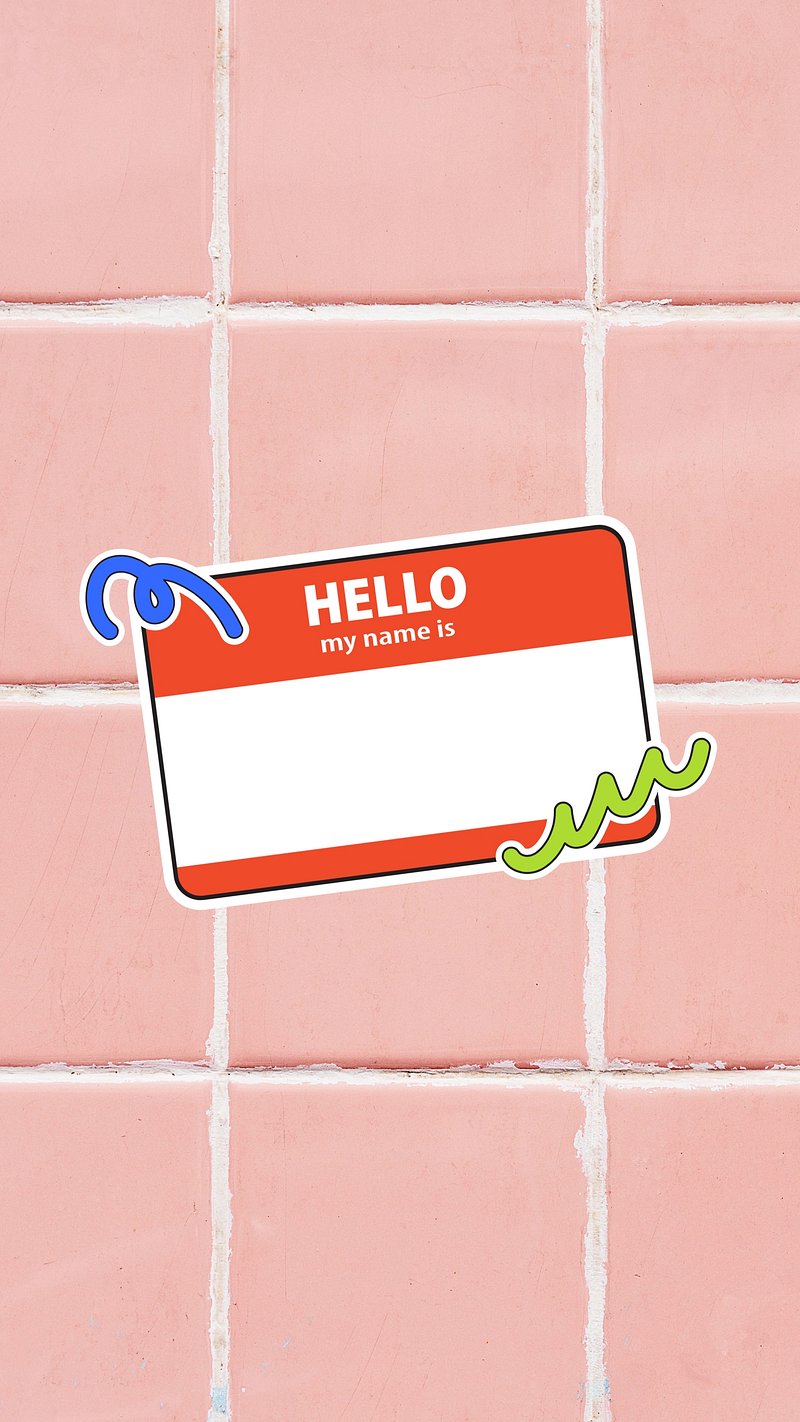
Name Label
नाम की पर्ची
Syllable: Name Label
Pronunciation: Name Label
- I put a name label on my notebook. – मैंने अपनी कॉपी पर नाम की पर्ची लगाई।
- The name label has my name. – नाम की पर्ची पर मेरा नाम है।
- She wrote her name on the label. – उसने पर्ची पर अपना नाम लिखा।

Ruler Case
स्केल कवर
Syllable: Ruler Case
Pronunciation: Ruler Case
- My ruler is in the ruler case. – मेरा स्केल स्केल कवर में है।
- The ruler case protects the ruler. – स्केल कवर स्केल की सुरक्षा करता है।
- I bought a new ruler case. – मैंने नया स्केल कवर खरीदा।

Paper Cutter
कागज़ काटने वाला उपकरण
Syllable: Paper Cutter
Pronunciation: Paper Cutter
- The paper cutter cuts paper neatly. – कागज़ काटने वाला उपकरण कागज़ को साफ़ काटता है।
- Be careful with the paper cutter. – कागज़ काटने वाले उपकरण से सावधान रहें।
- The paper cutter is on the table. – कागज़ काटने वाला उपकरण मेज़ पर है।
Common Stationery Items Names in Hindi
Some common stationery items include कलम, पेंसिल, रबर, पेंसिल शार्पनर, स्केल, कॉपी, नोटपैड, कागज़, मार्कर, हाइलाइटर, पेंसिल बॉक्स, फाइल, फोल्डर, गोंद, कैंची, और पेपर क्लिप.
These items are used for writing, drawing, correcting mistakes, measuring, organizing papers, completing assignments, and performing school or office work.
Popular Stationery Items Names in Hindi
कलम (Pen) is one of the most commonly used stationery items. It is used for writing notes, completing assignments, signing documents, and many other writing activities.
पेंसिल (Pencil) is commonly used for writing, drawing, sketching, and making marks that can be erased.
रबर (Eraser) is used for removing pencil marks from paper.
पेंसिल शार्पनर (Pencil Sharpener) is used to sharpen the tip of a pencil.
स्केल (Ruler) is used for measuring short lengths and drawing straight lines.
कॉपी (Notebook) is used for writing class notes, practicing lessons, completing exercises, and doing homework.
मार्कर (Marker) is used for writing or drawing on suitable surfaces.
हाइलाइटर (Highlighter) is used to mark important words, sentences, or sections of text.
पेंसिल बॉक्स (Pencil Box) is used for keeping pens, pencils, erasers, sharpeners, and other small stationery items organized.
Writing Stationery Items in Hindi
Writing is one of the main purposes of stationery, so students and office workers use several different writing materials.
Common writing stationery includes कलम, पेंसिल, बॉल पेन, जेल पेन, फाउंटेन पेन, पेंसिल, मार्कर, स्केच पेन, और व्हाइटबोर्ड मार्कर.
A बॉल पेन is commonly used for everyday writing.
A जेल पेन provides smooth writing and is often used for notes and personal writing.
A फाउंटेन पेन uses liquid ink and is commonly associated with formal or decorative writing.
A स्केच पेन can be used for drawing, coloring, outlining, and writing.
A व्हाइटबोर्ड मार्कर is designed for writing on suitable whiteboard surfaces.
Drawing and Art Stationery Items in Hindi
Drawing and art activities require different stationery materials for sketching, coloring, painting, and creating school projects.
Common art stationery includes पेंसिल, रंगीन पेंसिल, क्रेयॉन, स्केच पेन, ड्राइंग पेपर, स्केचबुक, रंग, ब्रश, और ड्राइंग कॉपी.
रंगीन पेंसिल are useful for coloring drawings and illustrations.
क्रेयॉन are commonly used by children for coloring.
A स्केचबुक provides a convenient place for drawing and practicing artwork.
ड्राइंग पेपर is commonly used for drawing, sketching, and art projects.
Paper Stationery Items in Hindi
Paper products are an important part of stationery vocabulary.
Useful paper-related words include कागज़, कॉपी, नोटपैड, ड्राइंग पेपर, चार्ट पेपर, ग्राफ पेपर, स्टिकी नोट, लिफाफा, और इंडेक्स कार्ड.
कागज़ is used for writing, printing, drawing, and preparing documents.
A नोटपैड contains sheets of paper used for writing short notes and reminders.
चार्ट पेपर is often used for school projects, presentations, posters, and classroom activities.
ग्राफ पेपर contains a grid and is commonly used for graphs, diagrams, and mathematical work.
स्टिकी नोट is useful for writing short reminders or marking information.
Stationery Items for Cutting and Sticking
Students and office workers often need stationery for cutting paper and attaching materials.
Common items include कैंची, कटर, गोंद, गोंद की स्टिक, टेप, और डबल-साइड टेप.
कैंची is used for cutting paper, cardboard, craft materials, and other suitable items.
A कटर is used for cutting suitable materials and should be handled carefully.
गोंद is used for attaching paper and other suitable materials.
A गोंद की स्टिक provides a convenient way to apply adhesive to paper.
टेप can be used for attaching, repairing, or securing suitable materials.
Stationery Items for Measuring and Drawing
Some stationery items are designed for measuring lengths and creating accurate drawings.
Common measuring and drawing items include स्केल, ज्यामिति बॉक्स, कंपास, प्रोटेक्टर, सेट स्क्वायर, और ड्राइंग स्केल.
A स्केल is used for measuring and drawing straight lines.
A कंपास is used for drawing circles and arcs.
A प्रोटेक्टर is used for measuring and drawing angles.
A सेट स्क्वायर is used for drawing specific angles and straight lines.
A ज्यामिति बॉक्स is commonly used for keeping mathematical instruments together.
Stationery Items for Organizing Papers
Keeping papers and documents organized is an important part of school and office work.
Useful stationery vocabulary includes फाइल, फोल्डर, बाइंडर, पेपर क्लिप, बाइंडर क्लिप, स्टेपलर, स्टेपल पिन, और लेबल.
A फाइल can be used for storing and organizing documents.
A फोल्डर is useful for keeping papers, worksheets, and assignments together.
A बाइंडर can hold multiple sheets of paper and documents in an organized manner.
A पेपर क्लिप holds papers together without permanently attaching them.
A स्टेपलर attaches sheets of paper using staples.
A लेबल can be used to identify a file, folder, notebook, or other stationery item.
Office Stationery Items in Hindi
Stationery is also widely used in offices for writing, printing, organizing, and managing documents.
Common office stationery includes कलम, नोटपैड, कागज़, फाइल, फोल्डर, स्टेपलर, पेपर क्लिप, बाइंडर, मार्कर, हाइलाइटर, लिफाफा, और चिपकने वाला टेप.
A नोटपैड is useful for taking notes during meetings or writing reminders.
A हाइलाइटर can be used to emphasize important information in documents.
A लिफाफा is used for enclosing letters, documents, and other suitable materials.
These words are useful for learners who want to develop Hindi vocabulary related to office and workplace activities.
School Stationery Items in Hindi
Students use many stationery items every day for classroom work, homework, drawing, and examinations.
Common school stationery includes कलम, पेंसिल, रबर, शार्पनर, स्केल, कॉपी, पेंसिल बॉक्स, ज्यामिति बॉक्स, मार्कर, रंगीन पेंसिल, क्रेयॉन, गोंद, और कैंची.
A पेंसिल बॉक्स helps students keep their writing materials organized.
A ज्यामिति बॉक्स is useful for keeping mathematical instruments together.
रंगीन पेंसिल and क्रेयॉन are commonly used for art and coloring activities.
These stationery names are especially useful for children learning Hindi vocabulary.
Stationery Items for Teachers in Hindi
Teachers also use different stationery items while preparing lessons, checking assignments, and teaching students.
Useful vocabulary includes मार्कर, चॉक, डस्टर, पेन, हाइलाइटर, नोटबुक, फाइल, फोल्डर, स्टेपलर, पेपर क्लिप, और स्टिकी नोट.
A मार्कर can be used for writing on suitable classroom surfaces.
A हाइलाइटर can help teachers mark important information in documents.
A फाइल and फोल्डर can be used to organize lesson materials, worksheets, and student documents.
A स्टिकी नोट can be used for reminders and short notes.
Stationery Items for Students and Study
Students use stationery while reading, writing, revising, drawing, and completing assignments.
Common study-related stationery includes किताब, कॉपी, नोटबुक, पेन, पेंसिल, रबर, स्केल, हाइलाइटर, स्टिकी नोट, पेंसिल बॉक्स, और बुकमार्क.
A बुकमार्क is used to mark a particular page in a book.
A हाइलाइटर can be used to emphasize important information while studying.
A स्टिकी नोट can be used to write short reminders or study notes.
These items help students keep their study materials organized and accessible.
Stationery Items and Their Common Uses
Different stationery items are designed for different purposes. A कलम is commonly used for writing, while a पेंसिल is useful for writing and drawing when erasable marks are needed.
A रबर removes pencil marks, while a पेंसिल शार्पनर keeps the pencil tip sharp.
A स्केल is used for measuring and drawing straight lines. A कंपास is used for drawing circles, while a प्रोटेक्टर is used for measuring angles.
कैंची is used for cutting paper and other suitable materials, while गोंद is used for attaching materials.
A फाइल or फोल्डर helps organize documents, while a स्टेपलर attaches sheets together.
Difference Between Stationery Items and School Items
Stationery items are a specific group of supplies used mainly for writing, drawing, measuring, organizing papers, and completing school or office tasks.
Examples include कलम, पेंसिल, रबर, स्केल, मार्कर, हाइलाइटर, गोंद, फाइल, फोल्डर, और स्टेपलर.
School items are a broader category that can include stationery as well as books, school bags, classroom objects, and other materials used by students.
For example, किताब, स्कूल बैग, डेस्क, और प्रोजेक्टर can be considered school items, while पेन, पेंसिल, रबर, और स्केल are common stationery items.
Some items can belong to both categories depending on how they are used.
Why Learning With Pictures Is Helpful
Learning stationery items names with pictures makes vocabulary easier to understand because learners can connect each Hindi word with a familiar object.
For example, seeing a picture of a पेंसिल शार्पनर while learning the English word Pencil Sharpener helps learners remember both the appearance and purpose of the item.
Pictures are especially useful for children and beginners. Teachers can use stationery pictures for worksheets, flashcards, classroom activities, and Hindi vocabulary lessons.
Pictures can also help learners distinguish between similar stationery items, such as a कलम and पेंसिल, or a फाइल and फोल्डर.
Practice Activities
Practice stationery item names by looking at pictures and trying to identify each item in Hindi before checking its English meaning. This helps improve vocabulary recognition and recall.
Choose several stationery items each day and write their Hindi names in a notebook. Next to each word, write its common use, such as writing, drawing, measuring, cutting, sticking, highlighting, or organizing papers.
You can also look inside your school bag, pencil box, or study area and identify the stationery items you recognize. Try to say their Hindi names and then write their English meanings.
Another useful activity is to create picture flashcards. Put a picture of a stationery item on one side and its Hindi name on the other side. Review the cards regularly until you can identify the items without assistance.
Hindi Stationery Items Name
| # | English Stationery Item Name | Hindi Stationery Item Name |
|---|---|---|
| 1 | Pen | कलम |
| 2 | Pencil | पेंसिल |
| 3 | Eraser | रबर |
| 4 | Pencil Sharpener | पेंसिल शार्पनर |
| 5 | Pencil Case | पेंसिल बॉक्स |
| 6 | Ruler | स्केल |
| 7 | Notebook | कॉपी |
| 8 | Notepad | नोटपैड |
| 9 | Writing Pad | लेखन पैड |
| 10 | Marker | मार्कर |
| 11 | Highlighter | हाइलाइटर |
| 12 | Colored Pencil | रंगीन पेंसिल |
| 13 | Crayon | मोम रंग |
| 14 | Sketch Pen | स्केच पेन |
| 15 | Gel Pen | जेल पेन |
| 16 | Fountain Pen | फाउंटेन पेन |
| 17 | Ballpoint Pen | बॉलपॉइंट पेन |
| 18 | Mechanical Pencil | मैकेनिकल पेंसिल |
| 19 | Pencil Lead | पेंसिल लेड |
| 20 | Ink | स्याही |
| 21 | Correction Pen | सुधार पेन |
| 22 | Correction Tape | सुधार टेप |
| 23 | Glue | गोंद |
| 24 | Glue Stick | गोंद की स्टिक |
| 25 | Scissors | कैंची |
| 26 | Stapler | स्टेपलर |
| 27 | Staple Pins | स्टेपल पिन |
| 28 | Paper Clip | कागज़ की क्लिप |
| 29 | Binder Clip | बाइंडर क्लिप |
| 30 | Push Pin | पिन |
| 31 | Thumbtack | अंगूठे की पिन |
| 32 | File | फ़ाइल |
| 33 | Folder | फ़ोल्डर |
| 34 | Envelope | लिफ़ाफ़ा |
| 35 | Paper | कागज़ |
| 36 | Writing Paper | लेखन कागज़ |
| 37 | Sticky Notes | चिपकने वाली पर्चियाँ |
| 38 | Index Card | सूचक कार्ड |
| 39 | Drawing Book | चित्र पुस्तिका |
| 40 | Sketchbook | स्केचबुक |
| 41 | Diary | डायरी |
| 42 | Planner | प्लानर |
| 43 | Book Cover | किताब का कवर |
| 44 | Name Label | नाम की पर्ची |
| 45 | Ruler Case | स्केल कवर |
| 46 | Paper Cutter | कागज़ काटने वाला उपकरण |
1. Which is the correct Hindi name for “Pen”?
2. Which is the correct Hindi name for “Pencil”?
3. Which is the correct Hindi name for “Eraser”?
4. Which is the correct Hindi name for “Pencil Sharpener”?
5. Which is the correct Hindi name for “Pencil Case”?
6. Which is the correct Hindi name for “Ruler”?
7. Which is the correct Hindi name for “Notebook”?
8. Which is the correct Hindi name for “Notepad”?
9. Which is the correct Hindi name for “Writing Pad”?
10. Which is the correct Hindi name for “Marker”?
11. Which is the correct Hindi name for “Highlighter”?
12. Which is the correct Hindi name for “Colored Pencil”?
13. Which is the correct Hindi name for “Crayon”?
14. Which is the correct Hindi name for “Sketch Pen”?
15. Which is the correct Hindi name for “Gel Pen”?
16. Which is the correct Hindi name for “Fountain Pen”?
17. Which is the correct Hindi name for “Ballpoint Pen”?
18. Which is the correct Hindi name for “Mechanical Pencil”?
19. Which is the correct Hindi name for “Pencil Lead”?
20. Which is the correct Hindi name for “Ink”?
21. Which is the correct Hindi name for “Correction Pen”?
22. Which is the correct Hindi name for “Correction Tape”?
23. Which is the correct Hindi name for “Glue”?
24. Which is the correct Hindi name for “Glue Stick”?
25. Which is the correct Hindi name for “Scissors”?
26. Which is the correct Hindi name for “Stapler”?
27. Which is the correct Hindi name for “Staple Pins”?
28. Which is the correct Hindi name for “Paper Clip”?
29. Which is the correct Hindi name for “Binder Clip”?
30. Which is the correct Hindi name for “Push Pin”?
31. Which is the correct Hindi name for “Thumbtack”?
32. Which is the correct Hindi name for “File”?
33. Which is the correct Hindi name for “Folder”?
34. Which is the correct Hindi name for “Envelope”?
35. Which is the correct Hindi name for “Paper”?
36. Which is the correct Hindi name for “Writing Paper”?
37. Which is the correct Hindi name for “Sticky Notes”?
38. Which is the correct Hindi name for “Index Card”?
39. Which is the correct Hindi name for “Drawing Book”?
40. Which is the correct Hindi name for “Sketchbook”?
41. Which is the correct Hindi name for “Diary”?
42. Which is the correct Hindi name for “Planner”?
43. Which is the correct Hindi name for “Book Cover”?
44. Which is the correct Hindi name for “Name Label”?
45. Which is the correct Hindi name for “Ruler Case”?
46. Which is the correct Hindi name for “Paper Cutter”?
Why Hindi Stationery Items Names Matter
Stationery vocabulary is an important part of everyday Hindi because these objects are closely connected with school, study, office work, writing, and creative activities.
Words such as कलम, पेंसिल, रबर, शार्पनर, स्केल, कॉपी, मार्कर, हाइलाइटर, गोंद, और कैंची are useful in conversations about education and everyday work.
Learning these words also helps children understand the objects around them. When learners can identify a stationery item and connect it with its Hindi name, they can develop vocabulary through real-life observation.
By learning stationery items names in Hindi with pictures, students can build practical vocabulary and become more confident when talking about school, study, and office activities.
Continue Exploring Hindi Vocabulary
Learning stationery vocabulary is another useful step toward improving everyday Hindi. After learning these words, you can continue exploring other useful Hindi vocabulary topics such as school items, electronic items, kitchen items, household items, furniture names, tools names, hand tools names, power tools names, vehicle names, transport names, clothes names, jewellery names, food names, drinks names, and animal names.
Keep practicing the Hindi words regularly and use pictures whenever possible. Connecting each word with a real stationery item can make Hindi vocabulary easier to remember and more useful in everyday communication.


