
Romanian cuisine reflects centuries of cultural exchange, and the letter G is one of the best examples of that rich heritage. The dishes beginning with G combine influences from Transylvania, Moldavia, Wallachia, and neighboring Central European countries, creating recipes that are both uniquely Romanian and regionally diverse.
From fluffy fried pastries and colorful vegetable stews to hearty meat dishes and comforting dumplings, foods beginning with G demonstrate the remarkable variety found across Romania’s kitchens.
This guide explores authentic Romanian foods that start with G, explaining their origins, ingredients, and why they continue to hold an important place in Romanian food culture.
G Gives You a Taste of Romania’s Regional Diversity
Unlike many alphabet collections that focus on a single type of food, the letter G introduces recipes from nearly every corner of Romanian cuisine.
One of the most recognizable dishes is Ghiveci, a slow-cooked vegetable stew prepared with eggplant, zucchini, peppers, tomatoes, onions, carrots, and herbs. Some regional versions also include chicken or pork, while others remain completely vegetarian. It is especially popular during late summer when fresh vegetables are abundant.
Another Romanian favorite is Gogoși, soft fried doughnuts dusted with powdered sugar or filled with fruit jam, vanilla cream, or chocolate. Found in bakeries, markets, and family kitchens throughout the country, Gogoși are among Romania’s most beloved sweet treats.
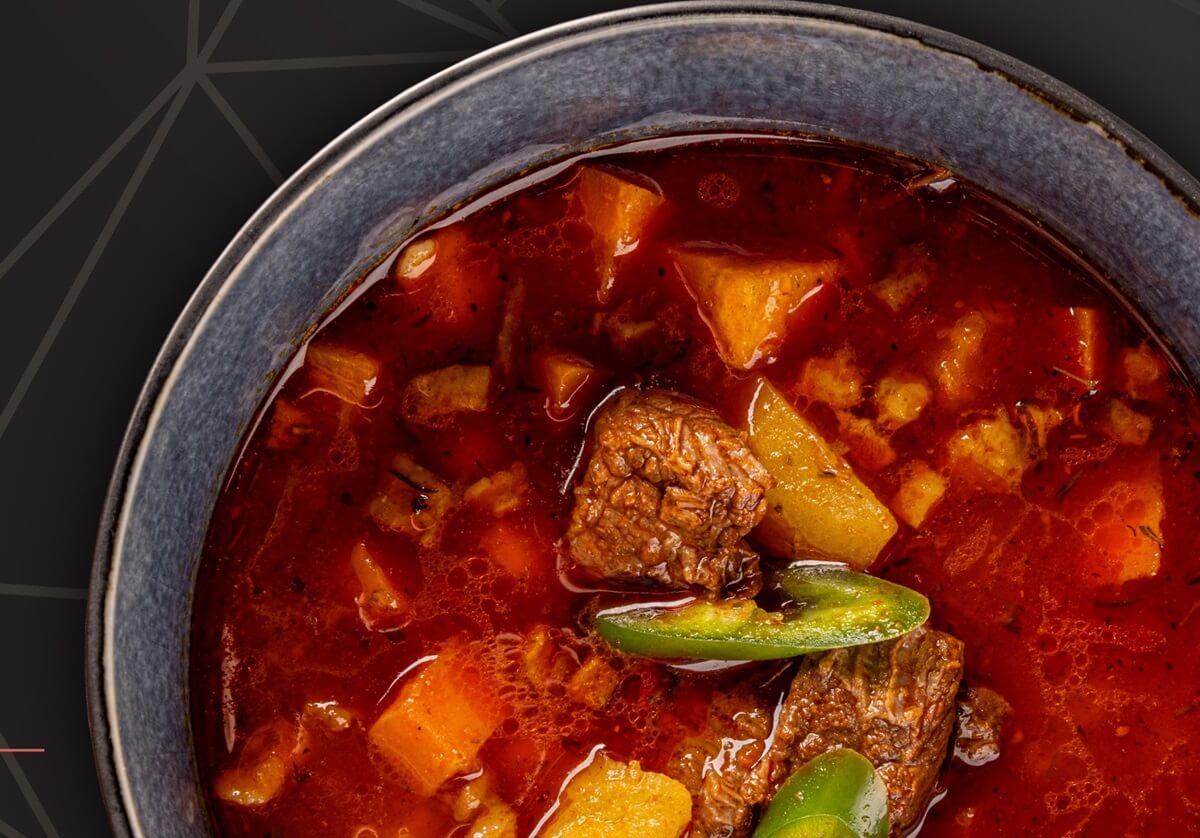
In Transylvania, Gulaș has become a well-established part of regional cuisine. Although it shares historical roots with Hungarian goulash, Romanian versions often feature local seasonings, vegetables, and cooking techniques that give the stew its own distinctive character.
You’ll also encounter Găluște, delicate dumplings made from semolina or flour. Depending on the recipe, they are served in clear chicken soup, paired with stews, or enjoyed as part of comforting homemade meals.
Other authentic Romanian foods beginning with G include Găluște cu Prune (plum dumplings), Gogoșari în Oțet (pickled red peppers), Gogoșari Umpluți (stuffed pickled peppers), Grătar Mixt (mixed grilled meats), Gris cu Lapte (semolina pudding), Gem de Prune (plum preserve), Gem de Caise (apricot jam), and Găină cu Tăiței (chicken noodle soup).
Together, these specialties reveal the balance of tradition, regional influence, and seasonal ingredients that defines Romanian cuisine.
Benefits of Learning Romanian Foods Beginning With G
- Complete your Romanian food vocabulary from A to Z.
- Discover authentic regional Romanian specialties.
- Learn about Transylvanian and traditional Romanian cooking.
- Explore vegetable dishes, soups, desserts, dumplings, and grilled meats.
- Recognize authentic foods served throughout Romania.
- Improve confidence when reading Romanian restaurant menus.
- Strengthen memory through alphabetical learning.
- Prepare for travel by identifying local specialties.
- Support classroom and worksheet activities.
- Learn about Romania’s diverse culinary heritage.
- Find inspiration for cooking authentic Romanian recipes.
- Experience both sweet and savory Romanian foods.
- Develop a deeper appreciation for Eastern European cuisine.
Romanian Foods That Start With G
The foods beginning with G represent an excellent cross-section of Romanian cooking. Fresh vegetables, homemade pastries, hearty stews, grilled meats, and comforting dumplings all appear under this letter.
Many of these recipes remain closely connected to Romania’s agricultural traditions, where seasonal produce and locally sourced ingredients continue to shape everyday cooking. Whether prepared in mountain villages or bustling cities, these dishes remain staples of Romanian family life.

Romanian Doughnuts
Gogoși
Syllable: go-GOSH
Pronunciation: Gogoși
- Romanian doughnuts are soft and fluffy. – Gogoșile sunt moi și pufoase.
- We enjoyed Romanian doughnuts for breakfast. – Am mâncat gogoși la micul dejun.
- My grandmother fries gogoși every weekend. – Bunica mea prăjește gogoși în fiecare weekend.

Doughnuts with Jam
Gogoși cu Gem
Syllable: go-GOSH koo JEM
Pronunciation: Gogoși cu Gem
- Doughnuts with jam are sweet and delicious. – Gogoșile cu gem sunt dulci și gustoase.
- We served doughnuts with jam for dessert. – Am servit gogoși cu gem la desert.
- My children love gogoși cu gem. – Copiilor mei le plac gogoșile cu gem.
Romanian Dumplings
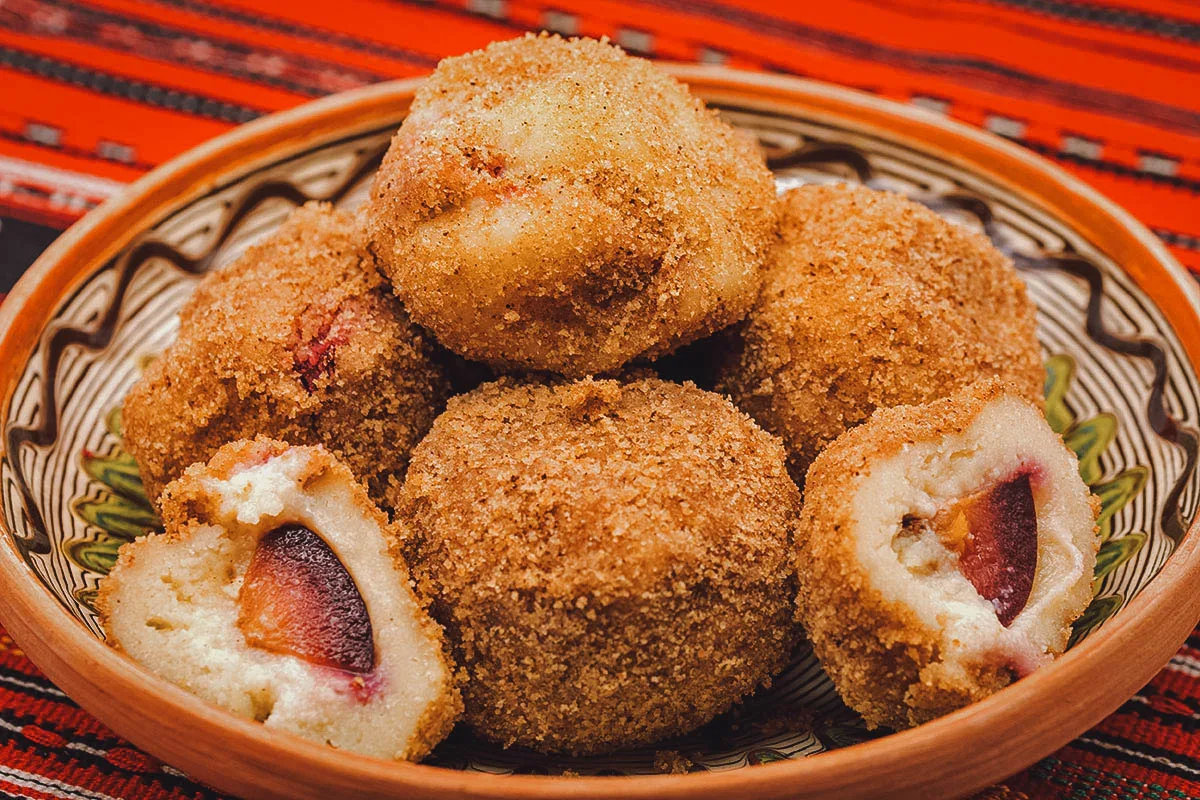
Găluște
Syllable: guh-LOOSH-teh
Pronunciation: Găluște
- Romanian dumplings are soft and filling. – Găluștele sunt moi și sățioase.
- We served Romanian dumplings with soup. – Am servit găluște cu supă.
- My family enjoys găluște every Sunday. – Familia mea mănâncă găluște în fiecare duminică.

Plum Dumplings
Găluște cu Prune
Syllable: guh-LOOSH-teh koo PROO-neh
Pronunciation: Găluște cu Prune
- Plum dumplings are sweet and delicious. – Găluștele cu prune sunt dulci și gustoase.
- We ate plum dumplings for dessert. – Am mâncat găluște cu prune la desert.
- My grandmother prepares găluște cu prune every autumn. – Bunica mea pregătește găluște cu prune în fiecare toamnă.

Semolina Dumplings
Găluște de Griș
Syllable: guh-LOOSH-teh deh GREESH
Pronunciation: Găluște de Griș
- Semolina dumplings are light and tender. – Găluștele de griș sunt ușoare și fragede.
- We added semolina dumplings to the soup. – Am adăugat găluște de griș în supă.
- My mother often cooks găluște de griș. – Mama mea gătește des găluște de griș.
Transylvanian Goulash
Gulaș Ardelenesc
Syllable: goo-LASH ar-deh-LEH-nesk
Pronunciation: Gulaș Ardelenesc
- Transylvanian goulash is rich and hearty. – Gulașul ardelenesc este bogat și sățios.
- We enjoyed Transylvanian goulash for dinner. – Am mâncat gulaș ardelenesc la cină.
- My father cooks gulaș ardelenesc on cold days. – Tatăl meu gătește gulaș ardelenesc în zilele reci.

Romanian Vegetable Stew
Ghiveci
Syllable: gee-VECH
Pronunciation: Ghiveci
- Romanian vegetable stew is healthy and flavorful. – Ghiveciul este sănătos și gustos.
- We served Romanian vegetable stew with bread. – Am servit ghiveci cu pâine.
- My family enjoys ghiveci in summer. – Familia mea mănâncă ghiveci vara.
Monastery Vegetable Stew
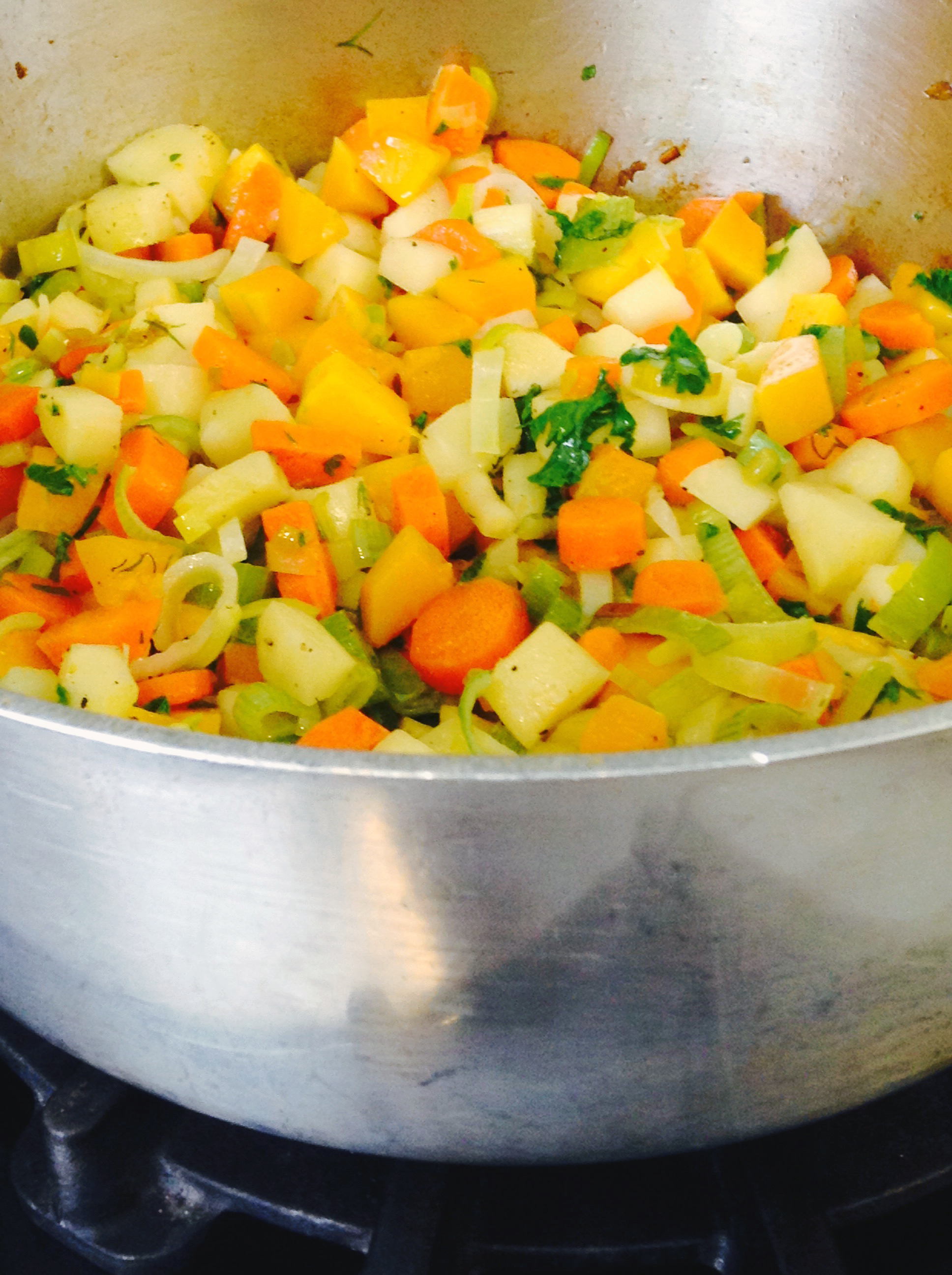
Ghiveci Călugăresc
Syllable: gee-VECH kuh-loo-guh-RESK
Pronunciation: Ghiveci Călugăresc
- Monastery vegetable stew is simple and nutritious. – Ghiveciul călugăresc este simplu și hrănitor.
- We prepared monastery vegetable stew for lunch. – Am pregătit ghiveci călugăresc la prânz.
- My grandmother often makes ghiveci călugăresc. – Bunica mea face des ghiveci călugăresc.
Mixed Vegetable Stew
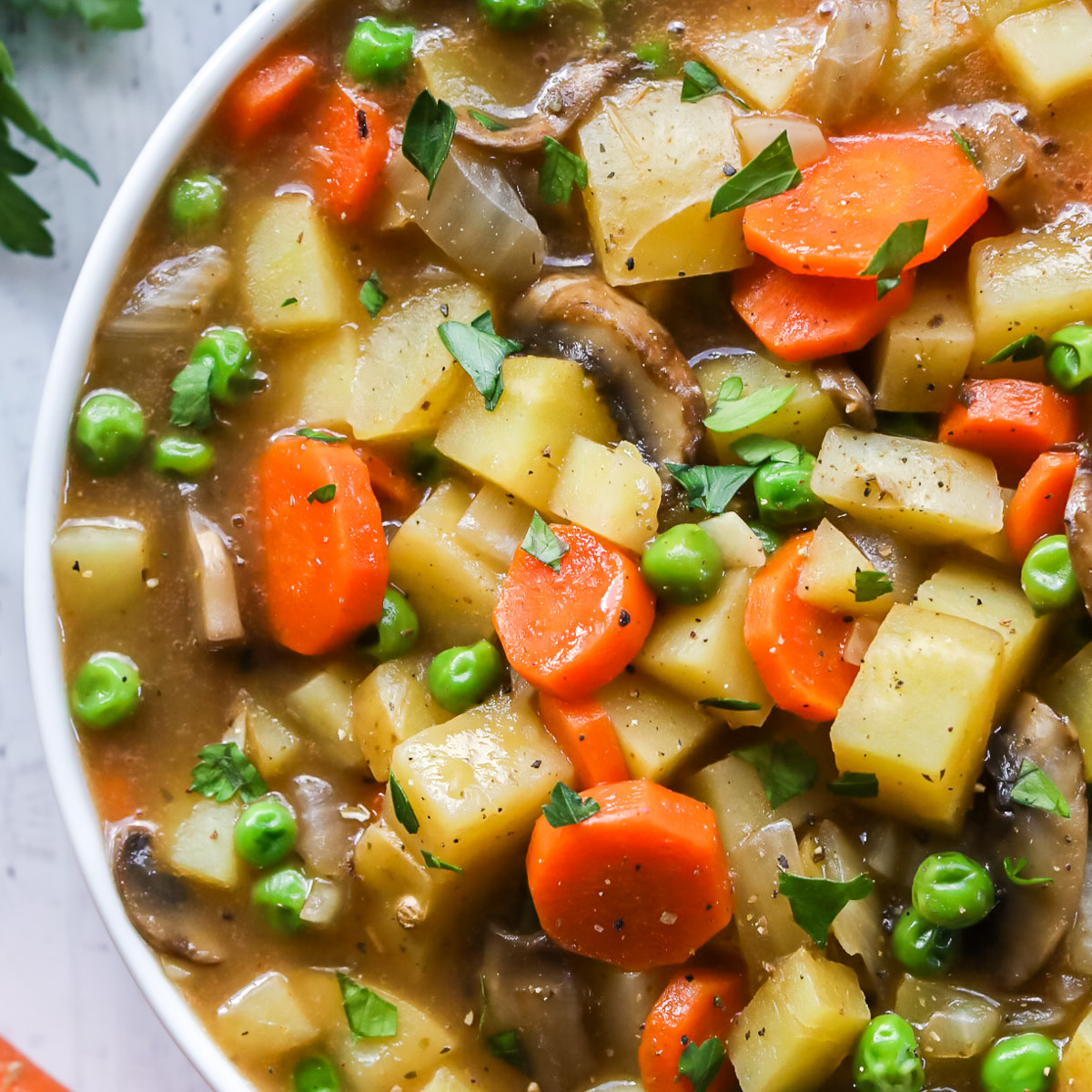
Ghiveci de Legume
Syllable: gee-VECH deh leh-GOO-meh
Pronunciation: Ghiveci de Legume
- Mixed vegetable stew is colorful and delicious. – Ghiveciul de legume este colorat și gustos.
- We ate mixed vegetable stew for dinner. – Am mâncat ghiveci de legume la cină.
- My mother cooks ghiveci de legume every week. – Mama mea gătește ghiveci de legume în fiecare săptămână.
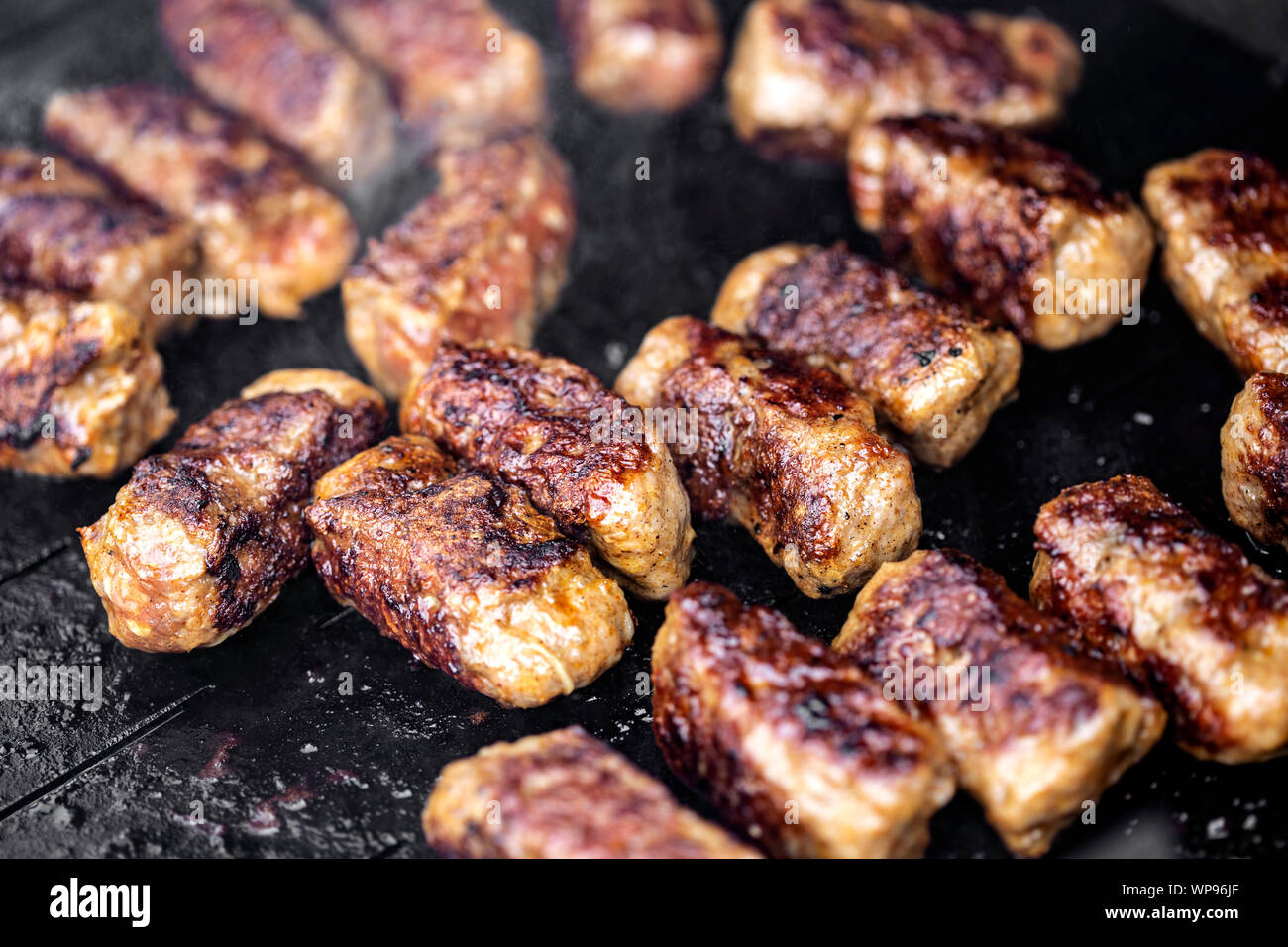
Grilled Mici
Grătar de Mititei
Syllable: gruh-TAR deh mee-tee-TAY
Pronunciation: Grătar de Mititei
- Grilled mici are smoky and juicy. – Mititeii la grătar sunt aromați și suculenți.
- We cooked grilled mici for a picnic. – Am făcut mititei la grătar pentru un picnic.
- My friends love grătar de mititei. – Prietenii mei adoră grătarul de mititei.

Grilled Chicken
Grătar de Pui
Syllable: gruh-TAR deh POOY
Pronunciation: Grătar de Pui
- Grilled chicken is juicy and flavorful. – Puiul la grătar este suculent și gustos.
- We served grilled chicken with salad. – Am servit pui la grătar cu salată.
- My brother enjoys grătar de pui every weekend. – Fratelui meu îi place puiul la grătar în fiecare weekend.
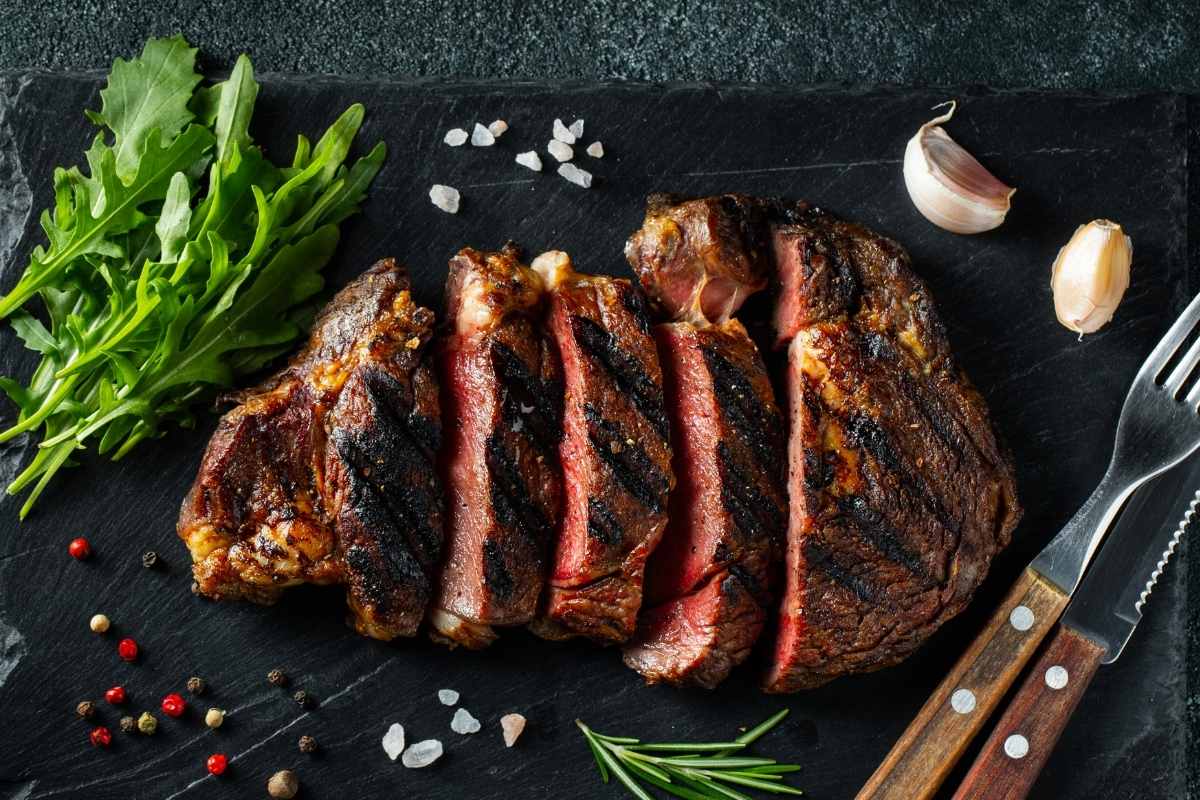
Grilled Beef
Grătar de Vită
Syllable: gruh-TAR deh VEE-tuh
Pronunciation: Grătar de Vită
- Grilled beef is tender and delicious. – Vita la grătar este fragedă și gustoasă.
- We enjoyed grilled beef for dinner. – Am mâncat vită la grătar la cină.
- My father prepares grătar de vită on holidays. – Tatăl meu pregătește vită la grătar de sărbători.

Traditional Peasant Platter
Gustare Țărănească
Syllable: goos-TAH-reh tsuh-ruh-NEAS-kuh
Pronunciation: Gustare Țărănească
- The traditional peasant platter has many local foods. – Gustarea țărănească are multe produse locale.
- We shared a traditional peasant platter with friends. – Am împărțit o gustare țărănească cu prietenii.
- My family orders gustare țărănească at traditional restaurants. – Familia mea comandă gustare țărănească la restaurante tradiționale.
Romanian Cuisine Blends Local Traditions With Regional Influences
Romania’s location at the crossroads of Central and Southeastern Europe has helped shape one of the region’s most diverse culinary traditions.
Ghiveci highlights the country’s abundance of fresh vegetables, while Gogoși showcase Romania’s love of homemade sweets. Gulaș reflects centuries of cultural exchange in Transylvania, and Găluște demonstrate the importance of simple, comforting recipes that have been passed from generation to generation.
Together, these authentic specialties show how Romanian cuisine embraces both local traditions and neighboring influences without losing its own unique identity.
Practice Activities
- Learn five Romanian foods beginning with G.
- Practice pronouncing each Romanian food name.
- Create illustrated flashcards for every dish.
- Match foods with their primary ingredients.
- Read authentic Romanian recipes.
- Watch Romanian cooking demonstrations.
- Organize foods into soups, stews, desserts, grilled dishes, and dumplings.
- Research the history of Gogoși and Ghiveci.
- Visit a Romanian restaurant and identify foods beginning with G.
- Keep an A-to-Z Romanian food journal.
- Try making Gogoși or Ghiveci at home.
- Compare Romanian dishes with neighboring Balkan and Central European cuisines.
- Share your favorite Romanian discovery with friends.
- Test your knowledge using the worksheet.
Continue Your Romanian Food Alphabet Journey!
The letter G offers another flavorful chapter in Romania’s culinary story. From hearty Ghiveci and fluffy Gogoși to comforting Găluște and regional Gulaș, these authentic dishes celebrate Romania’s agricultural traditions, regional diversity, and enduring love of homemade food.
Which Romanian food beginning with G would you most like to try? Share your favorite in the comments, recommend another authentic G specialty, and continue exploring the Romanian food alphabet one delicious letter at a time.