
Few letters capture the heart of Romanian cuisine quite like C. From comforting sour soups and festive holiday breads to smoky sausages and centuries-old ceremonial desserts, the letter represents recipes that have shaped Romanian food culture for generations.
Many of these dishes are more than everyday meals—they are tied to family celebrations, religious holidays, village traditions, and regional identities. Whether served in the Carpathian Mountains, the plains of Wallachia, or the monasteries of Moldavia, these foods continue to tell the story of Romania’s culinary heritage.
This guide explores authentic Romanian foods that start with C, introducing traditional recipes, regional specialties, and cultural favorites enjoyed across the country.
C Celebrates Romania’s Most Recognizable Culinary Traditions
The letter C features several of Romania’s most iconic dishes, many of which are considered essential parts of the national cuisine.
One of the country’s signature foods is Ciorbă, a category of sour soups prepared with vegetables, herbs, and meat or fish. Depending on the recipe, the soup may be flavored with fermented wheat bran (borș), lemon juice, or vinegar. Popular varieties include Ciorbă de Burtă (tripe soup), Ciorbă de Perișoare (meatball soup), and Ciorbă de Pui (chicken soup).
Another beloved classic is Cozonac, Romania’s traditional sweet yeast bread. Filled with walnuts, cocoa, Turkish delight, raisins, or poppy seeds, Cozonac is baked for Christmas, Easter, and other important family celebrations.
Meat lovers will quickly recognize Cârnați, Romanian sausages seasoned with garlic, paprika, black pepper, and herbs. Regional recipes vary throughout the country, with some smoked over hardwood while others are grilled fresh and served with mustard and bread.
One of Romania’s oldest ceremonial foods is Colivă, a dessert made from boiled wheat berries mixed with walnuts, sugar, vanilla, and cinnamon before being decorated with cocoa or powdered sugar. Although primarily associated with Orthodox memorial traditions, it remains an important part of Romanian cultural heritage.
Other authentic Romanian foods beginning with C include Ciulama (creamy chicken or mushroom stew), Cașcaval Pane (fried cheese), Caș (fresh cheese), Clătite (Romanian pancakes), Chiftele (meat patties), Covrigi (Romanian pretzels), Ciolan Afumat (smoked pork knuckle), and Chec (marble sponge cake).
Together, these specialties reveal the remarkable diversity of Romanian cuisine, where simple ingredients are transformed into flavorful dishes through traditional techniques.
Benefits of Learning Romanian Foods Beginning With C
- Expand your Romanian food vocabulary from A to Z.
- Discover authentic regional Romanian specialties.
- Learn about traditional Romanian cooking methods.
- Explore soups, breads, desserts, cheeses, and meat dishes.
- Recognize iconic foods served throughout Romania.
- Improve confidence when reading Romanian restaurant menus.
- Strengthen memory through alphabetical learning.
- Prepare for travel by identifying local specialties.
- Support classroom and worksheet activities.
- Learn about Romania’s rich culinary heritage.
- Find inspiration for cooking authentic Romanian recipes.
- Experience both sweet and savory Romanian cuisine.
- Develop a deeper appreciation for Eastern European food culture.
Romanian Foods That Start With C
Foods beginning with C showcase nearly every aspect of Romanian cooking—from hearty soups and festive baked goods to street food favorites and traditional dairy products.
Many of these recipes have been passed from one generation to the next, preserving techniques that date back hundreds of years. Today, they continue to appear at family tables, holiday feasts, village festivals, and local bakeries across Romania.
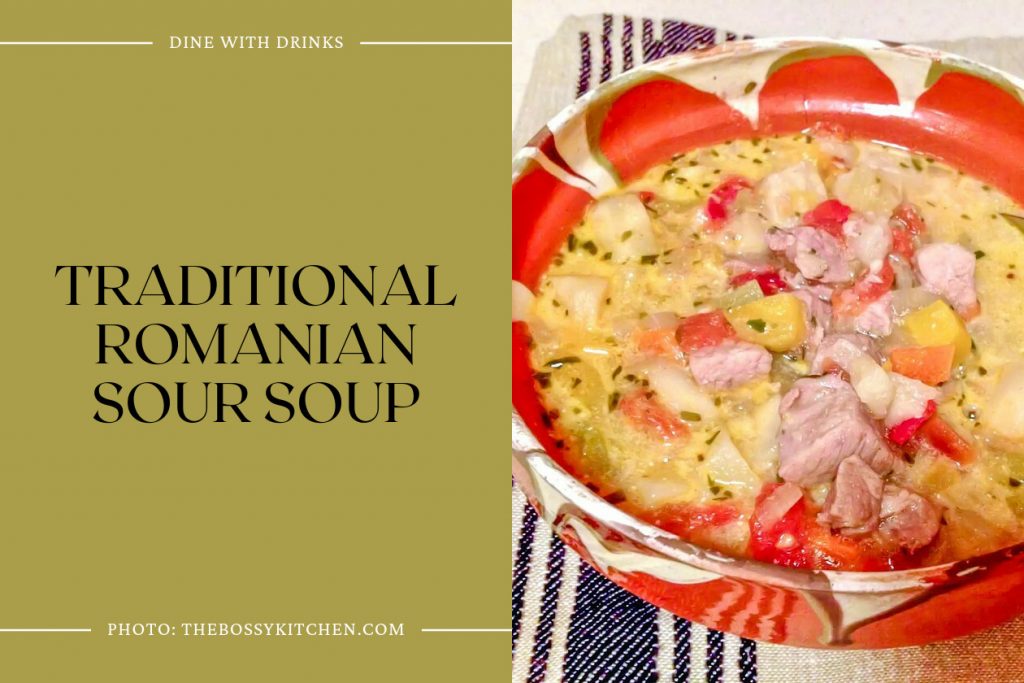
Traditional Romanian Sour Soup
Ciorbă
Syllable: CHOR-buh
Pronunciation: Ciorbă
- Traditional Romanian sour soup is rich and comforting. – Ciorba este gustoasă și hrănitoare.
- We enjoyed traditional Romanian sour soup for lunch. – Am mâncat ciorbă la prânz.
- My grandmother cooks ciorbă every weekend. – Bunica mea gătește ciorbă în fiecare weekend.
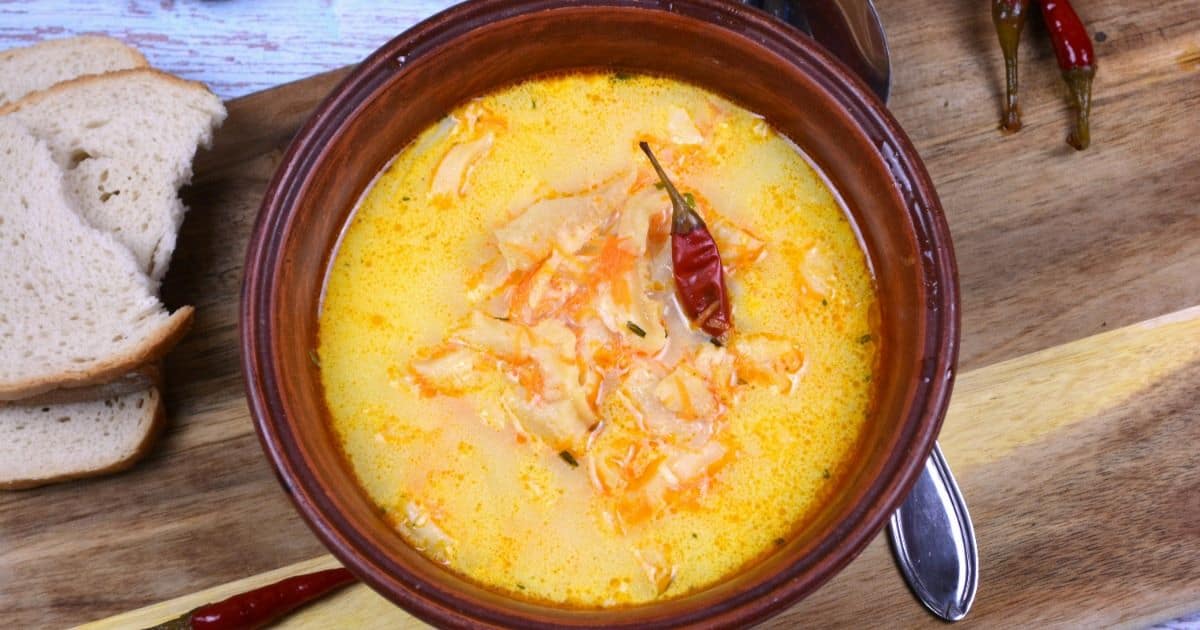
Tripe Sour Soup
Ciorbă de Burtă
Syllable: CHOR-buh deh BOOR-tuh
Pronunciation: Ciorbă de Burtă
- Tripe sour soup is creamy and flavorful. – Ciorba de burtă este cremoasă și gustoasă.
- We served tripe sour soup for dinner. – Am servit ciorbă de burtă la cină.
- My father enjoys ciorbă de burtă with bread. – Tatăl meu mănâncă ciorbă de burtă cu pâine.

Meatball Sour Soup
Ciorbă de Perișoare
Syllable: CHOR-buh deh peh-ree-SHOA-reh
Pronunciation: Ciorbă de Perișoare
- Meatball sour soup is hearty and delicious. – Ciorba de perișoare este sățioasă și gustoasă.
- We prepared meatball sour soup for lunch. – Am pregătit ciorbă de perișoare la prânz.
- My family loves ciorbă de perișoare. – Familia mea adoră ciorba de perișoare.

Bean Sour Soup
Ciorbă de Fasole
Syllable: CHOR-buh deh fah-SOH-leh
Pronunciation: Ciorbă de Fasole
- Bean sour soup is warm and filling. – Ciorba de fasole este caldă și sățioasă.
- We had bean sour soup with bread. – Am mâncat ciorbă de fasole cu pâine.
- My mother cooks ciorbă de fasole every week. – Mama mea gătește ciorbă de fasole în fiecare săptămână.

Vegetable Sour Soup
Ciorbă de Legume
Syllable: CHOR-buh deh leh-GOO-meh
Pronunciation: Ciorbă de Legume
- Vegetable sour soup is healthy and fresh. – Ciorba de legume este sănătoasă și proaspătă.
- We enjoyed vegetable sour soup for dinner. – Am mâncat ciorbă de legume la cină.
- My sister likes ciorbă de legume very much. – Sora mea iubește ciorba de legume.
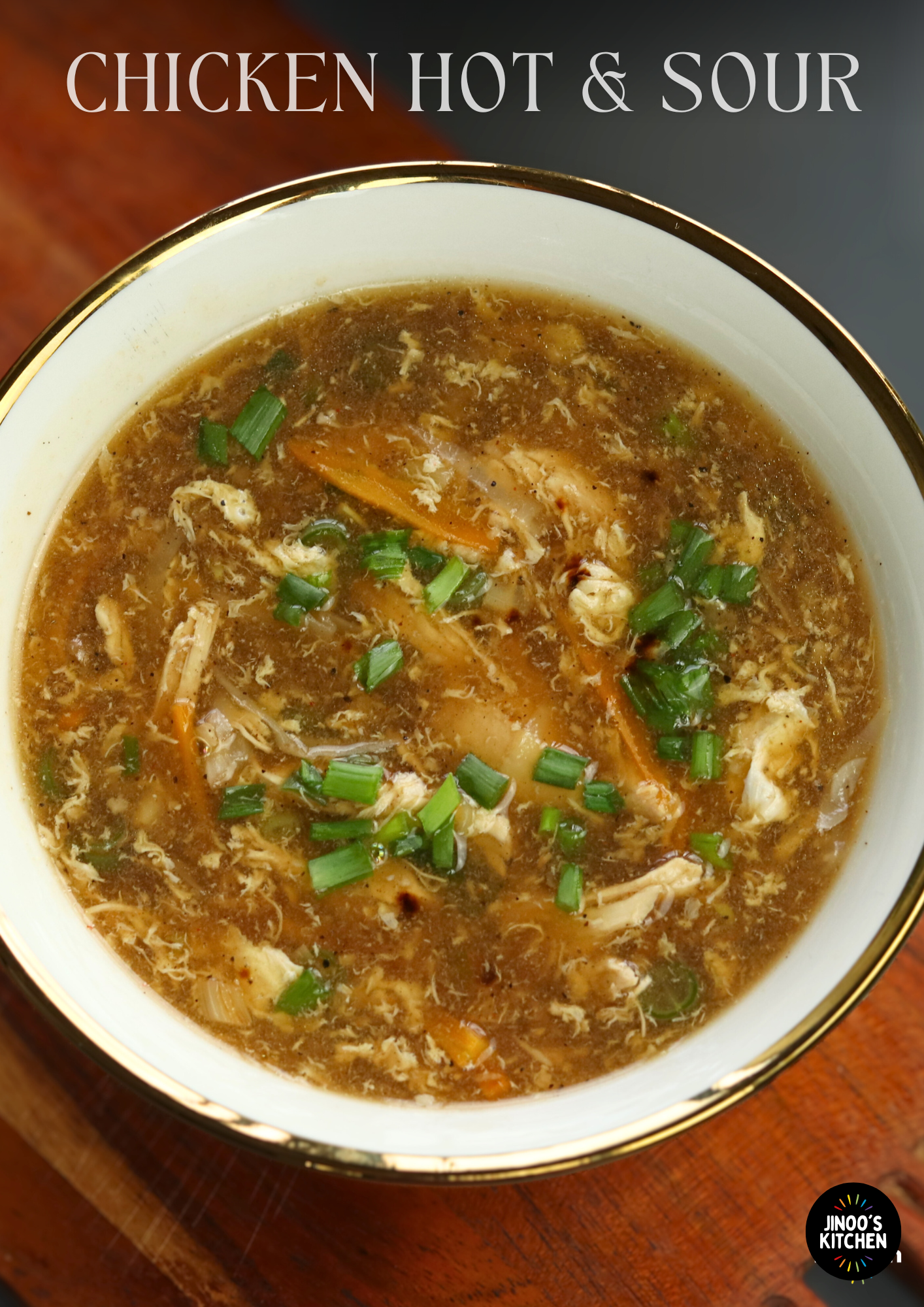
Chicken Sour Soup
Ciorbă de Pui
Syllable: CHOR-buh deh POOY
Pronunciation: Ciorbă de Pui
- Chicken sour soup is light and comforting. – Ciorba de pui este ușoară și hrănitoare.
- We served chicken sour soup for lunch. – Am servit ciorbă de pui la prânz.
- My children enjoy ciorbă de pui. – Copiilor mei le place ciorba de pui.

Fish Sour Soup
Ciorbă de Pește
Syllable: CHOR-buh deh PESH-teh
Pronunciation: Ciorbă de Pește
- Fish sour soup has a fresh flavor. – Ciorba de pește are un gust proaspăt.
- We cooked fish sour soup today. – Am gătit ciorbă de pește astăzi.
- My uncle prepares ciorbă de pește by the lake. – Unchiul meu gătește ciorbă de pește lângă lac.

Rădăuți Chicken Soup
Ciorbă Rădăuțeană
Syllable: CHOR-buh ruh-duh-oo-TSEAH-nuh
Pronunciation: Ciorbă Rădăuțeană
- Rădăuți chicken soup is creamy and delicious. – Ciorba Rădăuțeană este cremoasă și gustoasă.
- We enjoyed Rădăuți chicken soup at lunch. – Am mâncat ciorbă Rădăuțeană la prânz.
- My grandmother prepares ciorbă Rădăuțeană on Sundays. – Bunica mea pregătește ciorbă Rădăuțeană duminica.
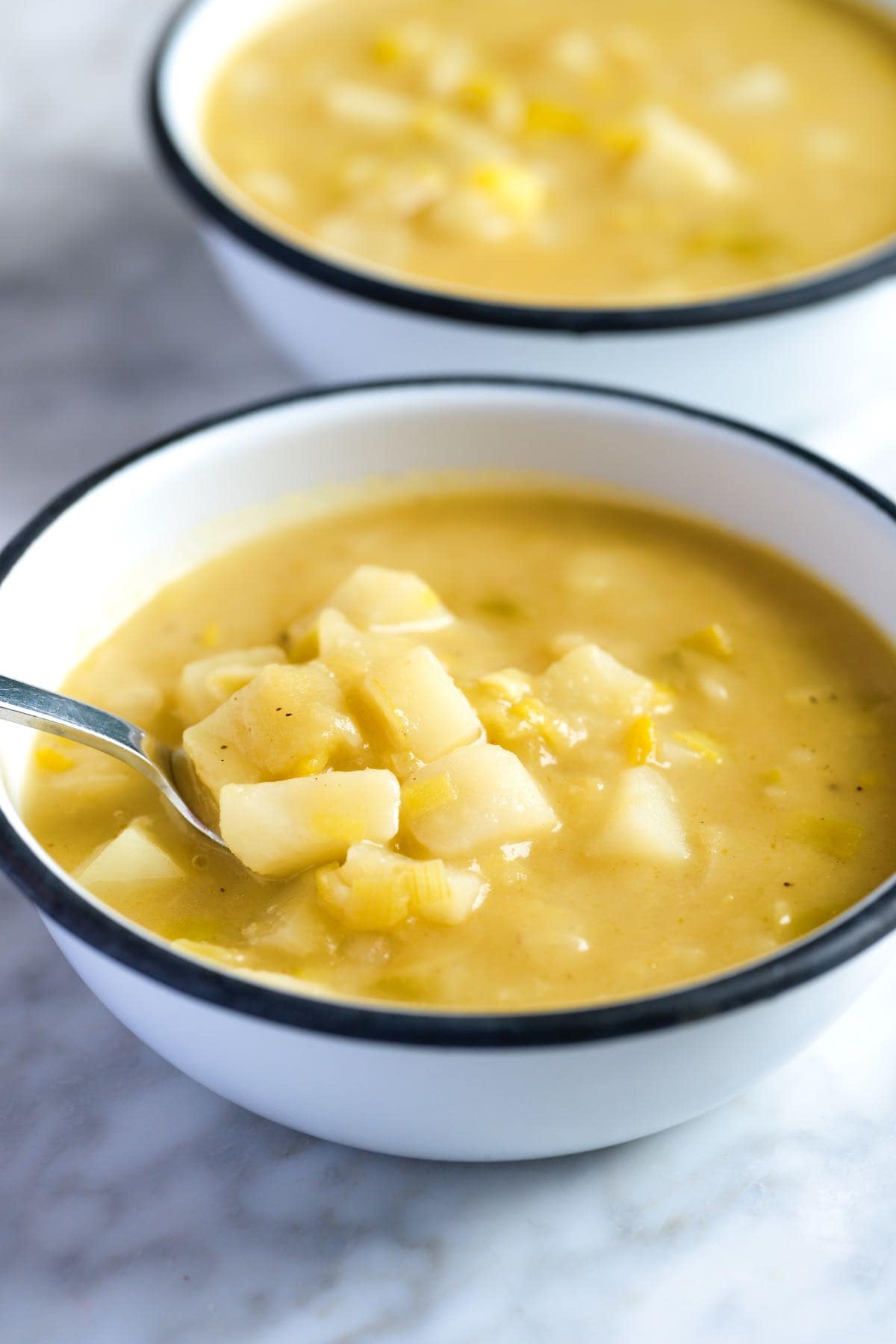
Leek Sour Soup
Ciorbă de Praz
Syllable: CHOR-buh deh PRAHZ
Pronunciation: Ciorbă de Praz
- Leek sour soup is mild and flavorful. – Ciorba de praz este delicată și gustoasă.
- We had leek sour soup for dinner. – Am mâncat ciorbă de praz la cină.
- My family enjoys ciorbă de praz in spring. – Familia mea se bucură de ciorbă de praz primăvara.

Sorrel Soup
Ciorbă de Ștevie
Syllable: CHOR-buh deh SHTEH-vee-eh
Pronunciation: Ciorbă de Ștevie
- Sorrel soup is fresh and tangy. – Ciorba de ștevie este proaspătă și acrișoară.
- We served sorrel soup for lunch. – Am servit ciorbă de ștevie la prânz.
- My mother cooks ciorbă de ștevie every spring. – Mama mea gătește ciorbă de ștevie în fiecare primăvară.

Traditional Offal Sausage
Caltaboș
Syllable: kal-tah-BOSH
Pronunciation: Caltaboș
- Traditional offal sausage is a classic Romanian specialty. – Caltaboșul este o specialitate românească tradițională.
- We served traditional offal sausage during the holidays. – Am servit caltaboș de sărbători.
- My grandfather makes caltaboș every winter. – Bunicul meu face caltaboș în fiecare iarnă.
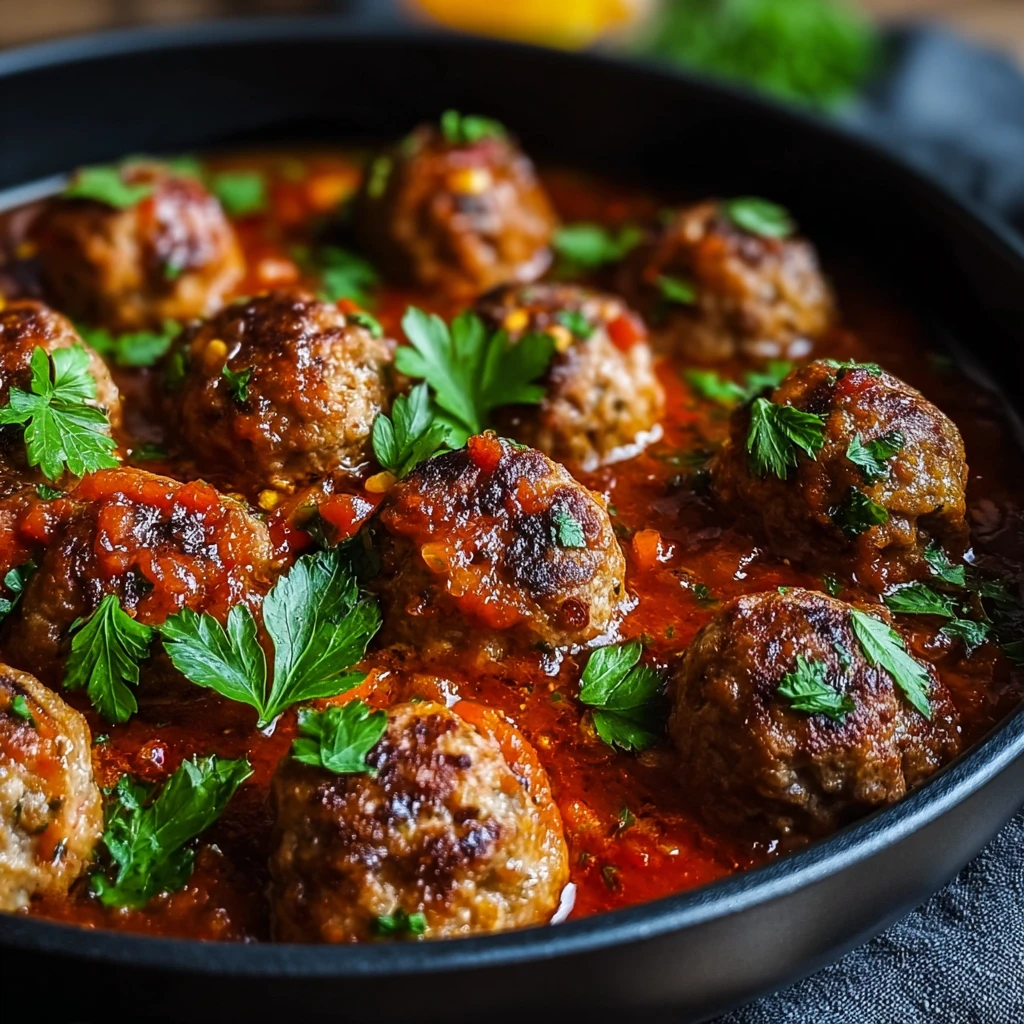
Romanian Meatballs
Chiftele
Syllable: keef-TEH-leh
Pronunciation: Chiftele
- Romanian meatballs are juicy and delicious. – Chiftelele sunt suculente și gustoase.
- We served Romanian meatballs with potatoes. – Am servit chiftele cu cartofi.
- My children love chiftele. – Copiii mei adoră chiftelele.

Fish Meatballs
Chiftele de Pește
Syllable: keef-TEH-leh deh PESH-teh
Pronunciation: Chiftele de Pește
- Fish meatballs are light and flavorful. – Chiftelele de pește sunt ușoare și gustoase.
- We cooked fish meatballs for dinner. – Am gătit chiftele de pește la cină.
- My father enjoys chiftele de pește. – Tatăl meu mănâncă cu plăcere chiftele de pește.
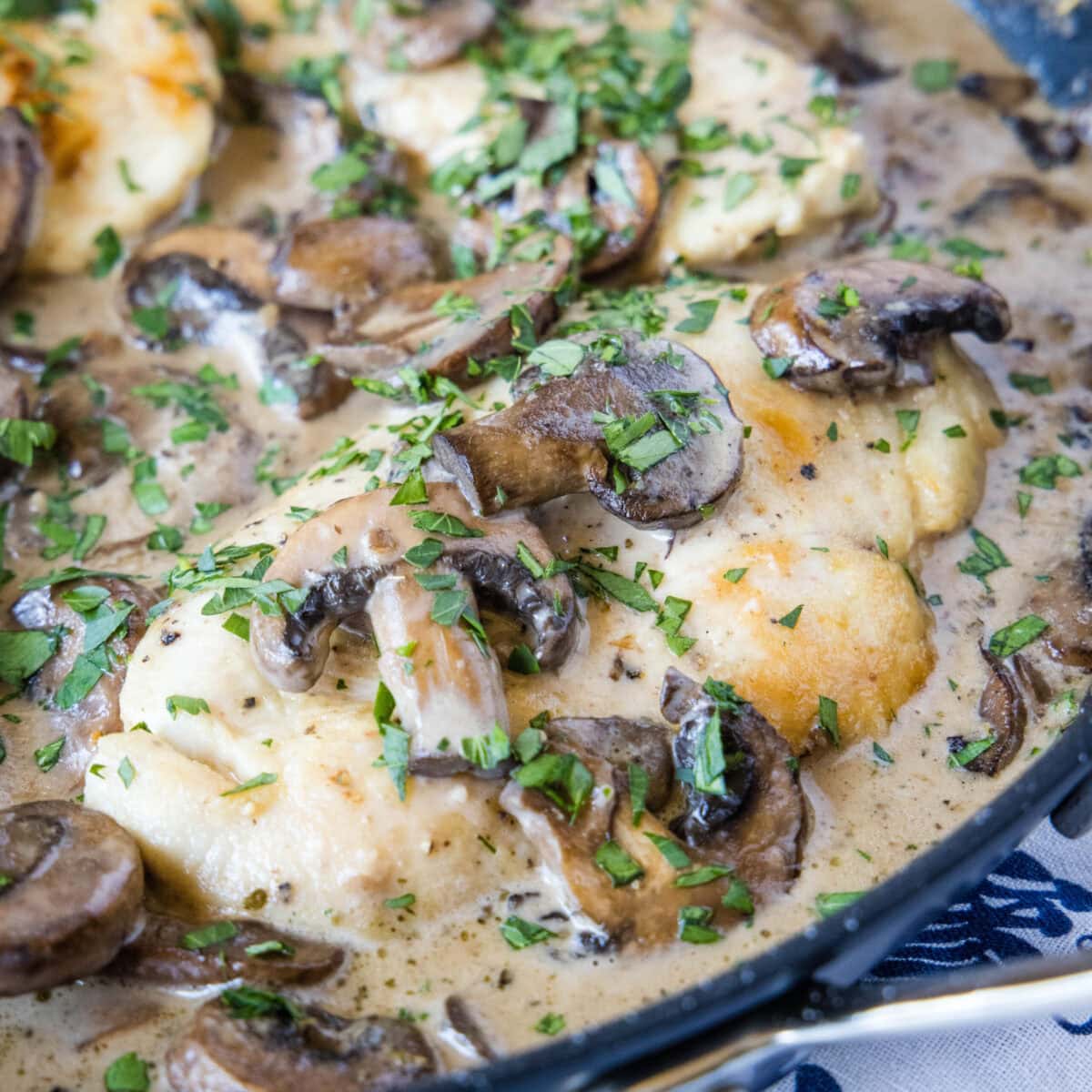
Chicken in White Mushroom Sauce
Ciulama de Pui
Syllable: choo-lah-MAH deh POOY
Pronunciation: Ciulama de Pui
- Chicken in white mushroom sauce is creamy and comforting. – Ciulamaua de pui este cremoasă și gustoasă.
- We served chicken in white mushroom sauce for lunch. – Am servit ciulama de pui la prânz.
- My family enjoys ciulama de pui every month. – Familia mea se bucură de ciulama de pui în fiecare lună.

Mushroom Ciulama
Ciulama de Ciuperci
Syllable: choo-lah-MAH deh choo-PERCH
Pronunciation: Ciulama de Ciuperci
- Mushroom ciulama is rich and creamy. – Ciulamaua de ciuperci este bogată și cremoasă.
- We ate mushroom ciulama with bread. – Am mâncat ciulama de ciuperci cu pâine.
- My mother cooks ciulama de ciuperci often. – Mama mea gătește des ciulama de ciuperci.
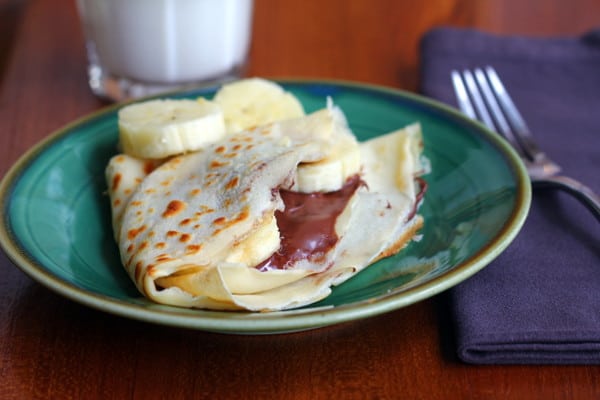
Romanian Crêpes
Clătite
Syllable: kluh-TEE-teh
Pronunciation: Clătite
- Romanian crêpes are thin and delicious. – Clătitele sunt subțiri și gustoase.
- We filled Romanian crêpes with jam. – Am umplut clătitele cu dulceață.
- My sister makes clătite every weekend. – Sora mea face clătite în fiecare weekend.

Sweet Boiled Wheat Dessert
Colivă
Syllable: koh-LEE-vuh
Pronunciation: Colivă
- Sweet boiled wheat dessert is traditional and flavorful. – Coliva este tradițională și gustoasă.
- We prepared sweet boiled wheat dessert for a family gathering. – Am pregătit colivă pentru întâlnirea familiei.
- My grandmother makes colivă with walnuts. – Bunica mea face colivă cu nuci.
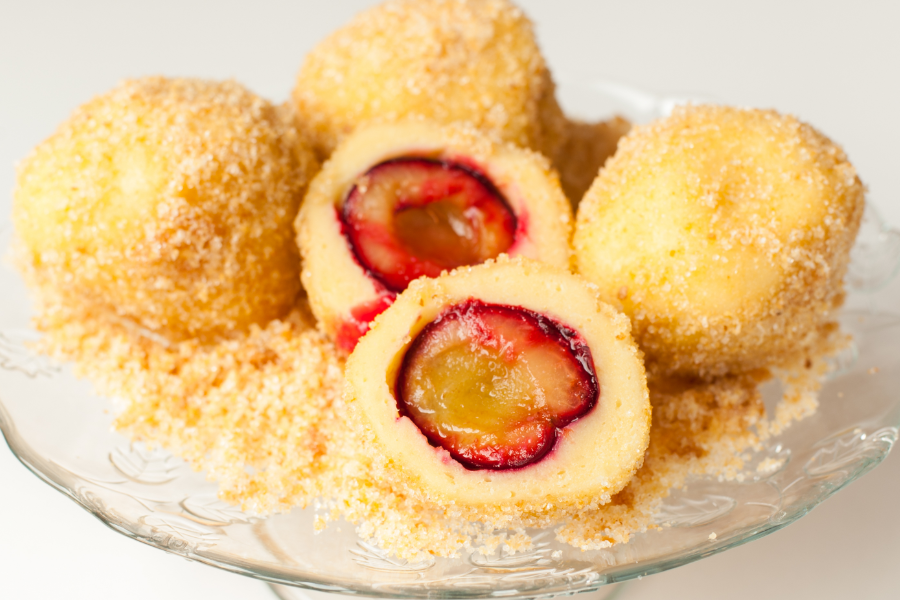
Romanian Dumplings
Colțunași
Syllable: kol-tsoo-NAHSH
Pronunciation: Colțunași
- Romanian dumplings are soft and satisfying. – Colțunașii sunt moi și sățioși.
- We served Romanian dumplings with sour cream. – Am servit colțunași cu smântână.
- My family enjoys colțunași on weekends. – Familia mea adoră colțunașii în weekend.

Traditional Sweet Bread
Cozonac
Syllable: koh-zoh-NAK
Pronunciation: Cozonac
- Traditional sweet bread is soft and fragrant. – Cozonacul este pufos și aromat.
- We baked traditional sweet bread for Easter. – Am copt cozonac pentru Paște.
- My grandmother makes cozonac every holiday. – Bunica mea face cozonac la fiecare sărbătoare.

Romanian Pretzels
Covrigi
Syllable: koh-VREEJ
Pronunciation: Covrigi
- Romanian pretzels are crispy outside and soft inside. – Covrigii sunt crocanți la exterior și moi în interior.
- We bought Romanian pretzels from a bakery. – Am cumpărat covrigi de la brutărie.
- My children enjoy covrigi after school. – Copiilor mei le plac covrigii după școală.
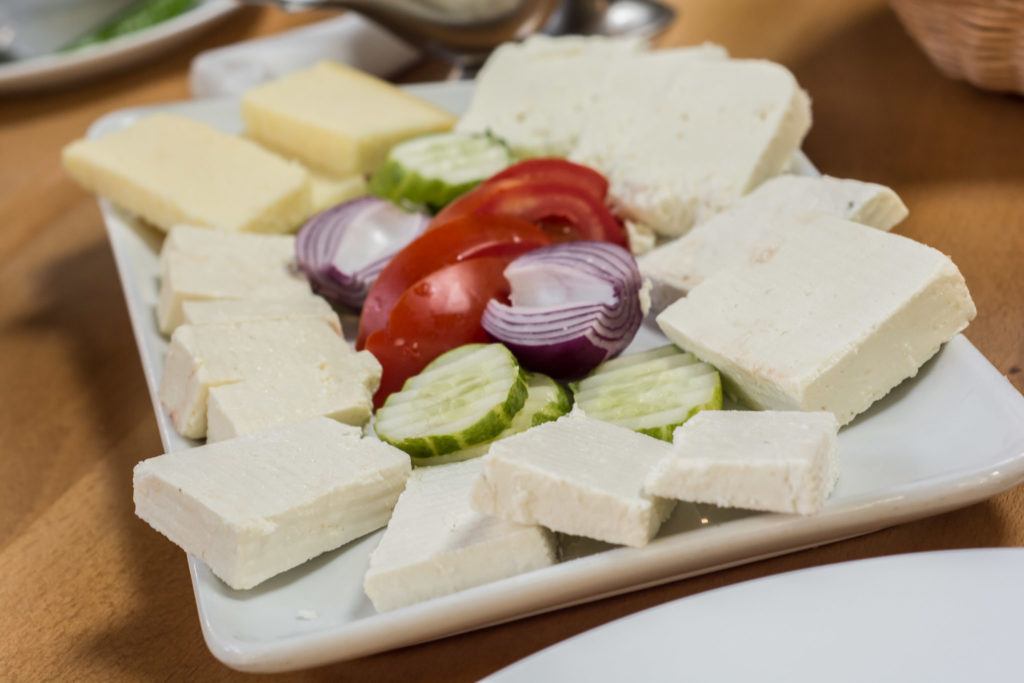
Fresh Romanian Cheese
Caș
Syllable: KASH
Pronunciation: Caș
- Fresh Romanian cheese is soft and mild. – Cașul este moale și delicat.
- We served fresh Romanian cheese with tomatoes. – Am servit caș cu roșii.
- My family buys fresh caș every week. – Familia mea cumpără caș proaspăt în fiecare săptămână.
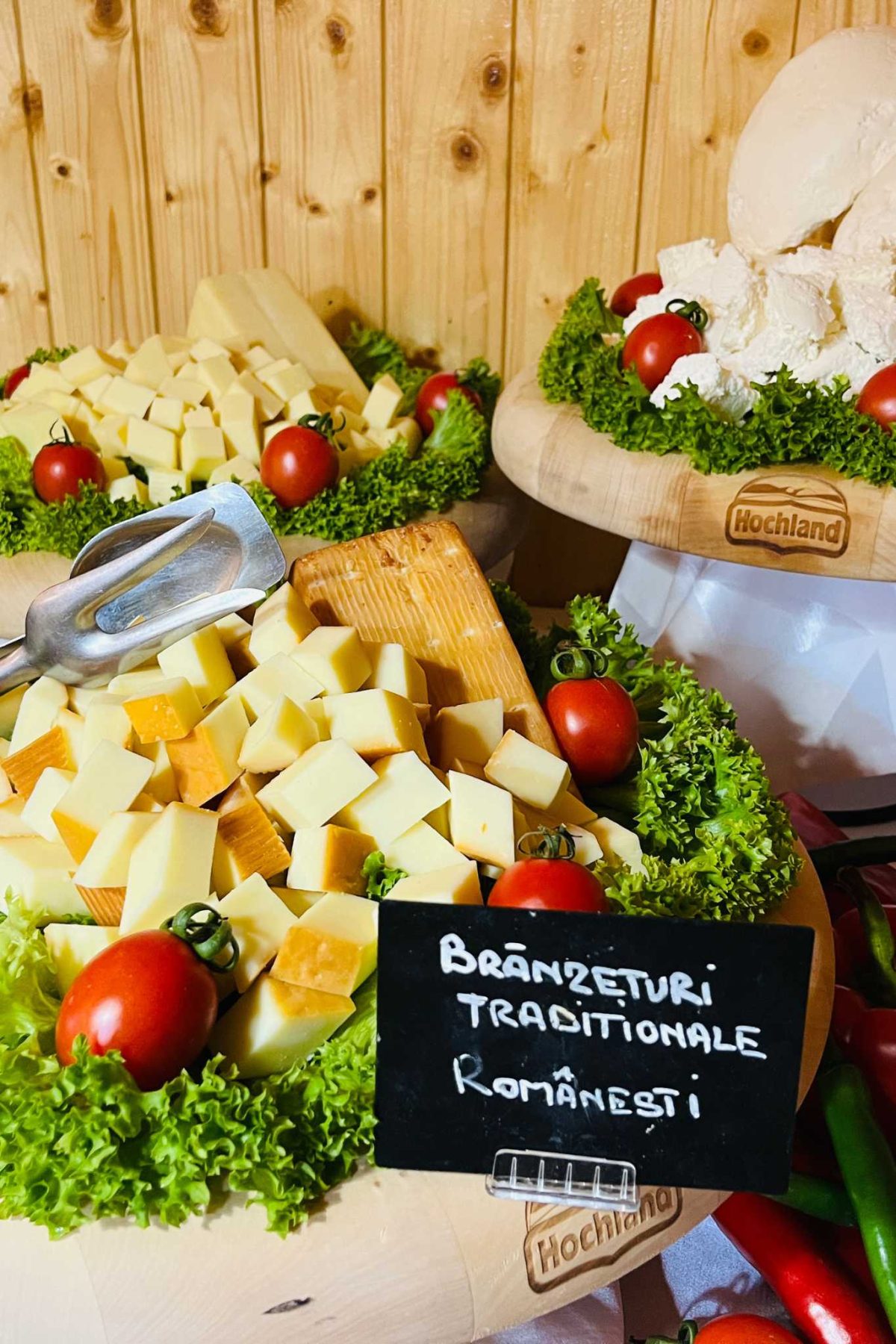
Romanian Yellow Cheese
Cașcaval
Syllable: kash-kah-VAL
Pronunciation: Cașcaval
- Romanian yellow cheese has a rich flavor. – Cașcavalul are un gust bogat.
- We sliced Romanian yellow cheese for sandwiches. – Am tăiat cașcaval pentru sandvișuri.
- My brother likes cașcaval with bread. – Fratelui meu îi place cașcavalul cu pâine.
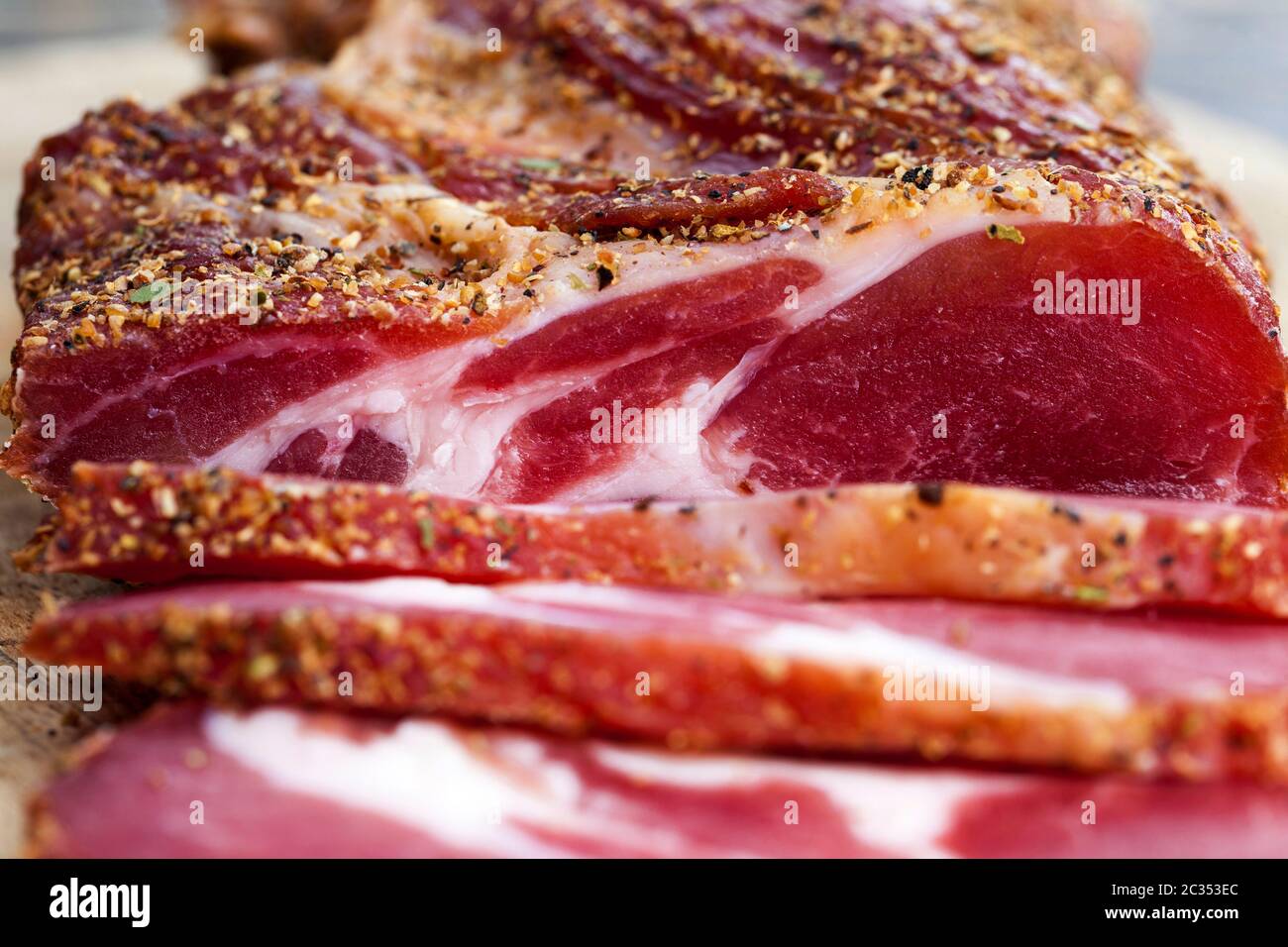
Meat Preserved in Lard
Carne la Garniță
Syllable: KAR-neh lah gar-NEE-tsuh
Pronunciation: Carne la Garniță
- Meat preserved in lard is a traditional Romanian specialty. – Carnea la garniță este o specialitate românească tradițională.
- We served meat preserved in lard with polenta. – Am servit carne la garniță cu mămăligă.
- My grandfather prepares carne la garniță every winter. – Bunicul meu pregătește carne la garniță în fiecare iarnă.
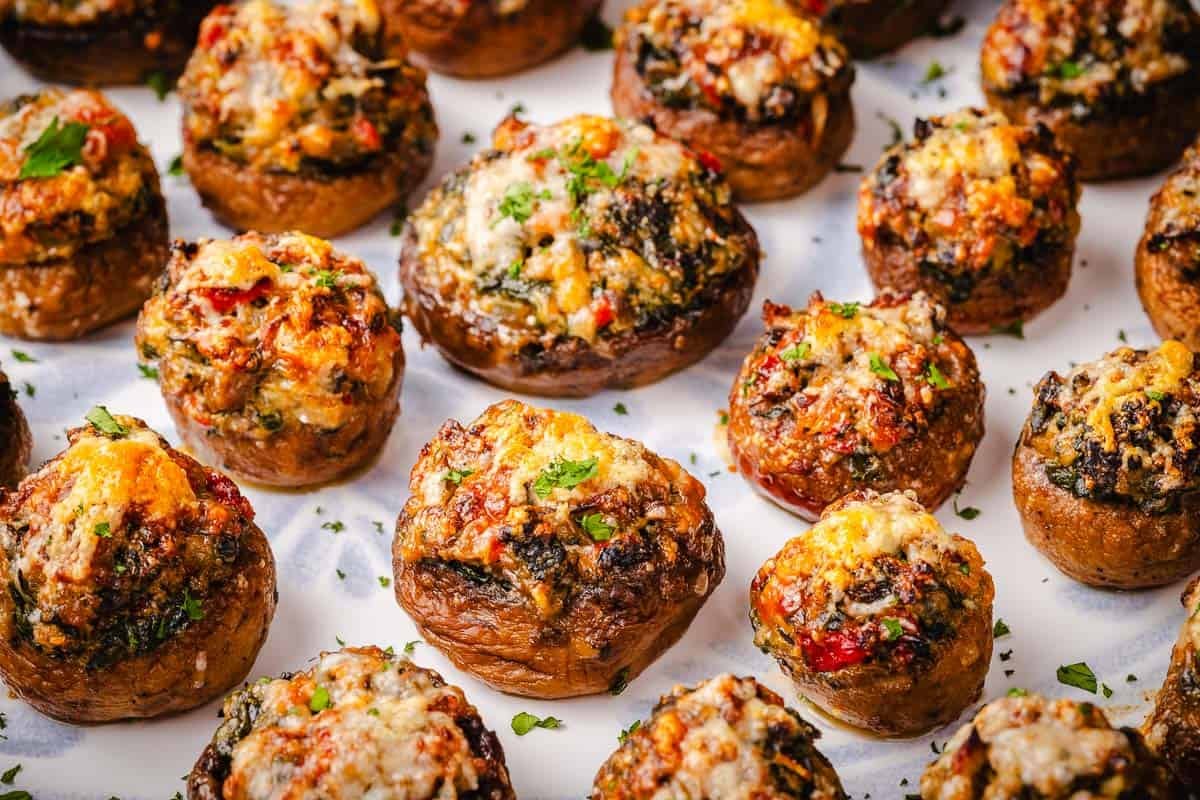
Stuffed Mushrooms
Ciuperci Umplute
Syllable: choo-PERCH oom-PLOO-teh
Pronunciation: Ciuperci Umplute
- Stuffed mushrooms are savory and delicious. – Ciupercile umplute sunt gustoase și aromate.
- We baked stuffed mushrooms for dinner. – Am copt ciuperci umplute la cină.
- My family enjoys ciuperci umplute on special occasions. – Familia mea se bucură de ciuperci umplute la ocazii speciale.
Romanian Cuisine Preserves Heritage Through Everyday Recipes
Romanian food is deeply rooted in tradition, with recipes often carrying stories of local communities, religious customs, and seasonal celebrations.
Ciorbă reflects the country’s love of nourishing homemade soups, while Cozonac symbolizes joy and celebration during major holidays. Cârnați showcase Romania’s regional sausage-making traditions, and Colivă represents one of the oldest culinary customs still practiced today.
Together, these dishes demonstrate how Romanian cuisine combines history, regional diversity, and wholesome ingredients into memorable meals that continue to unite families around the table.
Practice Activities
- Learn five Romanian foods beginning with C.
- Practice pronouncing each Romanian food name.
- Create illustrated flashcards for each dish.
- Match foods with their primary ingredients.
- Read authentic Romanian recipes.
- Watch Romanian cooking videos.
- Organize foods into soups, breads, desserts, cheeses, and meat dishes.
- Research the history of Ciorbă and Cozonac.
- Visit a Romanian restaurant and identify foods beginning with C.
- Keep an A-to-Z Romanian food notebook.
- Try making Clătite or Cozonac at home.
- Compare Romanian recipes with neighboring Balkan cuisines.
- Share your favorite Romanian discovery with friends.
- Test your knowledge using the worksheet.
Continue Your Romanian Food Alphabet Journey!
The letter C offers one of the richest collections of authentic Romanian foods. From comforting Ciorbă and festive Cozonac to flavorful Cârnați and traditional Colivă, these dishes celebrate Romania’s regional diversity, cultural heritage, and enduring love of homemade cooking.
Which Romanian food beginning with C would you be most excited to try? Share your favorite in the comments, recommend another authentic C specialty, and continue exploring the Romanian food alphabet one delicious letter at a time.