The letter M introduces a mouthwatering collection of authentic Danish foods, featuring traditional sausages, hearty beef dishes, creamy pork stews, and flavorful seafood salads. From classic Medisterpølse and comforting Millionbøf to rich Mørbradgryde and creamy Makrelsalat, these specialties showcase Denmark’s rich culinary heritage and timeless Nordic traditions.
Alongside favorites like Smørrebrød, Frikadeller, Rugbrød, and Flæskesteg, the foods beginning with M offer another exciting opportunity to explore authentic Danish cuisine.
This guide explores Danish foods that start with M, introducing traditional recipes, regional specialties, and classic dishes enjoyed throughout Denmark.
M Marks Some of Denmark’s Most Comforting Meals
The letter M contains many authentic Danish food names that reflect Denmark’s appreciation for hearty meats, seafood, creamy sauces, and practical family cooking.
One of the best-known examples is Medisterpølse, Denmark’s famous fresh pork sausage. Lightly seasoned with onions, cloves, allspice, and pepper, it is traditionally pan-fried or roasted and served with potatoes, brown gravy, red cabbage, or kale during the colder months and Christmas season.
Another beloved specialty is Millionbøf, a comforting dish made with finely minced beef cooked in a rich brown gravy with onions. The tiny pieces of meat resemble “millions” of beef crumbles, giving the dish its name. It is commonly served over mashed potatoes, rice, or pasta.
Pork lovers may already know Mørbradgryde, a creamy pork tenderloin stew prepared with mushrooms, onions, bacon, cream, and paprika. This hearty dish is a favorite family meal and is usually served with rice or potatoes.
You’ll also encounter Makrelsalat, a creamy mackerel salad made with smoked mackerel, mayonnaise, tomato puree, onions, and seasonings. It is commonly spread on rye bread as part of a traditional Danish Smørrebrød lunch.
Other authentic Danish foods beginning with M include Mormors Kødsuppe (grandmother’s meat soup), Mandelkage (almond cake), Mazarinkage (mazarin cake), Maltbrød (malt bread), Musselsuppe (mussel soup), Marcipanbrød (marzipan confection), Myntegelé (mint jelly), and Mørk Rugbrød (dark rye bread).
These foods show that the letter M offers an excellent introduction to authentic Danish cuisine.
Benefits of Learning Danish Foods Beginning With M
- Complete your Danish food vocabulary from A to Z.
- Discover authentic regional Danish specialties.
- Learn about traditional Nordic cooking.
- Explore sausages, stews, seafood, soups, breads, and desserts.
- Recognize iconic foods served across Denmark.
- Improve confidence when reading Danish restaurant menus.
- Strengthen memory through alphabetical learning.
- Prepare for travel by identifying local specialties.
- Support classroom and worksheet activities.
- Learn about Denmark’s rich culinary heritage.
- Find inspiration for cooking authentic Danish recipes at home.
- Experience both sweet and savory Danish foods.
- Develop a deeper appreciation for Danish cuisine.
Danish Foods That Start With M
The list below features Danish foods beginning with the letter M, including sausages, stews, seafood dishes, soups, breads, desserts, and regional favorites enjoyed throughout Denmark.
The letter M represents an impressive variety of Danish culinary traditions. You’ll find pork, beef, mackerel, mushrooms, potatoes, marzipan, almonds, rye, onions, cream, and fresh local ingredients appearing throughout the collection.
Many of these dishes have been enjoyed for generations and remain staples in Danish homes, cafés, restaurants, and holiday gatherings. Their enduring popularity reflects Denmark’s appreciation for quality ingredients, practical cooking, and comforting meals.
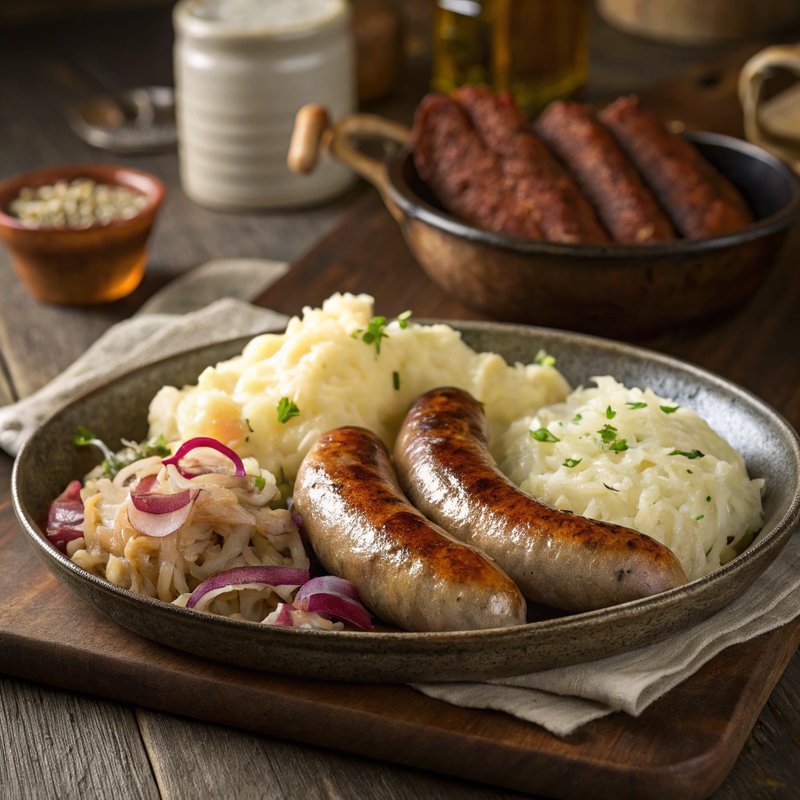
Danish Sausage (Pork-Free)
Medisterfri Pølse
Syllable: MEH-dis-ter-free PUHL-suh
Pronunciation: Medisterfri Pølse
- The Danish pork-free sausage is flavorful. – Den medisterfri pølse er velsmagende.
- We served the pork-free sausage for dinner. – Vi serverede medisterfri pølse til aftensmad.
- My family enjoys medisterfri pølse on weekends. – Min familie nyder medisterfri pølse i weekenden.

Almond Cake
Mandelkage
Syllable: MAN-del-kay
Pronunciation: Mandelkage
- Almond cake is soft and delicious. – Mandelkage er blød og lækker.
- We enjoyed almond cake with coffee. – Vi nød mandelkage til kaffen.
- My grandmother bakes almond cake every month. – Min bedstemor bager mandelkage hver måned.
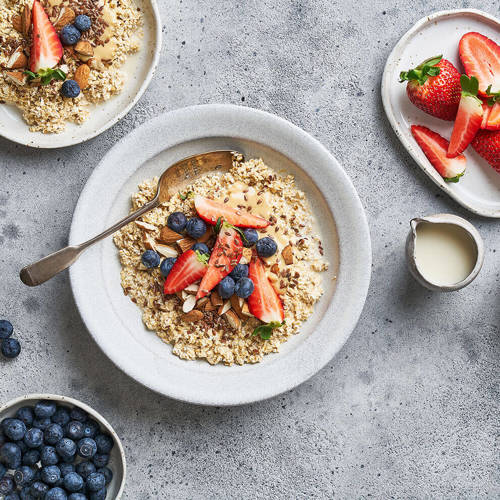
Almond Porridge
Mandelgrød
Syllable: MAN-del-gruth
Pronunciation: Mandelgrød
- Almond porridge is warm and creamy. – Mandelgrød er varm og cremet.
- We ate almond porridge for breakfast. – Vi spiste mandelgrød til morgenmad.
- My mother prepares almond porridge in winter. – Min mor laver mandelgrød om vinteren.

Mussel Soup
Muslingesuppe
Syllable: MOOS-ling-eh-soo-buh
Pronunciation: Muslingesuppe
- Mussel soup is rich and flavorful. – Muslingesuppe er fyldig og velsmagende.
- We had mussel soup for lunch. – Vi fik muslingesuppe til frokost.
- My father enjoys mussel soup by the sea. – Min far nyder muslingesuppe ved havet.
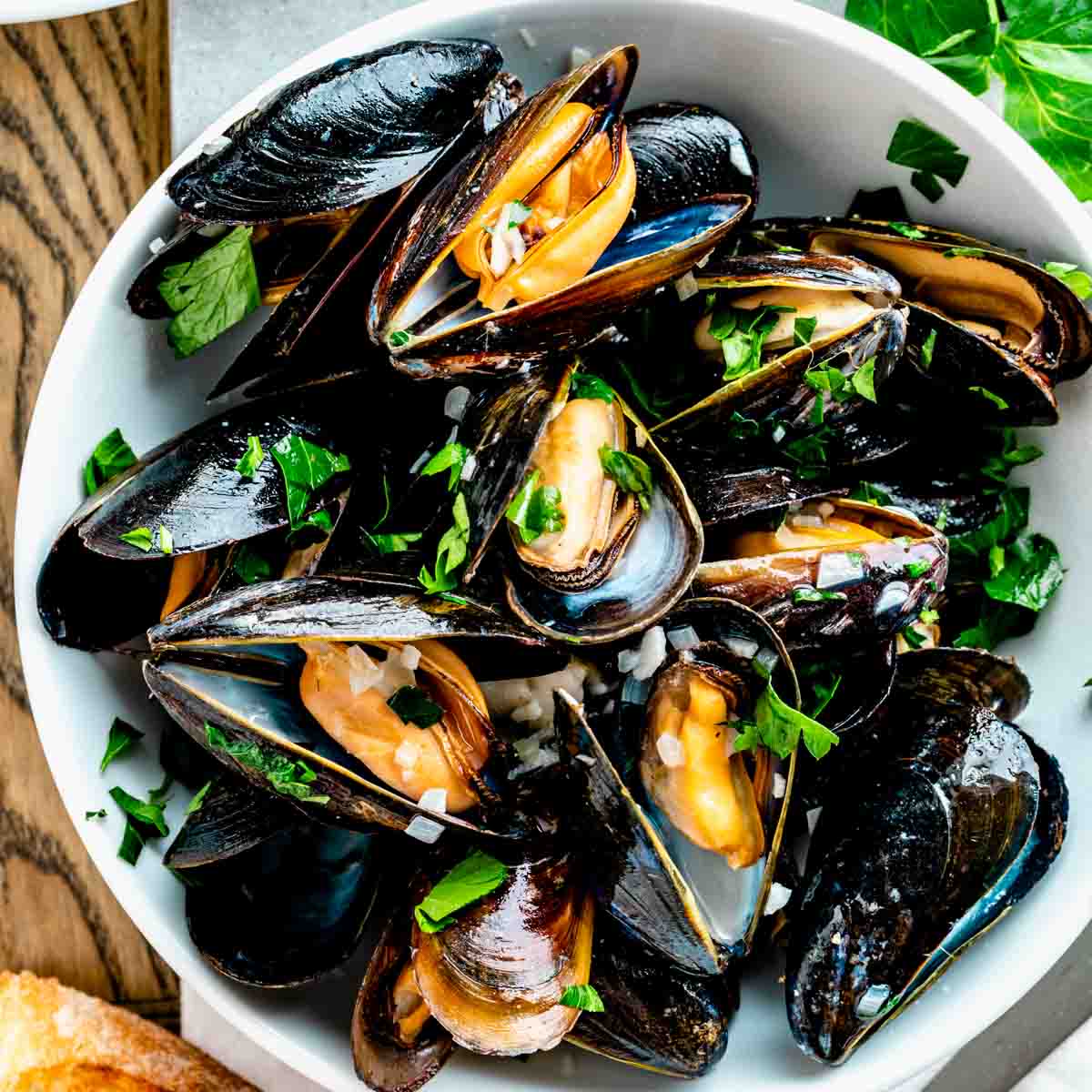
Mussels
Muslinger
Syllable: MOOS-ling-er
Pronunciation: Muslinger
- Mussels are fresh and delicious. – Muslinger er friske og lækre.
- We cooked mussels for dinner. – Vi lavede muslinger til aftensmad.
- My family enjoys mussels every summer. – Min familie nyder muslinger hver sommer.
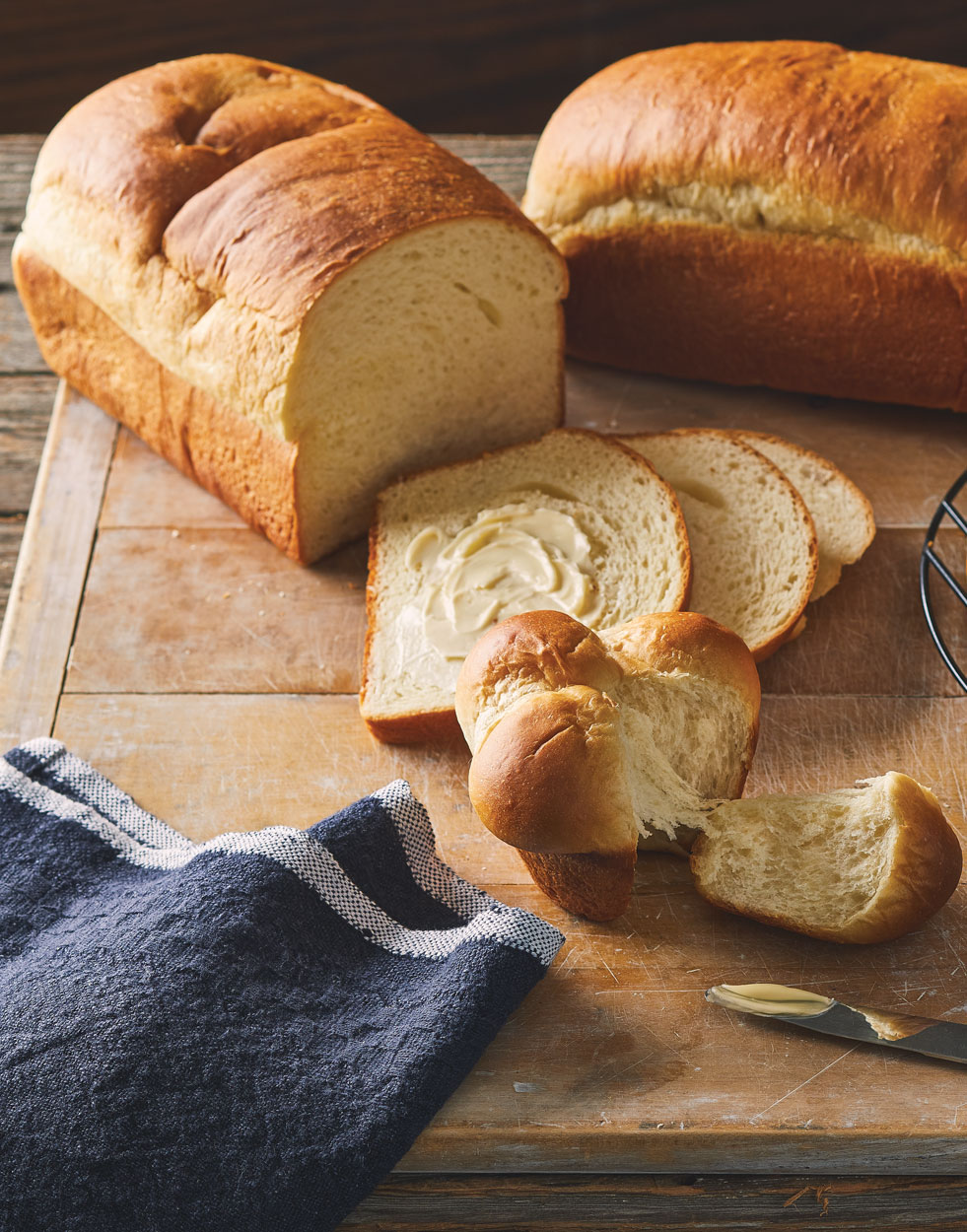
Milk Bread
Mælkebrød
Syllable: MEL-keh-broth
Pronunciation: Mælkebrød
- Milk bread is soft and fluffy. – Mælkebrød er blødt og luftigt.
- We baked milk bread at home. – Vi bagte mælkebrød derhjemme.
- My children enjoy fresh milk bread. – Mine børn nyder frisk mælkebrød.
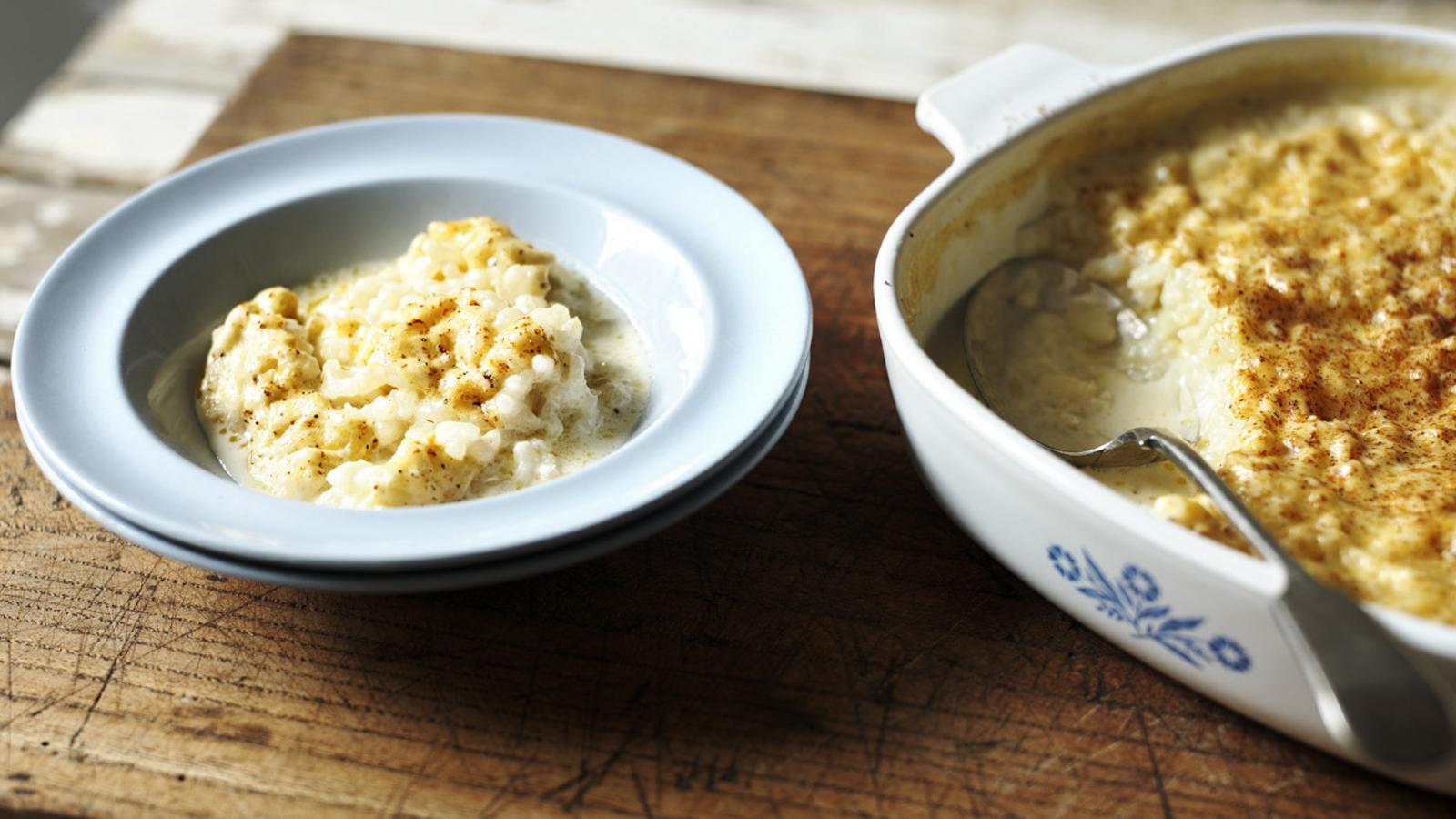
Rice Pudding
Mælkeris
Syllable: MEL-keh-rees
Pronunciation: Mælkeris
- Rice pudding is creamy and sweet. – Mælkeris er cremet og sødt.
- We ate rice pudding for dessert. – Vi spiste mælkeris til dessert.
- My grandmother makes rice pudding every Christmas. – Min bedstemor laver mælkeris hver jul.
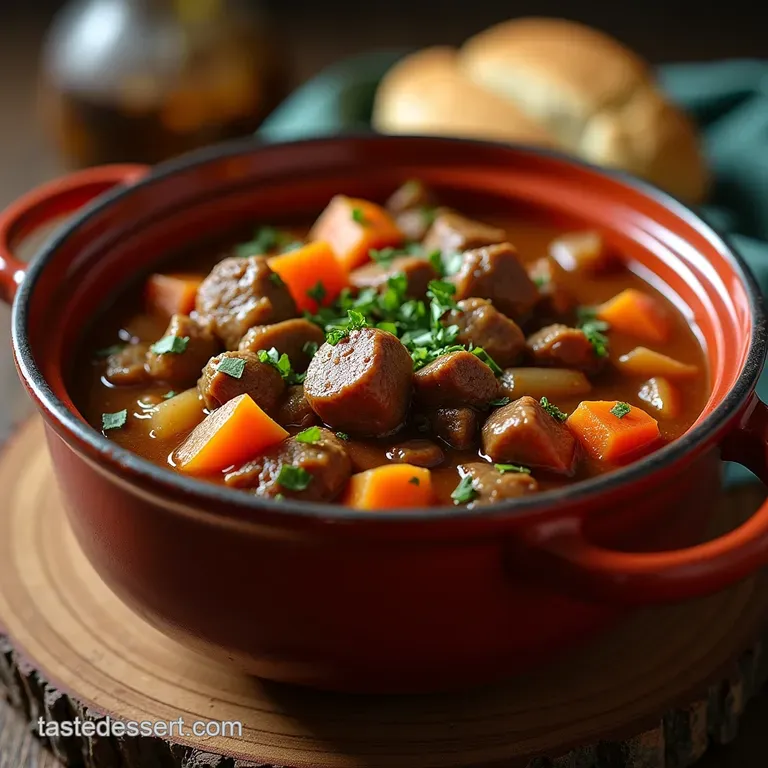
Beef Tenderloin Stew
Mørbradgryde
Syllable: MUR-brath-GRY-thuh
Pronunciation: Mørbradgryde
- Beef tenderloin stew is rich and hearty. – Mørbradgryde er fyldig og mættende.
- We served beef tenderloin stew for dinner. – Vi serverede mørbradgryde til aftensmad.
- My father cooks beef tenderloin stew on weekends. – Min far laver mørbradgryde i weekenden.

Breakfast Bread
Morgenbrød
Syllable: MOR-gen-broth
Pronunciation: Morgenbrød
- Breakfast bread is fresh and delicious. – Morgenbrød er frisk og lækker.
- We ate breakfast bread this morning. – Vi spiste morgenbrød i morges.
- My family buys fresh morgenbrød every Sunday. – Min familie køber frisk morgenbrød hver søndag.
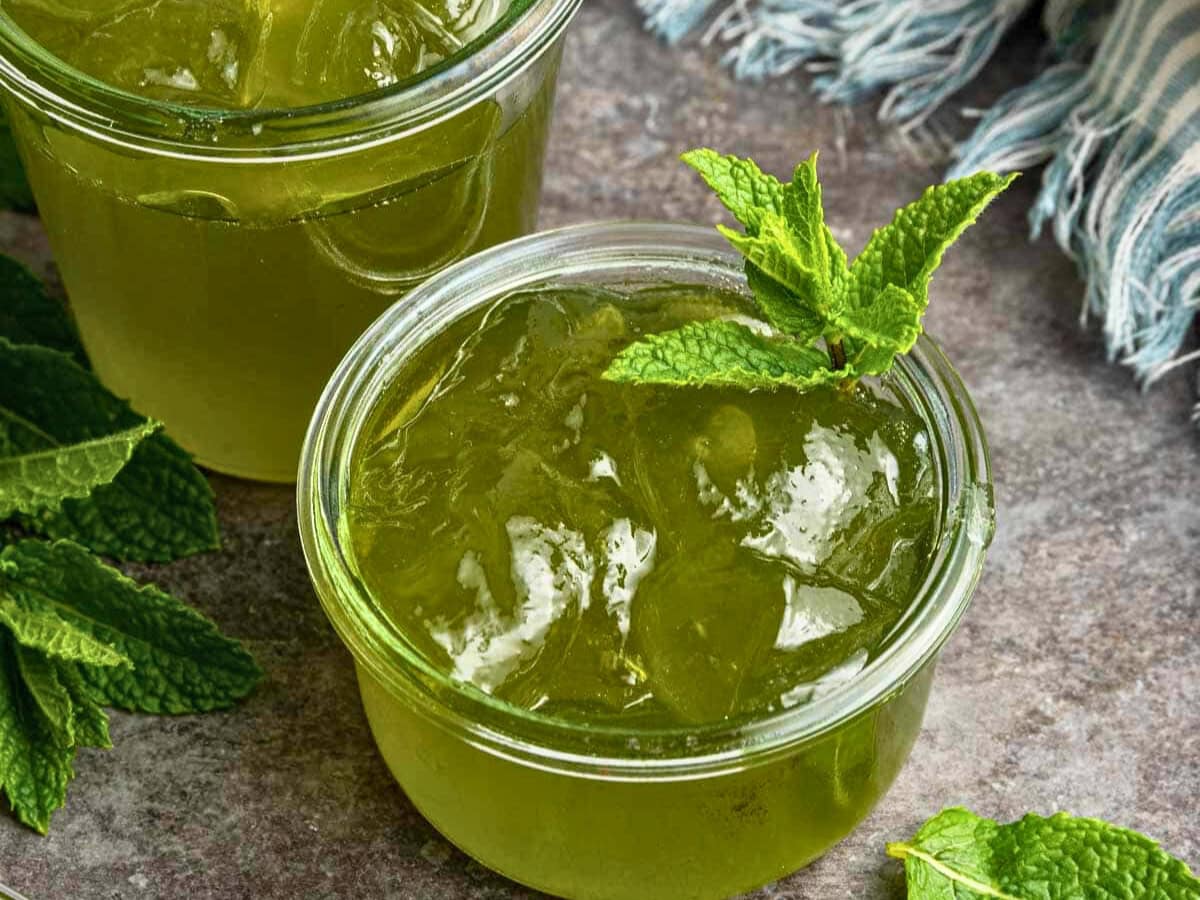
Mint Jelly
Myntegelé
Syllable: MUN-tuh-guh-LAY
Pronunciation: Myntegelé
- Mint jelly has a fresh and sweet flavor. – Myntegelé har en frisk og sød smag.
- We served mint jelly with dinner. – Vi serverede myntegelé til aftensmad.
- My mother makes homemade mint jelly. – Min mor laver hjemmelavet myntegelé.
Danish Cuisine Celebrates Hearty Home Cooking
One of the defining strengths of Danish cuisine is its ability to transform simple local ingredients into satisfying meals that bring families together.
Medisterpølse represents Denmark’s long sausage-making tradition, while Millionbøf highlights practical everyday comfort food. Mørbradgryde showcases creamy Nordic cooking, and Makrelsalat reflects Denmark’s enduring connection to the sea and open-faced sandwich culture.
Together, these specialties demonstrate how Danish cuisine blends Nordic simplicity, fresh ingredients, and centuries-old traditions into unforgettable meals.
Practice Activities
- Learn five Danish foods beginning with M.
- Practice pronouncing each food name aloud.
- Create flashcards with food pictures.
- Match foods with their main ingredients.
- Read authentic Danish recipes.
- Watch Danish cooking videos featuring traditional specialties.
- Organize foods into sausages, stews, seafood dishes, soups, breads, and desserts.
- Research the history of Medisterpølse and Millionbøf.
- Visit a Danish restaurant and identify foods beginning with M.
- Keep a notebook of Danish culinary terms.
- Try making Millionbøf or Makrelsalat at home.
- Review your favorite foods from every alphabet letter.
- Share your discoveries with family or friends.
- Test your knowledge using the worksheet.
Continue Your Danish Food Alphabet Journey!
The letter M introduces another memorable collection of authentic Danish foods. From flavorful Medisterpølse and comforting Millionbøf to creamy Mørbradgryde and delicious Makrelsalat, these specialties celebrate Denmark’s rich culinary heritage, seasonal ingredients, and timeless Nordic traditions.
Now we’d love to hear from you! Which Danish food beginning with M caught your attention the most, or is there another authentic M specialty we should include? Share your recommendation in the comments, tell us your favorite Danish dish, and pass this worksheet along to anyone who enjoys discovering delicious foods from around the world.