The letter T introduces one of the most iconic collections of authentic Moroccan foods, featuring slow-cooked stews, traditional breads, festive toppings, and regional specialties. From the world-famous Tagine and Marrakesh’s signature Tanjia to delicate Trid and sweet Tfaya, these dishes showcase Morocco’s extraordinary culinary heritage and centuries-old traditions.
Alongside favorites like Couscous, Harira, Bastilla, and Msemen, the foods beginning with T offer another exciting opportunity to explore authentic Moroccan cuisine.
This guide explores Moroccan foods that start with T, introducing traditional recipes, regional specialties, and classic dishes enjoyed throughout Morocco.
T Tells the Story of Morocco’s Timeless Cuisine
The letter T contains many authentic Moroccan food names, representing slow-cooked meals, handmade pastries, traditional breads, and festive family dishes.
One of the best-known examples is Tagine, Morocco’s most famous dish. Named after the earthenware pot in which it is cooked, tagine combines meat, poultry, seafood, or vegetables with aromatic spices, preserved lemons, olives, dried fruits, and herbs. Slow cooking creates exceptionally tender, flavorful meals enjoyed throughout the country.
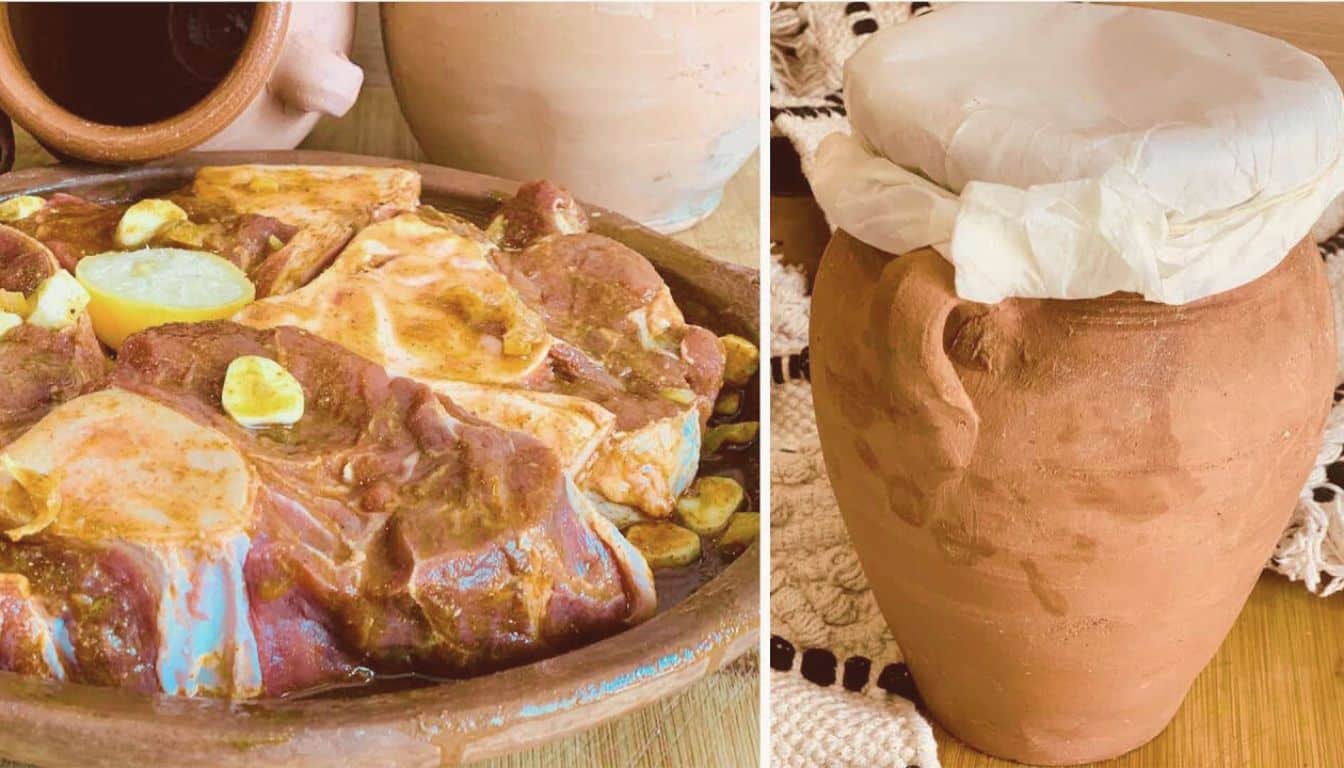
Another iconic specialty is Tanjia, a signature dish from Marrakech. Beef or lamb is seasoned with garlic, cumin, saffron, preserved lemon, olive oil, and smen (fermented butter), then slow-cooked for hours in a traditional clay pot. Historically, Tanjia was prepared by craftsmen and cooked in the embers of public bathhouses.
Bread lovers may already know Trid, delicate paper-thin flatbread that is layered beneath richly spiced chicken or lamb stews. Trid is most famously served in Rfissa, one of Morocco’s best-loved comfort foods.
You’ll also encounter Tfaya, a sweet topping made with caramelized onions, raisins, cinnamon, butter, and honey. Tfaya is traditionally served over couscous or tagines, creating Morocco’s distinctive balance of sweet and savory flavors.
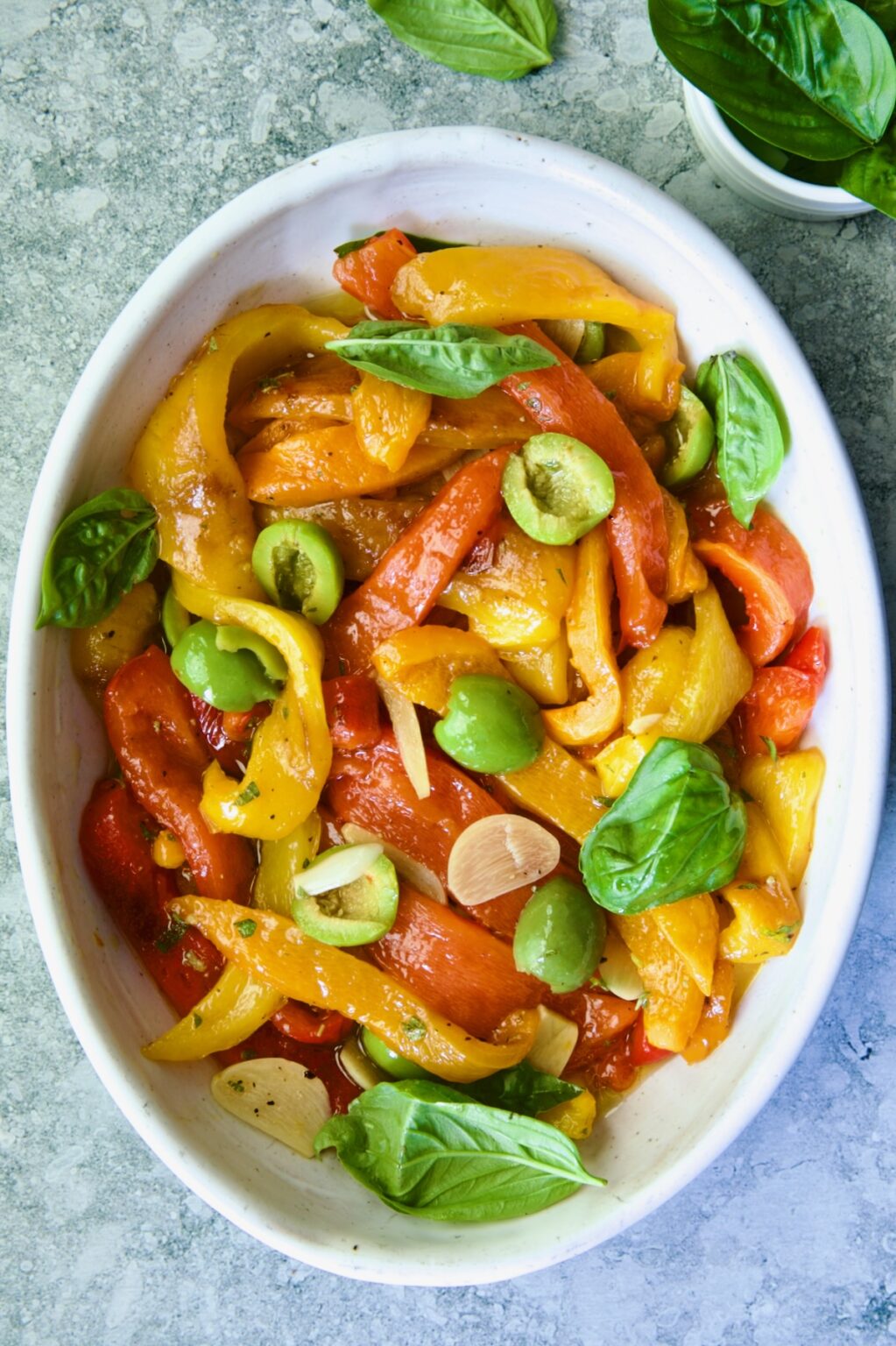
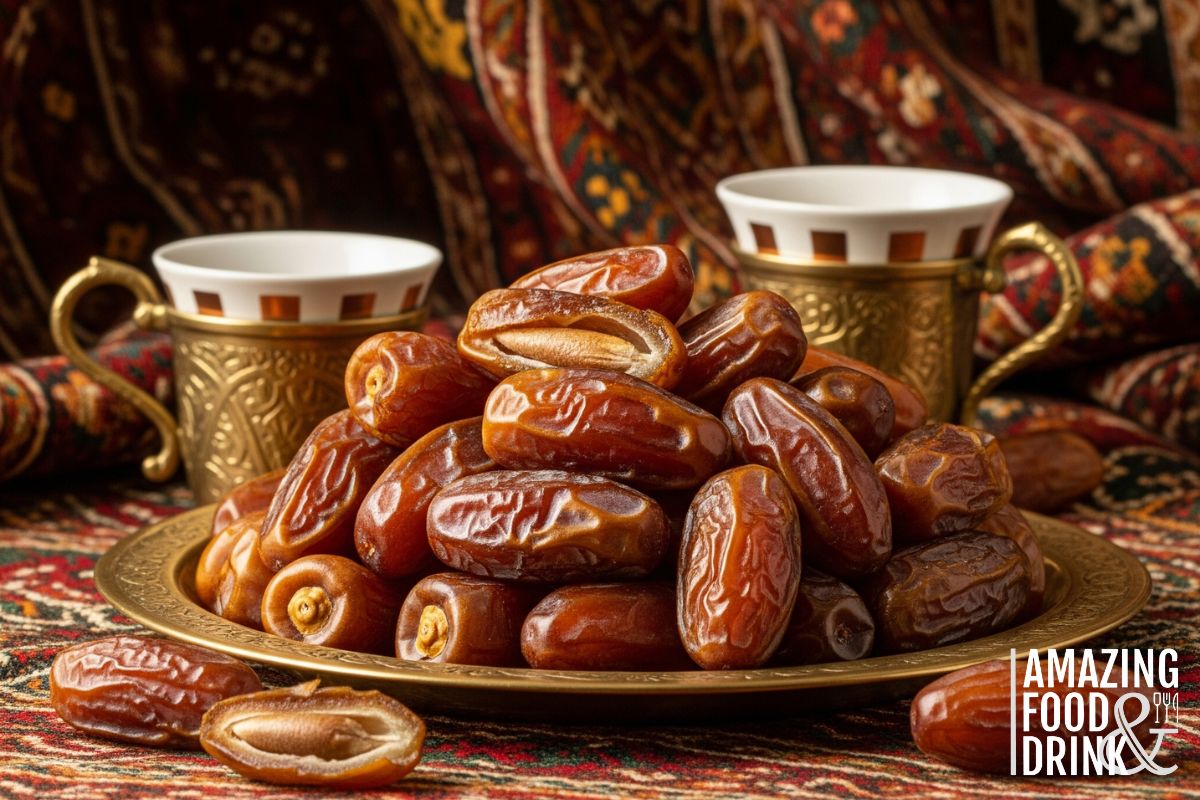
Other authentic Moroccan foods beginning with T include Taktouka (roasted pepper and tomato salad), Tchicha (barley soup), Tomato and Olive Tagine, Tea Cookies, Turkey Tagine, Turmeric Rice, Tuna Briouats, and Tmar (dates served with almonds).
These foods show that the letter T offers an outstanding introduction to authentic Moroccan cuisine.
Benefits of Learning Moroccan Foods Beginning With T
- Complete your Moroccan food vocabulary from A to Z.
- Discover authentic regional Moroccan specialties.
- Learn about traditional Moroccan cooking methods.
- Explore tagines, breads, soups, salads, and festive dishes.
- Recognize iconic foods served across Morocco.
- Improve confidence when reading Moroccan restaurant menus.
- Strengthen memory through alphabetical learning.
- Prepare for travel by identifying local specialties.
- Support classroom and worksheet activities.
- Learn about Morocco’s rich culinary heritage.
- Find inspiration for cooking authentic Moroccan recipes at home.
- Experience both savory and sweet Moroccan foods.
- Develop a deeper appreciation for Moroccan cuisine.
Moroccan Foods That Start With T
The list below features Moroccan foods beginning with the letter T, including tagines, breads, soups, salads, desserts, and regional favorites enjoyed throughout Morocco.
The letter T represents one of the most important collections of Moroccan culinary traditions. You’ll find lamb, beef, chicken, tomatoes, onions, raisins, cinnamon, preserved lemons, olives, saffron, and fragrant spices appearing throughout the collection.
Many of these dishes have been enjoyed for generations and remain staples in Moroccan homes, restaurants, markets, and festive celebrations. Their enduring popularity reflects Morocco’s appreciation for slow cooking, fresh ingredients, and family-centered dining.

Moroccan Tagine
Tagine
Syllable: ta-JEEN
Pronunciation: Tagine
- Moroccan tagine is full of rich flavors. – Tagine bnin w ghni b n-nkha.
- We cooked tagine for lunch. – Tayyabna tagine f l-ghda.
- My family enjoys tagine every weekend. – 3a\’ilti katbghi tagine kul nihayat l-usbou3.
Tanjia
Tanjia
Syllable: tan-JEE-ya
Pronunciation: Tanjia
- Tanjia is a famous Marrakech dish. – Tanjia tabq mashhour f Marrakech.
- We ate tanjia with fresh bread. – Klina tanjia m3a khobz tazaj.
- My uncle makes delicious tanjia. – Khali kaydir tanjia bnina.
Traditional Berber Bread
Tafernout
Syllable: ta-fer-NOOT
Pronunciation: Tafernout
- Traditional Berber bread has a rustic taste. – Tafernout 3ando mdaq tabi3i.
- We baked tafernout this morning. – Khbezna tafernout had s-sbah.
- My grandmother prepares tafernout at home. – Jeddti katdir tafernout f ddar.
Roasted Pepper and Tomato Salad
Taktouka
Syllable: tak-TOO-ka
Pronunciation: Taktouka
- Roasted pepper and tomato salad is fresh and tasty. – Taktouka bnina w tazja.
- We served taktouka with grilled meat. – Qaddamna taktouka m3a lham mchwi.
- My mother prepares taktouka every summer. – Yemma katdir taktouka kul sif.

Layered Pastry with Chicken
Trid
Syllable: TREED
Pronunciation: Trid
- Layered pastry with chicken is a festive meal. – Trid tabq dyal l-monasabat.
- We enjoyed trid with the family. – Klina trid m3a l-3a\’ila.
- My grandmother cooks trid on special occasions. – Jeddti kattyeb trid f l-monasabat.

Caramelized Onion and Raisin Topping
Tfaya
Syllable: tfa-YA
Pronunciation: Tfaya
- Tfaya is sweet and flavorful. – Tfaya hlwa w bnina.
- We added tfaya on top of couscous. – Zidna tfaya foq l-kseksou.
- My family loves homemade tfaya. – 3a\’ilti katbghi tfaya dyal ddar.
Dates
Tmar
Syllable: t-MAR
Pronunciation: Tmar
- Dates are naturally sweet. – Tmar hlou b tabi3a.
- We ate dates after dinner. – Klina tmar mn ba3d l-3sha.
- My grandfather grows date palms. – Jeddi kayzra3 n-nkhl.

Apple
Tfaa
Syllable: t-FAH
Pronunciation: Tfaa
- An apple is fresh and juicy. – Tfaa tazja w ghdida.
- I ate an apple today. – Klit tfaa lyoum.
- My sister likes red apples. – Khti katbghi tfaa lhamra.

Cracked Wheat Soup
Tchicha
Syllable: tch-EE-sha
Pronunciation: Tchicha
- Cracked wheat soup is warm and filling. – Tchicha sakhna w katshba3.
- We ate tchicha for breakfast. – Klina tchicha f s-sbah.
- My grandmother prepares tchicha in winter. – Jeddti katdir tchicha f sh-shita.
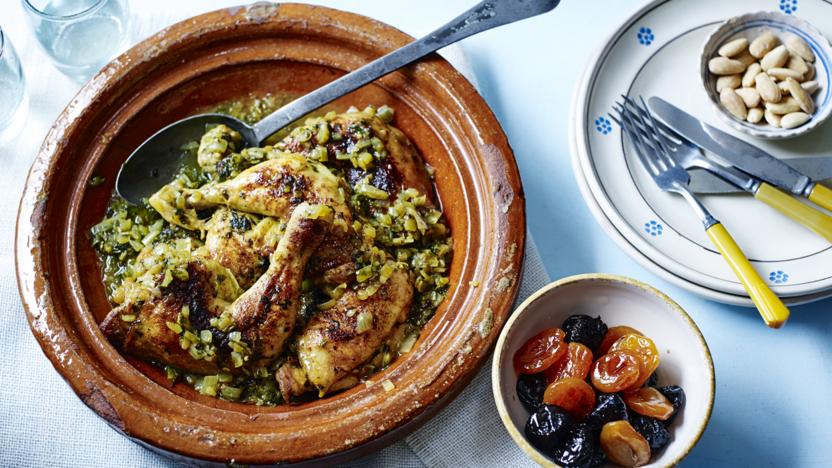
Tagines (plural)
Touajin
Syllable: too-AH-jin
Pronunciation: Touajin
- Tagines are popular Moroccan dishes. – Touajin atbaq maghribiya mashhura.
- The restaurant serves many tagines. – Lmat3am kayqaddem bzzaf dyal touajin.
- My family enjoys different tagines. – 3a\’ilti katbghi anwa3 mokhtalifa mn touajin.
Moroccan Cuisine Perfects the Art of Slow Cooking
One of the defining strengths of Moroccan cuisine is its mastery of slow-cooked dishes that develop deep, complex flavors using simple local ingredients.
Tagine represents Morocco’s culinary identity, while Tanjia showcases the unique traditions of Marrakech. Trid highlights Morocco’s handcrafted bread-making skills, and Tfaya demonstrates the country’s signature blend of sweet and savory flavors.
Together, these specialties illustrate how Moroccan cuisine combines Berber, Arab, Andalusian, and Mediterranean influences into unforgettable meals enjoyed around the world.
Practice Activities
- Learn five Moroccan foods beginning with T.
- Practice pronouncing each food name aloud.
- Create flashcards with food pictures.
- Match foods with their main ingredients.
- Read authentic Moroccan recipes.
- Watch Moroccan cooking videos featuring traditional specialties.
- Organize foods into tagines, breads, soups, salads, and desserts.
- Research the history of Tagine and Tanjia.
- Visit a Moroccan restaurant and identify foods beginning with T.
- Keep a notebook of Moroccan culinary terms.
- Try making Taktouka or Tagine at home.
- Review your favorite foods from every alphabet letter.
- Share your discoveries with family or friends.
- Test your knowledge using the worksheet.
Continue Your Moroccan Food Alphabet Journey!
The letter T introduces one of the most iconic collections of authentic Moroccan foods. From world-famous Tagine and traditional Tanjia to delicate Trid and sweet Tfaya, these specialties celebrate Morocco’s regional diversity, culinary heritage, and timeless cooking traditions.
Now we’d love to hear from you! Which Moroccan food beginning with T caught your attention the most, or is there another authentic T specialty we should include? Share your recommendation in the comments, tell us your favorite Moroccan dish, and pass this worksheet along to anyone who enjoys discovering delicious foods from around the world.