The letter P introduces one of the most popular collections of authentic Dutch foods, featuring miniature pancakes, crispy fries, festive cookies, and traditional cured meats. From fluffy Poffertjes and crispy Patat to spiced Pepernoten and flavorful Paardenrookvlees, these specialties showcase the Netherlands’ rich culinary heritage and regional traditions.
Alongside favorites like Bitterballen, Gouda Cheese, Stroopwafels, and Erwtensoep, the foods beginning with P offer another exciting opportunity to explore authentic Dutch cuisine.
This guide explores Dutch foods that start with P, introducing traditional recipes, regional specialties, and classic dishes enjoyed throughout the Netherlands.
P Presents the Best of Dutch Street Food and Baking
The letter P contains many authentic Dutch food names, representing street foods, bakery favorites, cured meats, pastries, and festive treats.
One of the best-known examples is Poffertjes, the Netherlands’ famous miniature pancakes. Made with buckwheat and wheat flour, these soft and fluffy pancakes are cooked in a special pan before being served with butter and a generous dusting of powdered sugar.
Another favorite is Patat, also known as Patat Friet in many parts of the country. Dutch-style thick-cut fries are commonly served in paper cones with sauces such as mayonnaise, peanut sauce, curry ketchup, or onions, making them one of the country’s most popular fast foods.
Holiday celebrations often feature Pepernoten, small spiced cookies flavored with cinnamon, cloves, nutmeg, ginger, and anise. They are closely associated with the annual Sinterklaas festivities.
You’ll also encounter Paardenrookvlees, a traditional Dutch smoked horse meat delicacy. Thinly sliced and lightly smoked, it is commonly served on bread with butter or as part of a cold meat platter.
Other authentic Dutch foods beginning with P include Pannenkoeken, Paling, Pekelvlees, Pasteitje, Paprika Chips, Preistamppot, Pruimenvlaai, and Pindakaas.
These foods show that the letter P offers an outstanding introduction to authentic Dutch cuisine.
Benefits of Learning Dutch Foods Beginning With P
- Complete your Dutch food vocabulary from A to Z.
- Discover authentic regional Dutch specialties.
- Learn about traditional Dutch cooking methods.
- Explore street foods, pancakes, pastries, meats, and festive treats.
- Recognize iconic foods served across the Netherlands.
- Improve confidence when reading Dutch restaurant menus.
- Strengthen memory through alphabetical learning.
- Prepare for travel by identifying local specialties.
- Support classroom and worksheet activities.
- Learn about the Netherlands’ rich culinary heritage.
- Find inspiration for cooking authentic Dutch recipes at home.
- Experience both savory and sweet Dutch foods.
- Develop a deeper appreciation for Dutch cuisine.
Dutch Foods That Start With P
The list below features Dutch foods beginning with the letter P, including pancakes, fried snacks, cured meats, pastries, desserts, and regional favorites enjoyed throughout the Netherlands.
The letter P represents one of the richest collections of Dutch culinary traditions. You’ll find potatoes, flour, butter, spices, horse meat, eel, leeks, peanuts, plums, and fresh local ingredients appearing throughout the collection.
Many of these foods have been enjoyed for generations and remain staples in Dutch homes, cafés, bakeries, snack bars, and festive celebrations. Their enduring popularity reflects the Netherlands’ appreciation for comforting recipes and local traditions.

Pancakes
Pannenkoeken
Syllable: PAN-en-KOO-ken
Pronunciation: Pannenkoeken
- Pancakes are soft and fluffy. – Pannenkoeken zijn zacht en luchtig.
- We eat pancakes for breakfast. – Wij eten pannenkoeken als ontbijt.
- My children love pancakes. – Mijn kinderen houden van pannenkoeken.
:max_bytes(150000):strip_icc()/what-is-paprika-4x3-59c394d4747846c1b39f0eb7bc0323cd.jpg)
Paprika
Paprikapoeder
Syllable: pah-PREE-kah-poo-der
Pronunciation: Paprikapoeder
- Paprika adds color and flavor. – Paprikapoeder geeft kleur en smaak.
- We use paprika in many dishes. – Wij gebruiken paprikapoeder in veel gerechten.
- A little paprika is enough. – Een beetje paprikapoeder is genoeg.

Paprika Soup
Paprikasoep
Syllable: pah-PREE-kah-soop
Pronunciation: Paprikasoep
- Paprika soup is warm and tasty. – Paprikasoep is warm en lekker.
- It has a rich flavor. – Het heeft een rijke smaak.
- We enjoyed paprika soup for dinner. – Wij genoten van paprikasoep bij het avondeten.
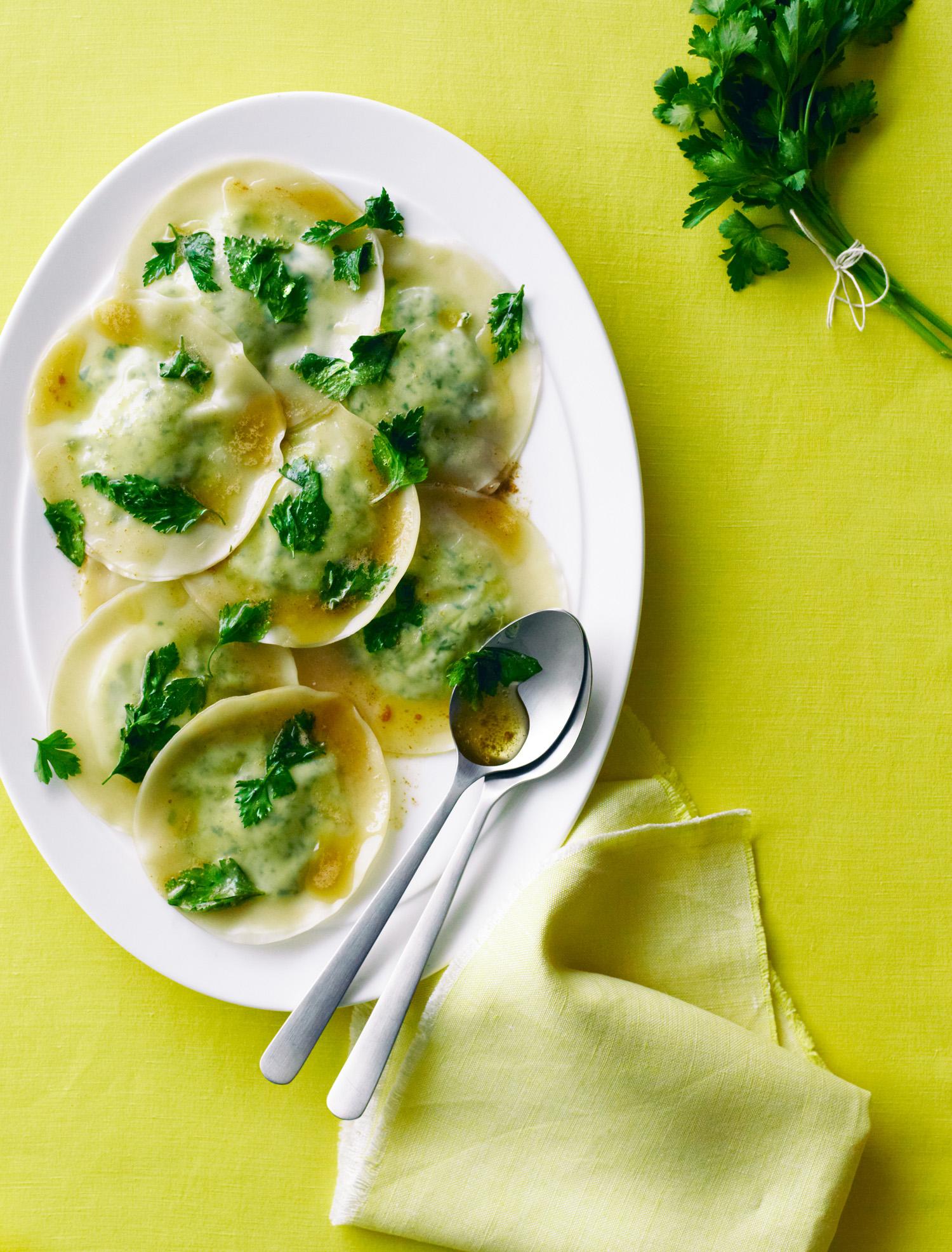
Parsley
Peterselie
Syllable: PEH-ter-seh-LEE
Pronunciation: Peterselie
- Parsley is a fresh herb. – Peterselie is een vers kruid.
- We add parsley to soup. – Wij voegen peterselie toe aan soep.
- My mother grows parsley. – Mijn moeder kweekt peterselie.
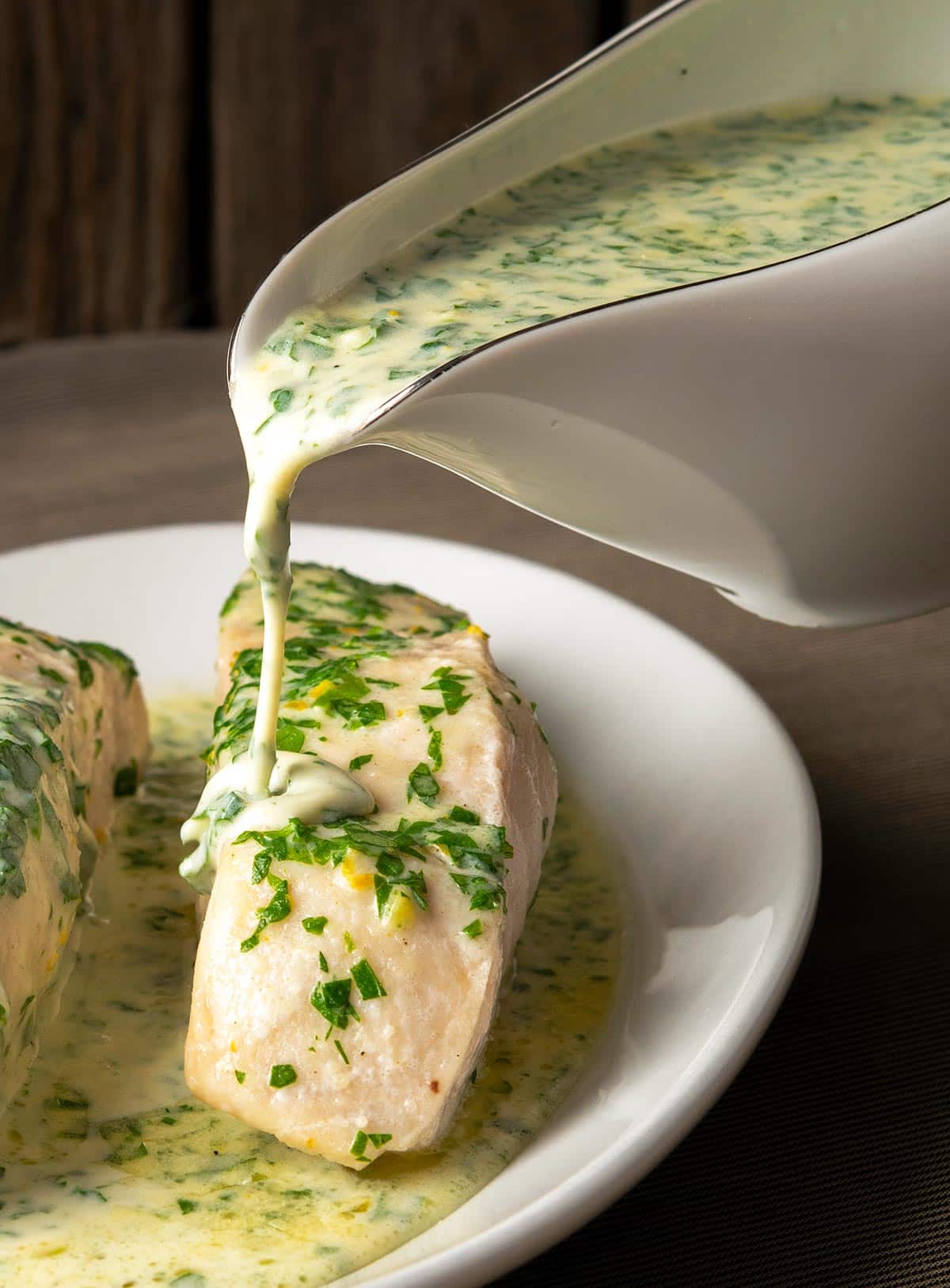
Parsley Sauce
Peterseliesaus
Syllable: PEH-ter-seh-LEE-sows
Pronunciation: Peterseliesaus
- Parsley sauce is fresh and creamy. – Peterseliesaus is fris en romig.
- It goes well with vegetables. – Het past goed bij groenten.
- We served parsley sauce with dinner. – Wij serveerden peterseliesaus bij het avondeten.
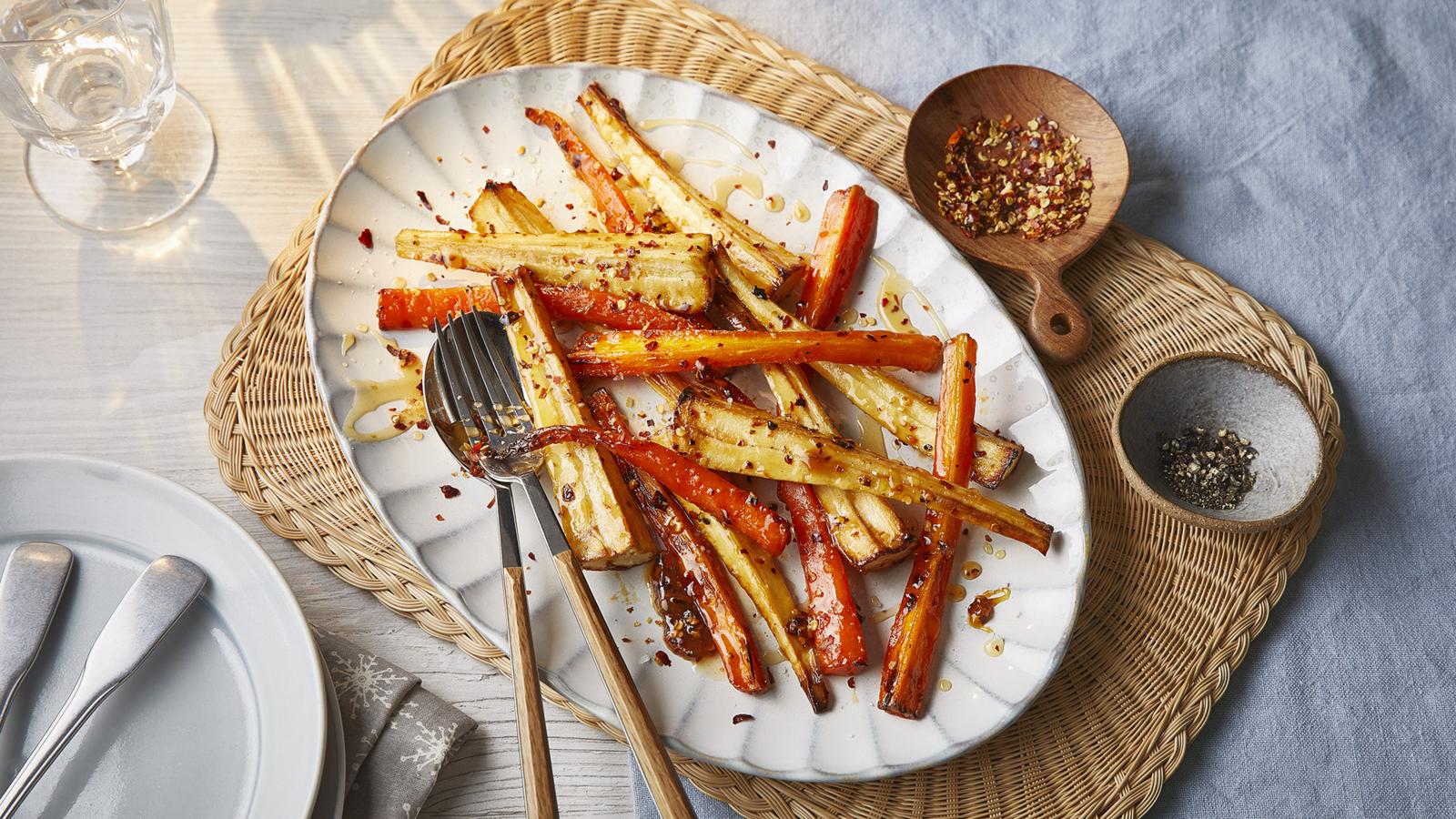
Parsnip
Pastinaak
Syllable: pas-tee-NAAK
Pronunciation: Pastinaak
- Parsnip is a healthy root vegetable. – Pastinaak is een gezonde wortelgroente.
- It has a sweet taste. – Het heeft een zoete smaak.
- We cooked parsnips today. – Wij kookten vandaag pastinaak.
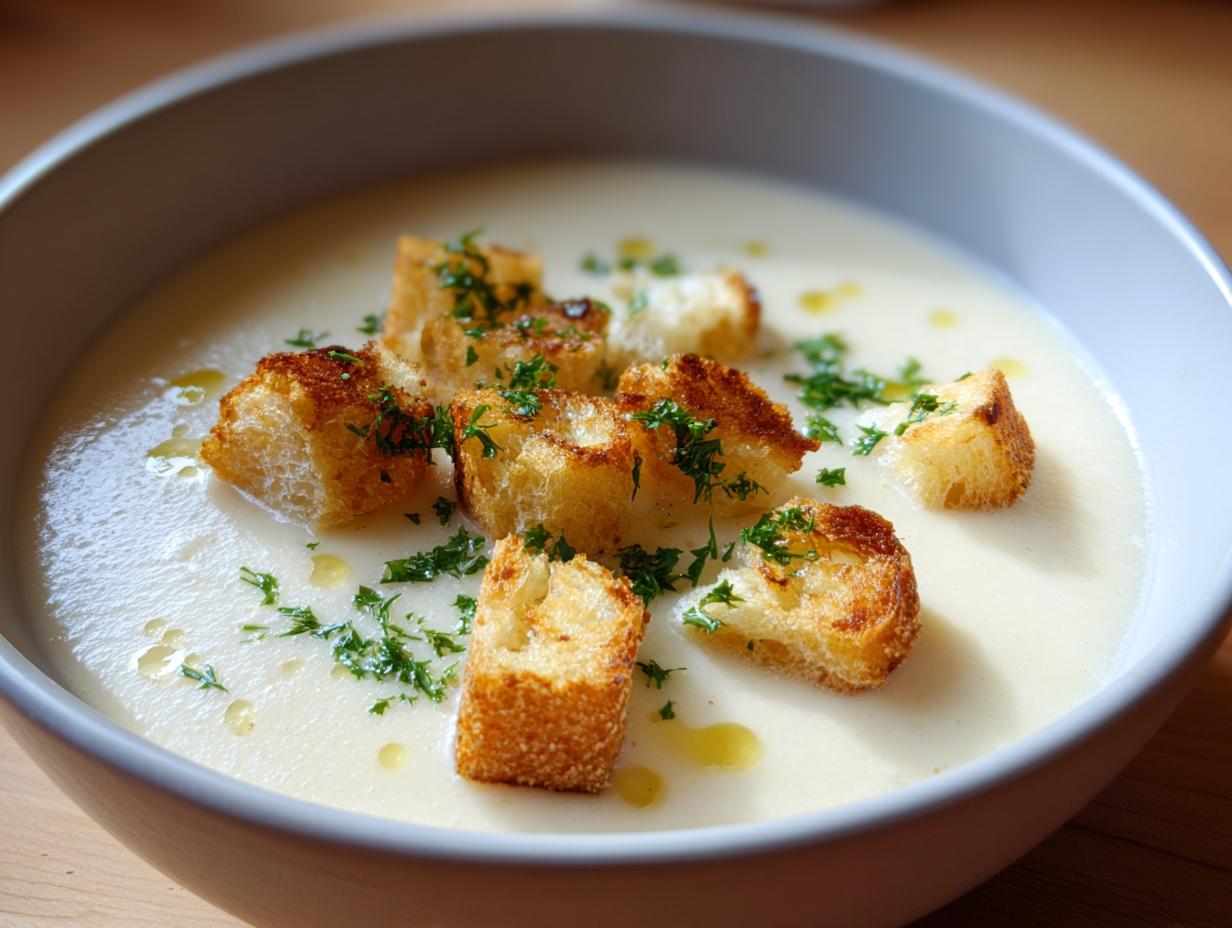
Parsnip Soup
Pastinaaksoep
Syllable: pas-tee-NAAK-soop
Pronunciation: Pastinaaksoep
- Parsnip soup is warm and creamy. – Pastinaaksoep is warm en romig.
- It is perfect on cold days. – Het is perfect op koude dagen.
- We ate parsnip soup for lunch. – Wij aten pastinaaksoep als lunch.
:max_bytes(150000):strip_icc()/67700_RichPastaforthePoorKitchen_ddmfs_4x3_2284-220302ec8328442096df370dede357d7.jpg)
Pasta
Pasta
Syllable: PAS-tah
Pronunciation: Pasta
- Pasta is easy to cook. – Pasta is makkelijk te koken.
- We made pasta for dinner. – Wij maakten pasta voor het avondeten.
- My family enjoys pasta. – Mijn familie geniet van pasta.

Pasta Salad
Pastasalade
Syllable: PAS-tah-sa-LAH-duh
Pronunciation: Pastasalade
- Pasta salad is fresh and colorful. – Pastasalade is fris en kleurrijk.
- It is perfect for lunch. – Het is perfect voor de lunch.
- We enjoyed pasta salad together. – Wij genoten samen van pastasalade.
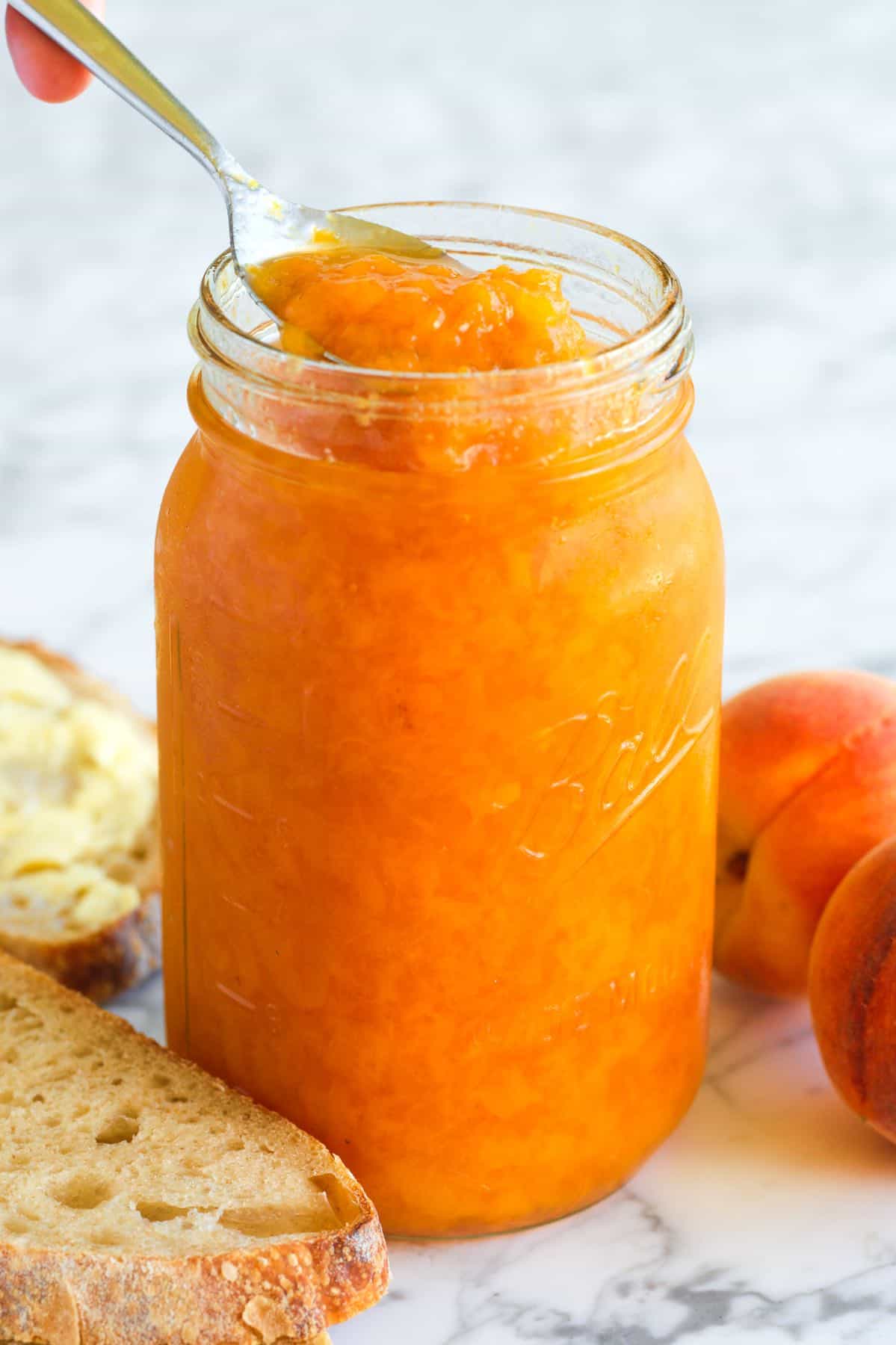
Peach Jam
Perzikjam
Syllable: per-ZIK-yam
Pronunciation: Perzikjam
- Peach jam is sweet and fruity. – Perzikjam is zoet en fruitig.
- It tastes great on bread. – Het smaakt heerlijk op brood.
- We made peach jam at home. – Wij maakten thuis perzikjam.

Peanut Butter
Pindakaas
Syllable: PIN-dah-kahs
Pronunciation: Pindakaas
- Peanut butter is creamy and tasty. – Pindakaas is romig en lekker.
- I spread peanut butter on bread. – Ik smeer pindakaas op brood.
- My children love peanut butter. – Mijn kinderen houden van pindakaas.

Pear Cake
Peercake
Syllable: PEHR-kay-kuh
Pronunciation: Peercake
- Pear cake is soft and delicious. – Peercake is zacht en lekker.
- It has fresh pears inside. – Er zitten verse peren in.
- We shared pear cake after dinner. – Wij deelden peercake na het avondeten.
.png)
Pear Juice
Peerensap
Syllable: PEH-ren-sap
Pronunciation: Peerensap
- Pear juice is sweet and refreshing. – Peerensap is zoet en verfrissend.
- It is served cold. – Het wordt koud geserveerd.
- We drank pear juice after lunch. – Wij dronken perensap na de lunch.
Dutch Cuisine Combines Everyday Favorites With Holiday Traditions
One of the defining strengths of Dutch cuisine is its ability to transform simple ingredients into beloved dishes enjoyed throughout the year.
Poffertjes represent the Netherlands’ most famous sweet street food, while Patat showcases Dutch fast-food culture. Pepernoten highlight cherished holiday traditions, and Paardenrookvlees reflects historic Dutch meat-curing craftsmanship.
Together, these specialties demonstrate how Dutch cuisine blends fresh local ingredients, practical cooking techniques, and generations of culinary tradition into unforgettable flavors.
Practice Activities
- Learn five Dutch foods beginning with P.
- Practice pronouncing each food name aloud.
- Create flashcards with food pictures.
- Match foods with their main ingredients.
- Read authentic Dutch recipes.
- Watch Dutch cooking videos featuring traditional specialties.
- Organize foods into pancakes, snacks, pastries, meat dishes, and desserts.
- Research the history of Poffertjes and Pepernoten.
- Visit a Dutch café or bakery and identify foods beginning with P.
- Keep a notebook of Dutch culinary terms.
- Try making Poffertjes or Pannenkoeken at home.
- Review your favorite foods from every alphabet letter.
- Share your discoveries with family or friends.
- Test your knowledge using the worksheet.
Continue Your Dutch Food Alphabet Journey!
The letter P introduces another remarkable collection of authentic Dutch foods. From fluffy Poffertjes and crispy Patat to festive Pepernoten and flavorful Paardenrookvlees, these specialties celebrate the Netherlands’ regional diversity, culinary heritage, and timeless cooking traditions.
Now we’d love to hear from you! Which Dutch food beginning with P caught your attention the most, or is there another authentic P specialty we should include? Share your recommendation in the comments, tell us your favorite Dutch dish, and pass this worksheet along to anyone who enjoys discovering delicious foods from around the world.