Dry fruits are popular ingredients that can be enjoyed as snacks, added to desserts, mixed into breakfast dishes, or used in festive recipes. From crunchy almonds and cashews to sweet raisins and dates, these foods are familiar to people of all ages and are commonly found in homes and markets.
Because dry fruits are part of everyday eating habits, they offer a practical way to learn useful food-related vocabulary. Learners often see these ingredients while shopping, helping in the kitchen, or enjoying snacks, making their names easier to remember.
This worksheet introduces common dry fruits names in Nepali, helping learners connect familiar foods with practical language skills.
Why Learning Dry Fruits Names in Nepali Matters
Dry fruit names appear frequently in shopping conversations, recipe books, food packaging, nutrition discussions, and everyday communication. Learning these words in Nepali helps learners understand food-related topics more confidently.
For beginners, dry fruits are easy to learn because the foods themselves are already familiar. A learner can easily recognize an almond, walnut, pistachio, raisin, or date and focus on learning the Nepali name associated with it.
These words are also practical in real-life situations such as reading ingredient labels, purchasing groceries, or discussing favorite foods.
Benefits of Learning Nepali Dry Fruits Names
- Builds useful food-related vocabulary.
- Helps learners identify common dry fruits in Nepali.
- Supports reading and speaking activities.
- Improves pronunciation and word recognition.
- Makes shopping conversations easier.
- Helps learners understand ingredient lists.
- Supports classroom lessons and worksheets.
- Expands kitchen-related vocabulary.
- Creates opportunities for practical language use.
- Encourages observation during daily activities.
- Makes learning more relatable and enjoyable.
- Strengthens memory through familiar foods.
Since dry fruits are often available at home, learners can practice these words regularly without special study materials.
Popular Dry Fruits Found in Daily Life
Some dry fruits are actually nuts, while others are dried versions of fresh fruits. The list below includes commonly known dry fruits along with their Nepali names, helping learners build useful food vocabulary through familiar ingredients.
:max_bytes(150000):strip_icc()/almonds-GettyImages-683814187-2000-44a06e730fac4c60a10cbb5f9642b589.jpg)
Almond
बदाम
Syllable: बदाम
Pronunciation: Badam
- Almonds are healthy snacks. – बदाम स्वस्थ खाजा हो।
- I eat almonds every morning. – म हरेक बिहान बदाम खान्छु।
- Almonds contain healthy fats. – बदाममा स्वस्थ बोसो हुन्छ।

Cashew
काजु
Syllable: काजु
Pronunciation: Kaju
- Cashews taste delicious. – काजु स्वादिष्ट हुन्छ।
- She added cashews to the dessert. – उनले मिठाईमा काजु हालिन्।
- Cashews are rich in nutrients. – काजु पोषक तत्वले भरिपूर्ण हुन्छ।
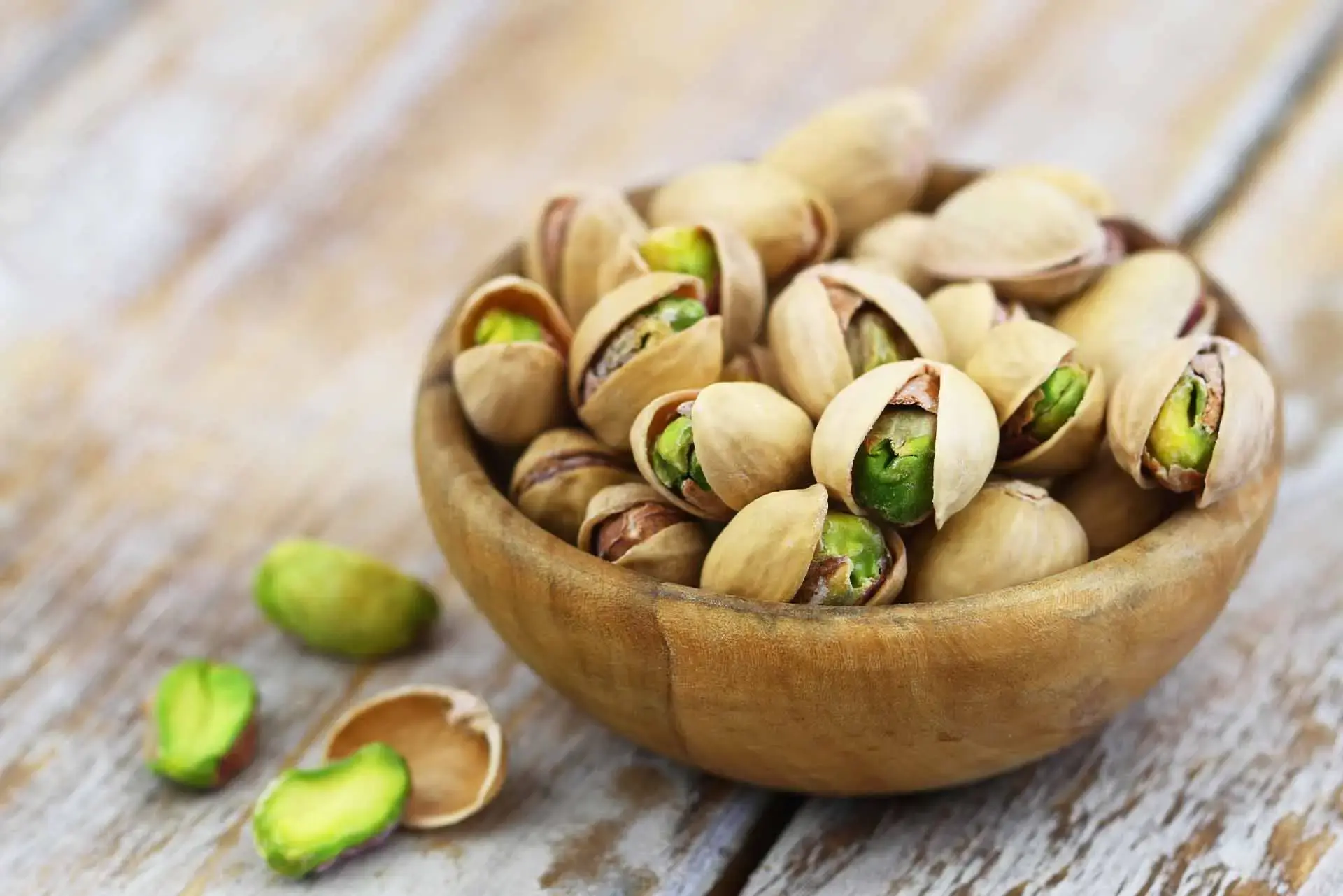
Pistachio
पिस्ता
Syllable: पिस्ता
Pronunciation: Pista
- Pistachios are my favorite nuts. – पिस्ता मेरो मनपर्ने ड्राइफ्रुट हो।
- I bought a packet of pistachios. – मैले पिस्ताको प्याकेट किनें।
- Pistachios are often used in sweets. – पिस्ता प्रायः मिठाईमा प्रयोग गरिन्छ।

Walnut
ओखर
Syllable: ओखर
Pronunciation: Okhar
- Walnuts are good for the brain. – ओखर मस्तिष्कका लागि राम्रो हुन्छ।
- My grandmother eats walnuts daily. – मेरी हजुरआमाले दैनिक ओखर खानुहुन्छ।
- Walnuts contain omega-3 fats. – ओखरमा ओमेगा–३ बोसो हुन्छ।

Raisin
किसमिस
Syllable: किसमिस
Pronunciation: Kismis
- Raisins are sweet and nutritious. – किसमिस गुलियो र पौष्टिक हुन्छ।
- I mixed raisins with nuts. – मैले किसमिस नट्ससँग मिसाएँ।
- Children enjoy eating raisins. – बच्चाहरूलाई किसमिस खान मन पर्छ।
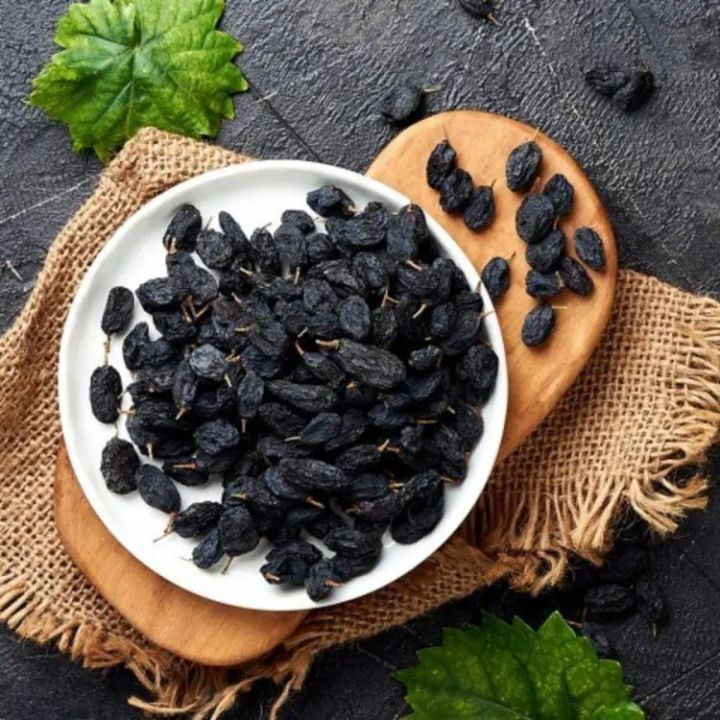
Dry Grapes
सुकेको अंगुर
Syllable: सुकेको अंगुर
Pronunciation: Sukeko Angur
- Dry grapes are commonly eaten as snacks. – सुकेको अंगुर खाजाको रूपमा खाइन्छ।
- My mother uses dry grapes in cooking. – मेरी आमाले पकाउन सुकेको अंगुर प्रयोग गर्नुहुन्छ।
- Dry grapes provide energy. – सुकेको अंगुरले ऊर्जा दिन्छ।

Dates
खजुर
Syllable: खजुर
Pronunciation: Khajur
- Dates are naturally sweet. – खजुर प्राकृतिक रूपमा गुलियो हुन्छ।
- He ate dates after fasting. – उसले उपवासपछि खजुर खायो।
- Dates provide quick energy. – खजुरले छिटो ऊर्जा दिन्छ।
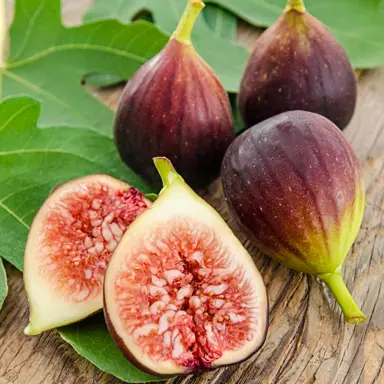
Fig
अन्जिर
Syllable: अन्जिर
Pronunciation: Anjir
- Figs are rich in fiber. – अन्जिरमा प्रशस्त रेशा हुन्छ।
- I like dried figs. – मलाई सुकेको अन्जिर मन पर्छ।
- Figs support healthy digestion. – अन्जिरले पाचनमा मद्दत गर्छ।

Dried Apricot
सुकेको खुबानी
Syllable: सुकेको खुबानी
Pronunciation: Sukeko Khubani
- Dried apricots are tasty. – सुकेको खुबानी स्वादिष्ट हुन्छ।
- She packed dried apricots for the trip. – उनले यात्राका लागि सुकेको खुबानी राखिन्।
- Dried apricots contain vitamins. – सुकेको खुबानीमा भिटामिन हुन्छ।

Peanut
बदाम (मूंगफली)
Syllable: बदाम (मूंगफली)
Pronunciation: Badam (Moongphali)
- Peanuts are affordable snacks. – मूंगफली सस्तो खाजा हो।
- I roasted peanuts yesterday. – मैले हिजो मूंगफली भुटें।
- Peanuts contain protein. – मूंगफलीमा प्रोटिन हुन्छ।
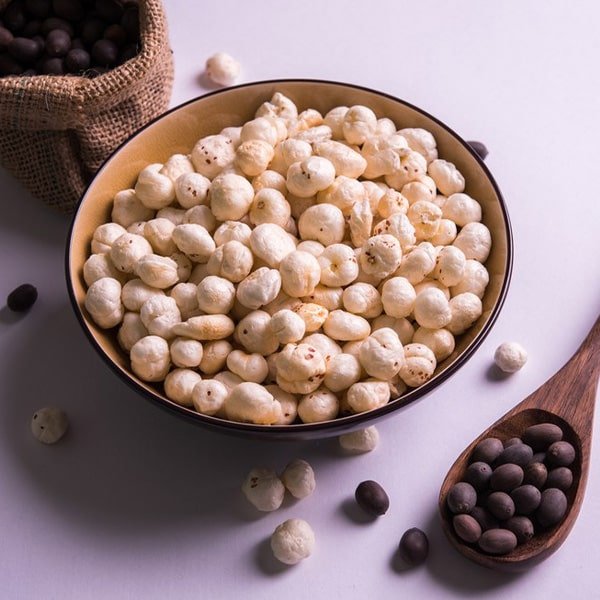
Fox Nut
मखाना
Syllable: मखाना
Pronunciation: Makhana
- Fox nuts are healthy snacks. – मखाना स्वस्थ खाजा हो।
- I eat roasted makhana in the evening. – म बेलुका भुटेको मखाना खान्छु।
- Fox nuts are low in calories. – मखानामा कम क्यालोरी हुन्छ।

Pine Nut
पाइन नट
Syllable: पाइन नट
Pronunciation: Pine Nut
- Pine nuts are used in many recipes. – पाइन नट धेरै परिकारमा प्रयोग हुन्छ।
- The salad contains pine nuts. – सलादमा पाइन नट छ।
- Pine nuts are nutritious. – पाइन नट पौष्टिक हुन्छ।

Brazil Nut
ब्राजिल नट
Syllable: ब्राजिल नट
Pronunciation: Brazil Nut
- Brazil nuts are rich in selenium. – ब्राजिल नटमा सेलेनियम प्रशस्त हुन्छ।
- I tried Brazil nuts for the first time. – मैले पहिलो पटक ब्राजिल नट खाएँ।
- Brazil nuts are large seeds. – ब्राजिल नट ठूला बीउ हुन्।

Hazelnut
हेजलनट
Syllable: हेजलनट
Pronunciation: Hazelnut
- Hazelnuts are used in chocolates. – हेजलनट चकलेटमा प्रयोग गरिन्छ।
- I enjoy hazelnut flavor. – मलाई हेजलनटको स्वाद मन पर्छ।
- Hazelnuts are nutritious. – हेजलनट पौष्टिक हुन्छ।

Macadamia Nut
म्याकाडामिया नट
Syllable: म्याकाडामिया नट
Pronunciation: Macadamia Nut
- Macadamia nuts are creamy and rich. – म्याकाडामिया नट स्वादिलो र पौष्टिक हुन्छ।
- These nuts are expensive. – यी नट महँगा हुन्छन्।
- I tasted macadamia nuts recently. – मैले हालै म्याकाडामिया नट चाखें।

Chestnut
चेस्टनट
Syllable: चेस्टनट
Pronunciation: Chestnut
- Chestnuts are eaten roasted. – चेस्टनट भुटेर खाइन्छ।
- We bought chestnuts at the market. – हामीले बजारबाट चेस्टनट किन्यौं।
- Chestnuts are popular in winter. – चेस्टनट जाडोमा लोकप्रिय हुन्छ।
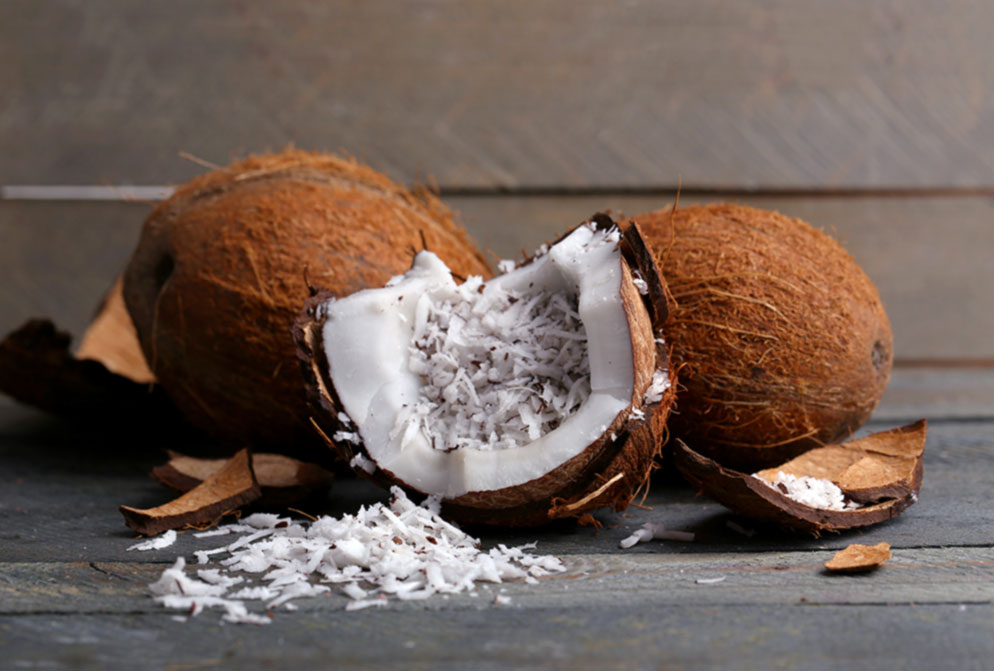
Dry Coconut
सुक्खा नरिवल
Syllable: सुक्खा नरिवल
Pronunciation: Sukkha Naribal
- Dry coconut is used in sweets. – सुक्खा नरिवल मिठाईमा प्रयोग हुन्छ।
- My grandmother grated dry coconut. – मेरी हजुरआमाले सुक्खा नरिवल किस्नुभयो।
- Dry coconut has a rich flavor. – सुक्खा नरिवलको स्वाद राम्रो हुन्छ।

Areca Nut
सुपारी
Syllable: सुपारी
Pronunciation: Supari
- Areca nut is commonly known as supari. – सुपारीलाई अरेका नट पनि भनिन्छ।
- People use areca nut in traditions. – मानिसहरूले परम्परामा सुपारी प्रयोग गर्छन्।
- The areca nut is hard. – सुपारी कडा हुन्छ।

Lotus Seeds
कमलको बीउ
Syllable: कमलको बीउ
Pronunciation: Kamalko Biu
- Lotus seeds are nutritious. – कमलको बीउ पौष्टिक हुन्छ।
- I added lotus seeds to the soup. – मैले सुपमा कमलको बीउ थपें।
- Lotus seeds are used in traditional dishes. – कमलको बीउ परम्परागत परिकारमा प्रयोग हुन्छ।

Pumpkin Seeds
फर्सीको बीउ
Syllable: फर्सीको बीउ
Pronunciation: Farsiko Biu
- Pumpkin seeds are rich in minerals. – फर्सीको बीउमा खनिज तत्व प्रशस्त हुन्छ।
- I sprinkled pumpkin seeds on my salad. – मैले सलादमा फर्सीको बीउ छरेँ।
- Pumpkin seeds are healthy snacks. – फर्सीको बीउ स्वस्थ खाजा हो।

Sunflower Seeds
सूर्यमुखीको बीउ
Syllable: सूर्यमुखीको बीउ
Pronunciation: Suryamukhiko Biu
- Sunflower seeds are rich in nutrients. – सूर्यमुखीको बीउ पोषक तत्वले भरिपूर्ण हुन्छ।
- I eat sunflower seeds as a snack. – म खाजाको रूपमा सूर्यमुखीको बीउ खान्छु।
- Sunflower seeds are crunchy and tasty. – सूर्यमुखीको बीउ कुरकुरा र स्वादिष्ट हुन्छ।

Flax Seeds
अलसीको बीउ
Syllable: अलसीको बीउ
Pronunciation: Alsiko Biu
- Flax seeds are good for health. – अलसीको बीउ स्वास्थ्यका लागि राम्रो हुन्छ।
- My mother adds flax seeds to smoothies. – मेरी आमाले स्मुदीमा अलसीको बीउ हाल्नुहुन्छ।
- Flax seeds contain omega-3 fatty acids. – अलसीको बीउमा ओमेगा–३ फ्याटी एसिड हुन्छ।

Chia Seeds
चिया बीउ
Syllable: चिया बीउ
Pronunciation: Chia Biu
- Chia seeds absorb water quickly. – चिया बीउले छिट्टै पानी सोस्छ।
- I mix chia seeds with yogurt. – म दहीमा चिया बीउ मिसाउँछु।
- Chia seeds are rich in fiber. – चिया बीउमा रेशा प्रशस्त हुन्छ।

Sesame Seeds
तिल
Syllable: तिल
Pronunciation: Til
- Sesame seeds are used in sweets. – तिल मिठाईमा प्रयोग गरिन्छ।
- We made laddus with sesame seeds. – हामीले तिलको लड्डु बनायौं।
- Sesame seeds are nutritious. – तिल पौष्टिक हुन्छ।

Watermelon Seeds
तरबुजको बीउ
Syllable: तरबुजको बीउ
Pronunciation: Tarabujko Biu
- Watermelon seeds can be roasted and eaten. – तरबुजको बीउ भुटेर खान सकिन्छ।
- I collected watermelon seeds from the fruit. – मैले फलबाट तरबुजको बीउ संकलन गरें।
- Watermelon seeds contain protein. – तरबुजको बीउमा प्रोटिन हुन्छ।

Melon Seeds
खरबुजाको बीउ
Syllable: खरबुजाको बीउ
Pronunciation: Kharbujako Biu
- Melon seeds are often used in desserts. – खरबुजाको बीउ मिठाईमा प्रयोग गरिन्छ।
- My grandmother dries melon seeds. – मेरी हजुरआमाले खरबुजाको बीउ सुकाउनुहुन्छ।
- Melon seeds are healthy snacks. – खरबुजाको बीउ स्वस्थ खाजा हो।

Poppy Seeds
खसखस
Syllable: खसखस
Pronunciation: Khaskhas
- Poppy seeds are tiny and nutritious. – खसखस सानो तर पौष्टिक हुन्छ।
- Poppy seeds are used in baking. – खसखस बेकरी परिकारमा प्रयोग गरिन्छ।
- I added poppy seeds to the recipe. – मैले परिकारमा खसखस थपें।
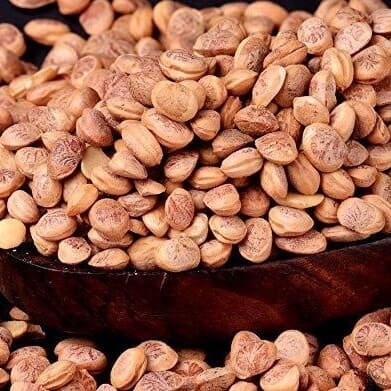
Charoli
चारोली
Syllable: चारोली
Pronunciation: Charoli
- Charoli is used in traditional sweets. – चारोली परम्परागत मिठाईमा प्रयोग गरिन्छ।
- My mother decorated the dessert with charoli. – मेरी आमाले मिठाईमा चारोली सजाउनुभयो।
- Charoli seeds are small but flavorful. – चारोली सानो भए पनि स्वादिलो हुन्छ।
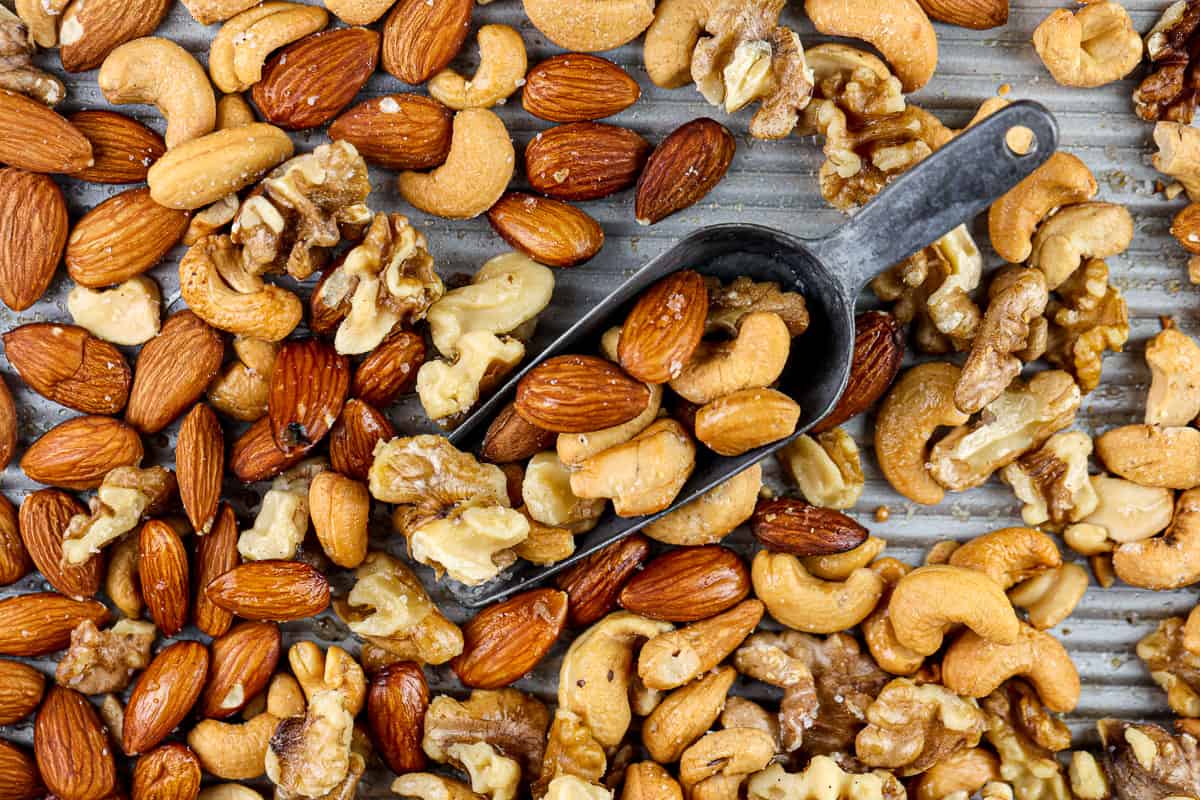
Mixed Nuts
मिश्रित नट्स
Syllable: मिश्रित नट्स
Pronunciation: Mishrit Nuts
- Mixed nuts are a healthy snack. – मिश्रित नट्स स्वस्थ खाजा हो।
- I carry mixed nuts while traveling. – म यात्रामा मिश्रित नट्स बोक्छु।
- Mixed nuts provide energy and nutrition. – मिश्रित नट्सले ऊर्जा र पोषण दिन्छ।
Easy Ways to Remember Nepali Dry Fruits Names
One effective technique is to study the names while looking at the actual dry fruits. The shape of a cashew, the texture of a walnut, or the appearance of raisins can help create strong visual associations.
Learners can also organize dry fruits into groups. Nuts such as almonds, pistachios, and cashews can be studied together, while dried fruits such as dates and raisins can form another category. This often makes vocabulary easier to remember.
Food packaging and shopping trips can also become valuable learning opportunities. Identifying dry fruits and recalling their Nepali names during daily activities helps reinforce memory.
Simple Practice Ideas
- Use flashcards with dry fruit pictures and Nepali names.
- Learn a few new names every week.
- Label containers at home with Nepali vocabulary.
- Practice pronunciation aloud.
- Draw dry fruits and write their names underneath.
- Create a notebook for food-related words.
- Match pictures with their Nepali names.
- Use dry fruit names in simple sentences.
- Review older vocabulary regularly.
- Identify dry fruits during shopping trips.
- Watch Nepali food-related educational videos.
- Ask family members to test your knowledge.
Regular practice and observation can make food vocabulary easier to remember.
Dry Fruits Names in Nepali At a Glance
| # | English Name | Nepali Name | Pronunciation |
|---|---|---|---|
| 1 | Almond | बदाम | Badam |
| 2 | Cashew | काजु | Kaju |
| 3 | Pistachio | पिस्ता | Pista |
| 4 | Walnut | ओखर | Okhar |
| 5 | Raisin | किसमिस | Kismis |
| 6 | Dry Grapes | सुकेको अंगुर | Sukeko Angur |
| 7 | Dates | खजुर | Khajur |
| 8 | Fig | अन्जिर | Anjir |
| 9 | Dried Apricot | सुकेको खुबानी | Sukeko Khubani |
| 10 | Peanut | बदाम (मूंगफली) | Badam (Moongphali) |
| 11 | Fox Nut | मखाना | Makhana |
| 12 | Pine Nut | पाइन नट | Pine Nut |
| 13 | Brazil Nut | ब्राजिल नट | Brazil Nut |
| 14 | Hazelnut | हेजलनट | Hazelnut |
| 15 | Macadamia Nut | म्याकाडामिया नट | Macadamia Nut |
| 16 | Chestnut | चेस्टनट | Chestnut |
| 17 | Dry Coconut | सुक्खा नरिवल | Sukkha Naribal |
| 18 | Areca Nut | सुपारी | Supari |
| 19 | Lotus Seeds | कमलको बीउ | Kamalko Biu |
| 20 | Pumpkin Seeds | फर्सीको बीउ | Farsiko Biu |
| 21 | Sunflower Seeds | सूर्यमुखीको बीउ | Suryamukhiko Biu |
| 22 | Flax Seeds | अलसीको बीउ | Alsiko Biu |
| 23 | Chia Seeds | चिया बीउ | Chia Biu |
| 24 | Sesame Seeds | तिल | Til |
| 25 | Watermelon Seeds | तरबुजको बीउ | Tarabujko Biu |
| 26 | Melon Seeds | खरबुजाको बीउ | Kharbujako Biu |
| 27 | Poppy Seeds | खसखस | Khaskhas |
| 28 | Charoli | चारोली | Charoli |
| 29 | Mixed Nuts | मिश्रित नट्स | Mishrit Nuts |
Dry Fruits Names Quiz
Expanding Nepali Vocabulary Through Familiar Foods
Dry fruits provide a simple and enjoyable way to learn new words because they are connected to everyday experiences. Their frequent presence in kitchens, shops, and meals makes them practical vocabulary items that learners can use regularly.
As you continue building your Nepali vocabulary, food-related topics can introduce many useful words connected to daily life.
Which dry fruit do you enjoy eating the most? Did you discover a Nepali name that was completely new to you today? Share your thoughts in the comments and compare your answers with other learners.