The human body helps us perform countless activities every day. We use our eyes to observe the world, our ears to listen, our hands to write and create, and our feet to move from one place to another. Because these words are connected to actions we perform constantly, body part names are among the most useful vocabulary topics for language learners.
Children often begin learning body parts at an early age through songs, classroom charts, games, and interactive activities. Since learners can immediately identify each body part, the vocabulary becomes easier to understand and remember.
This worksheet introduces common body parts names in Nepali, helping learners build a strong foundation of everyday vocabulary.
The Essential Parts of the Human Body
Every body part has a specific function that helps us live, communicate, and interact with our surroundings. The list below includes commonly recognized body parts along with their Nepali names, helping learners connect familiar concepts with practical vocabulary.
:watermark(/images/watermark_5000_10percent.png,0,0,0):watermark(/images/logo_url.png,-10,-10,0):format(jpeg)/images/overview_image/2965/RGS4A0cAP5dMqqvXFQoJVg_regions-of-the-head-and-face_en.jpg)
Head
टाउको
Syllable: टाउको
Pronunciation: Tauko
- My head hurts today. – आज मेरो टाउको दुखिरहेको छ।
- He covered his head with a cap. – उसले आफ्नो टाउको टोपीले ढाक्यो।
- The head protects the brain. – टाउकोले मस्तिष्कलाई सुरक्षित राख्छ।
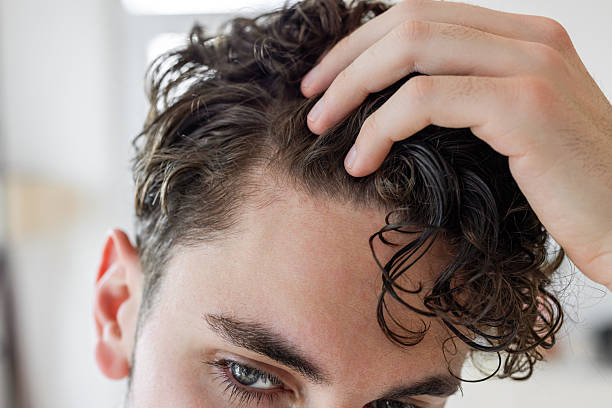
Hair
कपाल
Syllable: कपाल
Pronunciation: Kapal
- She has long hair. – उसको लामो कपाल छ।
- I comb my hair every morning. – म हरेक बिहान कपाल कोर्छु।
- His hair is black. – उसको कपाल कालो छ।

Forehead
निधार
Syllable: निधार
Pronunciation: Nidhar
- He touched his forehead. – उसले आफ्नो निधार छोयो।
- Sweat was on my forehead. – मेरो निधारमा पसिना थियो।
- The doctor checked her forehead. – डाक्टरले उनको निधार जाँच गरे।

Eye
आँखा
Syllable: आँखा
Pronunciation: Aankha
- I can see with my eyes. – म आफ्ना आँखाले देख्न सक्छु।
- Her eyes are beautiful. – उनका आँखा सुन्दर छन्।
- Close your eyes and rest. – आफ्ना आँखा बन्द गरेर आराम गर।

Eyebrow
भौं
Syllable: भौं
Pronunciation: Bhaun
- Her eyebrows are thick. – उनका भौं बाक्ला छन्।
- He raised his eyebrows. – उसले आफ्ना भौं उठायो।
- Eyebrows protect the eyes. – भौंले आँखालाई सुरक्षा दिन्छ।

Eyelashes
परेला
Syllable: परेला
Pronunciation: Parela
- Long eyelashes look attractive. – लामो परेला आकर्षक देखिन्छ।
- Dust fell on my eyelashes. – मेरो परेलामा धुलो पर्यो।
- Eyelashes help protect the eyes. – परेलाले आँखाको सुरक्षा गर्छ।
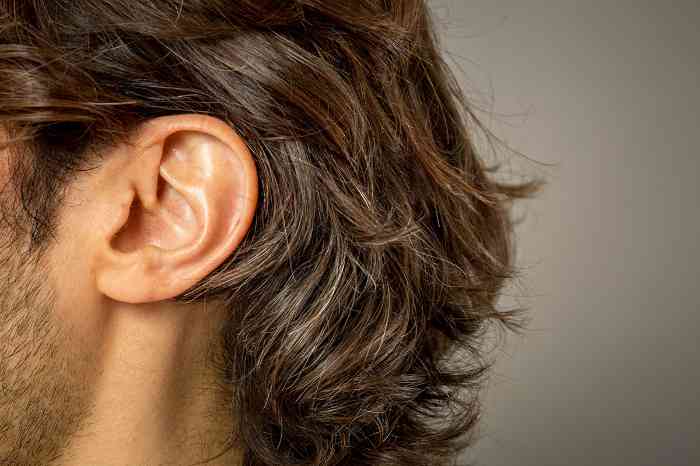
Ear
कान
Syllable: कान
Pronunciation: Kaan
- I hear with my ears. – म कानले सुन्छु।
- My ear is itching. – मेरो कान चिलाइरहेको छ।
- The doctor checked his ears. – डाक्टरले उसका कान जाँचे।
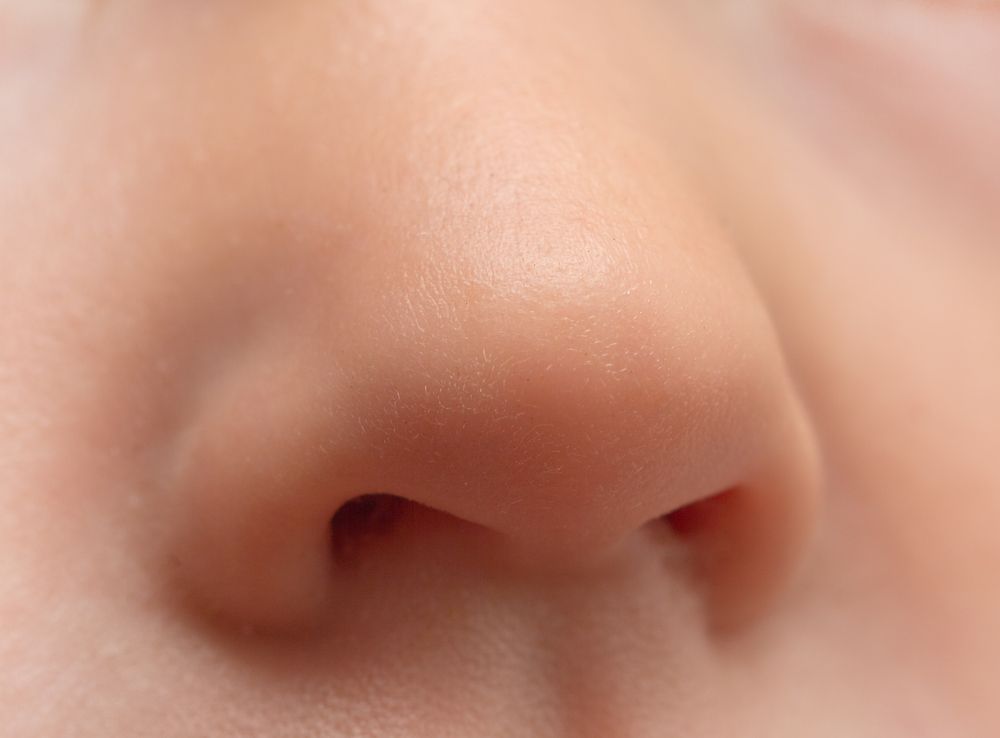
Nose
नाक
Syllable: नाक
Pronunciation: Naak
- My nose is blocked. – मेरो नाक बन्द भएको छ।
- She has a small nose. – उनको नाक सानो छ।
- The nose helps us smell. – नाकले गन्ध थाहा पाउन मद्दत गर्छ।
Nostril
नासिका प्वाल
Syllable: नासिका प्वाल
Pronunciation: Nasika Pwaal
- Air enters through the nostrils. – हावा नासिका प्वालबाट भित्र पस्छ।
- One nostril is blocked. – एउटा नासिका प्वाल बन्द छ।
- The doctor examined my nostrils. – डाक्टरले मेरो नासिका प्वाल जाँच गरे।
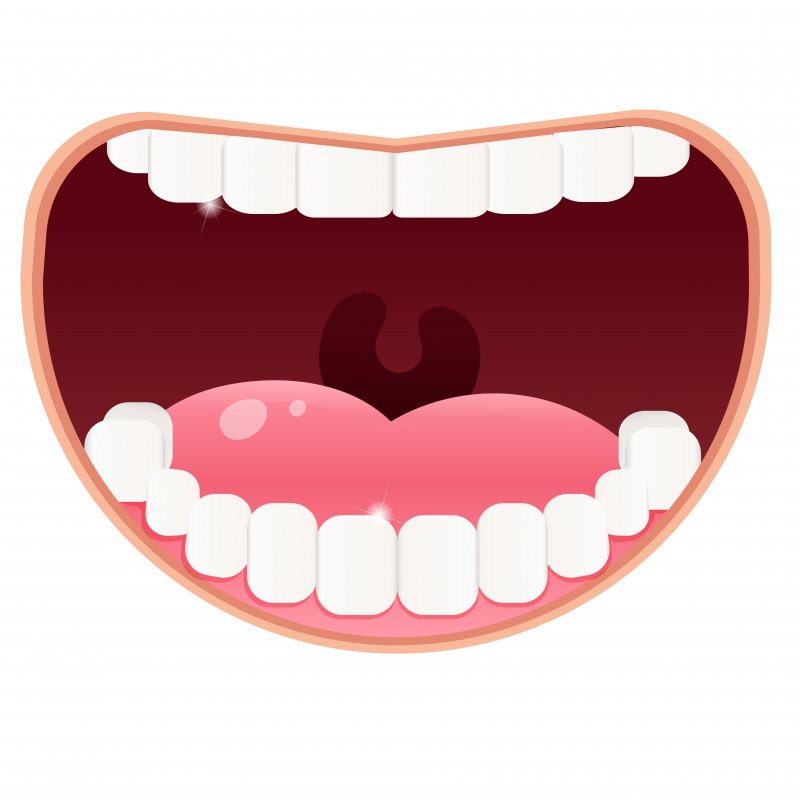
Mouth
मुख
Syllable: मुख
Pronunciation: Mukh
- Open your mouth wide. – आफ्नो मुख ठूलो गरेर खोल।
- The baby smiled with its mouth open. – बच्चा मुख खोलेर हाँस्यो।
- We eat with our mouth. – हामी मुखबाट खान्छौं।

Lips
ओठ
Syllable: ओठ
Pronunciation: Oth
- Her lips are dry. – उनका ओठ सुक्खा छन्।
- He smiled with his lips closed. – उसले ओठ बन्द गरेर मुस्कुरायो।
- Apply balm to your lips. – आफ्ना ओठमा बाम लगाऊ।

Teeth
दाँत
Syllable: दाँत
Pronunciation: Daat
- Brush your teeth twice a day. – दिनमा दुई पटक दाँत माझ।
- My teeth are clean. – मेरा दाँत सफा छन्।
- The dentist checked my teeth. – दन्त चिकित्सकले मेरा दाँत जाँचे।

Tongue
जिब्रो
Syllable: जिब्रो
Pronunciation: Jibro
- The tongue helps us taste food. – जिब्रोले स्वाद थाहा पाउन मद्दत गर्छ।
- Stick out your tongue. – आफ्नो जिब्रो बाहिर निकाल।
- I accidentally bit my tongue. – मैले गल्तीले आफ्नो जिब्रो टोकेँ।
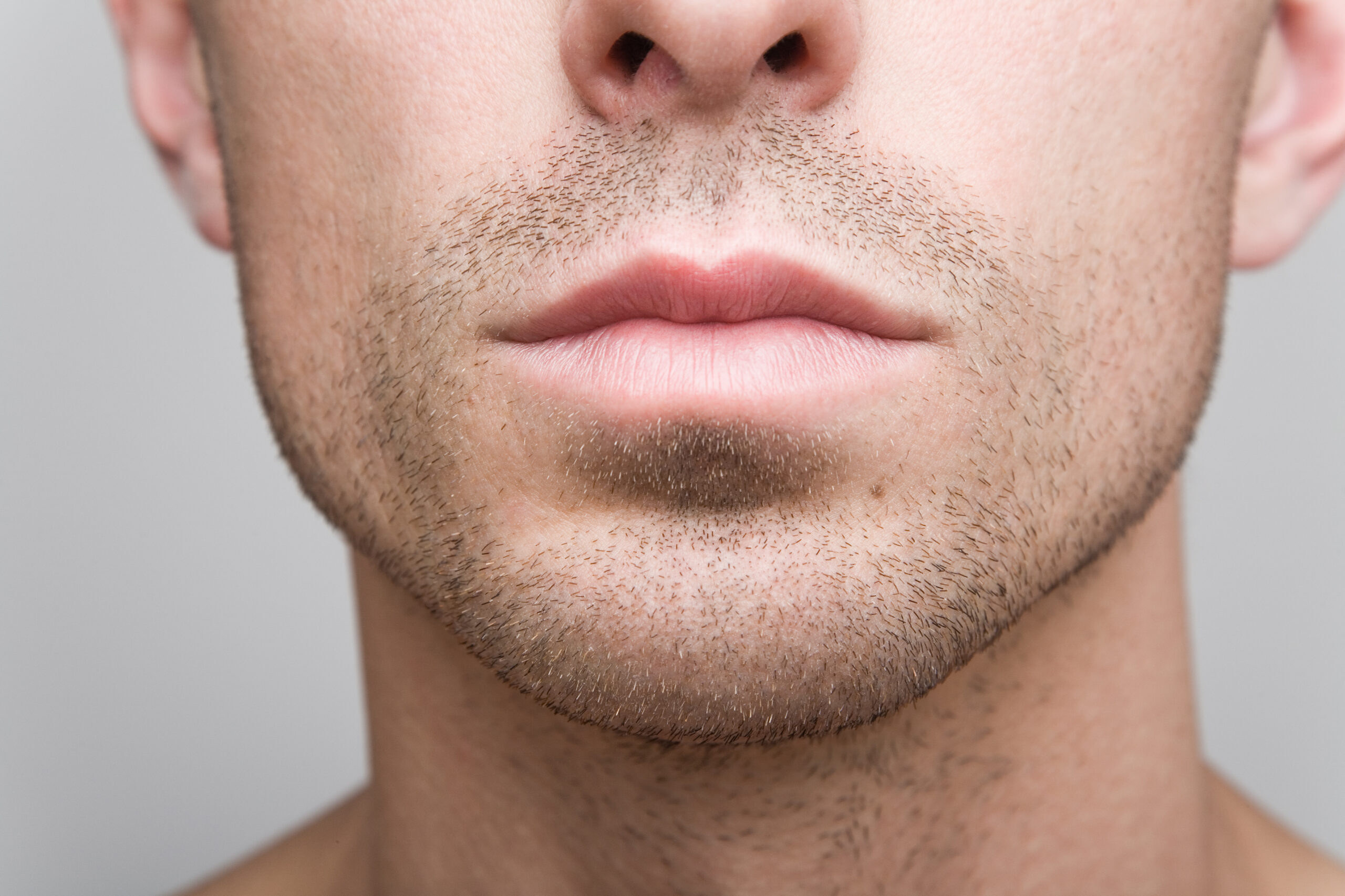
Cheek
गाला
Syllable: गाला
Pronunciation: Gaala
- The child has rosy cheeks. – बच्चाको गाला गुलाबी छ।
- She kissed him on the cheek. – उनले उसको गालामा चुम्बन गरिन्।
- My cheek hurts. – मेरो गाला दुखिरहेको छ।

Neck
घाँटी
Syllable: घाँटी
Pronunciation: Ghaanti
- My neck is stiff today. – आज मेरो घाँटी कडा भएको छ।
- He wore a scarf around his neck. – उसले घाँटीमा स्कार्फ लगायो।
- The neck connects the head to the body. – घाँटीले टाउकोलाई शरीरसँग जोड्छ।
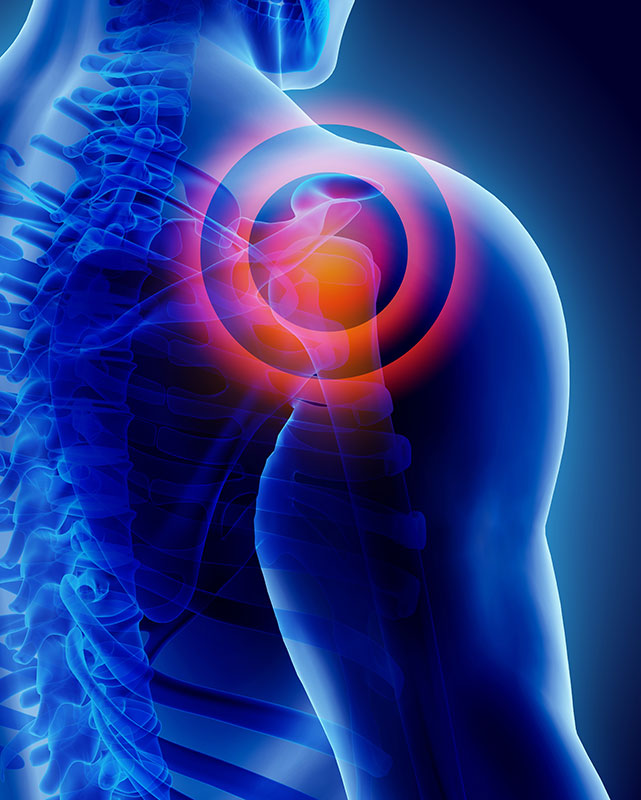
Shoulder
काँध
Syllable: काँध
Pronunciation: Kaandh
- He carried the bag on his shoulder. – उसले झोला काँधमा बोकेको थियो।
- My shoulder hurts after exercise. – व्यायामपछि मेरो काँध दुख्यो।
- The bird sat on my shoulder. – चराले मेरो काँधमा बसेको थियो।

Arm
पाखुरा
Syllable: पाखुरा
Pronunciation: Pakhura
- He raised his arm. – उसले आफ्नो पाखुरा उठायो।
- My arm is strong. – मेरो पाखुरा बलियो छ।
- The nurse checked my arm. – नर्सले मेरो पाखुरा जाँचिन्।
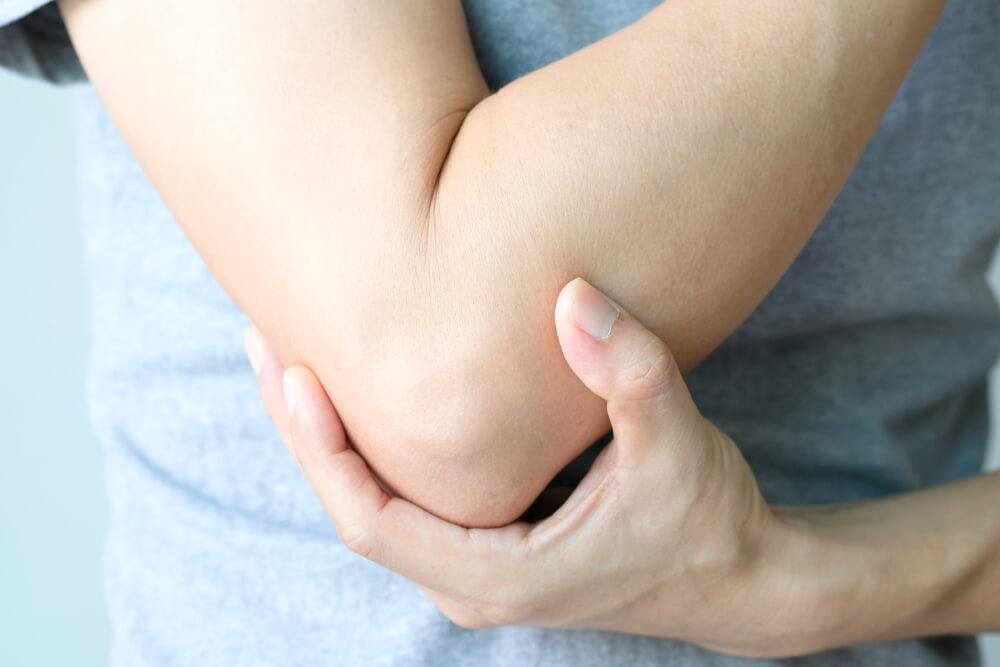
Elbow
कुहिनो
Syllable: कुहिनो
Pronunciation: Kuhino
- I hurt my elbow while playing. – खेल्दा मेरो कुहिनोमा चोट लाग्यो।
- Rest your elbow on the table. – आफ्नो कुहिनो टेबलमा राख।
- His elbow is bandaged. – उसको कुहिनोमा पट्टी बाँधिएको छ।
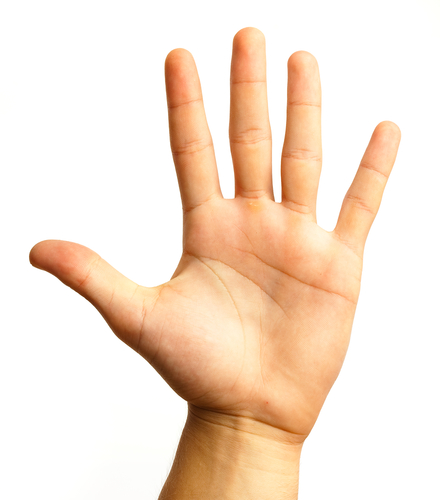
Hand
हात
Syllable: हात
Pronunciation: Haat
- Wash your hands before eating. – खाना खानुअघि हात धुनुहोस्।
- She raised her hand. – उनले आफ्नो हात उठाइन्।
- My hands are cold. – मेरा हात चिसा छन्।

Finger
औँला
Syllable: औँला
Pronunciation: Aula
- He pointed with his finger. – उसले औँलाले देखायो।
- My finger got cut. – मेरो औँला काटियो।
- Count on your fingers. – आफ्ना औँलामा गन्नुहोस्।

Thumb
बुढी औँला
Syllable: बुढी औँला
Pronunciation: Budhi Aula
- Give me a thumbs up. – मलाई बुढी औँला देखाऊ।
- My thumb is sore. – मेरो बुढी औँला दुखिरहेको छ।
- The baby held my thumb. – बच्चाले मेरो बुढी औँला समात्यो।

Chest
छाती
Syllable: छाती
Pronunciation: Chhati
- He took a deep breath with his chest expanded. – उसले छाती फुलाएर गहिरो सास फेर्यो।
- My chest hurts when I cough. – खोकी लाग्दा मेरो छाती दुख्छ।
- The chest protects important organs. – छातीले महत्वपूर्ण अंगहरूको सुरक्षा गर्छ।

Heart
मुटु
Syllable: मुटु
Pronunciation: Mutu
- The heart pumps blood throughout the body. – मुटुले शरीरभरि रगत पम्प गर्छ।
- Her heart is healthy. – उनको मुटु स्वस्थ छ।
- My heart beats fast when I run. – म दौडँदा मेरो मुटु छिटो धड्किन्छ।

Stomach
पेट
Syllable: पेट
Pronunciation: Pet
- My stomach is full after lunch. – दिउँसोको खाना खाएपछि मेरो पेट भरिएको छ।
- He has a stomach ache. – उसको पेट दुखिरहेको छ।
- The stomach helps digest food. – पेटले खाना पचाउन मद्दत गर्छ।
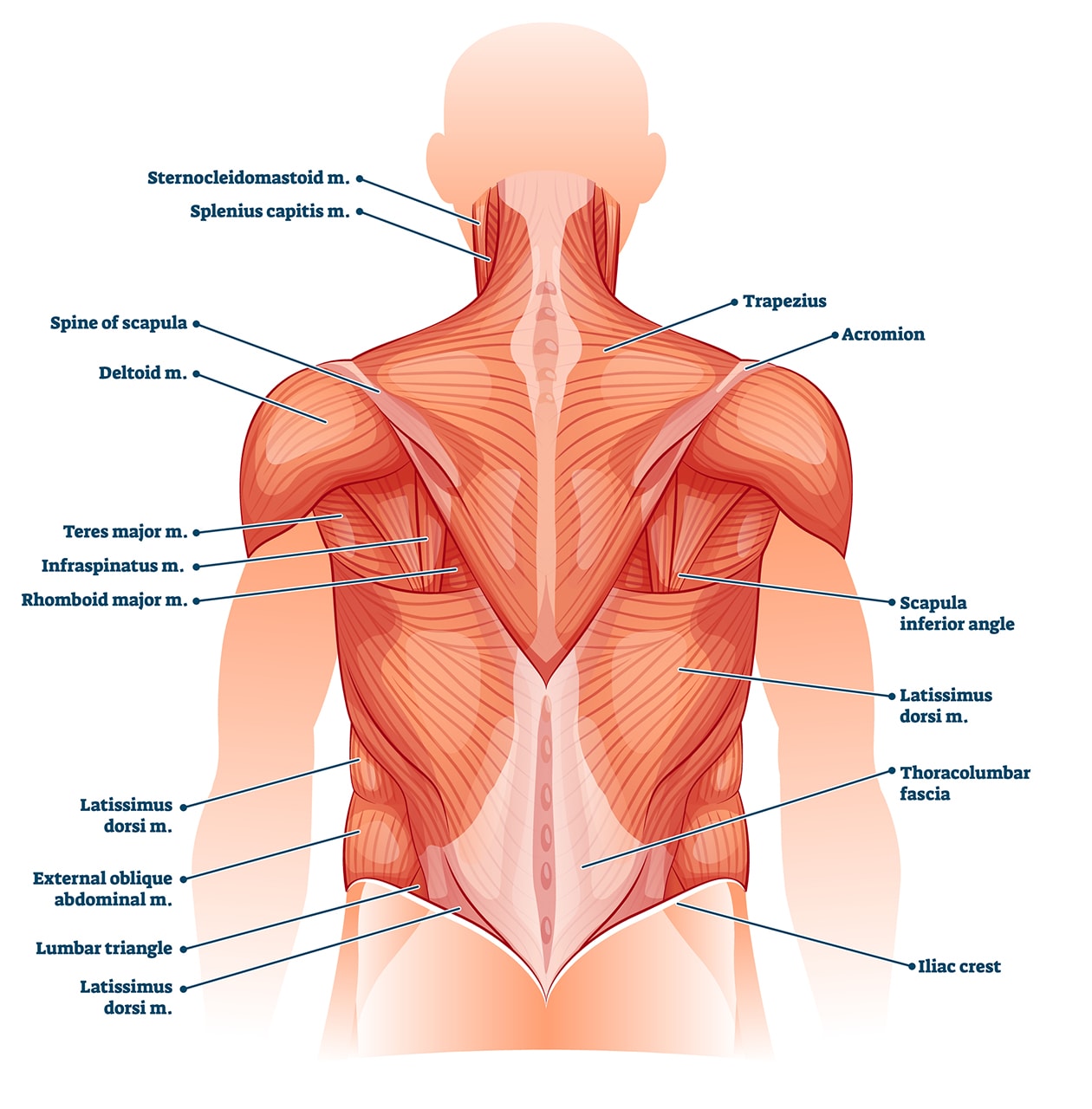
Back
ढाड
Syllable: ढाड
Pronunciation: Dhaad
- My back hurts after lifting heavy boxes. – भारी बाकस उठाएपछि मेरो ढाड दुख्यो।
- He lay on his back. – ऊ आफ्नो ढाडको भरमा सुत्यो।
- Keep your back straight while sitting. – बस्दा आफ्नो ढाड सिधा राख।

Waist
कम्मर
Syllable: कम्मर
Pronunciation: Kammar
- She tied a belt around her waist. – उनले कम्मरमा पेटी बाँधिन्।
- My waist measurement is thirty inches. – मेरो कम्मरको नाप तीस इन्च छ।
- He felt pain in his waist. – उसले कम्मरमा दुखाइ महसुस गर्यो।
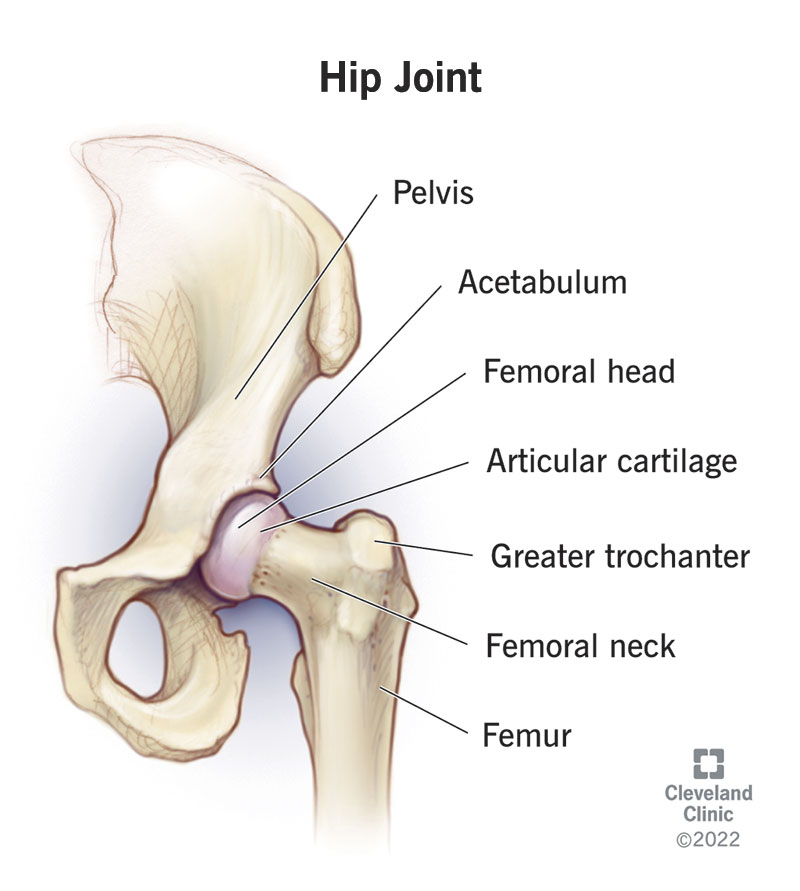
Hip
नितम्ब
Syllable: नितम्ब
Pronunciation: Nitamba
- The baby sat on her mother\’s hip. – बच्चा आमाको नितम्बमा बसेको थियो।
- He injured his hip during the match. – खेलको क्रममा उसको नितम्बमा चोट लाग्यो।
- The hip joint helps us walk. – नितम्बको जोर्नीले हिँड्न मद्दत गर्छ।
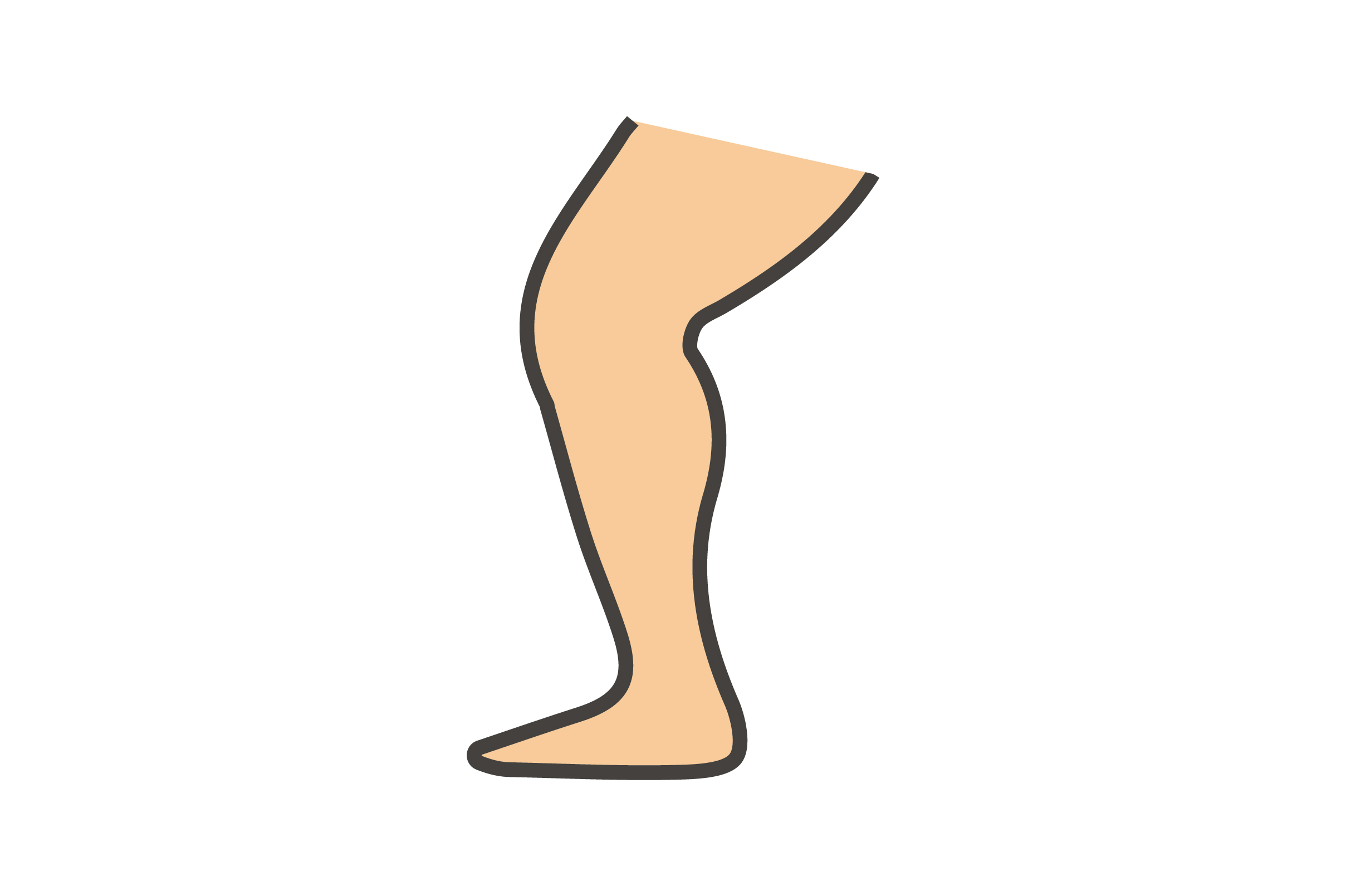
Leg
खुट्टा
Syllable: खुट्टा
Pronunciation: Khutta
- My legs are tired after walking. – हिँडेपछि मेरा खुट्टा थाकेका छन्।
- He broke his leg in an accident. – दुर्घटनामा उसको खुट्टा भाँचियो।
- Strong legs help us run faster. – बलिया खुट्टाले छिटो दौडिन मद्दत गर्छन्।

Knee
घुँडा
Syllable: घुँडा
Pronunciation: Ghunda
- She bent her knee carefully. – उनले आफ्नो घुँडा सावधानीपूर्वक मोडिन्।
- My knee hurts when I climb stairs. – सिँढी चढ्दा मेरो घुँडा दुख्छ।
- The player injured his knee. – खेलाडीको घुँडामा चोट लाग्यो।

Foot
खुट्टाको पंजा
Syllable: खुट्टाको पंजा
Pronunciation: Khuttako Panja
- My foot is swollen. – मेरो खुट्टाको पंजा सुन्निएको छ।
- Wash your feet before entering the room. – कोठामा पस्नुअघि खुट्टाको पंजा धुनुहोस्।
- He stepped on my foot. – उसले मेरो खुट्टाको पंजामा पाइला राख्यो।

Toes
खुट्टाका औँलाहरू
Syllable: खुट्टाका औँलाहरू
Pronunciation: Khuttaka Aulaharu
- I can wiggle my toes. – म आफ्ना खुट्टाका औँलाहरू हल्लाउन सक्छु।
- The sand touched my toes. – बालुवाले मेरा खुट्टाका औँलाहरू छोयो।
- Her toes are cold. – उनका खुट्टाका औँलाहरू चिसा छन्।

Nails
नङ
Syllable: नङ
Pronunciation: Nang
- Cut your nails regularly. – आफ्ना नङ नियमित रूपमा काट।
- Her nails are painted red. – उनका नङ रातो रंगले रंगिएका छन्।
- My nails grow quickly. – मेरा नङ चाँडै बढ्छन्।

Brain
मस्तिष्क
Syllable: मस्तिष्क
Pronunciation: Mastishka
- The brain controls the body. – मस्तिष्कले शरीरलाई नियन्त्रण गर्छ।
- Studying helps develop the brain. – पढाइले मस्तिष्कको विकास गर्छ।
- The doctor examined his brain scan. – डाक्टरले उसको मस्तिष्कको स्क्यान जाँचे।

Lungs
फोक्सो
Syllable: फोक्सो
Pronunciation: Fokso
- The lungs help us breathe. – फोक्सोले सास फेर्न मद्दत गर्छ।
- Smoking can damage the lungs. – धूम्रपानले फोक्सोलाई हानि पुर्याउन सक्छ।
- Her lungs are healthy. – उनको फोक्सो स्वस्थ छ।
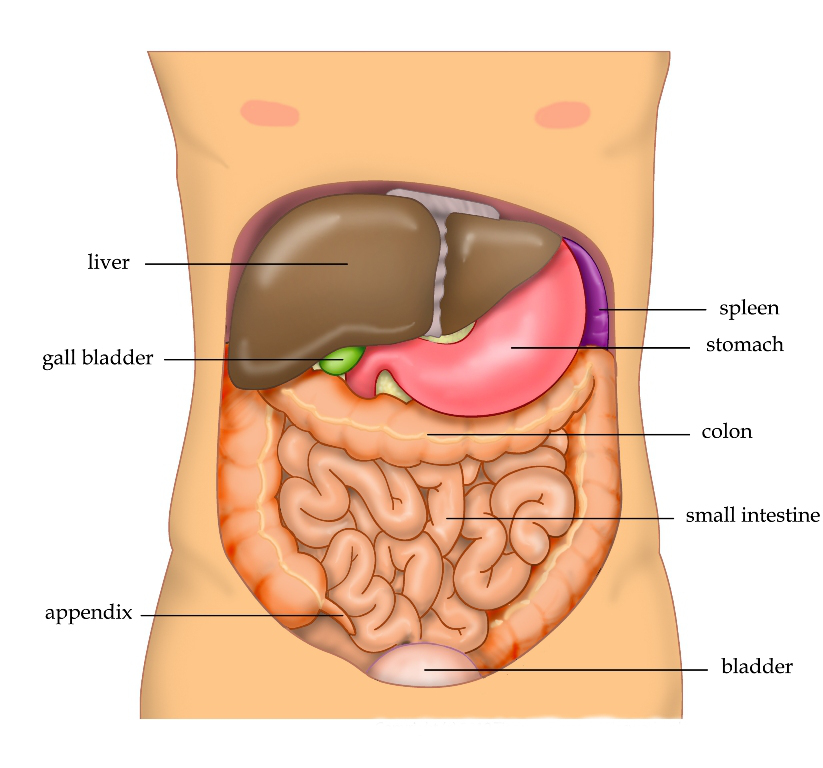
Abdomen
उदर
Syllable: उदर
Pronunciation: Udar
- The doctor checked his abdomen. – डाक्टरले उसको उदर जाँचे।
- He felt pain in his abdomen. – उसको उदरमा दुखाइ भयो।
- The abdomen contains many organs. – उदरभित्र धेरै अंगहरू हुन्छन्।
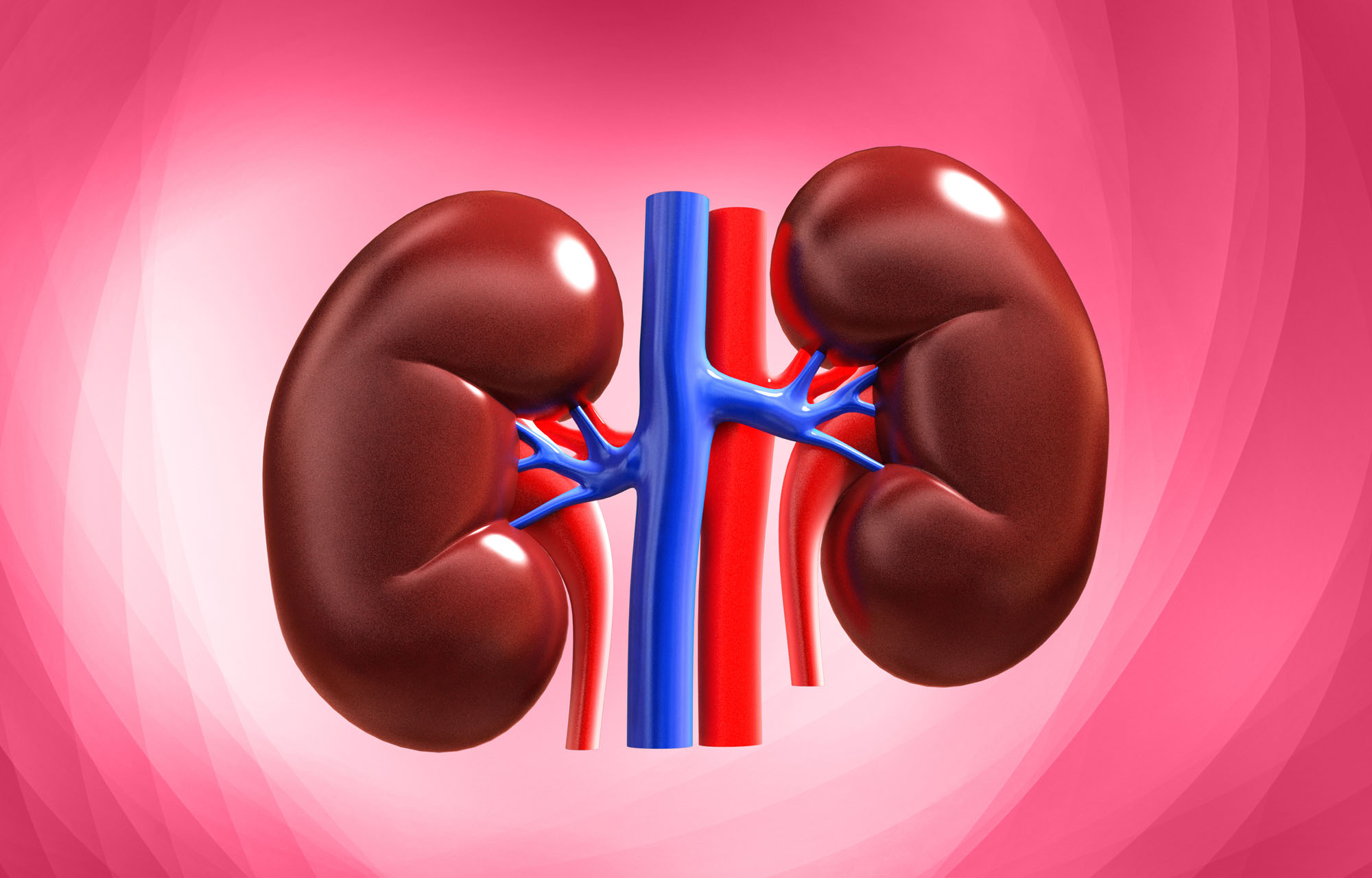
Kidney
मिर्गौला
Syllable: मिर्गौला
Pronunciation: Mirgaula
- The kidneys filter waste from blood. – मिर्गौलाले रगतबाट फोहोर पदार्थ छान्छ।
- She donated one kidney. – उनले एउटा मिर्गौला दान गरिन्।
- Healthy kidneys are important. – स्वस्थ मिर्गौला धेरै महत्वपूर्ण हुन्छ।

Skin
छाला
Syllable: छाला
Pronunciation: Chhala
- Skin protects the body. – छालाले शरीरको सुरक्षा गर्छ।
- My skin is dry in winter. – जाडोमा मेरो छाला सुक्खा हुन्छ।
- Use lotion to keep your skin soft. – छाला नरम राख्न लोसन प्रयोग गर।
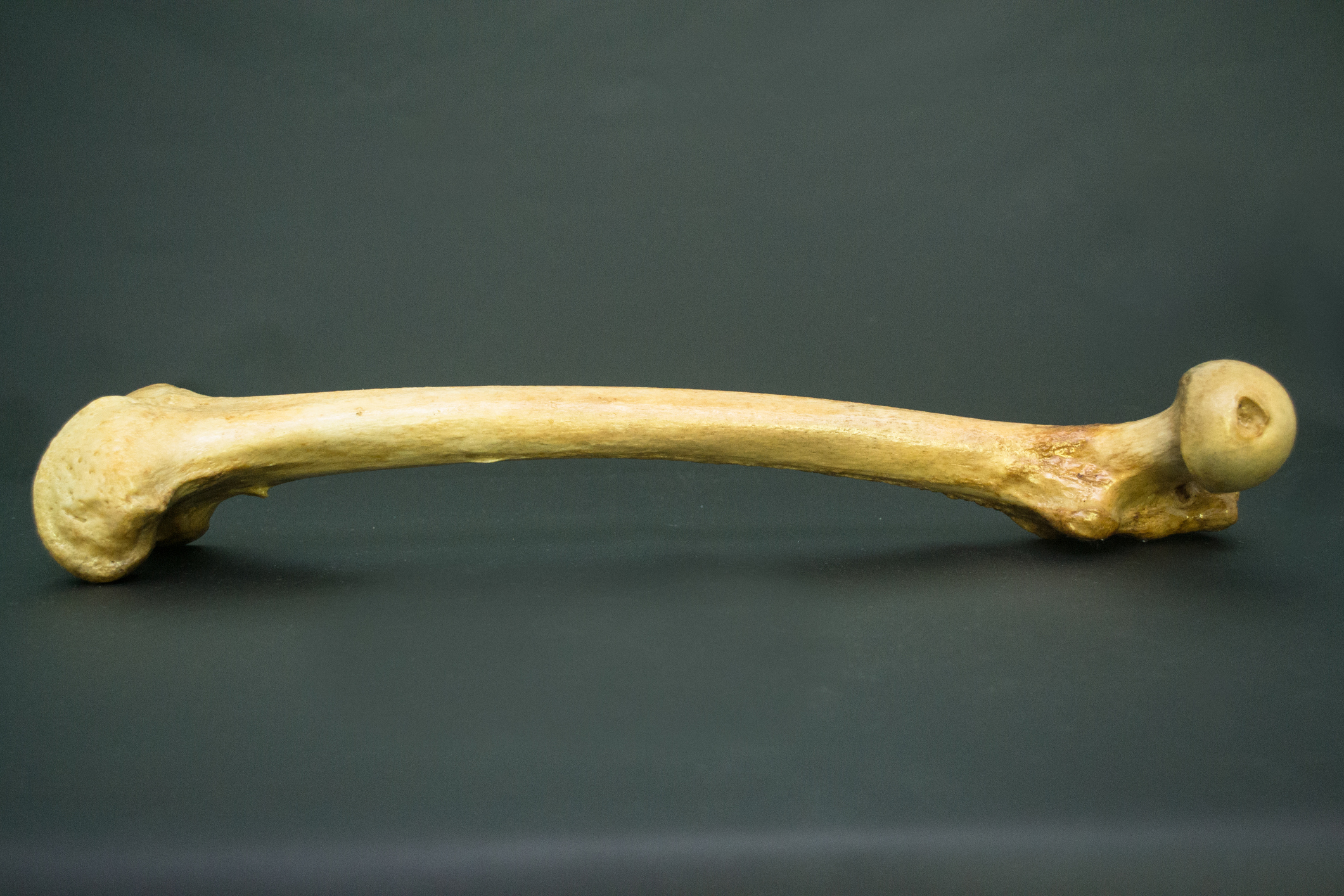
Bone
हड्डी
Syllable: हड्डी
Pronunciation: Haddi
- Bones support the body. – हड्डीहरूले शरीरलाई सहारा दिन्छन्।
- He fractured a bone in his arm. – उसको पाखुराको एउटा हड्डी भाँचियो।
- Strong bones need calcium. – बलिया हड्डीका लागि क्याल्सियम चाहिन्छ।

Skeleton
कंकाल
Syllable: कंकाल
Pronunciation: Kankaal
- The skeleton gives shape to the body. – कंकालले शरीरलाई आकार दिन्छ।
- We studied the human skeleton in class. – हामीले कक्षामा मानव कंकालको अध्ययन गर्यौं।
- The museum displayed a skeleton. – संग्रहालयमा एउटा कंकाल प्रदर्शन गरिएको थियो।
Why Learning Body Parts Names in Nepali Matters
Body part vocabulary appears frequently in school lessons, health discussions, sports activities, personal descriptions, and everyday conversations. Learning these words in Nepali helps learners communicate more clearly and understand common instructions.
For beginners, body parts are particularly easy to learn because they can be pointed to and identified directly. This visual and physical connection often improves memory and makes vocabulary more meaningful.
These words also provide a foundation for learning about health, fitness, personal care, and medical topics. A strong understanding of body-related vocabulary supports many areas of language learning.
Benefits of Learning Nepali Body Parts Names
- Builds essential everyday vocabulary.
- Helps learners understand common instructions.
- Supports reading and speaking activities.
- Improves pronunciation and word recognition.
- Makes classroom learning easier.
- Helps children learn through direct observation.
- Expands health-related vocabulary.
- Supports worksheets and educational activities.
- Encourages active participation in lessons.
- Creates opportunities for practical language use.
- Builds confidence in communication.
- Strengthens memory through visual association.
Since learners use these body parts every day, they have endless opportunities to review and practice the vocabulary naturally.
Easy Ways to Remember Nepali Body Parts Names
One effective technique is to combine words with actions. Learners can point to their eyes, nose, ears, shoulders, or knees while saying the Nepali names aloud. This combination of movement and language often improves retention.
Body diagrams, posters, and labeled illustrations can also support learning. Seeing the body part alongside its Nepali name helps strengthen recognition and understanding.
Another useful strategy is studying body parts in sections, such as facial features, upper-body parts, and lower-body parts. Organizing vocabulary into smaller groups can make learning more manageable.
Simple Practice Ideas
- Use body part flashcards with Nepali names.
- Point to body parts while saying their names.
- Draw a human figure and label the parts.
- Learn a few new words each week.
- Practice pronunciation aloud.
- Watch Nepali educational videos.
- Create a vocabulary notebook.
- Match pictures with body part names.
- Use the words in simple sentences.
- Review previously learned vocabulary regularly.
- Play body-part identification games.
- Ask family members to quiz you.
Regular practice through visual learning and physical actions can make vocabulary easier to remember.
Body Parts Names in Nepali At a Glance
| # | English Name | Nepali Name | Pronunciation |
|---|---|---|---|
| 1 | Head | टाउको | Tauko |
| 2 | Hair | कपाल | Kapal |
| 3 | Forehead | निधार | Nidhar |
| 4 | Eye | आँखा | Aankha |
| 5 | Eyebrow | भौं | Bhaun |
| 6 | Eyelashes | परेला | Parela |
| 7 | Ear | कान | Kaan |
| 8 | Nose | नाक | Naak |
| 9 | Nostril | नासिका प्वाल | Nasika Pwaal |
| 10 | Mouth | मुख | Mukh |
| 11 | Lips | ओठ | Oth |
| 12 | Teeth | दाँत | Daat |
| 13 | Tongue | जिब्रो | Jibro |
| 14 | Cheek | गाला | Gaala |
| 15 | Neck | घाँटी | Ghaanti |
| 16 | Shoulder | काँध | Kaandh |
| 17 | Arm | पाखुरा | Pakhura |
| 18 | Elbow | कुहिनो | Kuhino |
| 19 | Hand | हात | Haat |
| 20 | Finger | औँला | Aula |
| 21 | Thumb | बुढी औँला | Budhi Aula |
| 22 | Chest | छाती | Chhati |
| 23 | Heart | मुटु | Mutu |
| 24 | Stomach | पेट | Pet |
| 25 | Back | ढाड | Dhaad |
| 26 | Waist | कम्मर | Kammar |
| 27 | Hip | नितम्ब | Nitamba |
| 28 | Leg | खुट्टा | Khutta |
| 29 | Knee | घुँडा | Ghunda |
| 30 | Foot | खुट्टाको पंजा | Khuttako Panja |
| 31 | Toes | खुट्टाका औँलाहरू | Khuttaka Aulaharu |
| 32 | Nails | नङ | Nang |
| 33 | Brain | मस्तिष्क | Mastishka |
| 34 | Lungs | फोक्सो | Fokso |
| 35 | Abdomen | उदर | Udar |
| 36 | Kidney | मिर्गौला | Mirgaula |
| 37 | Skin | छाला | Chhala |
| 38 | Bone | हड्डी | Haddi |
| 39 | Skeleton | कंकाल | Kankaal |
Body Parts Names Quiz
Building a Strong Foundation in Nepali Vocabulary
Body part names are some of the most practical words learners can know because they appear in daily conversations, educational settings, and health-related discussions. Their connection to everyday life makes them useful, memorable, and easy to apply.
As you continue expanding your Nepali vocabulary, these words can help you understand topics related to health, fitness, and personal care more confidently.
Which body part name was the easiest for you to learn? Did you discover a Nepali word that was completely new to you? Share your thoughts in the comments and compare your answers with fellow learners.