Wild animals live freely in forests, grasslands, mountains, deserts, and wetlands without depending on humans for survival. From powerful tigers and majestic elephants to swift deer and clever foxes, these animals play an important role in maintaining the balance of nature.
Nepal is home to an incredible variety of wildlife, thanks to its diverse geography that ranges from the Terai plains to the Himalayan region. Many wild animals can be seen in national parks, wildlife reserves, documentaries, and educational materials, making them a fascinating topic for learners.
This worksheet introduces common wild animal names in Nepali, helping learners expand their vocabulary while exploring the rich diversity of the natural world.
Why Learning Wild Animal Names in Nepali Matters
Wild animal names appear frequently in science lessons, environmental studies, wildlife documentaries, storybooks, and general knowledge activities. Learning these words in Nepali helps learners understand nature-related topics more confidently.
Unlike domestic animals, many wild animals are known mainly through books, zoos, and wildlife programs. Learning their names encourages curiosity about ecosystems, biodiversity, and conservation while expanding language skills.
Wildlife vocabulary also helps learners describe animals more accurately and participate in discussions about nature and environmental protection.
Benefits of Learning Nepali Wild Animal Names
- Builds useful wildlife-related vocabulary.
- Helps learners identify common wild animals in Nepali.
- Supports reading and speaking activities.
- Improves pronunciation and word recognition.
- Makes nature discussions easier to understand.
- Supports classroom lessons and educational projects.
- Expands environmental vocabulary.
- Encourages curiosity about animals and habitats.
- Creates opportunities for practical language use.
- Helps learners connect language with science.
- Makes vocabulary learning more engaging.
- Strengthens memory through visual associations.
Because wild animals are often featured in educational content, learners have many opportunities to revisit and reinforce these words.
Amazing Creatures Found in Natural Habitats
Some wild animals are predators, while others survive by grazing, climbing, or adapting to challenging environments.
The list below includes commonly recognized wild animals along with their Nepali names, helping learners connect familiar wildlife with practical vocabulary.

Lion
सिंह
Syllable: सिंह
Pronunciation: Singha
- The lion is the king of the jungle. – सिंह जंगलको राजा हो।
- The lion roared loudly. – सिंहले ठूलो गर्जन गर्यो।
- We saw a lion at the zoo. – हामीले चिडियाखानामा सिंह देख्यौं।

Tiger
बाघ
Syllable: बाघ
Pronunciation: Bagh
- The tiger is walking through the forest. – बाघ जंगलमा हिँडिरहेको छ।
- The tiger has black stripes. – बाघको शरीरमा कालो धर्का हुन्छन्।
- The tiger is a powerful animal. – बाघ शक्तिशाली जनावर हो।

Leopard
चितुवा
Syllable: चितुवा
Pronunciation: Chituwa
- The leopard climbed a tree. – चितुवा रूखमा चढ्यो।
- The leopard is a skilled hunter. – चितुवा सिपालु शिकारी हो।
- The leopard moves quietly. – चितुवा चुपचाप हिँड्छ।

Cheetah
चिता
Syllable: चित्ता
Pronunciation: Chita
- The cheetah runs very fast. – चिता धेरै छिटो दौडन्छ।
- The cheetah is chasing its prey. – चिता आफ्नो सिकार पछ्याइरहेको छ।
- The cheetah is the fastest land animal. – चिता जमिनमा सबैभन्दा छिटो दौडने जनावर हो।

Elephant
हात्ती
Syllable: हात्ती
Pronunciation: Hatti
- The elephant is drinking water. – हात्ती पानी पिइरहेको छ।
- The elephant has a long trunk. – हात्तीको लामो सुँड हुन्छ।
- The elephant is very large. – हात्ती धेरै ठूलो हुन्छ।

Rhinoceros
गैंडा
Syllable: गैंडा
Pronunciation: Gainda
- The rhinoceros is grazing in the grassland. – गैंडा घाँसे मैदानमा चरिरहेको छ।
- The rhinoceros has a strong horn. – गैंडाको बलियो खाग हुन्छ।
- The rhinoceros is a protected animal. – गैंडा संरक्षित जनावर हो।

Hippopotamus
दरियाई घोडा
Syllable: दरियाई घोडा
Pronunciation: Dariyai Ghoda
- The hippopotamus is resting in the water. – दरियाई घोडा पानीमा आराम गरिरहेको छ।
- The hippopotamus has a huge body. – दरियाई घोडाको शरीर विशाल हुन्छ।
- The hippopotamus spends much time in water. – दरियाई घोडा धेरै समय पानीमा बिताउँछ।

Bear
भालु
Syllable: भालु
Pronunciation: Bhalu
- The bear is looking for food. – भालु खाना खोजिरहेको छ।
- The bear lives in forests. – भालु जंगलमा बस्छ।
- The bear climbed the hill. – भालु डाँडो चढ्यो।

Wolf
ब्वाँसो
Syllable: ब्वाँसो
Pronunciation: Bwanso
- The wolf is howling at night. – ब्वाँसो राति कराइरहेको छ।
- Wolves live in packs. – ब्वाँसोहरू समूहमा बस्छन्।
- The wolf is searching for prey. – ब्वाँसो सिकार खोजिरहेको छ।

Fox
स्याल
Syllable: स्याल
Pronunciation: Syal
- The fox is clever. – स्याल चलाख हुन्छ।
- The fox ran into the forest. – स्याल जंगलतिर दौडियो।
- The fox is hunting for food. – स्याल खाना खोजिरहेको छ।

Hyena
लकडबग्घा
Syllable: लकडबग्घा
Pronunciation: Lakadbaggha
- The hyena is laughing loudly. – लकडबग्घा ठूलो स्वरले कराइरहेको छ।
- The hyena is a scavenger. – लकडबग्घा मृत जनावर खाने जनावर हो।
- The hyena is roaming the grassland. – लकडबग्घा घाँसे मैदानमा घुमिरहेको छ।

Jackal
सियार
Syllable: सियार
Pronunciation: Siyar
- The jackal is walking near the village. – सियार गाउँ नजिक हिँडिरहेको छ।
- The jackal is active at night. – सियार राति सक्रिय हुन्छ।
- The jackal searched for food. – सियारले खाना खोज्यो।

Deer
हरिण
Syllable: हरिण
Pronunciation: Harin
- The deer is running through the forest. – हरिण जंगलमा दौडिरहेको छ।
- The deer has beautiful antlers. – हरिणका सुन्दर सिङ हुन्छन्।
- The deer is eating leaves. – हरिण पात खाइरहेको छ।

Blackbuck
कृष्णसार
Syllable: कृष्णसार
Pronunciation: Krishnasar
- The blackbuck is grazing in the field. – कृष्णसार मैदानमा चरिरहेको छ।
- The blackbuck can run very fast. – कृष्णसार धेरै छिटो दौडन सक्छ।
- The blackbuck is a protected species. – कृष्णसार संरक्षित प्रजाति हो।
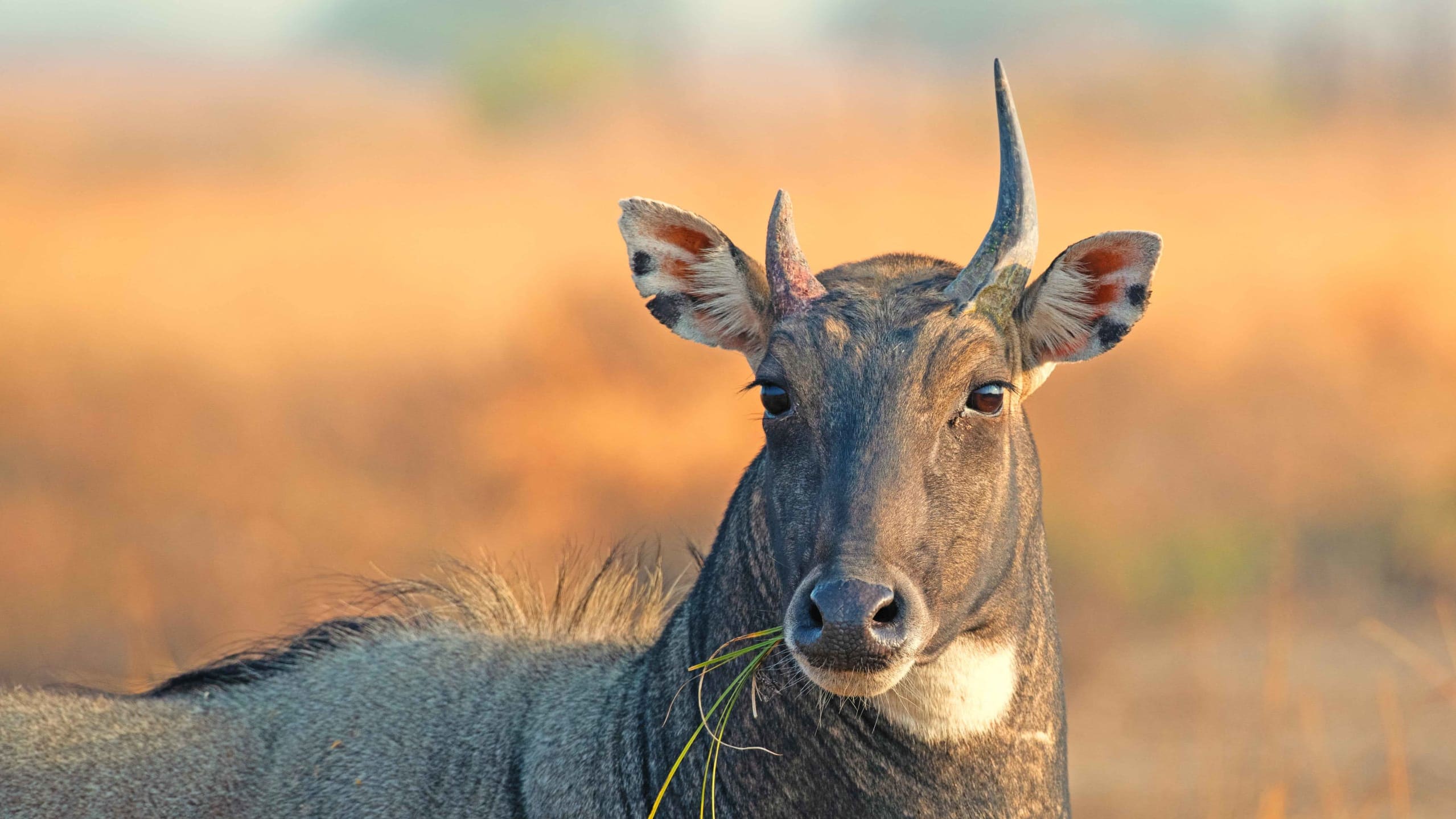
Nilgai
नीलगाई
Syllable: नीलगाई
Pronunciation: Nilgai
- The nilgai is walking across the grassland. – नीलगाई घाँसे मैदान पार गर्दै हिँडिरहेको छ।
- The nilgai is the largest Asian antelope. – नीलगाई एशियाको सबैभन्दा ठूलो हरिण जाति हो।
- The nilgai is eating grass. – नीलगाई घाँस खाइरहेको छ।

Alligator
एलिगेटर
Syllable: एलिगेटर
Pronunciation: Aligator
- The alligator is swimming slowly. – एलिगेटर बिस्तारै पौडिरहेको छ।
- The alligator has strong jaws. – एलिगेटरको बलियो बङ्गारा हुन्छ।
- The alligator lives near rivers. – एलिगेटर नदी नजिक बस्छ।

Monkey
बाँदर
Syllable: बाँदर
Pronunciation: Bandar
- The monkey is climbing a tree. – बाँदर रूखमा चढिरहेको छ।
- The monkey likes bananas. – बाँदरलाई केरा मन पर्छ।
- The monkey jumped from branch to branch. – बाँदर एक हाँगाबाट अर्को हाँगामा हाम फाल्यो।

Langur
लंगुर
Syllable: लंगुर
Pronunciation: Langur
- The langur is sitting on a wall. – लंगुर पर्खालमा बसेको छ।
- The langur has a long tail. – लंगुरको लामो पुच्छर हुन्छ।
- The langur is eating fruits. – लंगुर फलफूल खाइरहेको छ।

Gorilla
गोरिल्ला
Syllable: गोरिल्ला
Pronunciation: Gorilla
- The gorilla is very strong. – गोरिल्ला धेरै बलियो हुन्छ।
- The gorilla is eating leaves. – गोरिल्ला पात खाइरहेको छ।
- The gorilla lives in forests. – गोरिल्ला जंगलमा बस्छ।

Chimpanzee
चिम्पान्जी
Syllable: चिम्पान्जी
Pronunciation: Chimpanji
- The chimpanzee is intelligent. – चिम्पान्जी बुद्धिमान हुन्छ।
- The chimpanzee is using a stick. – चिम्पान्जीले लठ्ठी प्रयोग गरिरहेको छ।
- The chimpanzee lives in groups. – चिम्पान्जी समूहमा बस्छ।

Giraffe
जिराफ
Syllable: जिराफ
Pronunciation: Jiraf
- The giraffe has a very long neck. – जिराफको धेरै लामो घाँटी हुन्छ।
- The giraffe is eating leaves from a tall tree. – जिराफ अग्लो रूखका पात खाइरहेको छ।
- We saw a giraffe at the zoo. – हामीले चिडियाखानामा जिराफ देख्यौं।

Zebra
जेब्रा
Syllable: जेब्रा
Pronunciation: Jebra
- The zebra has black and white stripes. – जेब्राको शरीरमा कालो र सेतो धर्का हुन्छन्।
- The zebra is running across the grassland. – जेब्रा घाँसे मैदानमा दौडिरहेको छ।
- Zebras live in herds. – जेब्राहरू समूहमा बस्छन्।
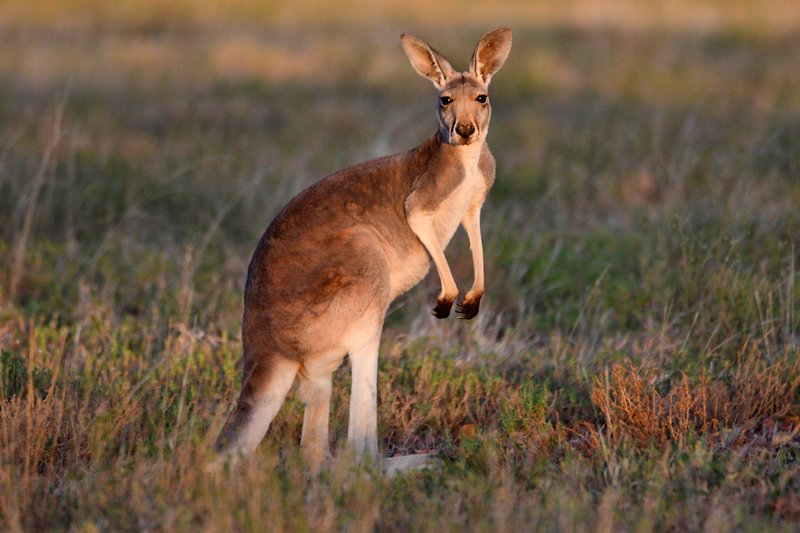
Kangaroo
कङ्गारु
Syllable: कङ्गारु
Pronunciation: Kangaru
- The kangaroo is jumping. – कङ्गारु उफ्रिरहेको छ।
- The kangaroo carries its baby in a pouch. – कङ्गारुले आफ्नो बच्चालाई थैलीमा राख्छ।
- Kangaroos live in Australia. – कङ्गारुहरू अस्ट्रेलियामा बस्छन्।

Panda
पान्डा
Syllable: पान्डा
Pronunciation: Panda
- The panda is eating bamboo. – पान्डा बाँस खाइरहेको छ।
- The panda is very cute. – पान्डा धेरै प्यारो हुन्छ।
- The panda is resting under a tree. – पान्डा रूखमुनि आराम गरिरहेको छ।

Koala
कोआला
Syllable: कोआला
Pronunciation: Koala
- The koala is sleeping on a tree. – कोआला रूखमा सुतिरहेको छ।
- The koala eats eucalyptus leaves. – कोआलाले युकलिप्टसका पात खान्छ।
- Koalas are native to Australia. – कोआला अस्ट्रेलियाका रैथाने जनावर हुन्।

Bison
बाइसन
Syllable: बाइसन
Pronunciation: Baison
- The bison is grazing peacefully. – बाइसन शान्तसँग चरिरहेको छ।
- The bison has a large body. – बाइसनको शरीर ठूलो हुन्छ।
- The bison lives in open grasslands. – बाइसन खुला घाँसे मैदानमा बस्छ।

Wild Water Buffalo
जंगली भैंसी
Syllable: जंगली भैंसी
Pronunciation: Jangali Bhainsi
- The wild water buffalo is standing near the river. – जंगली भैंसी नदी किनारमा उभिएको छ।
- The wild water buffalo has strong horns. – जंगली भैंसीका बलिया सिङ हुन्छन्।
- It is a rare wild animal. – यो दुर्लभ जंगली जनावर हो।

Porcupine
साही
Syllable: साही
Pronunciation: Sahi
- The porcupine has sharp quills. – साहीका तीखा काँडा हुन्छन्।
- The porcupine is searching for food. – साही खाना खोजिरहेको छ।
- The porcupine moves slowly. – साही बिस्तारै हिँड्छ।

Hare
खरायो
Syllable: खरायो
Pronunciation: Kharayo
- The hare is running fast. – खरायो छिटो दौडिरहेको छ।
- The hare has long ears. – खरायोका लामो कान हुन्छन्।
- The hare is hiding in the grass. – खरायो घाँसमा लुकेको छ।

Otter
उदबिलाव
Syllable: उदबिलाव
Pronunciation: Udabilav
- The otter is swimming in the river. – उदबिलाव नदीमा पौडिरहेको छ।
- The otter is playing in the water. – उदबिलाव पानीमा खेलिरहेको छ।
- The otter catches fish for food. – उदबिलावले खानाका लागि माछा समात्छ।

Mongoose
नेवला
Syllable: नेवला
Pronunciation: Newala
- The mongoose is chasing a snake. – नेवलाले सर्पलाई पछ्याइरहेको छ।
- The mongoose is quick and brave. – नेवला छिटो र साहसी हुन्छ।
- The mongoose lives near farms. – नेवला खेतबारी नजिक बस्छ।

Squirrel
गिलहरी
Syllable: गिलहरी
Pronunciation: Gilhari
- The squirrel is climbing a tree. – गिलहरी रूखमा चढिरहेको छ।
- The squirrel is eating nuts. – गिलहरी बदाम खाइरहेको छ।
- The squirrel jumped across the branches. – गिलहरी हाँगाबाट हाँगामा हाम फाल्यो।
Bat
चमेरो
Syllable: चमेरो
Pronunciation: Chamero
- The bat is flying at night. – चमेरो राति उड्छ।
- Bats sleep during the day. – चमेरो दिनमा सुत्छ।
- The bat is hanging upside down. – चमेरो उल्टो झुन्डिएको छ।

Armadillo
आर्माडिलो
Syllable: आर्माडिलो
Pronunciation: Armadilo
- The armadillo has a hard shell. – आर्माडिलोको कडा कवच हुन्छ।
- The armadillo is digging in the soil. – आर्माडिलो माटो खनिरहेको छ।
- The armadillo protects itself with its shell. – आर्माडिलोले आफ्नो कवचले सुरक्षा गर्छ।

Meerkat
मीरक्याट
Syllable: मीरक्याट
Pronunciation: Mirkyat
- The meerkat is standing upright. – मीरक्याट सीधा उभिएको छ।
- The meerkat is watching for danger. – मीरक्याट खतरा हेर्दैछ।
- Meerkats live in groups. – मीरक्याटहरू समूहमा बस्छन्।

Wolverine
वल्भरिन
Syllable: वल्भरिन
Pronunciation: Valvarin
- The wolverine is a strong animal. – वल्भरिन बलियो जनावर हो।
- The wolverine lives in cold regions. – वल्भरिन चिसो क्षेत्रमा बस्छ।
- The wolverine is searching for food. – वल्भरिन खाना खोजिरहेको छ।
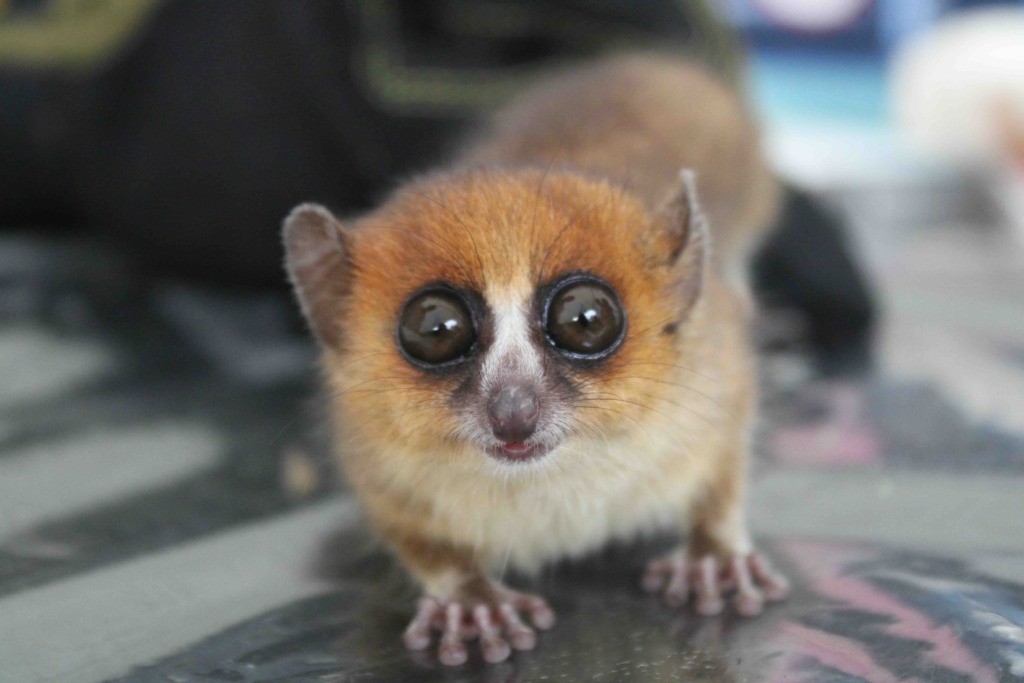
Lemur
लिमुर
Syllable: लिमुर
Pronunciation: Limur
- The lemur is sitting on a branch. – लिमुर हाँगामा बसेको छ।
- The lemur has a long tail. – लिमुरको लामो पुच्छर हुन्छ।
- Lemurs are found in Madagascar. – लिमुरहरू माडागास्करमा पाइन्छन्।

Tapir
टापिर
Syllable: टापिर
Pronunciation: Tapir
- The tapir is walking through the forest. – टापिर जंगलमा हिँडिरहेको छ।
- The tapir likes water. – टापिरलाई पानी मन पर्छ।
- The tapir is eating leaves. – टापिर पात खाइरहेको छ।
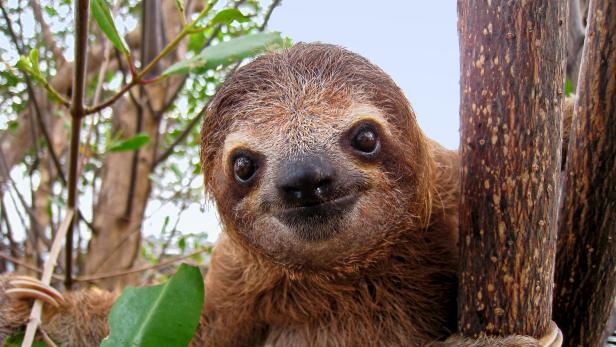
Sloth
स्लोथ
Syllable: स्लोथ
Pronunciation: Sloth
- The sloth is hanging from a tree. – स्लोथ रूखबाट झुन्डिएको छ।
- The sloth moves very slowly. – स्लोथ धेरै बिस्तारै हिँड्छ।
- The sloth is resting peacefully. – स्लोथ शान्तसँग आराम गरिरहेको छ।

Jaguar
जागुआर
Syllable: जागुआर
Pronunciation: Jaguar
- The jaguar is a powerful predator. – जागुआर शक्तिशाली शिकारी हो।
- The jaguar is walking near the river. – जागुआर नदी किनारमा हिँडिरहेको छ।
- The jaguar has beautiful spots on its body. – जागुआरको शरीरमा सुन्दर थोप्लाहरू हुन्छन्।
Easy Ways to Remember Nepali Wild Animal Names
One effective technique is to associate each animal with a distinctive feature. A giraffe’s long neck, a zebra’s stripes, a lion’s mane, or a rhinoceros’s horn can create strong visual memories that make vocabulary easier to recall.
Wildlife documentaries, zoo visits, and animal picture books can also support learning. Seeing the animal while reading its Nepali name helps strengthen the connection between the word and the image.
Another useful strategy is grouping animals according to habitat. Forest animals, mountain animals, grassland animals, and wetland animals can be studied separately before being reviewed together.
Simple Practice Ideas
- Use flashcards with wild animal pictures and Nepali names.
- Learn a few new animal names every week.
- Draw animals and label them in Nepali.
- Watch wildlife documentaries and identify species.
- Create a notebook for wildlife vocabulary.
- Match animal pictures with their names.
- Practice pronunciation aloud.
- Group animals according to habitat.
- Use animal names in simple sentences.
- Review previously learned vocabulary regularly.
- Visit a zoo and identify animals in Nepali.
- Ask family members to test your knowledge.
Regular exposure to wildlife content can make these words easier to remember and use.
Wild Animal Names in Nepali At a Glance
| # | English Name | Nepali Name | Pronunciation |
|---|---|---|---|
| 1 | Lion | सिंह | Singha |
| 2 | Tiger | बाघ | Bagh |
| 3 | Leopard | चितुवा | Chituwa |
| 4 | Cheetah | चिता | Chita |
| 5 | Elephant | हात्ती | Hatti |
| 6 | Rhinoceros | गैंडा | Gainda |
| 7 | Hippopotamus | दरियाई घोडा | Dariyai Ghoda |
| 8 | Bear | भालु | Bhalu |
| 9 | Wolf | ब्वाँसो | Bwanso |
| 10 | Fox | स्याल | Syal |
| 11 | Hyena | लकडबग्घा | Lakadbaggha |
| 12 | Jackal | सियार | Siyar |
| 13 | Deer | हरिण | Harin |
| 14 | Blackbuck | कृष्णसार | Krishnasar |
| 15 | Nilgai | नीलगाई | Nilgai |
| 16 | Alligator | एलिगेटर | Aligator |
| 17 | Monkey | बाँदर | Bandar |
| 18 | Langur | लंगुर | Langur |
| 19 | Gorilla | गोरिल्ला | Gorilla |
| 20 | Chimpanzee | चिम्पान्जी | Chimpanji |
| 21 | Giraffe | जिराफ | Jiraf |
| 22 | Zebra | जेब्रा | Jebra |
| 23 | Kangaroo | कङ्गारु | Kangaru |
| 24 | Panda | पान्डा | Panda |
| 25 | Koala | कोआला | Koala |
| 26 | Bison | बाइसन | Baison |
| 27 | Wild Water Buffalo | जंगली भैंसी | Jangali Bhainsi |
| 28 | Porcupine | साही | Sahi |
| 29 | Hare | खरायो | Kharayo |
| 30 | Otter | उदबिलाव | Udabilav |
| 31 | Mongoose | नेवला | Newala |
| 32 | Squirrel | गिलहरी | Gilhari |
| 33 | Bat | चमेरो | Chamero |
| 34 | Armadillo | आर्माडिलो | Armadilo |
| 35 | Meerkat | मीरक्याट | Mirkyat |
| 36 | Wolverine | वल्भरिन | Valvarin |
| 37 | Lemur | लिमुर | Limur |
| 38 | Tapir | टापिर | Tapir |
| 39 | Sloth | स्लोथ | Sloth |
| 40 | Jaguar | जागुआर | Jaguar |
Wild Animal Names Quiz
cExpanding Nepali Vocabulary Through Wildlife
Wild animals inspire curiosity because they showcase the diversity and adaptability of life in nature. Learning their names in Nepali helps learners build practical vocabulary while developing a deeper appreciation for the natural world.
As you continue growing your Nepali vocabulary, wildlife-related topics can introduce many fascinating words connected to science and nature. Which wild animal interests you the most? Have you ever seen one in a national park or wildlife sanctuary? Share your thoughts in the comments and tell other learners which Nepali wild animal name was the most memorable for you.