Flowers add color, fragrance, and beauty to the world around us. They bloom in gardens, parks, fields, forests, and even along roadsides, making them one of the most recognizable parts of nature. Their diverse shapes and vibrant colors make them easy for learners to identify and remember.
In Nepal, flowers hold cultural, religious, and decorative importance. Many are used during festivals, celebrations, and daily worship, while others brighten homes and public spaces. Because flowers are so visible in everyday life, learning their Nepali names can be both enjoyable and practical.
This worksheet introduces common flower names in Nepali, helping learners build nature-related vocabulary through familiar and beautiful plants.
Why Learning Flower Names in Nepali Matters
Flower names appear in school lessons, gardening activities, environmental studies, storybooks, and everyday conversations. Learning these words in Nepali helps learners describe nature more accurately and confidently.
For beginners, flowers are easy to learn because they can often be observed directly. Seeing a rose, lotus, sunflower, or jasmine while learning its Nepali name creates a strong visual connection that improves memory.
Flower vocabulary also encourages learners to pay closer attention to the natural world. Recognizing different flowers helps develop observation skills while expanding language knowledge.
Benefits of Learning Nepali Flower Names
- Builds useful nature-related vocabulary.
- Helps learners identify common flowers in Nepali.
- Supports reading and speaking activities.
- Improves pronunciation and word recognition.
- Encourages observation of plants and gardens.
- Supports classroom lessons and projects.
- Expands environmental vocabulary.
- Creates opportunities for practical language use.
- Helps learners describe surroundings more accurately.
- Makes learning more visual and engaging.
- Supports gardening and nature studies.
- Strengthens memory through real-life observation.
Because flowers can be found in many environments, learners have plenty of opportunities to practice these words naturally.
Colorful Blossoms You May Recognize
Some flowers are known for their fragrance, while others are admired for their striking appearance or unique petals. The list below includes commonly recognized flowers along with their Nepali names, helping learners connect familiar blooms with useful vocabulary.

Rose
गुलाफ
Syllable: गुलाफ
Pronunciation: Gulaf
- The rose smells wonderful. – गुलाफको सुगन्ध निकै राम्रो हुन्छ।
- She gave me a red rose. – उनले मलाई एउटा रातो गुलाफ दिइन्।
- The rose garden is beautiful. – गुलाफको बगैँचा सुन्दर छ।

Lotus
कमल
Syllable: कमल
Pronunciation: Kamal
- The lotus blooms in water. – कमल पानीमा फुल्छ।
- The lotus is Nepal\’s national flower. – कमल नेपालको राष्ट्रिय फूल हो।
- The pond is full of lotus flowers. – पोखरी कमलका फूलले भरिएको छ।

Jasmine
चमेली
Syllable: चमेली
Pronunciation: Chameli
- Jasmine flowers are fragrant. – चमेलीका फूल सुगन्धित हुन्छन्।
- She planted jasmine in her garden. – उनले आफ्नो बगैँचामा चमेली रोपिन्।
- The jasmine blooms at night. – चमेली राति फुल्छ।

Arabian Jasmine
मोगरा
Syllable: मोगरा
Pronunciation: Mogra
- Arabian jasmine has a sweet fragrance. – मोगराको मिठो सुगन्ध हुन्छ।
- She wore a garland of mogra flowers. – उनले मोगराको माला लगाइन्।
- The mogra plant is blooming. – मोगराको बोट फुलिरहेको छ।

Marigold
सयपत्री
Syllable: सयपत्री
Pronunciation: Sayapatri
- Marigolds are used in festivals. – सयपत्री चाडपर्वमा प्रयोग गरिन्छ।
- We made a garland of marigolds. – हामीले सयपत्रीको माला बनायौं।
- The marigold flowers are bright orange. – सयपत्रीका फूल चम्किला सुन्तला रंगका छन्।

Sunflower
सूर्यमुखी
Syllable: सूर्यमुखी
Pronunciation: Suryamukhi
- The sunflower faces the sun. – सूर्यमुखी सूर्यतर्फ फर्कन्छ।
- The sunflower is very tall. – सूर्यमुखी धेरै अग्लो छ।
- We planted sunflower seeds. – हामीले सूर्यमुखीको बिउ रोप्यौं।

Hibiscus
जवाफूल
Syllable: जवाफूल
Pronunciation: Jawaphool
- The hibiscus flower is red. – जवाफूल रातो हुन्छ।
- My grandmother grows hibiscus plants. – मेरी हजुरआमाले जवाफूलको बोट हुर्काउनुहुन्छ।
- The hibiscus blooms every morning. – जवाफूल हरेक बिहान फुल्छ।

Lily
लिली
Syllable: लिली
Pronunciation: Lily
- Lilies are elegant flowers. – लिली आकर्षक फूल हुन्।
- The white lily looks beautiful. – सेतो लिली सुन्दर देखिन्छ।
- She received a bouquet of lilies. – उनले लिलीको गुच्छा पाइन्।

Tuberose
रजनीगन्धा
Syllable: रजनीगन्धा
Pronunciation: Rajnigandha
- Tuberose has a strong fragrance. – रजनीगन्धाको बलियो सुगन्ध हुन्छ।
- The tuberose blooms at night. – रजनीगन्धा राति फुल्छ।
- We decorated the hall with tuberose flowers. – हामीले हललाई रजनीगन्धाले सजायौं।

Chrysanthemum
गोदावरी
Syllable: गोदावरी
Pronunciation: Godawari
- Chrysanthemums bloom in autumn. – गोदावरी शरद ऋतुमा फुल्छ।
- The chrysanthemum comes in many colors. – गोदावरी धेरै रंगमा पाइन्छ।
- She bought chrysanthemum plants. – उनले गोदावरीका बिरुवा किनिन्।

Periwinkle
सदाबहार
Syllable: सदाबहार
Pronunciation: Sadabahar
- Periwinkle flowers bloom throughout the year. – सदाबहार वर्षभरि फुल्छ।
- The periwinkle plant is easy to grow. – सदाबहारको बिरुवा सजिलै हुर्किन्छ।
- We planted periwinkles along the path. – हामीले बाटो छेउमा सदाबहार रोप्यौं।

Oleander
कनेर
Syllable: कनेर
Pronunciation: Kaner
- Oleander flowers are colorful. – कनेरका फूल रंगीन हुन्छन्।
- The oleander bush is flowering. – कनेरको झाडी फुलिरहेको छ।
- Be careful, oleander is poisonous. – सावधान रहनुहोस्, कनेर विषालु हुन्छ।

Crossandra
अबोली
Syllable: अबोली
Pronunciation: Aboli
- Crossandra flowers are bright orange. – अबोलीका फूल चम्किला सुन्तला रंगका हुन्छन्।
- She planted crossandra near the gate. – उनले ढोकाछेउ अबोली रोपिन्।
- The crossandra blooms for a long time. – अबोली लामो समयसम्म फुल्छ।

Champak
चम्पा
Syllable: चम्पा
Pronunciation: Champa
- Champak flowers have a lovely fragrance. – चम्पाका फूलको सुन्दर सुगन्ध हुन्छ।
- The champak tree is tall. – चम्पाको रूख अग्लो हुन्छ।
- She offered champak flowers at the temple. – उनले मन्दिरमा चम्पाका फूल चढाइन्।

Orchid
अर्किड
Syllable: अर्किड
Pronunciation: Orchid
- Orchids are exotic flowers. – अर्किड आकर्षक फूल हुन्।
- The orchid blooms beautifully. – अर्किड सुन्दर रूपमा फुल्छ।
- She grows orchids in pots. – उनले गमलामा अर्किड हुर्काउँछिन्।

Daisy
डेजी
Syllable: डेजी
Pronunciation: Daisy
- Daisies are simple and beautiful flowers. – डेजी साधारण र सुन्दर फूल हुन्।
- The daisy petals are white. – डेजीका पंखुडीहरू सेता हुन्छन्।
- Children picked daisies from the field. – बालबालिकाले खेतबाट डेजी टिपे।

Tulip
ट्युलिप
Syllable: ट्युलिप
Pronunciation: Tulip
- Tulips bloom in spring. – ट्युलिप वसन्त ऋतुमा फुल्छ।
- The tulip garden attracts many visitors. – ट्युलिप बगैँचाले धेरै पर्यटक आकर्षित गर्छ।
- She loves red tulips. – उनीलाई रातो ट्युलिप मन पर्छ।

Daffodil
नार्सिसस
Syllable: नार्सिसस
Pronunciation: Narsisus
- Daffodils bloom early in spring. – नार्सिसस वसन्तको सुरुमै फुल्छ।
- The yellow daffodils look cheerful. – पहेँला नार्सिसस रमाइला देखिन्छन्।
- We saw daffodils in the garden. – हामीले बगैँचामा नार्सिसस देख्यौं।
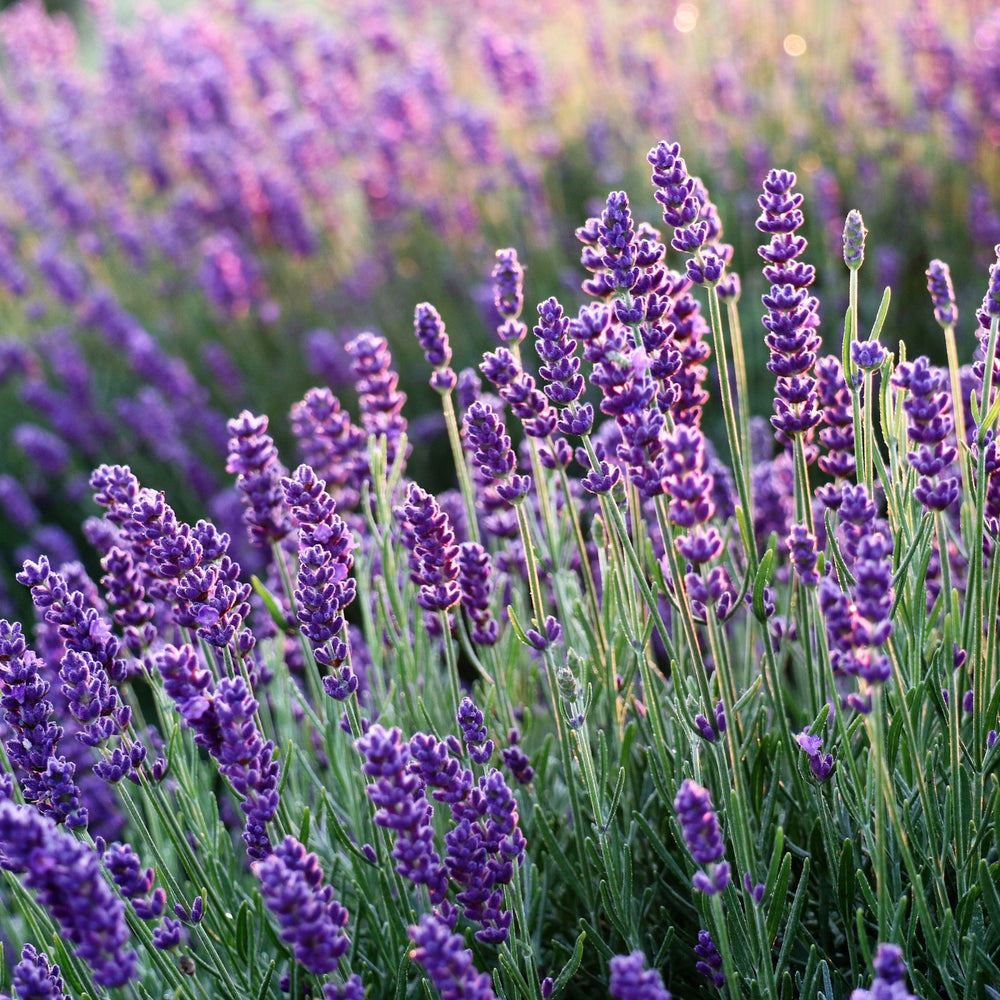
Lavender
ल्याभेन्डर
Syllable: ल्याभेन्डर
Pronunciation: Lavender
- Lavender has a calming fragrance. – ल्याभेन्डरको सुगन्ध शान्तिदायक हुन्छ।
- The lavender field looks beautiful. – ल्याभेन्डरको खेत सुन्दर देखिन्छ।
- She uses lavender oil. – उनी ल्याभेन्डरको तेल प्रयोग गर्छिन्।

Magnolia
म्याग्नोलिया
Syllable: म्याग्नोलिया
Pronunciation: Magnolia
- The magnolia flowers are large. – म्याग्नोलियाका फूल ठूला हुन्छन्।
- The magnolia tree blooms beautifully. – म्याग्नोलियाको रूख सुन्दर रूपमा फुल्छ।
- We admired the magnolia blossoms. – हामीले म्याग्नोलियाका फूलहरूको प्रशंसा गर्यौं।
Carnation
कार्नेशन
Syllable: कार्नेशन
Pronunciation: Karneshan
- Carnations are popular flowers. – कार्नेशन लोकप्रिय फूल हुन्।
- The pink carnation looks beautiful. – गुलाबी कार्नेशन सुन्दर देखिन्छ।
- She received a bouquet of carnations. – उनले कार्नेशनको गुच्छा पाइन्।

Dahlia
डाह्लिया
Syllable: डाह्लिया
Pronunciation: Dahlia
- Dahlias bloom in many colors. – डाह्लिया धेरै रंगमा फुल्छ।
- The dahlia flower is large and bright. – डाह्लियाको फूल ठूलो र चम्किलो हुन्छ।
- She planted dahlias in her garden. – उनले आफ्नो बगैँचामा डाह्लिया रोपिन्।

Pansy
प्यान्सी
Syllable: प्यान्सी
Pronunciation: Pansy
- Pansies have colorful petals. – प्यान्सीका पंखुडीहरू रंगीन हुन्छन्।
- The pansy flowers bloom in winter. – प्यान्सीका फूल जाडोमा फुल्छन्।
- We planted pansies in flower pots. – हामीले गमलामा प्यान्सी रोप्यौं।

Petunia
पेटुनिया
Syllable: पेटुनिया
Pronunciation: Petunia
- Petunias are easy to grow. – पेटुनिया सजिलै हुर्किन्छ।
- The petunia flowers are vibrant. – पेटुनियाका फूलहरू चम्किला हुन्छन्।
- She waters the petunias every day. – उनी हरेक दिन पेटुनियामा पानी हाल्छिन्।

Zinnia
जिनिया
Syllable: जिनिया
Pronunciation: Zinnia
- Zinnias attract butterflies. – जिनियाले पुतली आकर्षित गर्छ।
- The zinnia flowers are colorful. – जिनियाका फूल रंगीन हुन्छन्।
- We planted zinnias along the fence. – हामीले बारको छेउमा जिनिया रोप्यौं।

Cosmos
कोसमोस
Syllable: कोसमोस
Pronunciation: Cosmos
- Cosmos flowers sway in the wind. – कोसमोसका फूल हावामा हल्लिन्छन्।
- The cosmos garden looks beautiful. – कोसमोसको बगैँचा सुन्दर देखिन्छ।
- She picked a cosmos flower. – उनले एउटा कोसमोस फूल टिपिन्।

Iris
आइरिस
Syllable: आइरिस
Pronunciation: Iris
- The iris flower has unique petals. – आइरिस फूलका पंखुडीहरू अनौठा हुन्छन्।
- The purple iris is beautiful. – बैजनी आइरिस सुन्दर छ।
- We saw irises blooming in the park. – हामीले पार्कमा फुलेका आइरिस देख्यौं।

Bluebell
ब्लूबेल
Syllable: ब्लूबेल
Pronunciation: Bluebell
- Bluebells bloom in spring. – ब्लूबेल वसन्तमा फुल्छ।
- The bluebell flowers cover the forest floor. – ब्लूबेलका फूलले जंगलको भुइँ ढाक्छन्।
- She loves bluebell flowers. – उनीलाई ब्लूबेल फूल मन पर्छ।

Begonia
बेगोनिया
Syllable: बेगोनिया
Pronunciation: Begonia
- Begonias are popular garden plants. – बेगोनिया बगैँचामा लोकप्रिय बिरुवा हो।
- The begonia flowers are bright. – बेगोनियाका फूल चम्किला हुन्छन्।
- She grows begonias in containers. – उनले भाँडामा बेगोनिया हुर्काउँछिन्।

Camellia
क्यामेलिया
Syllable: क्यामेलिया
Pronunciation: Camellia
- Camellias bloom during cooler months. – क्यामेलिया चिसो मौसममा फुल्छ।
- The camellia flower is elegant. – क्यामेलियाको फूल आकर्षक हुन्छ।
- We admired the camellias in the garden. – हामीले बगैँचाका क्यामेलियाको प्रशंसा गर्यौं।

Gardenia
गार्डेनिया
Syllable: गार्डेनिया
Pronunciation: Gardenia
- Gardenias have a sweet fragrance. – गार्डेनियाको मिठो सुगन्ध हुन्छ।
- The white gardenia looks beautiful. – सेतो गार्डेनिया सुन्दर देखिन्छ।
- She planted a gardenia bush. – उनले गार्डेनियाको झाडी रोपिन्।

Geranium
जेरानियम
Syllable: जेरानियम
Pronunciation: Geranium
- Geraniums bloom for a long season. – जेरानियम लामो समयसम्म फुल्छ।
- The geranium flowers are bright red. – जेरानियमका फूल चम्किला रातो हुन्छन्।
- She keeps geraniums on the balcony. – उनी बालकनीमा जेरानियम राख्छिन्।

Hydrangea
हाइड्रेन्जिया
Syllable: हाइड्रेन्जिया
Pronunciation: Hydrangea
- Hydrangeas form large flower clusters. – हाइड्रेन्जियामा फूलका ठूला गुच्छा लाग्छन्।
- The hydrangea blooms beautifully. – हाइड्रेन्जिया सुन्दर रूपमा फुल्छ।
- We photographed the hydrangea flowers. – हामीले हाइड्रेन्जियाका फूलको फोटो खिच्यौं।

Peony
पियोनी
Syllable: पियोनी
Pronunciation: Peony
- Peonies have large blossoms. – पियोनीका फूल ठूला हुन्छन्।
- The peony garden is stunning. – पियोनीको बगैँचा मनमोहक छ।
- She received peonies as a gift. – उनले उपहारस्वरूप पियोनी पाइन्।
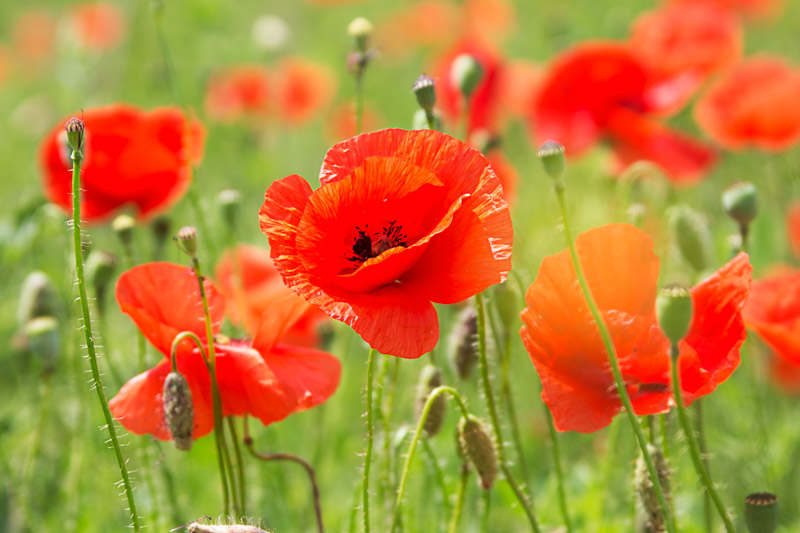
Poppy
पोपी
Syllable: पोपी
Pronunciation: Poppy
- Poppies are bright red flowers. – पोपी चम्किला राता फूल हुन्।
- The poppy field looks amazing. – पोपीको खेत अद्भुत देखिन्छ।
- We saw poppies blooming by the road. – हामीले सडकछेउ फुलेका पोपी देख्यौं।

Rhododendron
लालीगुराँस
Syllable: लालीगुराँस
Pronunciation: Laliguras
- Rhododendron is Nepal\’s national flower. – लालीगुराँस नेपालको राष्ट्रिय फूल हो।
- The hills are covered with rhododendrons. – पहाडहरू लालीगुराँसले ढाकिएका छन्।
- We enjoyed the rhododendron bloom. – हामीले लालीगुराँसको फूल फुलेको दृश्य रमाइलो मान्यौं।

Snapdragon
स्न्यापड्रागन
Syllable: स्न्यापड्रागन
Pronunciation: Snapdragon
- Snapdragons come in many colors. – स्न्यापड्रागन धेरै रंगमा पाइन्छ।
- The snapdragon flowers stand tall. – स्न्यापड्रागनका फूल अग्ला हुन्छन्।
- She planted snapdragons in rows. – उनले पंक्तिमा स्न्यापड्रागन रोपिन्।

Sweet Pea
स्वीट पी
Syllable: स्वीट पी
Pronunciation: Sweet Pea
- Sweet peas have a pleasant fragrance. – स्वीट पीको सुगन्ध मनमोहक हुन्छ।
- The sweet pea vine is climbing. – स्वीट पीको लहरा चढिरहेको छ।
- She picked sweet pea flowers for a vase. – उनले फूलदानीका लागि स्वीट पी टिपिन्।

Verbena
भर्बेना
Syllable: भर्बेना
Pronunciation: Verbena
- Verbena flowers attract butterflies. – भर्बेनाका फूलले पुतली आकर्षित गर्छन्।
- The verbena blooms all summer. – भर्बेना गर्मीयामभरि फुल्छ।
- We planted verbena in the garden. – हामीले बगैँचामा भर्बेना रोप्यौं।

Water Lily
कुमुदिनी
Syllable: कुमुदिनी
Pronunciation: Kumudini
- Water lilies float on the pond. – कुमुदिनी पोखरीमा तैरिन्छ।
- The water lily blooms beautifully. – कुमुदिनी सुन्दर रूपमा फुल्छ।
- We saw water lilies in the lake. – हामीले तालमा कुमुदिनी देख्यौं।
Easy Ways to Remember Nepali Flower Names
One useful technique is to connect each flower with a distinctive feature. The bright yellow petals of a sunflower, the fragrance of jasmine, or the elegant shape of a lotus can help create memorable associations.
Flower photographs, gardening books, and visits to parks or gardens can also support learning. Seeing flowers in real life while recalling their Nepali names often improves vocabulary retention.
Another effective strategy is grouping flowers by color, size, or growing environment. Organizing vocabulary into smaller categories can make learning easier.
Simple Practice Ideas
- Use flower flashcards with Nepali names.
- Learn a few flower names every week.
- Visit a garden and identify flowers you recognize.
- Draw flowers and label them in Nepali.
- Create a nature vocabulary notebook.
- Match flower pictures with their names.
- Practice pronunciation aloud.
- Use flower names in simple sentences.
- Review previously learned vocabulary regularly.
- Take photos of flowers and identify them later.
- Watch Nepali educational videos about plants.
- Ask family members to test your knowledge.
Regular observation and repetition can help learners remember flower names more effectively.
Flower Names in Nepali At a Glance
| # | English Name | Nepali Name | Pronunciation |
|---|---|---|---|
| 1 | Rose | गुलाफ | Gulaf |
| 2 | Lotus | कमल | Kamal |
| 3 | Jasmine | चमेली | Chameli |
| 4 | Arabian Jasmine | मोगरा | Mogra |
| 5 | Marigold | सयपत्री | Sayapatri |
| 6 | Sunflower | सूर्यमुखी | Suryamukhi |
| 7 | Hibiscus | जवाफूल | Jawaphool |
| 8 | Lily | लिली | Lily |
| 9 | Tuberose | रजनीगन्धा | Rajnigandha |
| 10 | Chrysanthemum | गोदावरी | Godawari |
| 11 | Periwinkle | सदाबहार | Sadabahar |
| 12 | Oleander | कनेर | Kaner |
| 13 | Crossandra | अबोली | Aboli |
| 14 | Champak | चम्पा | Champa |
| 15 | Orchid | अर्किड | Orchid |
| 16 | Daisy | डेजी | Daisy |
| 17 | Tulip | ट्युलिप | Tulip |
| 18 | Daffodil | नार्सिसस | Narsisus |
| 19 | Lavender | ल्याभेन्डर | Lavender |
| 20 | Magnolia | म्याग्नोलिया | Magnolia |
| 21 | Carnation | कार्नेशन | Karneshan |
| 22 | Dahlia | डाह्लिया | Dahlia |
| 23 | Pansy | प्यान्सी | Pansy |
| 24 | Petunia | पेटुनिया | Petunia |
| 25 | Zinnia | जिनिया | Zinnia |
| 26 | Cosmos | कोसमोस | Cosmos |
| 27 | Iris | आइरिस | Iris |
| 28 | Bluebell | ब्लूबेल | Bluebell |
| 29 | Begonia | बेगोनिया | Begonia |
| 30 | Camellia | क्यामेलिया | Camellia |
| 31 | Gardenia | गार्डेनिया | Gardenia |
| 32 | Geranium | जेरानियम | Geranium |
| 33 | Hydrangea | हाइड्रेन्जिया | Hydrangea |
| 34 | Peony | पियोनी | Peony |
| 35 | Poppy | पोपी | Poppy |
| 36 | Rhododendron | लालीगुराँस | Laliguras |
| 37 | Snapdragon | स्न्यापड्रागन | Snapdragon |
| 38 | Sweet Pea | स्वीट पी | Sweet Pea |
| 39 | Verbena | भर्बेना | Verbena |
| 40 | Water Lily | कुमुदिनी | Kumudini |
Flower Names Quiz
Growing Nepali Vocabulary Through Nature
Flowers provide a wonderful way to learn new words because they combine language learning with visual experiences from everyday life. Their beauty and variety make them memorable, while their presence in gardens and public spaces creates natural opportunities for practice.
As you continue expanding your Nepali vocabulary, nature-related topics can introduce many useful and interesting words.
Which flower do you see most often in your area? Did you learn a Nepali flower name today that you had never heard before? Share your thoughts in the comments and join the conversation with fellow learners.